Bi Bim Bab
Our verdict
Bibimbab brings Korean home cooking to Novi's Main Street Atrium, occupying a corner of Metro Detroit's quietly expanding roster of Asian dining options. The format centers on the rice bowl tradition that has sustained Korean households for generations, grounded in ingredient ratios and seasoning discipline rather than spectacle. For Novi residents looking beyond the suburban chain circuit, it represents a practical and sincere option.

Pearl is the En Primeur Club membership app — saves, bookings, and concierge access live there. Same editors, same standards.
- Address
- Atrium Of Novi, 43155 Main St #300, Novi, MI 48375
- Phone
- (248) 635-3282
- Hours
- Mon ClosedTue–Wed 11:30 AM–10 PMThu 11:30 AM–10:30 PMFri 11:30 AM–11 PMSat 11:30 AM–11:30 PMSun 11:30 AM–9 PM
- Website
- bibimbab-novi.com
- Directions
- Get directions
- Booking
- Book on the venue's website
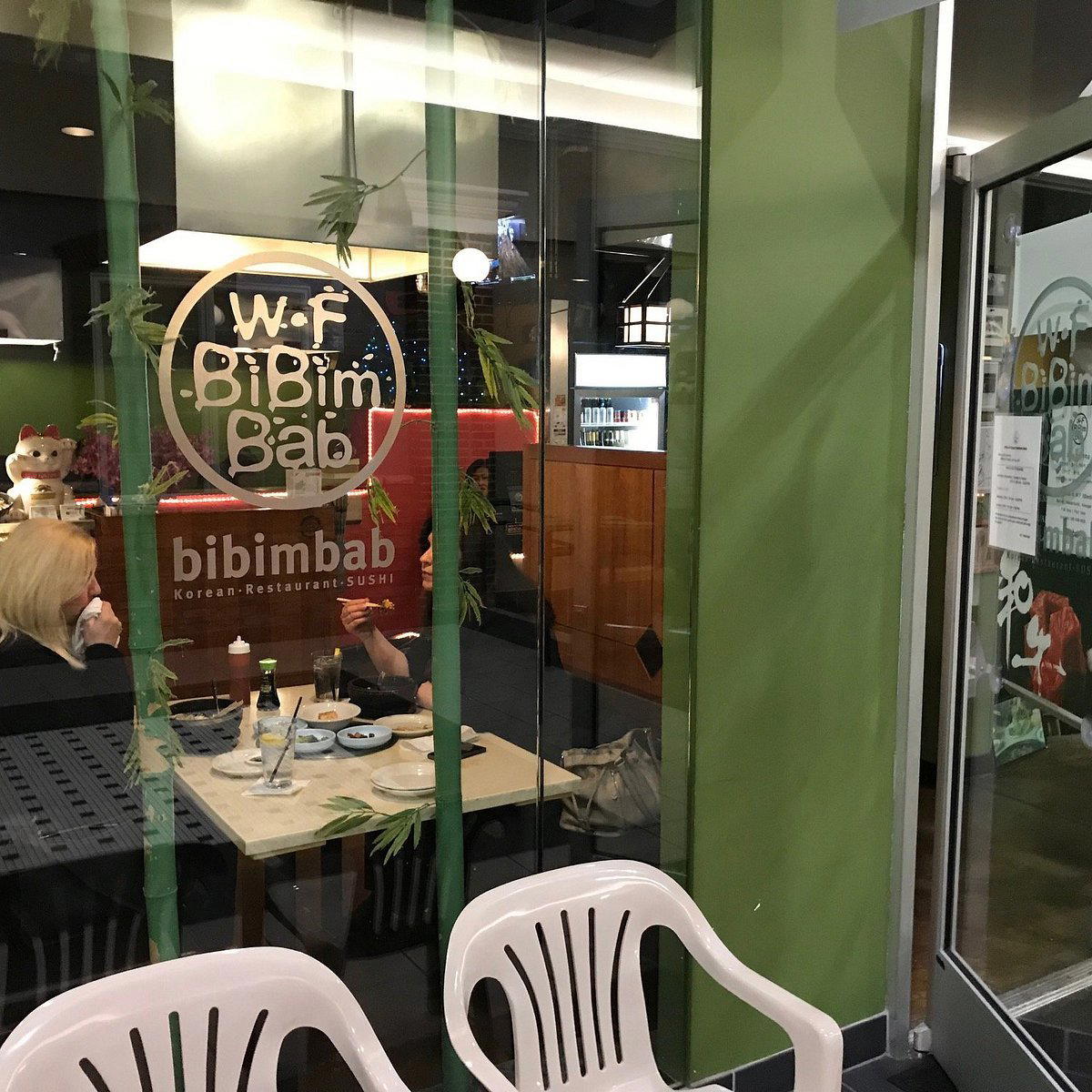
Korean Rice Bowl Culture in a Suburban Michigan Setting
The rice bowl is one of the more democratic formats in Korean cooking. Unlike the tasting-menu architecture that defines the kind of precision dining you find at Atomix in New York City — where the same Korean culinary tradition gets translated into a $$$$ omakase framework — bibimbap and its relatives exist to feed people efficiently and well, using whatever vegetables, proteins, and fermented condiments are at hand. The dish is, in its simplest form, a system: a base of rice, a set of seasoned toppings arranged by color and texture, and a binding sauce, usually gochujang-based, that ties the components together when mixed. Getting that system right requires sourcing discipline and seasoning consistency, not theatrical presentation.
Bibimbab, located in the Atrium of Novi at 43155 Main St, sits inside that tradition. The Atrium is a mixed-use development along Novi's Main Street corridor, a stretch that has drawn a range of independent dining operations alongside the area's more predictable suburban retail. The setting is practical rather than atmospheric in the conventional restaurant sense, an interior mall anchor slot rather than a freestanding dining room, which means the food has to carry the experience on its own terms.
Why Ingredient Discipline Defines the Bibimbap Format
The editorial case for paying attention to a bibimbap restaurant comes down to one question: where does the produce come from, and how is it prepared? The dish's visual logic, vegetables arranged in sections across the rice, exposes sourcing quality directly. Bland spinach namul, rubbery mushrooms, or pre-cut vegetables that have been sitting too long read immediately once the bowl is mixed. The gochujang ratio matters too, too much paste overwhelms the individual components; too little and the dish lacks cohesion.
This is partly why farm-sourcing conversations that define destination-level restaurants in the United States, places like Blue Hill at Stone Barns in Tarrytown or Single Thread Farm in Healdsburg, matter even at the everyday end of the price spectrum. The difference between a bibimbap bowl that tastes of something and one that doesn't usually comes down to whether the vegetables were sourced with any intention. Michigan's agricultural calendar offers real options: beet greens, zucchini, and bean sprouts are grown regionally, and the Great Lakes region has a legitimate claim to fresh produce quality during the spring and summer months.
Novi's Asian Dining Context
Novi sits within Metro Detroit's broader geography of Asian dining, a scene shaped significantly by the area's Korean-American and Chinese-American communities in Oakland County. The city's restaurant mix has historically leaned toward chain formats and suburban casual, but independent operations have found footholds along the Main Street development zone. Novi Siam Spicy and Shiro represent adjacent options in the Asian dining category, giving the area a cluster of choices that makes it worth planning a meal around if you're in the corridor. For a fuller picture of where Bibimbab fits in the local dining scene, the full Novi restaurants guide maps the options by format and price tier.
At the national level, Korean cooking has entered a period of visible critical recognition. Atomix's positioning at the $$$$-tier tasting menu level, alongside French-derived formats at Le Bernardin in New York City or technique-forward American kitchens like Lazy Bear in San Francisco and Smyth in Chicago, has expanded the critical frame around what Korean cuisine can accomplish at altitude. But that refined conversation has a base, and the base is everyday Korean cooking done with consistency and care. Bibimbab operates in that tier, which is the majority of how people actually eat Korean food.
What to Expect When You Visit
The Atrium of Novi location means walk-in access is the default mode. There is no confirmed online booking infrastructure associated with Bibimbab, and the format of a Korean rice bowl restaurant in a mixed-use atrium setting generally implies counter or table service at lunch and dinner hours rather than a reservation-required structure. For visitors coming specifically for the restaurant rather than the broader Atrium, arriving during off-peak hours, mid-afternoon weekdays, or early in the dinner window, avoids the Main Street foot traffic that can slow service at smaller independent operations.
Price data is, but Korean casual formats in suburban Michigan generally operate at a lower price point than comparable cuisine from producers like Providence in Los Angeles, Addison in San Diego, or The French Laundry in Napa. The comparison is not a slight, it illustrates that the bibimbap format is structurally accessible in a way that fine dining tasting menus are not, which is a feature, not a limitation. The same culinary logic of seasonal vegetables, fermented condiments, and grain-based nutrition that informs ingredient-driven kitchens at Frasca Food and Wine in Boulder or The Wolf's Tailor in Denver applies here at a fraction of the price point.
The address at Suite 300 within the Atrium suggests an upper-floor or interior unit positioning, so first-time visitors should look for signage from the main Atrium entrance on Main Street rather than expecting street-level frontage. Parking in the Atrium's associated structures is the practical approach for evening visits when street parking along the Main Street corridor fills.
Frequently asked questions
Does Bibimbab work for a family meal?
The rice bowl format at Bibimbab is well-suited to groups with varying appetites — individual bowls mean no shared-plate negotiation, and the Atrium of Novi location offers walk-in access without a reservation requirement. The strip-mall setting at 43155 Main St is low-pressure and practical rather than occasion-driven. Families with younger diners will find the format approachable: rice and vegetables as the structural base leaves room for customisation without the kitchen needing to accommodate complex substitutions.
How would you describe the vibe at Bibimbab?
Bibimbab occupies a retail-adjacent space inside the Atrium of Novi, which sets the tone immediately: this is a neighbourhood lunch counter, not a destination dining room. The surrounding mix of shops and foot traffic makes it a practical stop rather than a sit-and-linger environment. For diners coming from Metro Detroit's denser restaurant corridors, the mood is closer to a casual Korean canteen than a full-service restaurant.
Is Bibimbab in Novi a good option for a Korean food introduction if you've never tried bibimbap before?
Bibimbap is one of the more accessible entry points into Korean cooking — a single bowl combining rice, seasoned vegetables, and a protein, typically finished with gochujang paste that the diner mixes in themselves. Bibimbab's location inside the Atrium of Novi at 43155 Main St means walk-in access with no booking pressure, which suits first-time visitors who prefer a low-commitment setting. Metro Detroit has a meaningful Korean-American dining presence, and a dedicated rice bowl restaurant in Novi sits squarely within that regional context.
What's the best thing to order at Bibimbab?
The venue name points directly at the answer: bibimbab (the restaurant's spelling of the Korean staple) is the format the kitchen is built around. The editorial case for the dish rests on ingredient discipline — how the vegetables are prepared and sourced determines whether a rice bowl justifies the trip.
What part of town is Bibimbab in?
Bibimbab is located at Atrium Of Novi, 43155 Main St #300, Novi, MI 48375, Novi.
| Venue | Cuisine | Price | Awards | Notes |
|---|---|---|---|---|
| BibimbabThis venue — the venue you are viewing | Authentic Korean BBQ and Bibimbap | $20–30 | Not listed | Not listed |
| Le Bernardin | French Seafood Fine Dining | $300–500 | 3 Michelin Stars · World's 50 Best #13 | French, Seafood |
| Lazy Bear | Modern American Tasting Menu | Not listed | 2 Michelin Stars · World's 50 Best #25 | Progressive American, Contemporary |
| Atomix | Modern Korean Tasting Menu | $300–500 | 2 Michelin Stars · World's 50 Best #7 | Modern Korean, Korean |
| Per Se | French Fine Dining Tasting Menu | $300–500 | 3 Michelin Stars · World's 50 Best #40 | French, Contemporary |
| Masa | Traditional Japanese Omakase | $500+ | 2 Michelin Stars · World's 50 Best #27 | Sushi, Japanese |




Details
- Cozy
- Group Dining
- Family
- Casual Hangout
- Open Kitchen
- Sake Program
- A La Carte
- Sake
- Soju
- Vegetarian Friendly
- Gluten Free Options
Current opening hours
- Monday
- Closed
- Tuesday
- 11:30 AM–10 PM
- Wednesday
- 11:30 AM–10 PM
- Thursday
- 11:30 AM–10:30 PM
- Friday
- 11:30 AM–11 PM
- Saturday
- 11:30 AM–11:30 PM
- Sunday
- 11:30 AM–9 PM
Hours can change for holidays and private events. Last verified .
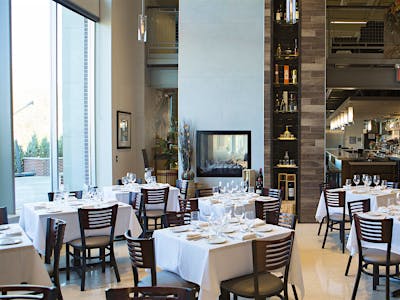
Cozy atmosphere with grill-integrated tables for interactive dining and accommodating for groups.