← Guides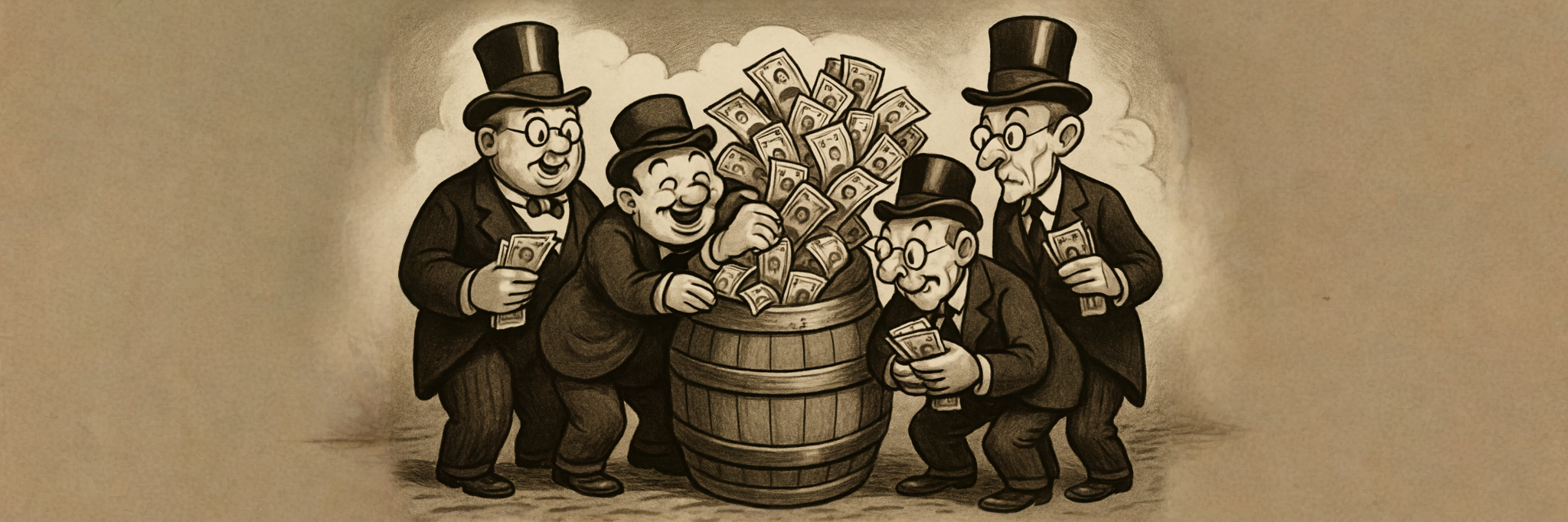
Premiumization, tasting-room fees, and consolidation expose a trust problem in wine’s prolonged market slump.
Premiumization, tasting-room fees, and consolidation expose a trust problem in wine’s prolonged market slump.
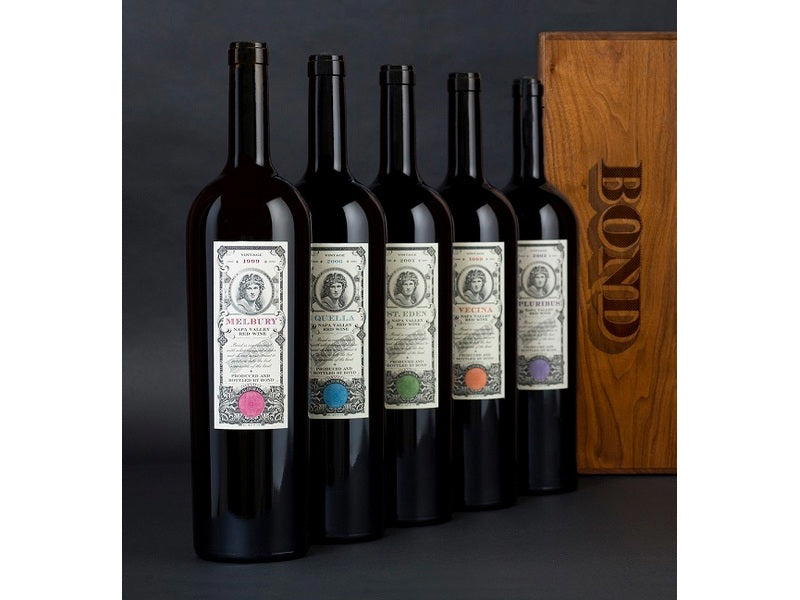
A $50 Napa Valley Cabernet Sauvignon becoming $120 says more than a price tag ever should. Wine itself is not the problem: flawed bottles are far rarer than they were in the 1960s and 1970s, and the modern drinker has access to an extraordinary range of well-made bottles from around the world. The strain sits around the bottle, in pricing, distribution, tasting-room fees, restaurant markups, and allocation models that can make discovery feel less like hospitality and more like extraction.
Cory Doctorow, author, blogger, pundit, advisor to the EFF, and advocate for open-source and copyright-free technology and content, coined the framework now being applied to wine’s marketing and sales machinery. His summary is blunt: "First, [companies] are good to their users; then they abuse their users to make things better for their business customers; finally, they abuse those business customers to claw back all the value for themselves. Then, they die."
For wine, the cycle is not about declining quality in the glass. It is about the commercial path that leads to it: the reservation fee before the first pour, the distribution channel that narrows choice, the price ladder that asks drinkers to read cost as quality, and the club commitment that can sit between a collector and the one cuvée they actually want.
The backdrop is severe. Wine sales and consumption have fallen from the anomalous pandemic-era bump to levels not seen since the 1970s, with peak volume reached in 2021. By the classic economic shorthand of three consecutive quarters of contraction, the sector has moved well beyond a routine recession. Rising costs, a resurgent political neo-temperance movement, and generational shifts in consumers press from outside; the industry’s own habits have made the landing harder.
Premiumization dates to the late 1990s and took firmer hold in the mid-2000s, just as Baby Boomers, the generation that powered wine’s growth through the 1980s, 1990s, and 2000s, reached peak earnings power, began retiring, and gradually reduced consumption. The industry noticed that drinkers were buying better wine in lower volume. Too often, the response was to push price first and let the story follow.
The logic is painfully familiar: if a consumer believes a $30 Chardonnay is clearly better than a $22 Chardonnay, why not price the $22 bottle at $30? Rising costs then amplified the effect, turning that $50 Napa Valley Cabernet Sauvignon into $120. Big corporate wineries also introduced new brands at higher price points with little discernible qualitative difference from established, lower-priced labels.
That shift changed wine’s place at the table. What had been an affordable, frequent luxury became, for many drinkers, a special-occasion beverage. Beer, canned cocktails, cider, and spirits gained ground for casual drinking occasions as wine priced itself away from everyday reach.
Younger consumers are not inclined to accept the old ladder on faith. Millennials, as the first internet generation, learned to weigh information beyond mainstream wine media, and ecommerce trained drinkers to compare bottles, regions, and prices with ease. When the signal of quality becomes too dependent on price, trust thins quickly, especially among enthusiasts already voicing suspicion on Reddit’s r/wine.
Tariffs would make the arithmetic worse. The deeper lesson is simpler: scarcity, provenance, vintage character, and genuine estate identity can justify a premium. A price increase without a corresponding reason cannot carry the same weight.
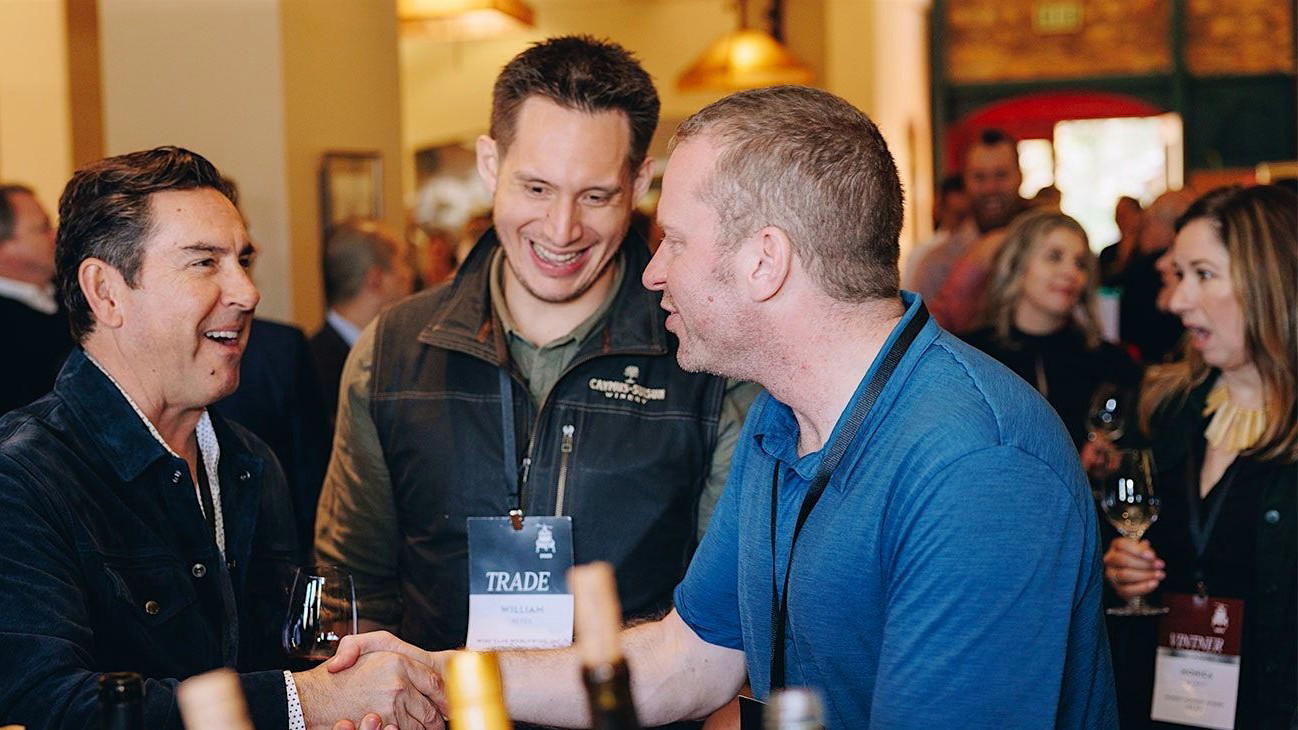
The tasting room was once wine’s most persuasive invitation. Even in Napa Valley, winery tastings once carried no fee. That generosity became difficult to sustain as wine tourism grew and some visitors treated free tastings as a circuit of open bars; fees began as a crowd-control tool to protect staff, inventory, and the experience for serious drinkers.
The problem arrived when the fee became a profit center. In many desirable wine-growing regions, high tasting-room charges now create a barrier to entry, making leisurely wine-country travel feel reserved for the well-to-do. Some wineries are beginning to reverse those charges, a gesture that matters because it restores a measure of welcome before the commercial conversation begins.
For a collector or serious traveler, the fee itself is only one signal. The more revealing sequence is the reservation requirement, tasting charge, purchase credit, club expectation, and allocation access. Each step can be reasonable. Stacked badly, they turn a visit into a funnel; handled with grace, they can still feel like privileged access to the estate.
Regional behavior is shifting around that pressure. High tasting-room fees are one reason local wine tourism outside the five major U.S. wine states, California, Washington, Oregon, Texas, and New York, is increasing while tourism within them is not. Access has become part of terroir in the broadest sense: not what is in the soil, but how the drinker is allowed to approach the wine.
Scale now shapes much of the shelf. The five largest wineries in the U.S. wine market, Gallo, The Wine Group, Constellation Brands, Delicato Family Vineyards, and Trinchero Family Estates, together account for more than 58% of sales. The top 50 brands account for 90% of the market.
Large producers can make clean, reliable wine, and many do. The trade-off is conformity. Scaling production often smooths away the distinctions that make fine wine compelling: vintage variation, AVA nuance, and the personality of a specific site. Too much of the grocery and big-box wine aisle begins to resemble cereal, branded, packaged, priced, and differentiated more by label architecture than by place.
The distribution channel has narrowed as well. In 1995, the United States had 1,800 wineries and 3,000 wine distributors. By 2023, it had 12,000 wineries, a 567% increase, and 1,000 wine wholesalers, a 67% decrease. More producers are trying to reach market through fewer gatekeepers.
That imbalance favors large wine companies with the volume to command attention. A wholesaler has little incentive to spend meaningful time moving 500 cases for a small or mid-sized winery when millions of cases from a major partner can travel through multiple states. The result is less competition, less selection, and more pressure toward uniform pricing and uniform style.
Retail has moved in the same direction. Independent wine shops once built loyalty through expertise and curation; big-box and chain retailers now dominate much of the market. For drinkers who care about discovery, the loss is not nostalgia. It is fewer chances to encounter the small producer, the interesting appellation, or the bottle that needs a knowledgeable merchant to put it in the right hands.
Restaurant wine pricing deserves the sharpest scrutiny. Fine-dining channel pricing often assumes a 300% to 400% markup from cost for a bottle placed on a list or poured by the glass. The old formula is brutally efficient: the cost of the bottle becomes the price of a glass. An $18 Chardonnay by the glass likely means the restaurant paid about $18 for the full bottle.
The National Restaurant Association has noted that 75% of restaurant business is off-premise, with patrons choosing take-out or delivery. Even with fast-food and family dining accounting for much of that number, the trend adds pressure to fine dining and to wine programs already dependent on alcohol margins. Irene Miller, wine director at Le Coucou in New York, put the economics plainly: "The profit of the restaurant comes down to alcohol, plain and simple. There’s only so much that people can eat, and therefore spend on food, but the limits are off when it comes to wine."
Wine clubs and allocations need the same clear-eyed reading. A club can be a genuine reward for loyalty, but for highly sought-after wines it can also become the only route to a desired bottle. The catch is familiar: buy other wines, in quantities set by the winery, at intervals controlled by the winery, to access the one release that drew you in.
Before accepting a premium release narrative, compare the price with the producer’s own recent history. Before booking a tasting, examine the fee structure, the lineup, and whether purchases alter the cost of the visit. Before joining a club, look at how allocations are assigned and whether the commitment gives access to wines you want.
The stronger estates will still win by making belief easier: transparent pricing, serious hospitality, thoughtful allocations, and bottles whose quality speaks with the clarity of place. Wine’s strongest assets remain vintage, terroir, craftsmanship, scarcity, and memory. The houses that protect those pleasures, rather than taxing every step toward them, will be the ones worth following.
Get the App
Take the shortlist into the En Primeur Club app for concierge access, saved places, and the next step after discovery.
Get Exclusive AccessMore from the editors