← Guides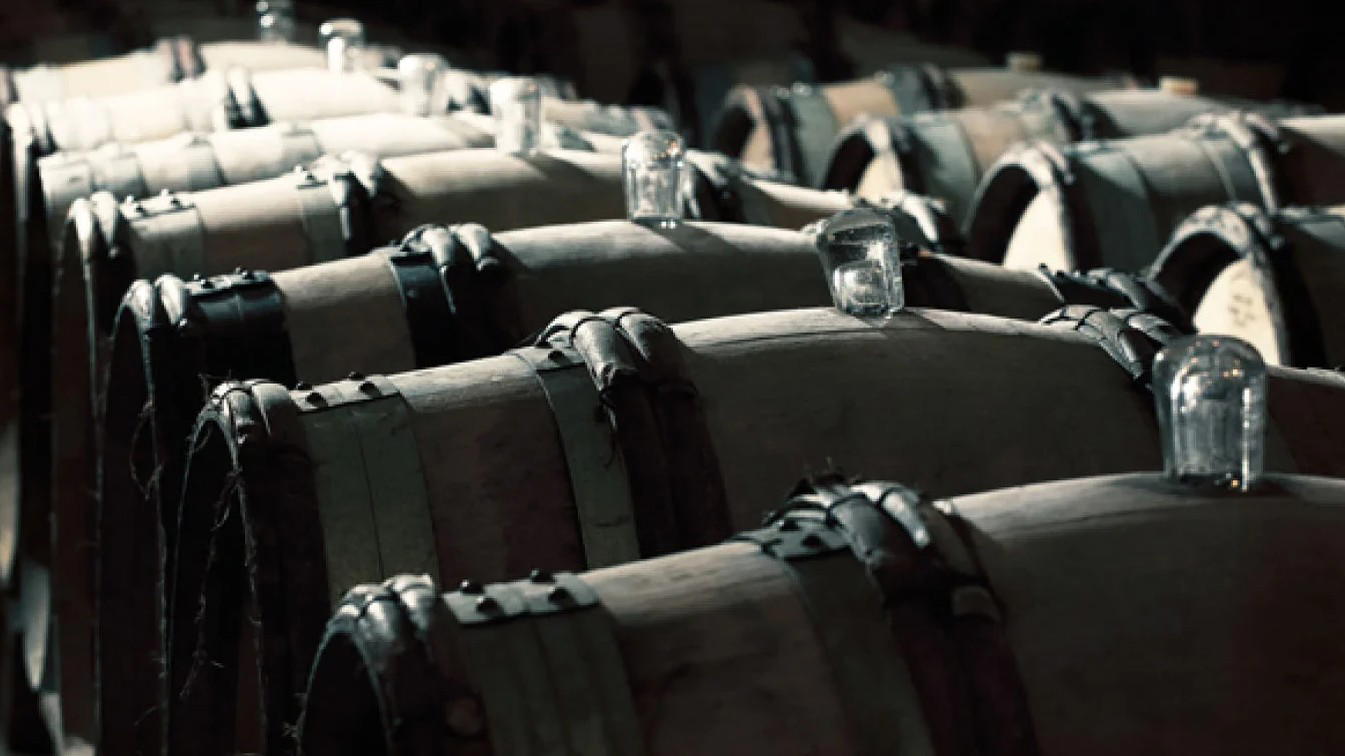
Plan a William Fèvre Chablis winery visit, with direct booking details, cellar access notes, Grand Cru tasting context and alternatives for serious collectors.
Plan a William Fèvre Chablis winery visit, with direct booking details, cellar access notes, Grand Cru tasting context and alternatives for serious collectors.
DomaineWilliam Fèvre on the rue Jules Rathier in Chablis is one of the rare serious Burgundy domaines you can book directly. You can reserve a tasting through the domaine's website and, when cellar visits are running, may be able to see the winemaking installations as part of an appointment; confirm the current format before assuming cellar access. That is not the norm in this appellation. Most of Chablis's serious producers, Raveneau, Dauvissat, Billaud-Simon at its most selective, do not receive casual visitors at all. William Fèvre is the exception that proves the rule, and understanding exactly what that access buys you, and what it doesn't, matters before you go.
Getting into William Fèvre is achievable for any motivated visitor who plans ahead. Getting into the cellars of François Raveneau is, for most people, not possible, and no amount of planning changes that. Know which door you're knocking on before you book your train to Auxerre.
William Fèvre's estate sits at the northern edge of Chablis town, a short walk from the Serein river. The domaine owns parcels across the appellation's most coveted ground, including holdings in six of Chablis's seven Grand Cru vineyards, among them Les Clos, Vaudésir, and Bougros, and the tasting room reflects that breadth. Visits are structured around the range,1 moving from village-level Chablis through Premier Cru and into the Grands Crus, tasting from bottle rather than barrel, with a guide who can speak to the Kimmeridgian limestone and clay soils that define the appellation's character.
The cellars themselves are functional rather than theatrical, no candlelit cathedral stonework, no theatrical fog. What you get instead is proximity to the actual winemaking infrastructure: the temperature-controlled fermentation tanks, the older barrels used for a leading cuvées, and the bottling line. The domaine has been owned by Domaines Barons de Rothschild Lafite since January 2024, following its move from Henriot to Artémis Domaines in 2022 and then to DBR Lafite in 2024; its scale and Grand Cru holdings make it one of the larger domaine presences in the appellation. Cellar and installation visits are by appointment only,1 for both individuals and groups.
Tastings typically cover five to eight wines depending on the format chosen. The Grands Crus, particularly the single-vineyard Les Clos, which ages in a proportion of new oak, are the reason serious collectors make the trip. If Les Clos is your priority, confirm the format when booking, because tasting it in situ, with the vineyard visible from the property, is a different experience from encountering the same bottle at auction.
Guided visits are available in English, German, Spanish, and Japanese,1 useful if you are travelling with non-French speakers. William Fèvre draws a mix of wine-focused tourists, trade buyers passing through the Yonne, and collectors who have been drinking the wines for years and want to see the source. It is not a coach-tour destination. Groups tend to be small, and the conversation level is generally high.
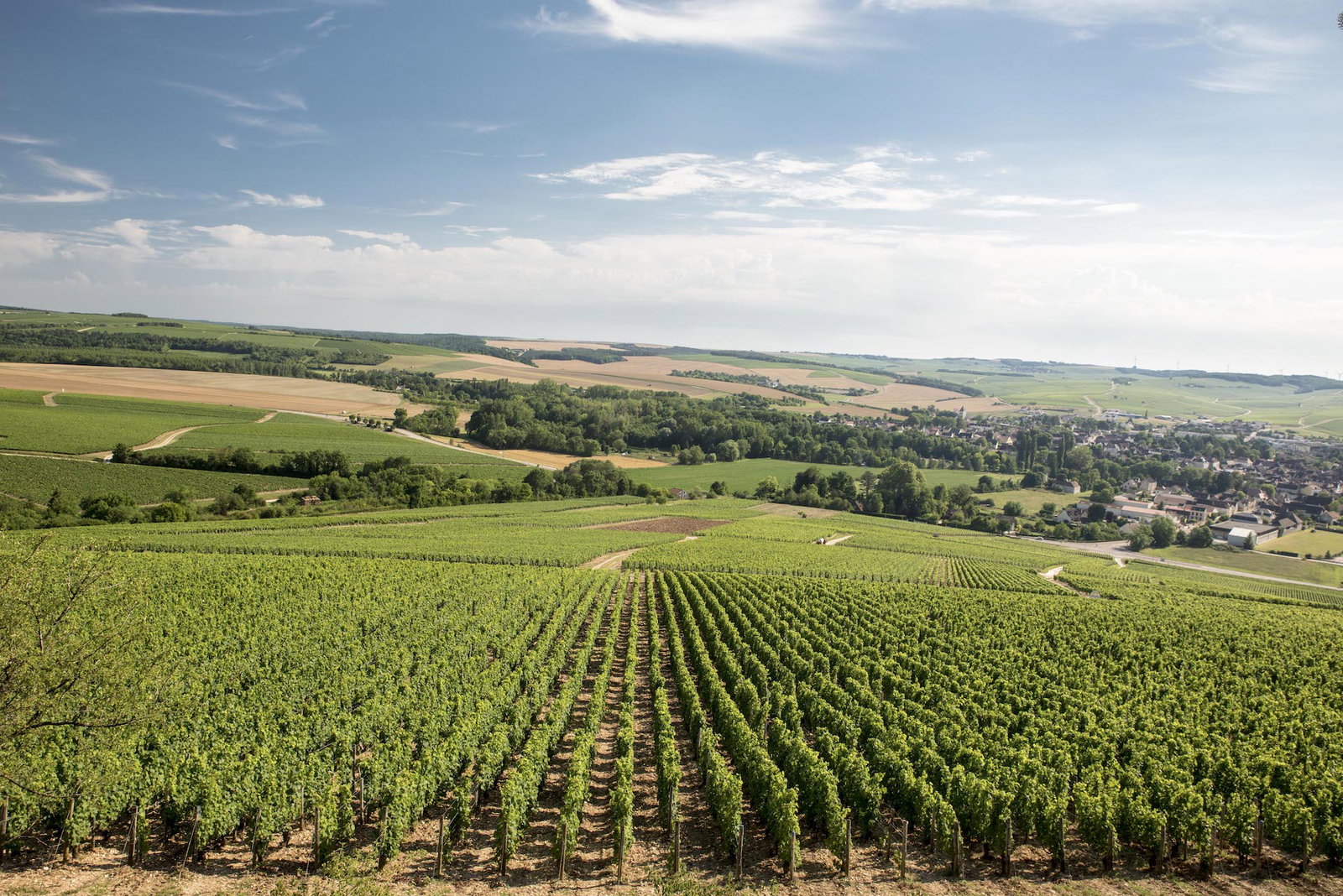
Chablis is a small appellation, the entire Grand Cru vineyard block covers just over 100 hectares on a single south-facing slope above the town. The producers who farm particularly coveted parcels are, almost without exception, family operations with no commercial incentive to open their doors to strangers.
Jean-Marie and Bernard Raveneau, the sons of founder François Raveneau, produce a small number of cases per year across all appellations; their allocation list has been effectively closed for years, and the domaine does not receive visitors outside of trade relationships. Vincent Dauvissat operates similarly.
Tiny production and finite time explain those closed doors.
William Fèvre occupies a different position. With the resources of Domaines Barons de Rothschild Lafite (DBR Lafite) behind it, the domaine can receive visitors without disrupting the winemaking calendar. That scale makes the open door possible. It also means the wines are more widely distributed than Raveneau or Dauvissat, you can find Fèvre's village Chablis in good wine merchants across Europe and the US, which is precisely why the cellar visit adds something the bottle alone cannot.
Tasting-sale to individuals is available every day from March 1st to November 30th.1 Opening hours from March 1 to November 30, 2026 run Monday through Saturday from 09:30 to 12:30 and 13:30 to 18:30, with Sunday hours of 11:00 to 16:00.1 From December 1 to December 17, 2026, the domaine is open Monday through Saturday, 10:00 to 12:00 and 13:00 to 18:00.1
Bookings appear to open on a rolling basis rather than in a single annual release. Confirm current availability and lead times directly with the domaine before building a trip around a specific date. Harvest season, typically late September into October in Chablis, is the period of highest demand and lowest staff availability; visits during that window may be limited or unavailable. Note also that cellar visits have at times been suspended due to operational constraints,2 so confirm the current format when you book.
The primary booking surface is the domaine's own website at williamfevre.fr, where visit formats and contact details are listed. The domaine is located at 10, rue Jules Rathier, 89800 Chablis; phone 03 86 18 14 37.2 Email is the standard channel for arranging a tasting; the team responds in both French and English. There is no third-party platform that reliably intermediates access, this is a direct-booking relationship.
William Fèvre accepts American Express, credit card, cheques, postal orders, and cash,2 worth knowing if you plan to purchase bottles after the tasting.
For trade buyers or collectors seeking access to library vintages or larger format bottles, contact the domaine's export team or work through a négociant relationship. The domaine does not operate a public mailing list for allocation in the way that a Napa cult producer would, Fèvre wines are distributed through the normal Burgundy trade channels, and your merchant relationship is the relevant lever for securing allocations of a leading cuvées.
Time versus effort: A standard tasting at William Fèvre is priced at a level consistent with serious Burgundy domaine visits, so confirm the current cost when booking. The time investment is low relative to alternatives: a direct email, a confirmed slot, a morning in Chablis. Compare that to the Raveneau route, which requires years of merchant relationship-building, a track record of buying at release, and even then offers no guarantee of a cellar visit.
Book well in advance and contact them directly to confirm current availability for your preferred dates. When you email, specify the number of people in your party and whether you have a particular interest in the Grands Crus; the team can tailor the visit format accordingly.1
If your goal is the Grand Cru Les Clos specifically, ask whether the current vintage is available to taste. The domaine releases its Grands Crus later than the village and Premier Cru wines, and not every format includes the full Grand Cru range.
For allocation of a leading wines, Les Clos, Vaudésir, Bougros, the cellar visit is not the purchase channel. Build a relationship with a merchant who holds a Fèvre allocation (Berry Bros. & Rudd, Justerini & Brooks, and Burgundy specialists like Domaine Direct in the UK carry the range) and buy consistently across the portfolio, including the village and Premier Cru wines. That purchase history is what moves you up the allocation queue when the Grands Crus are released.
En primeur is not a standard access route for Chablis in the way it is for Bordeaux, the wines are typically released after bottling, and the window between vintage and release is shorter. The secondary market (Liv-ex, auction at Sotheby's or Acker) is the realistic route for older vintages of Raveneau or Dauvissat if you want to taste the appellation's ceiling.
The William Fèvre visit rewards collectors who are early in their Chablis education and want a structured introduction to the appellation's Grand Cru geography. It also works well for anyone building a cellar position in the wines, tasting the range in situ sharpens your sense of which cuvées to prioritize. A morning in Chablis pairs naturally with lunch at Hostellerie des Clos (the town's most serious kitchen, with a cellar that runs deep into Raveneau and Dauvissat back vintages) and an afternoon walk along the Grand Cru slope.
If you are already deep into Chablis and your primary goal is Raveneau or Dauvissat access, the Fèvre visit is not a substitute, but it is a useful complement, and the domaine's team can sometimes point you toward other producers worth contacting.
Skip the visit if you are primarily a Côte d'Or collector with no particular interest in Chablis's Kimmeridgian character, the wines are stylistically distinct from Meursault or Puligny, and the visit will not convert you if the appellation doesn't already interest you.
Domaine Laroche is the other large-scale Chablis producer that receives visitors with relative ease. The domaine's L'Obédiencerie, a restored medieval priory in the center of Chablis, is one of the appellation's most atmospheric tasting venues, and the range includes serious Premier and Grand Cru wines. If Fèvre is full, book Laroche directly and arrive prepared.
La Chablisienne, the appellation's cooperative, offers a well-organized tasting room in town and covers the full appellation hierarchy. It is the right entry point for visitors who want breadth over depth, and the cooperative's Château Grenouilles Grand Cru is a serious wine at a price point below a leading domaines.
Domaine Billaud-Simon (now part of the Faiveley group) occasionally receives visitors by appointment, worth a direct inquiry if you want a smaller-scale experience than Fèvre. The domaine farms parcels in Les Clos and Vaillons, and the wines have been more consistent since the Faiveley acquisition.
For Raveneau and Dauvissat: the realistic alternative is the secondary market. Raveneau's Montée de Tonnerre and Les Clos appear regularly at Acker, Hart Davis Hart, and Sotheby's Wine. Tasting them at Hostellerie des Clos, which pours both producers by the glass on occasion, is the closest most visitors will get to a cellar experience with those names.
| Producer | Visitor Access | Booking Route | Difficulty | Grand Cru Holdings |
|---|---|---|---|---|
| William Fèvre | Yes, by appointment | Direct via williamfevre.fr | Low, moderate | 6 of 7 Grand Crus incl. Les Clos, Vaudésir |
| Domaine Laroche | Yes, by appointment | Direct via domaine-laroche.com | Low, moderate | Les Blanchots; not a monopole. Chablis's only Grand Cru monopole is La Moutonne, held by Domaine Long-Depaquit. |
| La Chablisienne | Yes, walk-in tasting room | No booking required | low | Château Grenouilles (Grand Cru) |
| Billaud-Simon | Occasionally, by inquiry | Direct email | Moderate | Les Clos, Vaillons (1er Cru) |
| Raveneau | No public visits | Trade relationship only | Effectively closed | Les Clos, Valmur, Blanchot |
| Dauvissat | No public visits | Trade relationship only | Effectively closed | Les Clos, Les Preuses |
For most visitors, William Fèvre is the right door to knock on in Chablis, not because it is the only door, but because it is the one that actually opens. The domaine's Grand Cru holdings are serious, the tasting format is structured enough to be educational and relaxed enough to be enjoyable, and the booking process is direct and uncomplicated. You will leave with a clearer sense of why Kimmeridgian limestone produces Chardonnay that tastes distinctive white Burgundy, and with a reference point for the appellation's hierarchy that no amount of bottle-tasting at home fully replicates.
One clear-eyed caveat: if Raveneau or Dauvissat is your benchmark, the Fèvre visit will not satisfy that particular hunger. Those cellars are closed to you, and the gap between the producers' wines, real as it is, is not the point of the trip. The point is the appellation itself: the slope, the soil, the river, the way the Grands Crus face southwest and catch the afternoon light. William Fèvre gives you access to all of that. Pair the morning tasting with lunch at Hostellerie des Clos, where the cellar list does the work that the closed doors cannot, and you have a day in Chablis that earns its place on any serious wine itinerary.
For collectors building a position in the wines, the cellar visit is the beginning of the relationship, not the end of it, the allocation work happens afterward, through your merchant, one vintage at a time. Chablis rewards patience, and William Fèvre is where that patience begins.
The domaine strongly prefers appointments and does not operate a walk-in tasting room in the way that a négociant shop might. Arriving without a booking risks finding the team unavailable, particularly during harvest or busy trade periods. Book directly through the domaine's website at williamfevre.fr before you travel.
Contact them directly to confirm current availability, the further in advance you reach out, the more flexibility you will have over dates and tasting format. During September, when the domaine's attention turns toward harvest, slots may be limited or unavailable.
In practice, no. Both Raveneau and Dauvissat are family-scale operations that do not receive public visitors. Access is limited to established trade relationships built over years of buying. For most collectors, the secondary market, Acker, Sotheby's Wine, Hart Davis Hart, is the realistic route to older vintages, and Hostellerie des Clos in Chablis town occasionally pours both producers by the glass.
The domaine does not operate a consumer-facing allocation mailing list in the Napa model. Fèvre's Grands Crus, Les Clos, Vaudésir, Bougros, are distributed through the standard Burgundy trade. Building a purchase history with a specialist merchant (Berry Bros. & Rudd, Justerini & Brooks, Domaine Direct) is one reliable route to consistent allocations of a leading cuvées.
Guided visits at William Fèvre are available in English, German, Spanish, and Japanese, in addition to French. If you are travelling with a mixed-language group, note this when you book so the domaine can assign an appropriate guide.
Get the App
Take the shortlist into the En Primeur Club app for concierge access, saved places, and the next step after discovery.
Get Exclusive AccessMore from the editors