← Guides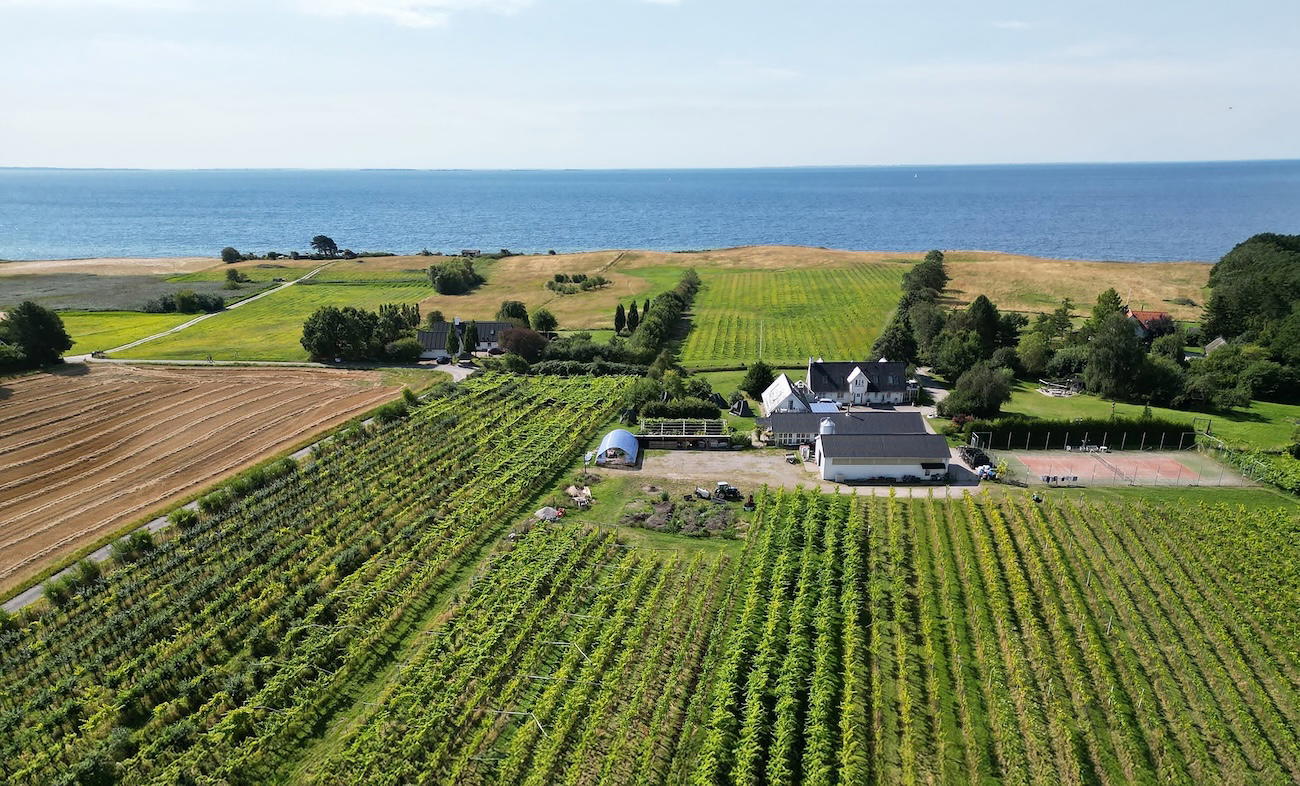
Denmark has around 100 wineries, Sweden is opening cellar doors, and Solaris is drawing collector attention north toward Skåne.
Denmark has around 100 wineries, Sweden is opening cellar doors, and Solaris is drawing collector attention north toward Skåne.
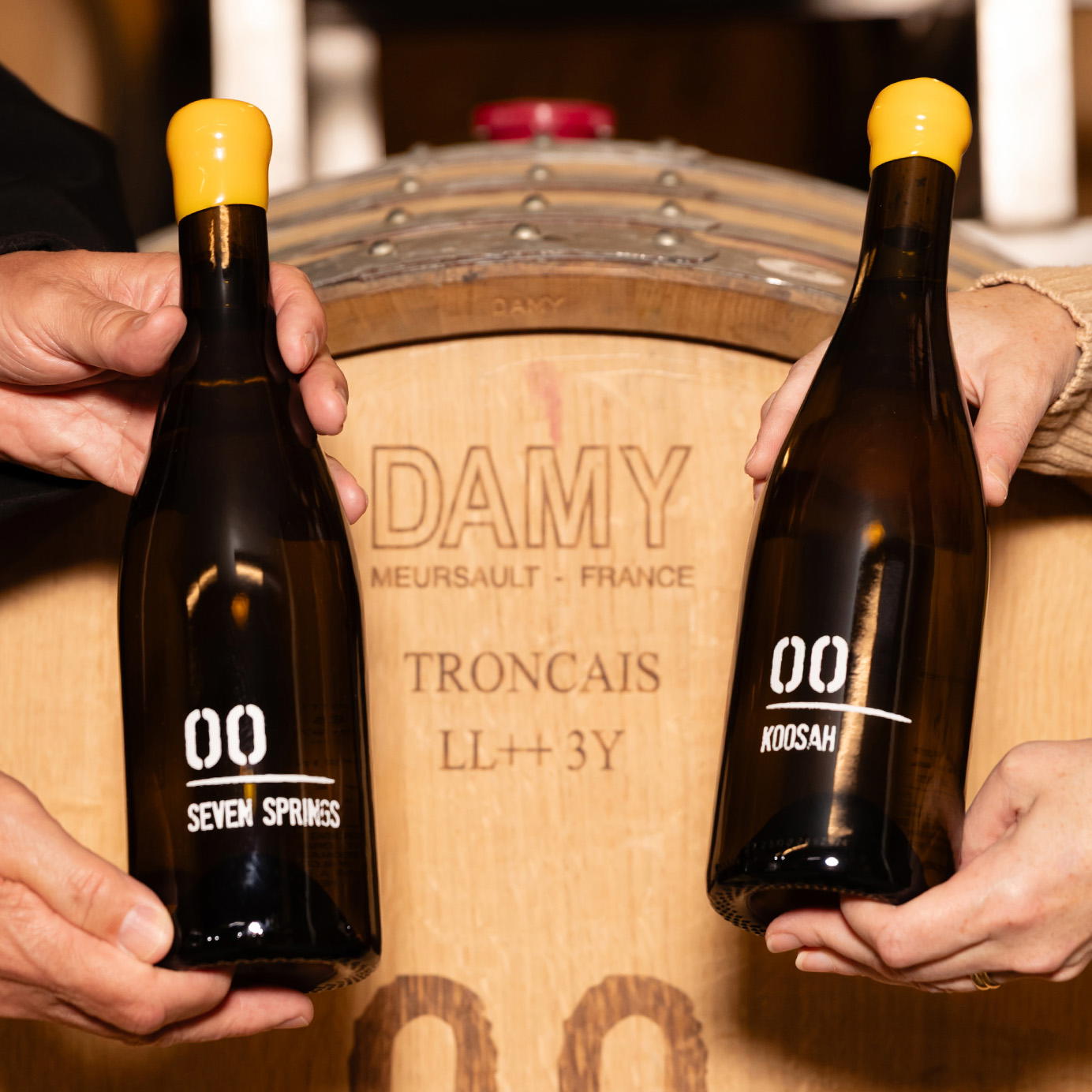
Kullabergs Vingård 's Solaris Immelen reached the 2025 Nobel Prize banquet in Stockholm. Denmark now counts around 100 commercial wineries and more than 300ha under vine, while Sweden has about 50 commercial vineyards spanning 230ha, with most Swedish commercial vineyards concentrated in Skåne, where long summer days, cool nights and Baltic sea influences favour cool-climate viticulture (Decanter) (Decanter1).
Denmark and Sweden are defining a wine category before its rules harden.
Sweden has about 50 commercial vineyards spanning 230ha, and 44% of those Swedish producers plan to expand over the next two years (Decanter) (Decanter1).
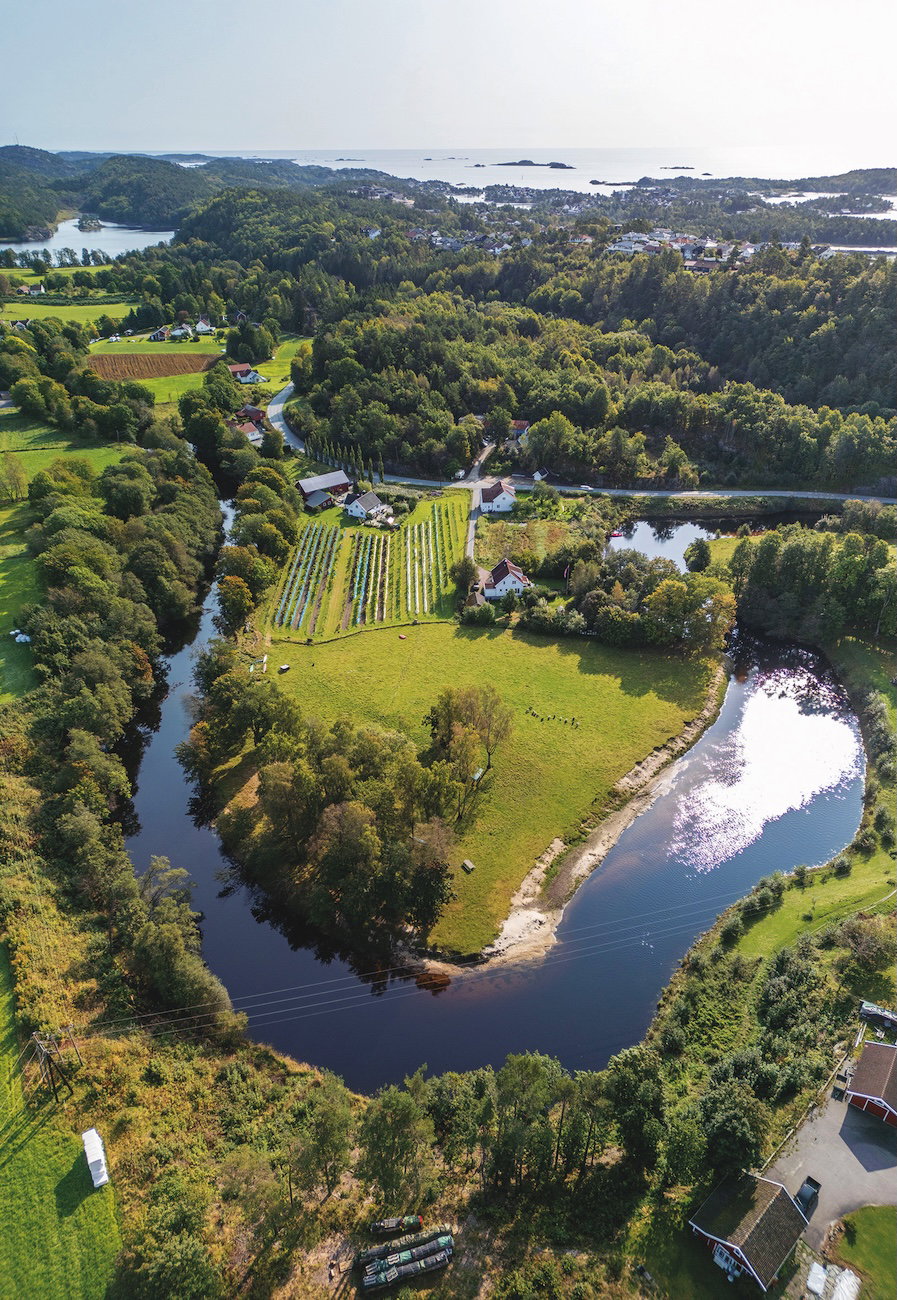
Denmark and Sweden are still small beside Champagne, Burgundy or the Mosel, but scale is the wrong first question in a region built by first-generation growers. Most Nordic wine-growers come from other professions, including engineers, doctors, architects and entrepreneurs, and that background matters because these producers arrived without an inherited hierarchy of classified sites, family cellars or appellation habits. They have had to choose grape varieties, sales models and vineyard practices from first principles.
Denmark's reference points include Skaersøgaard Vin, Denmark's first commercial winery and a touchstone for traditional-method sparkling wines and premium still wines, and Dyrehøj Vingaard, Denmark's largest winery, known for elegant sparkling wines and expressive Solaris. In Sweden, Kullabergs Vingård has become the name that travels most readily beyond the Nordic trade, helped by Solaris Immelen's appearance at the 2025 Nobel Prize banquet (Decanter) (Decanter1).
Scandinavian wine regions also carry a rare form of scarcity. These are not mature appellations with deep secondary markets and familiar release calendars. The scarcity comes from early access, from guided cellar-door tastings that only recently became commercially useful in Sweden, and from producers still testing which cultivars, sparkling styles and visitor experiences can stand up to repeat scrutiny.
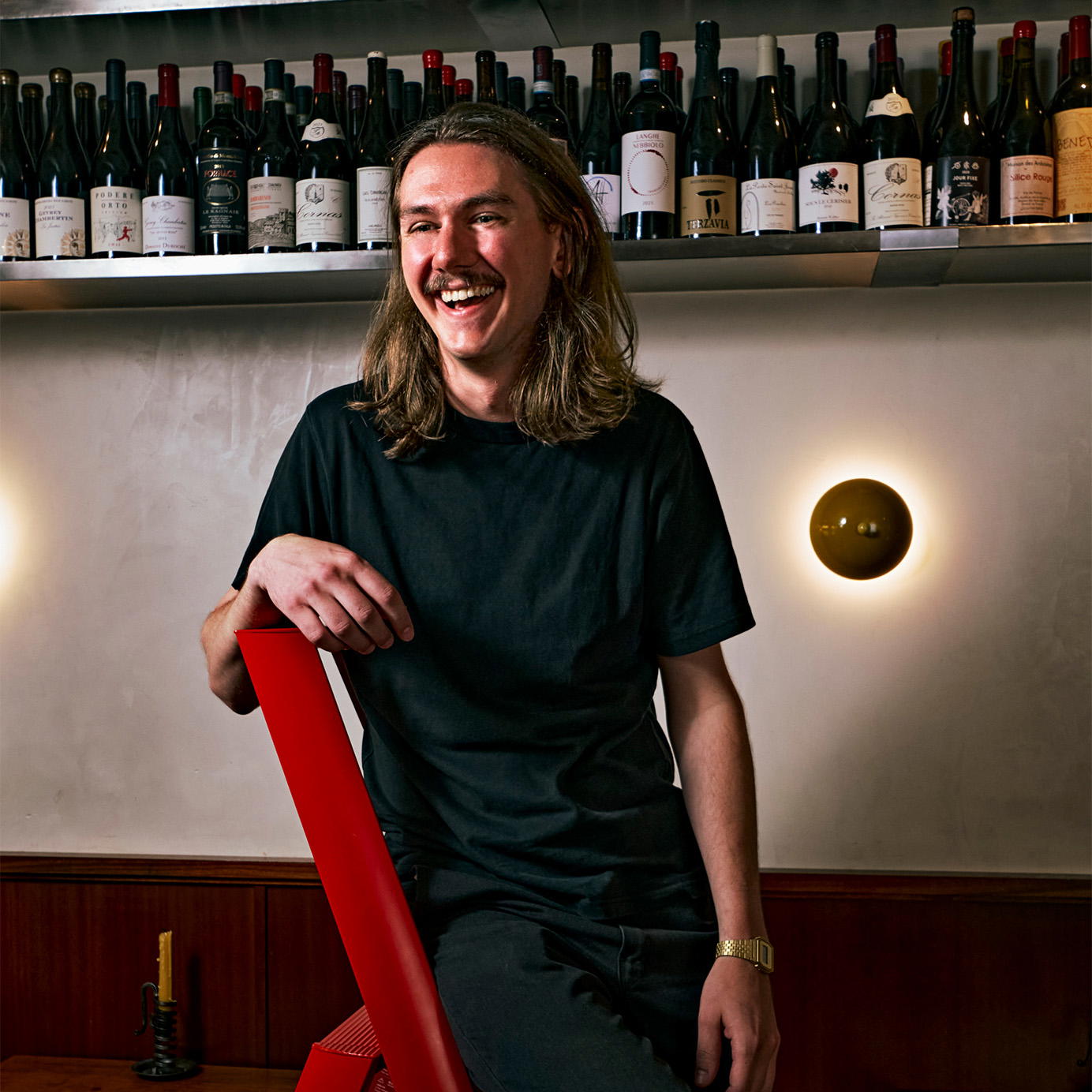
Jean Becker, a veteran Danish producer, puts the regional challenge in practical terms rather than climate mythology. "The ambition has changed more than the climate," Becker tells Decanter. "The average temperature from 15 March to 15 October has not changed dramatically in the last 30 years. We have more rain than before, but we understand much more about viticulture today."
Jean Becker says the ambition has changed more than the climate. Scandinavian producers are building a wine culture around disease-resistant varieties, cellar-door legislation, sparkling production and a visitor model that makes the vineyard part of the commercial proposition.
Sweden introduced limited direct sales in June 2025 through a six-year trial, allowing small producers to sell wine to visitors who take part in guided tours and tastings. Systembolaget remains Sweden's state alcohol retail monopoly, but the new rules give wineries a controlled route to sell their own bottles at the point of encounter (Decanter1).
The change alters winery visits in Skåne. Before the June 2025 trial, a Swedish winery visit could end with admiration and no bottle in hand. The new framework ties purchase to education, which suits a region where the grape varieties, climate logic and producer biographies require context. Solaris makes far more sense when a grower can explain why it dominates Swedish plantings, why disease resistance matters at this latitude and why Baltic influences shape ripeness and acidity.
Denmark has also introduced legislation that allows producers to sell their own wines directly to visitors. That gives Danish wineries stronger links to local gastronomy and rural tourism, and it gives visitors a clearer reason to build an itinerary around Jutland, Funen, Zealand or Bornholm rather than treating Danish wine as a dinner-table novelty. Cellar-door sales can give a small winery cash flow and connect a bottle to a vineyard walk, a producer's explanation and a place on the map.
Emerging regions rarely appear first through auction catalogues. They appear through direct relationships, small cellar-door allocations and producers whose styles are still forming. Sweden's guided-sales model will not turn Skåne into a mass retail channel. It will reward visits that explain why Solaris, Chardonnay, Pinot Noir and newer resilient cultivars are being tested in the same northern conversation.
Sweden's Systembolaget rules give Swedish wine tourism a particular discipline. Producers cannot rely on the same retail freedoms as wineries in many established regions, so guided experiences become part of the economic and educational structure. That may prove useful for high-end travellers, because bottles from young regions often carry the grower's reasoning.
High taxes and production costs mean Danish wines often compete at premium prices, and direct sales alone will not solve the challenge of consistency or scale. The ability to sell at the winery strengthens the visitor loop around sparkling wine, Solaris and the producer's current thinking.
Solaris is the grape that makes many Scandinavian wine regions legible to outsiders. In Sweden, Solaris accounts for 77% of planted grape varieties, an unusually dominant share for a country with roughly 50 commercially planted grape varieties. In Denmark, Solaris has also become central, especially in western Denmark, where Solaris and Rondo dominate plantings.
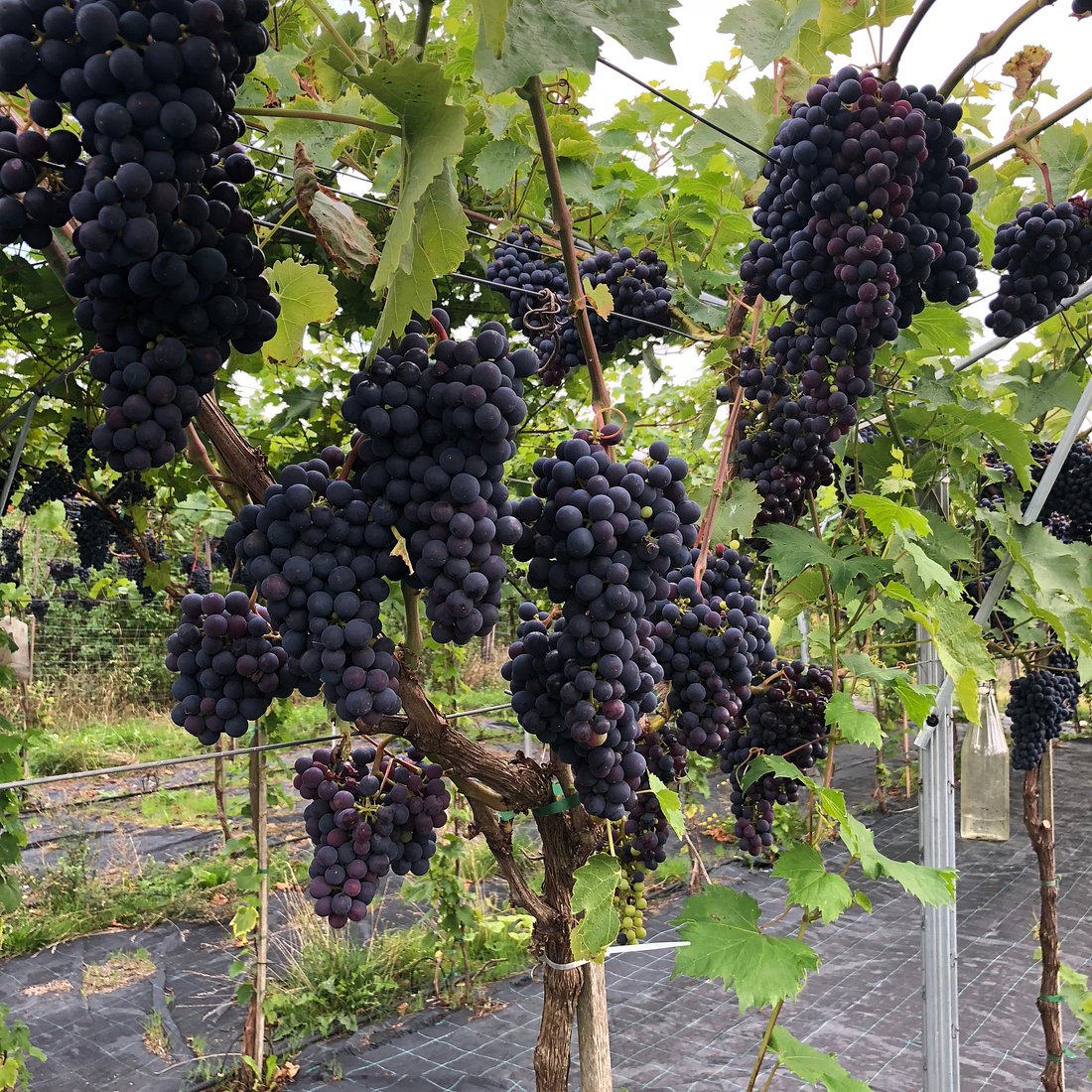
Piwi varieties are a practical foundation for Nordic viticulture. few fungicides and no copper-based treatments are approved in Denmark, Sweden and Finland, so disease-tolerant cultivars provide the practical foundation for viticulture. That restriction gives Nordic wine a technical identity distinct from many established European regions, where copper and other treatments remain part of the vineyard conversation.
Becker describes the Danish shift through grape names rather than slogans. "Twenty years ago, we worked mainly with the black Rondo and Bolero," he says. "Today, the white Solaris is becoming much more important, and we are testing more sophisticated varieties." It shows a region moving from first-generation solutions toward a broader set of candidates.
"After 20 years, some are no longer as resistant as they were. We will not be able to rely on copper treatments, so we need new solutions." Disease resistance is not a fixed achievement, and growers cannot fall back on treatments that local authorities do not approve.
Denmark's sparkling wine growth gives Solaris and other varieties another route to seriousness. Around 25 Danish producers now make traditional-method sparkling wine, up from four ten years ago. Becker links that rise to Denmark's cool climate, long summer days and naturally high acidity, the same elements that make freshness a structural asset rather than a tasting-note afterthought.
A persuasive Danish tasting itinerary includes both sparkling wine and Solaris. Skaersøgaard Vin anchors the traditional-method conversation, while Dyrehøj Vingaard offers a large-scale reference for elegant sparkling wines and expressive Solaris. Guldbaek Vingård in northern Jutland, Njord Vineyard with its focus on Pinot Noir Précoce, and Vesterhave Vingaard on the west coast of South Zealand add further reference points for seeing how Danish producers work through variety, site and style.
Sweden's technical conversation is narrower in planted reality and broader in ambition. Yet a growing number of producers are looking at Vitis vinifera varieties including Chardonnay and Pinot Noir. That experimentation is especially important in Skåne, where long summer days, cool nights and maritime influence create the conditions for cool-climate viticulture without guaranteeing a uniform result.
Björn Odlander gives Swedish wine one of its clearest protagonist stories. A medical researcher and entrepreneur, Odlander founded Kullabergs Vingård, now one of northern Europe's most ambitious wineries. His Solaris Immelen was served at the 2025 Nobel Prize banquet in Stockholm, placing a Swedish Piwi wine in one of the country's most watched dining rooms.
Odlander's line to Decanter captures the resistance Nordic producers have faced. "People used to tell us you can't grow grapes among polar bears," he says, pointing to Solaris Immelen. The joke works because the bottle answers it with a specific placement: the Nobel Prize banquet, Stockholm, 2025. For a region still teaching outsiders its basic vocabulary, that is a useful credential.
Solaris Immelen now sits in the mental file where collectors place first signals from young regions: not a benchmark with decades behind it, but a bottle that marks a moment.
Helena Lindberg adds another form of credential to Sweden's case. She returned to Sweden after more than 20 years at Antinori 's Tenuta di Biserno in Bolgheri, central Italy. That move matters because Scandinavian wine is no longer shaped only by amateur defiance or technical curiosity. It is also attracting people with experience in established European fine-wine estates, who can bring cellar discipline to vineyards still defining their identity.
Denmark's producer map offers a different rhythm. Skaersøgaard Vin gives the country a first-commercial-winery reference point, while Dyrehøj Vingaard gives visitors a larger destination for sparkling wine and Solaris. Becker's comments show the longer arc: earlier plantings leaned on Rondo and Bolero, today Solaris carries more weight, and newer resilient varieties are entering the trial phase.
Denmark and Sweden are still defining their wine practices. Visitors in regions with centuries of accumulated practice often study a tradition already codified through crus, communes and inherited house styles. In Denmark and Sweden, a conversation with a grower may include the next planting decision, the current disease-pressure strategy and the practical impact of a new direct-sales framework.
That fluidity appeals to collectors who arrive early in a category through importers, mailing lists or winery visits. Nordic wines are different from classified Bordeaux or grand cru Burgundy, and they should not be forced into those expectations. In emerging fine-wine regions, producer names matter more than regional shorthand, and winery visits identify bottles for the cellar.
Scandinavian wine regions will likely be built from several strands rather than a single flagship style. Denmark has the clearest sparkling momentum, with around 25 producers now making traditional-method sparkling wine. Solaris provides the white-wine foundation in Denmark and Sweden, while Rondo, Bolero, Pinot Noir Précoce, Chardonnay and Pinot Noir appear in the broader discussion through current plantings, producer focus or experimentation.
The Nordic identity will also be shaped by what growers cannot do. few fungicides and no copper-based treatments are approved in Denmark, Sweden and Finland, so disease-resistant viticulture is not optional. That limitation gives the region a technical discipline that may become more important as other cool and wet regions reconsider their own vineyard tools.
Longer growing seasons and milder autumns have helped make viticulture more viable across southern Scandinavia, but Becker's Danish observation complicates the easy version of that story. "The average temperature from 15 March to 15 October has not changed dramatically in the last 30 years," he says. The implication for the reader is practical: the producers to follow are those who understand disease pressure, variety choice and site management, not those who simply invoke warming weather.
The premium question is whether these wines can command attention beyond novelty. Kullabergs Vingård's Solaris Immelen has one answer, because the Nobel banquet placement gives Swedish Solaris a dining-room credential. Denmark's sparkling expansion gives another, because traditional-method wines with naturally high acidity can give producers a format that serious drinkers already understand. Direct sales in Sweden and Denmark give the third, because they let producers build demand through tasting rooms rather than asking a distant retail shelf to explain the whole category.
Traveller and collector interest still carries risk. Production can be unstable, Danish costs and taxes can place bottles at premium prices, and consistency across producers remains a work in progress. Those facts should sharpen interest rather than dampen it. A young region rewards selectivity by named producer, format, grape variety and wine structure.
The itinerary writes itself around the Kattegat. On the Danish side, producers such as Skaersøgaard Vin, Dyrehøj Vingaard, Guldbaek Vingård, Njord Vineyard and Vesterhave Vingaard form the route. On the Swedish side, Skåne is the focus, and Kullabergs Vingård's Solaris Immelen appeared at a 2025 Nobel table.
The verdict is simple: the question around Scandinavian wine regions is no longer whether Denmark and Sweden can make quality wine, but which producers will define the first durable Nordic styles. Solaris, Danish traditional-method sparkling wine, Sweden's six-year direct-sales trial and the next plantings in Skåne will show which growers turn regulation, disease resistance and first-generation ambition into a coherent cellar language.
Get the App
Take the shortlist into the En Primeur Club app for concierge access, saved places, and the next step after discovery.
Get Exclusive AccessMore from the editors