← Guides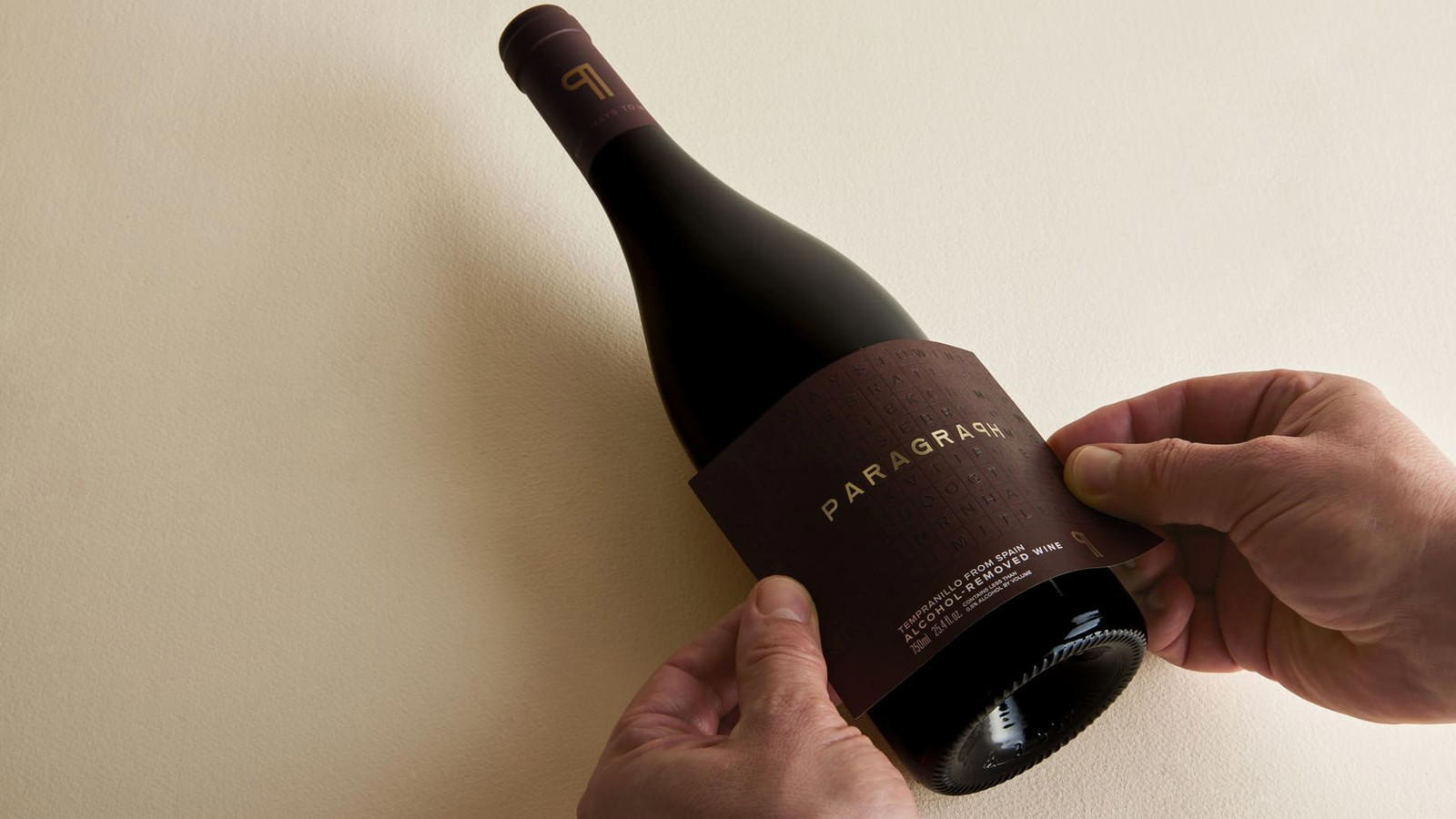
Familia Muga, Duncan Shouler, and Steve Arora launch PARAGRAPH — a fine alcohol-removed Tempranillo debuting across five markets on June 1, 2026.
Familia Muga, Duncan Shouler, and Steve Arora launch PARAGRAPH — a fine alcohol-removed Tempranillo debuting across five markets on June 1, 2026.
On June 1, 2026, Familia Muga, a Rioja dynasty with over a century of winemaking behind it, put its name on a bottle containing less than 0.5% alcohol.
That decision, made alongside Swiss-based entrepreneur Steve Arora and winemaker Duncan Shouler, marks the launch of PARAGRAPH, a fine alcohol-removed wine brand built on a premise the category has rarely attempted seriously: that the removal of alcohol need not mean the removal of everything that makes wine worth drinking.
The debut release is a Spanish Tempranillo sourced from high-altitude vineyards above 700 metres, aged in French oak for two to four years before blending, and rested a minimum of two months in bottle before release. It arrives below 0.5% ABV with approximately 1g of sugar per 100ml, and no added flavors.
The no/low category is crowded with wines that begin from the wrong end of the process, commodity base wine stripped of alcohol and dressed up with sweetness or flavor additives to compensate for what is lost. PARAGRAPH's founding winemaking principle inverts that logic entirely. Chief Winemaker Duncan Shouler has stated that if the wine is not great before alcohol is removed, it will never be great after. That conviction shapes every sourcing decision.
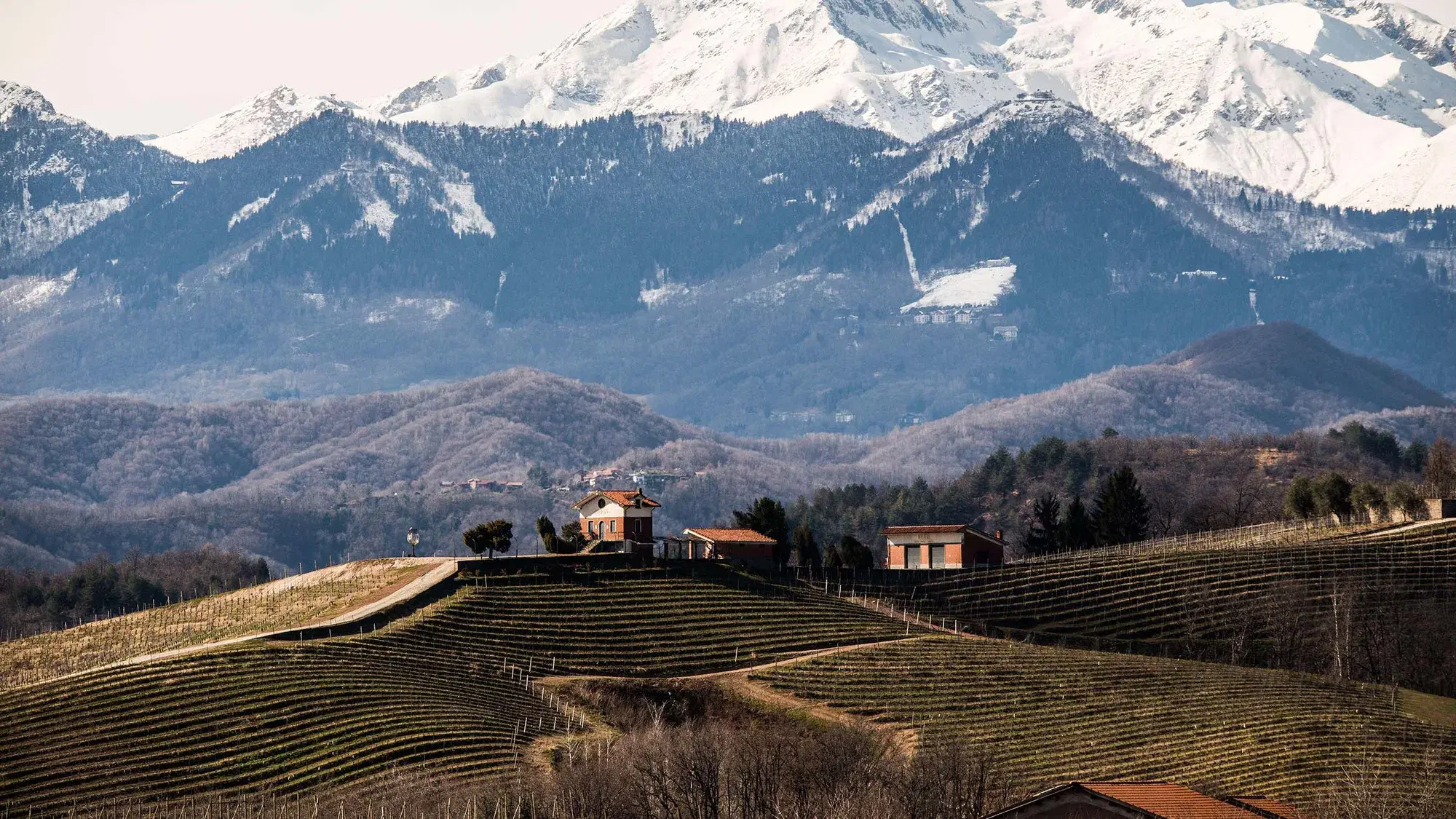
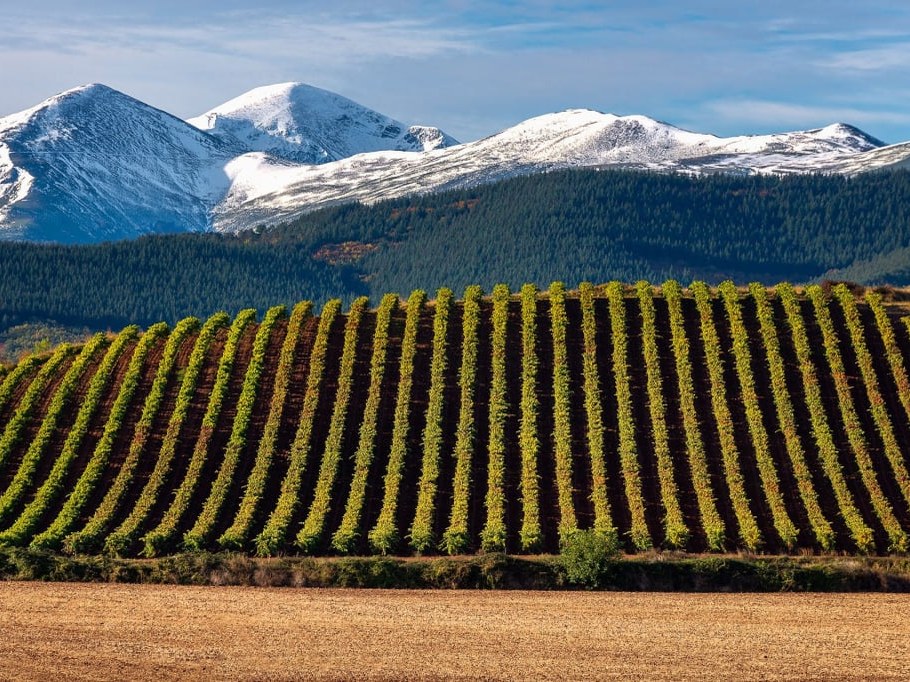
The Tempranillo parcels selected for the debut release carry attributes that any serious Rioja producer would recognize: vines between 30 and 50 years old, sites above 700 metres, French oak barrel maturation, and a minimum of two to four years of aging prior to blending. These are not specifications designed for the no/low shelf, they are the parameters of a wine built for structure and longevity, then subjected to a removal process calibrated to preserve what the vineyard and cellar created.
That process uses low-temperature vacuum distillation followed by aroma recovery technology. The low-temperature approach is deliberate: heat is the enemy of aromatic compounds, and conventional distillation at higher temperatures strips the volatile esters and phenolics that carry a wine's character.
By reducing temperature and pressure simultaneously, the method protects those compounds during extraction. The aroma recovery step then reintegrates what was captured, returning aromatic expression to the wine before it enters its two-month bottle rest.
The result, according to the brand's tasting notes, is a light-to-medium bodied red with dark berry, cocoa, and dried herb aromatics, polished tannins, and a dry finish with refreshing acidity, served best at 12 to 14°C.
No shortcuts. 100% wine. That is the brand's own summary of the technical philosophy, and it is a direct challenge to every alcohol-removed product that has leaned on sweetness or flavoring to paper over process failures.
The credibility of PARAGRAPH alcohol-removed wine rests on three distinct pillars, and the founding structure was designed to make each one load-bearing.
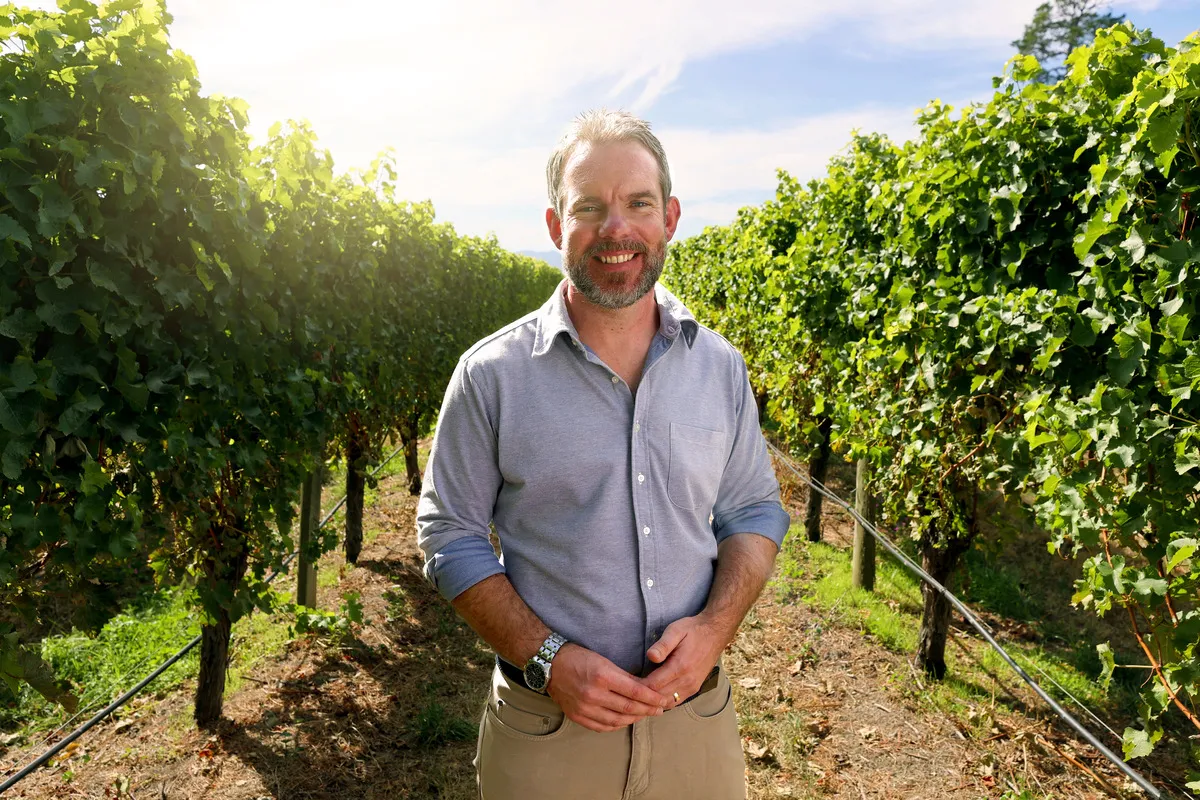
Steve Arora, an American executive based in Switzerland with a long career leading international businesses, conceived the brand from a personal conviction that wine lovers deserve high-quality options across every occasion, including those where alcohol is not the right choice. His global commercial infrastructure gives PARAGRAPH the distribution architecture to launch simultaneously across five markets from day one, a capability that most emerging wine brands take years to build.
Duncan Shouler brings the technical authority. His winemaking career spans New Zealand, Bordeaux, and California, more than two decades of work before he became Chief Winemaker at Giesen Wines in New Zealand, where he pioneered the country's first 0% Sauvignon Blanc. That project was not a marketing exercise; it was a proof-of-concept that alcohol removal, done with precision, could produce a wine that drinkers who know their Marlborough Sauvignon Blanc would actually want to drink. At PARAGRAPH, Shouler leads all winemaking decisions, from wine selection and blending through to final validation. As he put it: "Creating an authentic alcohol-removed wine that reaches the expectations of those who appreciate wine, is among the more technically demanding disciplines in modern winemaking. I believe that PARAGRAPH achieves this and is an exciting new chapter in the story of wine."
The third pillar is Familia Muga, whose role as Strategic Partner is not ceremonial. Eduardo Muga, representing the family, describes their involvement as hands-on at key moments of tasting, blending, and validating final profiles. The family's engagement was earned by the quality of the process itself. As Eduardo Muga said at launch: "We believe in innovation and evolution, matched with tradition and heritage. What convinced us is seeing that the quality, craft, and technical precision is evolving to a level where serious alcohol-removed wine is possible. We are excited to be partners in the launch of this new brand." For a family whose reputation is inseparable from the wines they have made in Rioja, that endorsement carries weight that no marketing budget can manufacture.
Together, the three founders bring what the brand describes as complementary skills: entrepreneurial vision, technical expertise, and fine wine heritage. The shared ambition, in Arora's words, is to "sharpen the standard for non-alcoholic wine and give wine lovers more ways to enjoy wine across more moments in life."
PARAGRAPH launches simultaneously on June 1, 2026, across the United States, United Kingdom, Spain, Switzerland, and Iceland. The five-market simultaneous rollout is unusual for a debut brand, most producers build distribution incrementally, testing one market before committing to the next. Launching across three continents on a single date requires pre-built importer relationships, retail placements, and on-trade agreements in each territory, all secured before a single bottle has been publicly available.
The distribution strategy targets traditional wine importers, fine wine retailers, and on-trade placements in fine dining and hospitality settings where wine expertise is central to the experience. That last channel matters. Placing an alcohol-removed wine on a serious restaurant list requires a sommelier to believe in it, and sommeliers are a skeptical audience. The decision to pursue fine dining placement from launch, rather than defaulting to health-food retail or direct-to-consumer channels, signals that PARAGRAPH intends to be evaluated against conventional wine, not against other no/low products.
Iceland's inclusion in the launch markets is notable for practical reasons: the country's state retail structure means that securing placement there requires a different approval process than open markets. Its presence in the launch lineup suggests the distribution groundwork was laid well in advance of the June 1 date.
The sourcing brief for the debut wine reads like a specification for a serious red rather than a base for alcohol removal. Vines aged 30 to 50 years, planted above 700 metres, altitude that slows ripening, preserves acidity, and concentrates aromatic compounds in the berry. French oak barrel maturation followed by two to four years of aging prior to blending: a timeline that allows tannin integration and secondary complexity to develop before the wine ever reaches Shouler's removal process.
The tasting notes released with the launch describe the aroma as dark berries unfolding alongside cocoa and subtle oak, gradually evolving toward dried herbs and spice. On the palate: elegant, textured, with length, supported by fine, polished tannins. Light-to-medium bodied, dry, and balanced, with precision and refreshing acidity at the finish. The brand recommends serving at 12 to 14°C, cellar cool, not refrigerator cold, and suggests pairings with grilled meats, roasted vegetables, aged cheeses, and dark chocolate, or simply on its own when the moment calls for a glass of red.
What the notes describe is structurally coherent with the sourcing: high-altitude Tempranillo from old vines tends toward darker fruit, firmer tannins, and more pronounced herb and spice notes than lower-altitude examples. The French oak program adds cocoa and vanilla register. Whether the aroma recovery technology successfully reintegrates those volatile compounds after distillation is the question every skeptic will bring to their first glass, and it is the question PARAGRAPH's entire technical architecture is designed to answer.
The two-month bottle rest before release is a detail that deserves attention. Most alcohol-removed wines go to market quickly after processing. The decision to hold the wine in bottle, allowing aromatics and texture to build and integrate, treats the post-removal period as a genuine stage of winemaking rather than a logistical step. It is a small detail that reflects a larger philosophy.
PARAGRAPH enters a market that is growing faster than conventional wine. According to IWSR 2024 data cited by the brand, the global no/low alcohol wine segment is expanding at 8% annually, twice the pace of traditional wine, and is projected to reach between $8 billion and $10 billion by 2030. The same data indicates that 52% of consumers in the United States and United Kingdom now actively moderate their alcohol intake, and that 9 in 10 no/low buyers are existing wine drinkers seeking balance rather than abstinence.
Those numbers explain why the category exists. They do not explain why PARAGRAPH should matter to a collector who keeps a cellar of Pauillac and Barolo. The answer lies in the sourcing and process architecture described above, and in the identity of the people who signed off on it.
The no/low segment has, until recently, been dominated by products positioned around health or lifestyle rather than wine quality. The tasting experience has often reflected that positioning: thin, sweet, and structurally hollow. The brands that have moved furthest toward genuine wine character have typically done so by improving the base wine selection and the removal process, exactly the two variables PARAGRAPH has built its entire proposition around.
What Familia Muga's involvement adds is something no removal technology can replicate: the credibility of a fine wine family that has staked its name on the outcome. Eduardo Muga's statement that the family was convinced by the quality, craft, and technical precision of the process is not marketing language, it is a declaration that the Muga name is now attached to this category, and that the family believes the category is ready for it.
Whether PARAGRAPH becomes the benchmark it aims to be will depend on how the wine is received by the sommeliers, retailers, and collectors who taste it in the months ahead. The technical foundation is serious, the founding team is credentialed, and the sourcing is traceable, the reviews and reorders that follow will determine whether June 1, 2026 marks the moment the no/low category acquired its first genuine fine-wine reference point.
Get the App
Take the shortlist into the En Primeur Club app for concierge access, saved places, and the next step after discovery.
Get Exclusive AccessMore from the editors