← Guides
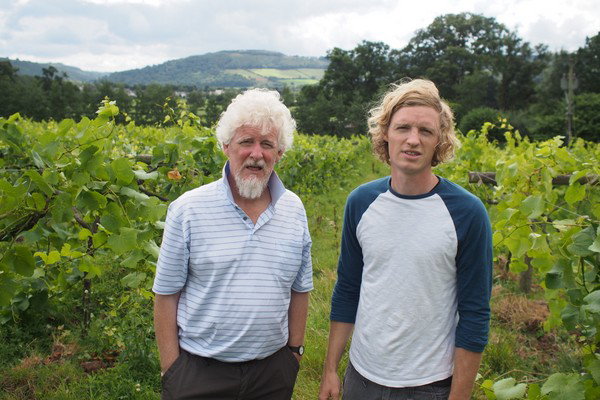
Welsh producers have sent a Natural Wine of Wales PGI bid to Defra, with Paul Rolt of Hebron Vineyard leading the push.
Welsh producers have sent a Natural Wine of Wales PGI bid to Defra, with Paul Rolt of Hebron Vineyard leading the push.
Natural Wine of Wales PGI is now with Defra: Welsh winemakers have submitted a protected-status application that could create the world's first appellation dedicated to natural wine. The proposal asks the UK Department for Environment, Food and Rural Affairs to protect wines grown and made in Wales without synthetic chemicals, additives, processing aids or industrial yeasts.
The timing matters because natural wine still asks buyers to trust a chain of people: the grower, the importer, the merchant, the sommelier, the friend who pressed a bottle into your hand after dinner. Wales is asking for a harder instrument. Paul Rolt, winemaker and owner of Hebron Vineyard in Carmarthenshire, is leading a producers' group that wants natural wine written into a protected framework rather than left to cellar-door language.
For collectors and wine travellers, this is not simply another regional badge. If Defra approves the Natural Wine of Wales PGI, Wales could give natural wine a legal perimeter: Welsh-grown grapes, spontaneous fermentation in Wales, organic practices, tight sulphur rules, and no industrial shortcuts in the winery. That is a provenance signal with teeth. Put the names in your notebook now, before the review concludes.
The proposed Natural Wine of Wales PGI draws a hard line around what may happen between vineyard and bottle. According to The Drinks Business, the rules would exclude synthetic chemicals, processing aids, additives and industrial yeasts in wine production. Sulphur inputs would be limited in quantity and allowed only at bottling. Grapes would need to be grown in Wales, then spontaneously fermented in Wales, under organic practices on certified organic, regenerative or biodynamic estates.
Read that through a collector's lens. The PGI would not merely identify origin; it would describe method. It would not be enough for a wine to come from Wales and carry the vocabulary of natural wine on a back label. The proposed scheme would ask the producer to meet rules around farming, fermentation and cellar additions before using the protected name.
The sulphur clause gives the bid its precision. Natural wine debates often collapse into a binary argument over sulphur, yet the Welsh proposal does not ban it outright. It limits sulphur inputs and permits them only at bottling. The permitted moment matters as much as the permitted material.
Rolt has also tied the application to ingredient transparency. Unlike EU counterparts, UK wine producers are not currently obliged to list wine ingredients. Rolt put the contrast plainly: "In Britain, producers can currently make wine using 60 products, but consumers are unaware of this. Current labelling rules mean there is no obligation to list ingredients or processing aids."1
That sentence is the hinge of the whole bid. The Natural Wine of Wales PGI is not only a production standard; it sits inside a wider argument about what drinkers can see before they buy. Rolt has said the group would like to see ingredients listed via QR codes or directly on labels. For a category that often trades on proximity to the grower, the Welsh proposal pushes the question into regulation: what should be declared, and who gets to use the word natural?
Wales is not Bordeaux, Burgundy or Barolo. That is precisely why this bid carries force. The application does not emerge from an old classification hierarchy trying to tidy its edges; it comes from a wine country still writing parts of its public identity, with producers asking Defra to protect a narrow definition before the term spreads beyond their control.
The Drinks Business reports that Britain could become home to the world's first appellation dedicated to natural wine if the proposal succeeds. The careful phrase is important: the bid is under review, not approved. Yet the act of submission already changes the discussion around legal recognition. Natural wine has built its following through growers, bars, importers and buyers rather than through appellation law. Wales is testing whether that energy can survive contact with rules.
There is also the matter of climate. Rolt described Wales as climatically on the margins of viticulture. In practical terms, that makes farming decisions carry weight. A rule set built around organic practices, Welsh-grown grapes and spontaneous fermentation asks producers to accept a narrow path in a marginal growing place. It is not the easiest commercial route. That is why the proposed PGI reads less like branding and more like a declaration of limits.
Those limits will be familiar to anyone who has followed natural wine beyond the fashionable shelves. The strongest bottles in the category tend to come from growers who are precise about what they will not do: no industrial yeast to correct the signature of the vineyard, no cellar cosmetics to sand away difference, no additives standing in for farming. The Welsh proposal turns those refusals into a proposed protected designation.
The scarcity hook is not a case count or a mailing-list window; neither is given. The scarcity is regulatory. If approved, this could be the first appellation devoted to natural wine, and the first Welsh producers attached to the application would have defined the line before larger regions with louder export markets managed to do so. That is why the Defra review belongs on a collector's watchlist.
Paul Rolt sits at the centre of the Natural Wine of Wales PGI application. He is the winemaker and owner of Hebron Vineyard in Carmarthenshire, and The Drinks Business identifies him as the head of the producers' group backing the bid. Rolt has framed the proposal as part of Welsh natural winemakers' effort to set environmental standards and push against greenwashing and ultra-processed wine.
Hebron Vineyard gives the story its western Welsh anchor. The facts that matter here are simpler and sturdier: Carmarthenshire, Rolt, and a proposal that would require Welsh-grown grapes to ferment spontaneously in Wales. In a category full of soft claims, those are the details a serious buyer can hold.
The group also includes Richard Morris and Jean de Plessis of Ancre Hill Estate in Monmouth. Morris is owner and de Plessis is winemaker, and Ancre Hill Estate is Wales's largest vineyard. That matters for scale. A proposal of this kind needs more than one grower with a philosophical preference; it needs producers prepared to place their names beside a standard that regulators, peers and customers can test.
Monmouth gives the application a second geographic point on the Welsh map. For the traveller, that means the Natural Wine of Wales PGI is not tied to one valley or a single personality. It links Carmarthenshire and Monmouth through a shared production argument: Welsh grapes, Welsh fermentation, organic practices, and no synthetic cellar architecture. The route between those counties may become part of the appeal if the designation is accepted.
David Morris, producer of Mountain People Wines, is also named among the supporters. Speculation would do the wines no service. What can be said is that the application already has multiple named participants rather than a lone estate seeking protection for itself.
Collectors should note the names now: Hebron Vineyard, Ancre Hill Estate, Mountain People Wines. If the PGI is approved, these will be the producers associated with the first wave of the protected natural wine discussion in Wales. If Defra declines or asks for revisions, these names will still mark the point at which Welsh natural wine moved from cellar practice to formal application.
The collector's first question is not whether the Natural Wine of Wales PGI guarantees pleasure in the glass. No appellation can do that. The better question is whether it improves the information available before the cork is pulled. On that count, the proposal is designed to do work: it narrows origin, farming, fermentation and permitted inputs into a shared rule set.
Natural wine has always had a provenance problem. The category can include growers farming with discipline and making decisions with restraint; it can also include bottles marketed through mood rather than method. For a buyer building a cellar, that ambiguity complicates decisions. A protected designation would not replace tasting, producer knowledge or vintage assessment, but it could give Welsh natural wine a firmer paper trail.
The proposed PGI also changes how you might read a label. If a bottle carries Natural Wine of Wales under an approved scheme, the phrase would point to grapes grown in Wales and fermented there through spontaneous fermentation, without synthetic chemicals, industrial yeasts, additives or processing aids. Sulphur would be constrained to bottling and limited in quantity. That is materially different from a back label that simply says low intervention.
Two decision inputs stand out. First, the Defra review creates a timeline: this is an application under examination, not a finished designation, so the useful move now is to identify the producers rather than treat the term as approved. Second, the labelling debate gives the proposal a practical edge. Rolt's point about 60 products and no obligation to list ingredients in Britain turns the issue from philosophy into purchase information.
There is a scarcity angle, though not the usual one. The scarce asset here is definitional: Wales is seeking what could become the first appellation dedicated to natural wine. For collectors who follow categories before they harden into consensus, the Defra review is the moment to map the producers rather than chase a release.
Secondary-market implications should be handled with restraint: no established price series, trading history, or critic-score record is presented for these wines. Provenance still matters to serious buyers, whether in classified Bordeaux, single-vineyard Burgundy, or grower Champagne. The Welsh bid asks whether natural wine can develop a formal provenance cue without losing the grower-driven character that made the category matter.
For restaurants and private cellars, the practical use could be immediate. A sommelier pouring a Welsh bottle under an approved Natural Wine of Wales PGI would have a concise answer to the diner who asks what natural means here. Not vibes. Not a shrug. A defined production framework, backed by a protected indication, with named restrictions on farming and cellar inputs.
Travel, in this story, begins with geography rather than hotel hardware. Hebron Vineyard is in Carmarthenshire. Ancre Hill Estate is in Monmouth. Mountain People Wines brings another named producer into the application. The sensible approach is to treat the Defra review as a planning prompt rather than an itinerary to book blindly.
If your wine travel tends to follow appellation law, Wales now offers a live regulatory case. You can trace the proposed standards through producer names and places before any official decision lands. Carmarthenshire gives you Rolt's Hebron Vineyard, the lead name attached to the application. Monmouth gives you Ancre Hill Estate, with Richard Morris as owner and Jean de Plessis as winemaker. Those are the coordinates to keep close.
There is also a tasting-room question beneath the regulatory one. Natural wine often asks visitors to accept variability as part of the point: spontaneous fermentation, fewer interventions, and an insistence that a wine should show its site rather than a cellar recipe. The Welsh PGI proposal attempts to separate that philosophy from vagueness. If a visitor encounters Natural Wine of Wales in future, the phrase would be anchored to rules rather than a sales pitch.
Until Defra makes its decision, any visit should be approached producer by producer. Look for direct information from Hebron Vineyard, Ancre Hill Estate and Mountain People Wines before planning around tastings or purchases. The application gives you the map; the estates will give you the practical details.
The Defra review is now the hinge. The application has been submitted, and the proposed Natural Wine of Wales PGI sits with the UK department responsible for examining it. Approval would give Welsh producers a protected term for wines made under the stated rules. Rejection or revision would show where regulators see friction in defining natural wine through PGI language.
For now, the strongest reading is disciplined curiosity. The proposal names its production exclusions clearly: no synthetic chemicals, processing aids, additives or industrial yeasts. It defines fermentation through spontaneous action rather than inoculation. It limits sulphur to bottling. It keeps both grape growing and winemaking within Wales. It ties the vineyard work to organic practices on certified organic, regenerative or biodynamic estates.
That is enough to make the Natural Wine of Wales PGI one of the more precise wine regulatory stories of the moment, without needing to inflate it. The bid is not an approved appellation yet. It is an application under review. But it has already forced a sharper question onto the table: if natural wine is to be protected, which practices belong inside the line, and which must stay outside?
Get the App
Take the shortlist into the En Primeur Club app for concierge access, saved places, and the next step after discovery.
Get Exclusive AccessMore from the editors