← Guides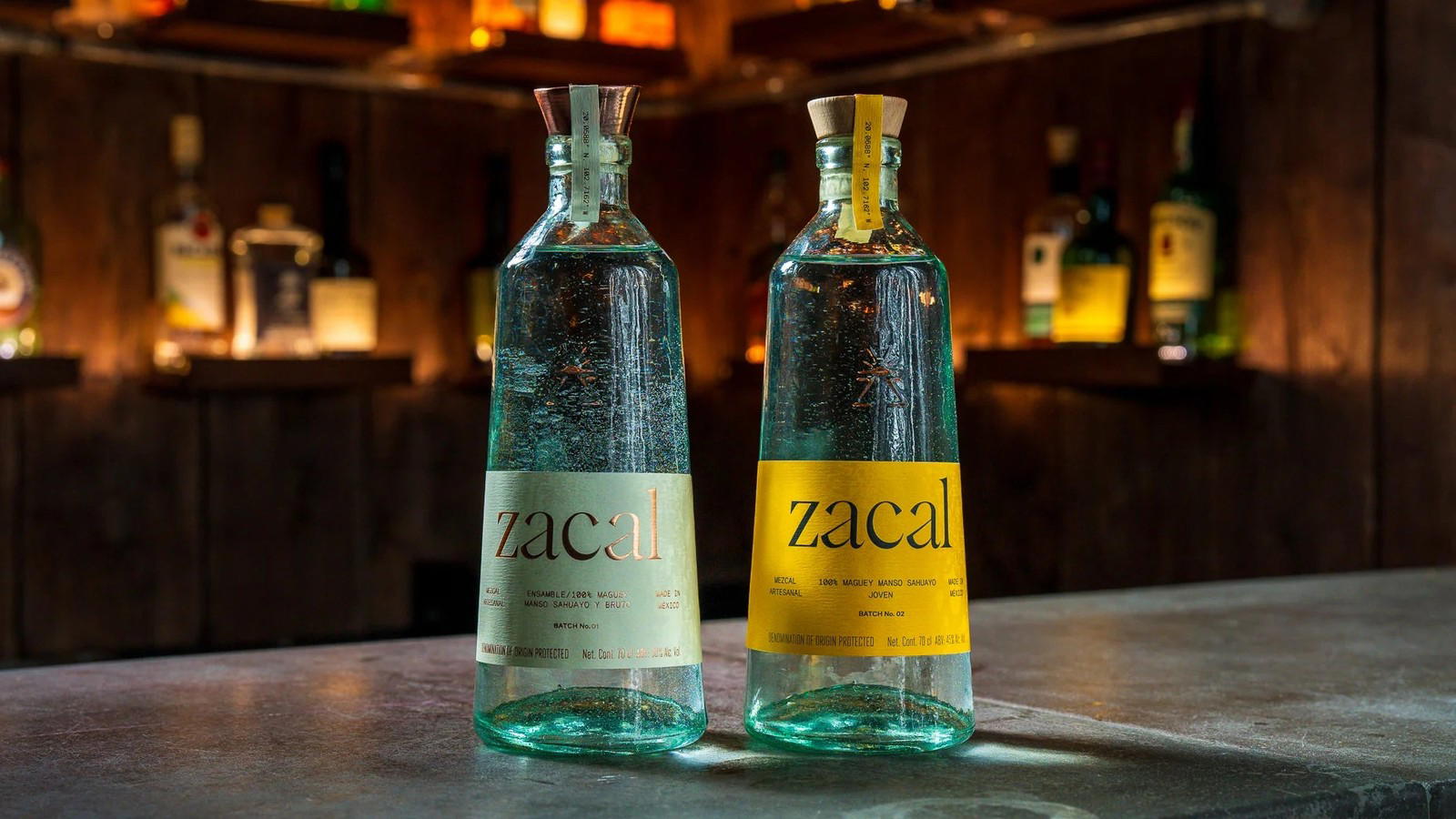
A wine insider makes the case that mezcal's terroir, named varietals, and artisan craft make it particularly compelling spirit for serious wine collectors.
A wine insider makes the case that mezcal's terroir, named varietals, and artisan craft make it particularly compelling spirit for serious wine collectors.
The case starts with soil. Andrew Maidment, former marketing director of Wines of Argentina UK and co-founder of Zacal Mezcal, describes how Zacal's agaves are cultivated in a high-altitude, hilly region of Michoacán, where volcanic soils infuse the agave with polished nutrients, particularly potassium, intensifying sweetness and flavour complexity. The conditions of that landscape are not incidental to what ends up in the glass. They are the point.
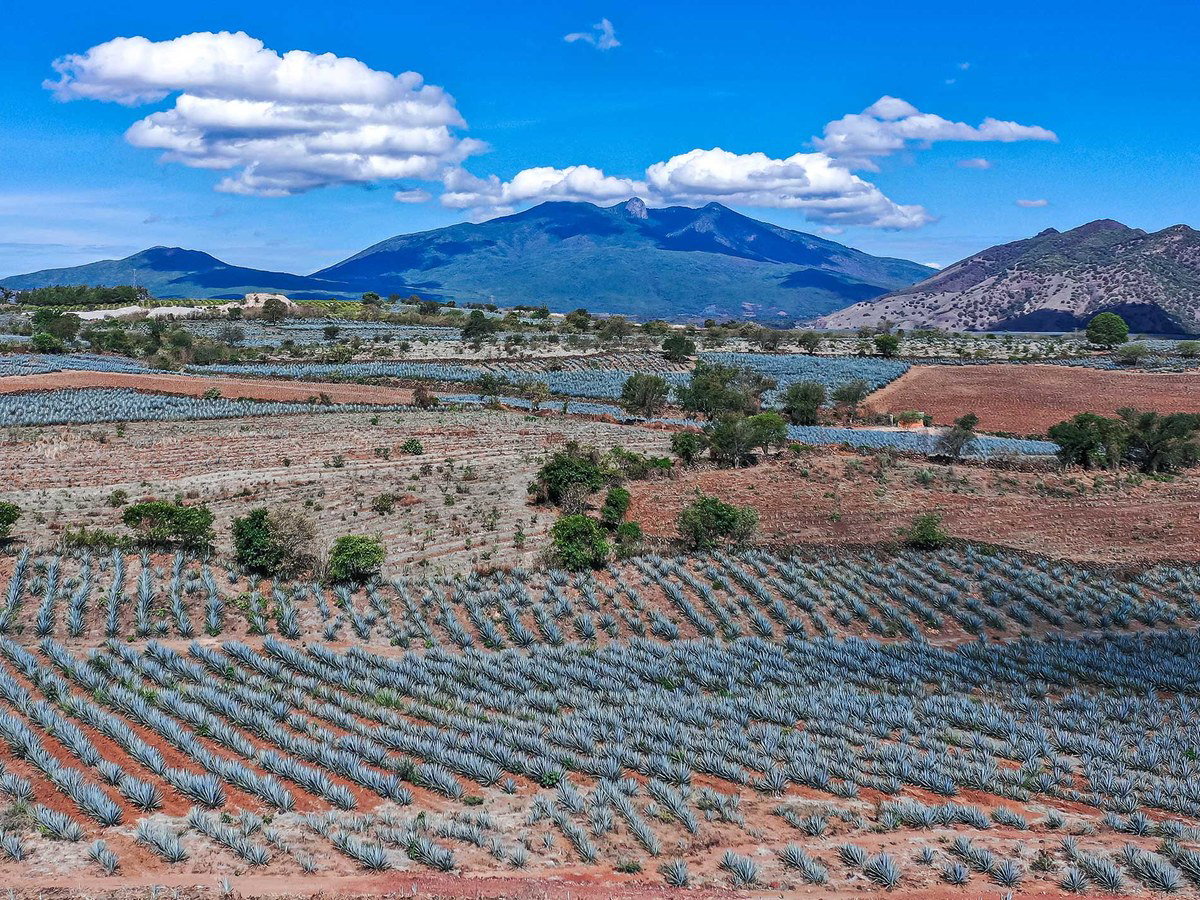
For a wine lover, the framing is immediately legible. The idea that where a plant grows shapes what it tastes like is the foundational logic of every serious wine region on earth. Michoacán's volcanic soils do for agave what the limestone and clay of the Côte d'Or do for Pinot Noir: they impose a mineral signature, a flavour intensity, and a structural character that cannot be replicated by moving the plant somewhere else. The high-altitude, hilly terrain adds further complexity, cooler temperatures, varied exposures, and the kind of environmental stress that concentrates rather than dilutes.
That parallel is not rhetorical. Mezcal is governed by a Denomination of Origin covering nine regions in Mexico, a legal framework that mirrors the appellation systems protecting Burgundy, Champagne, or Rioja. Only producers within those nine designated regions can legally label their product mezcal, and only under tightly defined conditions. The system preserves centuries of cultural practice and ensures that what is on the label is genuinely rooted in place, the same logic that underpins a village-level AOC in the Côte de Nuits or a single-vineyard classification in the Mosel.
This is terroir in the strictest sense: not metaphor, not marketing, but the measurable influence of geology, altitude, and microclimate on the flavour of what is grown. Wine lovers have spent decades learning to read that influence in a glass of white Burgundy or a northern Rhône Syrah. The same reading is available in mezcal, for those willing to approach it with the same attention.
If terroir is the first hook for wine lovers, varietal diversity is the second, and here mezcal pulls decisively ahead of most spirits categories. Tequila, for all its global popularity, is made exclusively from Blue Weber agave, meaning the scope for flavour variation is structurally limited from the outset. The category is defined by a single plant.
Mezcal, by contrast, draws from up to 50 sub-species of agave, each with its own aromatic profile, textural weight, and structural character. The breadth is closer to the full catalogue of permitted grape varieties across a major wine-producing country than to anything else in the spirits world.
Each of those sub-species responds differently to its environment, matures at a different rate, and produces a spirit with a distinct personality. The diversity is not cosmetic. It is the engine of the category's complexity, and it is the reason that a serious mezcal collection can be built around varietal exploration in the same way that a serious wine collection can be built around grape variety and region.
At Zacal, Maidment works with two varieties that are rare even within Michoacán's own production culture: Manso de Sahuayo and Bruto, both native to the region. Manso de Sahuayo is elegant, herbaceous and floral with subtle sweetness. Bruto is substantial, citric and earthy. These are not generic descriptors applied after the fact. They are the varietal signatures of two plants that exist in this form because of where they grow and how they have been cultivated over generations, and they are unavailable to producers working outside the region.
At Zacal, we use Manso de Sahuayo and Bruto, two rare and regionally specific agaves that are native to Michoacán. Manso is elegant, herbaceous and floral with a subtle sweetness; while Bruto brings a more substantial, citric and earthy character.1
Andrew Maidment, Co-founder of Zacal Mezcal
Read those descriptors through a wine lens and the translation is immediate. The herbaceous, floral precision of Manso de Sahuayo occupies the same structural register as a cool-climate white with a clean, sweet mid-palate and a lifted aromatic profile. Bruto's citric, earthy robustness maps onto the kind of Mediterranean white that leads with brightness but grounds it in mineral weight. The comparison is not exact, agave is not a grape, and mezcal is not wine, but the underlying logic is identical: genetics, climate, and cultivation shape a varietal's personality, and that personality is legible in the glass.
The third pillar of the wine-mezcal parallel is the one that tends to land hardest with collectors: the named human being at the centre of production. In fine wine, the winemaker's name on the label carries weight because it signals a philosophy, a set of decisions, and a continuity of practice that no industrial process can replicate. The maestro mezcalero tradition operates on the same logic.
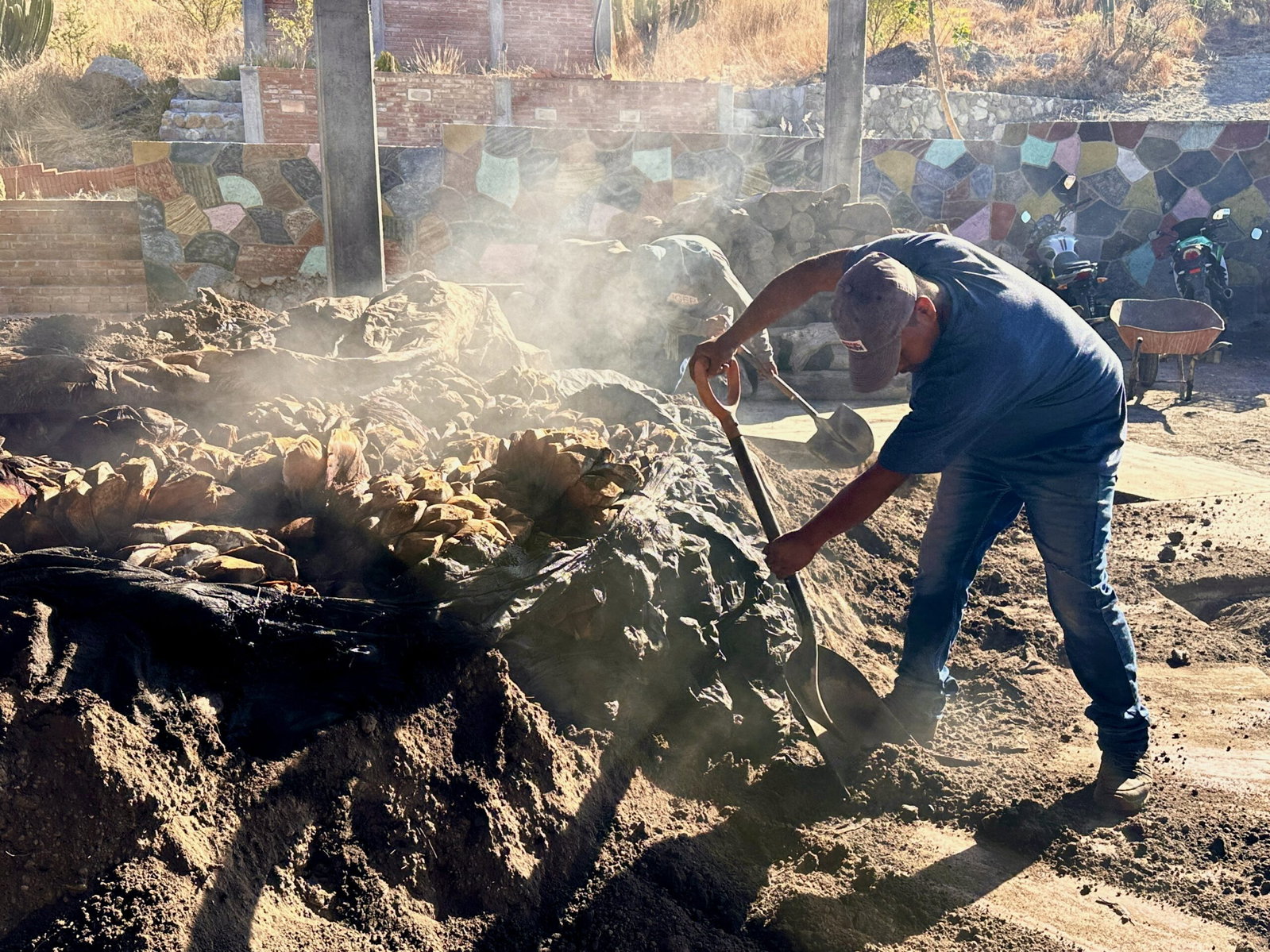
Zacal's mezcalero is Milton, a third-generation producer who works entirely by hand, using techniques passed down from his grandfather. Every stage of production, from harvesting the agave to the final distillation, is carried out manually, without automated processes or industrial consistency targets. Milton works with what nature gives him in a given season, making decisions by feel, experience, and inherited knowledge. The result is batch variation that Maidment frames not as a quality control problem but as a feature: the same vintage variation that oenophiles celebrate in a great small-production domaine.
This is not a romantic abstraction. The practical consequence of entirely hand production is that each batch of Zacal carries the specific conditions of its harvest: the maturity of the particular agaves selected, the ambient conditions during fermentation, the thousand small decisions a mezcalero makes when working by instinct rather than formula. A producer working at this scale, by hand, across generations, is making something that cannot be replicated by scaling up. The method and the result are inseparable.
The continuity from grandfather to Milton to the bottles currently in production is also significant in a way that wine collectors will recognise. The value of a named winemaker in fine wine is partly about the present vintage and partly about the accumulated knowledge that produced it. Milton's techniques are not innovations. They are a living archive of how mezcal has been made in this part of Michoacán across three generations, and that continuity is precisely what makes the spirit worth seeking out.
For wine lovers who have followed the logic of small-production, artisan winemaking, who understand why a few hundred cases from a named producer in a specific village commands attention, the maestro mezcalero tradition requires no translation. It is the same argument, applied to a different plant in a different landscape, by a different family working in the same spirit of uncompromising craft.
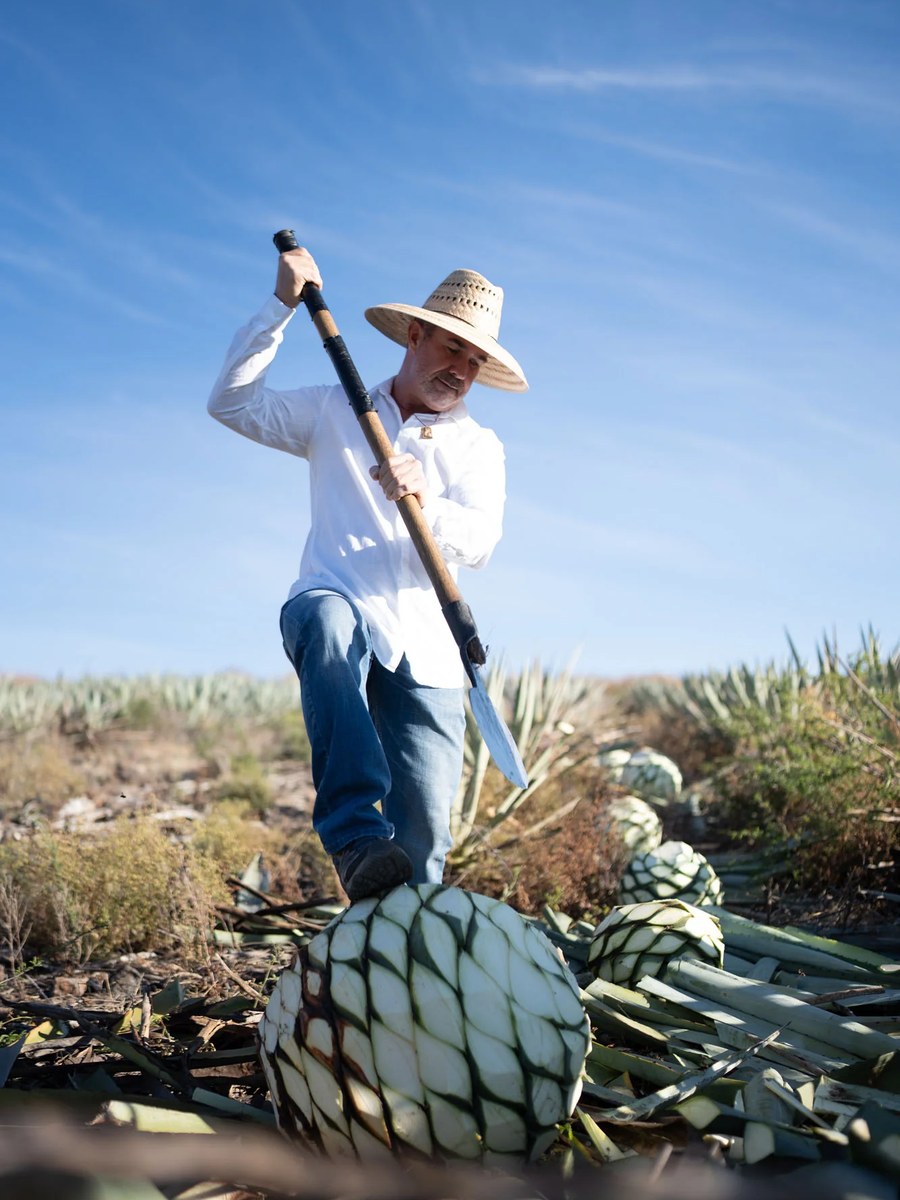
The sensory vocabulary transfers more directly than most wine drinkers expect. The progression through a well-made mezcal, primary aromatics on the nose, structural complexity on the palate, a mineral finish that reflects the volcanic soils of its origin, is the same arc a sommelier traces through a glass of serious white wine or a structured red. The categories share a tasting grammar, and wine lovers already speak it.
Maidment describes what he calls 'the three kisses': the first sip adjusts the palate, the second reveals structure, and the third lingers with detail and depth. The principle is that mezcal, like fine wine, rewards patience and attention rather than immediate judgement. A single encounter with a complex spirit, before the palate has calibrated, tells you less than nothing. It tells you the wrong thing.
The 'three kisses' framework is, in practice, the same approach a sommelier applies to a structured wine that needs air and time. You do not evaluate a serious red on the first pour from a just-opened bottle. You give it time, you return to it, and you let it tell you what it is. Mezcal operates on the same principle. The smoke that may dominate the first encounter softens on the second sip, and by the third, the agave's varietal character, the floral precision of a Manso de Sahuayo, the citric grip of a Bruto, comes forward cleanly. What seemed like a single note resolves into a full chord.
The practical implications for serving follow directly from this. Mezcal belongs in a copita or a wide-bowled tasting glass, not a shot glass. It should be served at room temperature, not chilled. The vessel shapes what you receive, in the same way that glassware shapes the delivery of a fine wine. A glass designed to concentrate aromatics and allow the spirit to open with air will give you a fundamentally different experience than one designed for rapid consumption. The mezcalero's work deserves the former.
Mezcal also opens up with air in the glass in a way that directly parallels wine. An Ensamble blending two agave varieties will read differently after time in the glass than it did on the first pour, the components integrate, the finish lengthens, and the relationship between the two varieties becomes audible. Tasting in sequence, with attention and without rush, is not ceremony for its own sake. It is the method that allows the spirit to show what it actually is.
One of the persistent misconceptions about mezcal, even among people who drink it seriously, is that it belongs after dinner, as a digestif, separate from the meal. The pairing logic that Maidment applies to Zacal's expressions argues the opposite, and it does so in terms that wine lovers will find immediately familiar.
Zacal's Ensamble, a blend of Manso de Sahuayo and Bruto, pairs with charred octopus with mole negro, and with dark chocolate with smoked sea salt and chili. Read that through a wine pairing lens and the structural logic is clear. The smoke in the spirit mirrors the char on the octopus.
The mole negro's layered complexity, dark, bitter, rich, finds its counterpart in the Bruto's earthy, citric weight. The dark chocolate and smoked sea salt amplify the mineral finish that Michoacán's volcanic soils have built into the spirit from the ground up. These are not casual suggestions.
They are the same kind of structural pairing decisions that place a powerful red next to a rich braise, or a wine with genuine mineral depth next to food that rewards that quality.
The Manso Sahuayo, with its herbaceous, floral character and subtle sweetness, pairs with yuzu-marinated ceviche with fresh herbs, or with charred pineapple with tajín and lime. The citric brightness of the yuzu finds the floral register of the Manso. The tajín's chili-lime heat opens the palate to the spirit's sweetness. The logic is the same logic wine lovers already apply: match weight to weight, find the flavour register that complements or productively contrasts the dominant note in the food, and let the structural elements, acidity, sweetness, minerality, do the work of binding the pairing together.
For a wine lover who already thinks in pairing terms, this is not a new skill to acquire. It is an existing skill applied to a new subject. The framework transfers completely. What changes is only the spirit in the glass, and the agave varieties, the volcanic soils, and the third-generation mezcalero who put it there.
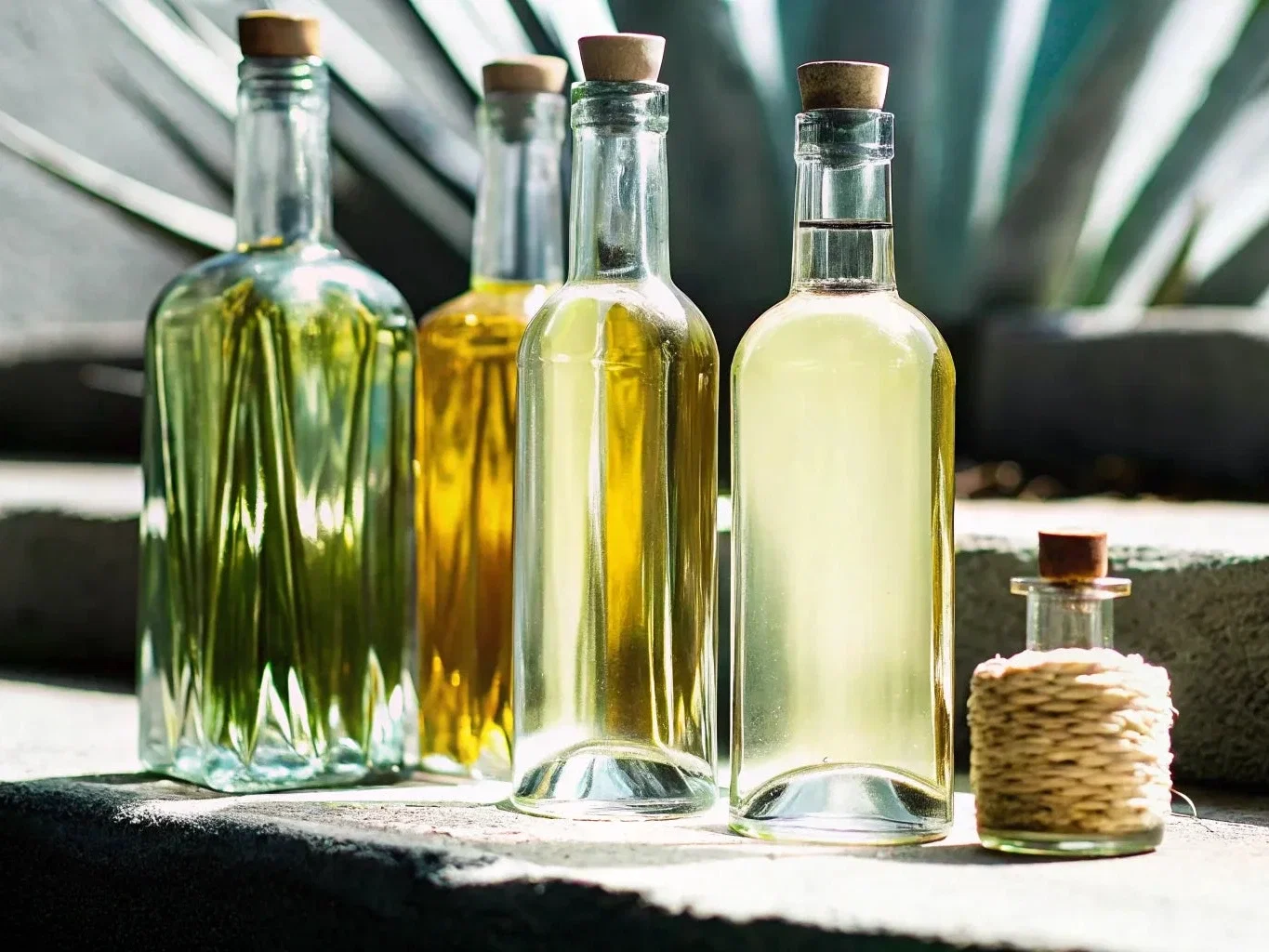
For a wine collector approaching mezcal for the first time, the entry point matters. The category is wide enough that undifferentiated exploration produces inconsistent results. The producers worth seeking out are those working with named agave varieties, named regions of origin, and named maestros mezcaleros, the three data points that together constitute a mezcal's identity in the same way that grape variety, appellation, and producer constitute a wine's.
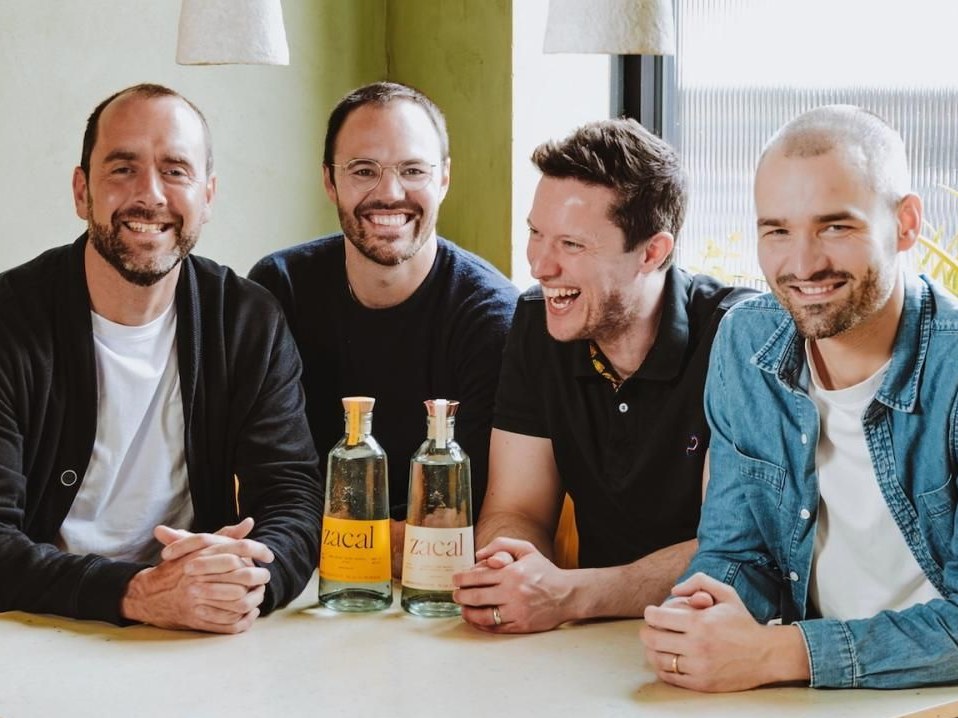
Michoacán is one of the nine regions covered by mezcal's Denomination of Origin, and it is a region with its own distinct character: high-altitude, hilly terrain, volcanic soils, and native agave varieties that exist nowhere else. Zacal's two expressions, the single-varietal Manso Sahuayo and the Ensamble of Manso de Sahuayo and Bruto, are made by Milton using entirely hand production methods, carrying the regional specificity of volcanic-soil Michoacán in their mineral character. For a collector who wants to understand how soil and variety translate into a glass of mezcal, these are a logical and well-defined starting point.
What Maidment has built with Zacal is, in miniature, the same argument that underpins serious wine collecting: a named place, a named producer, two named varieties that exist nowhere else, and a production method that cannot be scaled without ceasing to be what it is. That combination, terroir, varietal specificity, artisan craft, and protected origin, is exactly what fine wine collectors have always paid attention to find. The fact that it arrives in a spirit rather than a bottle of Burgundy is, for the wine lover willing to follow the logic, beside the point.
Maidment's background, years spent communicating the terroir and craft of wine to a British audience as marketing director of Wines of Argentina UK, before co-founding Zacal, gives him an unusual vantage point. He is not asking wine lovers to abandon their framework. He is showing them that the framework already fits. The soil, the variety, the named producer, the protected origin, the patience required to taste properly: mezcal asks for everything wine has already taught its most serious drinkers to value. The glass is different. The discipline is the same.
Get the App
Take the shortlist into the En Primeur Club app for concierge access, saved places, and the next step after discovery.
Get Exclusive AccessMore from the editors