← Guides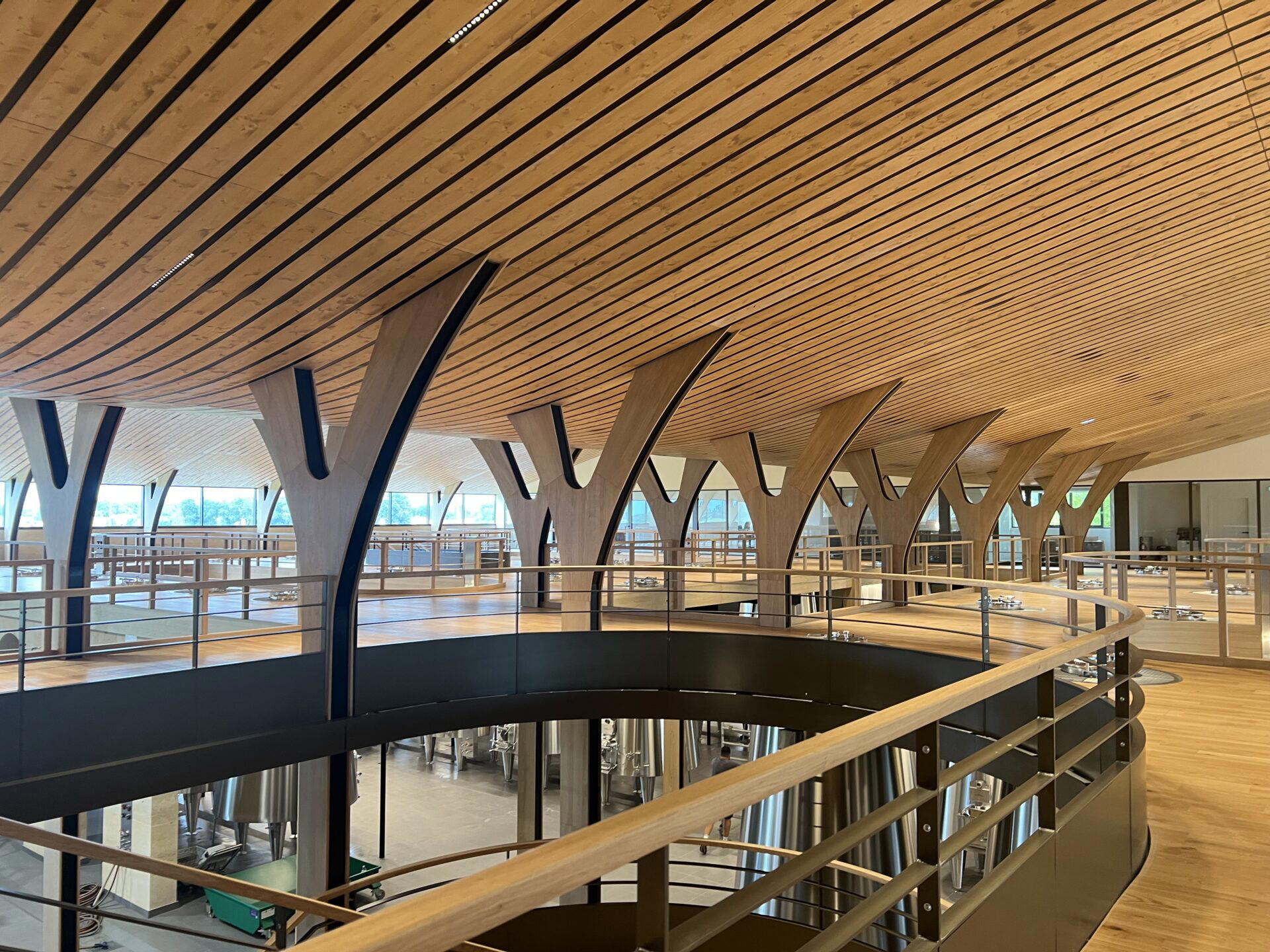
After a three-year revamp, Haut-Médoc fifth growth Château Cantemerle enters the 2025 vintage with new cellars and wine tourism.
After a three-year revamp, Haut-Médoc fifth growth Château Cantemerle enters the 2025 vintage with new cellars and wine tourism.
Château Cantemerle completed its three-year renovation in time for the 2025 vintage, giving this Haut-Médoc fifth growth south of Margaux transformed cellars, a renovated château and a new approach to wine tourism (Decanter1).
Decanter’s recent visit, just before en primeur week in April, frames the change with the sort of before-and-after detail Bordeaux rarely forgets: the old cellar once had a dirt floor, chickens pecked among the barrels, and a cellarmaster poured from an ancient barrel into a smudged glass.
Now the château enters the 2025 vintage with its visitor-facing ambitions aligned to its scale. For a classified growth that produces an average of 600,000 bottles a year, according to Decanter, that matters.
The Château Cantemerle renovation lands at a useful moment for Bordeaux travellers. The Médoc is no longer a region where particularly memorable visit always means a locked gate, a trade appointment and a tasting squeezed between cellar work. Classified estates have been opening their doors with more intention, and Cantemerle’s three-year project places a fifth growth with deep history into that conversation without stripping away the texture that made the property so particular.
Decanter reports that the final part of the revamp finished in time for the 2025 vintage. The work includes transformed cellars, a renovated château and a new wine tourism approach. Those three details are the story: production, architecture and guest access moving together. For collectors, the cellar changes matter because Cantemerle has long sat in the category Decanter calls “best value-for-money Bordeaux.” For travellers, the renovation changes the practical calculus of a stop south of Margaux. A château that “wasn’t always easy to visit,” as Decanter puts it, now treats hospitality as part of its public identity.
That does not make Cantemerle a newly invented destination. It is the opposite. The property’s origins reach back to the 12th century, and its first record of vines dates to 1354, when lord Ponset de Cantemerle paid a debt with a barrel of wine. The renovation is interesting because it sits on top of that long record rather than replacing it. The Château Cantemerle renovation gives visitors a clearer route into a property whose past already had enough material for several Bordeaux lives (Decanter1).
Cantemerle began, according to Decanter, as a fort and toll point before wine entered the written record in the mid-14th century. One theory traces the name to le merle y chante, the blackbird sings there, a phrase that suits the estate’s long, slightly irregular path through Bordeaux history. The property’s Villeneuve-Durfort chapter lasted 300 years, from 1579 to 1892, and the château as it appears today was built after the French Revolution (Decanter1).
The figure to keep in focus is Caroline Villeneuve de Durfort. After her husband died in 1834, responsibility first passed through a young son, then came back to her after he died young. Decanter credits Caroline with modernising the château and winemaking, fighting mildew with an innovative method, defending the Cantemerle name in court, and pushing for the estate’s place in the 1855 Classification (Decanter1).
That last point gives Cantemerle one of the more particular classification stories in the Médoc. Decanter reports that the property was added to the 1855 Classification in September 1855, months after the original document was released. Today it is a fifth growth in the Haut-Médoc appellation south of Margaux. That late addition does not read like a footnote when you visit the estate through its history; it reads like part of its temperament. Cantemerle has had to argue for itself before.
The new work at the château belongs in that line. Not because renovation alone changes a wine’s place in the hierarchy, but because infrastructure sets the conditions for what a large estate can do consistently. In Bordeaux, old walls have romance. Clean, efficient cellars have consequences.
Decanter’s earlier memory of Cantemerle is almost cinematic: grey-with-age limestone, an ivy-covered tower, a dirt-floored cellar and weather ledgers filled with tiny handwriting on yellowing paper. 20th-century proprietors kept meticulous logs of temperatures, precipitation and weather events, records now useful for tracking climate change. That image matters because it captures the estate before this latest phase, not polished for visitors, but rich with primary material.
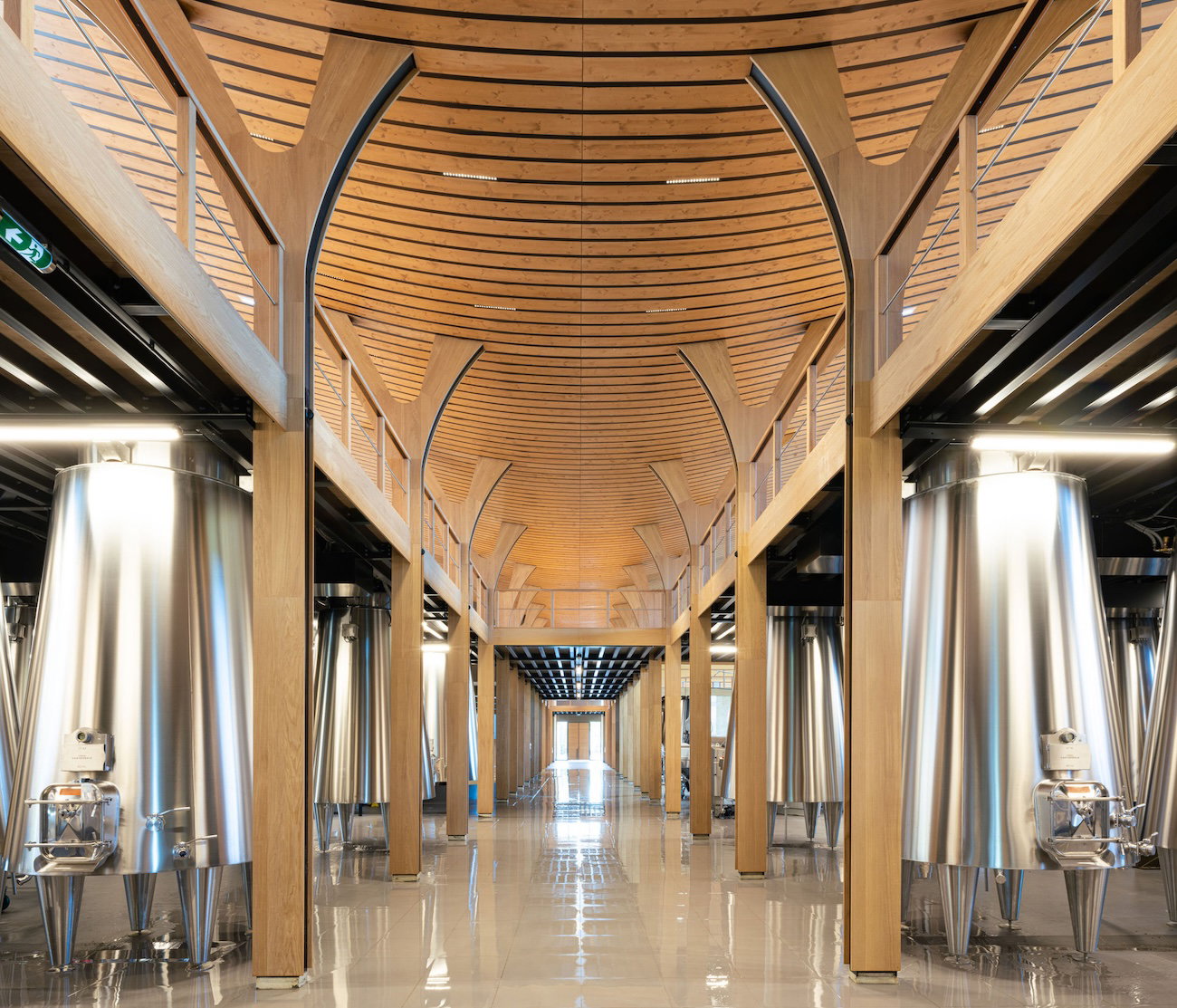
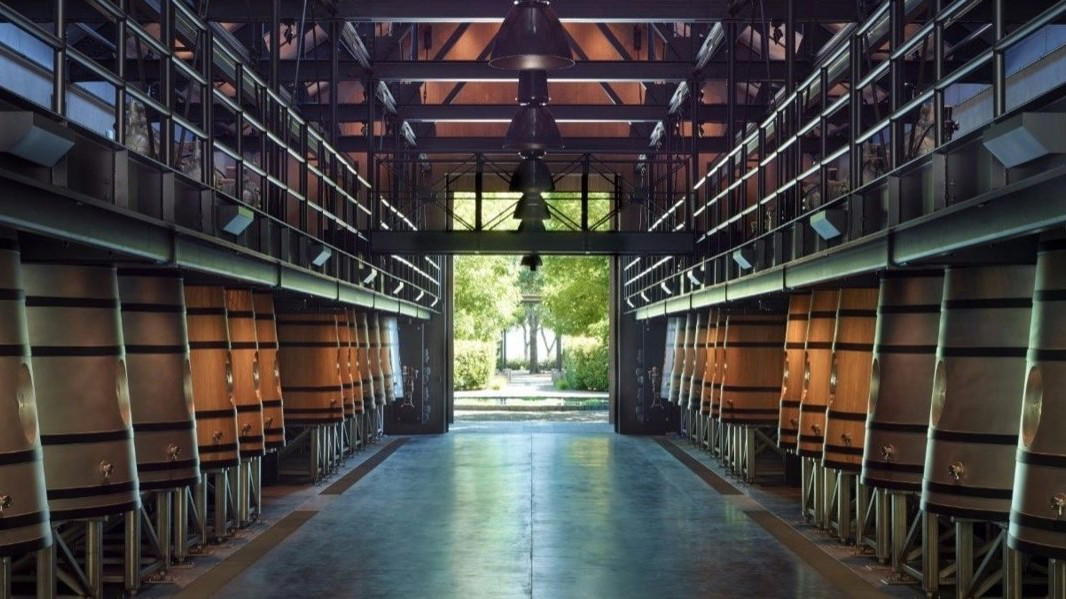
The post-renovation Cantemerle keeps the château in view while shifting attention to function. In the transformed cellars and renovated château, one-tonne “cuvons,” or hoppers, move grapes rapidly into the relevant vats, using lifts for gravity flow and Air Pulse. That is the kind of detail serious visitors listen for: not a vague promise of modernisation, but the route grapes take from reception to vat.
There is a sensory difference, too, between a barrel room remembered for chickens and a cellar designed around flow. You can almost hear the change: less scrape of boots across dirt, more lift movement, more purposeful cellar choreography during harvest. The Château Cantemerle renovation is not only about the visitor’s eye; it concerns the path of fruit, the pace of handling and the way a large property directs volume without losing control.
The renovated château also changes the experience of arrival. Decanter does not list public rooms or tour formats in detail, so it is better not to embroider. What we can say is that Cantemerle has paired cellar work with a “whole new approach to wine tourism.” For an estate close to Bordeaux and south of Margaux, that makes the property easier to fold into a Médoc itinerary built around both bottles and place.
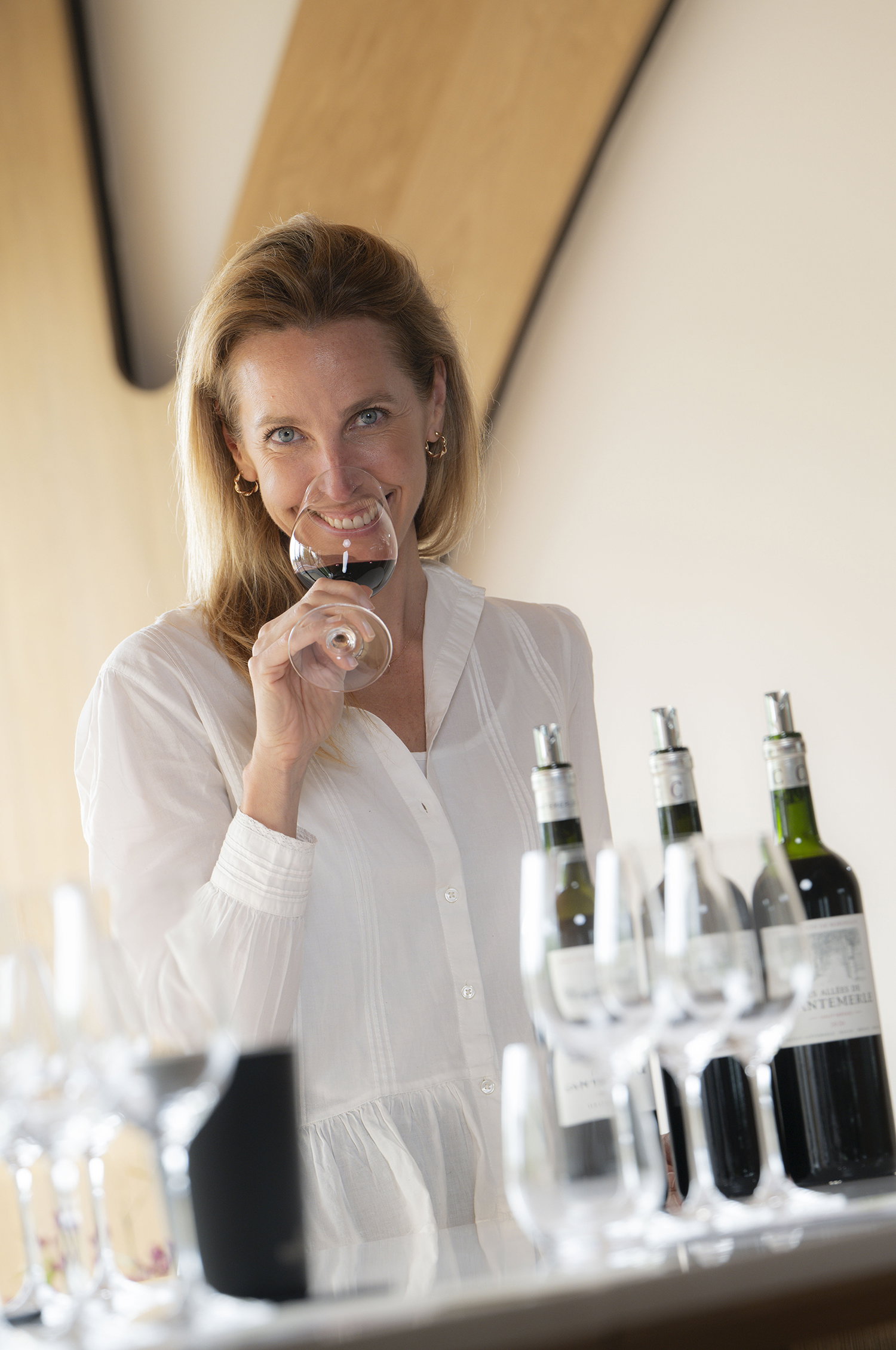
Laure Canu currently runs Château Cantemerle, according to Decanter. Her tenure follows the estate’s revival, which Decanter dates to new ownership beginning in 1981. That ownership change matters because Cantemerle’s current renovation did not arrive from nowhere; it extends a longer recovery arc after a period when the estate’s bones seemed stronger than its condition.
The scale is unusually important here. Decanter describes Cantemerle as a 200ha property, about 500 acres, with half dedicated to vines. The estate averages 600,000 bottles annually, of which 70% is the premier vin, Château Cantemerle Grand Cru Classé of Haut-Médoc. Those numbers make Cantemerle visible in a way smaller classified estates are not. If you are a collector who buys Bordeaux through merchants rather than château mailing lists, availability matters. You are more likely to encounter Cantemerle across markets, vintages and restaurant lists.
Scale can work against precision if a property lacks the systems to manage it. It can also give a château the reach to build recognition bottle by bottle. The renovation brings that tension into focus. A 200ha estate with transformed cellars is not making a boutique gesture; it is updating the machinery behind a wine many drinkers already know as an accessible route into the 1855 Classification.
Canu’s role is therefore not just custodial. She is steering a classified growth with medieval roots, 19th-century classification drama, late-20th-century revival and a newly renovated visitor proposition. Few Bordeaux addresses carry all of that in one visit. Fewer still do so with production that can actually be found beyond a narrow allocation circle.
Cantemerle’s collector appeal has often rested on a simple equation: 1855 classified status, Haut-Médoc provenance and pricing that Decanter identifies with value-for-money Bordeaux. The renovation does not require a grand market claim to matter. It gives buyers a concrete reason to revisit assumptions about a name they may have filed under “sensible cellar stock” rather than appointment-worthy estate.
The premier vin accounts for 70% of average annual production, according to Decanter, under the label Château Cantemerle Grand Cru Classé of Haut-Médoc. That proportion gives collectors a useful signal. This is not a property where the classified wine exists as a tiny ceremonial slice of output. The main wine carries the château’s identity at scale.
The 2025 vintage will be the first to follow the completed three-year renovation, based on Decanter’s timing. For en primeur followers, that makes Cantemerle a name to track with a sharper pencil than usual. Not because one should assume the cellar work automatically writes the tasting note, but because infrastructure changes are one of the few estate developments that can affect consistency over time. The wine will still need to speak in glass.
There is also a practical angle for drinkers who travel before they buy. A renovated château with a clearer wine tourism approach lets you connect the bottle to the site: the large property, the gravelly terroir referenced by Decanter, the south-Médoc position close to Bordeaux, the historical record that runs from Ponset de Cantemerle’s barrel debt to Caroline Villeneuve de Durfort’s classification fight. Those details do not replace tasting. They sharpen it.
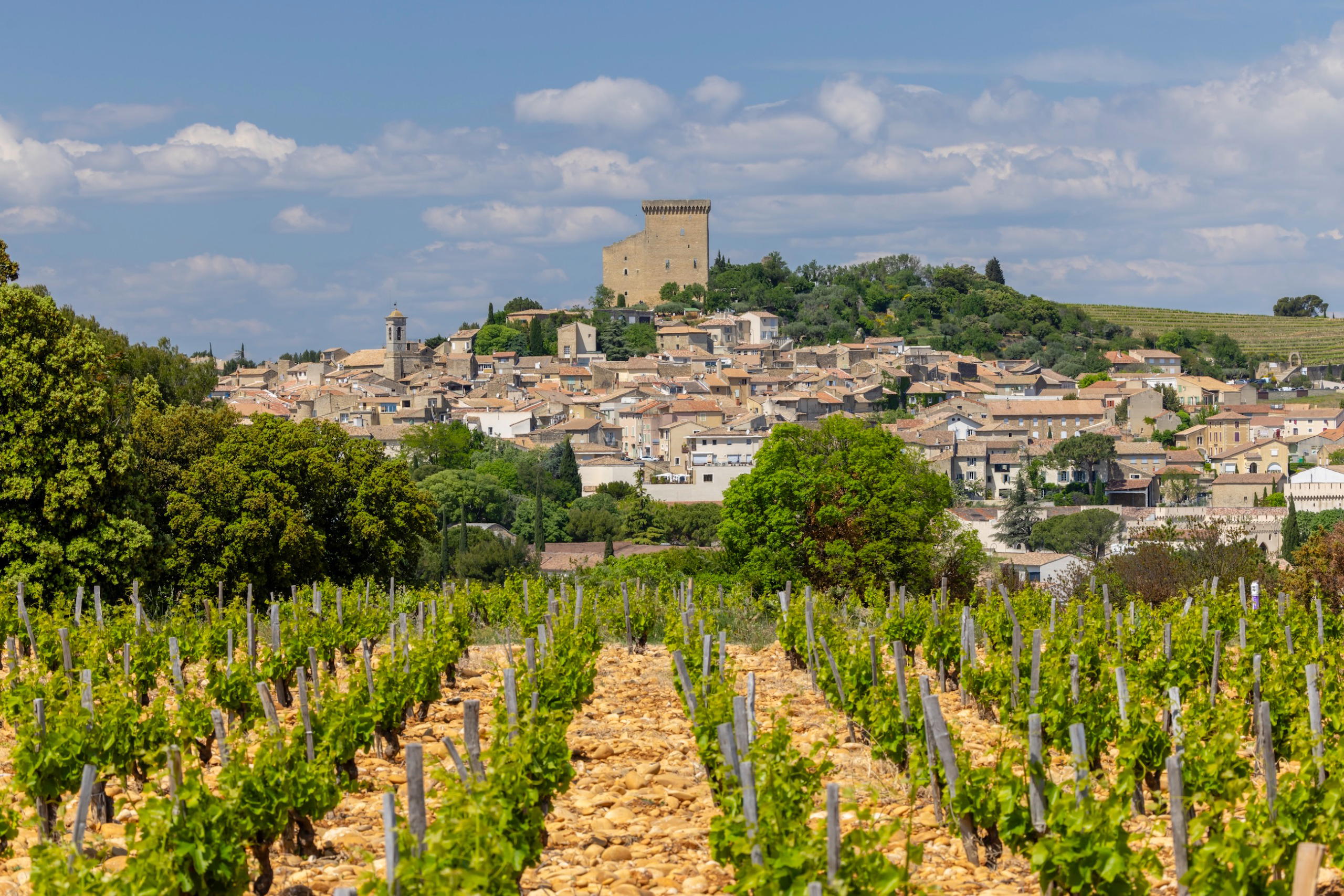
Château Cantemerle sits in the Haut-Médoc appellation south of Margaux, a location that makes it a natural first or final stop on a Left Bank day from Bordeaux. The estate’s proximity to the city, noted by Decanter, is part of the appeal: you can pair Cantemerle with Margaux or southern Médoc addresses without turning the day into a race up the D2.
A new approach to wine tourism is in place. Treat practical arrangements as vintage-sensitive. En primeur week, harvest and cellar work can all affect access across Bordeaux. Confirm tour availability, tasting format and language options directly with the château before building the rest of the day around it.
What should you look for when you arrive? Start with the contrast. Cantemerle’s story now contains the dirt-floored cellar of memory and the transformed cellar of the 2025 vintage; the medieval origin and the September 1855 classification addition; the Villeneuve-Durfort tenure and the 1981 ownership revival; the scale of 200ha and the individual act of a barrel used to settle a debt in 1354. A visit here should not feel like a museum stop. It should feel like seeing a classified growth decide how much of its past to bring into the next glass.
As the 2025 vintage moves through its post-renovation cycle, Château Cantemerle gives Bordeaux travellers and collectors a clear marker to follow: how a fifth growth with 12th-century roots, modernised cellars and renewed hospitality translates its long record into the wines now arriving from the Haut-Médoc.
The three-year Château Cantemerle renovation included transformed cellars, a renovated château building, and a new wine tourism approach. The work was completed in time for the 2025 vintage, replacing facilities that once had dirt floors and chickens among the barrels with modern visitor-facing infrastructure.
Château Cantemerle was added to the 1855 Classification in September 1855, several months after the original document was released. It was classified as a fifth growth in the Haut-Médoc appellation, making it one of the more unusual classification stories in the Médoc.
Château Cantemerle produces an average of 600,000 bottles per year. The scale of production makes the recent renovation particularly significant for both collectors and wine tourists visiting the estate south of Margaux.
Caroline Villeneuve de Durfort modernised Château Cantemerle after her husband died in 1834. She updated winemaking practices, fought mildew with innovative methods, defended the estate's name in court, and successfully pushed for Cantemerle's inclusion in the 1855 Classification.
The first recorded mention of wine at Château Cantemerle dates to 1354, when lord Ponset de Cantemerle paid a debt with a barrel of wine. The property's origins as a fort and toll point reach back even further to the 12th century.
Get the App
Take the shortlist into the En Primeur Club app for concierge access, saved places, and the next step after discovery.
Get Exclusive AccessMore from the editors