← Guides
After 208 years, Billecart-Salmon sends its first Ratafia Champenois to Asia-Pacific, with Rosewood Hong Kong and Agnes Brisbane on the list.
After 208 years, Billecart-Salmon sends its first Ratafia Champenois to Asia-Pacific, with Rosewood Hong Kong and Agnes Brisbane on the list.
Billecart-Salmon Ratafia will launch in Asia-Pacific in autumn 2026, the maison’s first Ratafia Champenois after 208 years of Champagne production in Mareuil-sur-Aÿ. According to Rebecca Lo in The Drinks Business, the fortified wine made its global debut at Rosewood Amsterdam in spring 2026 before its planned appearance at Rosewood Hong Kong, Agnes in Brisbane, and still-to-be-confirmed venues in Singapore and Shanghai. The news carries the kind of detail collectors tend to mark in pencil: 18% ABV, four Champagne vintages from 2019 through 2022, mature Burgundy oak casks, and an initial production of only two barrels.
The release is small by design. Lo reports that the first Billecart-Salmon Ratafia will be divided between 500mL bottles and 5L Dame Jeanne bottles, with the 500mL format priced in France at €58 (£49.50) and Asia-Pacific pricing still to be set. That gives the launch a different rhythm from a new cuvée rolling through the usual channels. This is not a cellar-door novelty. It is a house with a name dating to 1818 taking material it does not use for Champagne and sending the result into a tight circle of restaurants, hotels, and independent retailers.
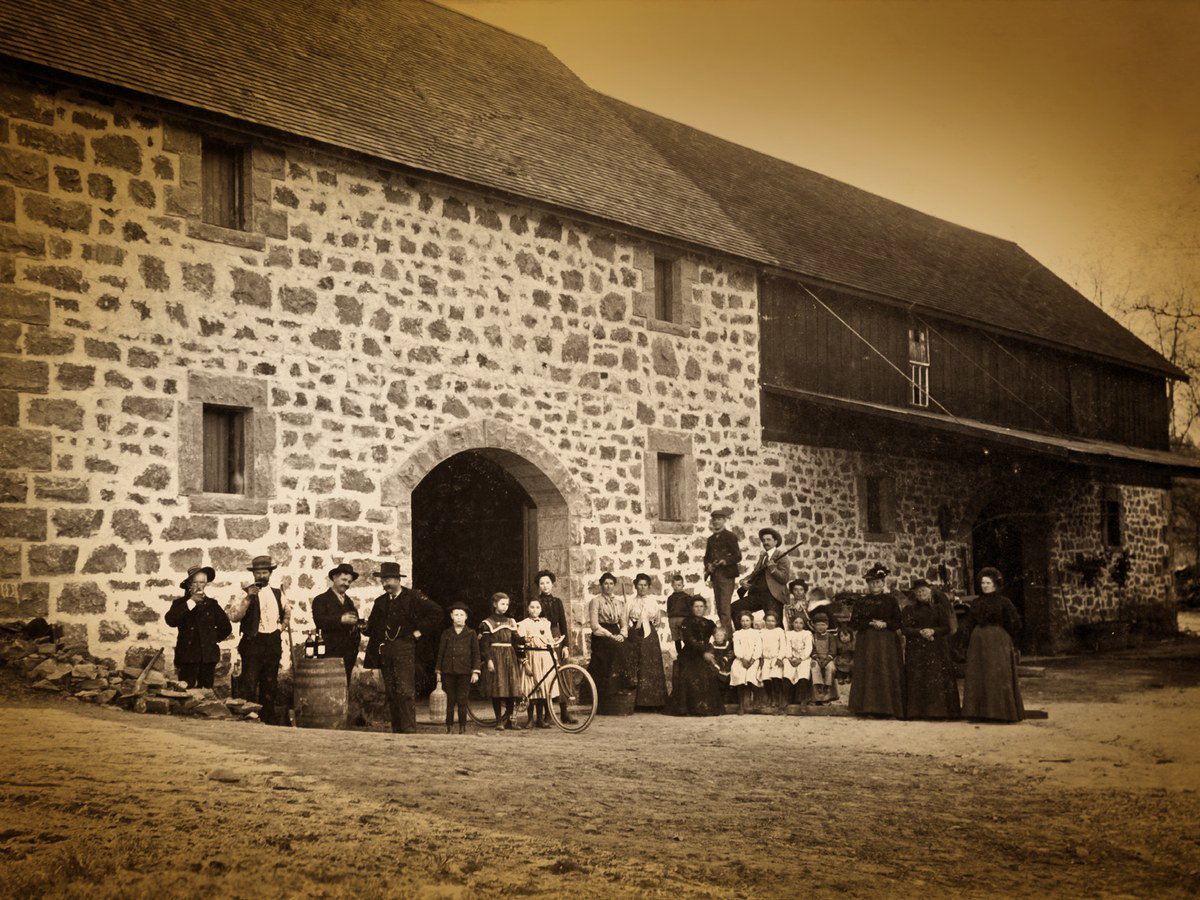
Billecart-Salmon began in 1818, when Nicolas François Billecart and Elisabeth Salmon founded the maison in Mareuil-sur-Aÿ, the family’s home town. More than two centuries later, the house is still led by the family: Mathieu Roland-Billecart is the seventh generation owner and head of Maison Billecart-Salmon. That continuity matters here because the Ratafia is not being presented as a side label or a quick seasonal line. It has emerged from a question at the press.

The practical issue is precise. Billecart-Salmon uses first-press juice for its Champagnes, and the discussion inside the house turned to the second and third presses, richer material that had not belonged in its cuvées. Rather than send that juice elsewhere, the maison has turned it into Ratafia Champenois through mutage of Pinot Noir grape must with Fine de Champagne. The decision gives the launch its spine: a new product, yes, but also a use for grape material that sits outside the house’s Champagne programme.
For a drinker who has followed Billecart-Salmon through its rosé, vintage, and non-vintage Champagnes, the timing has its own pull. The maison waited until 2026 to put a Ratafia under its name, then chose an Asia-Pacific launch after the spring debut at Rosewood Amsterdam. The sequence tells you where the house expects the conversation to happen first: not in a broad retail splash, but at tables where sommeliers can explain why second and third press juice changes the equation.
The scarcity is not decorative. Two barrels for an inaugural production changes how you approach the bottle. You are not comparing case stacks or vintage-depth allocations. You are looking at a first release from a family house founded in the early nineteenth century, offered first through named venues and partners. The Billecart-Salmon Ratafia will likely be encountered by many drinkers in a restaurant glass before it appears on a private shelf.
That makes the format part of the story. The 500mL bottle gives collectors a manageable size for the table, more deliberate than a half bottle of Champagne, less ceremonial than a magnum. The 5L Dame Jeanne, meanwhile, belongs to service. Lo reports that the Dame Jeannes were designed for select hospitality venues including Domaine Les Crayères and Arbane in Reims, Alléno in Paris, The Connaught Hotel in London, and the Waterside Inn in Bray. In other words, some of the first encounters will happen across a dining room, poured by someone who knows why the wine exists.
Ratafia Champenois sits apart from Champagne because it begins with grape must rather than a finished sparkling wine. In Billecart-Salmon’s case, the source material is Pinot Noir grape must from the second and third presses, fortified by mutage with Fine de Champagne and aged in mature Burgundy oak casks. The finished wine is 18% ABV. It does not ask you to listen for mousse, dosage, or bead; it asks you to consider richness, alcohol balance, and the character of the press fractions that Champagne houses usually keep outside their top cuvées.
Mathieu Roland-Billecart framed the decision through the material itself: "We concluded that strong use of these presses was Ratafia, as it needs more richness in the juice to balance the alcohol needed for the mutage," said Mathieu Roland-Billecart.1 That sentence explains why this is not simply a sustainability note tacked onto a launch. The second and third presses are not being hidden; they are doing the structural work the wine requires.
The 2019-through-2022 range also gives the Billecart-Salmon Ratafia a different relationship to vintage identity than a single-year Champagne release. It is not being offered as a snapshot of one harvest. It is a built wine, assembled after blending trials at the end of 2025, with each year contributing a piece of the shape. The mature Burgundy oak casks add another layer of format detail, though the source does not specify duration or cooperage. Better to leave the unknowns intact. The known facts are already enough to place the wine.
For the table, the category points toward a different service moment. Ratafia is a sweet aperitif, and this bottling’s 18% ABV places it closer to fortified wine territory than to the Champagne flutes that built the house’s name. That gives sommeliers room to pour it before a meal, with cheese, or at the edge of dessert, depending on the menu. The strongest practical advice for the first wave is simple: pay attention to where the 5L Dame Jeanne appears, because those bottles were made for the room rather than the cellar rack.
The Asia-Pacific launch is scheduled for autumn 2026. According to The Drinks Business, the first named venues include Rosewood Hong Kong and Agnes in Brisbane, with leading hospitality establishments in Singapore and Shanghai still to be confirmed. The choice of venues matters because this first release will not behave like a supermarket placement or a broad e-commerce drop. Initial production is only two barrels, and the launch will move through partner venues before wider retail begins.
Hong Kong already has a place in the story. Lo reports that at a spring Maison Billecart-Salmon Champagne pairing dinner held at Tébo in Hong Kong, the conversation turned to the bottle that was not yet on the menu. Regional sales manager Thibault Casoli was the messenger at the table, sharing news of a new product for the family business before the Asia-Pacific launch. For a city that has long treated Champagne as both dinner companion and collector currency, Rosewood Hong Kong gives the Ratafia an immediate stage.
Brisbane is the second named Asia-Pacific point, through Agnes. The restaurant’s inclusion gives Australian drinkers a specific address to watch once autumn allocations begin to appear. Singapore and Shanghai remain unnamed in the source, but their mention tells us the launch is being built across several key markets rather than a single-city unveiling. The practical detail to keep close: prices in Asia-Pacific are still to be set, while the French 500mL price is €58 (£49.50).
The 500mL bottles have a longer path. Lo reports that they will be distributed across independent retail outlets, top restaurants, and 5-star hotels in key Billecart-Salmon markets starting early in 2027. That gives collectors two timelines. The first is the autumn 2026 on-trade appearance in Asia-Pacific, where a stronger chance may be a pour at a named venue. The second is early 2027, when the smaller format begins moving into independent retail and restaurants.
The Dame Jeanne format deserves its own note for anyone who plans travel around wine. A 5L bottle changes the service language: the vessel becomes part of the theatre, especially in rooms such as Domaine Les Crayères and Arbane in Reims, Alléno in Paris, The Connaught Hotel in London, and the Waterside Inn in Bray. If you are passing through Reims after the European placements are underway, the Ratafia may be encountered not as a bottle list footnote but as a pour from a glass vessel scaled for the dining room.
That difference between 500mL and 5L is not merely cosmetic. One format belongs to the buyer who wants to take a bottle home; the other belongs to the sommelier who can build a moment around it. With only two barrels at the start, the first question is not how many cases a market receives. The question is which tables get the chance to pour it first.
Billecart-Salmon has linked the project to Look Beyond, its CSR vision of maximising terroir while minimising waste, according to Lo’s reporting. The clearest part of that idea sits in the press fractions. The maison keeps first-press juice for Champagne. The Ratafia gives second and third press juice a purpose inside the Billecart-Salmon house rather than letting it sit outside the cuvée programme.
That matters because sustainability in wine often becomes vague as soon as it leaves the vineyard. Here, the detail is at the press. The house had a material it did not use for Champagne, and the Ratafia category required the richness of that material to balance the alcohol needed for mutage. The result is not a claim about saving the world by the glass. It is a more useful thing: a named method, a named grape, a named fortifying spirit, and a bottle you can actually look for.
Pinot Noir grape must, Fine de Champagne, mature Burgundy oak casks, four vintages, 18% ABV, those are the facts that keep the sustainability story anchored. They also help explain why this release should interest the wine traveller as much as the collector. At Rosewood Hong Kong or Agnes in Brisbane, the first taste will carry a direct line back to the press house in Champagne. At Domaine Les Crayères or Arbane in Reims, the Dame Jeanne format will put the same idea in the region where the maison began.
There is also a collector’s discipline to the release. A first-ever Billecart-Salmon Ratafia after 208 years, made in only two barrels, does not need inflated language around it. The facts set the pace. If you collect Billecart-Salmon Champagnes, the Ratafia sits adjacent rather than inside the Champagne line: fortified, non-sparkling, built from four vintages, and born from press fractions that the maison does not use for its cuvées. It broadens the cellar conversation without pretending to be another brut or rosé.
The next details to watch are practical ones: Asia-Pacific pricing, the confirmed Singapore and Shanghai venues, and the first independent retail outlets receiving 500mL bottles in early 2027. Until then, the Billecart-Salmon Ratafia belongs to a narrow window, a two-barrel first release from a family Champagne house that found its new wine in the juice it had been leaving out.
Get the App
Take the shortlist into the En Primeur Club app for concierge access, saved places, and the next step after discovery.
Get Exclusive AccessMore from the editors