← Guides
Discover strong fine dining Kyoto has to offer with our guide to the city's top Michelin-starred and other fine dining kaiseki restaurants.
Discover strong fine dining Kyoto has to offer with our guide to the city's top Michelin-starred and other fine dining kaiseki restaurants.
Kyoto is home to particularly celebrated fine dining experiences in the world, especially its kaiseki cuisine - a multi-course Japanese meal that highlights seasonal ingredients. The city has five Michelin three-star restaurants: Kikunoi Honten, Hyotei, Kyoto Kitcho Arashiyama, Mizai, Isshisoden Nakamura, and Gion Sasaki. Each offers a refined dining experience, blending culinary artistry with serene atmospheres.
Here’s what you need to know:
Reservations are essential for all these establishments, often months in advance. Expect prices starting at $200,$300 per person, depending on the restaurant and meal. Plan ahead, dress appropriately, and enjoy Kyoto’s unusual dining scene.
Kyoto's fine dining revolves around kaiseki, a multi-course menu progression rooted in seasonal ingredients, meticulous preparation, and age-old techniques. This deep respect for tradition is reflected not only in the food but also in the overall dining atmosphere.
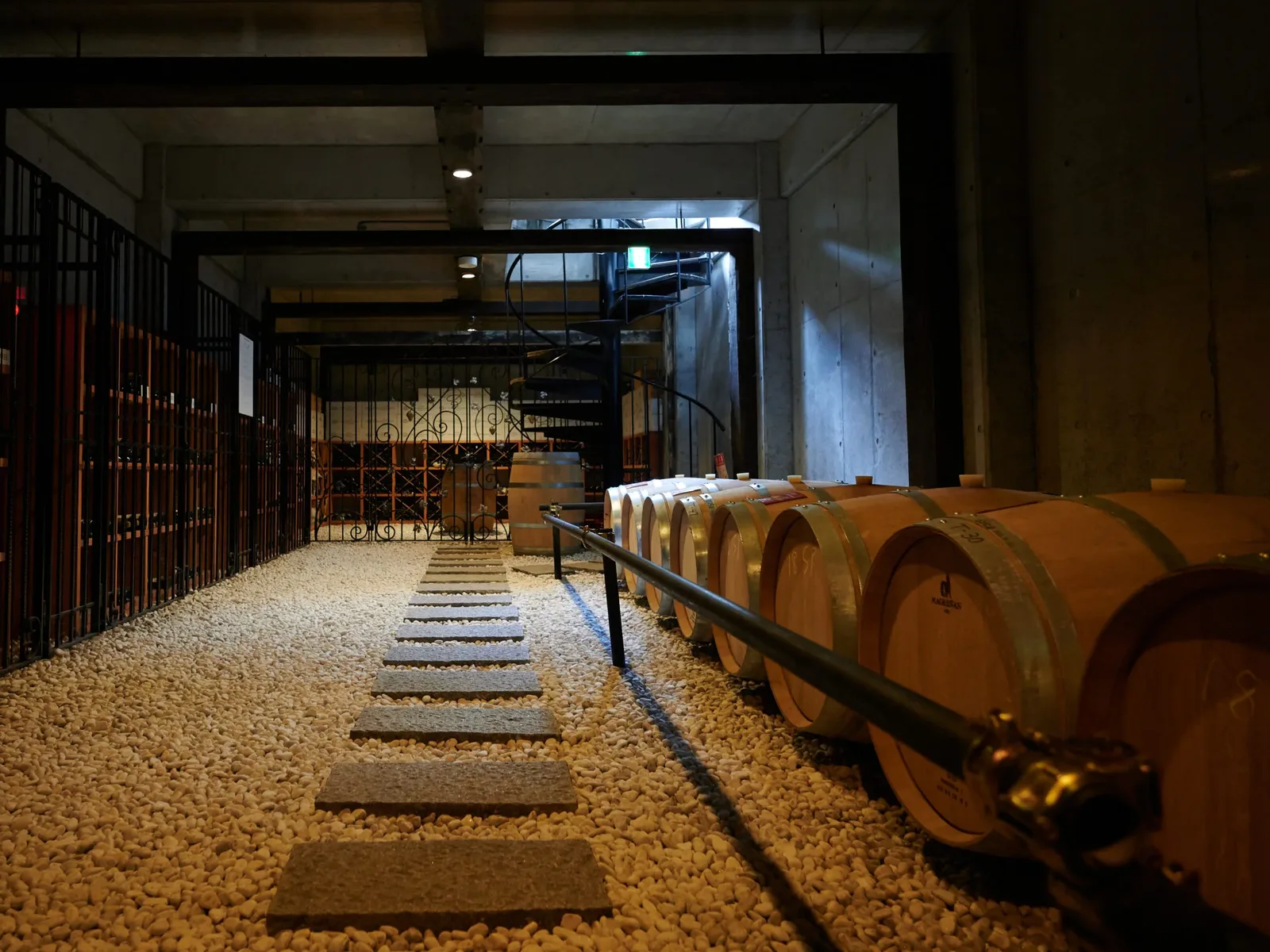
The service and ambiance in Kyoto's restaurants are crafted to offer an intimate and tranquil experience. Take Mizai, for instance - this renowned establishment incorporates Zen principles to create a calming environment where every detail is designed to enhance serenity.
If you're planning to dine at Kyoto's upper-tier restaurants, reservations are a priority. These can typically be arranged through online platforms or hotel concierges, ensuring you secure a spot at these sought-after venues.
Kyoto's dining spaces cater to different preferences with options like private tatami rooms and interactive counter seating. Private tatami rooms, where guests sit on floor cushions in secluded, traditional settings, provide an authentic Japanese experience. A prime example is Isshisoden Nakamura, a restaurant with over 180 years of history. On the other hand, counter seating offers a front-row view of the culinary artistry, allowing diners to watch chefs in action and engage with the preparation process.
Dress codes vary depending on the establishment, ranging from smart casual to formal. For instance, Kikunoi Honten requires formal attire, while Hyotei is slightly more relaxed with a smart casual standard.
Menus change with the seasons, offering fresh interpretations of traditional dishes that keep diners coming back for more.
Prices reflect the exclusivity of these experiences. For example, Kyoto Kitcho's lunch courses start at around $265, while dinner begins at $330. Some restaurants also have specific policies, such as restricting children under six or requiring prepayment for meals, so it's worth checking these details when booking.
Our journey through Kyoto's upper-tier dining establishments begins with Kikunoi Honten, a restaurant that has become synonymous with culinary mastery. Under the guidance of Chef Yoshihiro Murata, this three-Michelin-star gem has maintained its prestigious rating since 2010, solidifying its place as a priority stop for fine dining enthusiasts.
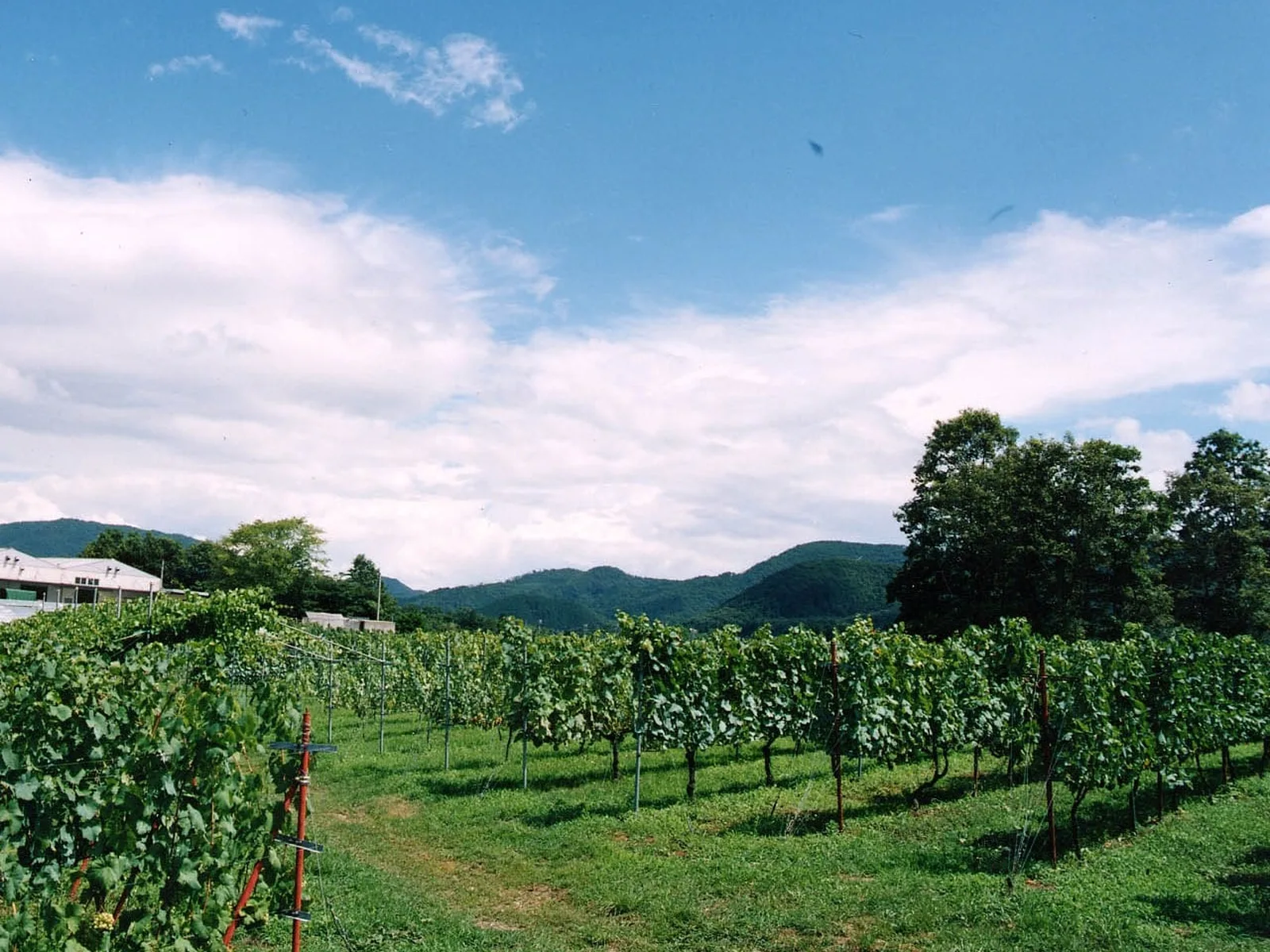
Kikunoi Honten is celebrated for its kaiseki cuisine, a traditional multi-course Japanese meal that emphasizes harmony with nature. Chef Murata’s artistry shines in every dish, which is thoughtfully paired with seasonally inspired tableware to reflect the beauty of the changing seasons.
Guests at Kikunoi Honten dine in traditional tatami mat ozashiki-style rooms, where privacy and serenity take center stage. These secluded spaces, adorned with classic Japanese aesthetics, offer an experience that feels like stepping back in time. Unlike more contemporary dining setups with counters or standard tables, this format provides an intimate and authentic atmosphere that requires careful preparation and planning.
Securing a seat at Kikunoi Honten requires foresight. Travel writer Cory Varga highlights the importance of booking up to three months in advance. For international visitors, services like Tableall simplify the process by offering English-language support and handling all communication with the restaurant. However, this convenience comes with a fee of 8,000 yen (about $53) per seat.
Set at 459 Shimokawaramachi, Higashiyama-ku, Kikunoi Honten welcomes guests for lunch (12:00,12:30 PM) and dinner (5:00,7:30 PM). A formal dress code is observed, adding to the refined atmosphere. Each visit promises a seasonal menu crafted with the freshest ingredients, ensuring that every meal is a distinctive culinary adventure.
Hyotei is a shining example of Japan's culinary heritage. Since earning its three-Michelin-star rating in 2010, this tea-kaiseki restaurant has cemented its reputation as one of the country's most esteemed dining establishments.
Hyotei focuses on tea-kaiseki cuisine, a delicate culinary tradition inspired by the Japanese tea ceremony. This style celebrates simplicity, the changing seasons, and the pure essence of natural ingredients. What sets Hyotei apart is its dedication to preserving classic techniques and its unwavering use of authentic Japanese ingredients.
One dish that has become synonymous with Hyotei is the well-known "Hyotei egg." This simple yet elegant creation embodies the restaurant's philosophy of refinement and subtlety. The serene dining atmosphere further complements the artistry of its cuisine.
The restaurant's historic setting adds a layer of authenticity to the overall experience, immersing diners in a space that feels timeless.
Reservations are a priority, and the dress code leans toward smart casual.
Hyotei is located at 35 Nanzenji Kusagawacho, Sakyo-ku. Lunch service runs from 12:00 PM to 3:00 PM, while dinner is offered between 5:00 PM and 9:30 PM. Expect to spend over $200 per person for this memorable dining journey.
Kyoto Kitcho Arashiyama, led by Executive Chef Tokuoka Kunio, delivers a precise kaiseki dining experience through its meticulously crafted Chef's Course.
Kyoto Kitcho is renowned for its kaiseki cuisine - a traditional Japanese multi-course meal. Each dish is thoughtfully prepared using seasonal ingredients and served on elegant, traditional tableware, creating a harmonious blend of flavor and presentation.
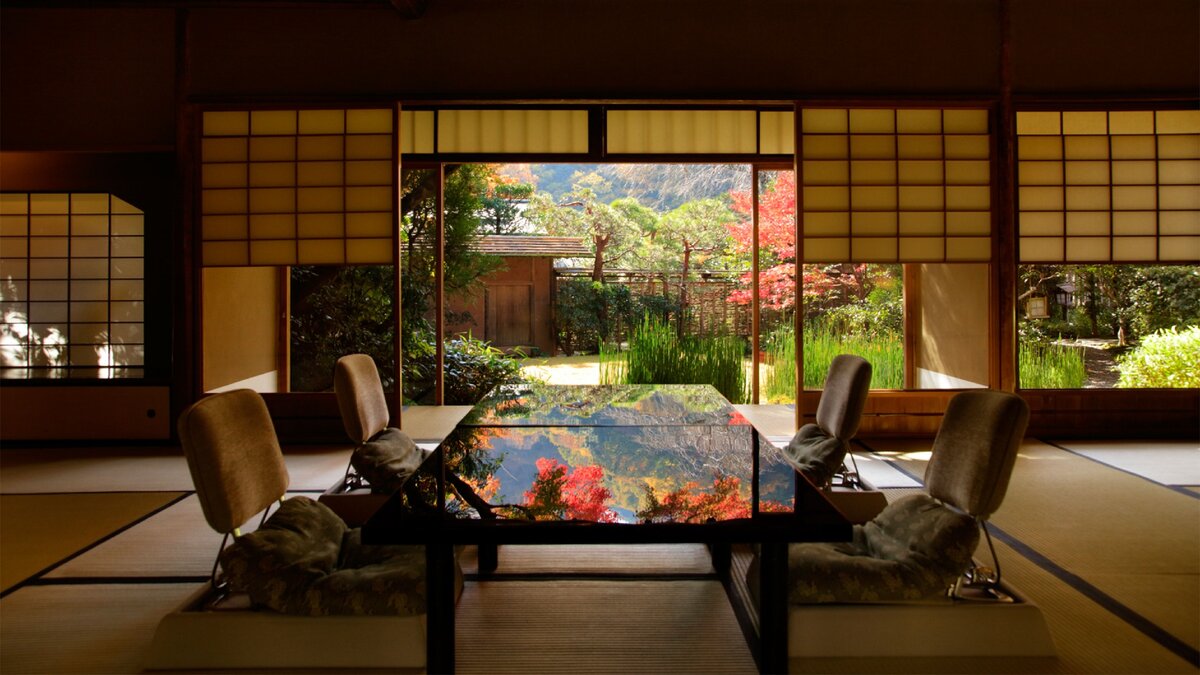
Dining at Kyoto Kitcho is an intimate affair. Guests are seated in private rooms overlooking serene garden views, offering a tranquil setting to fully appreciate each course. This exclusive setup enhances the overall experience, making reservations a priority.
Reservations are not just recommended - they're mandatory. With limited seating and high demand, securing a spot often requires advance planning. Many guests book through concierge services or specialized platforms. that some branches have an age policy, restricting entry for children under six.
The centerpiece of the meal is the Chef's Course, a showcase of culinary artistry. For lunch, prices begin at approximately $267 (¥40,000), while dinner starts at around $334 (¥50,000), reflecting the premium nature of this memorable dining experience.
Under the skillful leadership of Chef Hitoshi Ishihara, Mizai delivers an extraordinary dining experience rooted in Kyoto's tea-kaiseki traditions and Zen philosophy. Every detail of the restaurant reflects this thoughtful approach, creating an atmosphere where culinary artistry and mindfulness come together seamlessly.
Mizai's menu is a beautiful expression of tea-kaiseki dining, where each dish is crafted with meticulous attention to detail and a deep respect for the seasons. The restaurant embraces the Japanese concept of ichigo ichie - a philosophy that treasures each moment as distinctive and unrepeatable. This mindset shines through in every course, offering diners a chance to appreciate the subtle elegance and harmony of Japanese cuisine.
Set at 613 Maruyamacho, Mizai features an intimate counter seating arrangement that brings guests closer to the artistry of Chef Ishihara. Watching the chef at work adds a personal and immersive touch to the meal. The restaurant’s serene and minimalist decor complements this experience, creating a tranquil environment that encourages diners to savor each moment.
As a 3-star Michelin restaurant, Mizai is in high demand. Reservations are essential and should be made well in advance. Guests can secure a spot through platforms like byFood or by working with a hotel concierge.
What sets Mizai apart is its single gathering format. All guests are served together, with each course presented as part of a carefully curated progression. This distinctive approach invites diners to fully engage with the cultural and culinary traditions that define Kyoto’s fine dining, making every visit to Mizai a memorable journey.
Isshisoden Nakamura is a shining example of Kyoto's rich fine dining heritage. With a history spanning over 180 years, this 3-Michelin-starred restaurant has been a cornerstone of traditional Japanese cuisine since 2011. Under the guidance of sixth-generation Chef Motokazu Nakamura, it offers an authentic kaiseki dining experience that reflects centuries of meticulous culinary artistry and cultural refinement.
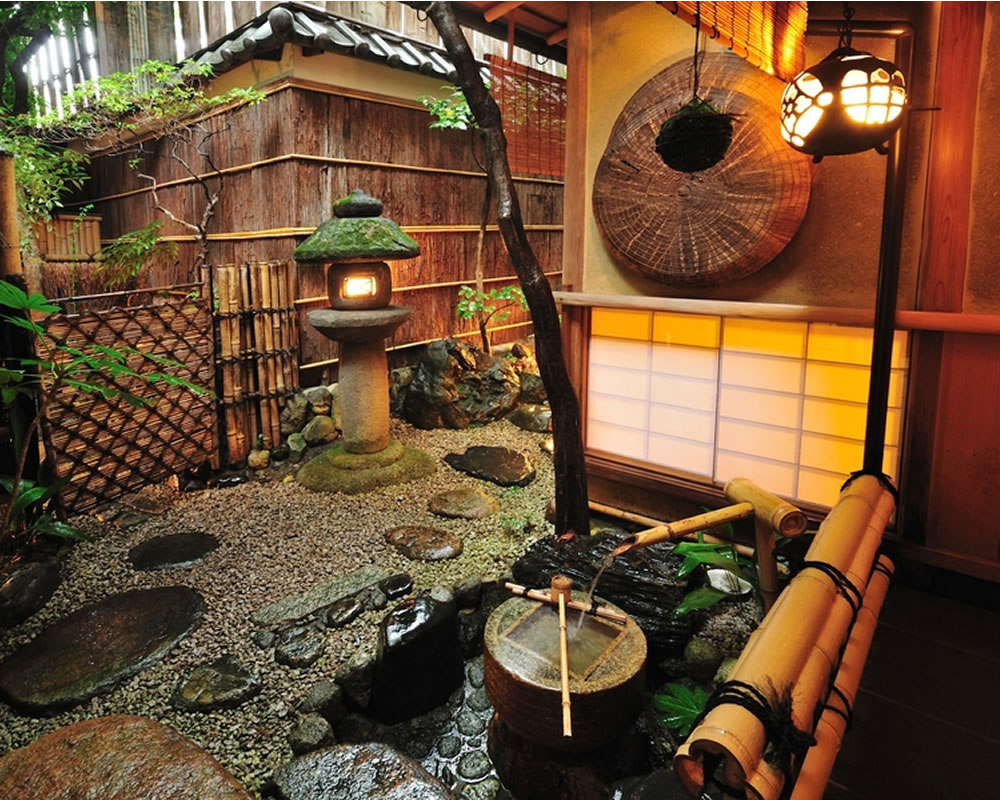
At Isshisoden Nakamura, the focus is on kaiseki cuisine, a hallmark of Kyoto's gastronomic tradition. The restaurant's philosophy is inspired by mono no aware, a Japanese concept that celebrates the fleeting beauty of life. This poetic approach is woven into every detail of the dining experience. Chef Motokazu Nakamura honors family recipes passed down through six generations, blending classic techniques with subtle modern influences.
Highlights of the menu include dishes like fried tilefish cooked in sake and a comforting white miso rice soup with mustard, all crafted with the leading seasonal ingredients.
"If Kyoto's elegance could be refined into one dining experience, this would be it." - byFood
The restaurant's private tatami rooms provide a serene and intimate setting, immersing guests in traditional Japanese hospitality. Every course is presented with precision, creating a seamless journey through flavors and textures. This carefully curated environment allows diners to fully appreciate the artistry and cultural depth behind each dish.
Reservations are essential and must be made 1,3 months in advance, with prepayment required to ensure the use of upper-tier ingredients. The cancellation policy is strict: full refunds are available for cancellations made three or more days before the reservation, while cancellations within two days are non-refundable. Arriving more than 15 minutes late results in automatic cancellation. Reservations can be arranged through My Concierge Japan or hotel concierges.
"We believe 'customers that are willing to pay for their course beforehand = customers that want to eat at the restaurant,' and customers that 'have courtesy' are customers that we can confidently look forward to their arrival and the chance to display the chef's cooking ability." - Isshisoden Nakamura
Dining at Isshisoden Nakamura is more than a meal - it's an exploration of Japan's cultural essence through the lens of kaiseki cuisine. With prices exceeding $270 per person, this is one of Kyoto's most exclusive and memorable culinary experiences, steeped in generations of tradition.
Gion Sasaki represents the pinnacle of kaiseki dining in Kyoto. This prestigious 3-Michelin-starred restaurant, which earned its third star in 2020, has become one of Japan's most sought-after culinary destinations. With just 19 seats, it offers an intimate and captivating dining experience that blends traditional Japanese cuisine with a touch of theatrical flair.
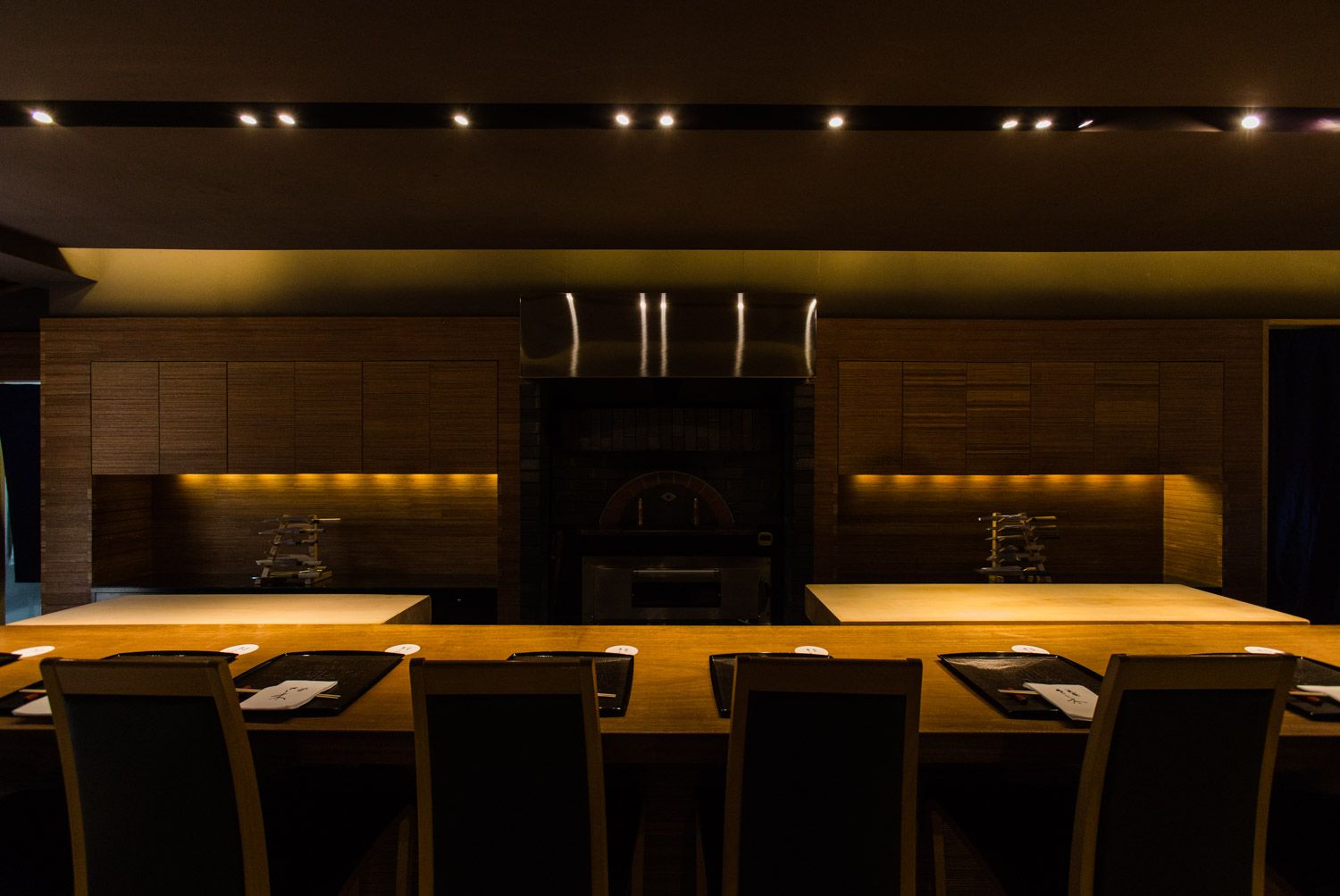
At Gion Sasaki, the focus is on kappo and kaiseki cuisine, showcasing the elegance of Kyoto's culinary traditions. The restaurant brings these classic styles to life with an interactive twist, delivering masterfully crafted dishes made exclusively with Japanese ingredients and techniques passed down through generations. One standout feature is the stone charcoal oven, which infuses dishes with a distinctive smoky flavor, prepared right in front of guests.
The experience at Gion Sasaki is as much about the journey as the food itself. The 19-seat setup creates a cozy atmosphere where diners can watch the chefs in action, turning the meal into a performance of culinary artistry. This close interaction with the food preparation process adds a distinctive layer of engagement, making every visit memorable. The restaurant's well-suited mix of traditional methods and modern presentation has solidified its reputation as one of Kyoto's leading dining establishments.
With its limited seating and 3-Michelin-star reputation, securing a reservation at Gion Sasaki is no small feat. The restaurant is often booked out weeks or even months in advance. Guests are strongly encouraged to plan ahead and make reservations early, ideally through platforms like byFood, which specialize in connecting diners with high-end Japanese restaurants.
Dining at Gion Sasaki is broader than the meal - it's an immersive experience. Guests can participate in moments like painting soy sauce onto sushi, adding a personal touch to the artistry of the dishes. Highlights include the conger eel served in a miniature shrine, a dish that combines notable culinary skill with a nod to Japanese cultural traditions.
With prices exceeding ¥30,000 (around $225) per person, Gion Sasaki offers an exclusive dining adventure that lives up to its reputation as one of Kyoto's most luxurious restaurants.
Deciding where to dine among Kyoto's top fine dining spots can be a challenge, especially when each restaurant showcases its own distinctive take on kaiseki cuisine. Below is a comparison table to help you make an informed choice.
These restaurants represent Kyoto's rich culinary heritage, blending tradition with modern touches. Whether you prefer the intimate counter seating of Mizai and Gion Sasaki or the privacy of Kyoto Kitcho Arashiyama and Isshisoden Nakamura, each venue offers something special. Plan your reservations early to secure your spot at these renowned establishments.
If you're planning to enjoy Kyoto's renowned fine dining scene, preparation is key. Many upper-tier restaurants rely on specialized booking platforms like TableCheck, Pocket Concierge, or Omakase partners instead of accepting direct international calls. Your hotel concierge can also be a valuable ally in securing reservations. Taking these steps ensures a smooth and memorable dining experience.
Popular restaurants in Kyoto often book up far in advance, especially during peak seasons like cherry blossom blooms or autumn foliage. Some establishments only open their reservation schedules a couple of months ahead, so it's best to plan early. Securing your spot well ahead of time can save you from disappointment. Additionally, check if prepayment is required when making your booking.
Kyoto's fine dining venues often uphold specific dress standards. For instance, Kikunoi Honten enforces a formal dress code, while others lean toward smart casual. Men are generally expected to wear dress pants and a collared shirt or sport coat, while women might opt for an elegant dress, blouse with a skirt, or dress pants. If you're dining in a tatami room, choose clothing that allows for comfortable floor seating.
Kaiseki dining is broader than the meal - it's a carefully orchestrated experience meant to be enjoyed at a deliberate pace. Punctuality is central, as arriving late can disrupt the flow of service. Restaurants like Hyotei adhere to strict timeframes, with lunch typically served from 12:00 PM to 3:00 PM and dinner from 5:00 PM to 9:30 PM. Each course is thoughtfully timed to create a harmonious experience.
At counter-style venues such as Mizai or Gion Sasaki, you may have brief interactions with the chef, but it's best to allow them to focus on their craft. Watching their precision and artistry is part of the distinctive dining experience.
To take full advantage of your visit, take note of some practical details. Most high-end restaurants in Kyoto accept major credit cards, but it's always a good idea to carry some cash just in case. Tipping, however, is not customary in Japan. If you're dining with children, confirm any age restrictions when making your reservation.
While many staff members at upscale restaurants speak some English, the dining experience remains deeply rooted in Japanese traditions. Don’t hesitate to ask about unfamiliar ingredients or techniques - your curiosity is often welcomed and appreciated. Part of the kaiseki experience is placing trust in the chef's expertise and embracing the surprise and artistry of each course.
Kyoto is a beacon for fine dining, where centuries of tradition intertwine with extraordinary culinary craftsmanship. The city’s five Michelin three-star restaurants - Kikunoi Honten, Hyotei, Kyoto Kitcho Arashiyama, Mizai, Isshisoden Nakamura, and Gion Sasaki - offer polished kaiseki cuisine, reflecting the deep-rooted philosophy of seasonal dining.
What distinguishes Kyoto’s dining scene is its harmonious blend of culinary mastery, rich heritage, and graceful hospitality. Each restaurant brings its own distinct flair to the table, while maintaining an intimate ambiance. Dining here feels like witnessing a carefully staged performance, where every dish is a deliberate act in a larger story.
Planning ahead is essential, as reservations at these prestigious establishments often open one to three months in advance. Securing a spot ensures an unusual gastronomic experience that aligns with Kyoto’s time-honored dining traditions.
These fine dining establishments are more than just places to eat - they are gateways to Japan’s culinary soul. With their masterful techniques and reverence for history, Kyoto’s chefs create meals that are as much about storytelling as they are about flavor. For anyone passionate about food or eager to examine Japanese culture, Kyoto offers a memorable journey into the heart of kaiseki cuisine.
Kaiseki represents Japan's traditional multi-course dining, renowned for its careful preparation, use of seasonal ingredients, and dramatic presentation. With roots in the Japanese tea ceremony, it focuses on creating harmony between the food, the tableware, and the natural surroundings.
In Kyoto, kaiseki holds a particularly cherished role, reflecting the city's rich heritage and access to fresh, seasonal produce. Every dish is thoughtfully designed to enhance the natural essence of the ingredients while capturing the essence of the current season. This dining experience goes beyond just eating - it's a refined journey that showcases Kyoto's timeless culinary traditions.
To snag a reservation at one of Kyoto's Michelin three-star restaurants, planning well in advance is key. These sought-after spots often require reservations weeks or even months ahead of time. Among the more dependable ways to secure a booking is by using your hotel's concierge service. This is especially helpful if you're staying at a high-end hotel, as they often have connections with these exclusive dining establishments.
Another option is to explore online platforms that specialize in reservations for Japanese fine dining. However, be aware that some restaurants may have specific requirements, like prepayment, formal dress codes, or restrictions on young children. Double-check these policies when making your reservation to ensure everything goes smoothly.
When visiting Kyoto's upscale restaurants, smart casual attire is the standard. Steer clear of shorts, T-shirts, or anything too casual. At certain places, like Kikunoi Honten, a formal dress code might be required, so it’s always a good idea to check ahead of time.
Dining in Kyoto is as much about tradition as it is about the food. Being on time for your reservation shows respect, as punctuality is highly regarded. Keep your phone on silent, and be attentive to any instructions from the staff to ensure a smooth and pleasant dining experience.
Get the App
Take the shortlist into the En Primeur Club app for concierge access, saved places, and the next step after discovery.
Get Exclusive AccessMore from the editors