← Guides
A sommelier-informed look at four Burgundy producers bringing fresher cellar choices to Côte de Beaune, Meursault and beyond.
A sommelier-informed look at four Burgundy producers bringing fresher cellar choices to Côte de Beaune, Meursault and beyond.
Four Burgundy producers, Bastian Wolber, Charles Boigelot, Domaine Dandelion, and Domaine de Cassiopée, show how the region’s younger generation is pairing reverence for terroir with fresher, sometimes natural-leaning cellar choices.
Burgundy has carried the weight of terroir-driven wine since monks began making wine there more than a thousand years ago; today, the pressure comes from scarcity, brand gravity, and prices that make casual discovery harder.
Zachary Jarrett, co-owner of Café Triste and Psychic Wines in Los Angeles, puts it plainly: “Burgundy is generally so expensive and brand-based.” The producers below do not make Burgundy less serious. They make it feel more alive in the glass.
Bastian Wolber’s standout is not a grand family cellar or a famous village address; it is the route he took into Burgundy, beginning with his brother Christoph and a bottle of Ganevat. A German native, Wolber was studying economics before wine pulled him elsewhere. That detour matters. His Burgundy story runs through Domaine Leflaive, Rudolf Trossen, Jean-Marc Dreyer, Jean-François Ganevat, and Jean-Yves Bizot, names that tell you something about the tension between precision, farming, and low-intervention instincts in his orbit.
The hinge year is 2019. Wolber worked harvest with Jean-François Ganevat that year, before a mid-harvest accident cut the experience short. Nikita Malhotra, partner and wine director at Smithereens in the East Village, says he then purchased fruit from trusted friends in Savoie, Baden, and Alsace before returning to Burgundy. He has since acquired seven acres across Côte de Nuits and Côte de Beaune. For collectors, that acreage is the line to underline: Burgundy parcels at this stage rarely stay easy to find once sommeliers begin pouring the wines with conviction.
What should you look for? First, bottles that show Wolber’s Burgundy holdings in Côte de Nuits and Côte de Beaune, because those parcels mark the transition from itinerant energy to rooted production. Second, any wine that carries the imprint Alicia Kemper, owner of Buvons in Long Beach, describes as “lifted, precise, and full of tension.” The drinking occasion is not a trophy-table flex. It is a bottle for the friend who already knows why Jean-Yves Bizot’s orbit matters and wants to taste what happens when an outsider absorbs Burgundy without sanding off his own edges.
There is also a buying lesson here. With newer Burgundy producers, the first bottles often appear in the hands of merchants and sommeliers who care less about label certainty and more about who farmed, who advised, and where the fruit came from. Wolber’s path gives you several such clues: Ganevat as the spark, Leflaive as a reference point, Bizot as proximity, and seven acres now anchoring the work in the Côte d’Or. That is enough to make a collector pause before the name becomes harder to pull from a list.
Details:
Charles Boigelot brings a different kind of charge: inheritance, apprenticeship, and a decision to make wines under his own name from a family estate in Meursault. Ed Szymanski, co-owner of New York City restaurants Dame, Lord’s, and Crevette, says, “Charles Boigelot is a name that you don’t hear about, but you will.” In Burgundy, where surnames can open doors or cast long shadows, that sentence carries weight.
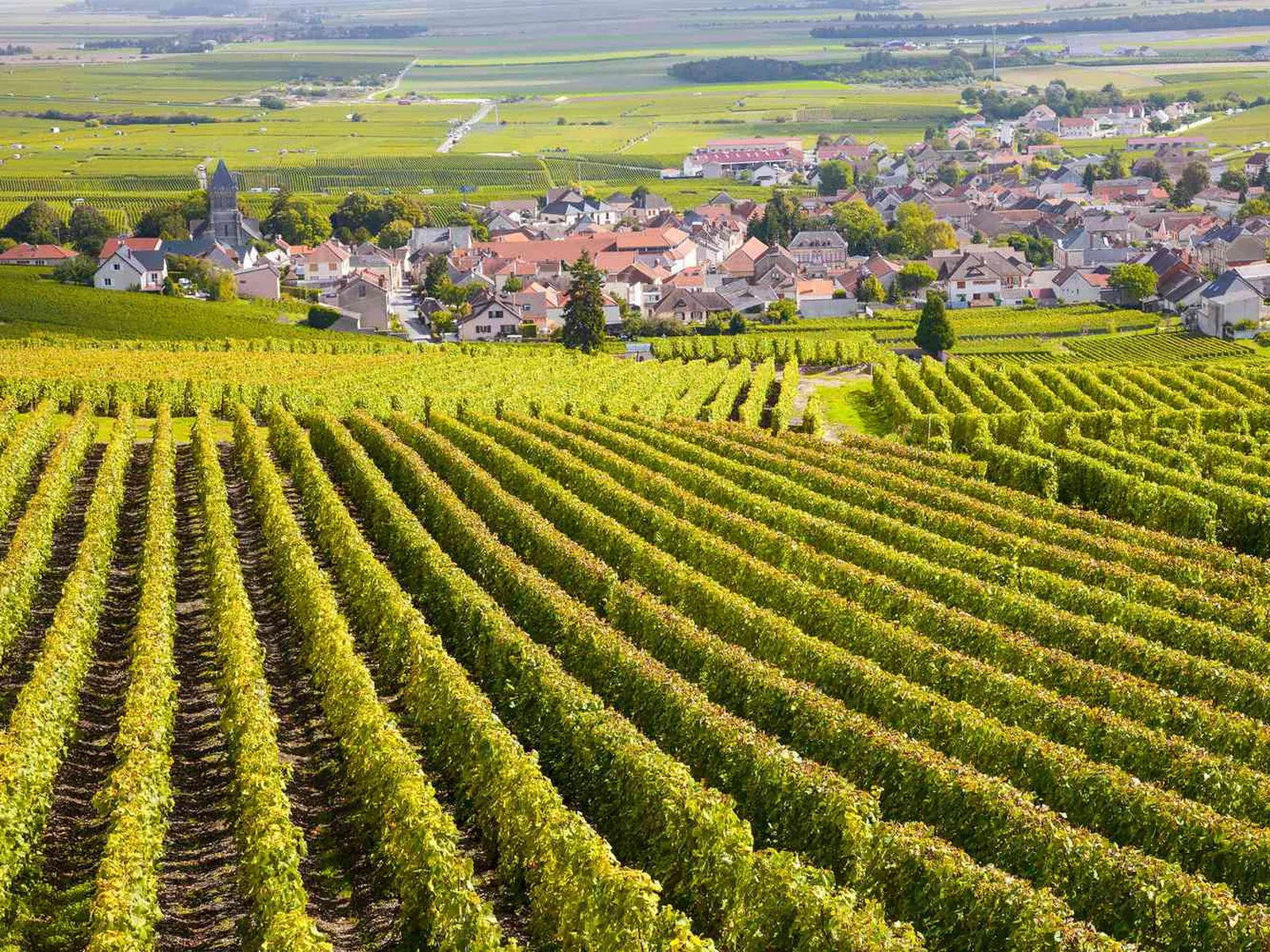
Boigelot is the son of Eric Boigelot and the fifth generation of winemakers in the family. He began apprenticeships at 15 years old, then spent time at Domaine Coche-Dury and Domaine Paul Pillot before returning to the family’s 22-acre estate in Meursault in 2022 to begin his own production. The address matters because Meursault still frames Chardonnay conversation for drinkers who care about breadth, lees, reduction, and the line between richness and cut. Boigelot enters that conversation with family land, but not with a copybook approach.
The cellar choices are specific. His reds are macerated in whole clusters, while the whites see lees contact during fermentation. All the wines are pressed slowly and gently, aged in used oak, and produced along the lunar calendar when possible.
That combination gives you the two things to ask about when a bottle appears on a serious list: a red that shows the whole-cluster decision clearly, and a white that lets lees contact speak without new-oak gloss. This is a producer for drinkers who like Meursault’s gravity but do not need the usual names to validate the bottle.
It suits a long dinner more than a quick aperitif, the sort of evening where the conversation can move from Coche-Dury apprenticeship to what used oak does, or refuses to do, in young white Burgundy.
Boigelot also sharpens a larger question for Burgundy travelers: what happens when the next generation inherits land but not necessarily the obligation to repeat a house style? In Meursault, that question matters because drinkers arrive with expectations already formed. They expect white wine with presence. They expect texture. They expect a certain cellar grammar. Boigelot’s slow pressing, lees contact, used oak, and lunar timing when possible give those expectations a different syntax without leaving the village conversation behind.
Details:
Domaine Dandelion has particularly tactile origin story of this group: Morgane Seuillot was born and raised in Burgundy, and her father trained horses to plow vineyards. That detail gives the domaine a physical sense of place before a cork is pulled. Seuillot established Domaine Dandelion in 2016 after acquiring vines of her own; the domaine now covers about 10 acres across six parcels in Hautes-Côtes de Beaune.
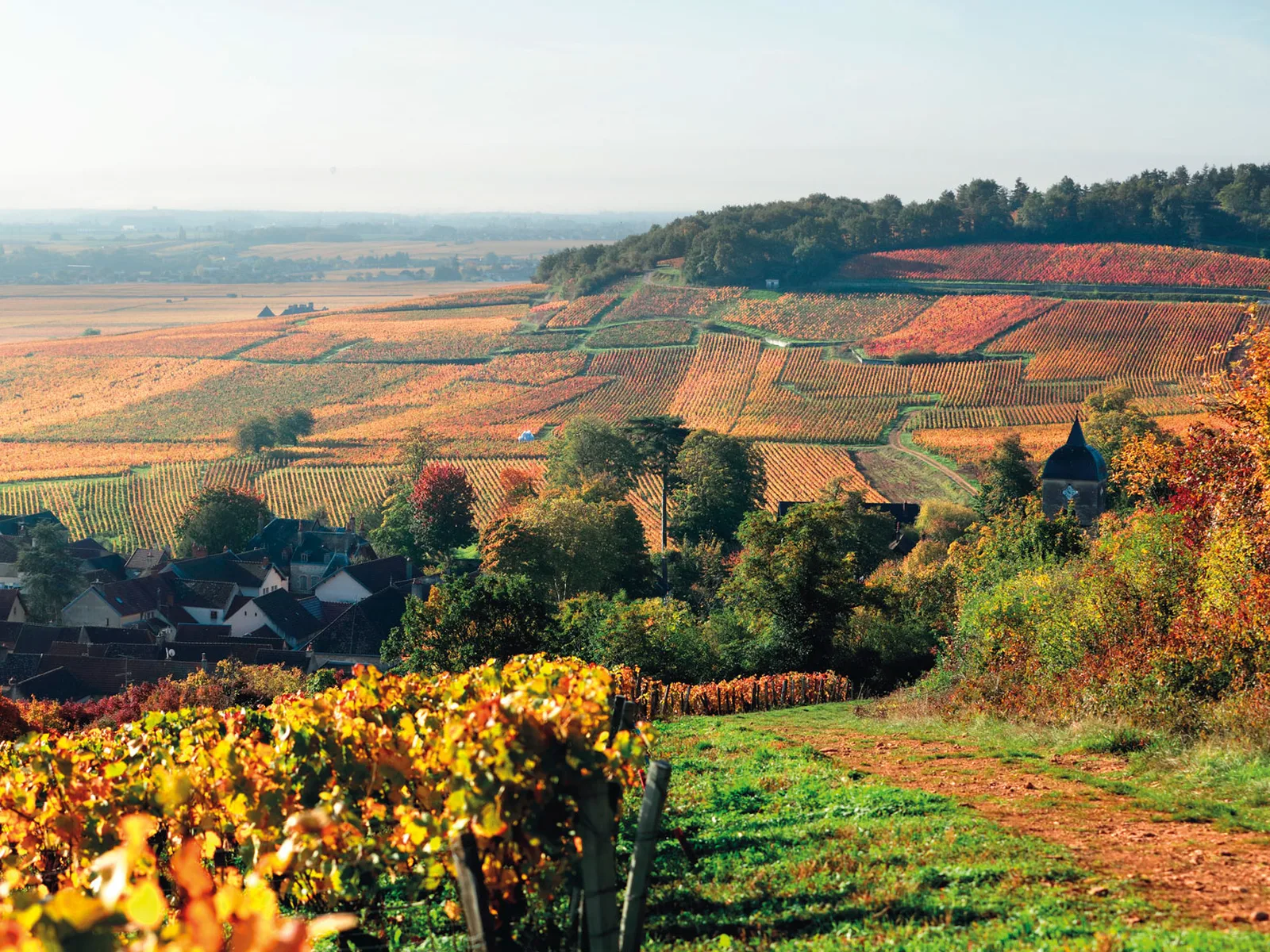
Christian Knott, originally from Australia, is part of the story as well. He was head winemaker at Domaine Chandon de Briailles when he and Seuillot met, a role that allowed him to test natural and experimental winemaking techniques inside an established Burgundy estate. Dandelion now sits at the intersection of Burgundian familiarity and outsider permission, not as a rejection of the region, but as a way of letting the Hautes-Côtes speak with less polish and more pulse.
The practical drinking note is clear: look for the old-vine Aligoté from vines planted in 1944, which Alicia Kemper singles out. Aligoté has become one of the sharper lenses through which collectors examine Burgundy’s next generation, because it carries less ceremonial weight than grand Chardonnay and can show the grower’s hand quickly.
Also watch for the domaine’s use of a light touch in the cellar, with a hint of whole-cluster and carbonic maceration giving the bottles an identifiable signature.
Kemper says the wines have “real depth for the appellation.” That is the line to remember if you see Dandelion on a restaurant list beside more familiar Côte de Beaune names: Hautes-Côtes de Beaune is not background here. It is the argument.
Dandelion is for the drinker who orders Burgundy with curiosity rather than hierarchy. It fits a table where someone wants Aligoté with nerve, someone else wants a red with whole-cluster lift, and everyone is willing to let the appellation lead rather than the label’s resale mythology. The six-parcel scale also matters for anyone building a cellar with producers still close to their vineyard decisions. In Burgundy, small holdings can become both virtue and headache: they sharpen the grower’s voice, then make the bottles scarce once the right sommeliers begin pouring them by the glass or placing them in the middle of a tasting menu.
Details:
Domaine de Cassiopée belongs to Hugo Mathurin and Talloulah Dubourg, who lead the domaine in the southern Côte de Beaune. Their standout is climate and intention: they sought a region suited to fresh, lifted wines as warming conditions make site choice more consequential. Burgundy has always made collectors think in parcels, expositions, and village nuance; producers like Cassiopée add another question to the list: which places will keep levity as vintages shift?
Mathurin and Dubourg met while studying oenology in Bordeaux, then parted ways to gain experience from Benjamin Leroux, Jacques-Frédéric Mugnier, and Jean-Marc Roulot. That trio gives the domaine an unusually precise set of reference points: Leroux for range and detail, Mugnier for quiet Pinot Noir architecture, Roulot for white Burgundy discipline. Cuvée names and cellar measurements are not the useful entry point here. The better approach is to read Cassiopée through those stated influences and through the southern Côte de Beaune setting, where freshness becomes not just a preference but a reason to settle.
What to look for is not a single famous climat, at least not from the information currently available. Look instead for freshness, lift, and cool-climate shape, the qualities Mathurin and Dubourg developed a taste for before settling together. If a wine merchant has Cassiopée, ask where the bottle sits within the domaine’s southern Côte de Beaune range and how the vintage reads: more edge, more fruit, more mineral line, more open-knit charm. Those questions will tell you more than asking whether the label has already entered the collector echo chamber.
Cassiopée suits the drinker who wants Burgundy’s seriousness without heaviness. It also suits travelers who use the Côte de Beaune as more than a Meursault-Puligny axis. The southern end can carry a different tempo, and producers working there with freshness in mind deserve a place on the itinerary. If Wolber’s story is movement, Boigelot’s is inheritance, and Dandelion’s is vineyard tactility, Cassiopée’s is the search for altitude of feeling: wines built around lift rather than density, with site choice doing the quiet work.
Details:
The thread through these four Burgundy producers is not rebellion for its own sake. Wolber brings a German-born, Ganevat-marked, Bizot-adjacent path into Côte de Nuits and Côte de Beaune acreage.
Boigelot brings fifth-generation Meursault roots, Coche-Dury and Paul Pillot apprenticeships, and a cellar that uses whole clusters, lees contact, used oak, and lunar timing when possible. Dandelion brings Hautes-Côtes de Beaune parcels, old-vine Aligoté planted in 1944, and a light-touch signature from Morgane Seuillot and Christian Knott.
Cassiopée brings oenology training, experience with Benjamin Leroux, Jacques-Frédéric Mugnier, and Jean-Marc Roulot, and a focus on freshness in the southern Côte de Beaune.
Paris McGarry, wine director at New York City’s Cove, has pointed to younger producers who often arrive as outsiders and find a way into Burgundy’s tightly held culture. That access is still narrow.
McGarry also notes that estates under 10 years old can already become difficult to find, and Malhotra captures the collector thrill of tasting a wine early, before wider acknowledgement arrives.
For travelers, that means the next Burgundy itinerary should leave room beyond the canonical addresses; for collectors, it means paying attention before the allocation language hardens. Burgundy’s future will not discard terroir. It will ask who gets to interpret it next.
Get the App
Take the shortlist into the En Primeur Club app for concierge access, saved places, and the next step after discovery.
Get Exclusive AccessMore from the editors