← Guides
The 2025 Cru Bourgeois classification ranks 170 Médoc wines across three tiers for vintages 2023–2027 — here's what collectors need to know.
The 2025 Cru Bourgeois classification ranks 170 Médoc wines across three tiers for vintages 2023–2027 — here's what collectors need to know.
At Château La Cardonne in the Médoc, 55 wines arrived on the tasting table in a sequence that told a story longer than any single vintage. They came from eight appellations, Pauillac, Saint-Estèphe, Margaux, Saint-Julien, Haut-Médoc, Médoc, Moulis-en-Médoc, and Listrac-Médoc, and they carried labels that, not so long ago, a French court had ordered removed from every bottle in the region. The 2025 Cru Bourgeois classification, published by L'Alliance des Crus Bourgeois du Médoc, is especially complete expression yet of a system rebuilt from legal wreckage into something collectors can actually use.
The classification covers 170 wines across three quality tiers for vintages 2023 through 2027. Among them: 36 Crus Bourgeois Supérieurs and 14 Crus Bourgeois Exceptionnels. Those 170 estates together account for over 20% of the Médoc's total production, a slice of Bordeaux that sits directly between the 1855 Grands Crus Classés and the broader appellation market, and one that has historically been contested ground in the region.
The 2025 Cru Bourgeois classification is not a static honour. Classification confers the right to use the Cru Bourgeois, Cru Bourgeois Supérieur, or Cru Bourgeois Exceptionnel designation on labels for exactly five vintages, 2023, 2024, 2025, 2026, and 2027, after which every estate must reapply and requalify. That five-year renewal cycle, introduced when the competitive system was relaunched in 2020, is what gives the label its current credibility. An estate that coasts loses its tier. An estate that improves can move up.
Drinks Business Bordeaux correspondent Colin Hay, who tasted through the en primeur selection at Château La Cardonne, described himself as an advocate of competitive classification systems, and the 2025 edition gave him the chance to assess both the wines and the process itself. His detailed tasting notes offer the trade's first structured read on how the 2023 vintage is shaping up across the newly ranked estates.
Classification System | Year Introduced | Number of Tiers | Estates / Wines Covered | Duration per Cycle | Legal Status |
|---|---|---|---|---|---|
2003 Cru Bourgeois Classification | 2003 | 3 (including Exceptionnel, Supérieur, Bourgeois) | 490 applicants; 9 Exceptionnels | Indefinite (static) | Annulled by Bordeaux Court of Appeal in 2007 |
L'Alliance Annual Quality Mark | 2009 | 1 | ~270 estates by 2016 | Annual renewal | Valid but discontinued in 2020 |
2025 Cru Bourgeois Classification | 2020 (relaunched) | 3 (Exceptionnel, Supérieur, Bourgeois) | 170 wines; 14 Exceptionnels, 36 Supérieurs | 5 vintages (2023 to 2027) | Active; designed to withstand legal scrutiny |
The hierarchy is direct, but the process behind it is not. Entry into the 2025 Cru Bourgeois classification begins with a written dossier, a set of documented prerequisites that must be confirmed by a site visit before a property can advance to the qualitative assessment stage. Only estates that clear both gates reach the panel of experts whose deliberations determine tier placement.
The three tiers create meaningful separation within the 170 ranked wines. Cru Bourgeois is the broadest category, the quality floor that signals a wine has met the classification's standards across the relevant vintages. Cru Bourgeois Supérieur narrows the field to 36 estates that have demonstrated consistent quality above that baseline. Cru Bourgeois Exceptionnel, the apex designation, applies to just 14 wines, the smallest and most selective group in the classification.
Compare that to the 2003 classification, which designated only nine Crus Bourgeois Exceptionnels from 490 applicants, and which the Bordeaux Court of Appeal annulled in its entirety in 2007. The current system's 14 Exceptionnels represent a slightly broader top tier, but one earned through a process designed from the outset to withstand legal scrutiny, a lesson the previous classification learned too late.
The one-tier system that L'Alliance ran between 2009 and 2020, a direct annual quality mark rather than a ranked classification, had its own unintended consequence. By 2016, approximately 270 estates, just under a third of the Médoc's total production, met the standard.
The absence of differentiation compressed prices downward across the group, eroding the premium that the former Crus Bourgeois Exceptionnels had previously commanded.
It was that price convergence, as much as any philosophical argument, that drove Olivier Cuvelier, owner of Château Le Crock in Saint-Estèphe and president of L'Alliance from 2018, to propose restoring the three-tier structure.
The tasting that gave the trade its first look at the 2025 Cru Bourgeois classification in action took place at Château La Cardonne, a Médoc property with, according to Colin Hay, the distinction of being the only estate in the appellation to serve haggis for lunch. Hospitality was provided by Andrew McInnes, with Marie Angliviel of Ozco Bordeaux co-organising the event on behalf of L'Alliance.
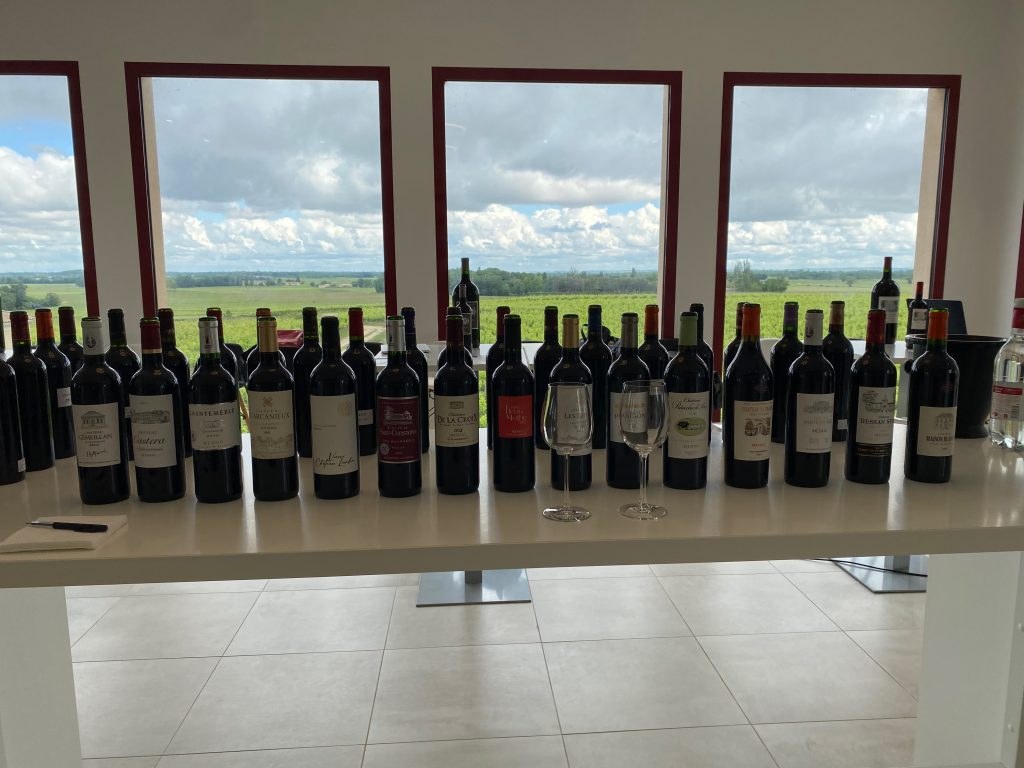
The 55 wines presented covered each quality tier and each of the eight appellations, giving tasters a cross-section of the classification's full geographic and qualitative range. En primeur tastings of this kind, samples assessed before bottling, before release, before the market has priced them, are where useful collector intelligence is gathered. The 2023 vintage across the Médoc is still finding its audience; the Château La Cardonne tasting put the classified estates' versions of it in front of the people who will shape that conversation.
The practical implication for buyers is direct. Classification under the 2025 system applies to the 2023 vintage, meaning wines now reaching the market carry the Cru Bourgeois, Cru Bourgeois Supérieur, or Cru Bourgeois Exceptionnel designation on the label for the first time under this cycle. For anyone building a Bordeaux cellar outside the Grands Crus, the 2023 releases from classified estates are the first opportunity to buy into the new hierarchy at opening prices.
The geographic reach of the 2025 Cru Bourgeois classification is one of its most useful features for buyers. Spanning Haut-Médoc, Listrac-Médoc, Margaux, Médoc, Moulis-en-Médoc, Pauillac, Saint-Estèphe, and Saint-Julien, the classification covers the full length of the left bank's most important appellations. A collector who wants to build a Médoc cellar without paying Grands Crus prices can use the classification as a map, each tier within each appellation pointing toward estates that have passed independent scrutiny.
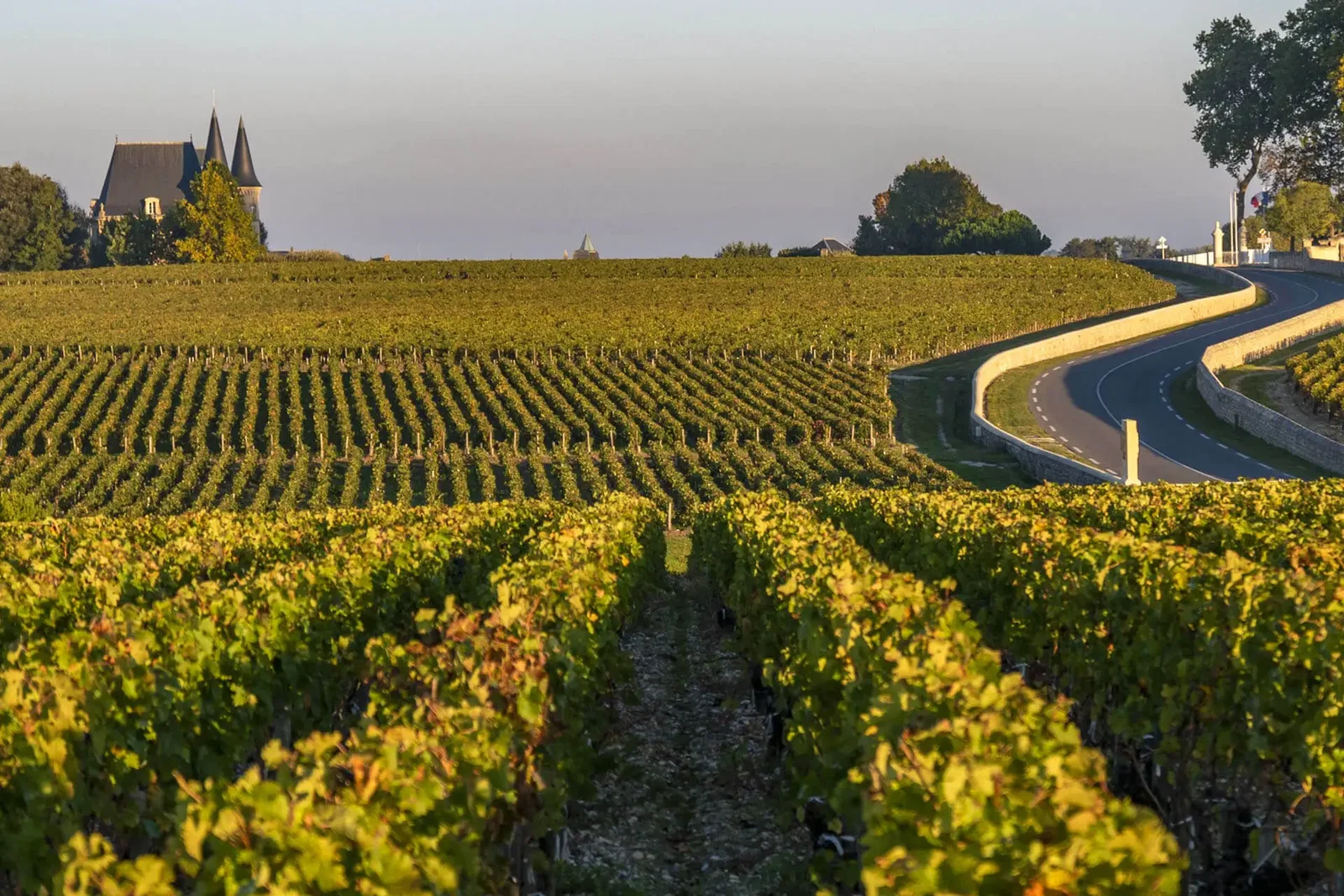
That breadth also reflects the classification's ambition. The 1932 original, the first time the term was codified, when Bordeaux négociants acting under the authority of the Bordeaux Chamber of Commerce designated 444 estates, covered a similarly wide geographic canvas. But it carried no ministerial approval and remained informal for decades. The European Community's approval of the term Cru Bourgeois on wine labels in 1979 gave it regulatory standing; the 2000 ministerial decree introduced the three-tier structure for the first time; and the 2020 relaunch gave it the competitive renewal mechanism that the current system depends on.
The 2025 classification's 170 wines represent a more selective field than the 270 estates that qualified under the one-tier annual mark by 2016. That reduction is partly the point. The three-tier competitive model filters harder, and the estates that clear the bar, particularly the 14 Crus Bourgeois Exceptionnels, carry a designation that means something specific about quality consistency across the 2023 to 2027 window, not just a single vintage.
The history of the Cru Bourgeois classification is, in miniature, the history of every attempt to impose order on a wine region through official ranking. The 1932 original was informal. The 2003 version was annulled. The one-tier annual mark that replaced it worked, but flattened the market. The 2020 relaunch, and its 2025 renewal, represents the third attempt to get the structure right, and particularly technically rigorous of the three.
What Olivier Cuvelier's push for the three-tier restoration recognised, and what the 2025 results confirm, is that differentiation has commercial consequences. When 14 estates hold Cru Bourgeois Exceptionnel status and must defend it every five years, the label carries weight that a flat quality mark cannot replicate.
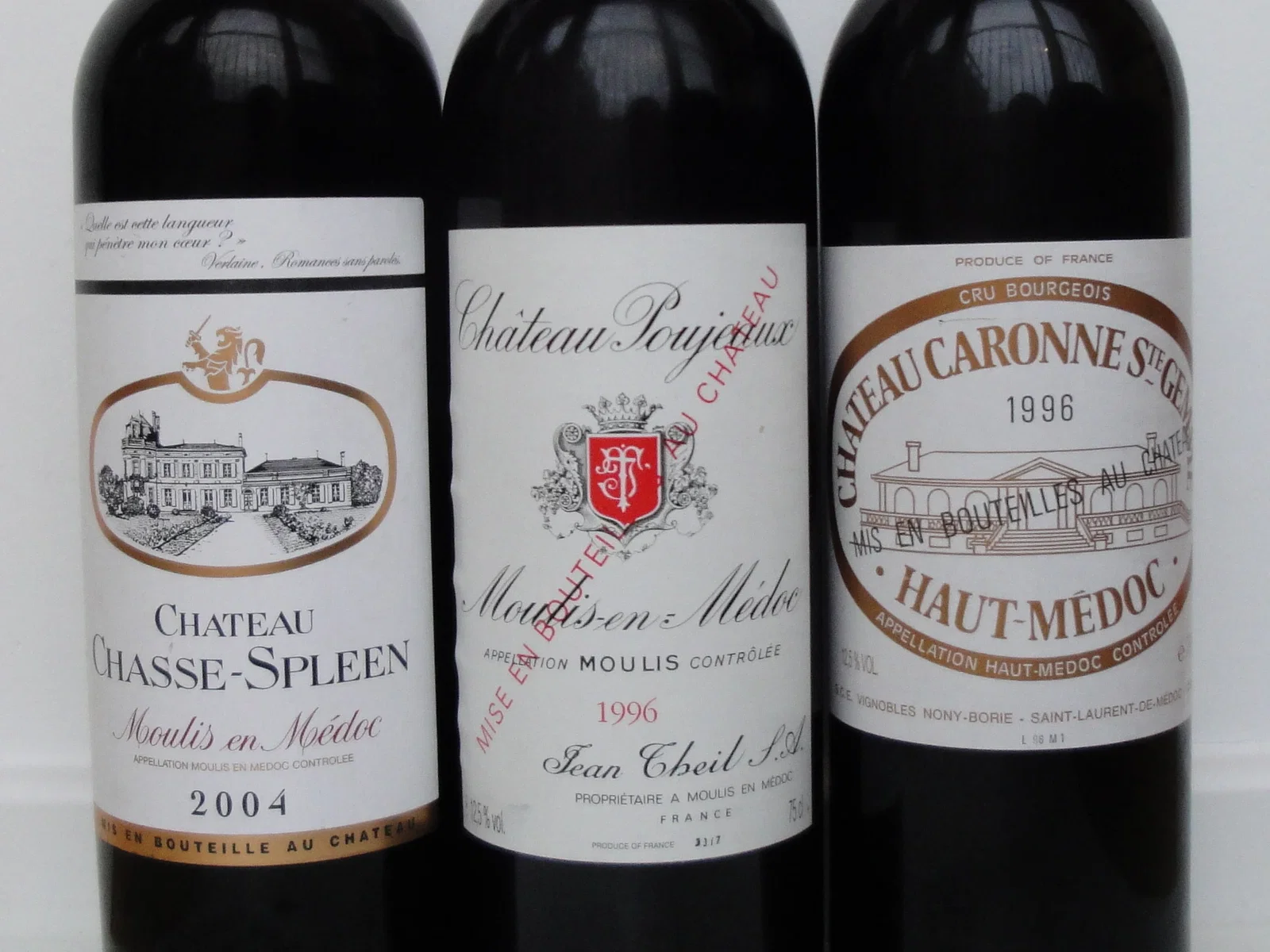
Buyers who tracked the one-tier era will remember how quickly price dispersion collapsed when the tiers disappeared. The current system is designed, structurally, to prevent that.
For the Médoc as a travel destination, the classification also matters. The eight appellations covered by the 2025 ranking are among the more visited wine country in France, the D2 road north from Bordeaux through Margaux, Saint-Julien, Pauillac, and Saint-Estèphe passes classified estates at every turn. The Cru Bourgeois tier gives visitors a practical shortlist: estates with independent quality endorsement, often more accessible for tastings and cellar visits than the Grands Crus, and now operating under a classification that resets every five years rather than sitting on a century-old reputation.
The 2025 Cru Bourgeois classification covers vintages through 2027. The next reclassification exercise will follow. Which estates hold their tier, which rise, and which fall will tell the accurate story of where the Médoc's mid-market is heading, and the competitive structure now in place is built precisely to make that story legible.
What is the 2025 Cru Bourgeois classification and how many wines does it cover?
The 2025 Cru Bourgeois classification, published by L'Alliance des Crus Bourgeois du Médoc, ranks 170 wines across three quality tiers for vintages 2023 through 2027. It covers estates from eight Médoc appellations and accounts for over 20% of the Médoc's total production.
How long does the 2025 Cru Bourgeois classification last before estates must requalify?
Classification is valid for exactly five vintages, 2023, 2024, 2025, 2026, and 2027, after which every estate must reapply and requalify. This five-year renewal cycle was introduced when the competitive system was relaunched in 2020 to ensure ongoing quality accountability.
What are the three tiers in the 2025 Cru Bourgeois classification?
The three tiers are Cru Bourgeois, Cru Bourgeois Supérieur, and Cru Bourgeois Exceptionnel. The 2025 classification includes 36 Crus Bourgeois Supérieurs and 14 Crus Bourgeois Exceptionnels, with the latter representing the selective designation in the system.
Why was the previous Cru Bourgeois classification annulled, and how does the 2025 system differ?
The 2003 classification was annulled in its entirety by the Bordeaux Court of Appeal in 2007 following legal challenges. The current system was rebuilt with a documented dossier process, mandatory site visits, and a panel-based qualitative assessment specifically designed to withstand legal scrutiny.
How does the 2025 Cru Bourgeois classification affect wine pricing in the Médoc?
The reintroduction of a three-tier ranked system was partly driven by a pricing problem: the single-tier annual quality mark used between 2009 and 2020 saw around 270 estates qualify by 2016, compressing prices downward across the group. Meaningful tier separation in the 2025 classification is intended to restore the premium that highly ranked estates can command.
Get the App
Take the shortlist into the En Primeur Club app for concierge access, saved places, and the next step after discovery.
Get Exclusive AccessMore from the editors