Château Ducluzeau

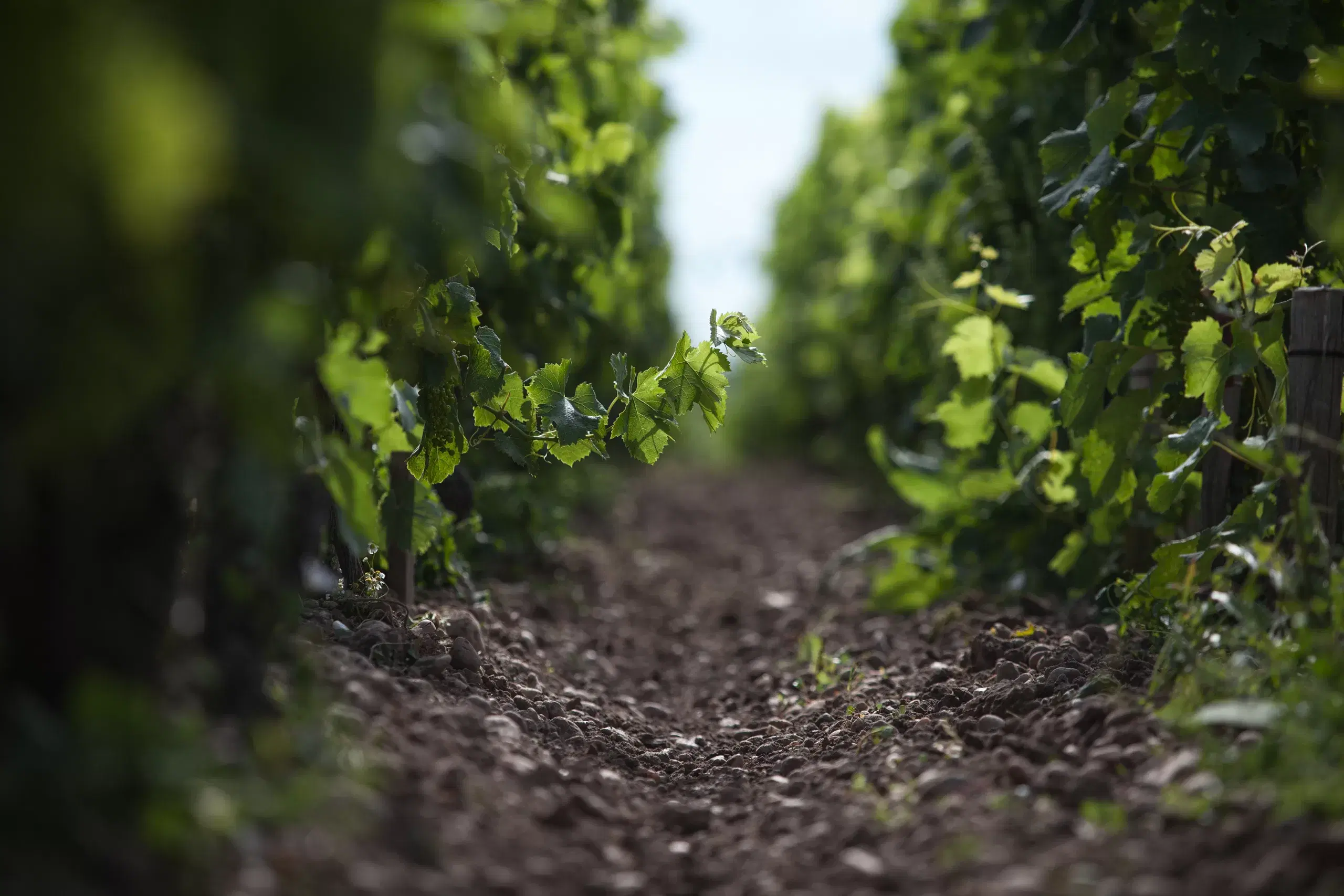
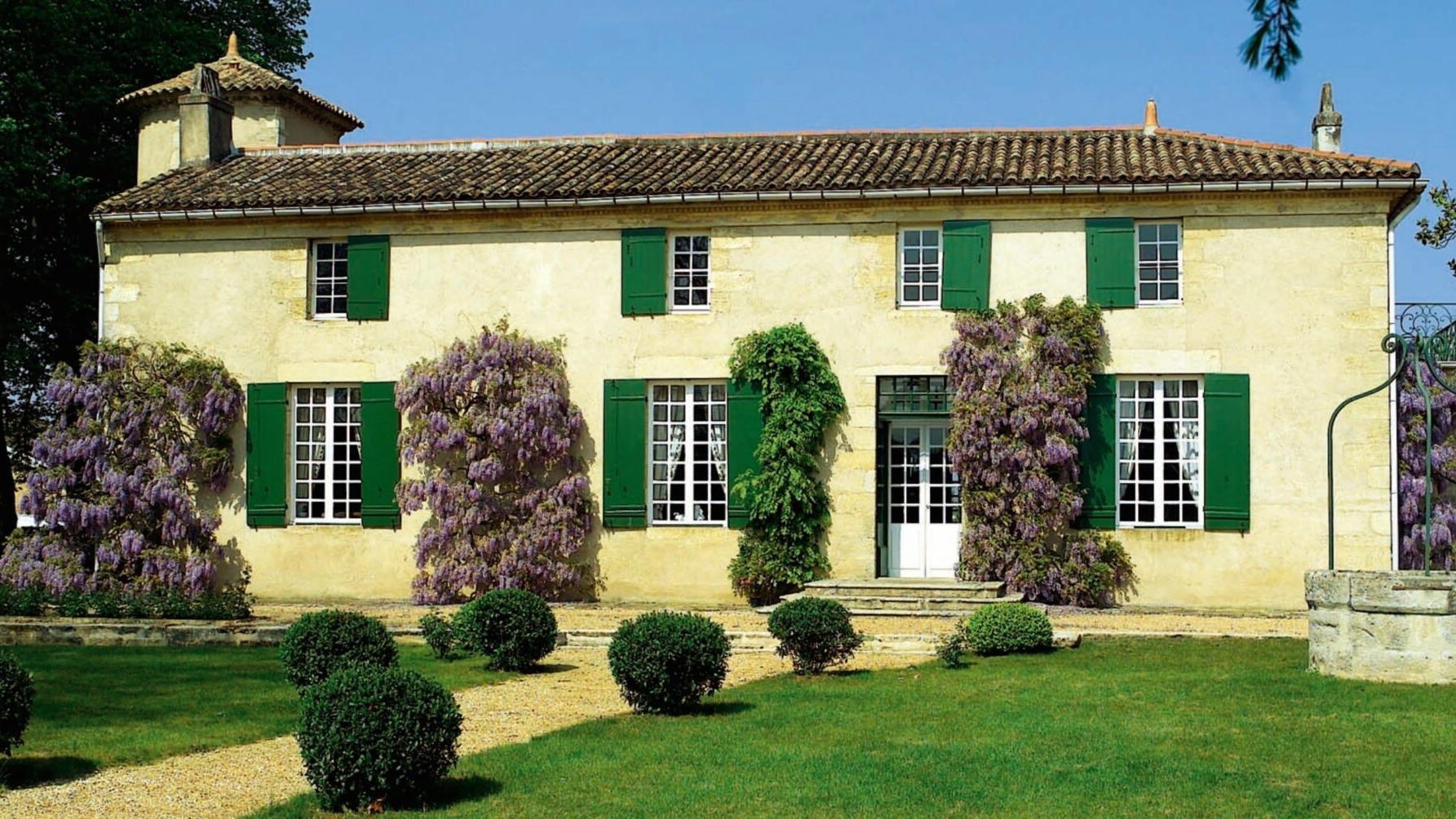
Château Ducluzeau belongs to the quieter side of Left Bank Bordeaux: a small Listrac-Médoc estate shaped by clay-limestone soils, Merlot-led planting, and the Borie family connection to Ducru-Beaucaillou. Its appeal is not château tourism but cellar logic: modest scale, still red Bordeaux, and a supple Médoc style built for earlier approachability than more severe Left Bank bottlings.
Pearl is the En Primeur Club membership app — saves, bookings, and concierge access live there. Same editors, same standards.
- Address
- Saint-Julien-Beychevelle, Nouvelle-Aquitaine, Frankreich
 Saves & bookings on Pearl
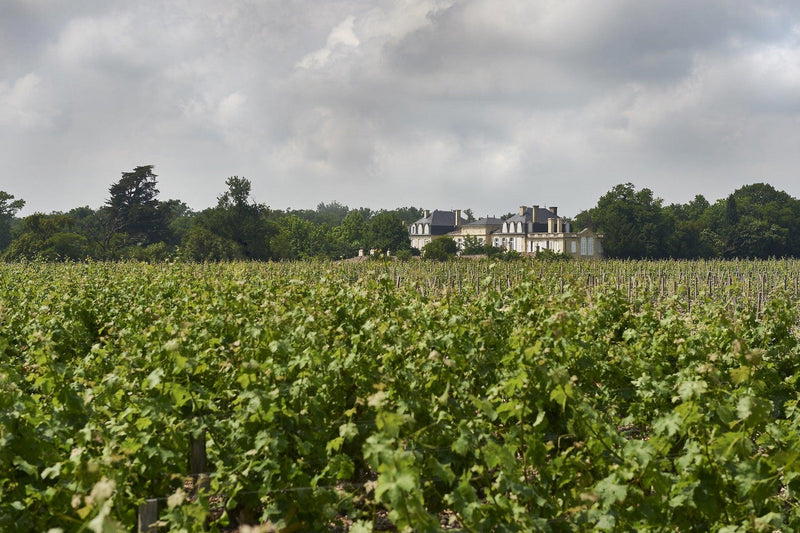
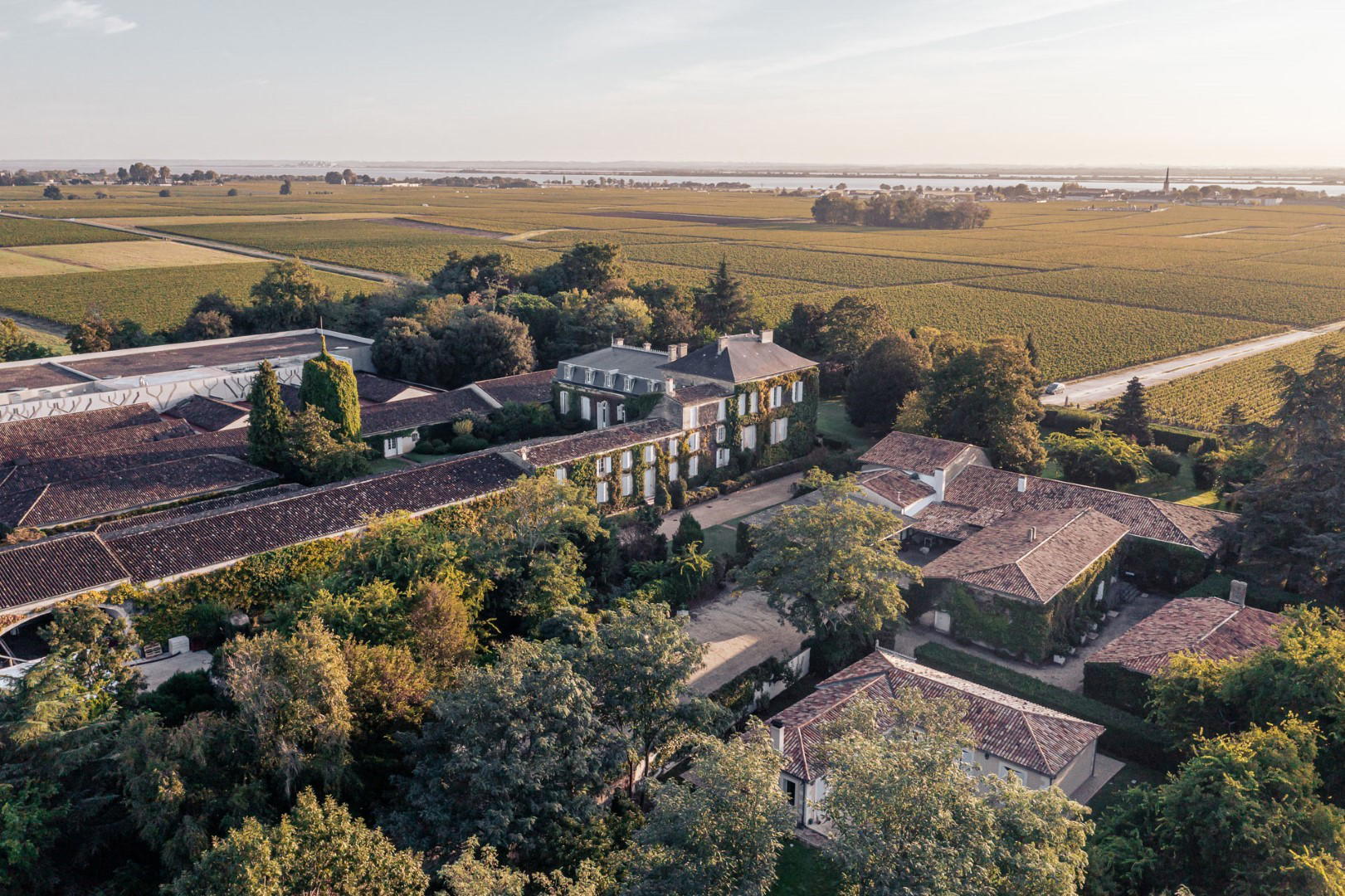
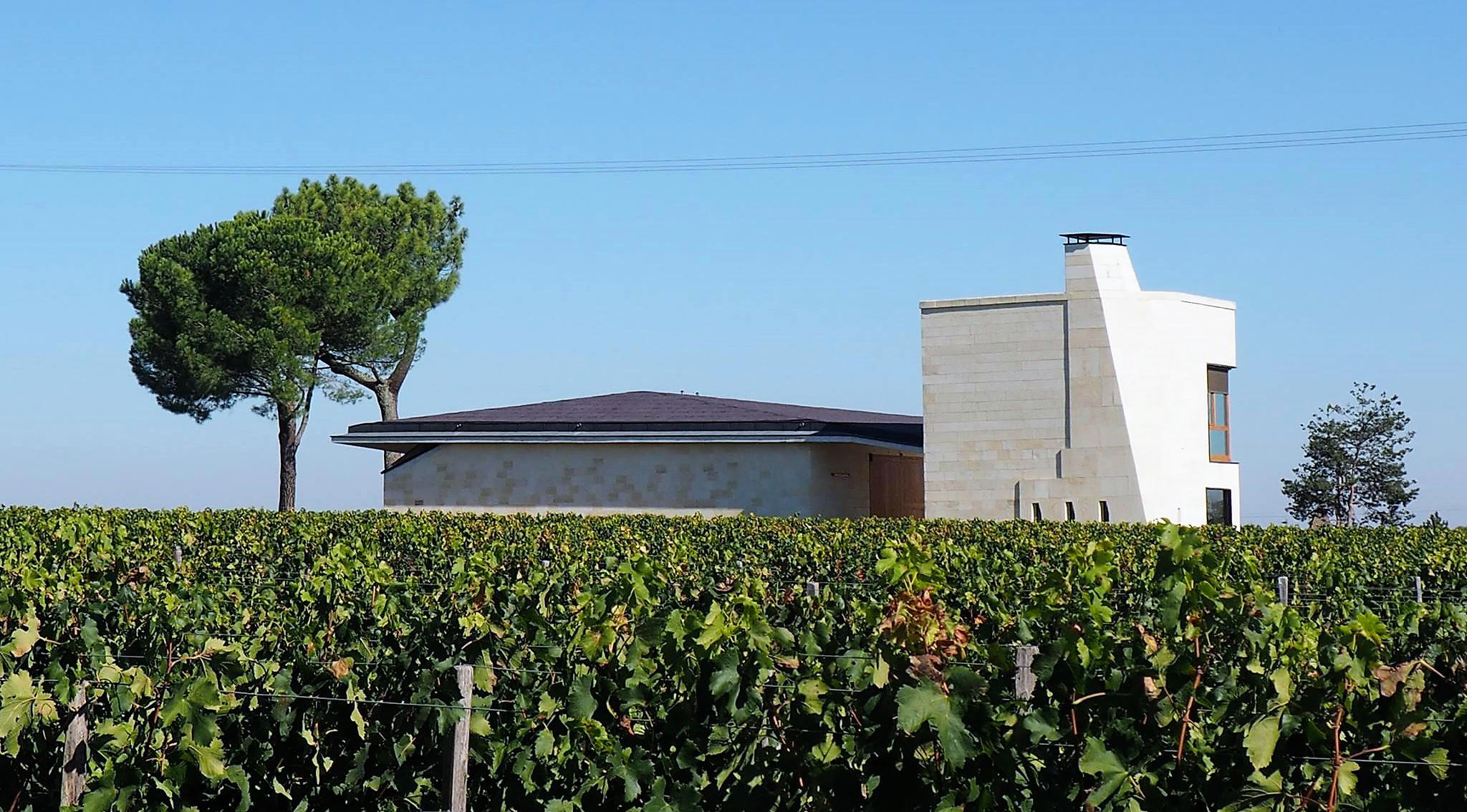
Approach the Médoc through its quieter register and the signal changes: less emphasis on spectacle, more attention to vineyard identity and the character of the wine. Château Ducluzeau fits that frame. The estate is in Saint-Julien-Beychevelle and is focused on crafting supple, balanced Listrac-Médoc reds from a modest 10-hectare vineyard. Its appeal is not built around a polished visitor narrative, but around a classic, unpretentious Médoc character that reads best when judged on proportion rather than display.
For readers mapping the Left Bank, Château Ducluzeau is best understood as a traditional Bordeaux estate with a quiet profile. The picture is concise: a modest vineyard scale, a Listrac-Médoc red-wine identity, and a style described through balance, suppleness, and classic restraint. Rather than leaning on broad claims about hospitality, awards, or a detailed production story, the useful reading is simpler: this is a small Médoc reference with a traditional feel, valuable precisely because it does not need to be overexplained.
A classic reading of Listrac-Médoc
The Médoc is often discussed through famous names and grand château imagery. Château Ducluzeau offers a quieter point of entry. Its 10-hectare vineyard gives it a modest scale, and its identity centers on supple, balanced Listrac-Médoc reds. That makes the estate relevant for drinkers who want to understand the more restrained, less theatrical side of the Left Bank, where the interest lies in structure, composure, and a sense of place rather than in a heavily staged encounter.
The estate’s character is described in classic terms: quiet, balanced, and unpretentious rather than showy. Those are the grounded signals to keep in view. Specific claims about varieties, cellar details, production volumes, ownership, or awards should not be treated as part of the profile here. The confirmed story is narrower but still useful: the winery represents a traditional Médoc estate focused on red wine from a modest vineyard base. In editorial terms, that narrower story is enough; it gives the estate a clear position without forcing it into a grander narrative than the available facts support.
Appeal sits in proportion. This is a $$$ address, but the argument is not luxury performance. It is Listrac-Médoc interpreted through a supple, balanced frame, with a classic quietness that suits readers looking beyond particularly prominent Bordeaux names. For a broader Saint-Julien-Beychevelle plan, consider the winery alongside other local dining options in general terms rather than as a high-spectacle destination. Its usefulness is as a point of reference: compact in scale, traditional in mood, and aligned with a more measured understanding of Médoc red wine.
The experience is in the estate's quiet profile
The winery is better framed as a traditional Bordeaux estate than as a venue defined by elaborate hospitality claims. The description emphasizes a modest 10-hectare vineyard and supple, balanced Listrac-Médoc reds. That makes it most useful for readers interested in appellation context and classic Médoc character. The experience, as presented here, is not about a list of amenities or a scripted sense of occasion. It is about recognizing the estate’s small scale and understanding how that scale supports a quieter, more focused reading.
Awards, detailed service formats, and specific tasting arrangements are not part of the profile. The stronger and safer signals are the estate’s scale, price band, quiet style, and focus on Listrac-Médoc reds. In the context of Saint-Julien-Beychevelle, the winery is therefore best read as a specialist Left Bank reference rather than a broad hospitality anchor. That distinction matters: the value of the entry is not in promising a comprehensive visitor experience, but in placing the estate accurately within a Bordeaux landscape often dominated by larger reputations.
For a fuller regional itinerary, keep the winery within a wider Saint-Julien-Beychevelle frame. Other local dining options can provide additional context, but the role of the winery itself is clear: a classic, quiet Médoc estate focused on supple, balanced reds from a modest vineyard. Read it as a restrained address, not an expansive showcase; its profile is strongest when the language remains as measured as the character it describes.
Recognition history
Dated appearances from independent guides and award organizations, with the underlying list record or original source where available.
Falstaff Winery - Listed
Falstaff
Continue exploring
More in Saint-Julien-Beychevelle
At a Glance
- Classic
- Quiet
- Rustic
- Vineyard
- Listrac Médoc AOC
- Merlot
- Cabernet Sauvignon
- Petit Verdot
- Still Red
Traditional Left Bank Bordeaux estate focused on crafting supple, balanced Listrac-Médoc reds from a modest 10-hectare vineyard, presenting an unpretentious, classic Médoc character rather than a polished visitor experience.