Wolf & Crane Bar
Wolf & Crane Bar sits at 366 E 2nd St in the heart of Los Angeles's Little Tokyo, where Japanese-American cultural identity shapes the drink program and the room. The bar occupies a corner of a neighbourhood that has been redefining itself for decades, making it a reference point for understanding how craft cocktail culture and community character coexist in one of LA's most historically layered districts.

Pearl is the En Primeur Club membership app, where members save venues, book tables and use the concierge.
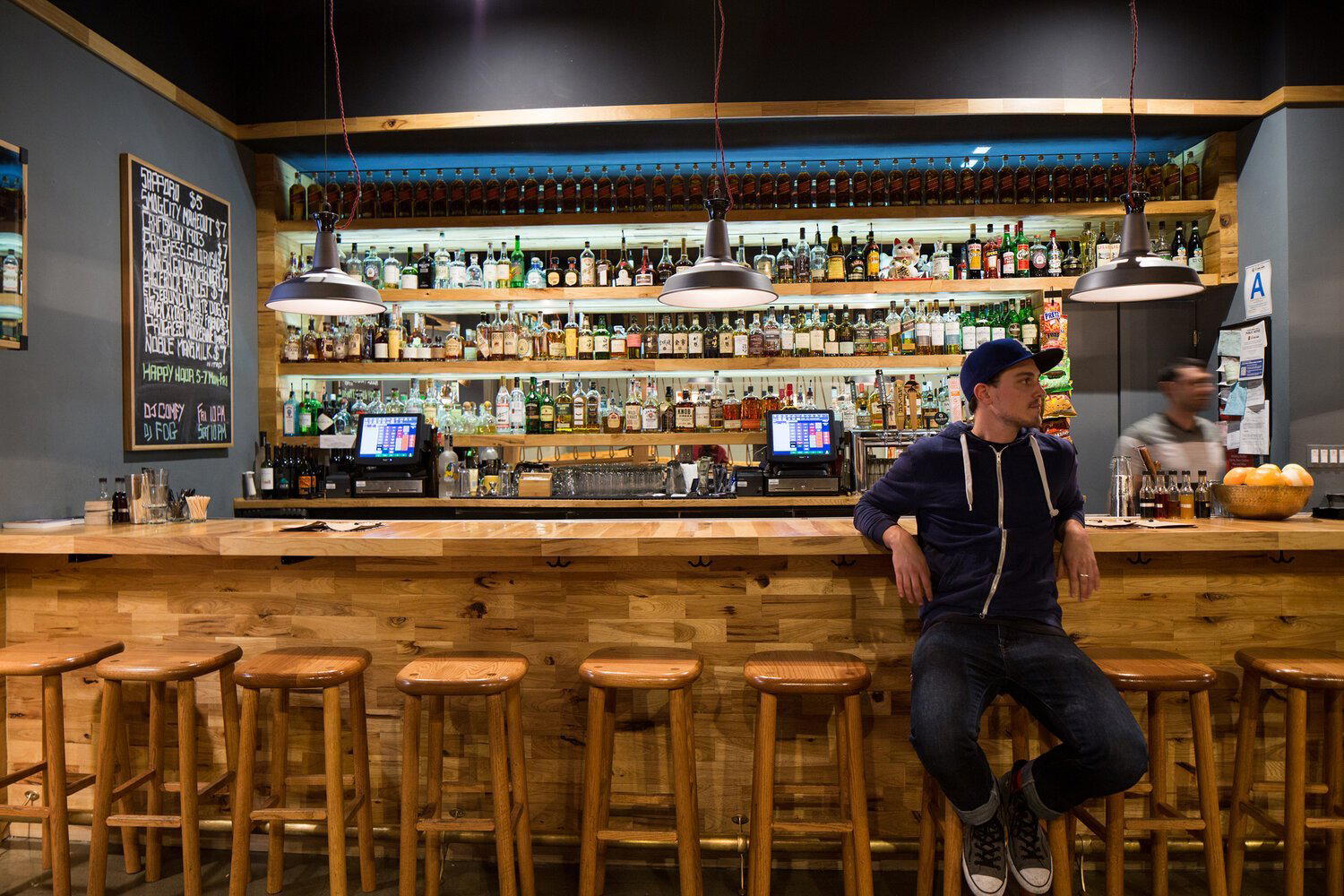
Little Tokyo's Corner Bar and What It Tells You About Los Angeles Drinking Culture
Approach 366 E 2nd Street on a weekday evening and the signal is immediate: the corner location, the modest frontage, the pull of sound from inside. Little Tokyo's main drag has a particular rhythm at night, distinct from the cocktail corridors of Silver Lake or the hotel-bar density of Downtown's Bunker Hill. What this neighbourhood does differently is layer craft drinking culture over decades of Japanese-American community life, and Wolf & Crane Bar is among the clearest expressions of that layering in the city.
The bar's address places it at the axis of a district that was formally established in the late nineteenth century and has survived internment, redevelopment, and gentrification cycles that would have erased a less rooted community. That context matters for understanding what kind of bar this is, because neighbourhood bars in Little Tokyo carry social weight that a similar-looking room in, say, the Arts District does not. The people drinking here are often connected to the neighbourhood in ways that go beyond proximity, and the drink program has historically reflected that double allegiance to Japanese brewing and spirits traditions and to American craft cocktail sensibility.
Where Wolf & Crane Sits in the LA Bar Scene
Los Angeles's cocktail scene has matured considerably in the last decade, moving away from the speakeasy-adjacent formats that dominated the early 2010s toward more transparent, technically grounded programs. Bars like Death & Co (Los Angeles) represent the high-production, nationally branded end of that shift. Standard Bar anchors a different segment, leaning on hotel infrastructure and volume. Wolf & Crane operates outside both of those categories, functioning more like a neighbourhood anchor bar with a drinks list that rewards attention without demanding ceremony.
That positioning is worth holding in mind when comparing it to peers. Bar Next Door occupies a similarly intimate register in its own neighbourhood, while Mirate has built its identity around a specific spirits category and a defined aesthetic stance. Wolf & Crane's identity comes more from place than from program architecture, which makes it harder to categorise in conventional cocktail-guide terms but easier to understand once you're standing inside it.
Across the US, bars that draw their character primarily from a neighbourhood rather than from a named bartender or a branded concept tend to develop deeper local loyalty and a more mixed clientele. You see the same dynamic at Kumiko in Chicago, where Japanese whisky culture shapes a room that is nonetheless broadly accessible, and at Jewel of the South in New Orleans, where historic neighbourhood identity does as much work as the cocktail list. The comparison holds: place-led bars operate on a different frequency than program-led ones.
Japanese-American Character and the Drink Program
The intersection of Japanese drinking culture and American craft cocktail sensibility is more common in cities with significant Japanese-American communities, and Little Tokyo gives Wolf & Crane a genuine reason to hold that intersection rather than performing it. Japanese whisky, shochu, sake, and imported beer have natural homes in this neighbourhood in a way that would read as affectation in a bar two miles west. The result is a drink menu that can move between highball format, classic cocktail riffs, and more casual Japanese lager consumption without any of those modes feeling out of place.
This kind of programmatic flexibility is increasingly common in bars that serve genuinely mixed crowds rather than a single demographic of cocktail enthusiasts. Bar Leather Apron in Honolulu works a similar register, where Pacific cultural context shapes a program that is technically serious but socially unpretentious. ABV in San Francisco has made its name on a similar principle: drinks that reward knowledge without excluding casual drinkers. Wolf & Crane belongs to that cohort, and its Little Tokyo address is the structural reason why that balance works here.
Planning a Visit: Practical Notes
Wolf & Crane Bar is located at 366 E 2nd Street, Los Angeles, CA 90012, in the pedestrian-friendly core of Little Tokyo, within walking distance of the Japanese American National Museum and the Geffen Contemporary at MOCA. The neighbourhood is well-served by the Metro A Line (Little Tokyo/Arts District station), which makes this a practical option for visitors staying outside Downtown who want to avoid parking. The bar draws a mix of neighbourhood regulars, after-work crowds from the surrounding civic and arts institutions, and visitors who have sought it out by recommendation, which tends to produce a more varied room than purpose-built cocktail destinations.
For travellers building a broader Los Angeles drinking itinerary, our full Los Angeles restaurants guide maps the city's bar and dining scene across neighbourhoods. Comparisons further afield are worth making too: Julep in Houston and Superbueno in New York City both demonstrate how neighbourhood identity and a specific cultural reference point can define a bar's character more durably than a marquee hire or a high-concept format. The Parlour in Frankfurt makes a similar case in a European context, where local specificity anchors a program that might otherwise read as generic craft-bar.
What Wolf & Crane Means in the Wider Little Tokyo Story
Little Tokyo's evolution over the past decade has been complicated. Rising rents, demographic change, and the conversion of industrial space into creative offices and market-rate housing have altered the neighbourhood's composition without erasing its core character. Bars and restaurants that opened during that transition have served different functions: some as gentrification accelerants, others as community stabilisers. Wolf & Crane's positioning closer to the latter end of that spectrum is a function of its address, its clientele mix, and the way it has embedded itself in a nightlife ecosystem that includes Japanese izakayas, ramen counters, and community event spaces rather than sitting apart from them.
That embeddedness is what gives the bar its editorial interest beyond the drinks list. The question worth asking of any neighbourhood bar is whether it would be missed by the neighbourhood if it closed, or whether it would simply be replaced by the next format. Wolf & Crane, from its corner at 2nd and Cent, reads as the former kind.
Cuisine Lens
A quick peer check to anchor this venue’s price and recognition.
| Venue | Price | Awards |
|---|---|---|
| Wolf & Crane BarThis venue (the venue you are viewing) | Not listed | Not listed |
| Mirate | $50–100 | World's 50 Best #28 · Pinnacle Guide 2 Pins |
| Bar Next Door | $30–50 | World's 50 Best #100 · Top 500 Bars Best Bars #472 |
| Death & Co (Los Angeles) | $50–100 | World's 50 Best #30 |
| Standard Bar | $20–30 | World's 50 Best #33 |
Wolf & Crane Bar
Featured Guides

Continue exploring
More in Los Angeles
Bars in Los Angeles
All bars in Los Angeles →
Restaurants in Los Angeles
All restaurants in Los Angeles →
Hotels in Los Angeles
All hotels in Los Angeles →
Wineries in Los Angeles
All wineries in Los Angeles →
Wolf & Crane Bar
The drinks
- Craft cocktails
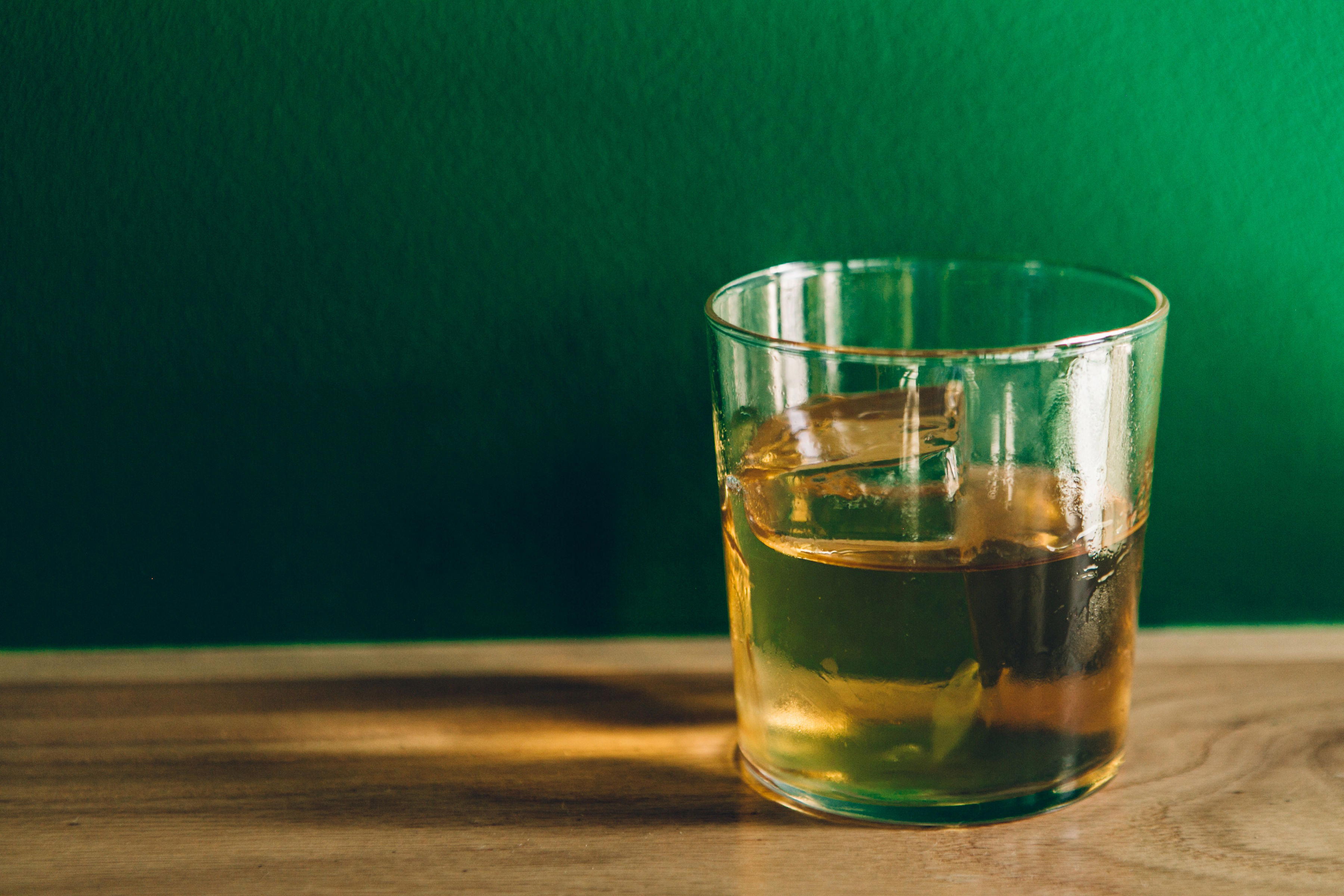
Signature drinks: Uptown, Fernet Pop.
Details
- Intimate
- Cozy
- Trendy
- Late Night
- Casual Hangout
- Standalone
- Seated Bar
- Craft Cocktails
- Whiskey
Current opening hours
- Monday
- 5 PM–2 AM
- Tuesday
- 5 PM–2 AM
- Wednesday
- 5 PM–2 AM
- Thursday
- 5 PM–2 AM
- Friday
- 4 PM–2 AM
- Saturday
- 2 PM–2 AM
- Sunday
- 2 PM–2 AM
Hours can change for holidays and private events. Last verified .
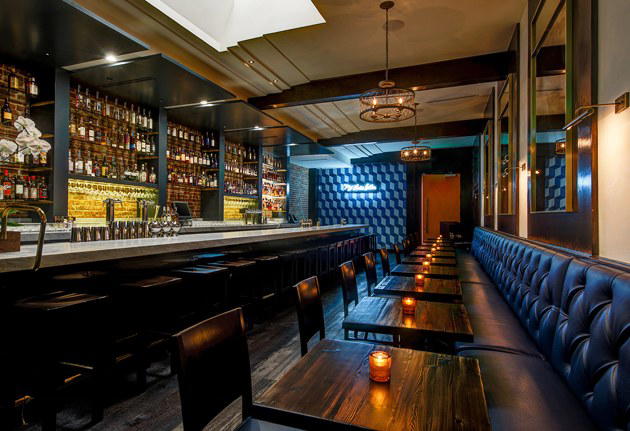
Composed, intimate atmosphere with steady background music supporting mood without dominating conversation.