Google: 4.5 · 1,172 reviews
Wing Lei
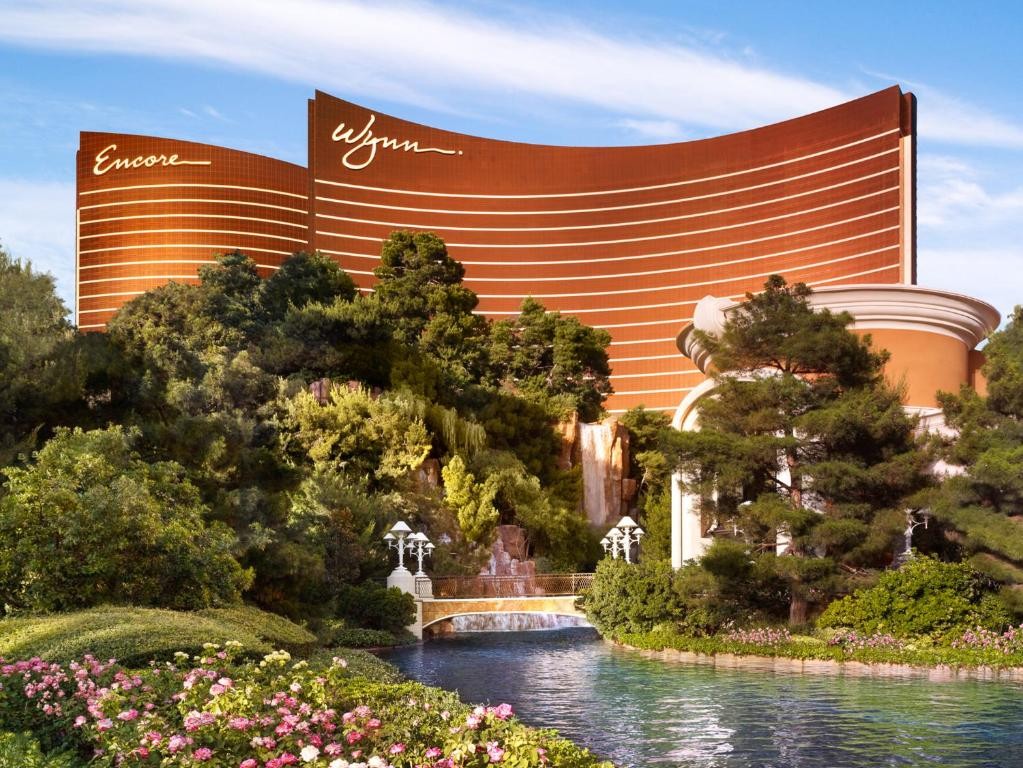
Wing Lei at the Wynn Las Vegas brings Cantonese fine dining to the Strip, operating in a tier where formal Chinese cuisine is rare on the boulevard. The room trades in composed luxury rather than spectacle, making it a deliberate counterpoint to Las Vegas's dominant high-volume dining formats. It holds a position among the few Chinese restaurants on the Strip with serious culinary credentials.
 Discover on Pearl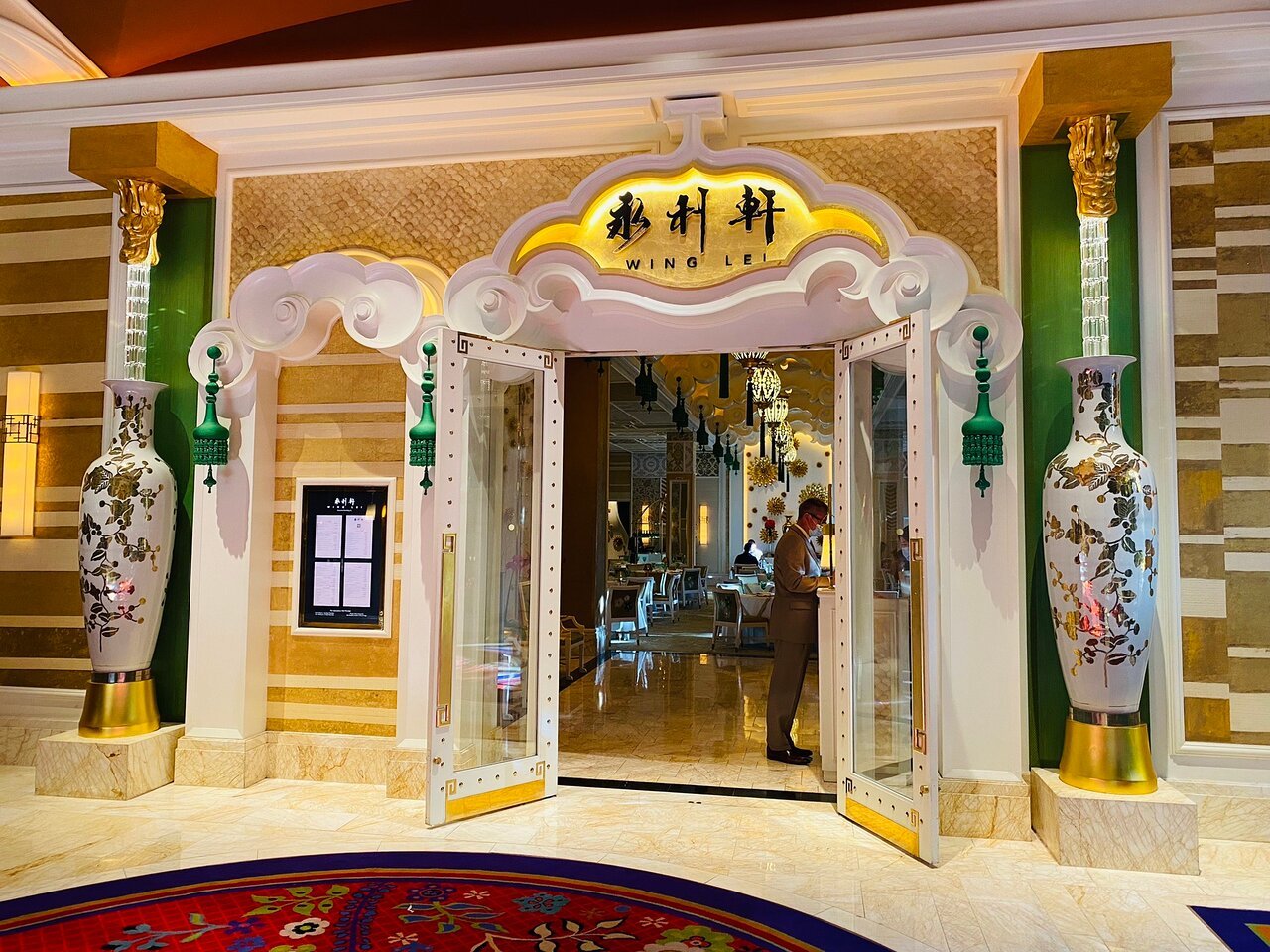
Where the Strip Slows Down
The Las Vegas Strip runs almost entirely on velocity: high covers, fast turns, spectacle as a substitute for substance. Wing Lei, located at 3131 Las Vegas Blvd S inside the Wynn Las Vegas, operates on a different register. Cantonese fine dining is a relatively thin category on the Strip, where Chinese cuisine more often appears in casual or buffet formats. Wing Lei occupies the formal tier of that category, which places it in a competitive set that has few direct comparisons along the boulevard.
That context matters because it shapes how the room functions. Unlike the high-decibel formats that dominate nearby addresses, Wing Lei draws a crowd that has made a deliberate choice, people who want composed, quieter dining in a city that doesn't make that easy to find. The restaurant has, over time, become a kind of gathering point for Las Vegas visitors who approach the city as a food destination rather than a spectacle destination, and for locals who know the Strip well enough to see past its more theatrical offerings.
The Room and Its Role
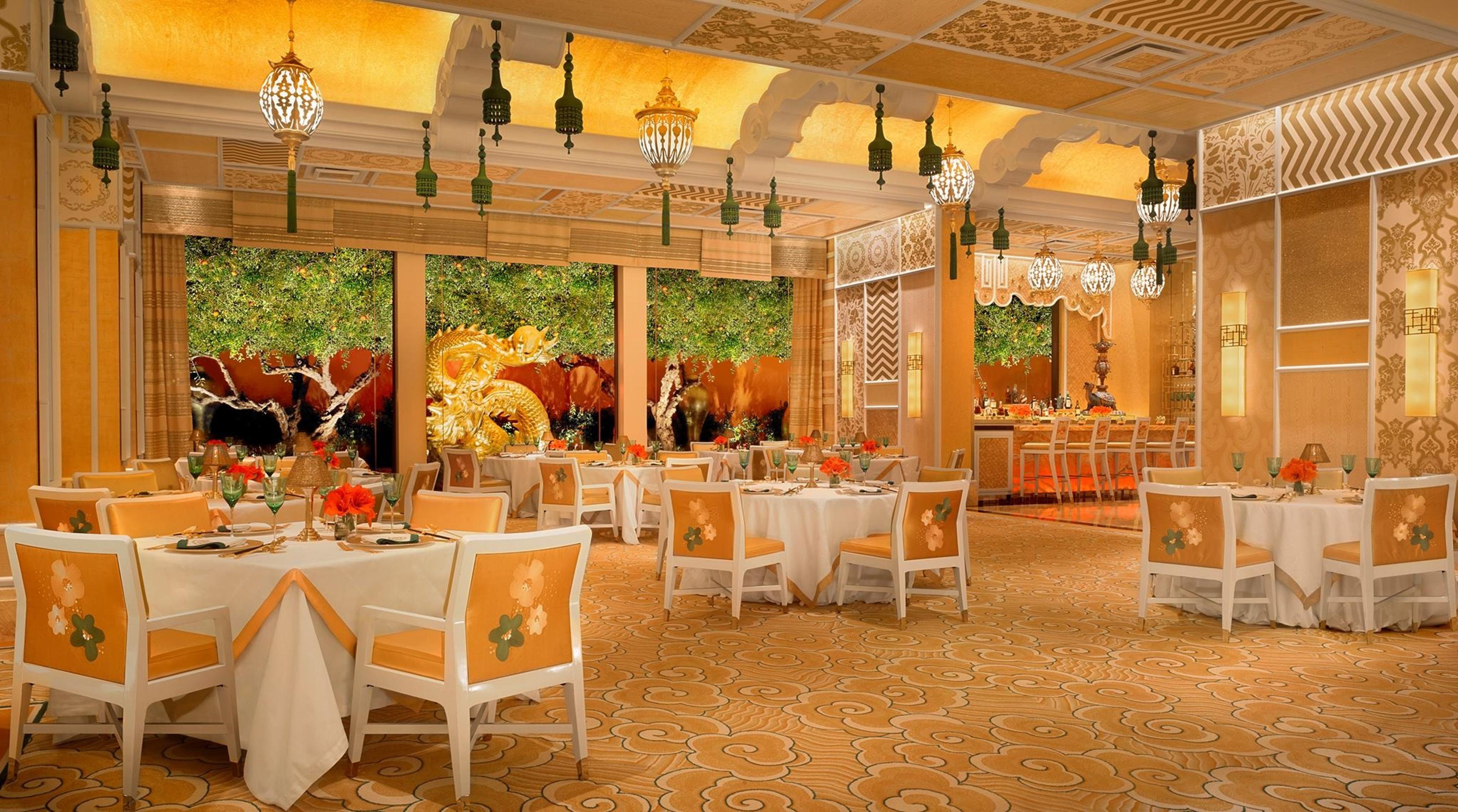
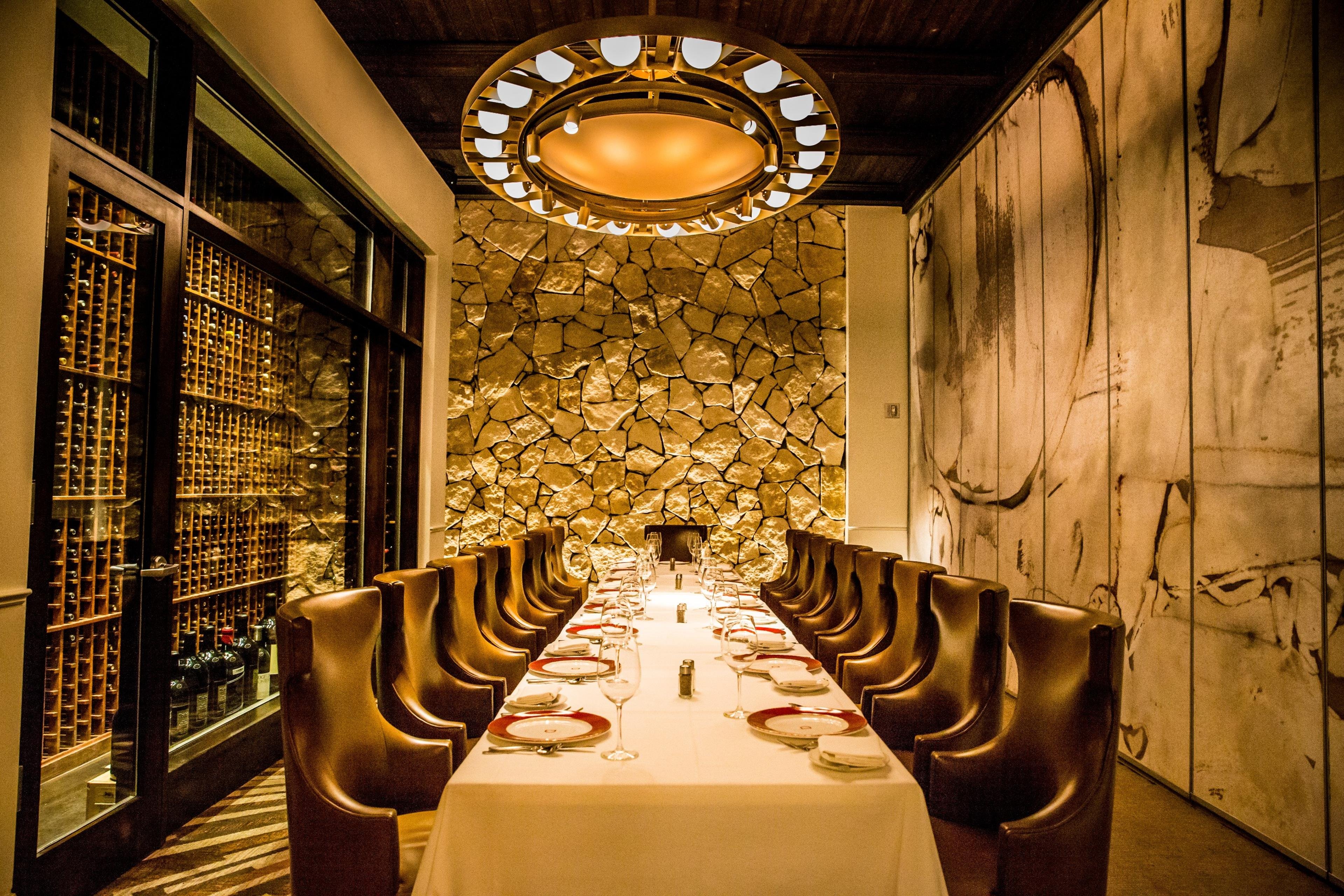
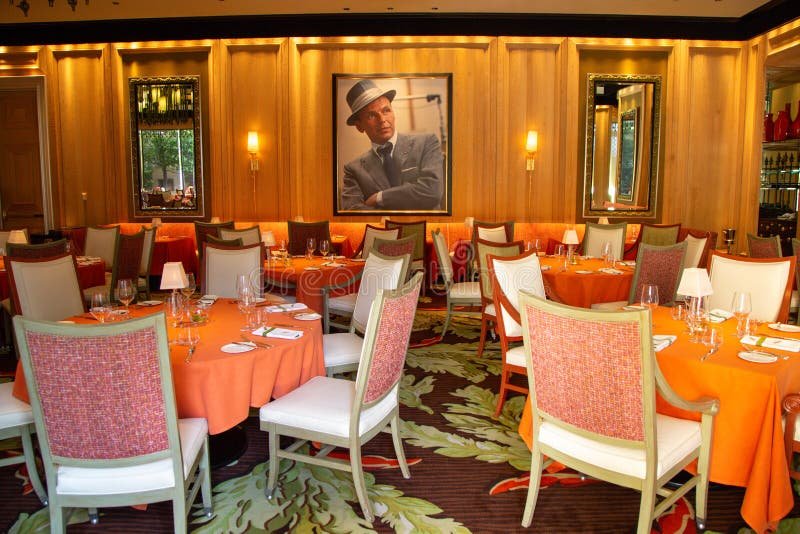
The physical environment at Wing Lei does the work that most Las Vegas restaurants assign to their programming. The room draws on Shanghai Art Deco references, with lacquered surfaces, ornate detailing, and a color palette weighted toward gold and red. These are not arbitrary choices: they sit within a tradition of formal Chinese dining rooms in major American cities that use this visual vocabulary to signal occasion and seriousness. The difference here is that the execution is calibrated to a luxury hotel standard, which places it closer in feel to the high-end Chinese dining rooms of Hong Kong or Singapore than to the Chinatown restaurant tradition those rooms are sometimes compared to.
In cities with deep Chinese restaurant cultures, San Francisco, New York, Los Angeles, formal Cantonese dining tends to anchor itself in specific neighborhoods and develop regulars over decades. The Strip doesn't support that model. Instead, Wing Lei has built its repeat-guest base among hotel guests who return to the Wynn specifically, and among a local Las Vegas population that doesn't always get counted in the Strip's visitor narratives. That local dimension is easy to underestimate. Las Vegas residents use the Wynn's restaurants differently than tourists do, and Wing Lei has a regulars layer that the room's hotel-dining framing can obscure.
Cantonese Dining in a Non-Cantonese City
Cantonese cuisine, at its formal register, is one of the more technically demanding Chinese culinary traditions: precise knife work, controlled wok technique, seafood preparations that depend on timing down to the minute. It rewards kitchens with serious mise en place discipline, which is one reason the tradition has historically concentrated in cities with large Cantonese diaspora populations and competitive restaurant ecosystems. Las Vegas is neither of those things. The city's Chinese restaurant scene is thinner than its size would suggest, and the fine dining tier of that scene is thin enough that Wing Lei has operated without much direct competition for extended periods.
That competitive absence is both an advantage and a form of pressure. Without peer counters to benchmark against, the restaurant's standards are set by its own track record and by the broader Wynn dining portfolio, which includes a range of formats across price tiers. Visitors who have eaten at comparable Cantonese fine dining rooms in other cities, or at formal Chinese restaurants elsewhere on the Pacific Rim, will arrive with a reference set that the room needs to hold up against. Those who haven't will find the format itself revelatory, particularly if their Las Vegas dining experience has been concentrated in the steakhouse and Italian categories that dominate the boulevard.
For comparative reference on what bar-side precision drinking looks like in other American cities, Bar Leather Apron in Honolulu and Kumiko in Chicago represent the kind of calibrated, lower-volume approach that shares a sensibility with Wing Lei's dining philosophy, even across different categories. Similarly, Jewel of the South in New Orleans and Julep in Houston demonstrate how formal credentials translate into local gathering-place status over time, a dynamic Wing Lei has developed in its own way on the Strip.
The Strip Address and What It Implies
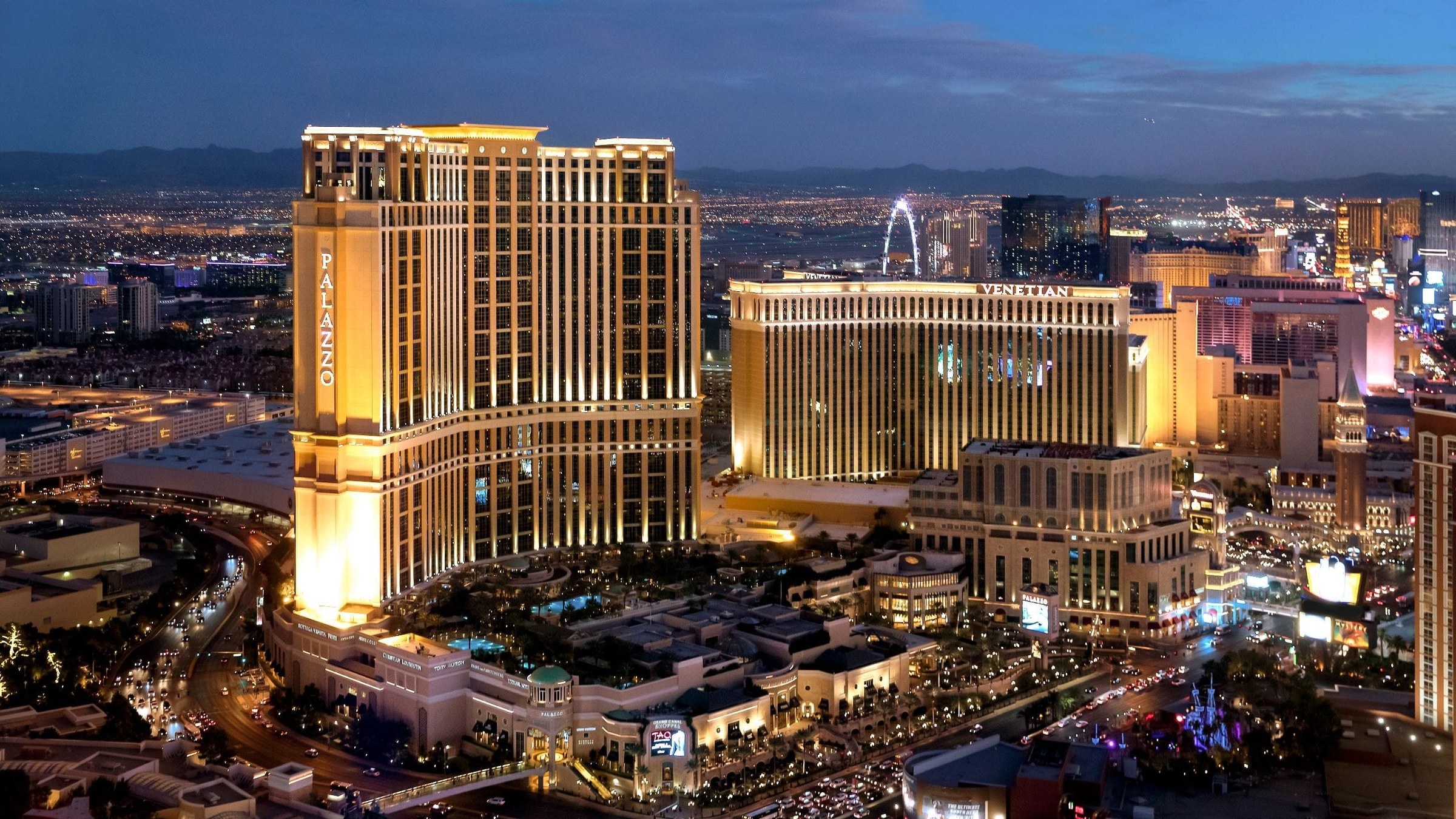
Being on the Strip is both a credential and a constraint. It means a global reservation pool, guests arriving from every major city with their own dining reference points, and a hotel machine that demands consistency across thousands of covers per week. It also means visibility: Wing Lei is not an address that requires insider knowledge to find. It sits within one of the most-trafficked hospitality corridors in the world. What requires some effort is knowing where to place it relative to other options at this address and nearby ones, including the broader dining range covered in our full Paradise restaurants guide.
Other addresses in the immediate vicinity, including 3355 S Las Vegas Blvd, and more casual formats like And Pita and Badger Cafe, serve entirely different functions in the local dining ecology. Wing Lei's function is specific: formal occasion dining, with a cuisine tradition that has almost no other representatives at this tier on the boulevard. For visitors looking to compare drink programs at the serious end of the spectrum in other cities, Superbueno in New York City, ABV in San Francisco, and The Parlour in Frankfurt on the Main each illustrate how credential-heavy venues hold their position through format discipline rather than volume.
Planning Your Visit
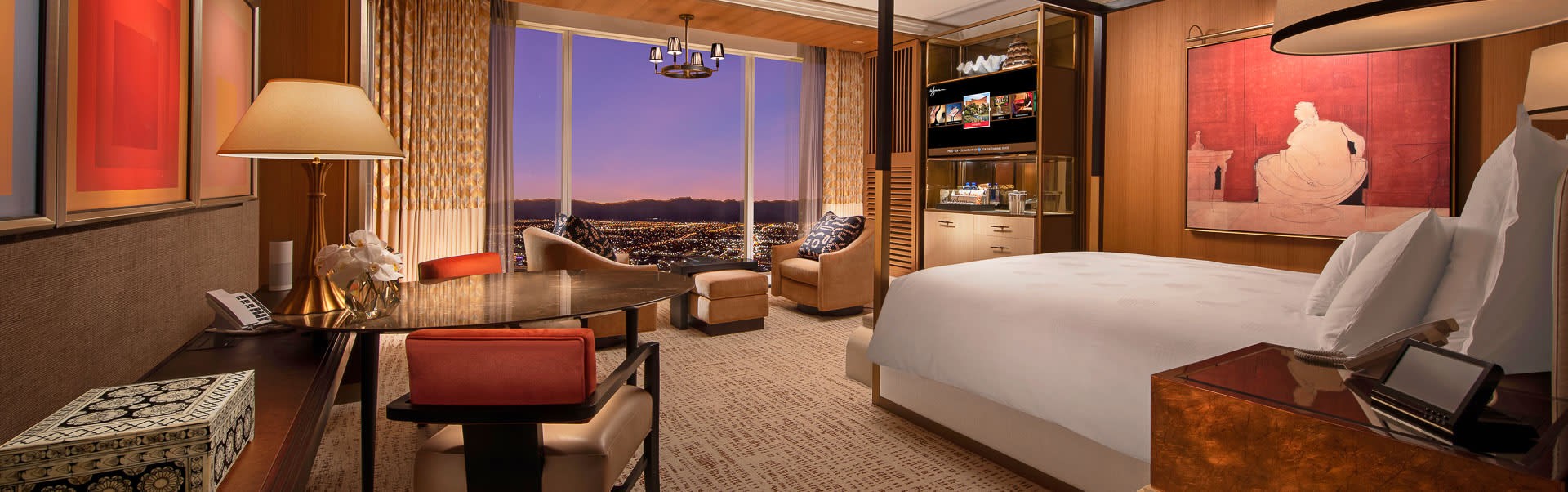
Wing Lei operates within the Wynn Las Vegas at 3131 Las Vegas Blvd S, which means hotel concierge access is an option for Wynn guests, often the most reliable path to a table during peak periods. The Strip's major dining rooms run at high capacity on weekends and during convention weeks, so midweek visits generally offer more flexibility. Given the formal room and the Wynn's positioning at the luxury end of the Strip, the dress standard skews smart, though Las Vegas dining rooms tend to be more permissive than comparable rooms in other cities.
Visitors who have already worked through the Wynn's other dining options, or who are approaching Las Vegas specifically for its Chinese restaurant tier, will find Wing Lei occupies a position with no direct substitute on the boulevard. That specificity is the practical case for making it a deliberate stop rather than a default one.
Where the Accolades Land
These are the closest comparables we have in our database for quick context.
| Venue | Awards | Cuisine | Notes |
|---|---|---|---|
| Wing Lei | This venue | ||
| Ghostbar | |||
| 3355 S Las Vegas Blvd | |||
| Bar Code Burgers | |||
| LIQUID Pool Lounge | |||
| Double Zero Pie & Pub |

At a Glance
- elegant
- sophisticated
- opulent
- special occasion
- celebration
- date night
- hotel bar
- lounge_seating
- craft_cocktails
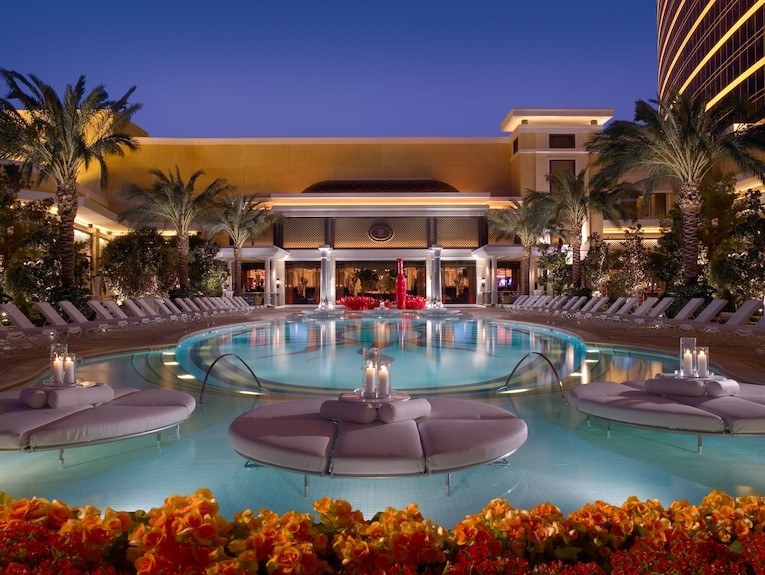
Lavish gold dining room evoking a Chinese jewel box with Qing-inspired silks, jewel-like palette of gold and jade, and quiet atmosphere.