
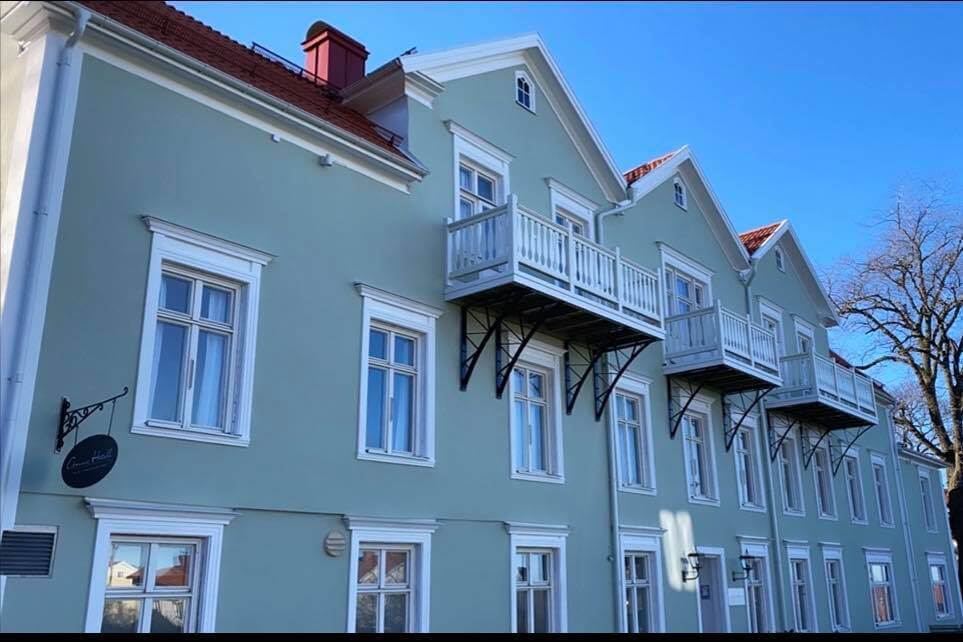
A medieval monastery turned hotel, Vadstena Klosterhotel occupies a site with origins in the 13th century — one that housed both a royal palace and a monastic community. The weight of that history is present in every stone corridor and vaulted ceiling, making it one of the most architecturally layered places to stay in Sweden's Lake Vättern region.
Pearl is the En Primeur Club membership app — saves, bookings, and concierge access live there. Same editors, same standards.
- Address
- Lasarettsgatan 3, Vadstena
- Phone
- +46 0143-130 00
- Website
- klosterhotel.se
- Directions
- Get directions
 Saves & bookings on Pearl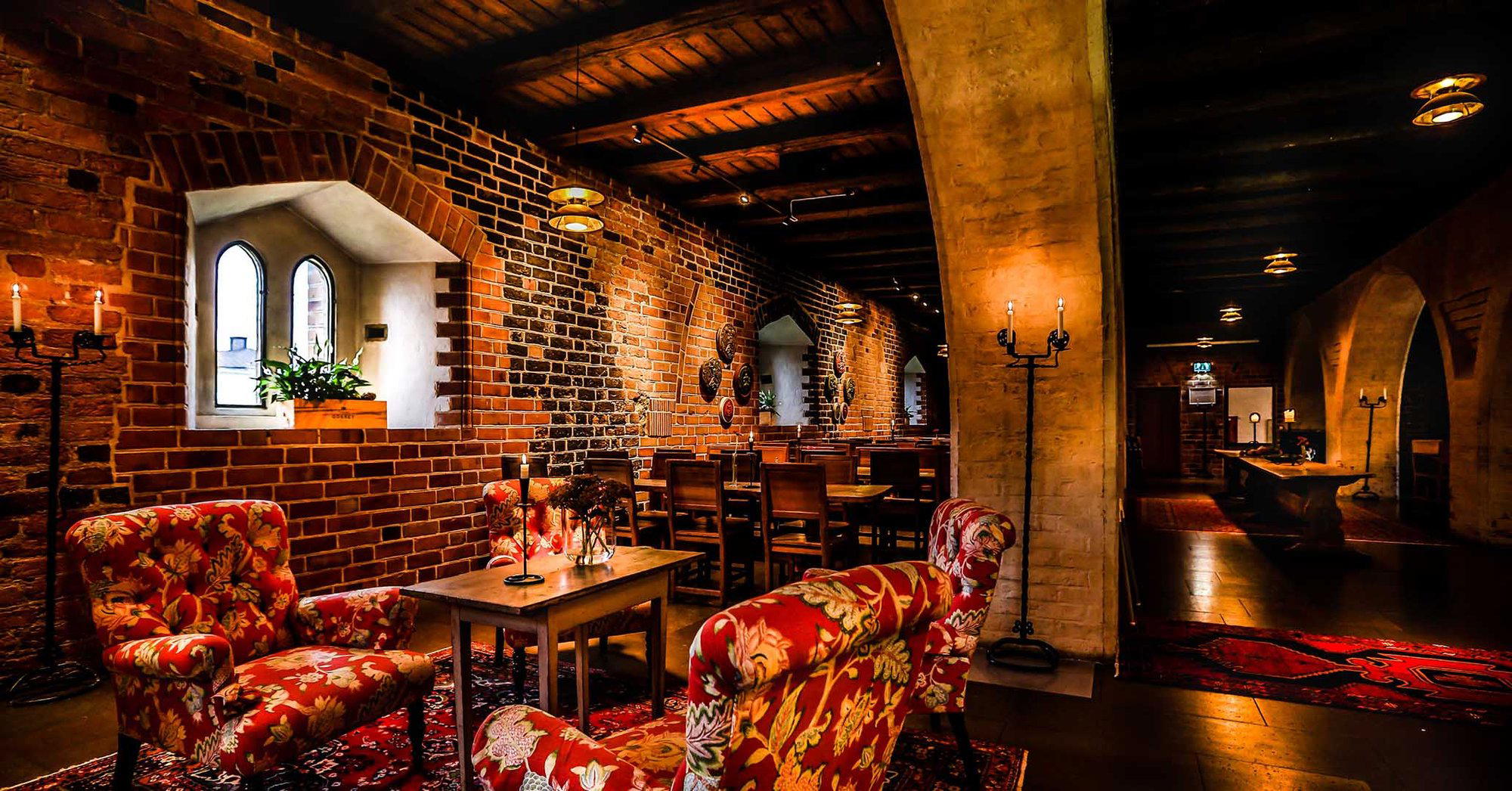
Where Eight Centuries of Swedish History Shape Every Corner
Approaching Vadstena from the lakeside, the town reads as a kind of compressed medieval argument: the castle on one axis, the abbey church on another, and between them a grid of streets that has changed its character slowly over centuries rather than decades. Vadstena Klosterhotel sits within that argument rather than beside it. The building's origins reach back to the 13th century, and the site has functioned as both royal palace and monastery across its long life. What that means in practice is that guests move through spaces where the stonework carries genuine age, not the simulation of it that fills so many heritage hotel lobbies.
The broader pattern in Swedish hospitality has shifted toward design-led properties that import their atmosphere through furniture and lighting. Vadstena Klosterhotel belongs to a different and older category: buildings where the atmosphere preceded the hotel function by several hundred years. The question for any serious traveller is whether that accumulated history translates into an experience that justifies the detour to a small town on the eastern shore of Lake Vättern, roughly two hours by road from both Stockholm and Gothenburg.
The Setting and What It Carries
Lake Vättern is Sweden's second-largest lake, deep and cold enough to hold its temperature well into summer, and Vadstena has sat at its edge since the medieval period. The town's density of monastic and royal heritage is disproportionate to its size, which makes it an outlier in Swedish regional tourism. Most visitors arrive on day trips from Linköping or Jönköping, which means staying overnight at a property like Vadstena Klosterhotel places you in the town after the crowds have cleared, when the abbey and castle grounds take on a different register entirely.
The hotel's address on Lasarettsgatan puts it close to the abbey church of Saint Birgitta, the 14th-century figure whose religious order established the Birgittine monastery here. That proximity is not incidental. The physical relationship between the hotel's origins and the broader monastic complex means that the sense of layered history is architectural and spatial, not just described on a wall plaque. Guests who take the time to walk the grounds in the early morning will find Vadstena operating at a pace and a quiet that is increasingly rare in European heritage destinations.
Drinking in Context: The Bar Programme in a Medieval Frame
Placing a contemporary drinks programme inside a 13th-century building creates an editorial problem that the more interesting Swedish bars have learned to solve rather than ignore. The country's cocktail culture has matured significantly over the past decade, moving from direct spirits service toward programmes that engage with local botanical sources, Swedish aquavit traditions, and, in more ambitious operations, fermentation and clarification techniques borrowed from the Nordic kitchen. Properties like Lucy's Flower Shop in Stockholm have demonstrated that a bar's conceptual frame matters as much as its technique.
For a hotel with Vadstena Klosterhotel's historical depth, the most coherent approach to a drinks programme is one that draws on regional reference points rather than competing with urban cocktail bars on technical grounds. Aquavit, which has been produced in Scandinavia for centuries and carries its own monastic associations through the use of herbal distillation, is a natural anchor for a programme in this setting. Swedish craft brewing has also expanded substantially, with producers across the Östergötland and Småland regions developing styles that pair with the local food culture. Whether the hotel's current programme engages with these possibilities at depth is not something the available record confirms in detail, but the setting creates a strong premise for it.
For context on how Swedish bar culture operates across different regional formats, the EP Club has profiled operations ranging from Ångbryggeriet in Piteå in the north to Ölkaféet in Malmö in the south, and the consistent finding is that venues with a strong local identity outperform those that default to generic hotel bar formats. The same logic applies in Vadstena.
Swedish Small-Town Hospitality and Its Competitive Set
Vadstena operates in a niche that sits well outside the main coordinates of Swedish luxury hospitality. The reference points for most premium Swedish hotel stays remain Stockholm, Gothenburg, and the archipelago properties. Within that broader picture, small-town heritage hotels occupy a specialist position, drawing travellers who are specifically interested in medieval history, pilgrimage routes, or the particular texture of lake-country Sweden in summer. Vadstena's main festival period runs through July, when the town hosts an annual opera festival using the castle courtyard as its venue, and this provides a natural peak season.
Properties like Båthuset Krog & Bar in Sigtuna demonstrate how Swedish towns with strong historical identities can build hospitality programmes that speak to that history without becoming museum pieces. Bageriet Mat & Bar in Visby on Gotland represents a similar dynamic, where the town's medieval Hanseatic character sets the frame and the hospitality offer works within it. Vadstena Klosterhotel's position in Vadstena is analogous: the building's history is the primary credential, and the hotel's task is to operate at a standard worthy of it.
The comparison also extends to coastal and waterside properties. Koster Islands in Tjärnö and Vyn Restaurant in Östra Nöbbelöv both show how Swedish properties tied to specific natural or historical settings can create a sense of place that urban hotels cannot replicate. The logic holds for Vadstena.
Planning Your Stay
Vadstena is accessible by road from Stockholm in approximately two hours and from Gothenburg in slightly under two hours, with the E4 motorway providing the primary route from the north and south respectively. The town is small enough that most of its significant sites, including the castle, the abbey, and the historic centre, are within easy walking distance of the hotel's address on Lasarettsgatan. Train access is limited; the nearest larger rail hub is Mjölby, which sits on the main Stockholm-Gothenburg line, with local connections or taxi transfers required for the final stretch into Vadstena.
The summer months from June through August represent the peak period for Vadstena, with the opera festival in July driving the highest demand. Travellers seeking a quieter engagement with the town's medieval character will find early June and September more accommodating in terms of pace, and the lake light in those shoulder months has a quality that the high-summer crowds tend to obscure. For travellers building a broader Swedish itinerary, pairing Vadstena with a stop in Västerås, covered in EP Club's profile of Bistro Vinoteket, adds another dimension of central Swedish provincial culture to the route. Our full Vadstena restaurants guide covers the town's dining options in greater depth.
For those approaching from Gothenburg and looking for urban bar reference points before or after the Vadstena leg, Dorsia Hotel and Restaurant in Gothenburg and Brogatan in Malmö both represent the more polished end of Swedish hotel hospitality, providing useful contrast with the heritage-focused character of Vadstena Klosterhotel. Internationally, Bar Leather Apron in Honolulu offers an instructive example of how a bar programme rooted in a specific place and tradition can carry genuine authority.
How Vadstena Klosterhotel compares with similar nearby venues.
| Venue | Awards |
|---|---|
| Vadstena Klosterhotel | Star Wine List (2026) |
Recognition history
Dated appearances from independent guides and award organizations, with the underlying list record or original source where available.
Star Wine List
Star Wine List
At a Glance
- Romantic
- Historic
- Elegant
- Scenic
- Cozy
- Date Night
- Special Occasion
- Celebration
- Historic Building
- Waterfront
- Garden
- Terrace
- Seated Bar
- Lounge Seating
- Outdoor Terrace
- Conventional Wine
- Craft Beer
- Waterfront
- Garden
Current opening hours
- Monday
- 11 AM–5 PM
- Tuesday
- 11 AM–5 PM
- Wednesday
- 11 AM–5 PM
- Thursday
- 11 AM–5 PM
- Friday
- 11 AM–5 PM
- Saturday
- 11 AM–4 PM
- Sunday
- 11 AM–5 PM
Hours can change for holidays and private events. Last verified .
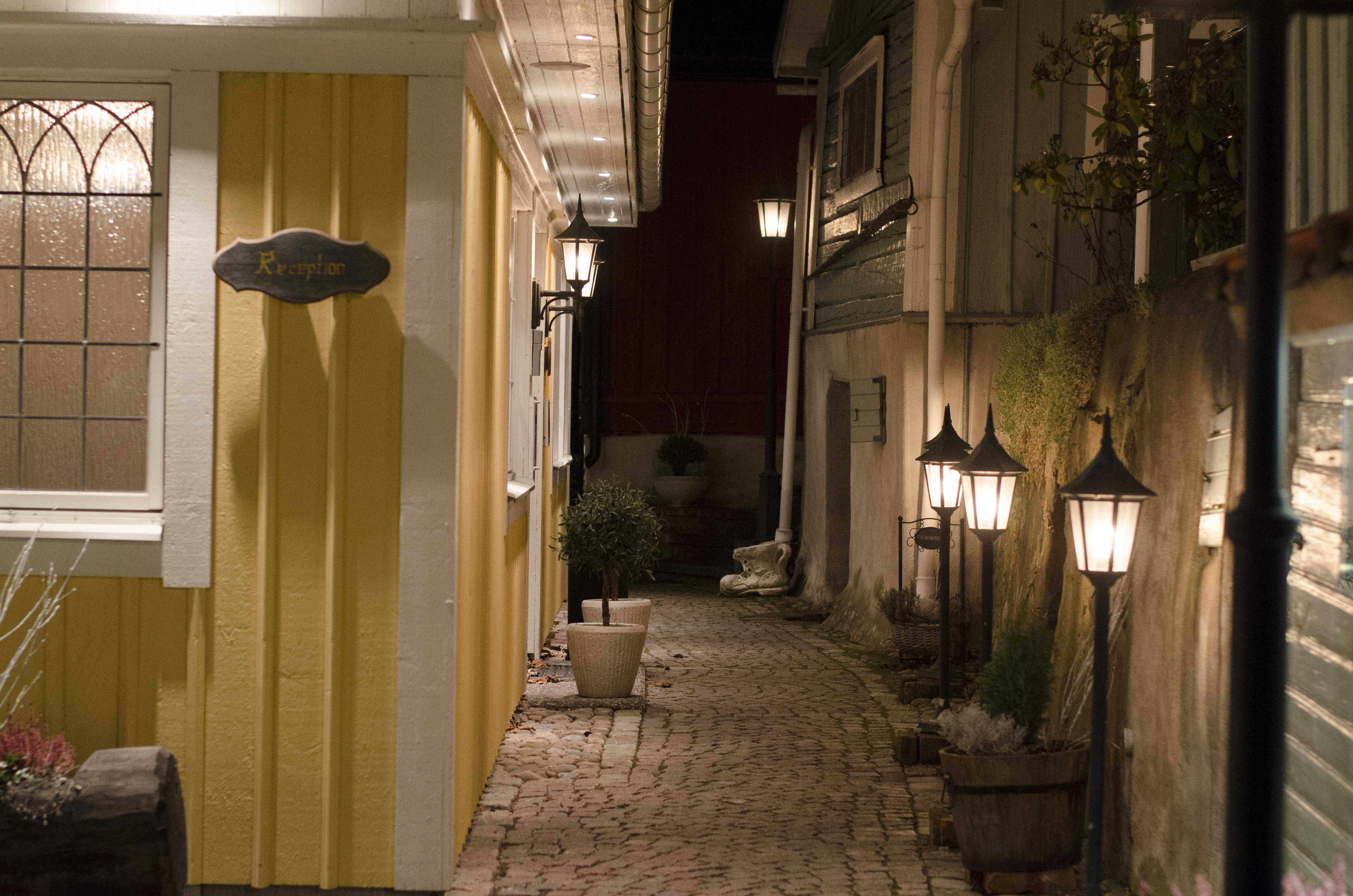
Atmospheric and historic with period-decorated rooms, candlelit dining in the old abbey, and views of Lake Vättern; some guests note it can be acoustically challenging due to the stone monastery architecture.
Know Before You Go
- Getting there
- Lasarettsgatan 3, Vadstena