Urdaneta
A Basque-inspired bar and kitchen on NE Alberta Street, Urdaneta draws Portland's drinking crowd with a focused pintxos format and a cider and txakoli program that sits outside the city's craft-beer mainstream. The address places it in one of Portland's more ingredient-conscious neighbourhoods, where sourcing conversations carry real weight on both sides of the pass.
 Discover on Pearl
Pearl is the En Primeur Club membership app — saves, bookings, and concierge access live there. Same editors, same standards.
- Address
- 3033 NE Alberta St, Portland, OR 97211
- Phone
- +1 503 288 1990
- Website
- urdanetapdx.com
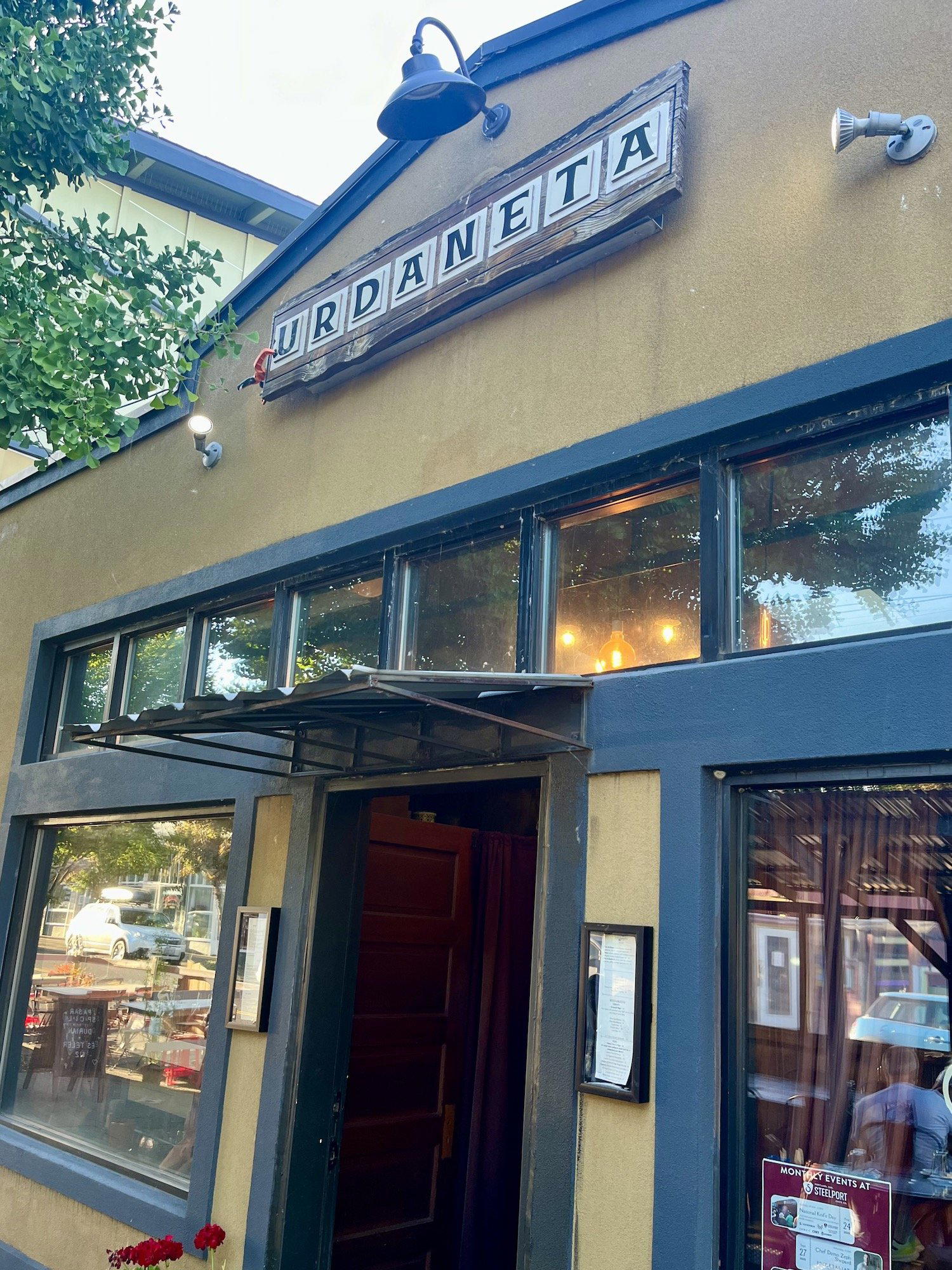
Alberta Street and the Basque Angle
NE Alberta Street has long operated as one of Portland's more food-serious corridors, a stretch where independent operators tend to commit to a point of view rather than hedge toward broad appeal. That context matters when placing Urdaneta, a Basque-inflected bar and kitchen at 3033 NE Alberta St, within the wider Portland drinking-and-eating scene. Where most of the city's bar kitchens default to Pacific Northwest comfort formats, Urdaneta takes its structural cue from the pintxos tradition of the Basque Country: small, composed pieces built on bread or skewer, calibrated for standing at a bar rather than settling into a three-course dinner.
The Basque bar model is worth understanding on its own terms before walking in. In San Sebastián and Bilbao, pintxos culture is inseparable from ingredient sourcing: the quality of the anchovy, the age of the cheese, the provenance of the pork all determine whether a two-bite piece justifies its place on the counter. Portland's food culture, shaped by decades of farmers' market investment and a supplier network that punches well above the city's size, is actually well-matched to that demand. Urdaneta operates at that intersection, applying a format that rewards good sourcing to a city with the supply infrastructure to support it.
The Drink Program as Identity
What separates Urdaneta from the broader Portland bar scene most clearly is its drink program. Portland defaults to hops: the city's craft brewing identity is well established, and most neighbourhood bars, from the large-format operations like 10 Barrel Brewing Portland to smaller local spots like 3808 N Williams Ave, operate within that gravity. Urdaneta moves in a different direction, with a program built around Basque and Spanish references: txakoli, the sharp, low-alcohol white from the Basque coast poured with a high arc to build carbonation; sidra, the flat, astringent Basque cider that demands food alongside it; and Spanish wine poured without the reverence-and-ceremony treatment that can make wine bars feel inaccessible.
That combination of txakoli and sidra as a foundation rather than a novelty is relatively rare in the United States. Bars with serious Spanish drink programs tend to cluster in larger markets; in a city like Portland, the format reads as a genuine editorial position rather than a follow-the-trend move. For comparison, cocktail-focused bars in other American cities that have built recognisable identities around a specific tradition include Jewel of the South in New Orleans and Kumiko in Chicago, both of which demonstrate how a clearly defined drinks philosophy generates a distinct competitive position. Urdaneta's equivalent commitment sits in its Basque and northern Spanish sourcing logic.
Sourcing as Structure
The editorial angle that connects food and drink at Urdaneta is provenance. The pintxos format, by its nature, concentrates attention on individual ingredients: when the piece is two bites, the quality of the conserva, the texture of the bread, the balance of the topping become the entire conversation. That structural transparency is demanding of suppliers in a way that larger-format cooking is not. Portland's food supply network, built over years by producers who sell direct to chefs and restaurants, gives operations like Urdaneta a practical advantage in meeting that demand.
The Basque Country's own food culture operates on a similar logic. The region's Michelin density, the highest per capita in the world by most counts, is underpinned by a supply chain of small producers, fishermen, and farmers who have maintained relationships with restaurant kitchens across generations. Urdaneta is not making a direct claim to that lineage, but the format it has adopted carries those values embedded within it. When you order pintxos at a serious bar, you are, in effect, auditing the kitchen's sourcing choices in real time.
Across the American bar scene, this kind of ingredient-forward small-plate approach tends to appear in one of two modes: either attached to a large cocktail program where food is secondary, or as the primary draw with drinks in support. Urdaneta positions both as co-equal, which is consistent with how the Basque bar actually functions. Stopping for a glass of txakoli and a few pintxos before dinner, or using the bar as the meal itself, are both valid uses of the space.
Alberta Street in Context
The neighbourhood placement reinforces the bar's character. NE Alberta runs through a part of Portland that developed its food identity through independent operators rather than through the kind of destination-restaurant density that clusters in the Pearl District or around the Central Eastside. The result is a street where regulars matter, where repeat business determines longevity, and where the format needs to sustain interest across multiple visits rather than relying on first-impression novelty. A pintxos counter, which rotates and refreshes and rewards knowing what to order, suits that dynamic.
Portland bars that have built long-term reputations in the city, such as Teardrop Lounge, have generally done so through format discipline and neighbourhood loyalty. Urdaneta's position on Alberta Street places it within that logic: the address is not a destination corridor in the way that some Portland drinking streets are, which means the bar earns its audience through the quality of what it does rather than through foot traffic from visitors consulting a map. For those who find their way there, nearby options like 7316 N Lombard St show how the north and northeast Portland independent scene clusters across several corridors rather than one central strip.
Those curious about how Urdaneta's Basque approach compares to similarly defined bar programs in other American cities can look at ABV in San Francisco, Julep in Houston, Superbueno in New York City, or Bar Leather Apron in Honolulu for the range of approaches American bars are taking to defined culinary and drink identities. Internationally, The Parlour in Frankfurt on the Main illustrates how the same appetite for a specific, coherent bar identity has taken hold in European cities.
Pricing, Compared
Comparable venues nearby, for context on price, style, and recognition.
| Venue | Cuisine | Price | Awards | Notes |
|---|---|---|---|---|
| UrdanetaThis venue — the venue you are viewing | Alberta Arts District, Bar | $$ | , | |
| Grassa | Hawthorne District, lounge | $$ | , | |
| Nakhon Sawan Thai Restaurant | $$ | , | Division/Clinton, lounge | |
| East Glisan Pizza Lounge | Montavilla, lounge | $$ | , | |
| Blossoming Lotus | Nob Hill, Bar | $$ | , | |
| The Heist Bar & Food Carts | Woodstock, lounge | $$ | , |
Continue exploring
More in Portland
Bars in Portland
Browse all →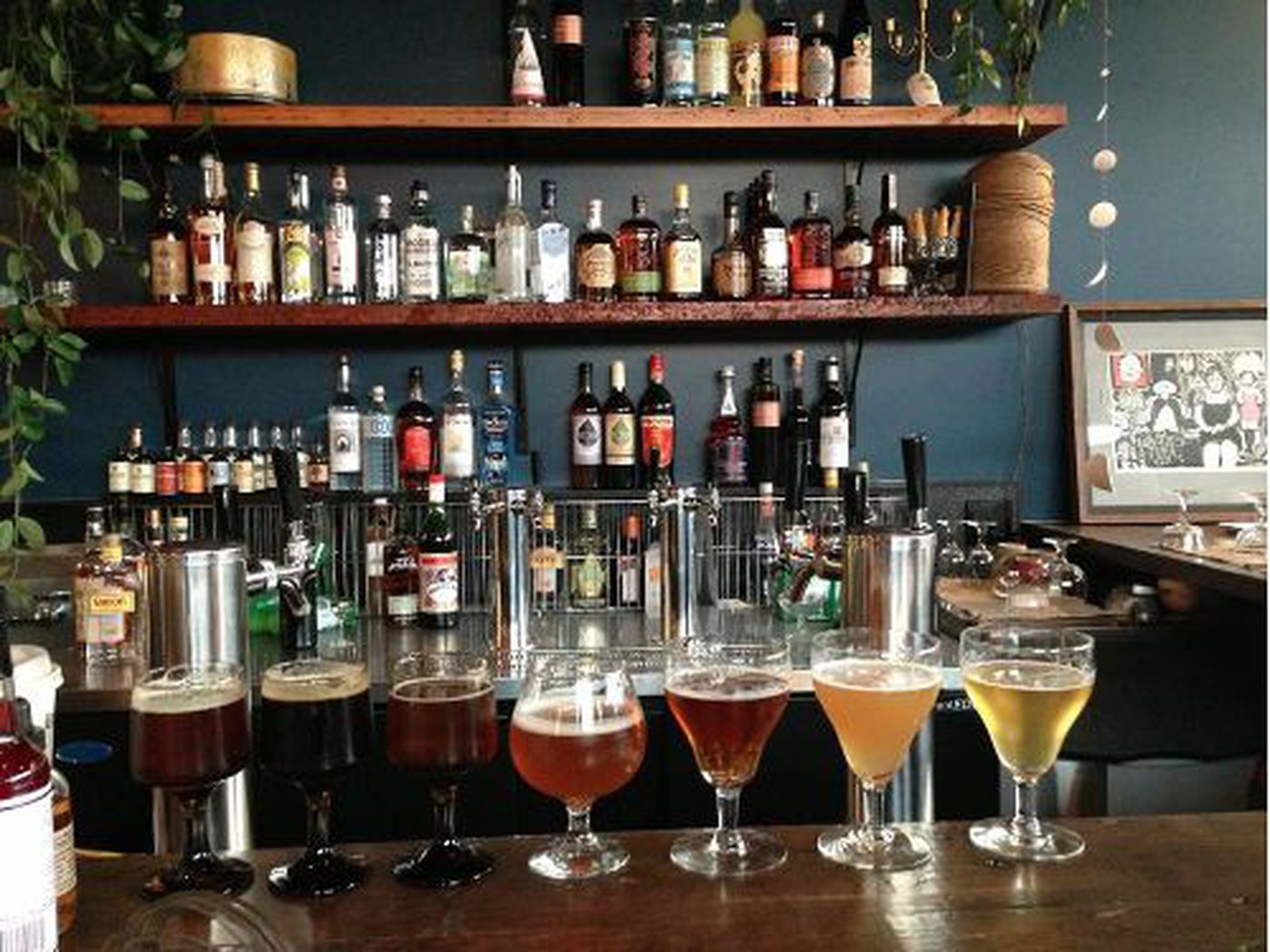
Restaurants in Portland
Browse all →
Hotels in Portland
Browse all →
At a Glance
- Intimate
- Cozy
- Trendy
- Date Night
- Special Occasion
- Design Destination
- Seated Bar
- Booth Seating
- Craft Cocktails
- Natural Wine
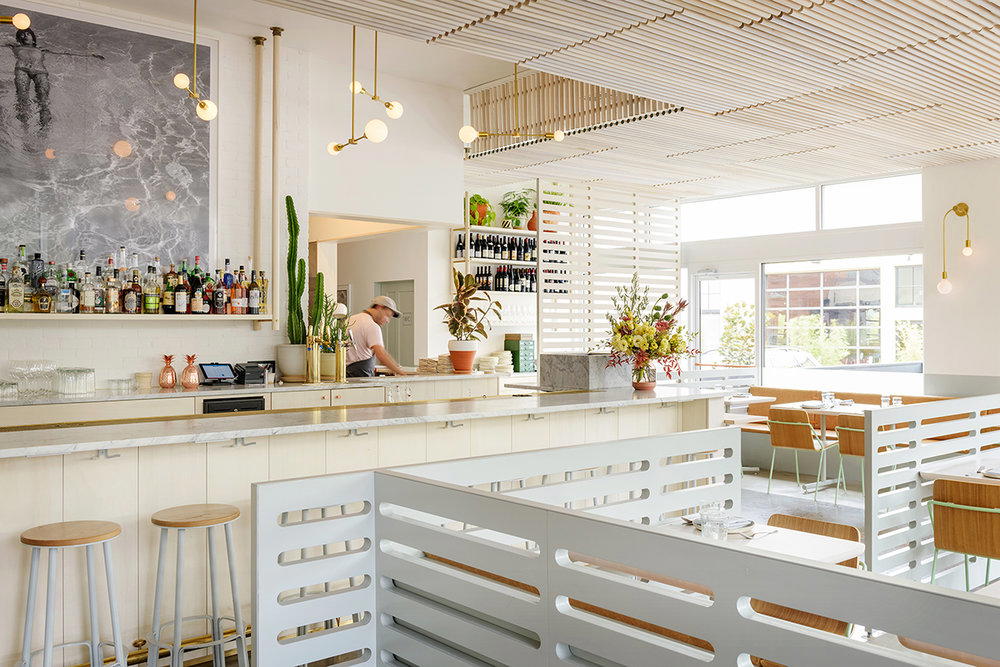
Intimate atmosphere with open kitchen allowing guests to watch tapas preparation, warm family-like service, and cozy dining space.