Blossoming Lotus
Blossoming Lotus occupies a Northwest Portland address that places it within reach of the Pearl District's bar circuit, yet the NW Quimby corridor operates at a quieter register than the blocks closer to Powell's. Portland's plant-forward dining tradition runs deep here, and the room reflects that commitment to considered, ingredient-led hospitality rather than high-volume throughput.
Pearl is the En Primeur Club membership app — saves, bookings, and concierge access live there. Same editors, same standards.
- Address
- 2122 NW Quimby St, Portland, OR 97210
- Phone
- +1 503 937 2088
- Website
- blpdx.com
- Directions
- Get directions
 Saves & bookings on Pearl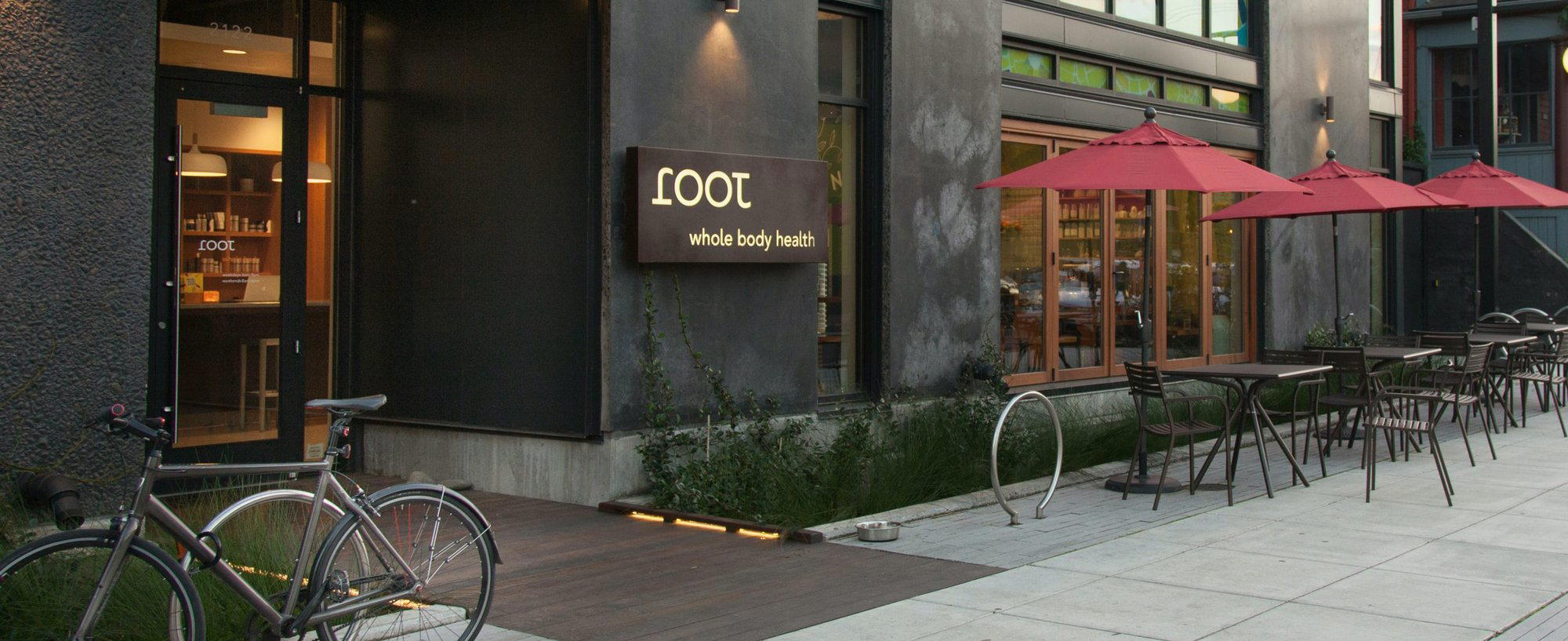
NW Quimby and the Craft of Deliberate Hospitality
Portland's Northwest District has a different pace from the bar corridors along North Williams or the dense hospitality cluster of the Pearl. On NW Quimby Street, the rhythm slows. Foot traffic is residential rather than destination-driven, and the businesses that survive here do so because regulars return, not because tourists wander in. Blossoming Lotus at 2122 NW Quimby St sits inside that neighbourhood logic: a spot that earns its audience through consistency rather than spectacle.
Portland's plant-forward dining culture is well established. The city has sustained a serious conversation about vegetables, fermentation, and non-animal proteins for longer than most coastal markets, and that culture now extends well beyond restaurants into bars and cafes that apply the same sourcing discipline to their drink programs. In that context, an operation on NW Quimby that takes its ingredients seriously is not an outlier, it is exactly what the neighbourhood expects.
The Craft Bar Tradition in Portland
Portland's bar scene has tracked a clear trajectory over the past fifteen years. The city moved early on craft cocktails, partly because of the proximity to Pacific Northwest spirits producers and partly because of a food culture that prizes process over convenience. That early momentum produced venues like Teardrop Lounge, which helped establish Portland's reputation for technically serious drink programs, and a broader ecosystem that now includes 3808 N Williams Ave and 7316 N Lombard St serving distinct neighbourhood populations across the city.
What separates one serious bar from another is the intelligence behind the counter: how training is applied, how hospitality is understood, and whether the menu reflects a coherent point of view or simply assembles trends. Portland's leading programs have always been driven by that kind of bartender-led discipline. The drink list is the argument; the bar person is the one making it.
Plant-Forward Programs and the Drinks Menu
One of the more interesting developments in American craft cocktail culture over the past decade has been the move toward plant-forward drink programs, particularly in cities where the food culture already treats vegetables and fermentation as primary rather than secondary. Shrubs, infused vinegars, house-made syrups built from seasonal produce, and low- or no-alcohol formats have moved from novelty into the mainstream at Portland's serious venues. A bar operating inside a plant-forward dining environment has natural access to this toolkit, and the leading programs use that access with discipline rather than decoration.
Across American bars working at this intersection of craft technique and ingredient specificity, the comparison set is instructive. Kumiko in Chicago applies Japanese technique and seasonal ingredient logic to its program with rigorous consistency. Bar Leather Apron in Honolulu demonstrates how a tight, considered format can hold its own in a market dominated by resort-scale hospitality. Jewel of the South in New Orleans and Julep in Houston show how regional ingredient traditions can become the structural logic of a menu rather than its garnish. ABV in San Francisco and Superbueno in New York City represent two different urban approaches to the same problem: how to build a program that reads as specific to a place without becoming a parody of local identity.
Portland's equivalent challenge is that its food and drink identity is so well-established that new entrants risk either blending into the background or overclaiming their distinctiveness. The venues that navigate this most effectively tend to do so by letting the product speak without the accompanying manifesto. 10 Barrel Brewing Portland occupies a different tier of the market, but even there the logic holds: specificity of product over breadth of claim.
The NW Quimby Address: What It Signals
An address on NW Quimby in Portland's Northwest District is not a high-visibility hospitality location by accident. The street sits above the commercial density of NW 23rd and below the institutional footprint of Forest Park's trailheads. Operators who choose it are generally making a statement about audience: the people who find you here are looking for you, not passing through. That dynamic shapes the hospitality register of a space more than most design decisions do. It rewards consistency and punishes inconsistency, because there is no tourist surplus to absorb bad nights.
For the bartender or program director working in this context, the implications are specific. The menu has to work for repeat visitors. The pacing has to suit a neighbourhood crowd rather than a tourist timeline. The sourcing has to be legible to a Portland audience that already knows its producers. These are tighter constraints than those facing a bar in a high-traffic district, and they tend to produce either strong, rooted programs or slow attrition. The NW Quimby position, for Blossoming Lotus, suggests the former.
For international comparison on craft bar programs, The Parlour in Frankfurt on the Main offers an instructive European reference point for what bartender-led programming looks like when it operates outside the Anglo-American craft cocktail tradition.
Visit Planning
The NW Quimby address is most practically reached by car or ride-share from central Portland.
A Lean Comparison
Comparable venues nearby, for context on price, style, and recognition.
| Venue | Cuisine | Price | Notes |
|---|---|---|---|
| Blossoming LotusThis venue — the venue you are viewing | Nob Hill, Bar | $$ | Not listed |
| Kalé | Old Town Chinatown, Bar | $$ | Not listed |
| Upright Brewing | Not listed | $$ | Lloyd District, beer_bar |
| Hey Love | Not listed | $$ | Lower Burnside, cocktail_bar |
| Les Caves & Le Clos | Not listed | $$ | Alberta Arts District, wine_bar |
| Steeplejack Brewing Company | Not listed | $$ | Sullivan's Gulch, beer_bar |
Continue exploring
More in Portland
Bars in Portland
Browse all →
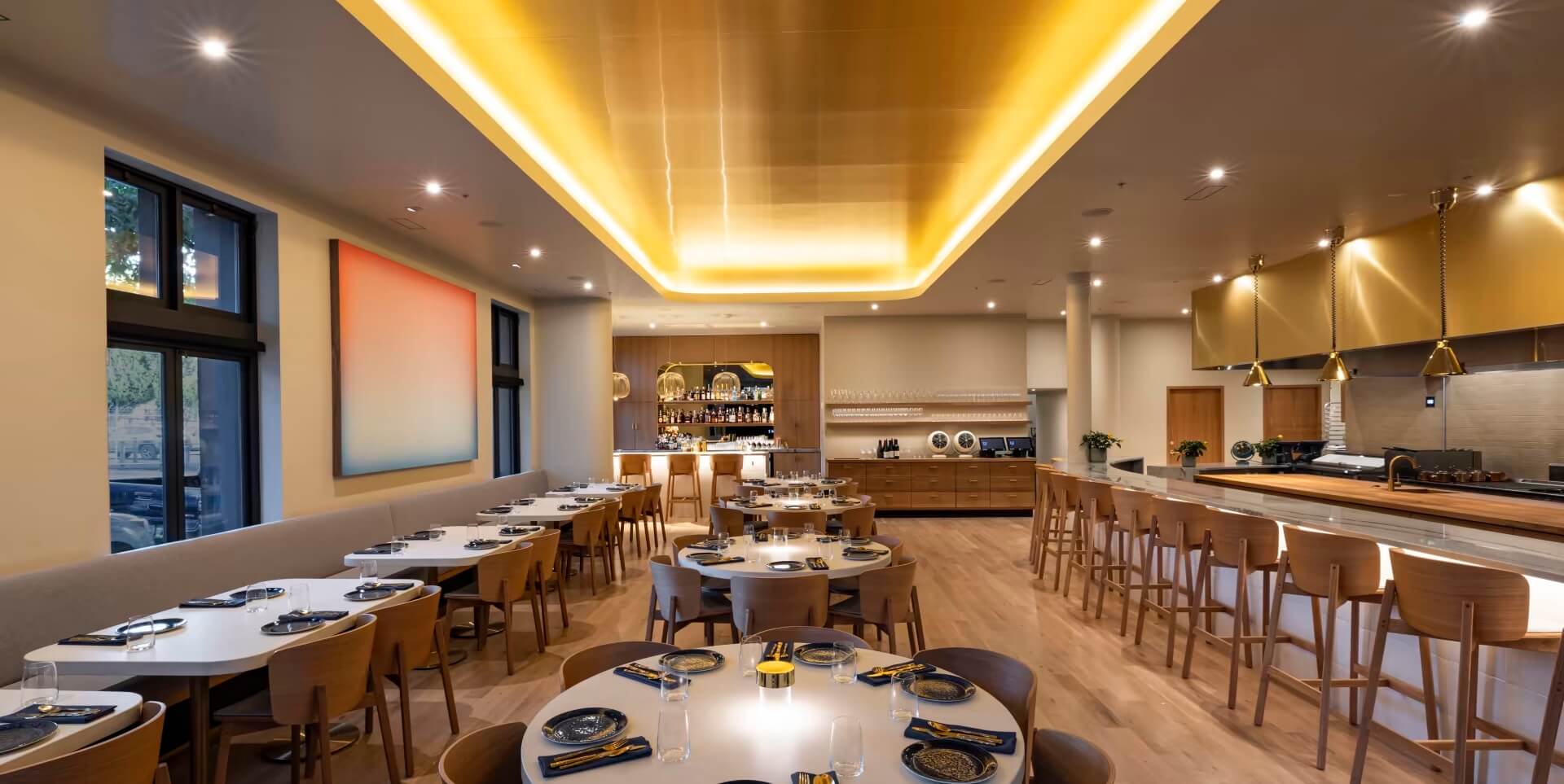
Restaurants in Portland
Browse all →
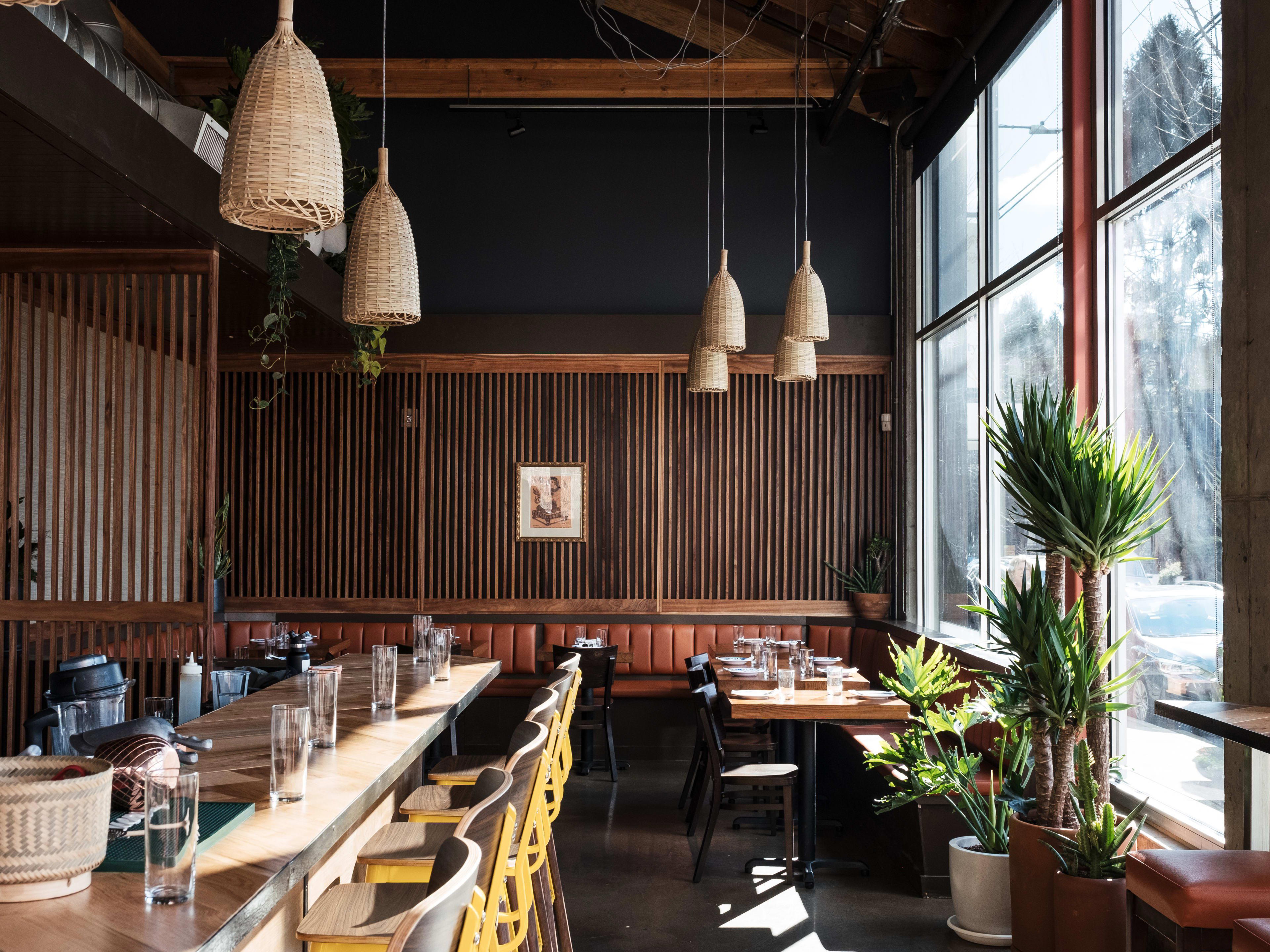
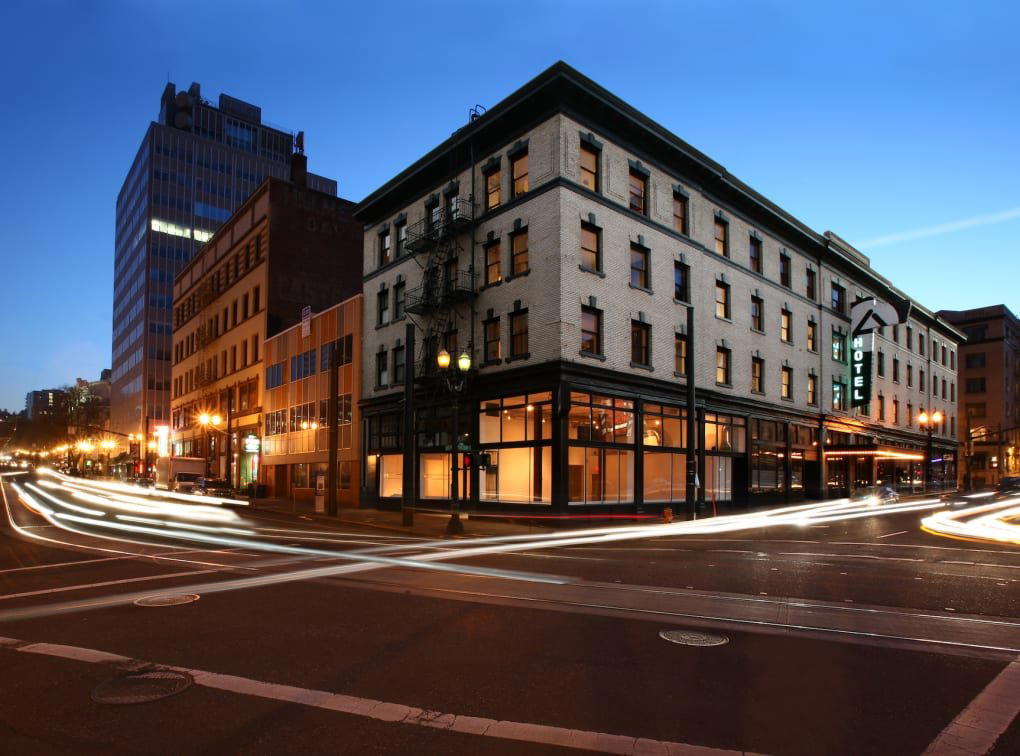
Hotels in Portland
Browse all →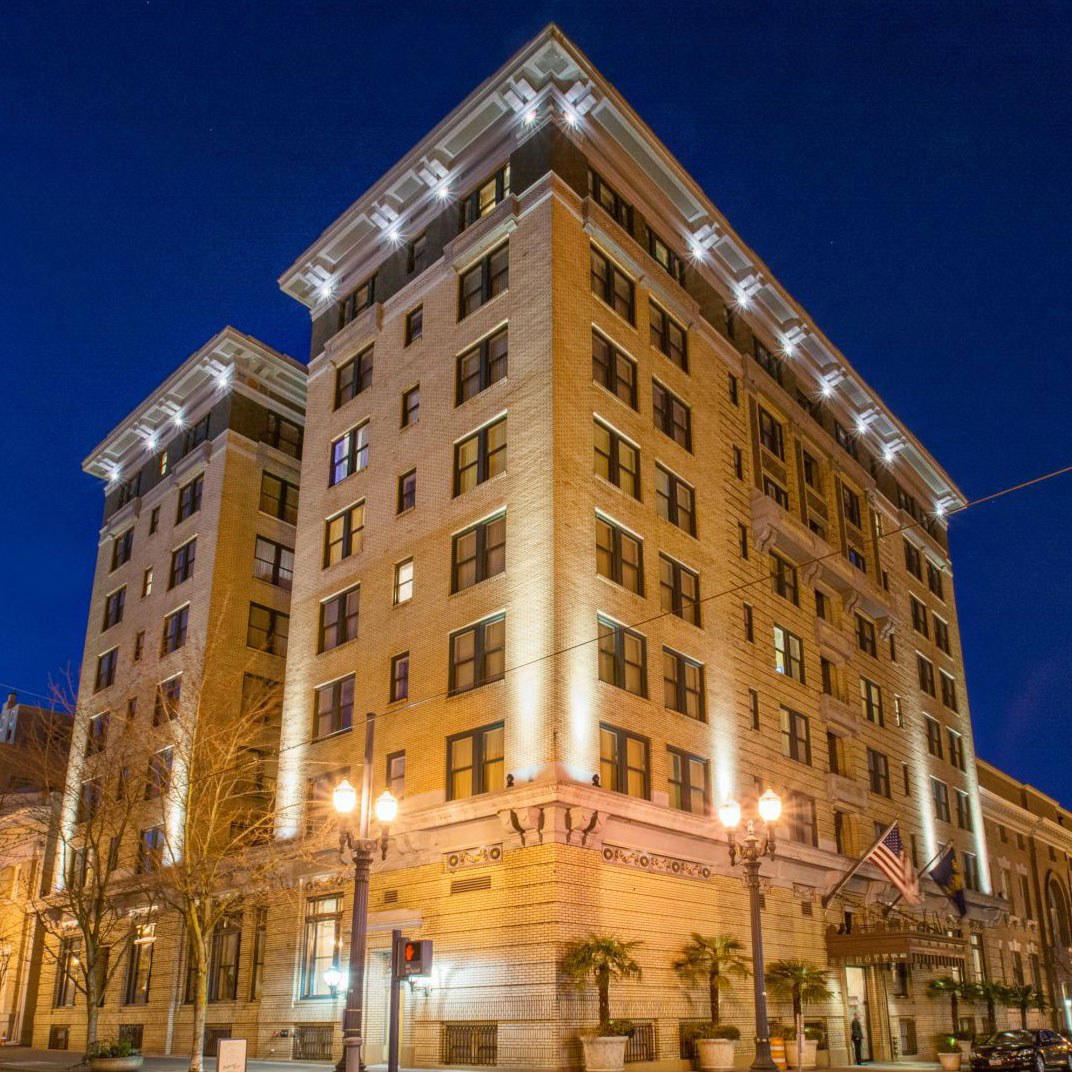
At a Glance
- Cozy
- Casual Hangout
- Counter Only
- Zero Proof
Current opening hours
- Monday
- 9 AM–6 PM
- Tuesday
- 9 AM–6 PM
- Wednesday
- 9 AM–6 PM
- Thursday
- 9 AM–6 PM
- Friday
- 9 AM–6 PM
- Saturday
- 9 AM–6 PM
- Sunday
- 9 AM–6 PM
Hours can change for holidays and private events. Last verified .
Quirky and nourishing atmosphere with a focus on healthy, plant-based eating, occasionally featuring country music.