Upperline
Upperline has anchored the Uptown New Orleans dining scene from its address on Upperline Street for decades, operating as one of the neighbourhood's most enduring expressions of Creole cooking. The menu architecture reads as a deliberate catalogue of Louisiana tradition, with dishes that reference the canon rather than depart from it. For visitors orienting themselves in the city's restaurant geography, it represents a useful fixed point.
- Address
- 1413 Upperline St, New Orleans, LA 70115
- Phone
- (504) 891-9822
- Directions
- Get directions
Where Uptown New Orleans Eats Like It Always Has
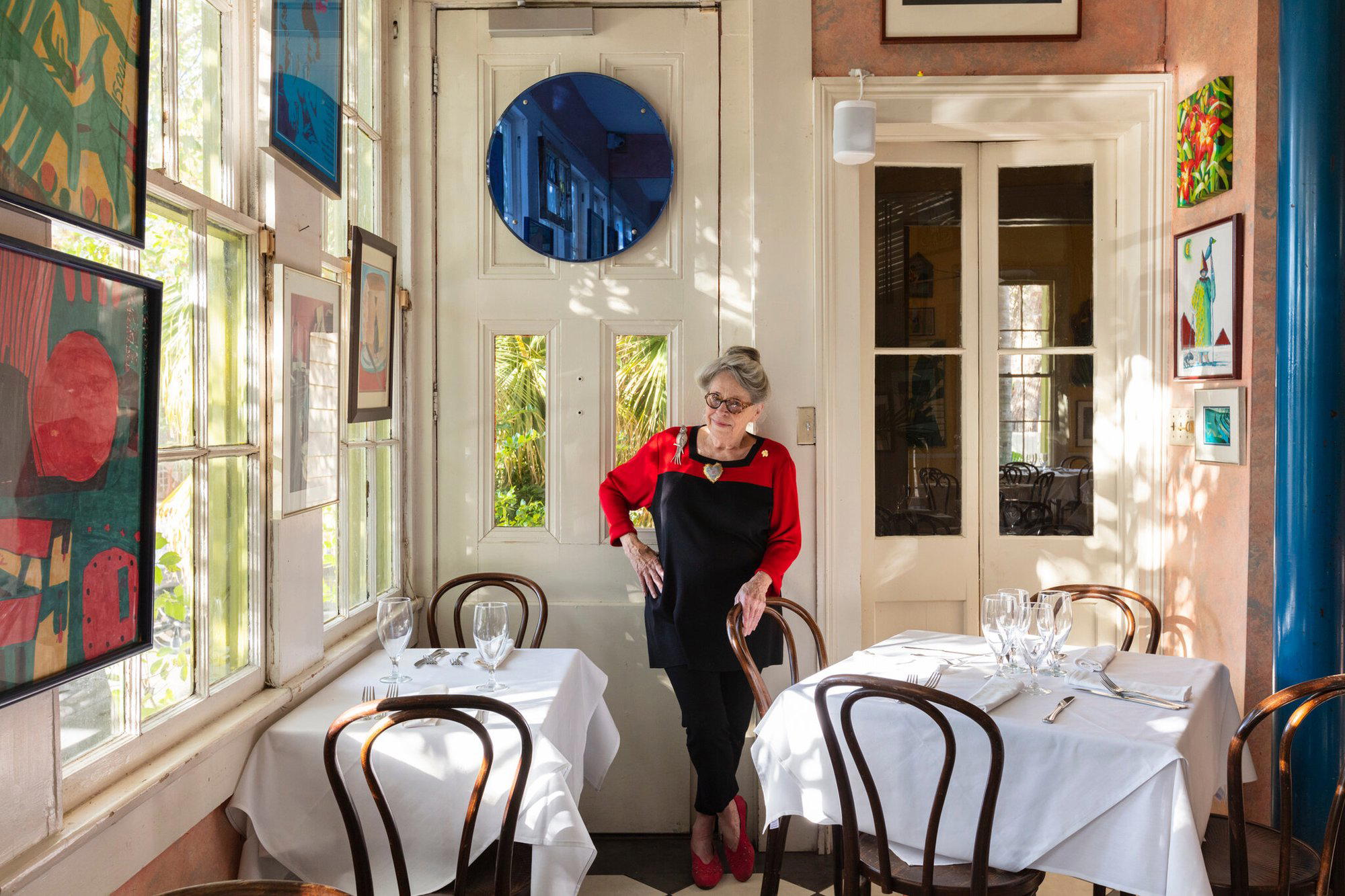
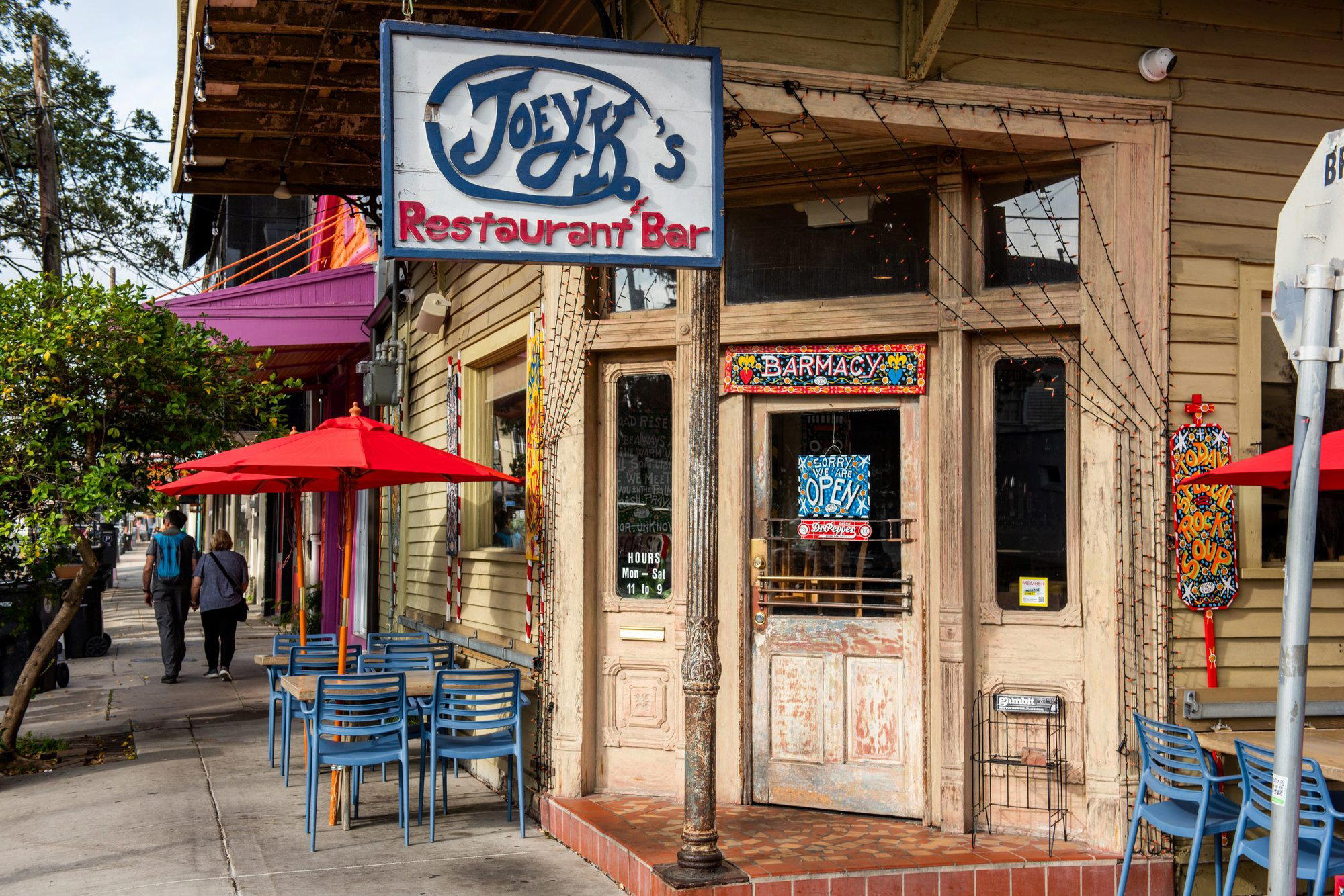
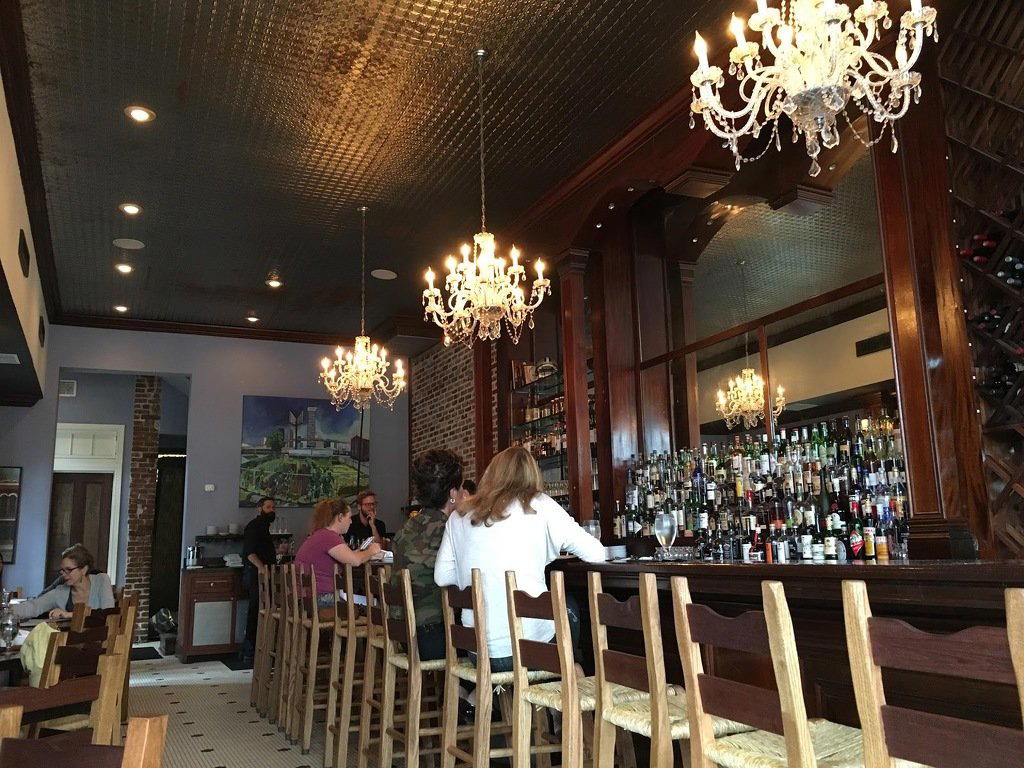
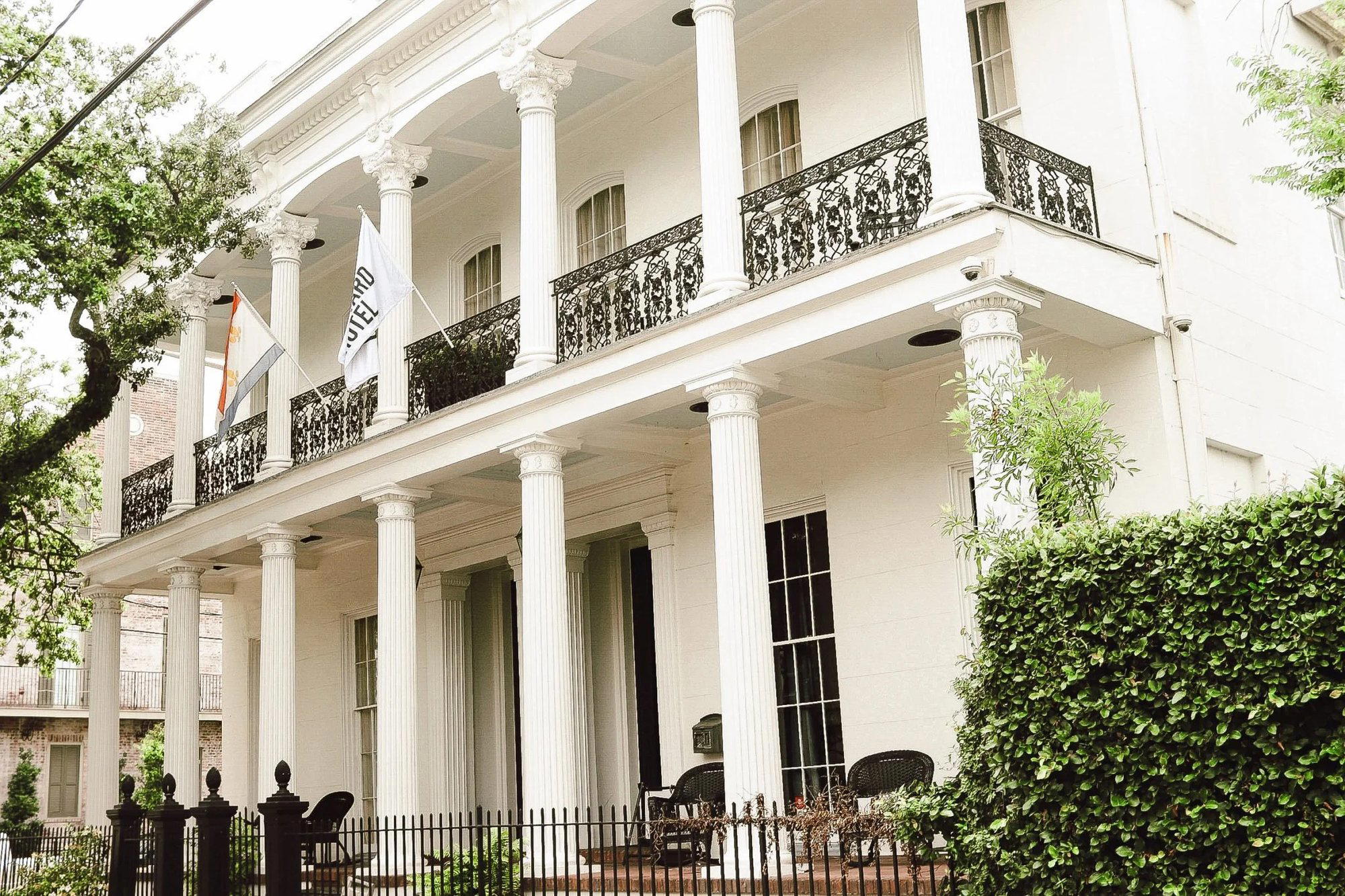
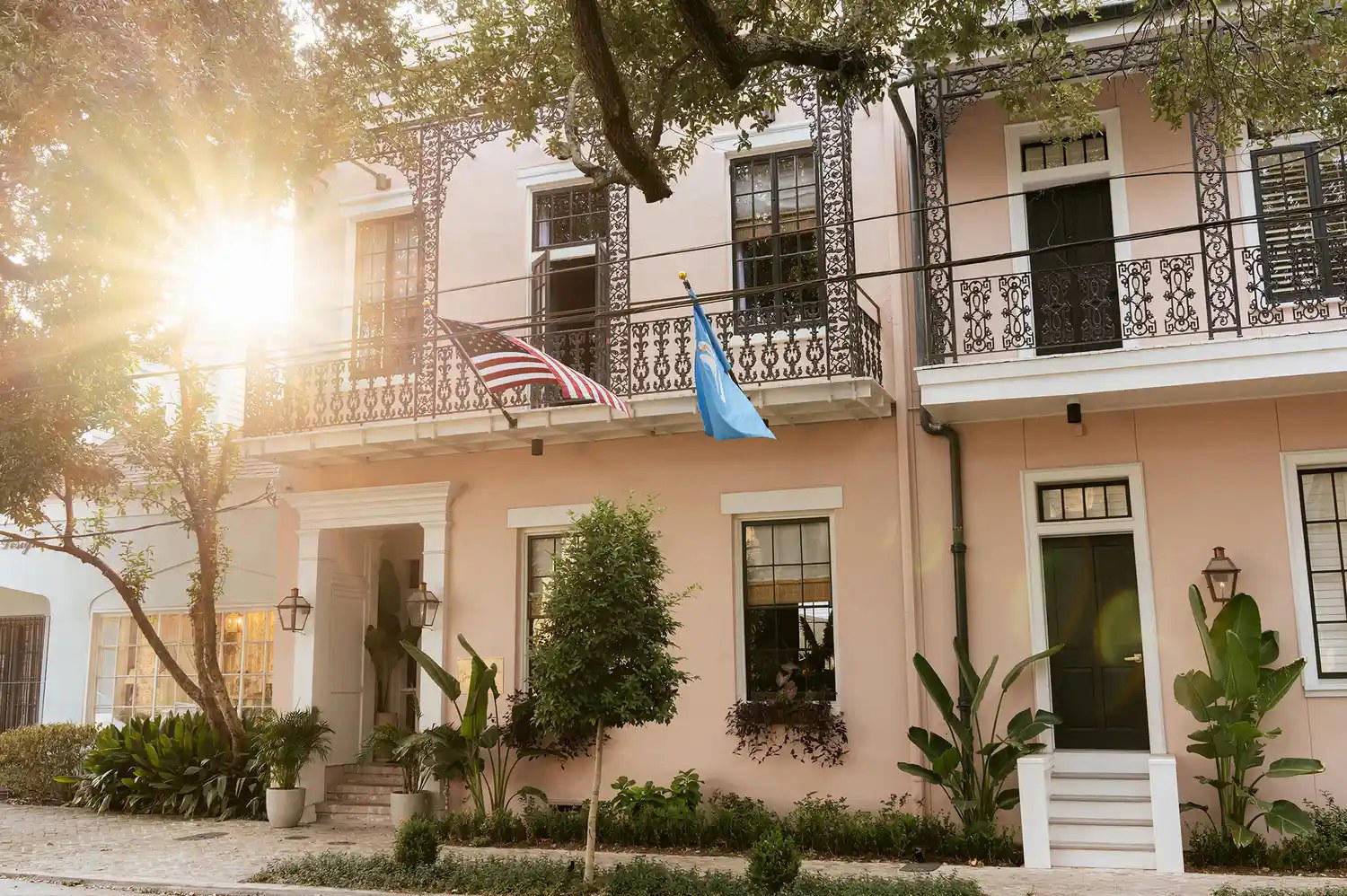
The stretch of Upperline Street that runs through the Garden District and into Uptown belongs to a quieter register of New Orleans life than the French Quarter, and the restaurant that shares the street's name has always operated in that same key. The house sits in the kind of converted Uptown residence that defines neighbourhood dining in this part of the city: multiple small rooms, mismatched art on the walls, the sense that the building existed long before anyone thought to cook professionally inside it. Approaching from Magazine Street, the scale reads domestic rather than institutional, which is precisely the point. New Orleans has always drawn a line between restaurants that perform the city's identity for visitors and those that simply enact it for whoever walks through the door.
Menu Architecture as Local Argument
The structure of the menu at Upperline functions as an editorial position on what Creole cooking is and where it comes from. Rather than organising around seasons or around a chef's current enthusiasms, the menu organises around the canon: gumbo, fried green tomatoes with shrimp remoulade, duck with garlic sauce. These are dishes with documented histories in Louisiana cooking, and placing them in sequence on a single menu is itself a claim about continuity. The kitchen is not working in the modernist register that has reshaped fine dining in cities like Chicago or New York; it is working in a tradition where the recipe's age is part of its authority.
This approach puts Upperline in a specific position within the New Orleans restaurant taxonomy. The city supports at least three distinct dining modes: the grand old-line establishments that serve Creole cuisine with formal service and high price points; the mid-tier neighbourhood restaurants that do similar food with less ceremony; and the newer generation of chef-driven rooms that use Louisiana ingredients as raw material for personal interpretations. Upperline sits in the second category, closer in spirit to a neighbourhood institution than to a destination tasting menu, and closer to tradition than to invention. For a reader building a multi-day itinerary across the city, that positioning matters. It fills a different slot than a cocktail-forward experience at Jewel of the South or the tiki-inflected programme at Beachbum Berry's Latitude 29.
The Creole Tradition and What It Actually Means Here
Creole cooking in New Orleans is a term that gets applied loosely across an enormous range of establishments, from hotel restaurants serving roux-thickened sauces to casual po'boy counters. What separates the more serious expressions of the tradition is the depth of technique embedded in dishes that look simple from the outside. A properly made remoulade, a gumbo with layered stock work, a duck preparation that integrates garlic in the Creole rather than French manner: these are not fast dishes, and they are not dishes that survive shortcuts. Upperline's longevity in the Uptown market is a reasonable indicator that the kitchen takes the technique seriously, since the neighbourhood restaurant category is where shortcuts tend to surface fastest, and local diners notice.
The drink programme at a Creole neighbourhood restaurant in this tier typically runs toward the functional rather than the elaborate: wine lists that support food, classic cocktails executed without theatrical augmentation. New Orleans has developed a genuinely sophisticated cocktail culture at the specialist end, with bars like Cure running technical programmes that compete with anything in cities like San Francisco (see ABV) or Chicago (see Kumiko). Upperline's register is different. The drinks here are in service of the table rather than the main event, which reflects an older and entirely defensible model of how a restaurant should work.
Uptown in the City's Wider Geography
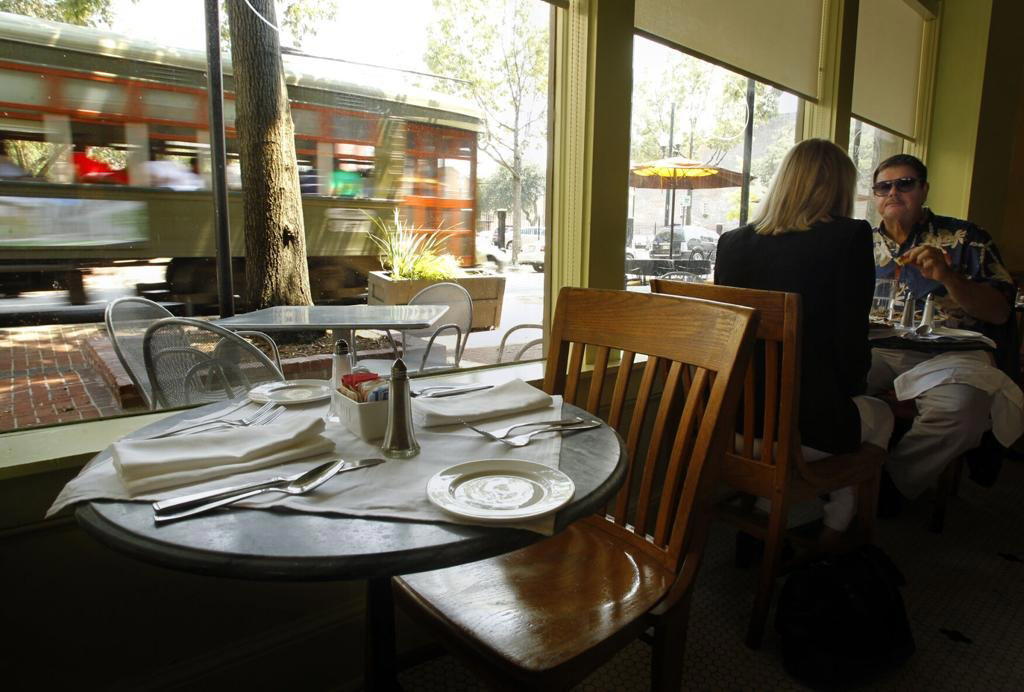
Understanding Upperline means understanding Uptown's place in New Orleans dining geography. The neighbourhood sits west and upriver from the French Quarter, connected by the St. Charles streetcar line, and it has historically been the residential address of choice for the city's professional class. The restaurants that have thrived here over multiple decades tend to be the ones that read as extensions of domestic life rather than interruptions to it: places where regulars know the staff, where the room fills with neighbourhood conversation rather than tourist orientation, and where the menu changes slowly if at all.
That model of neighbourhood restaurant is not unique to New Orleans, but it takes a particular form here because of the city's relationship to its own culinary history. New Orleans is one of the few American cities where the old guard of local cuisine has enough cultural prestige to anchor long-term businesses without constant reinvention. The tension between preservation and evolution that drives dining culture in cities like Washington D.C. (see Allegory), New York (see Superbueno), or Houston (see Julep) plays out differently here, where preservation itself carries cultural weight.
For visitors who spend time in the French Quarter or the Marigny and then cross into Uptown, the shift in atmosphere is immediate and instructive. The drinking and dining culture that produced venues like 2 Phat Vegans and the broader creative energy documented in our full New Orleans restaurants guide exists alongside a parallel track of neighbourhood restaurants where the point is continuity rather than novelty. Upperline belongs to the latter track and has done so across a span of decades that represents genuine durability in a city that has not been kind to restaurants, particularly after 2005.
Planning a Visit
Upperline sits at 1413 Upperline Street in the Garden District-to-Uptown corridor, accessible from the St. Charles Avenue streetcar, which places it on one of the most useful transit lines in the city for visitors moving between the Quarter and Uptown. The restaurant's format is dinner-oriented, in keeping with the neighbourhood restaurant tradition of the area, and the room divides across several intimate spaces rather than a single large dining room. Reservations are the practical approach for weekend evenings, when Uptown dining compresses into a narrower window than the French Quarter's more elastic schedule. The price positioning, consistent with the mid-tier neighbourhood restaurant category, makes it accessible for multiple visits across a longer stay, rather than a single high-stakes meal.
For readers building a week-long itinerary that reaches beyond Louisiana entirely, the Upperline model of place-specific, tradition-anchored dining has parallels at venues like Bar Leather Apron in Honolulu or The Parlour in Frankfurt on the Main, where the local idiom is treated as a serious subject rather than a backdrop. The common thread is restaurants and bars that earn their longevity by doing a specific thing well rather than by reinventing their offer each season.
Credentials Lens
A quick snapshot of similar venues for side-by-side context.
| Venue | Cuisine | Price | Awards |
|---|---|---|---|
| UpperlineThis venue — the venue you are viewing | Not listed | Not listed | Not listed |
| Jewel of the South | New American | Not listed | World's 50 Best #6 · James Beard Award Outstanding Bar #1 |
| Beachbum Berry's Latitude 29 | Not listed | $30–50 | World's 50 Best #80 · Top 500 Bars Best Bars #244 |
| Cure | Not listed | $30–50 | World's 50 Best #21 · James Beard Award Outstanding Bar Program |
| Cane & Table | Not listed | $30–50 | Top 500 Bars Best Bars #288 |
| The Carousel Bar | Not listed | $30–50 | Food & Wine Top 10 US Hotel Bars #3 · Top 500 Bars Best Bars #280 |
Continue exploring
More in New Orleans
Bars in New Orleans
Browse all →
Restaurants in New Orleans
Browse all →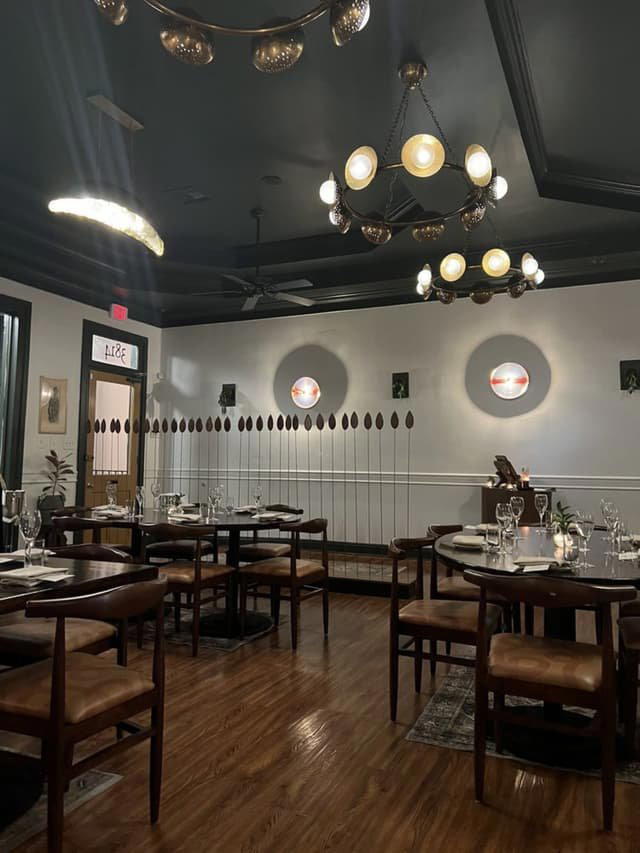
Details
- Elegant
- Classic
- Intimate
- Sophisticated
- Special Occasion
- Historic Building
- Classic Cocktails
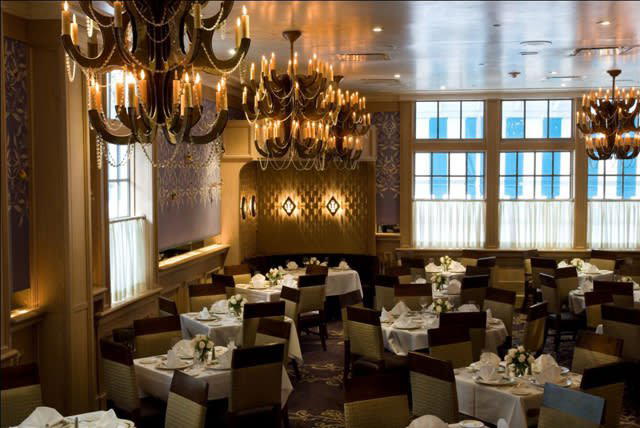
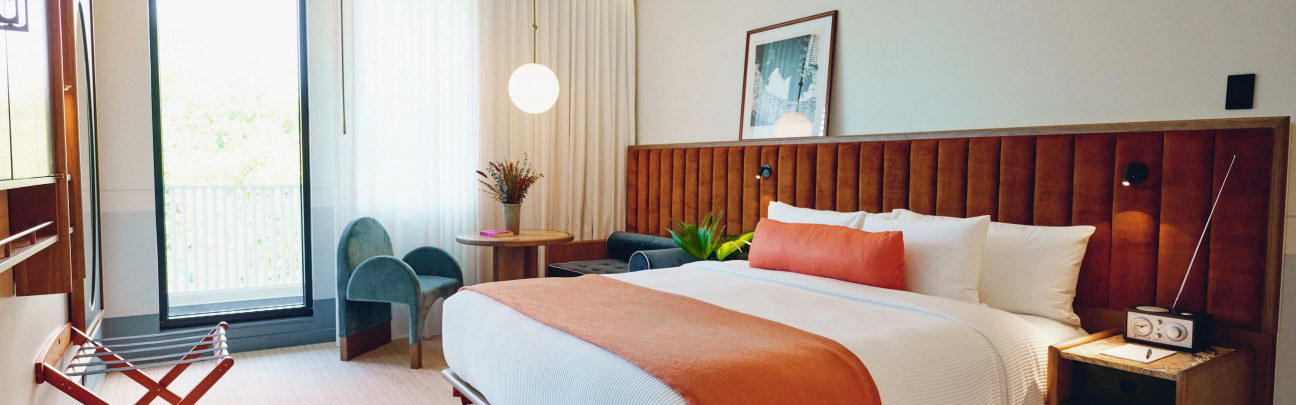
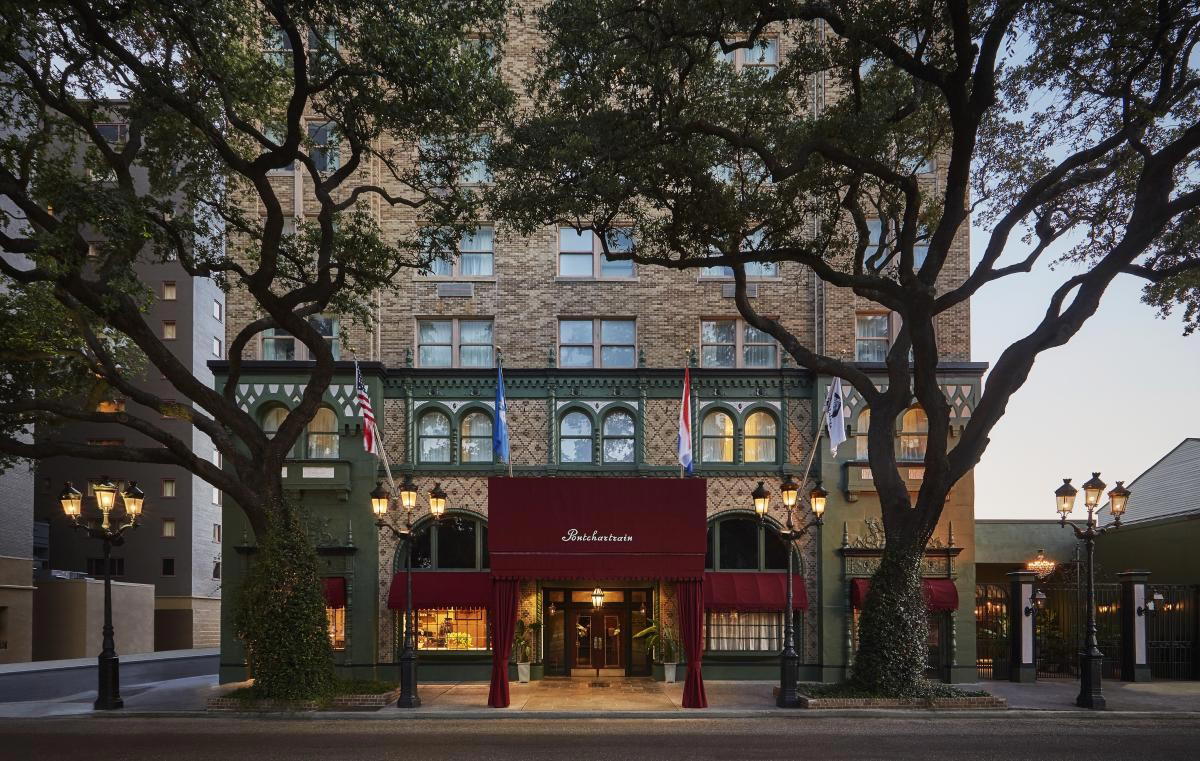
Warm and hospitable atmosphere filled with art, flowers, and personal engagement by the owner, creating an elegant salon-like dining experience.