Tokyo Bird on Commonwealth Street brings yakitori counter culture to the heart of Surry Hills, threading charcoal-smoke technique with Australian produce sourcing. The format sits in a growing tier of Sydney venues that treat Japanese grill tradition as a serious discipline rather than a casual after-thought. It is the kind of address that rewards those who pay attention to what is on the skewer and where it came from.

Pearl is the En Primeur Club membership app, where members save venues, book tables and use the concierge.
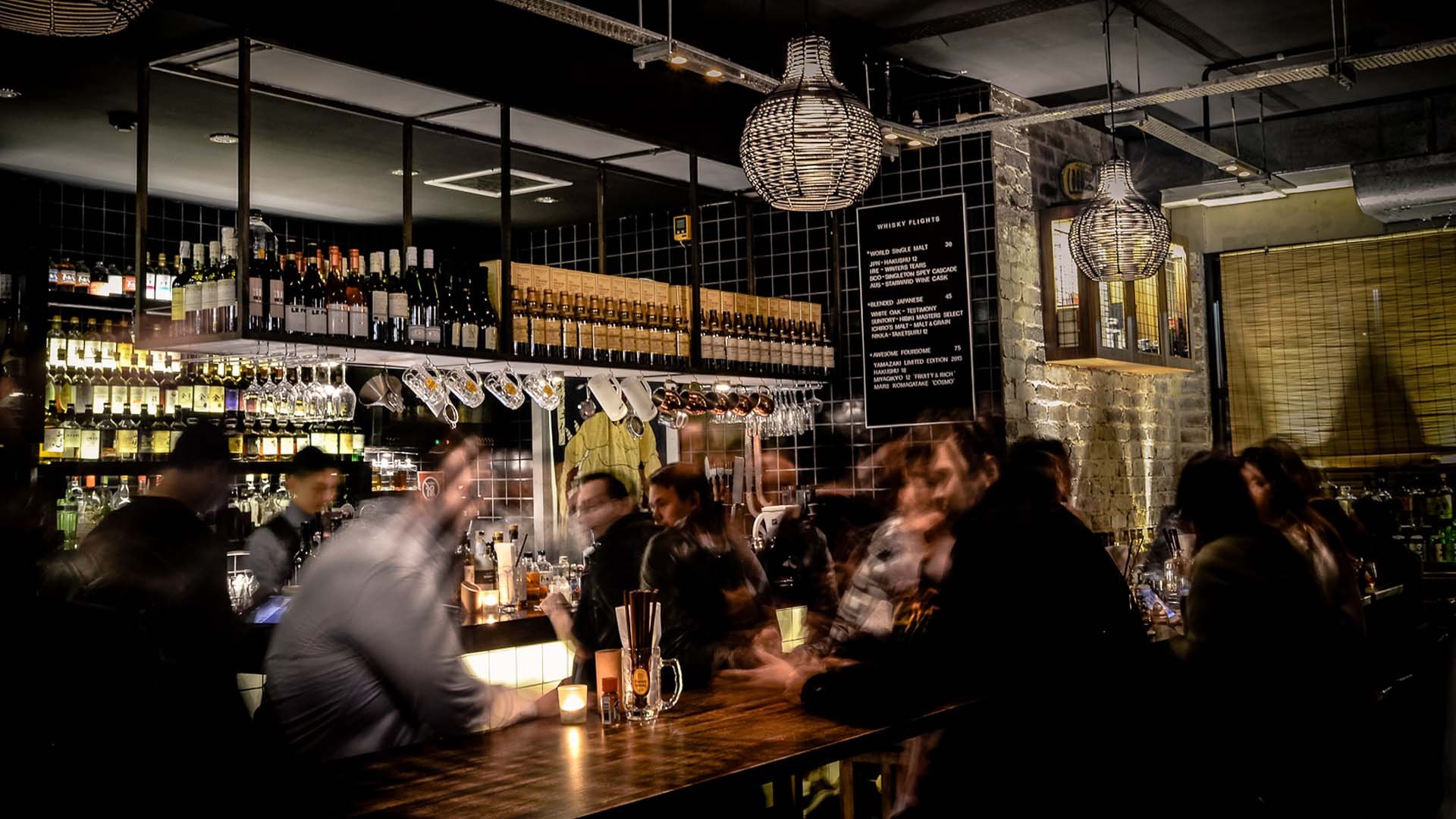
Charcoal, Commonwealth Street, and the Logic of the Skewer
Commonwealth Street in Surry Hills runs through one of Sydney's most densely argued dining corridors. Within a few blocks you have Vietnamese street-food formats, Levantine wine bars, and New South Wales produce-driven kitchens, each staking a different claim on how this city eats now. Tokyo Bird sits at 226 Commonwealth Street inside that conversation, not outside it. The approach from the street signals the register immediately: the venue trades in the compact, deliberate grammar of a Tokyo yakitori-ya, where the charcoal grill does the editorial work and the skewer is the unit of composition.
Yakitori as a format has earned serious treatment in Australia's better Japanese restaurants over the past decade. Where the category once meant perfunctory chicken thigh at izakaya chains, a smaller cohort of kitchens has pressed into the sourcing and technique logic that makes Tokyo's grill counters worth travelling for. That shift is evident in the way ingredient provenance has moved from background footnote to front-of-house talking point, a pattern visible across Surry Hills specifically, where venues like NOMAD Sydney have long insisted on traceability as an editorial stance rather than a marketing layer.
What the Grill Reveals About the Sourcing
The editorial angle that makes Tokyo Bird worth examining is not the grill itself but what the grill exposes about the ingredient beneath it. Yakitori technique is, in structural terms, a transparency test. A skewer over binchotan charcoal offers nowhere to hide: fat rendering, texture, and the animal's feed and rearing all read directly on the palate. Kitchens that take this format seriously have to take sourcing seriously first, because the cooking amplifies rather than masks what the producer has done.
Australian yakitori venues operating at this register tend to draw from a specific tier of regional producers: free-range poultry operations in New South Wales and Victoria, small-scale farms supplying heritage breeds, and growers whose seasonal yield maps onto a menu that changes with availability rather than against it. This is a different procurement logic from a standard a la carte kitchen, where protein arrives in standardised cuts and size-graded portions. The skewer format demands whole-bird thinking, using offal cuts, skin, cartilage, and secondary muscle groups that a conventional restaurant menu would edit out. Nose-to-tail reasoning, in other words, is structurally built into yakitori rather than imposed on top of it.
Surry Hills has become a natural home for this kind of kitchen because the neighbourhood has developed a concentration of producers, suppliers, and wholesale relationships that support ambitious sourcing. The area's proximity to the Sydney Markets at Flemington, combined with a cluster of specialty importers handling Japanese pantry staples, means that a venue drawing on both Australian primary produce and Japanese condiment tradition can build a coherent supply chain without the compromises that would face the same kitchen in a more isolated suburb.
How Tokyo Bird Sits in the Surry Hills Scene
Surry Hills dining in 2024 operates across several distinct tiers. At one end, high-volume casual formats serve the after-work and weekend crowd. At the other, a smaller set of venues runs tighter, more considered programs where covers are limited and the kitchen's precision is the main event. Tokyo Bird's format, a grill-centred menu built around the skewer as the primary unit, places it closer to the second tier by structure alone. The counter seating model common to serious yakitori venues creates a different diner-kitchen relationship than table service: you are watching the process, not just receiving the outcome.
For comparison within the neighbourhood, Madame Nhu Surry Hills and El Loco at Excelsior each occupy distinct genre positions: Vietnamese and Mexican-inflected respectively, both operating with the kind of neighbourhood authority that comes from sustained local relevance. Forrester's holds a different place again, as a pub-anchored institution in the area. Tokyo Bird's reference points are different, drawn from a Japanese grill tradition rather than from the suburban Australian pub or the Southeast Asian street-food format. That distinction matters when deciding which venue fits which appetite and occasion.
Across Sydney more broadly, the venues pressing hardest on Japanese grill technique tend to operate with strong sake and Japanese whisky programs alongside the food, because the pairing logic between charcoal-grilled protein and unfiltered sake or grain-forward highballs is well-established in the source culture. Whether Tokyo Bird runs that depth of beverage program is worth confirming directly, but the format predicts it. Visitors who engage with the drink pairing as seriously as the food will get the fuller picture of what this kind of kitchen is doing.
For those building a longer evening in the neighbourhood, the surrounding blocks of Surry Hills and the broader inner-city circuit offer natural extensions. Cantina OK! in Sydney runs a mezcal-forward program that sits at a different register, while Fratelli Paradiso in Potts Point draws a different crowd for Italian-leaning hospitality a short ride east. Further afield, 1806 in Melbourne represents the kind of sustained cocktail credentialism that serious bar programs in Australia benchmark against, and Bar Leather Apron in Honolulu shows how the Japanese technique influence plays out in Pacific markets outside Australia. Closer to home, Bowery Bar in Brisbane and La Cache à Vín in Spring Hill offer reference points for how other Australian cities are building their own considered drinking and eating programs. Blu Bar on 36 in The Rocks handles a completely different register, the panoramic hotel bar, which is useful context for understanding how fragmented Sydney's premium hospitality offer actually is.
Our full Surry Hills restaurants guide maps the neighbourhood's full range if you are building a multi-stop itinerary.
Planning Your Visit
Tokyo Bird is at 226 Commonwealth Street, Surry Hills, accessible by foot from Central Station or by bus along Elizabeth Street. Given the format and the neighbourhood's general demand profile, booking ahead is the sensible move rather than relying on walk-in availability, particularly on Thursday through Saturday evenings when the inner-city dining circuit runs at full pressure. Confirming hours and reservation policy directly through the venue's current channels before visiting is advisable, as operational details can shift. The skewer format lends itself to a medium-length dinner: this is not a quick thirty-minute meal, but nor does it require a three-hour commitment. Allow ninety minutes to two hours to work through a considered selection and engage with the drink pairing properly.
Quick Comparison
Comparable venues nearby, for context on price, style, and recognition.
| Venue | Cuisine | Price | Notes |
|---|---|---|---|
| Tokyo BirdThis venue (the venue you are viewing) | cocktail_bar | $20–30 | Not listed |
| Forrester's | pub | $30–50 | Surry Hills |
| NOMAD Sydney | cocktail_bar | Not listed | Surry Hills |
| Madame Nhu Surry Hills | cocktail_bar | $20–30 | Surry Hills |
| Poly | wine_bar | Not listed | Surry Hills |
| The Rover | cocktail_bar | $50–100 | Surry Hills |
Continue exploring
More in Sydney
Bars in Sydney
All bars in Sydney →
Restaurants in Sydney
All restaurants in Sydney →
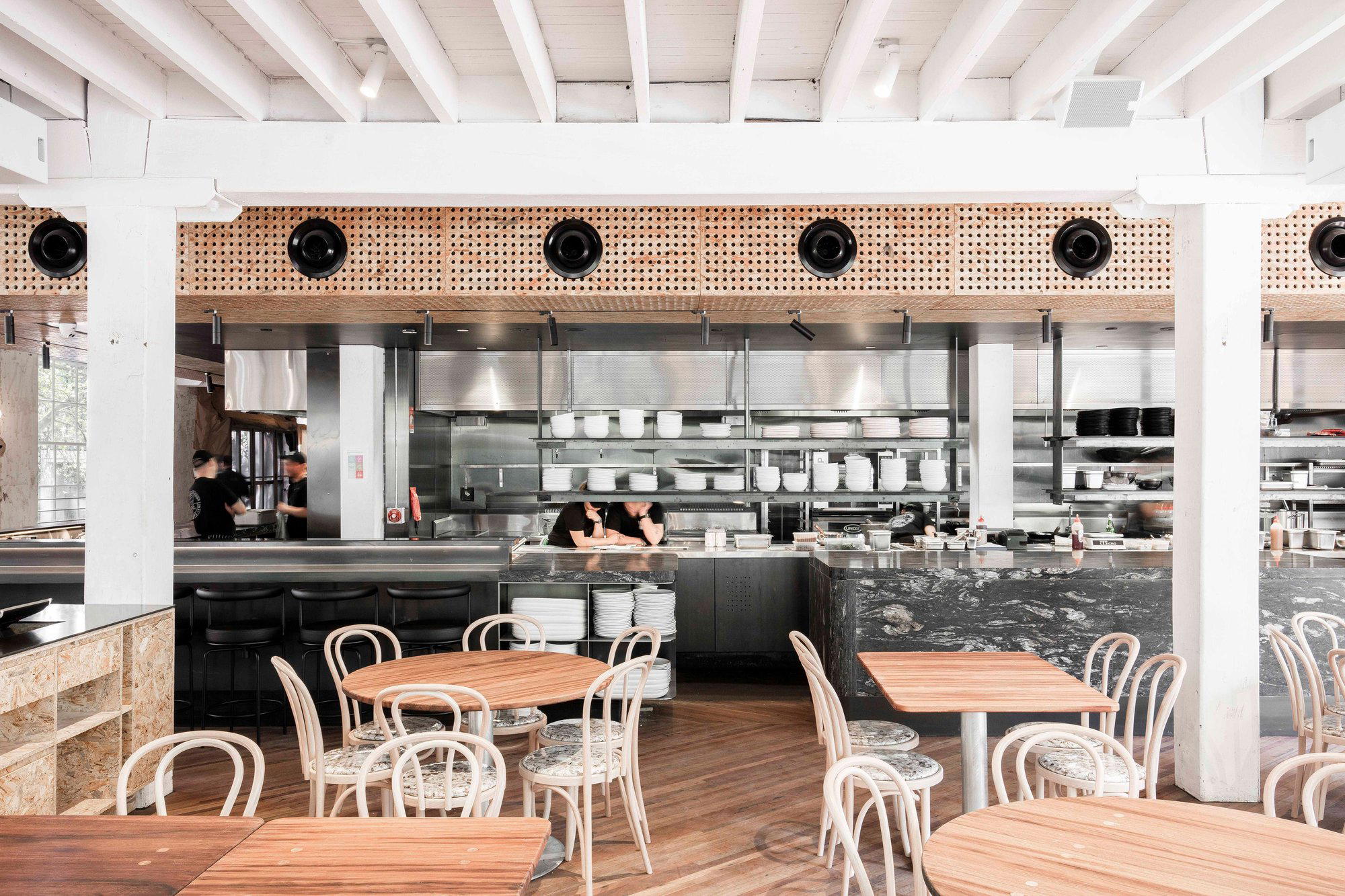
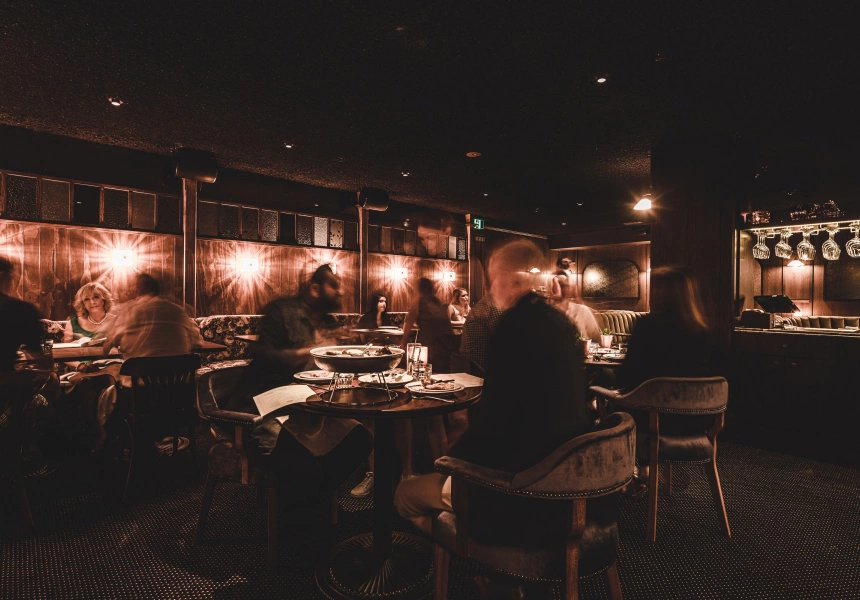
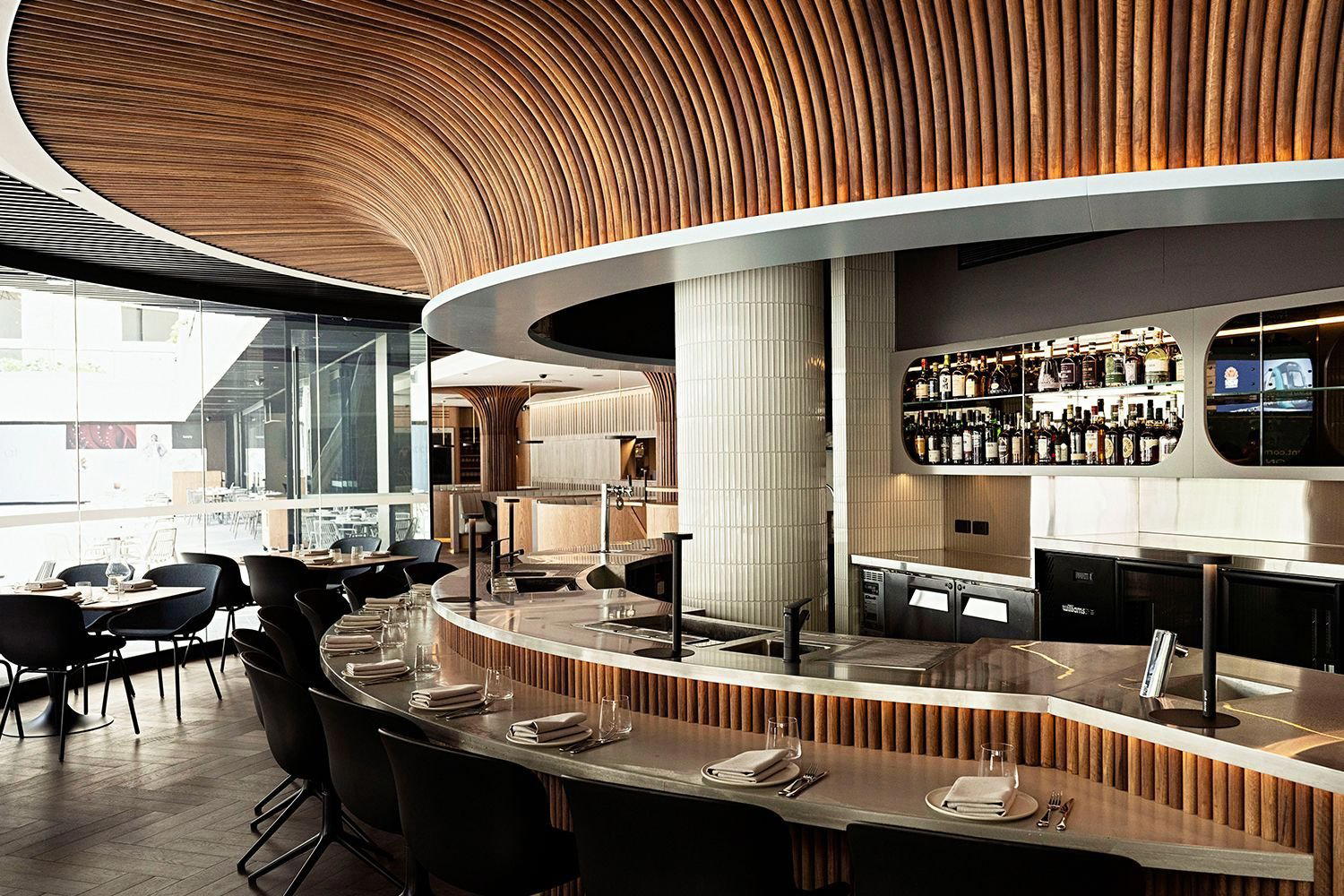
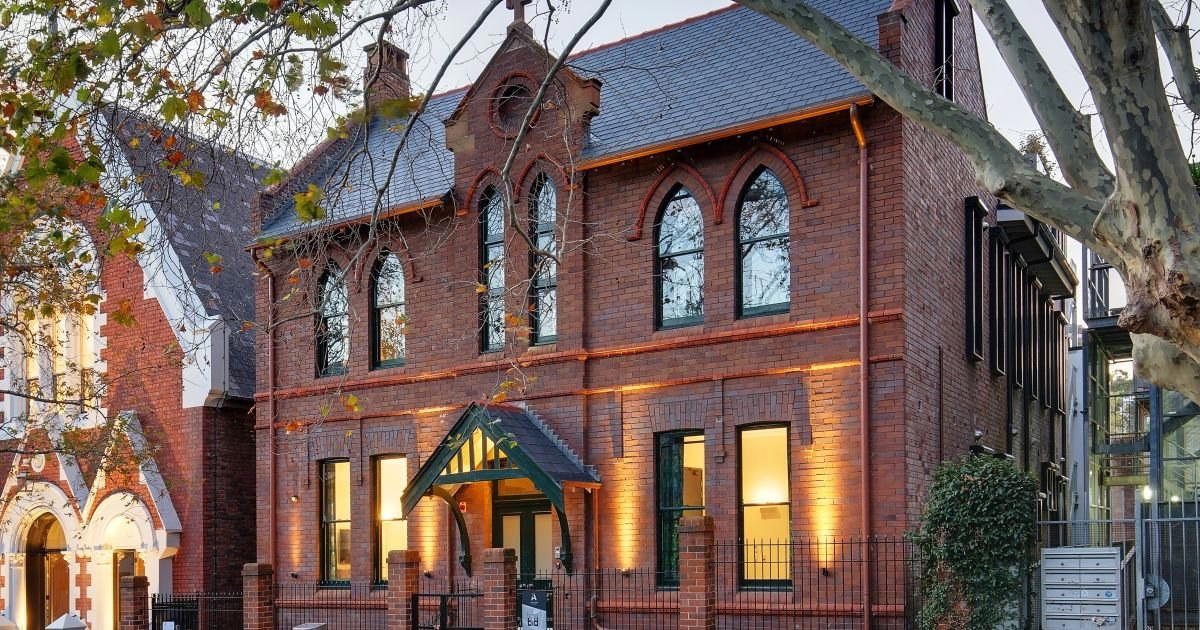
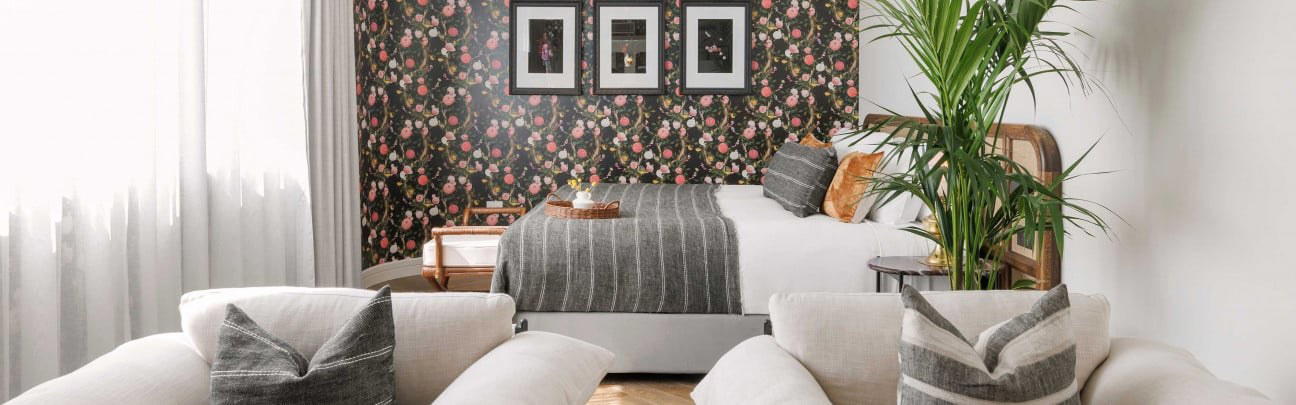
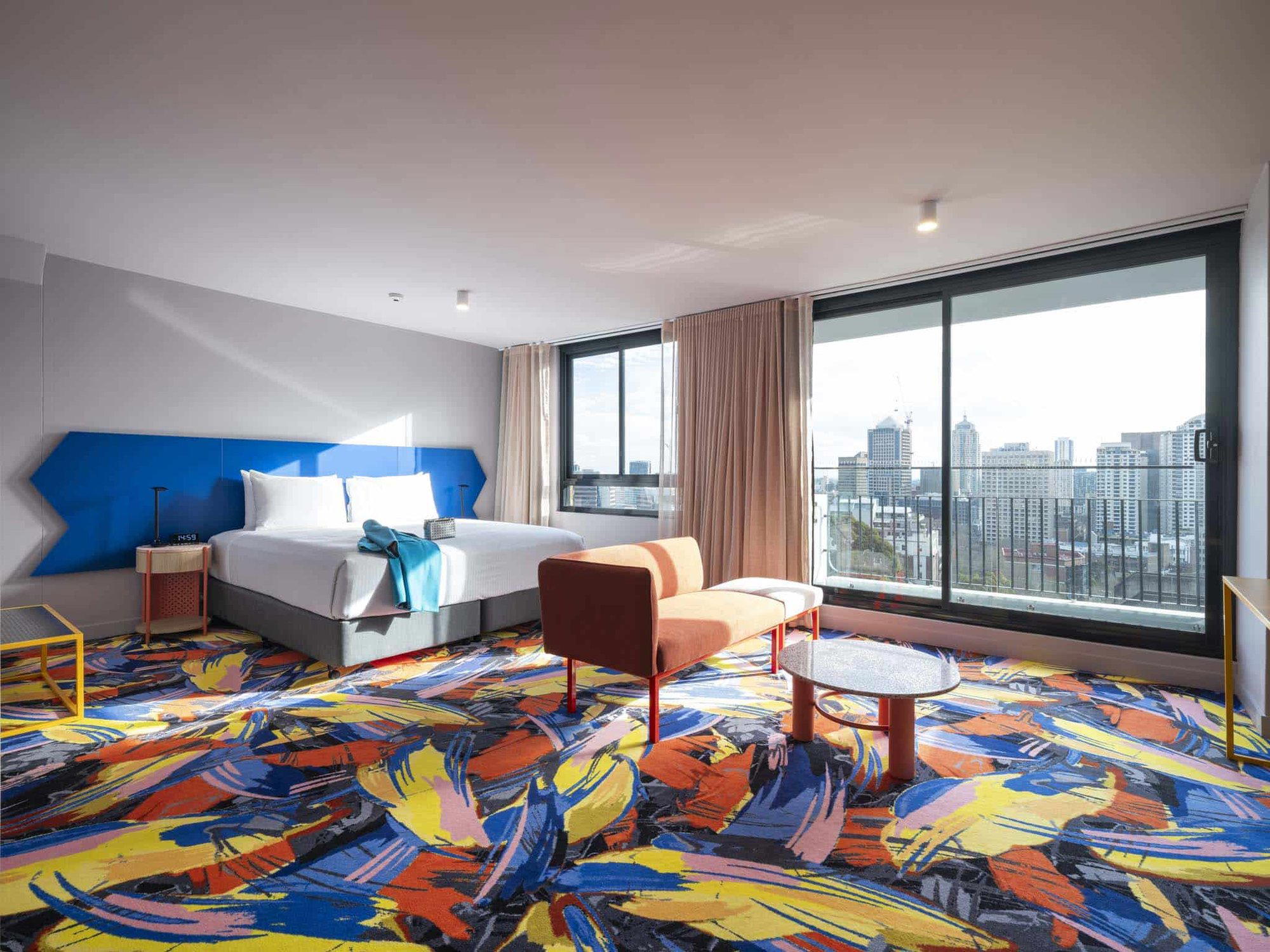
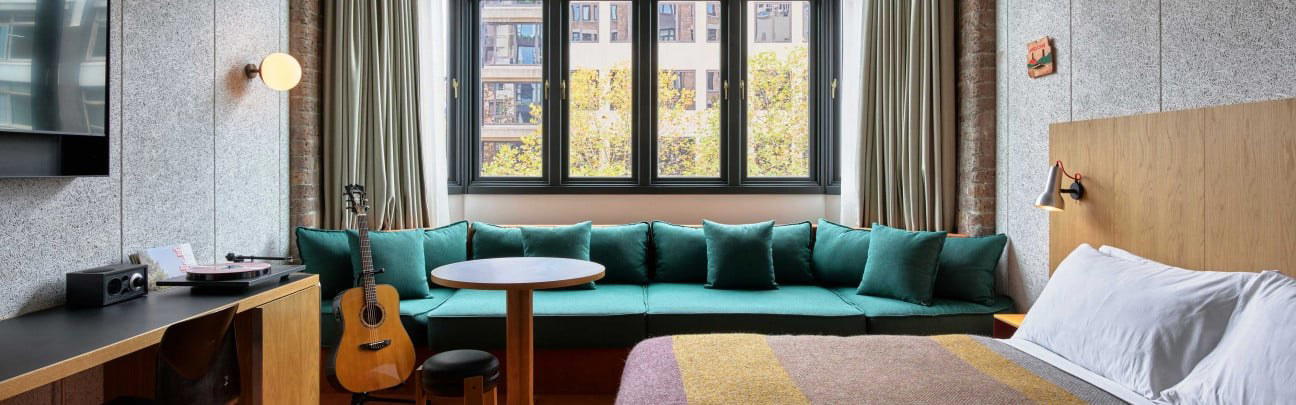
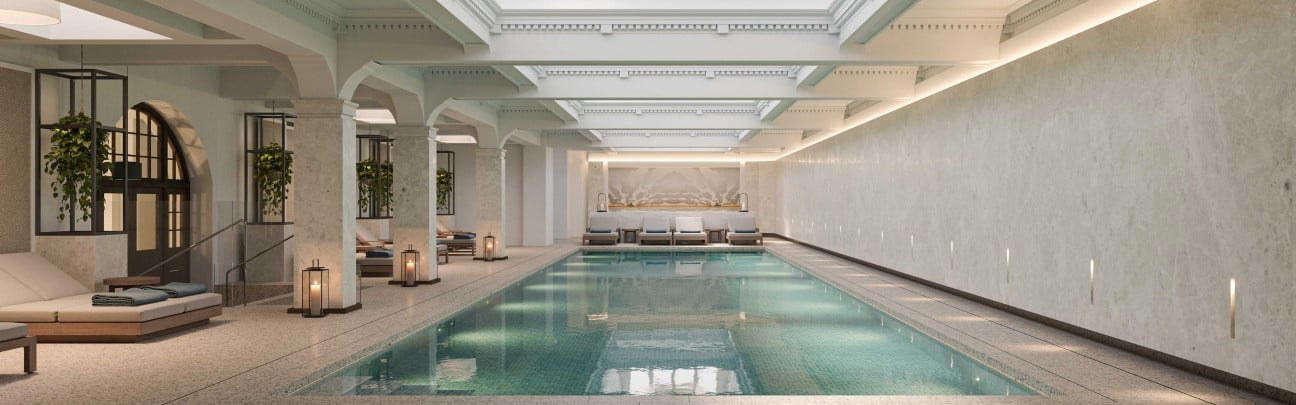
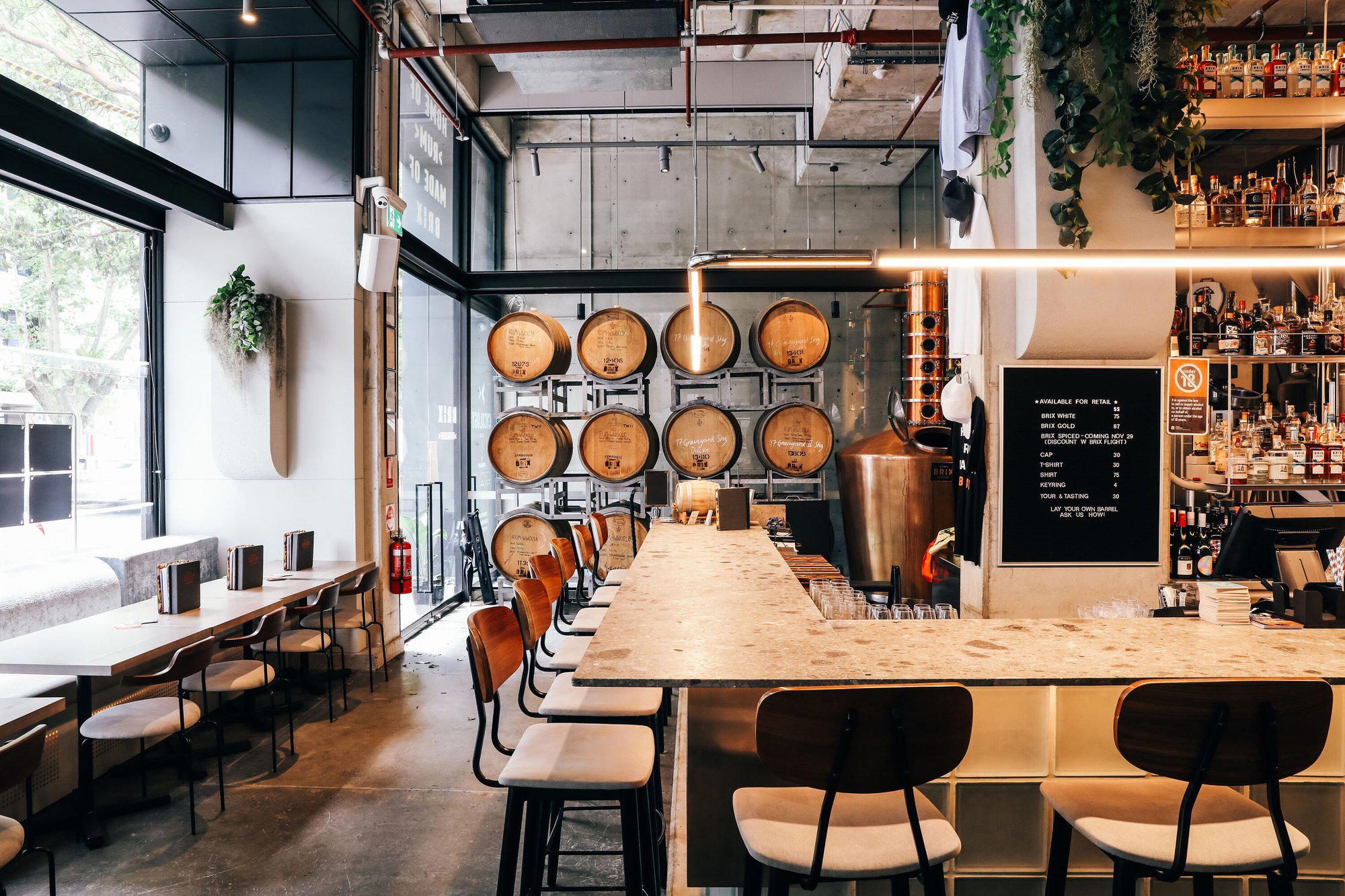
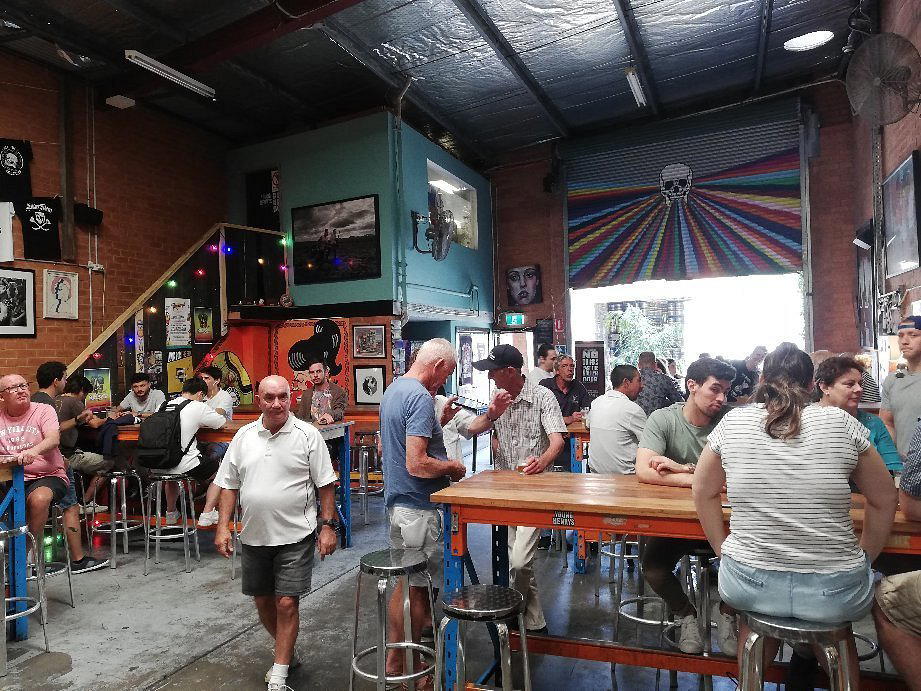

Tokyo Bird
The drinks
- Craft cocktails
Signature drinks: Yuzu Spritz, Kobashi, Higashi.
Details
- Intimate
- Cozy
- Trendy
- Date Night
- After Work
- Casual Hangout
- Booth Seating
- Seated Bar
- Craft Cocktails
- Whiskey
- Sake
Current opening hours
- Monday
- 4–11 PM
- Tuesday
- 4–11 PM
- Wednesday
- 4–11 PM
- Thursday
- 4–11:30 PM
- Friday
- 4 PM–12 AM
- Saturday
- 4 PM–12 AM
- Sunday
- Closed
Hours can change for holidays and private events. Hours as of .
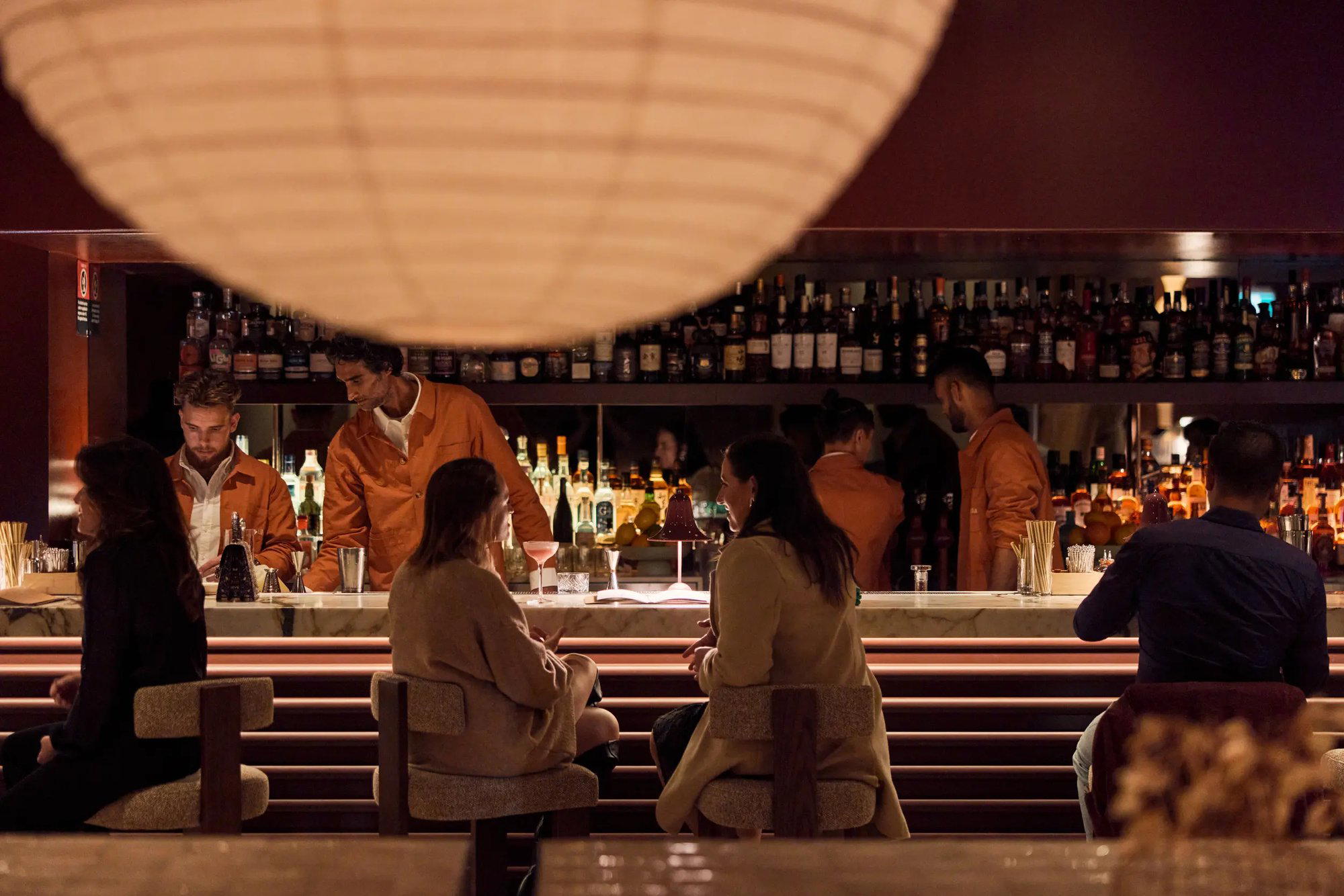
Intimate and cozy with low lighting, moody atmosphere, and chill vibe.