TIME AGAIN
A Canal Street address that anchors itself in Lower Manhattan's increasingly serious spirits culture, TIME AGAIN at 105 Canal St operates where Chinatown's commercial edge meets the neighbourhood's quieter, collector-minded bar scene. The back bar orientation places rare and considered pours at the centre of the offer, positioning it within a growing tier of New York bars that treat curation as the primary discipline.
Pearl is the En Primeur Club membership app — saves, bookings, and concierge access live there. Same editors, same standards.
- Address
- 105 Canal St, New York, NY 10002
- Website
- instagram.com
- Directions
- Get directions
 Saves & bookings on Pearl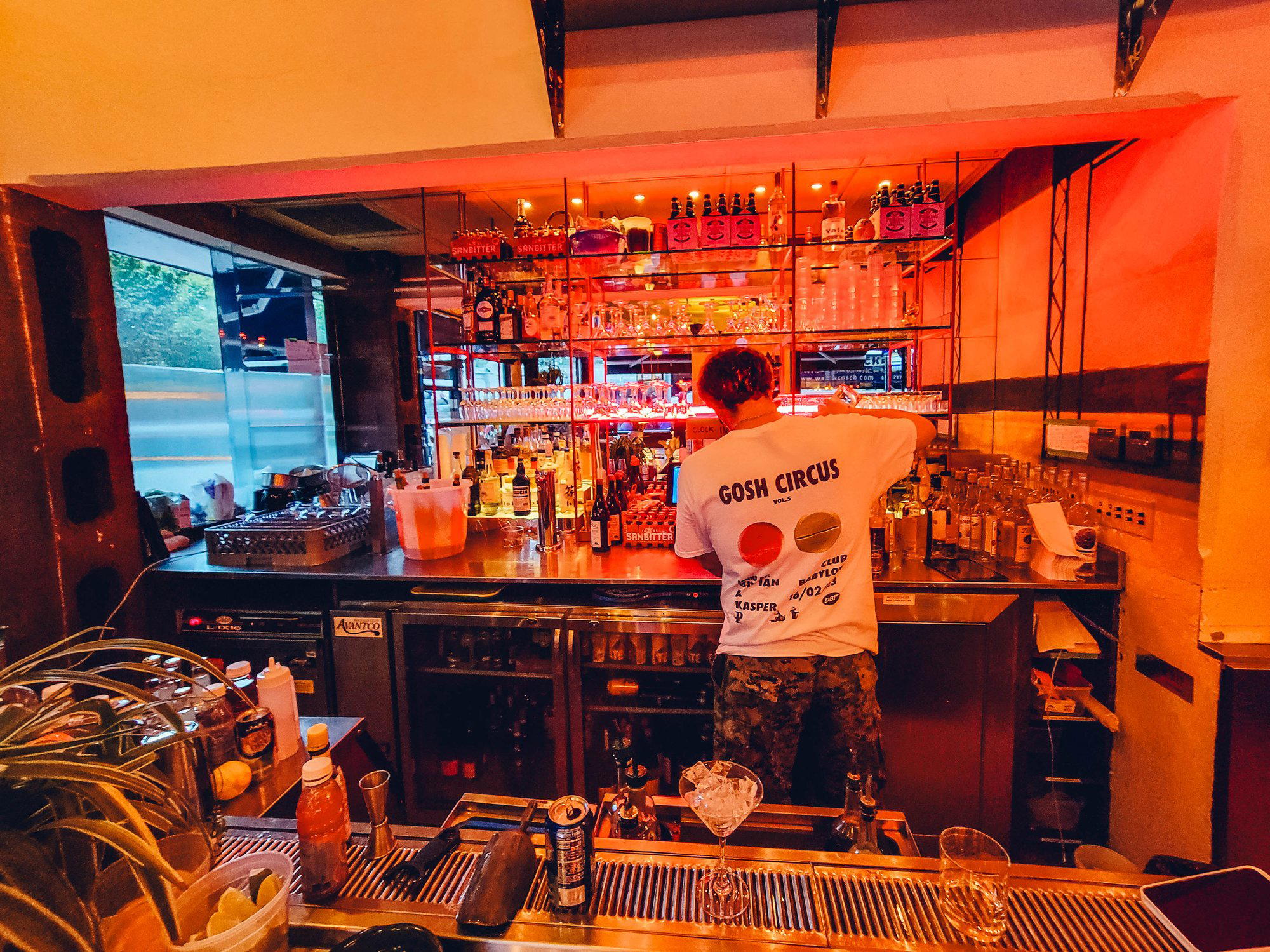
Canal Street does not typically announce its intentions quietly. The thoroughfare that divides Chinatown from Tribeca is one of the city's great commercial corridors, dense with wholesale goods, foot traffic, and competing signals. It is not, on first reading, spirits-bar territory. That tension between address and ambition is exactly the kind of friction that tends to produce interesting drinking in New York City, where the most considered back bars have always had a habit of appearing where real estate logic would not suggest them.
The Back Bar as Editorial Statement
New York's cocktail culture has passed through several distinct phases in the last two decades. The speakeasy era rewarded theatrics and concealment; the craft movement that followed it rewarded technique and provenance; the current moment rewards curation. The bars that earn sustained attention now are those with a coherent collecting logic behind the bottle selection, places where the back bar reads as an argument about what is worth drinking rather than a grab at breadth. TIME AGAIN, at 105 Canal St, sits inside that current, its Canal Street address in Lower Manhattan placing it in a neighbourhood that has quietly accumulated a number of operations with serious spirits credentials.
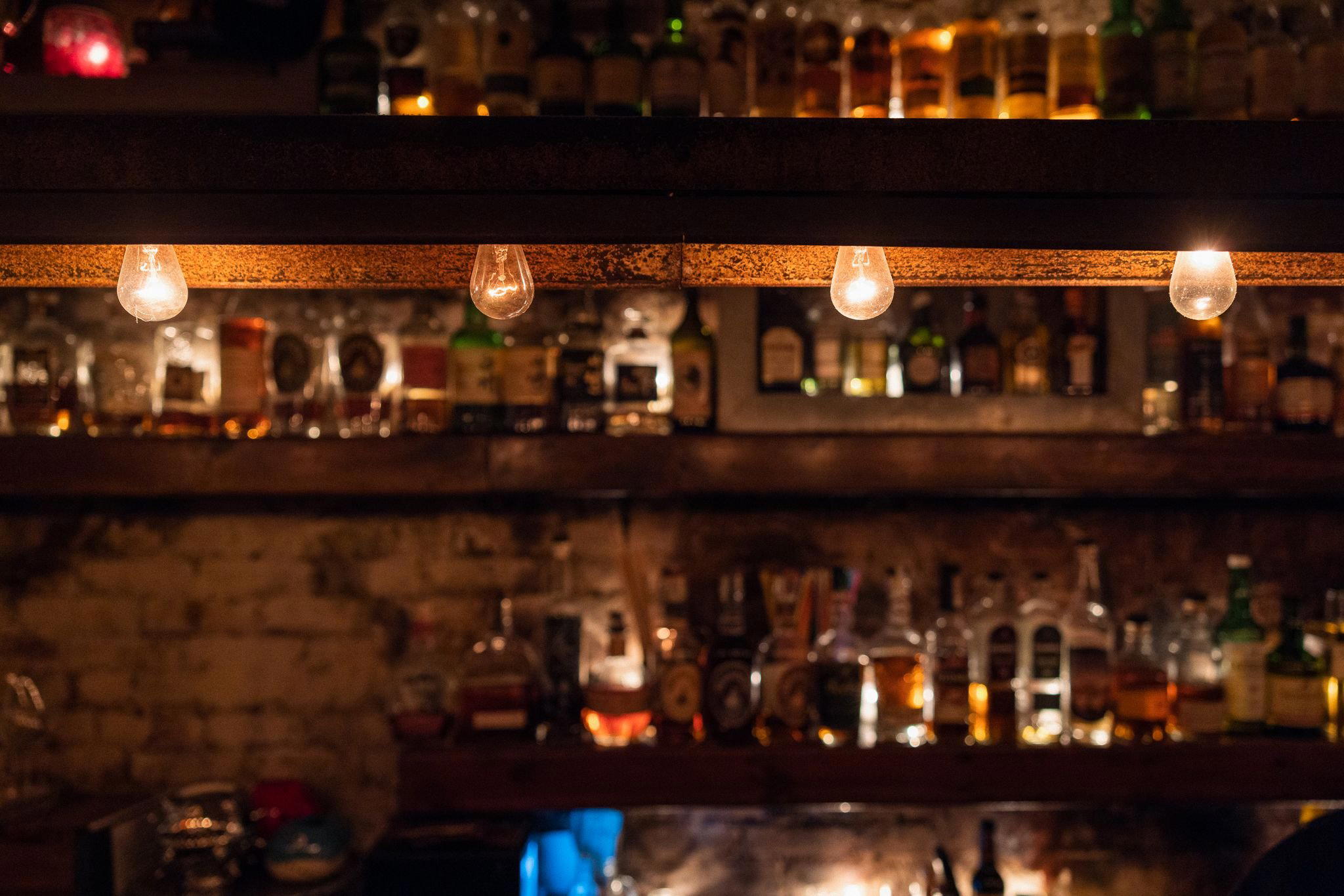
The editorial angle that matters most when thinking about this kind of venue is not the cocktail list but the back bar itself: what is there, how it arrived, and what it implies about the people running the programme. A well-curated spirits collection in 2024 requires specific knowledge, supplier relationships, and enough lead time to acquire bottles that do not move through standard distribution. Rare bourbon, limited Japanese whisky allocations, vintage Cognac, agricole rum from small Caribbean producers: these categories have developed genuine secondary markets and allocation cultures, and a bar that stocks them credibly has done real sourcing work. That sourcing discipline is the primary signal worth examining at any venue positioning itself in this tier.
Lower Manhattan's Spirits Geography
To understand where TIME AGAIN sits in the city's drinking geography, it helps to map the broader Lower Manhattan and adjacent neighbourhood context. The area below Houston has developed a bar culture that differs noticeably from the more densely programmed blocks of the West Village or the East Village's cocktail corridor. Venues here tend to have more space, less foot-traffic dependency, and a clientele that arrives with more deliberate intent. That self-selection produces a different atmosphere than the high-turnover cocktail bars further uptown.
More recently, Attaboy NYC on Eldridge Street has demonstrated that a no-menu, guest-led format can sustain a high-credibility reputation when the team behind the bar has genuine depth. Superbueno operates in a different register, its Latin spirits focus providing a useful contrast: depth in a specific category rather than breadth across all.
What these comparisons illustrate is that the most respected bars in New York's current moment have a defined argument: they are not trying to do everything but to do one thing with enough rigour that the argument holds under scrutiny. A venue on Canal Street entering this conversation in 2024 would need its own version of that argument, whether through a specific regional spirits focus, a collecting philosophy around age or provenance, or a format that structures the guest experience around the logic of the back bar rather than around a set cocktail menu.
How This Tier Travels
One useful lens for understanding the spirits-collection bar as a format is to look at how it manifests in other American cities. Kumiko in Chicago built its reputation partly on Japanese whisky depth and a bar programme rooted in precise dilution technique. ABV in San Francisco demonstrated that a full-service spirits bar with genuine bottle depth could hold its own in a city more typically associated with wine culture. Jewel of the South in New Orleans brought a historically informed spirits approach to a city with its own deep cocktail inheritance. Julep in Houston made whiskey provenance central to its identity in a market where the spirit's regional associations carry real weight. Bar Leather Apron in Honolulu showed that the format travels even to markets without a conventional cocktail bar infrastructure.
Internationally, Allegory in Washington, D.C. has anchored itself in a hotel context while maintaining a serious spirits brief, and The Parlour in Frankfurt on the Main demonstrates that the collector-bar model has developed genuine international coherence. The common thread across all of these is that the bottle selection functions as a point of view, not a catalogue.
What the Canal Street Address Signals
A 105 Canal Street address places TIME AGAIN at the edge of Chinatown, a neighbourhood with its own internal logic that does not bend easily to hospitality trends. The street-level commercial culture here is wholesale and functional, which means any bar operating in this zone is drawing on something other than ambient foot traffic. That is, in practice, a reasonable filter: the people who arrive will have arrived on purpose. In a city where the most oversubscribed bars spend considerable energy managing demand from visitors who found them through a travel list, a Canal Street address provides a degree of natural self-selection that operators in more obvious bar neighbourhoods would have to engineer deliberately.
For a fuller picture of New York City's drinking and dining context, EP Club's New York City guide maps the relevant peer sets across neighbourhoods and price tiers.
Know Before You Go
Address: 105 Canal St, New York, NY 10002
Neighbourhood: Chinatown / Lower Manhattan
Phone: Not publicly listed
Website: Not publicly listed
Booking: No confirmed online booking system in current data; walk-in or direct contact advised
Continue exploring
More in New York City
Bars in New York City
Browse all →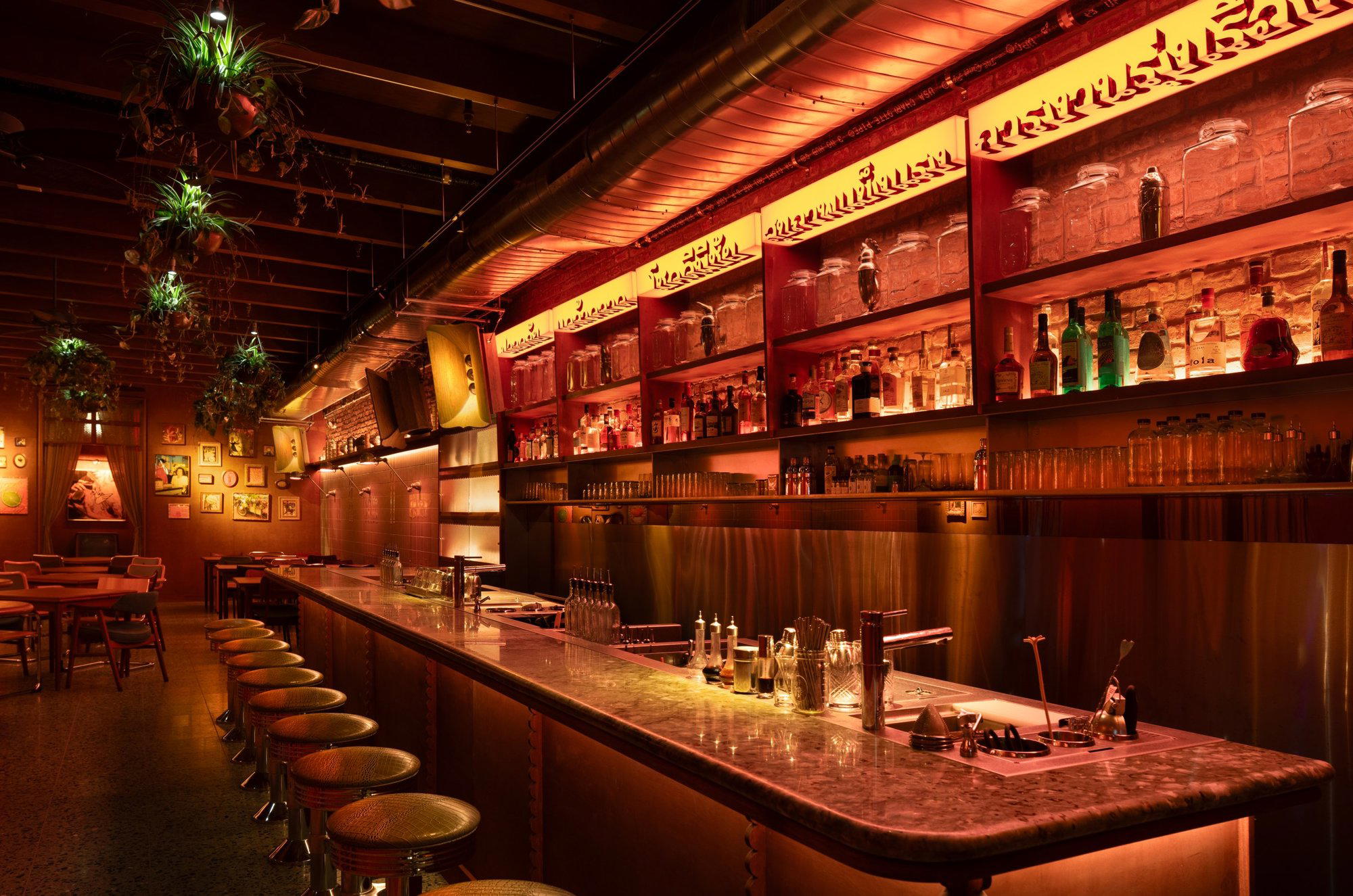
Restaurants in New York City
Browse all →
Hotels in New York City
Browse all →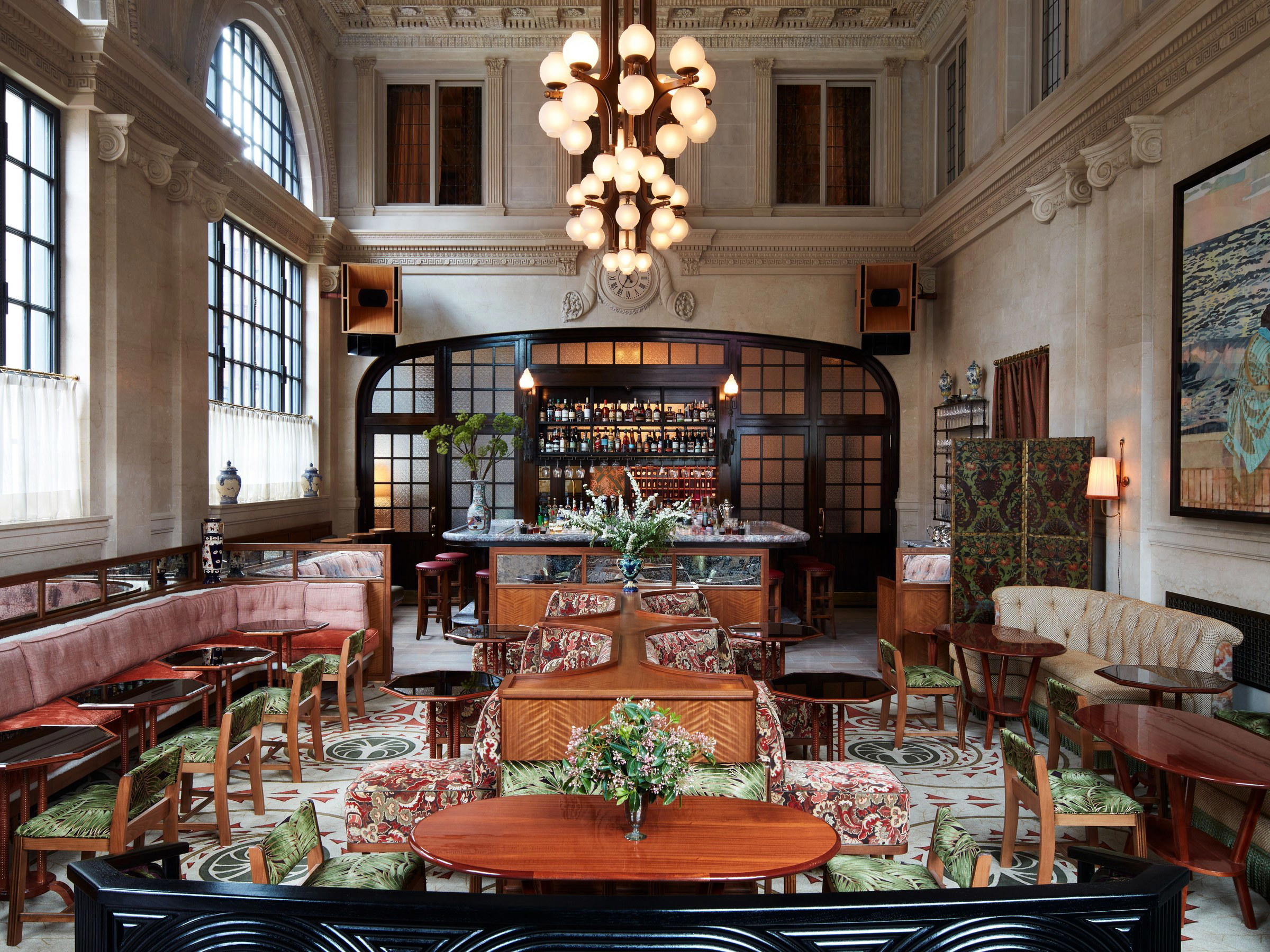





At a Glance
- Classic
- Intimate
- Elegant
- Date Night
- After Work
- Group Outing
- Special Occasion
- Speakeasy
- Historic Building
- Live Music
- Seated Bar
- Standing Room
- Classic Cocktails
- Craft Cocktails
Current opening hours
- Monday
- 5 PM–2 AM
- Tuesday
- 5 PM–2 AM
- Wednesday
- 5 PM–2 AM
- Thursday
- 2 PM–2 AM
- Friday
- 2 PM–2 AM
- Saturday
- 2 PM–2 AM
- Sunday
- 2 PM–2 AM
Hours can change for holidays and private events. Last verified .
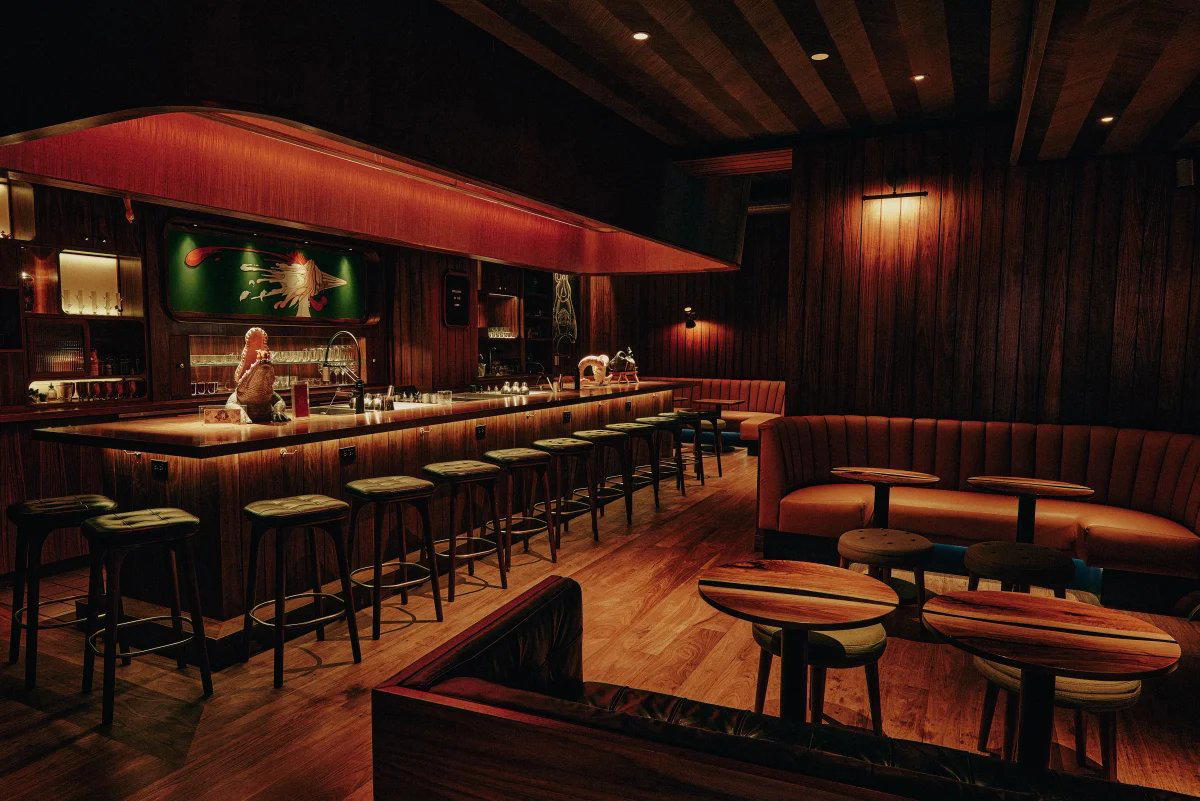
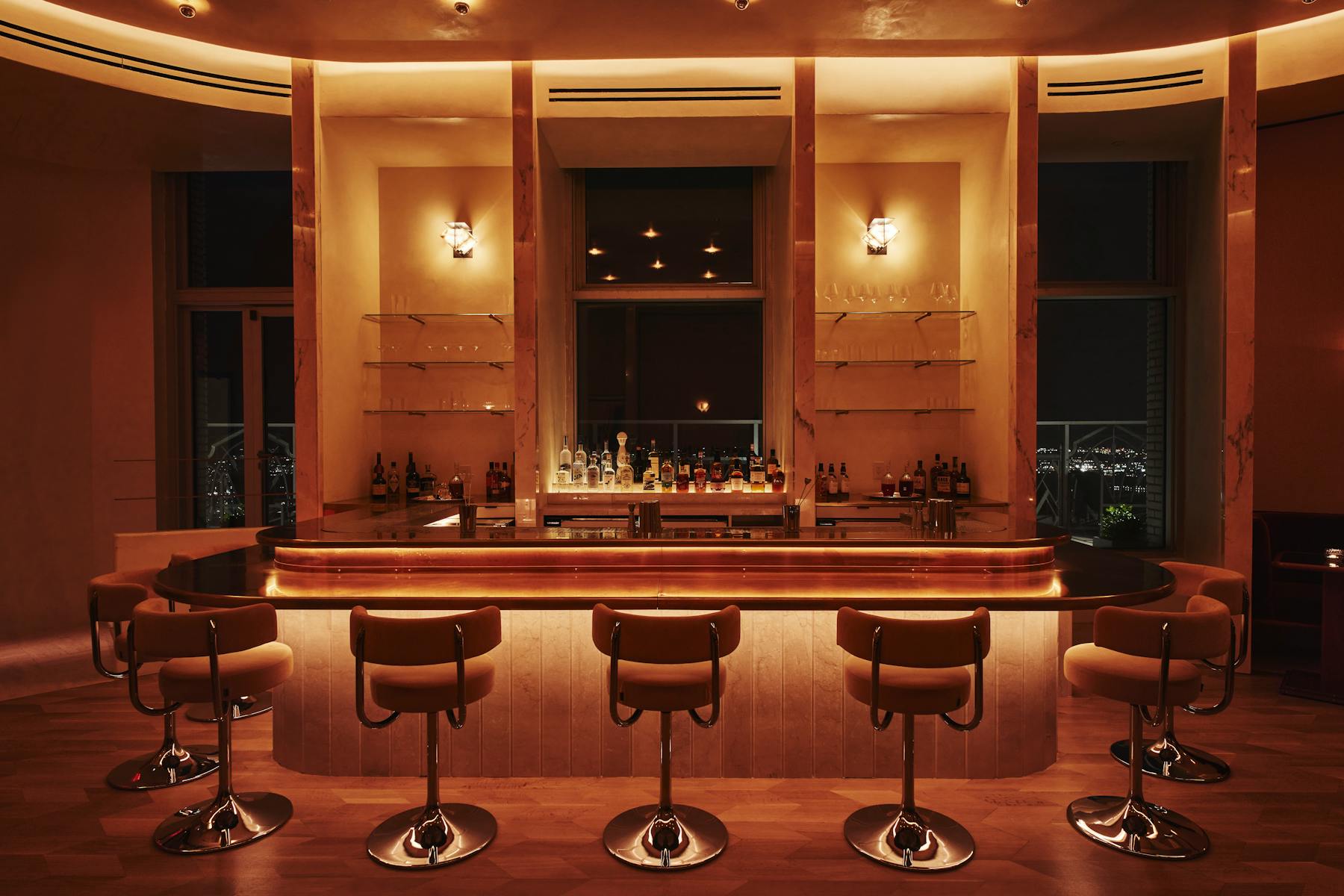
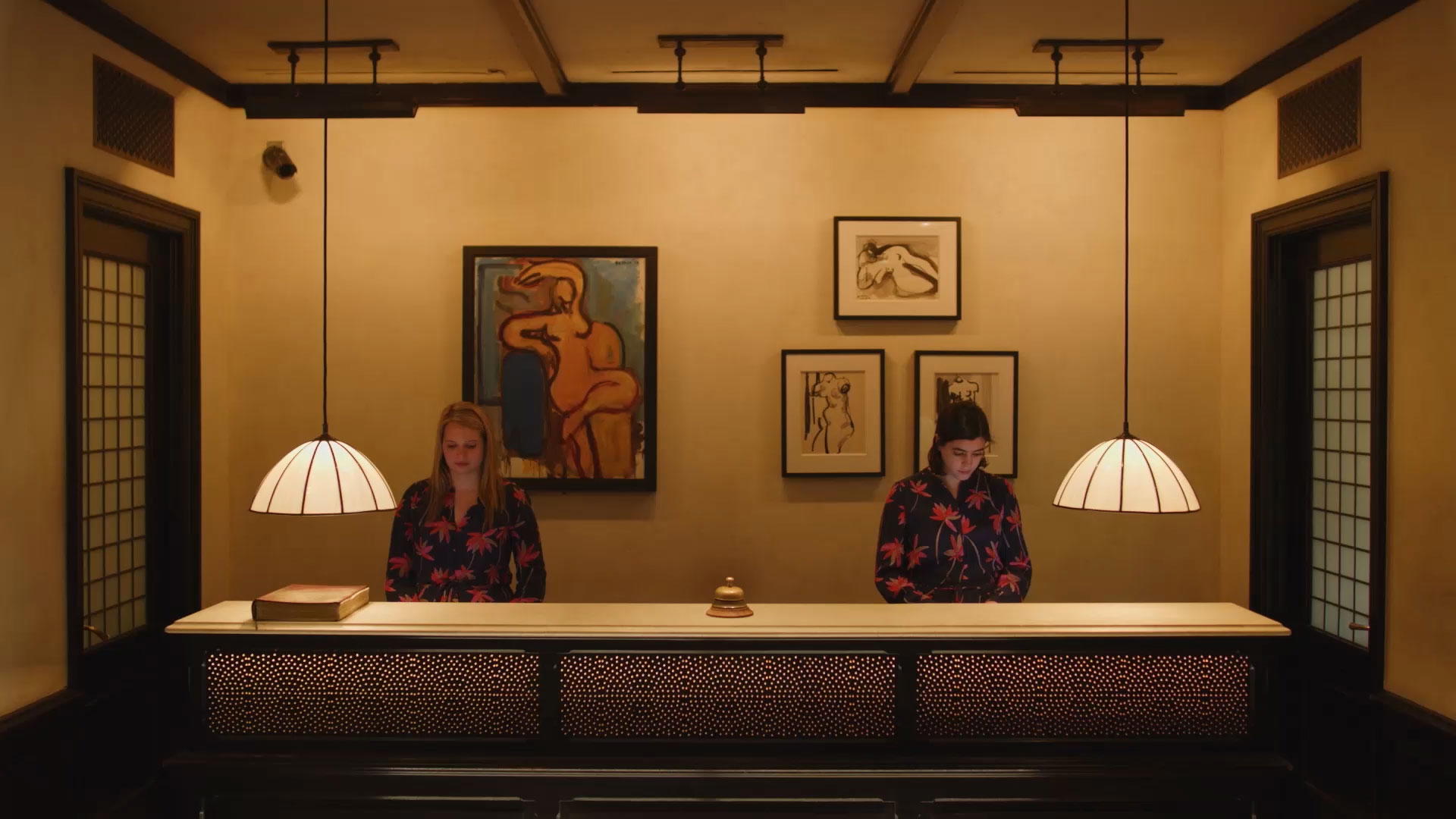
Dim, moody lighting with vintage decor and a sense of occasion; the nightly closing performance with bells, lights, and fog creates a memorable theatrical atmosphere.
Know Before You Go
- Getting there
- 105 Canal St, New York, NY 10002