The Sushi Samurai
On Queen Anne's main residential strip, The Sushi Samurai occupies a stretch of Seattle's broader Japanese dining scene that rewards those willing to move beyond downtown's sushi corridors. The address alone — a neighborhood avenue rather than a tourist artery — signals something about its orientation. EP Club covers it here as part of Seattle's evolving Japanese dining map.

Pearl is the En Primeur Club membership app — saves, bookings, and concierge access live there. Same editors, same standards.
- Address
- 1817 Queen Anne Ave N, Seattle, WA 98109
- Phone
- (206) 766-0298
- Hours
- Mon–Wed 5–9 PMThu–Sun 4–9 PM
- Website
- thesushisamurai.com
- Directions
- Get directions
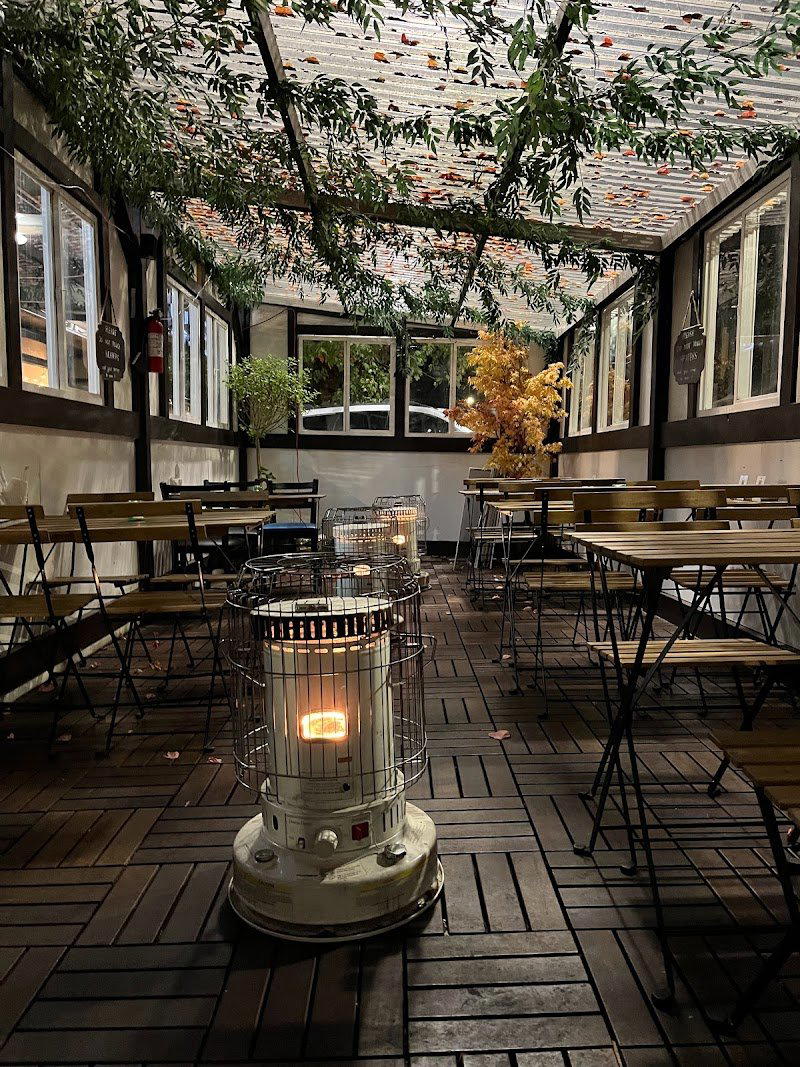
Queen Anne and the Geography of Seattle's Sushi Scene
Seattle's relationship with Japanese cuisine runs deeper than most American cities care to acknowledge. The Pacific Rim geography, the historic presence of Japanese-American communities in the International District, and decades of trade ties with Japan have produced a dining culture where omakase counters, izakayas, and neighborhood sushi spots coexist across very different price registers and neighborhood characters. What separates the serious rooms from the casual ones in this city is rarely the fish itself — Pacific waters supply nearly everyone — but the format, the intention behind the service, and where the venue has chosen to plant itself.
The Sushi Samurai sits at 1817 Queen Anne Ave N, a residential commercial strip on the north slope of Queen Anne Hill. This is not downtown's Pike Place adjacency, where tourist-facing sushi operations cluster around the fish market symbolism. Queen Anne Ave N runs through a neighborhood of apartment buildings, independent coffee shops, and the kind of low-key restaurant blocks that serve regulars rather than visitors. Positioning here says something about a venue's intended audience: it skews local, repeat-visit, and convenience-adjacent rather than destination-driven in the tourist sense.
Japanese Dining in the American City: What the Format Signals
Across American cities with significant Japanese culinary influence, New York, Los Angeles, San Francisco, Honolulu, the sushi category has fractured into tiers that bear little resemblance to each other. At the leading, omakase-only counters with eight to twelve seats and multi-month waitlists operate closer to the kaiseki tradition than to the à la carte sushi bars of the 1990s. Below that, a middle tier of chef-driven neighborhood spots offers composed menus with serious sourcing but without the theatrical formality of the counter experience. Below that still, the fast-casual and delivery-optimized operations that bear the same cuisine label but operate under entirely different logic.
What the address signals, in a city where geography carries genuine culinary meaning, is an orientation toward the neighborhood diner rather than the occasion-driven visitor. That is not a lesser position. Some of the most sustained Japanese restaurants in American cities have been neighborhood anchors precisely because they weren't built around the destination-dining transaction.
The Cultural Weight of Sushi in the Pacific Northwest
Understanding any Japanese restaurant in Seattle requires some grounding in why the cuisine took hold here as durably as it did. Japanese immigrants began settling in Seattle in meaningful numbers in the late nineteenth century, establishing the Nihonmachi (Japantown) district in what is now the International District. Though the forced relocation of Japanese Americans during World War II disrupted that community catastrophically, the culinary and cultural threads persisted and eventually expanded. By the 1980s and 1990s, Seattle's proximity to Japan, geographically and economically, was accelerating the arrival of Japanese chefs, ingredients, and dining formats that bypassed the slower diffusion affecting landlocked American cities.
Today, the International District still anchors the most historically grounded Japanese dining in Seattle, but the cuisine has dispersed across neighborhoods in ways that reflect the city's general shift toward residential dining clusters. Capitol Hill, Fremont, and Queen Anne each carry Japanese restaurants that read more as neighborhood institutions than as outposts of a concentrated ethnic dining district. That dispersal is, in itself, a marker of cultural integration: when a cuisine spreads to residential neighborhoods and holds there across years, it has moved from novelty to infrastructure.
How Queen Anne Compares to Seattle's Other Dining Corridors
For visitors mapping Seattle's dining geography, it helps to understand what each corridor offers. Downtown and Belltown concentrate the highest-ticket options and the most tourism-dependent traffic. Capitol Hill functions as the city's most experimental dining zone, where new formats and cuisines tend to debut before migrating elsewhere. Fremont runs craft-casual and brewery-adjacent. Queen Anne, particularly the north end, operates closer to a European neighborhood dining model: moderate price expectations, high repeat-visit frequency, and a premium on consistency over novelty.
Seattle's cocktail and bar scene offers a useful parallel map. Venues like Canon and Roquette represent the downtown-adjacent, technically ambitious tier, while The Doctor's Office and 2963 4th Ave S demonstrate how the city's serious drinking culture has spread into neighborhood formats. The same dispersal logic applies to the Japanese dining tier. For a broader orientation to Seattle's food and drink scene, our full Seattle restaurants guide maps the city's corridors in detail.
Japanese Dining Across American Cities: The Wider Context
For EP Club readers who benchmark across cities, the Japanese dining tier in Seattle sits in an interesting position relative to peers. Honolulu's Japanese dining scene, anchored by a larger Japanese-descended community and direct flight connectivity to Japan, runs deeper at the mid-tier. Bar Leather Apron in Honolulu illustrates how Japanese-inflected precision has entered the city's broader hospitality culture. Chicago's Japanese-influenced bar program, exemplified by Kumiko in Chicago, shows how Japanese technique has crossed into the cocktail tier in unexpected cities. In New York, Superbueno in New York City represents a different model of how diaspora culinary traditions evolve in dense urban markets.
Other cities with distinct culinary characters offer comparison points for understanding what Seattle's dining map is and isn't: Jewel of the South in New Orleans, Julep in Houston, ABV in San Francisco, and The Parlour in Frankfurt on the Main each anchor a specific city's premium tier in their respective categories. Seattle's Japanese dining sits in a peer group defined by Pacific Rim geography and community depth, not by the sheer volume of high-ticket operations found in New York or Los Angeles.
Planning a Visit
We recommend confirming directly before visiting. The Queen Anne Ave N address is accessible by the 3 and 4 bus lines from downtown Seattle, and street parking on Queen Anne Ave N is generally available in the evenings, though the slope and residential density mean blocks fill quickly on weekends.
| Venue | Neighborhood | Format Signal | Booking Approach |
|---|---|---|---|
| The Sushi Samurai | Queen Anne | Neighborhood dining | Confirm directly |
| Canon | Capitol Hill | Premium spirits bar | Walk-in / limited reservation |
| Roquette | Downtown-adjacent | Wine-forward bar | Confirm directly |
| The Doctor's Office | Seattle | Cocktail specialist | Confirm directly |
Comparable Venues
Comparable venues nearby, for context on price, style, and recognition.
| Venue | Cuisine | Price | Notes |
|---|---|---|---|
| The Sushi SamuraiThis venue — the venue you are viewing | Bar | $20–30 | Not listed |
| The Octopus Bar | cocktail_bar | $20–30 | Wallingford |
| Liberty | cocktail_bar | $20–30 | Broadway |
| Monkey Loft | cocktail_bar | $20–30 | SoDo |
| Urban Family Brewing Co. | beer_bar | $10–20 | West Woodland |
| Reuben's Brews - The Ballard Taproom | beer_bar | $20–30 | West Woodland |
Continue exploring
More in Seattle
Bars in Seattle
Browse all →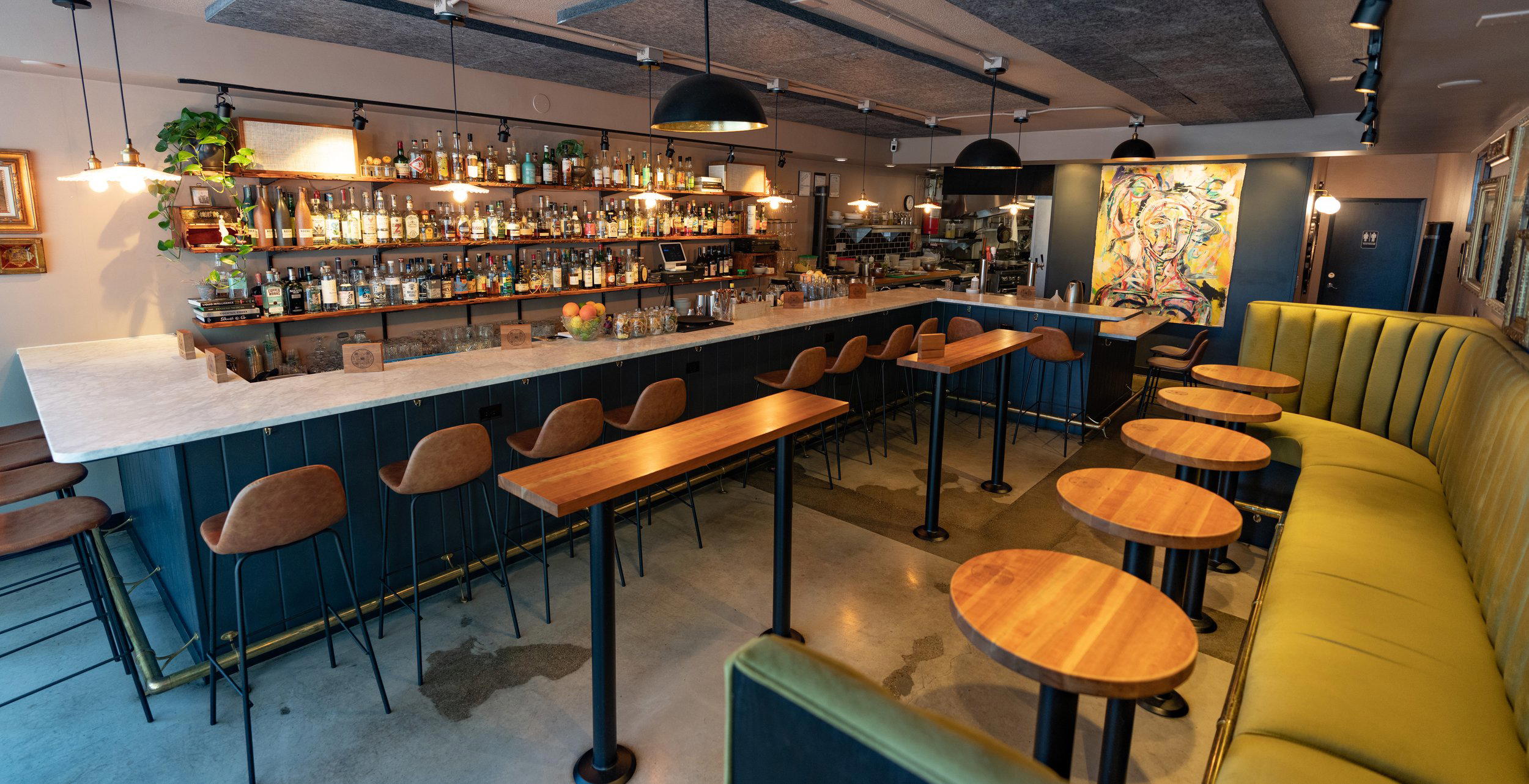
Restaurants in Seattle
Browse all →
Hotels in Seattle
Browse all →
Details
- Cozy
- Modern
- Trendy
- Casual Hangout
- Standalone
- Counter Only
Current opening hours
- Monday
- 5–9 PM
- Tuesday
- 5–9 PM
- Wednesday
- 5–9 PM
- Thursday
- 4–9 PM
- Friday
- 4–9 PM
- Saturday
- 4–9 PM
- Sunday
- 4–9 PM
Hours can change for holidays and private events. Last verified .
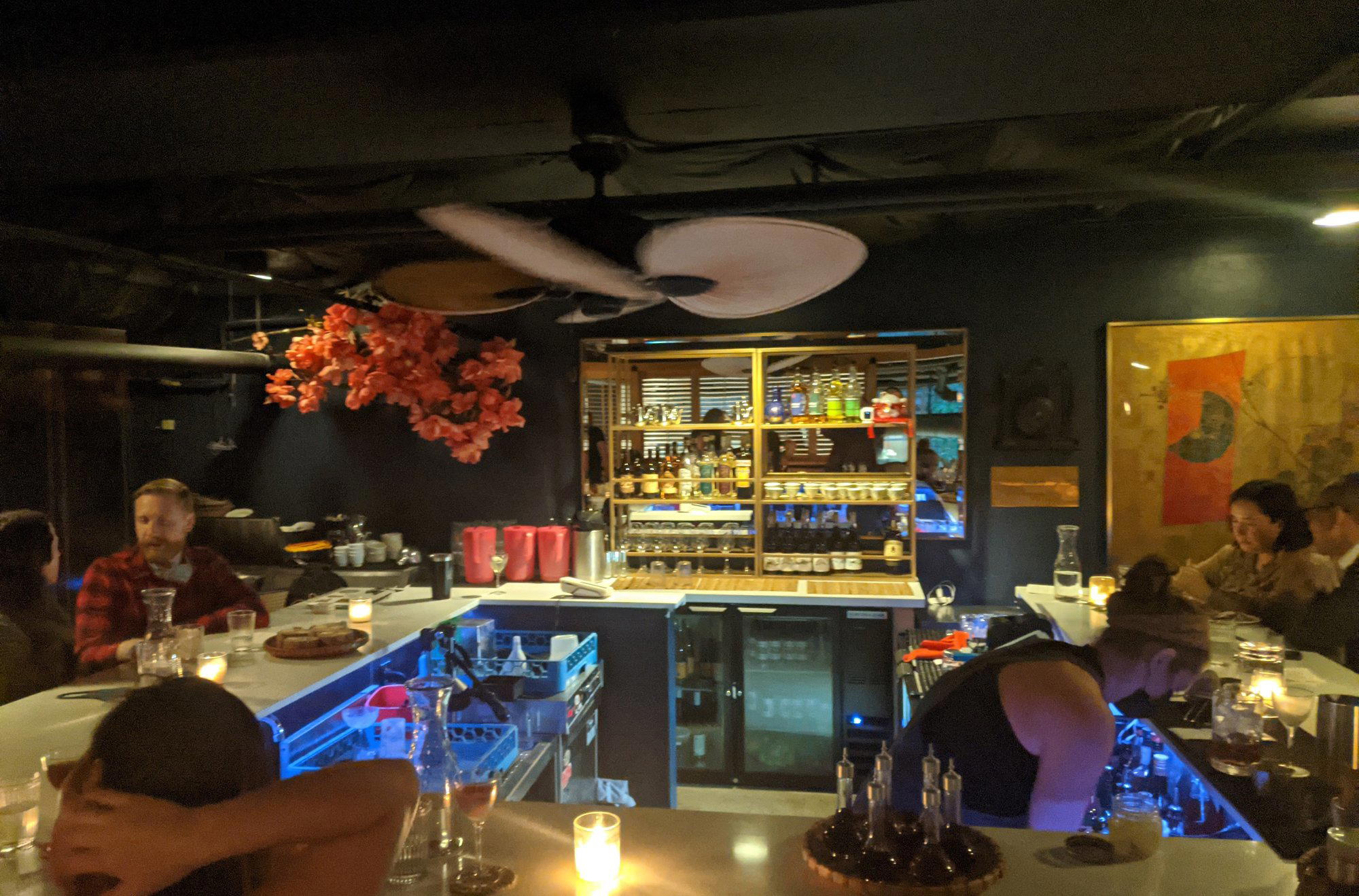
Cozy atmosphere with limited seating in a stylish Queen Anne sushi bar.