The Stonehaus
The Stonehaus occupies a particular niche in Westlake Village's social scene: an outdoor wine and beer bar built around a relaxed, European-influenced format that sits apart from the polished restaurant dining rooms nearby. The setting does much of the work, drawing a crowd that treats the space as a neighbourhood gathering point rather than a destination meal. For visitors, it reads as the most honest expression of how this part of the Conejo Valley actually drinks.
Pearl is the En Primeur Club membership app — saves, bookings, and concierge access live there. Same editors, same standards.
- Address
- 32039 Agoura Rd, Westlake Village, CA 91361
- Phone
- +1 818 483 1152
- Website
- the-stonehaus.com
- Directions
- Get directions
 Saves & bookings on Pearl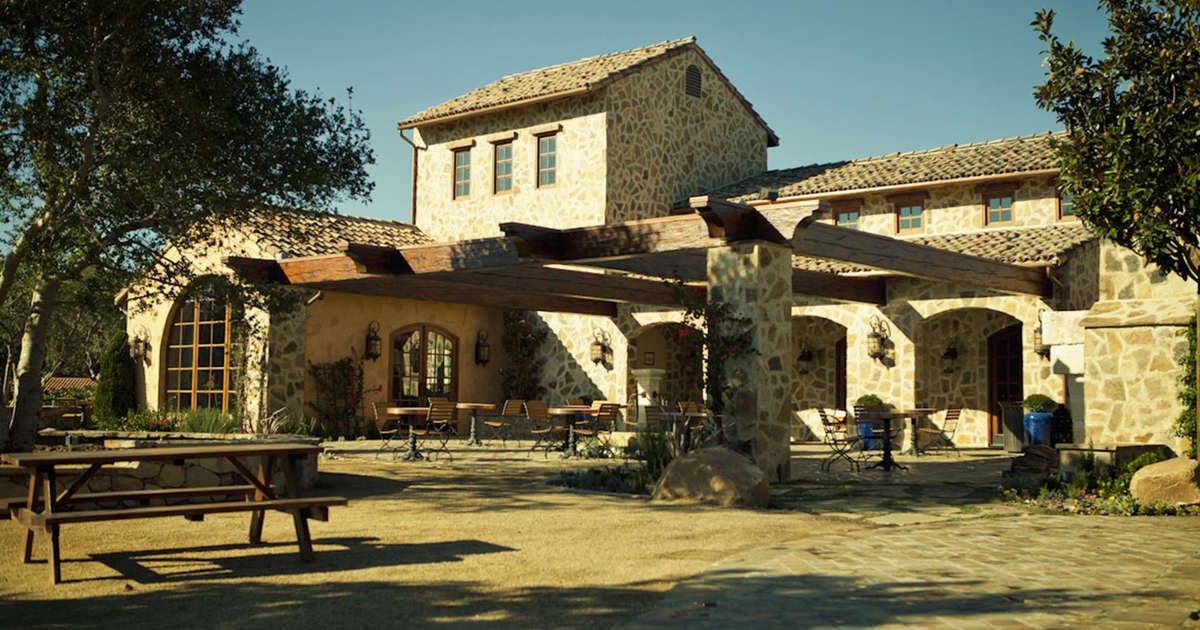
Where the Conejo Valley Unwinds
Westlake Village occupies an unusual position in the broader Southern California drinking scene. It sits far enough from Los Angeles to have developed its own social gravity, yet close enough to the westside that the crowd it draws carries metropolitan expectations. The result is a local bar culture that leans heavily on outdoor settings, approachable wine lists, and formats that reward lingering over formats that reward spectacle. The Stonehaus, at 32039 Agoura Road, sits at the centre of that pattern.
Approaching the property, the architecture signals its intent before you order anything. The design borrows from a Northern California winery aesthetic: stone, wood, open air, and a deliberate unhurriedness that reads as counterpoint to the frenetic cocktail theatrics now common in downtown Los Angeles bars. In a regional context where the ambient pressure is toward density and noise, an outdoor courtyard format carries genuine editorial weight. It positions the venue not as a bar that happens to have a patio, but as a patio concept that happens to serve drinks — a meaningful distinction for how the experience unfolds.
The Drink Programme in Context
Across the United States, bar programmes have split into two broad camps over the past decade. One camp — represented by venues like Kumiko in Chicago, Bar Leather Apron in Honolulu, and Allegory in Washington, D.C., pursues technical precision, seasonal ingredient sourcing, and cocktail menus that function almost as tasting notes. The other camp prioritises accessibility, social ease, and a drink list calibrated to the room's energy rather than the bartender's ambition. The Stonehaus occupies the second camp, and does so without apology.
That positioning is not a criticism. In suburban Southern California, the more technically demanding format that defines venues like Canon in Seattle or Bitter and Twisted in Phoenix would likely read as mismatched to the audience and the setting. The outdoor courtyard format rewards wine by the glass, light aperitivo-style drinking, and beer selections that hold up in warm weather. This is a wine and beer bar in the truest sense: the programme is built around what works outdoors in Southern California's near-permanent summer, not around demonstrating technical range.
For visitors accustomed to the dedicated cocktail programmes found at Jewel of the South in New Orleans or Superbueno in New York City, The Stonehaus will feel deliberately scaled back in cocktail ambition. That is, again, the point. The bar's creative vision, such as it is, sits in curation and atmosphere rather than technique. The drink list reads as a host's selection rather than a chef's tasting menu, varied enough to satisfy a group with differing preferences, restrained enough to avoid overwhelming a crowd that came primarily for the setting and the company.
How Westlake Village Drinks
Understanding The Stonehaus requires understanding what Westlake Village is and what it is not. This is not a neighbourhood with a dense bar street or a walkable cocktail corridor. It is a planned residential community with high disposable income, limited public transit, and a social culture built around destination visits rather than spontaneous pub crawls. That context shapes everything about how a venue like The Stonehaus functions: it is a planned outing, arrived at by car, with a crowd that has self-selected for a specific kind of relaxed afternoon or early evening. The competitive set is not other bars but other ways a Conejo Valley resident might spend a Saturday afternoon.
That framing explains why the outdoor format is a strategic asset rather than an amenity. In a city with reliable weather for roughly ten months of the year, a well-designed outdoor space functions as the product itself. The stone courtyard, the landscaping, and the European village aesthetic are not decorative choices layered over a drink programme, they are the draw, with the drinks serving as the mechanism that keeps people in the space longer. For context on how this compares to other markets: ABV in San Francisco and Julep in Houston both built followings on distinct programme identities first and let the space follow. The Stonehaus inverts that equation.
Planning Your Visit
The Stonehaus works well when treated as an afternoon destination rather than a late-night bar stop. The outdoor format and the crowd's general orientation toward early-evening drinking means the energy peaks well before midnight, and the experience is calibrated for that window. Visitors arriving from central Los Angeles should allow for traffic on the 101, particularly on weekend afternoons when the corridor between the city and the Conejo Valley backs up significantly. The venue sits on Agoura Road, which is accessible directly from the freeway, making it a workable first or last stop on a Westlake Village itinerary.
For those building a broader picture of the area's dining and drinking options, our full Westlake Village restaurants guide maps the neighbourhood's food and drink offering across formats and price points. The Stonehaus fits into that guide as the area's most recognisable social outdoor drinking space, serving a function that few other local venues replicate at the same scale. Internationally-minded visitors who have spent time at The Parlour in Frankfurt or Bar Kaiju in Miami will find the format less technically demanding but the social ease of the space genuinely its own thing. Reservations and current hours should be confirmed directly with the venue before visiting.
Continue exploring
More in Westlake Village
Bars in Westlake Village
Browse all →
Restaurants in Westlake Village
Browse all →
At a Glance
- Rustic
- Cozy
- Elegant
- Scenic
- Date Night
- Casual Hangout
- Garden
- Courtyard
- Lounge Seating
- Outdoor Terrace
- Conventional Wine
- Vineyard
- Garden
Current opening hours
- Monday
- 7 AM–9 PM
- Tuesday
- 7 AM–9 PM
- Wednesday
- 7 AM–9 PM
- Thursday
- 7 AM–9 PM
- Friday
- 7 AM–10 PM
- Saturday
- 8 AM–10 PM
- Sunday
- 8 AM–9 PM
Hours can change for holidays and private events. Last verified .
Relaxed Tuscany-inspired atmosphere with lush gardens, stone courtyard, fireplace, and vineyard views, transitioning from morning coffee to evening wine bar.
Know Before You Go
- Getting there
- 32039 Agoura Rd, Westlake Village, CA 91361