The Prince Arthur

On a leafy Hackney side street, The Prince Arthur blends period pub architecture with a modern European kitchen that changes with the seasons. Leaded windows and velvet bar stools frame a menu that runs from set-lunch tagliatelle to dry-aged beef rump with bomba calabrese relish, backed by a natural-leaning wine list starting at £33 and pints from London-based breweries including Macintosh Ales and 40FT.
Pearl is the En Primeur Club membership app — saves, bookings, and concierge access live there. Same editors, same standards.
- Address
- 95 Forest Rd, London E8 3BH, United Kingdom
- Phone
- +44 20 7249 1119
- Website
- theprincearthure8.com
- Directions
- Get directions
 Saves & bookings on Pearl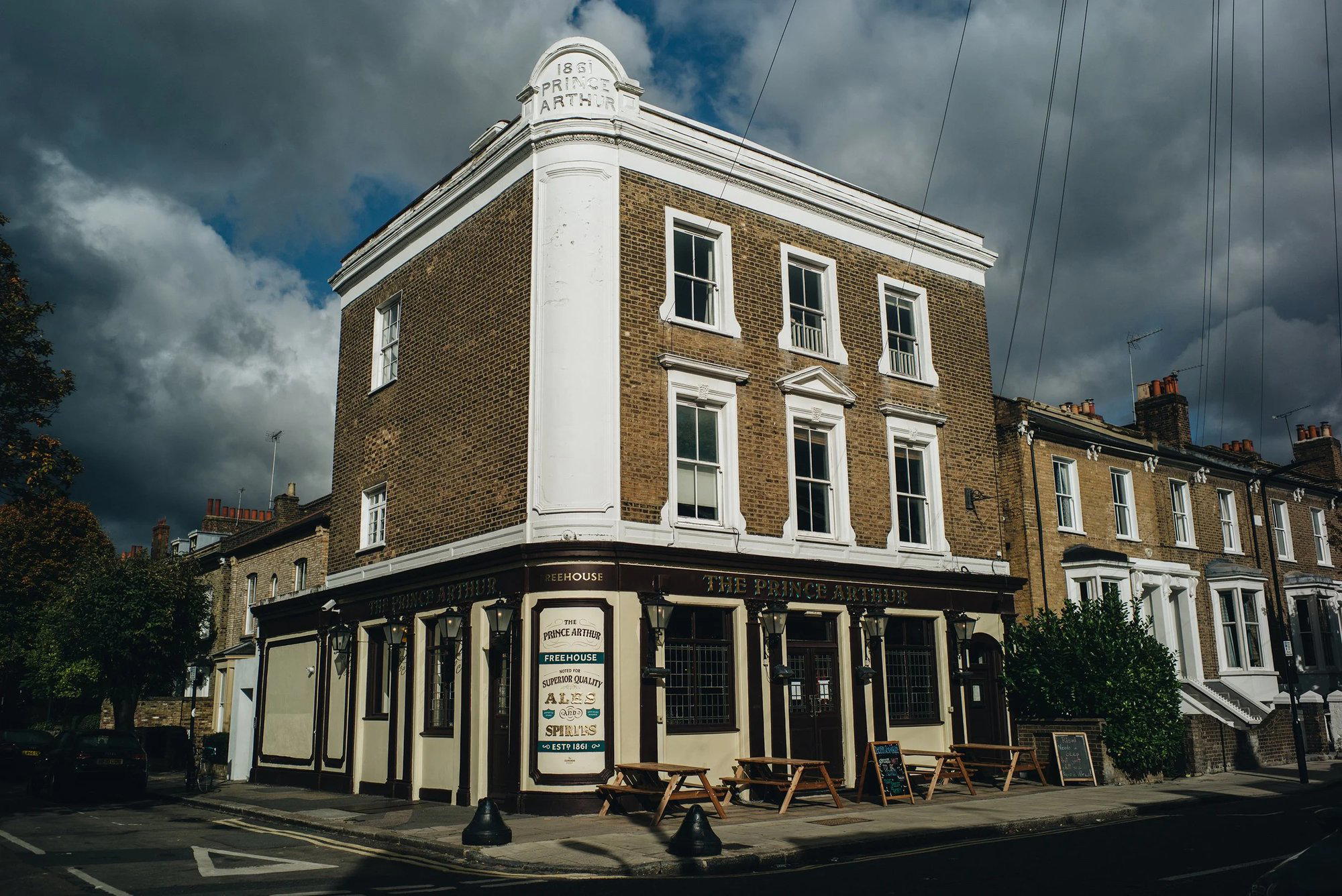
A Hackney Side Street and the Pub That Earns Its Keep
Forest Road, E8 is not a destination street in the way that Shoreditch's main drag or Broadway Market tends to be on a Saturday morning. It is residential, shaded, and quiet enough that you hear the door of The Prince Arthur swing shut behind you before the room fully registers. What registers first is the architecture: leaded glass windows that fractionate the afternoon light, wood panelling worn to the right degree of polish, velvet-upholstered bar stools in colours that somehow feel contemporary rather than dated. The pub looks as though a film-location scout found it and declined to change a single fitting, which is more or less what happened.
East London has produced a particular type of neighbourhood pub in the last decade or so: one that keeps the aesthetic DNA of the Victorian or Edwardian original while running a kitchen that would sit comfortably in a mid-market restaurant. The Prince Arthur sits squarely in that category. What distinguishes it from the broader cohort is that the food program does not feel bolted on. The seasonal European menu and the period interior have reached a working accommodation with each other.
How the Meal Moves
The dining ritual at The Prince Arthur follows a different rhythm depending on which service you choose, and the choice matters more than it might at a venue where the menu barely changes across the week. Lunch is structured around a set offering that represents the clearest signal of the kitchen's priorities: dishes rotate with the season, and the combinations tend to be specific rather than safe. A summer lunch might open with tagliatelle with yellow courgettes and datterini tomatoes, move to chicken fricassee or beef heart with aji verde and radish salad, and close with cherry and strawberry clafoutis. The value proposition is deliberate. The set lunch is how the kitchen earns a regular local audience rather than relying on destination traffic.
Dinner opens up into small and larger plates, and the register shifts toward combinations that require a little more attention from the diner. Octopus ragù with crispy polenta and lardo, Mora Farm beetroot with shrub salad, ricotta salata and hazelnuts, pan-fried cod with tomato and chilli salsa, coco bianco beans and beetroot tops: these are not pub-grub dishes with aspirational language applied to them. They reflect a kitchen that treats sourcing as structural rather than decorative. The Mora Farm reference is a small but telling detail. Named suppliers in this context signal a specific relationship with produce rather than a marketing phrase.
Sunday follows its own protocol. Three roasts, Yorkshire puddings, a generous allocation of vegetables, and gravy that arrives in quantity rather than as a garnish. The Sunday roast is the most ritualised meal in the British pub calendar, and The Prince Arthur treats it as such, without attempting to reframe it as something else.
What You Drink and Why It Connects
The drinks program reflects the same editorial logic as the food. The wine list leans natural and European, with bottles starting at £33. That entry point places it above the commodity end of pub wine but well within reach for a table sharing plates at dinner. The selection is not extensive in the way a dedicated wine bar's list would be, but it is coherent, and coherence matters more in this format than volume.
Pint drinkers have Guinness as the default anchor and a supporting cast from London-based breweries: Macintosh Ales and 40FT both appear on the bar. The inclusion of local craft alongside the standard rotation is now common practice in east London pubs operating at this level, but The Prince Arthur handles the balance without making the local provenance feel like a statement. It is just what is on tap.
For those building a broader picture of London's drinking scene, the bar programs at 69 Colebrooke Row, A Bar with Shapes For a Name, Academy, and Amaro represent a different tier of technical ambition than a neighbourhood pub. They are the appropriate comparison point if cocktail craft is the primary interest. The Prince Arthur's drinks work because they serve the occasion rather than lead it.
The Neighbourhood Context
Hackney's pub scene has consolidated around a smaller group of venues that take food seriously without converting the experience into a restaurant with a bar attached. That distinction is worth holding onto. At The Prince Arthur, you can order a pint and sit without a reservation and without a menu if you choose. The fact that the kitchen is running dishes with named-farm produce and seasonal construction does not change the social contract of the room. The pub remains a pub in its bones, which is a harder thing to achieve than it sounds when the food program is this considered.
Across the UK, pubs operating in a similar register have emerged in most cities with an active food culture. Bramble in Edinburgh, Merchant Hotel in Belfast, Mojo Leeds, Schofield's in Manchester, and Horseshoe Bar Glasgow each occupy their own version of the premium neighbourhood drinking space. Further afield, venues like L'Atelier Du Vin in Brighton and Hove and Bar Leather Apron in Honolulu show how the format of a serious drinks list inside a relaxed room translates across contexts. The Prince Arthur is the east London iteration: period architecture, seasonal European food, and a wine list that takes a position without demanding that you notice it is doing so.
For a broader view of where The Prince Arthur sits within London's eating and drinking options, see our full London restaurants guide.
Planning a Visit
Address: 95 Forest Road, London E8 3BH. Getting there: London Overground to Hackney Central or Hackney Downs places you within a short walk. Ideal time to visit: Sunday lunch for the roast, or a weekday dinner when the small-plates format is most relaxed. Dress: No formal requirements; the room is casual by design. Budget: The natural wine list opens at £33 per bottle; the set lunch represents the most considered value on the menu.
Recognition history
Dated appearances from independent guides and award organizations, with the underlying list record or original source where available.
The Good Food Guide GFG Good
The Good Food Guide
Continue exploring
More in London
Bars in London
Browse all →
Restaurants in London
Browse all →
Hotels in London
Browse all →

At a Glance
- Cozy
- Classic
- After Work
- Casual Hangout
- Group Outing
- Historic Building
- Booth Seating
- Outdoor Terrace
- Private Rooms
- Craft Beer
Current opening hours
- Monday
- 12–11 PM
- Tuesday
- 12–11 PM
- Wednesday
- 12–11 PM
- Thursday
- 12–11 PM
- Friday
- 12–11 PM
- Saturday
- 12–11 PM
- Sunday
- 12–11 PM
Hours can change for holidays and private events. Last verified .
Cosy winter pub feel with stained glass windows, stuffed animal heads, mix-and-match furniture, and a laid-back, homey vibe.
Know Before You Go
- Getting there
- 95 Forest Rd, London E8 3BH, United Kingdom