The Hippo Wine Bar & Shop
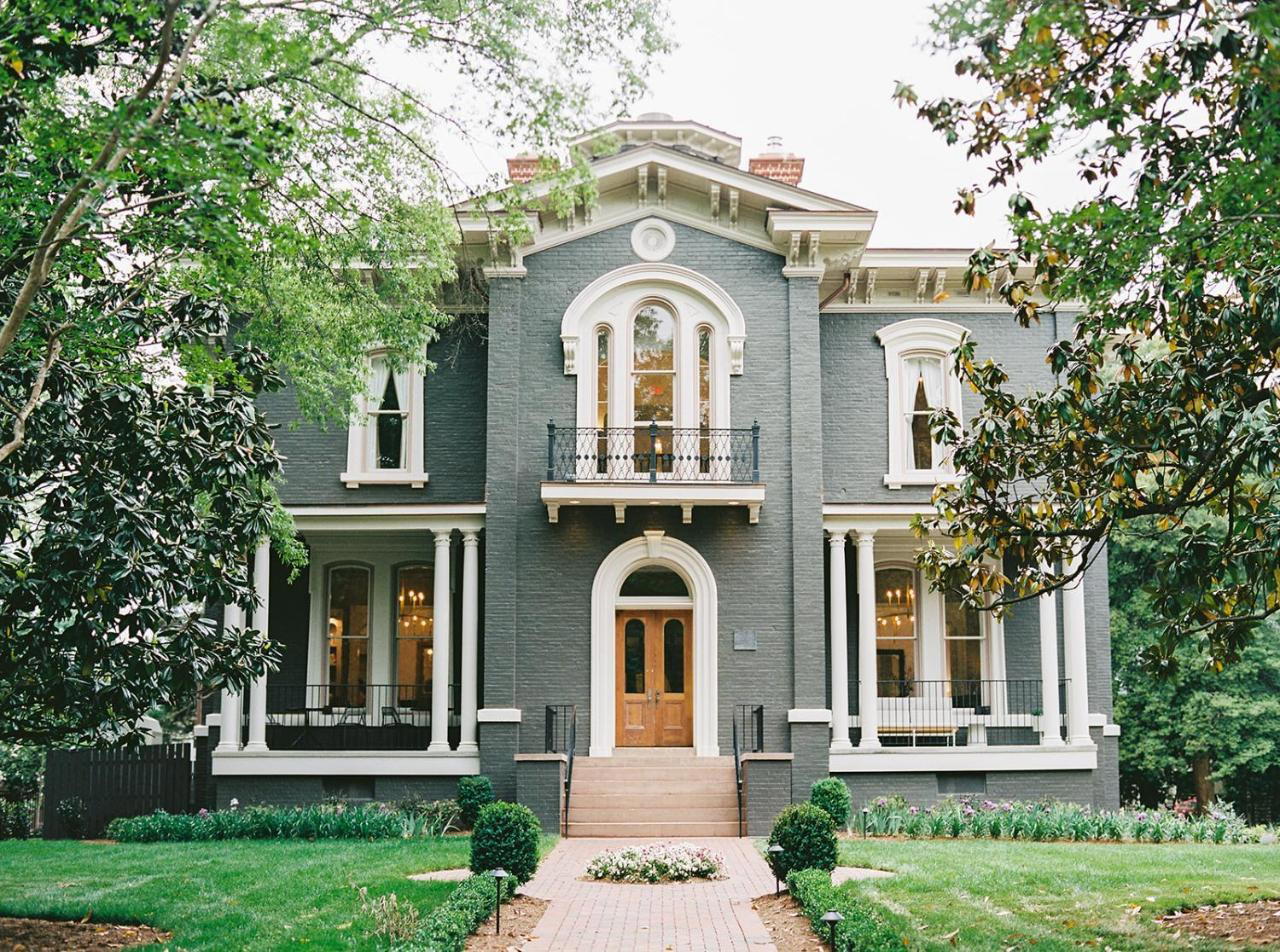
A wine bar and retail shop on East Martin Street in downtown Raleigh, The Hippo sits at the intersection of serious wine selection and neighbourhood accessibility. The format — browse, drink, buy — suits both the after-work crowd and those planning a weekend cellar run. It occupies a distinctive position in a Raleigh drinks scene that leans heavily toward cocktail bars and craft beer taprooms.

Pearl is the En Primeur Club membership app — saves, bookings, and concierge access live there. Same editors, same standards.
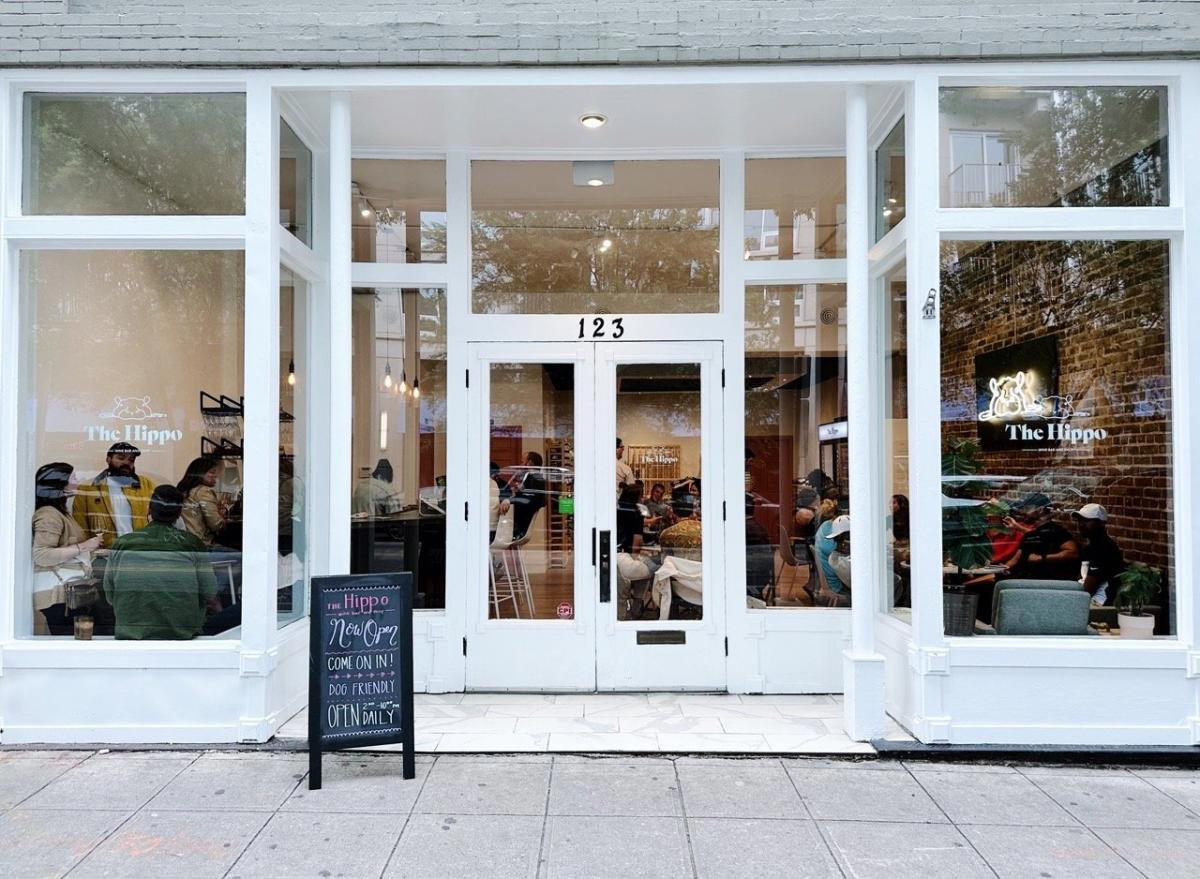
East Martin Street and the Case for the Wine Bar Format
Downtown Raleigh's drinks scene has long favoured the cocktail bar and the tap room. Walk East Martin Street on a Friday evening and the default pull is toward craft beer handles and shaker tins. Into that context, a wine bar with an attached retail shop reads as a deliberate counter-programme — the kind of format that works well when the person behind the counter knows the list well enough to make the category feel alive rather than passive. The Hippo Wine Bar and Shop, at 123 E Martin St, occupies that position: part neighbourhood bar, part bottle shop, with the dual-function format that has become one of the more durable models in American urban wine culture.
That model, common in cities like San Francisco and New York, has been slower to arrive in mid-sized Southern cities. Venues such as ABV in San Francisco and Superbueno in New York City show how the bar-plus-retail hybrid can anchor a neighbourhood drinks identity across multiple visits. In Raleigh, the wine bar tier remains thin, which makes the presence of a shop-floor format on East Martin Street more pointed than it might appear in a denser wine market.
The Person Behind the Pour
The editorial angle assigned to wine bars and bottle shops by the EA-BR-04 framework is the bartender's craft — the hospitality philosophy that determines whether a wine list becomes a conversation or a catalogue. In the wine-bar-and-shop format specifically, this matters more than in a conventional bar. The person recommending a glass by-the-carafe and the person directing a customer toward a bottle to take home are, in most cases, the same person. That dual role demands a different kind of fluency: the ability to read whether someone wants to be guided or left to browse, and to shift register accordingly.
Wine bars operating on this model tend to differentiate on curation depth and staff capability rather than on price tier or production scale. The list cannot be too large, a shop component requires actual inventory management, but it cannot be so narrow that repeat visitors cycle through the options too quickly. Getting that balance right is an operational discipline that separates the format's better practitioners from its more transactional ones. Comparable venues in other American cities that have worked through this balance include Kumiko in Chicago and Jewel of the South in New Orleans, both of which treat the programmatic depth of the bar as the primary trust signal.
Where The Hippo Sits in Raleigh's Drinks Map
Raleigh's bar scene has matured considerably over the past decade, with the Glenwood South corridor and the downtown core each developing distinct identities. East Martin Street sits in the latter zone, closer to the density of the city's more concentrated after-work trade. The Hippo's address puts it in proximity to a mix of restaurant-led and bar-led venues. 10th and Terrace and 13 Tacos and Taps represent the broader aperture of what the downtown Raleigh bar offer covers, while venues like Ajisai signal the city's growing interest in more focused, format-specific drinking experiences.
Within that map, a wine-and-retail hybrid on East Martin occupies a gap rather than a crowded category. The format attracts a different evening pattern from the cocktail bar: longer dwell times, lower round-count, higher per-bottle spend from the retail side. That economics shift is part of what makes the model viable in secondary markets where wine bar foot traffic might not sustain a pure hospitality operation on its own. The Hippo appears to be reading this correctly by combining the two revenue streams under one roof.
For those cross-referencing against the city's broader dining and drinking scene, our full Raleigh restaurants guide maps the key venues across categories. For a sense of what the format looks like at full maturity in other markets, Bar Leather Apron in Honolulu and The Parlour in Frankfurt on the Main offer international reference points for the hospitality-led drinks bar at different scales. Domestically, Julep in Houston demonstrates how a format built around a clear selection philosophy can carry a venue's identity across multiple years of operation.
The Retail Layer and What It Changes
The decision to operate a shop alongside a bar is not purely commercial. It changes how customers relate to the list. When the bottles on the shelf are the same bottles available by the glass, the bar functions as a tasting room with overhead. That framing shifts the hospitality dynamic: staff are implicitly expected to guide discovery rather than simply process orders. In well-run versions of the format, the retail floor becomes a reference point during the bar experience itself, with staff able to direct a guest toward a specific producer or region with a physical object in hand.
This is a harder service model to execute than a conventional bar, but when it works, it produces a higher level of trust between guest and venue. The customer who leaves with a bottle they discovered at the bar has a reason to return that goes beyond the evening's atmosphere. That loyalty loop is structurally different from what a cocktail bar generates, and it positions the wine-bar-shop hybrid as a longer-term neighbourhood anchor rather than a destination-for-a-night.
Raleigh's food-and-drink scene has shown appetite for that kind of venue, as the growth of independent dining rooms like Angus Barn demonstrates, venues that build their identity around repeat clientele rather than rotating discovery traffic. The Hippo's format suggests a similar long-game logic applied to wine.
Planning a Visit
The Hippo Wine Bar and Shop is located at 123 E Martin St in downtown Raleigh, within walking distance of the city's central hotel and office district. The dual bar-and-retail format means visits can be structured as a drink-first, buy-second experience, which suits both solo diners and small groups making a pre-dinner stop.
Price and Positioning
A quick peer check to anchor this venue’s price and recognition.
| Venue | Price |
|---|---|
| The Hippo Wine Bar & ShopThis venue — the venue you are viewing | $30–50 |
| Ajisai | $30–50 |
| Vinos Finos Tapas and Wine Bar | $30–50 |
| Whiskey Kitchen | $30–50 |
| William & Company | $10–20 |
The Hippo Wine Bar & Shop
Featured Guides

Continue exploring
More in Raleigh
Bars in Raleigh
All bars in Raleigh →
Restaurants in Raleigh
All restaurants in Raleigh →
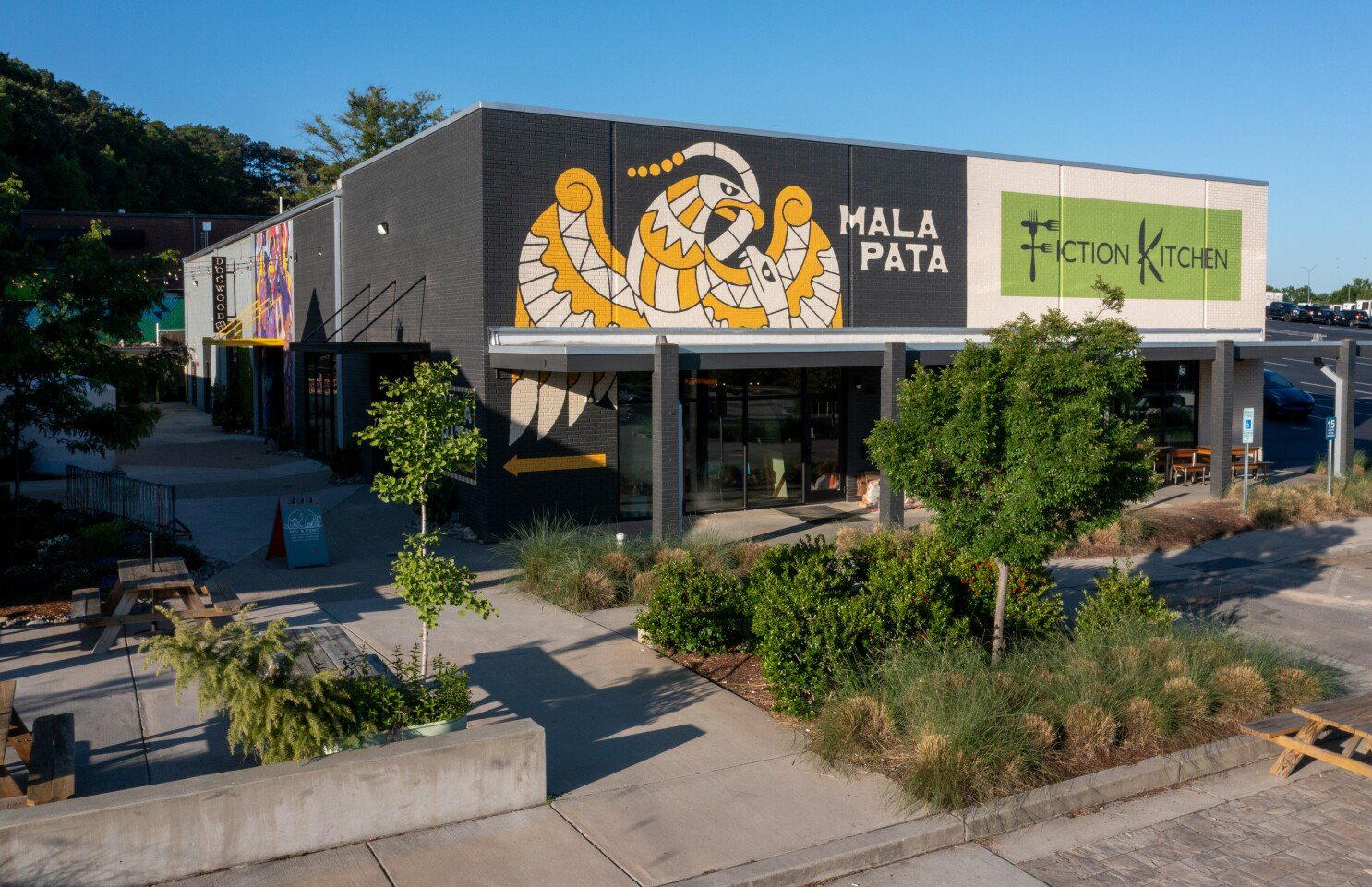
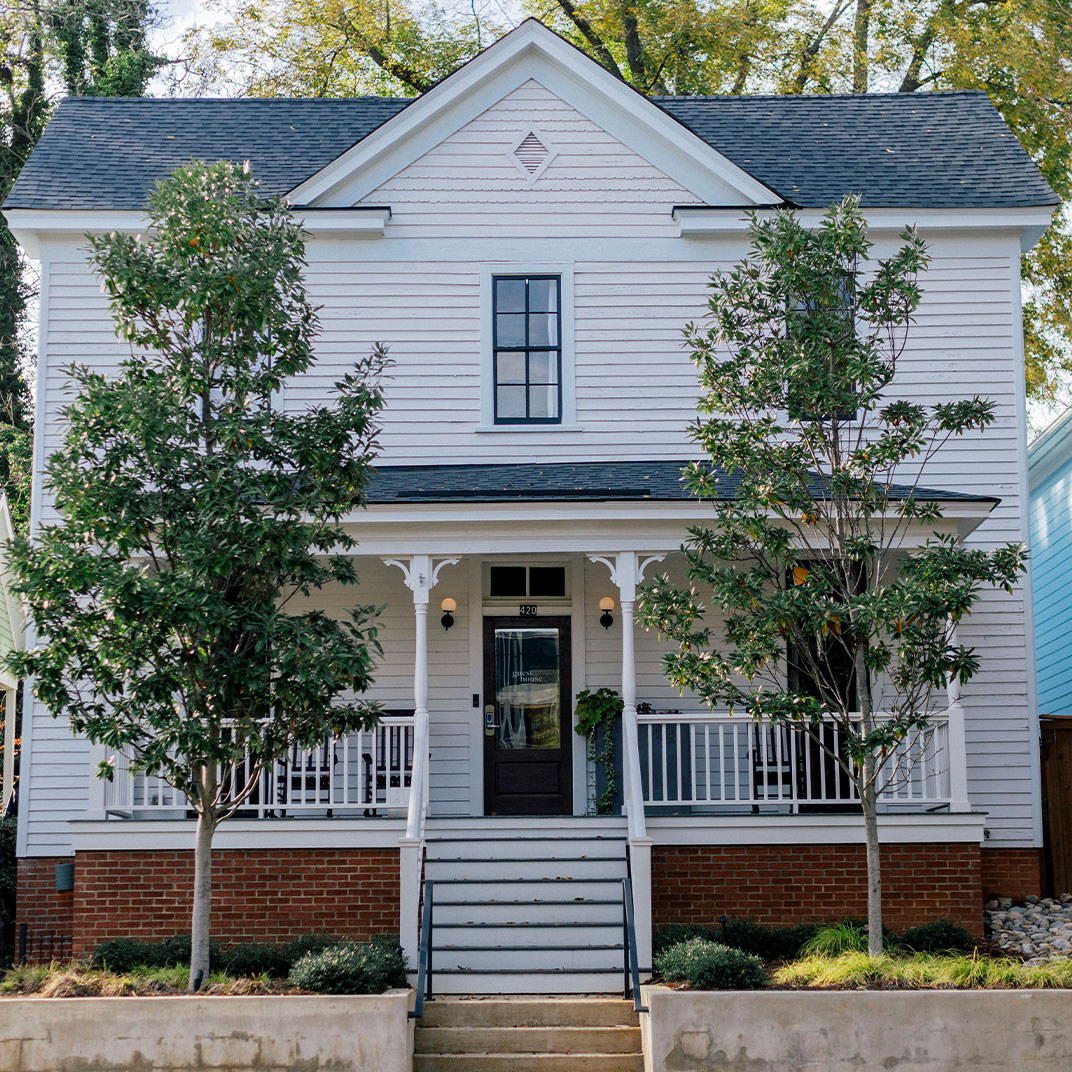
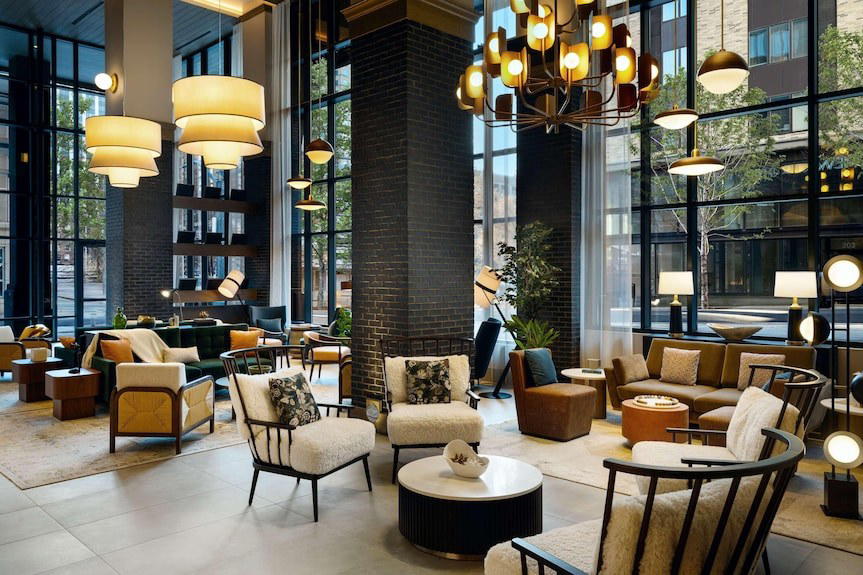
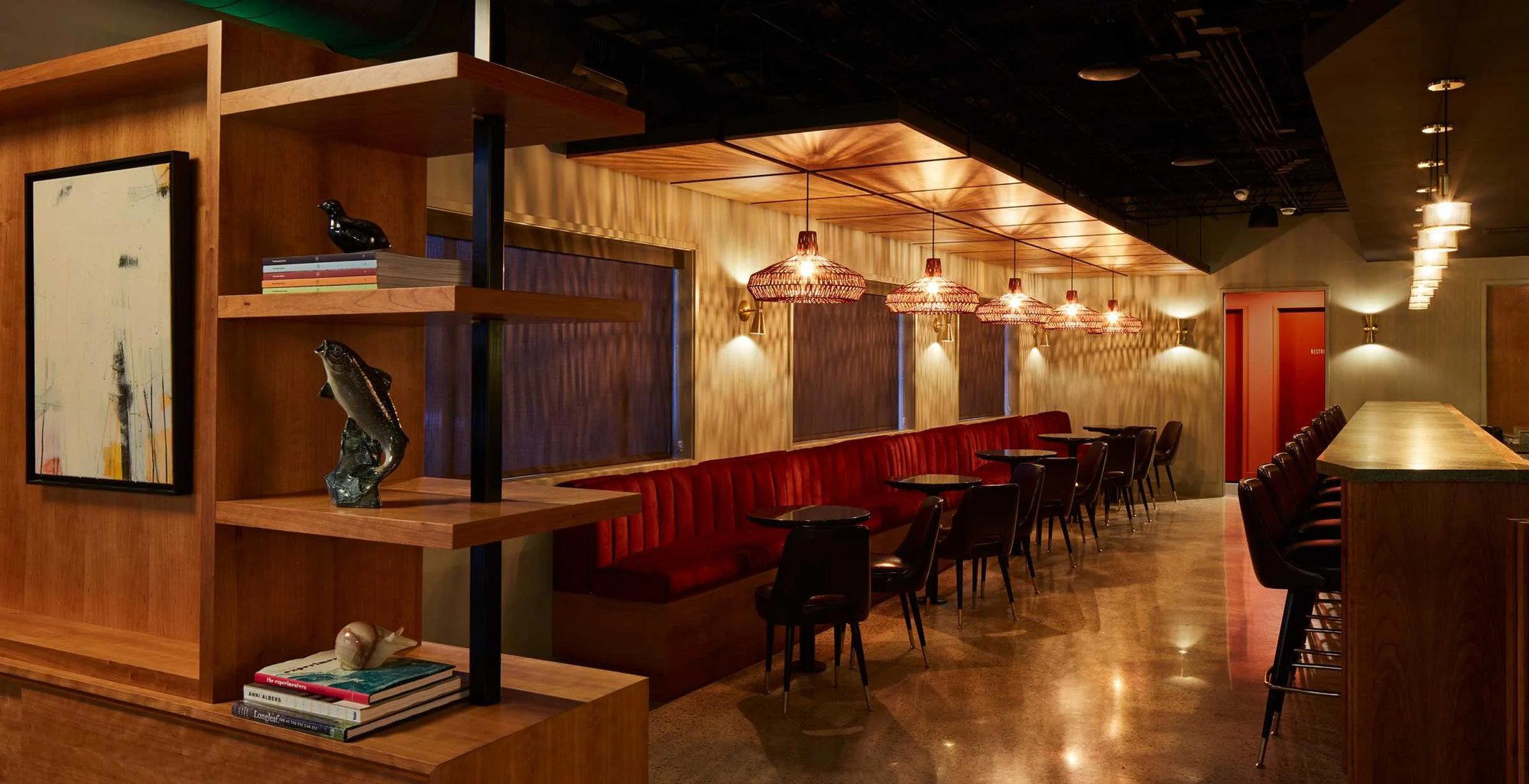
The Hippo Wine Bar & Shop
The wine
- Wine program
- Curated wine list
- Natural wine
Details
- Cozy
- Casual Hangout
- After Work
- Date Night
- Standalone
- Seated Bar
- Lounge Seating
- Natural Wine
- Conventional Wine
Current opening hours
- Monday
- Closed
- Tuesday
- Closed
- Wednesday
- 2–10 PM
- Thursday
- 2–10 PM
- Friday
- 2–10 PM
- Saturday
- 2–10 PM
- Sunday
- 12–5 PM
Hours can change for holidays and private events. Last verified .
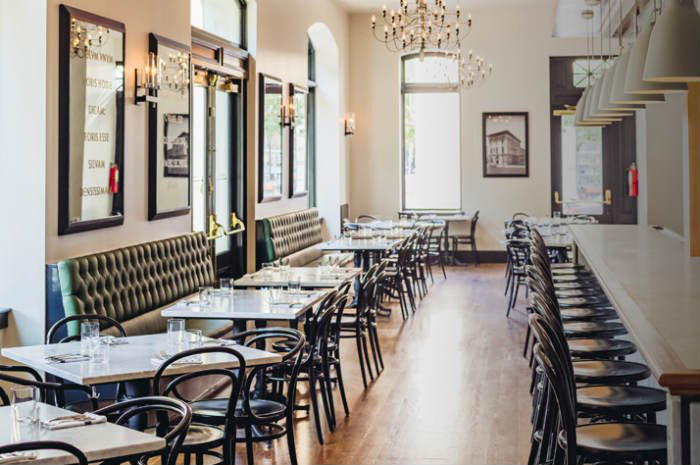
Moody, lounge-y neighborhood atmosphere with serious 'sip and stay awhile' energy; friendly and unpretentious vibe without wine snobbery.