The Herbivore occupies a defined address on Bredgatan in central Lund, positioning itself within a university city that has developed a more considered drinking and dining culture than its compact footprint might suggest. With an editorial angle toward plant-forward hospitality and a back bar worth examining, it represents a particular strand of Sweden's evolving bar and restaurant scene. Check directly for current hours, bookings, and menu details.
- Address
- Bredgatan 2, 222 21 Lund, Sweden
- Phone
- +46 46 13 41 56
- Website
- theherbivore.se
- Directions
- Get directions
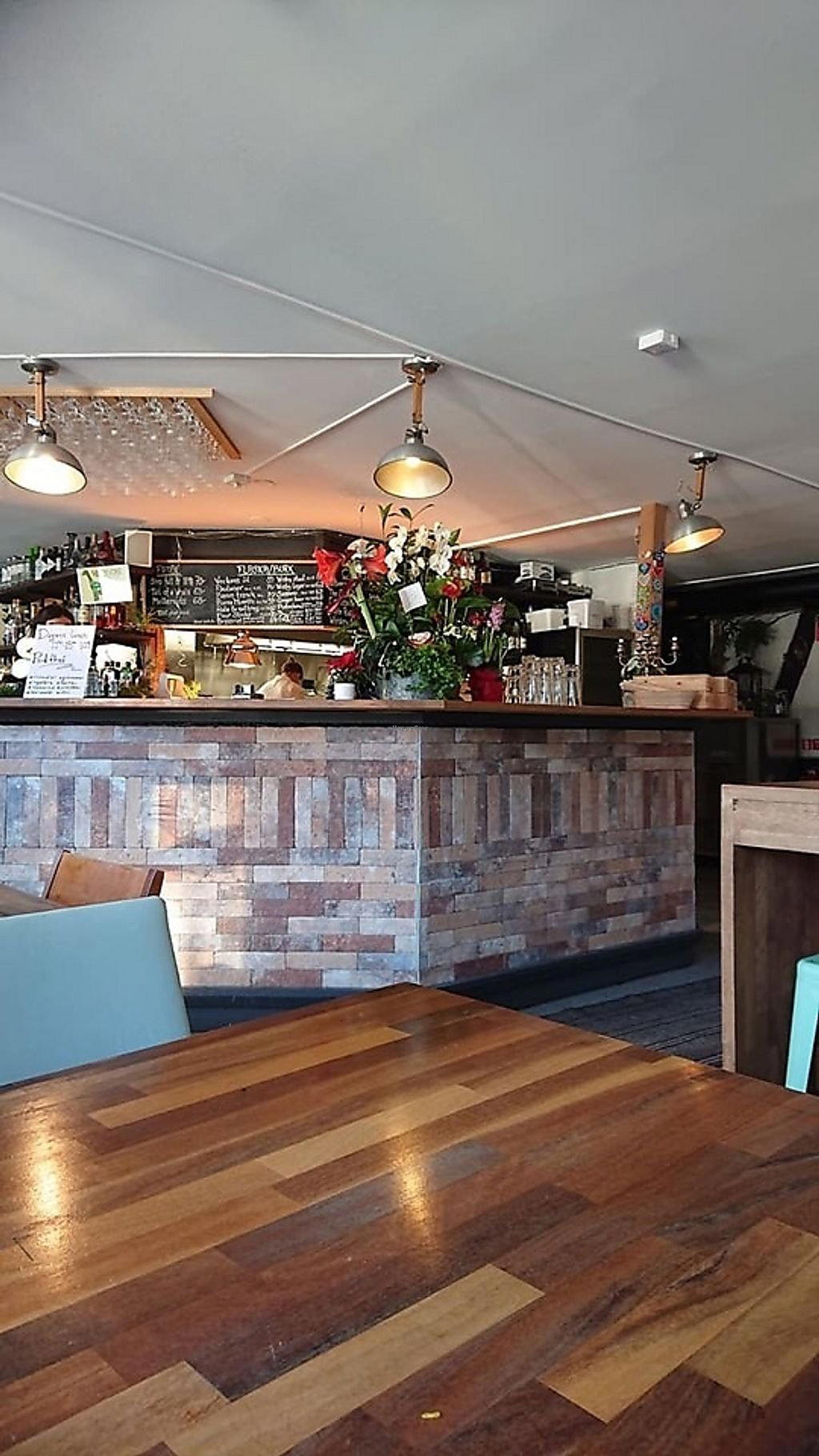
Lund's Drinking Scene and Where The Herbivore Sits Within It
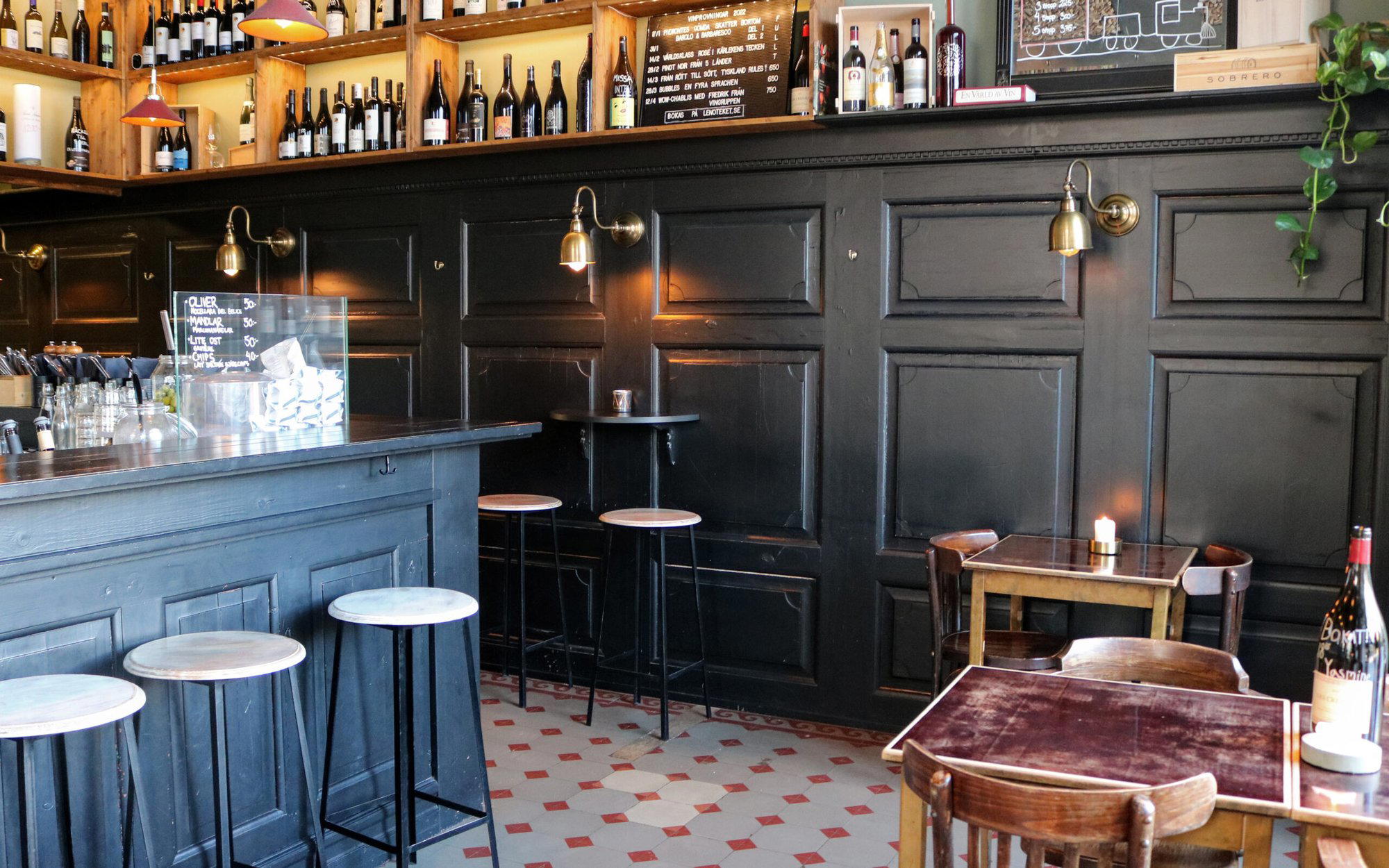
Lund operates at a scale that forces its hospitality venues to be deliberate. A university city of roughly 90,000 people, it lacks the critical mass that sustains trend-chasing concepts, so the places that endure here tend to do so through clarity of purpose rather than novelty. The bar and restaurant culture has, over the past decade, tracked a pattern visible across southern Sweden: a move away from volume-led pub formats toward smaller, more considered venues where the drink list is curated rather than comprehensive. Lenoteket represents one expression of that shift in Lund; The Herbivore, on Bredgatan 2 in the old town, represents another.
Bredgatan runs through one of Lund's most historically textured streets, close to the cathedral and within the pedestrian core that defines the city's social geography. Venues here draw a mixed crowd: academics, professionals, and visitors who arrive via the 15-minute train connection from Malmö or the 45-minute link from Copenhagen. That demographic tends to reward venues with depth over spectacle, which shapes what a serious back bar in this city needs to look like.
The Back Bar as Editorial Statement
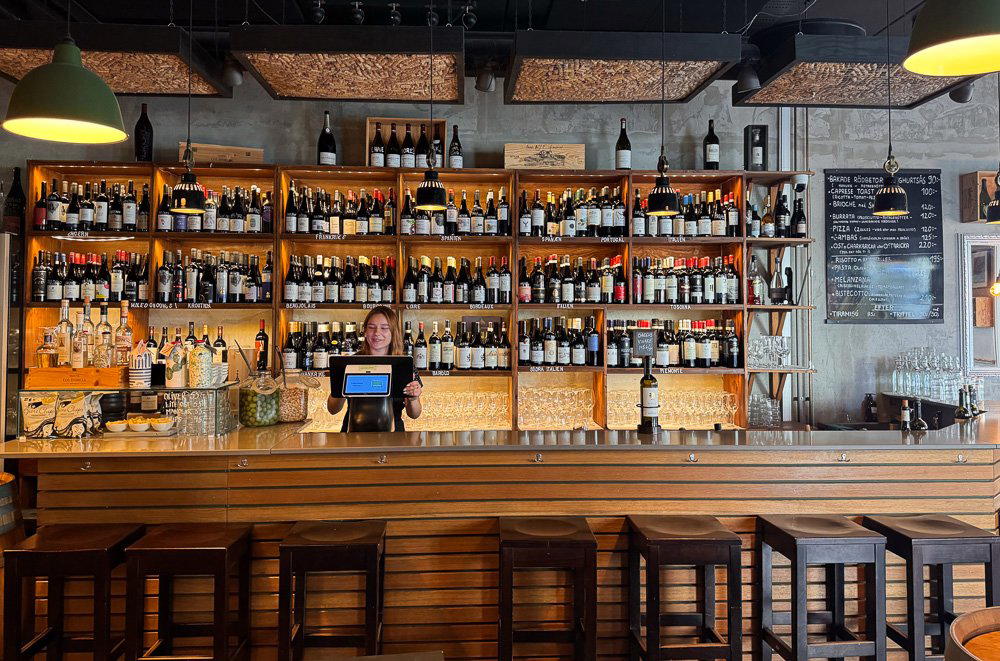
In Sweden's mid-sized cities, the back bar has become a reliable indicator of a venue's ambitions. A curated spirits collection signals something specific: the operator is making procurement decisions based on producer philosophy, regional rarity, or production method rather than simply stocking what a national distributor pushes. This distinction matters more in a country where Systembolaget, the state alcohol retail monopoly, controls the consumer market and shapes what most Swedes encounter at home. Bars that build genuinely interesting collections are working against a default of standardisation, sourcing bottles through import channels, specialist allocations, or direct relationships that bypass the mainstream catalogue.
The Herbivore's name and positioning suggest a plant-forward hospitality ethos, but in a bar context that framing often extends beyond the food program to influence the spirits selection. Producers who farm organically, distilleries that use heritage grains, botanical-driven categories like amaro, aquavit, and vermouth, all align naturally with a venue oriented around natural provenance. The Swedish aquavit category alone offers substantial depth for a bar willing to range across regional styles, from Skåne's caraway-led expressions to the more complex aged variants from producers in the north. For a Lund address, leaning into that category carries particular geographic logic: Skåne is Sweden's grain and fennel country, and the distilling tradition here predates the current craft revival by centuries.
Internationally, the movement toward rare and allocated spirits has restructured what serious back bars hold. Single-malt whisky from independent bottlers, aged rum from micro-distilleries in the Caribbean and Central America, and the expanding category of craft gin from Scandinavian producers all feature in venues that have moved past standard pours. Bars across Sweden that have earned recognition for their collections, including Lucy's Flower Shop in Stockholm, typically distinguish themselves through a consistent point of view rather than sheer volume of bottles. Breadth without editorial coherence produces a back bar that impresses on first glance and exhausts on closer inspection.
How Lund Compares to the Wider Swedish Bar Circuit
Sweden's bar scene has been documented primarily through its Stockholm venues, but the south of the country has developed its own character. Malmö, 15 minutes from Lund by train, has matured into a genuine destination for drinking, with venues like Ölkaféet in Malmo demonstrating that smaller Swedish cities can sustain specialist formats. The Gothenburg axis adds another reference point: Dorsia Hotel and Restaurant in Gothenburg shows how a West Coast city has built hospitality with its own distinct register.
Lund's position within this geography is instructive. It is close enough to Malmö that it competes for the same evening trade, but distinct enough in character to sustain venues with a different tempo. The university calendar creates seasonal rhythms that affect how a bar programs its year: the autumn and spring terms bring a more consistent crowd than summer, when the city empties between academic cycles. A venue on Bredgatan needs to read both audiences, the regulars who return weekly and the visitors who arrive with purpose. The back bar serves both: familiar pours keep regulars comfortable, while allocated bottles and considered selections give visiting drinkers a reason to order beyond habit.
Elsewhere in Sweden, venues in smaller cities have demonstrated that geographic remove from Stockholm does not preclude seriousness. Ångbryggeriet in Pitea and Bageriet Mat and Bar in Visby both operate far from the capital's density and manage to sustain recognisable programs. Båthuset Krog and Bar in Sigtuna and Bistro Vinoteket in Västerås reinforce the pattern: considered hospitality has dispersed across Sweden in a way that was not true fifteen years ago. The Herbivore occupies a similar position in its city, functioning as a reference point rather than a novelty.
For drinkers arriving from the coast or from further afield, the Skåne region offers several worthwhile stops beyond Lund itself. Vyn Restaurant in Östra Nöbbelöv and the Koster Islands in Tjärno each demonstrate the range of the Swedish west and south. Further afield, Bar Leather Apron in Honolulu offers an instructive international comparison for how a venue in a mid-sized city builds a spirits program with genuine depth and local identity.
Planning a Visit
The Herbivore is located at Bredgatan 2, 222 21 Lund, within easy walking distance of Lund Central Station and the cathedral quarter. Lund is served by regular Pågatågen and Öresundståg services from Malmö (approximately 15 minutes) and Copenhagen Central (approximately 50 minutes via the Öresund Bridge). As with most venues in this tier in Swedish university cities, evenings during term time tend to run busier than summer months, and arriving with a reservation or early in the evening is advisable if you want time at the bar rather than a wait.
For a fuller picture of what Lund offers across dining and drinking, our full Lund restaurants guide covers the city's current venues in detail.
Booking and Cost Snapshot
| Venue | Price |
|---|---|
| The HerbivoreThis venue — the venue you are viewing | This venue |
| Röda Huset | World's 50 Best |
| Lucy's Flower Shop | World's 50 Best |
| Tjoget | World's 50 Best |
Continue exploring
More in Lund
Bars in Lund
Browse all →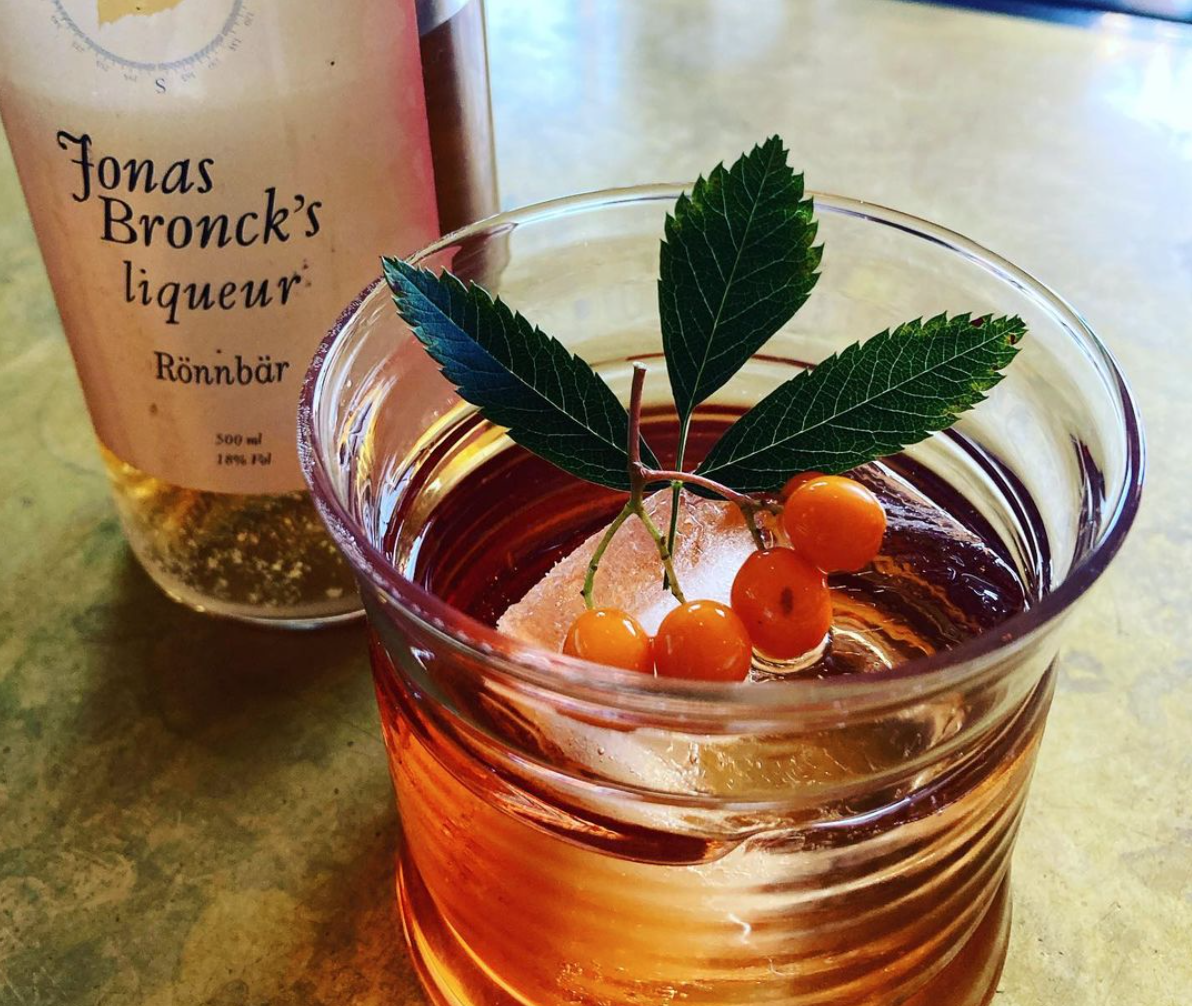
Restaurants in Lund
Browse all →
Hotels in Lund
Browse all →

At a Glance
- Cozy
- Relaxed
- After Work
- Casual Hangout
- Standalone
- Lounge Seating
- Outdoor Terrace
- Craft Cocktails
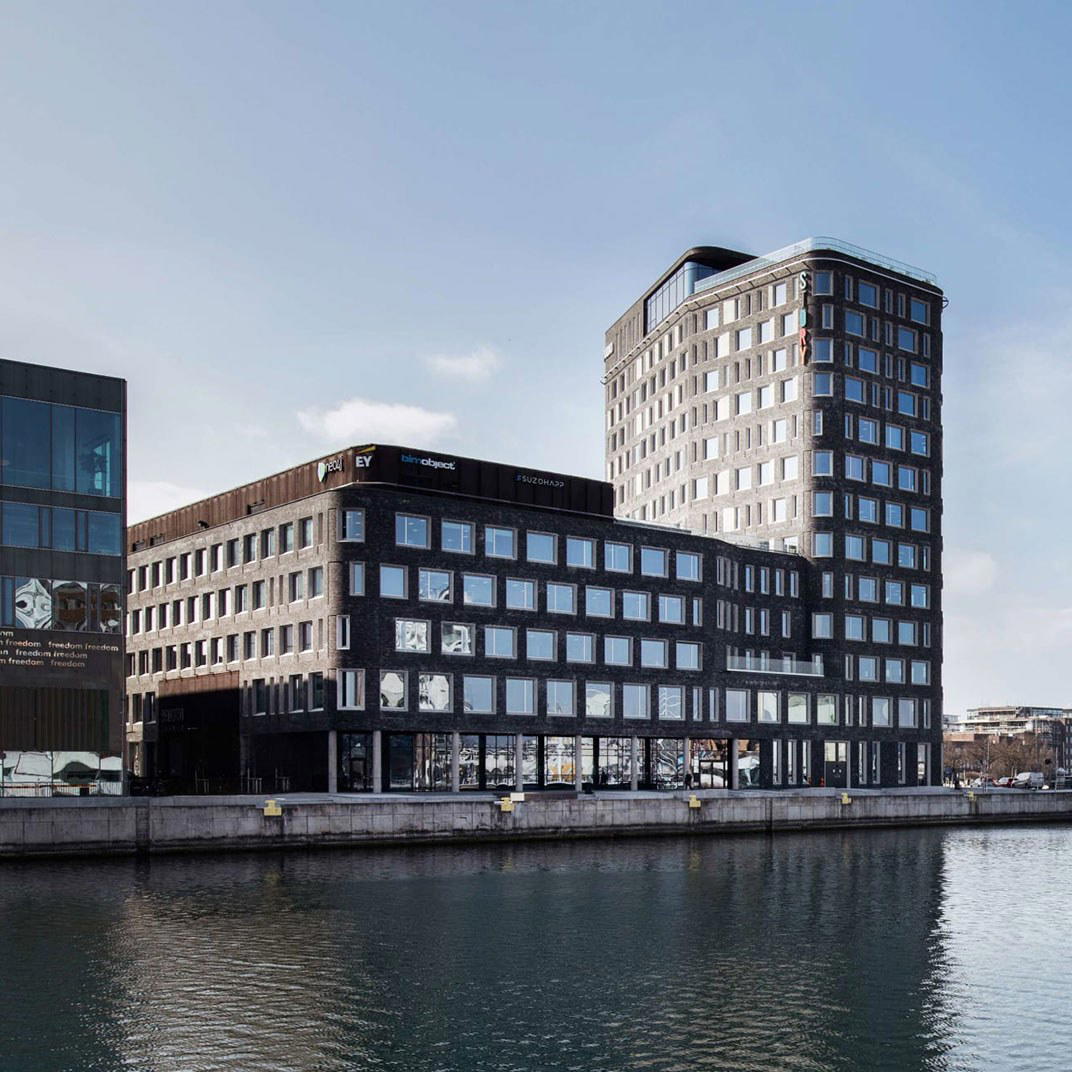
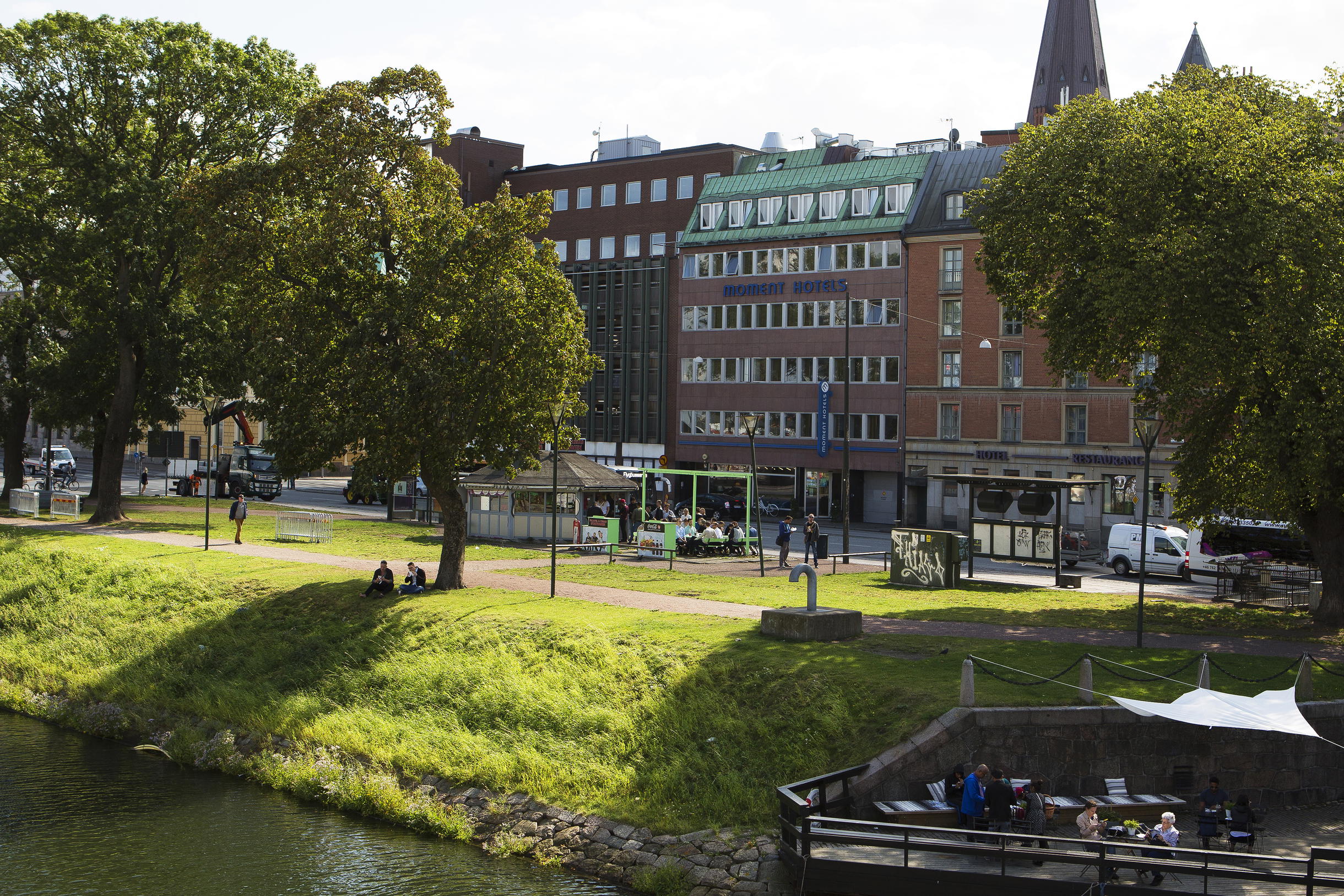
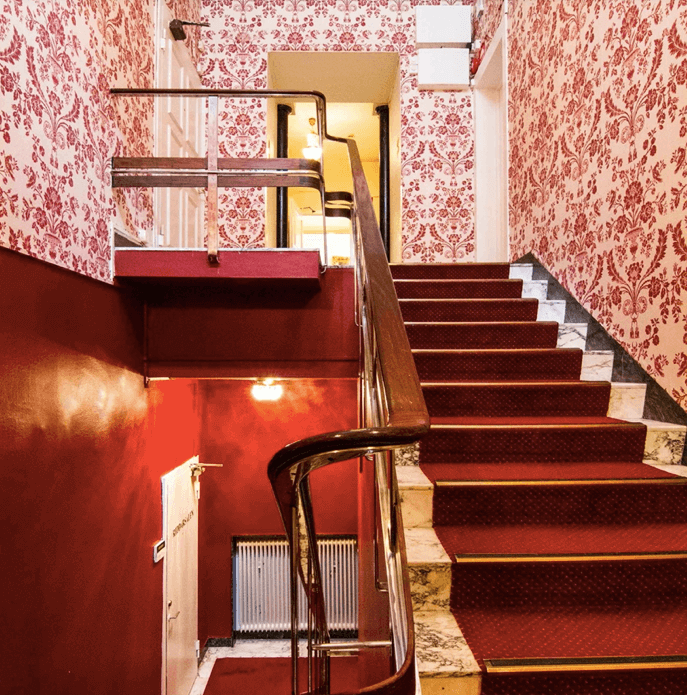
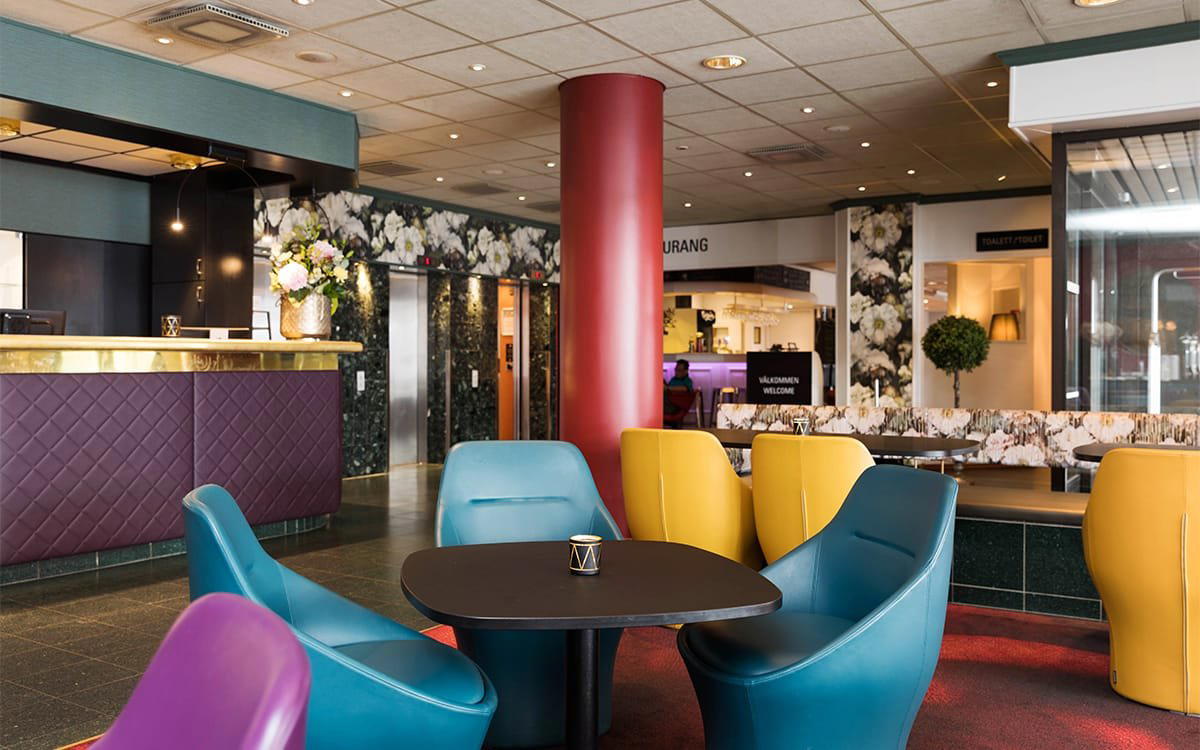
Cozy atmosphere with friendly service and a soft bar environment, featuring indoor and backyard seating.
Know Before You Go
- Getting there
- Bredgatan 2, 222 21 Lund, Sweden