

Lenoteket on Kyrkogatan sits inside Lund's compact but serious wine bar circuit, recognised by Star Wine List in 2026 for the depth and curation of its programme. The address draws a crowd that treats the glass as seriously as the food, making it a reliable reference point in a university city with higher wine ambitions than its size might suggest.
Pearl is the En Primeur Club membership app — saves, bookings, and concierge access live there. Same editors, same standards.
- Address
- Kyrkogatan 17, 222 22 Lund, Sweden
- Phone
- +46 46 644 10
- Website
- lenoteket.se
- Directions
- Get directions
 Saves & bookings on Pearl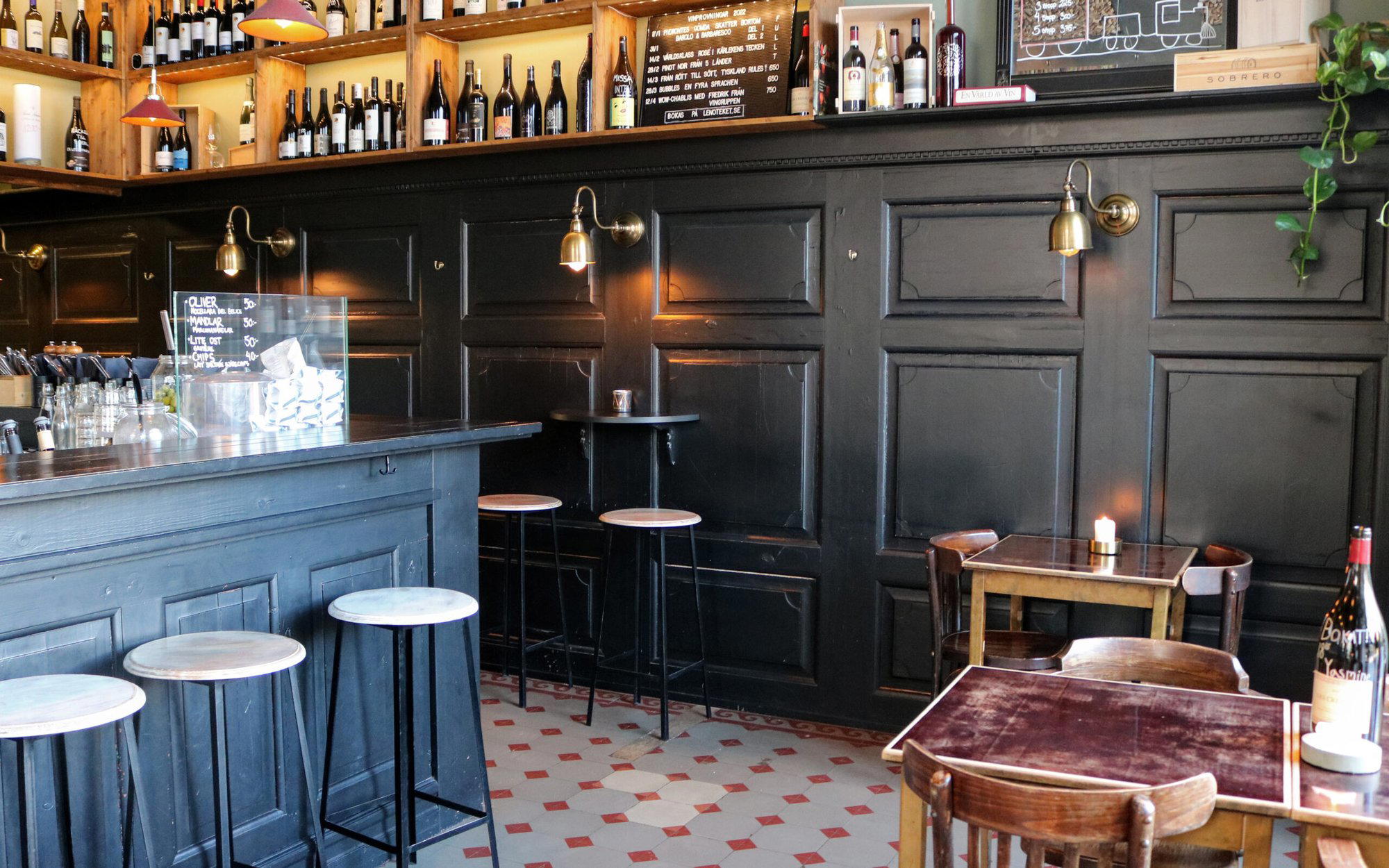
Lund's Wine Bar Moment
Sweden's smaller cities have spent the last decade developing wine bar cultures that track closely with Copenhagen's natural wine scene to the south and Stockholm's more formal list-driven rooms to the north. Lund sits in an interesting position within that geography: a university city with a population that cycles through academic rigour and social ease, producing a drinking public that is genuinely curious rather than merely affluent. The wine bars that have taken hold here tend to be specific about their lists rather than comprehensive, edited rather than encyclopaedic. Our full Lund restaurants guide maps how that culture has spread across the city centre's walkable core.
Lenoteket, at Kyrkogatan 17, is part of that movement. The address places it on one of the old town's more pedestrian-friendly streets, the kind of route where the architecture transitions between centuries without announcement and an evening out feels compressed and manageable in a way that larger cities rarely permit. You arrive without a long commute, and the room rewards that ease.
The Approach to the Glass
Wine bars in Scandinavia have consolidated around a recognisable format over the past several years: a considered by-the-glass list anchored by producers working with lower intervention, a short food offering built to support rather than compete with the drink, and a physical environment that signals seriousness without the stiffness of a formal restaurant. The format suits cities like Lund, where the dining-out culture is real but the appetite for ceremony is limited.
What distinguishes rooms that earn external recognition from those that simply execute the format is the coherence of the selection and the quality of service at the glass level. Star Wine List, which awarded Lenoteket its 2026 recognition, evaluates wine programmes on the basis of list structure, producer choice, and by-the-glass breadth. For comparative reference, Bistro Vinoteket in Västerås operates a similarly list-focused format in another mid-sized Swedish city, pointing to how this model has distributed across the country.
Reading the Programme
The editorial angle at rooms like this is rarely about a single showpiece bottle. It is about the logic of the list: which regions the selectors have confidence in, where they have taken interpretive risks, and how the by-the-glass range serves someone who wants to move through an evening rather than commit to a single bottle. A well-constructed wine bar programme reads as an argument about what is interesting to drink right now, made glass by glass.
Lund's proximity to the Danish border and the wine import culture that flows between the two countries means access to certain small European producers is more fluid here than in more isolated Swedish cities. That geography informs the kind of list a serious Lund wine bar is likely to carry. Natural and low-intervention wines from France's Loire and southern Rhône, along with Jura producers and the increasingly visible Slovenian and northern Italian categories, have become common reference points in this part of Scandinavia. Star Wine List recognition in 2026 suggests Lenoteket's list reflects that awareness.
For a sense of how other recognised Swedish wine and drinks programmes are framing their lists, Ölkaféet in Malmö operates just twenty kilometres from Lund and gives a useful point of comparison for the Skåne region's broader drinks culture. Further north, Ångbryggeriet in Piteå shows how Swedish cities at very different latitudes are building serious drink programmes around distinct local identities.
Setting and Format
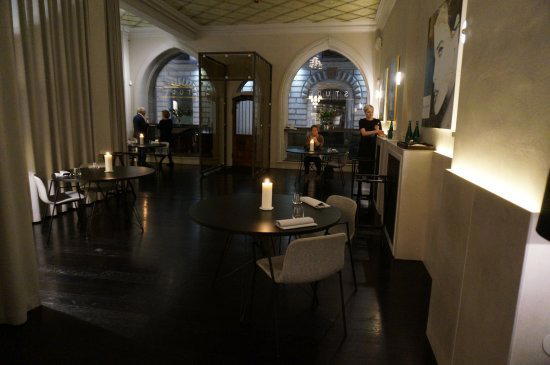
The physical character of a wine bar on a historic Lund street operates within certain fixed parameters: period buildings, modest footprints, and the low ceiling heights that tend to make for good acoustic intimacy. What operators do within those constraints separates the rooms that feel considered from those that simply fill a space. At Kyrkogatan 17, the address itself suggests a building with some age to it, which in Lund typically means exposed brick or plaster, narrow windows, and a layout that works well when full but not overcrowded.
The format that suits this kind of space is one where the staff-to-table ratio stays high enough to support proper wine conversation. A guest asking about the difference between two Burgundy appellations, or why a particular Galician white is on the list, should get a considered answer. That level of floor knowledge is what separates a bar with a good list from one that genuinely functions as a wine bar. Star Wine List's recognition process implicitly rewards venues where that knowledge is visible in the programme's construction.
Lund's The Herbivore represents another point on the city's drinks map, and together the two addresses suggest a centre of gravity for serious drinking that punches above the city's scale. That pattern replicates across Sweden: Bageriet Mat and Bar in Visby and Båthuset Krog and Bar in Sigtuna are further examples of smaller Swedish cities sustaining credible drinks rooms. For the broadest Scandinavian context, Lucy's Flower Shop in Stockholm represents the capital's equivalent of this edited, list-led approach, while Dorsia Hotel and Restaurant in Gothenburg and Vyn Restaurant in Östra Nöbbelöv demonstrate how the country's west coast is developing its own register. Outside Scandinavia, Bar Leather Apron in Honolulu and Koster Islands in Tjärnö show how different coastal environments develop their own drinks identities.
Planning a Visit
Lenoteket is at Kyrkogatan 17 in central Lund, reachable on foot from the train station in around ten minutes. Lund sits on the main Malmö-to-Gothenburg rail corridor, making it accessible as an evening destination from either city without requiring a stay. Given that the venue's Star Wine List recognition will draw visitors who know what they are looking for, arriving with a loose sense of the list's direction rather than a fixed order in mind tends to produce a better experience at this kind of room. For specific opening hours, current by-the-glass selections, or reservation logistics, going directly to the venue is the most reliable route, as these details shift with the season and the programme.
How Lenoteket Lund compares with similar nearby venues.
| Venue | Awards |
|---|---|
| Lenoteket | Star Wine List (2026) |
Recognition history
Dated appearances from independent guides and award organizations, with the underlying list record or original source where available.
Falstaff Wine Bar - Listed
Falstaff
Star Wine List
Star Wine List
Continue exploring
More in Lund
Bars in Lund
Browse all →
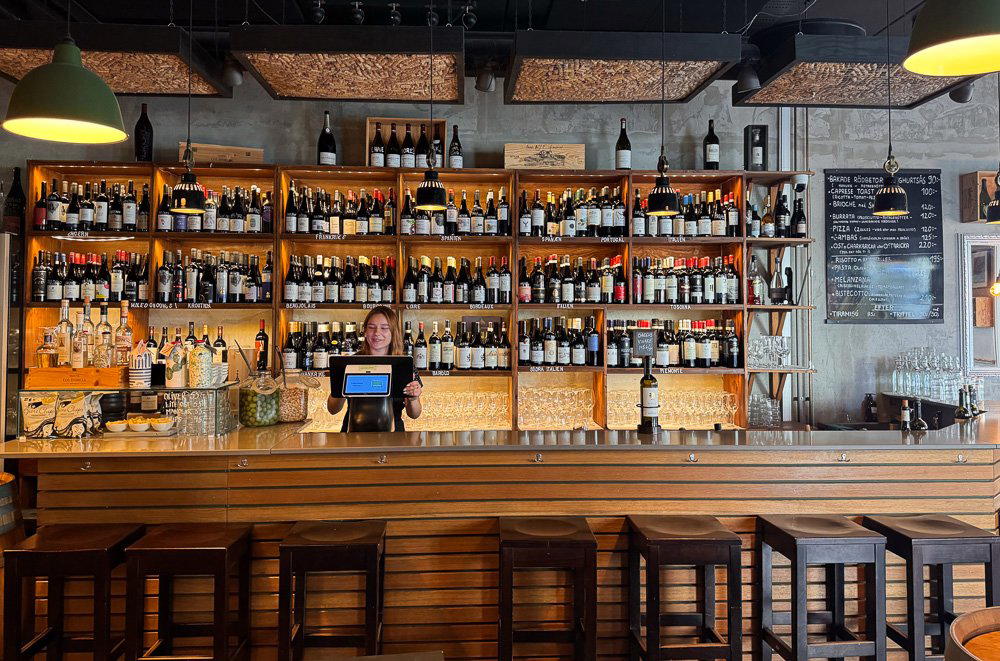
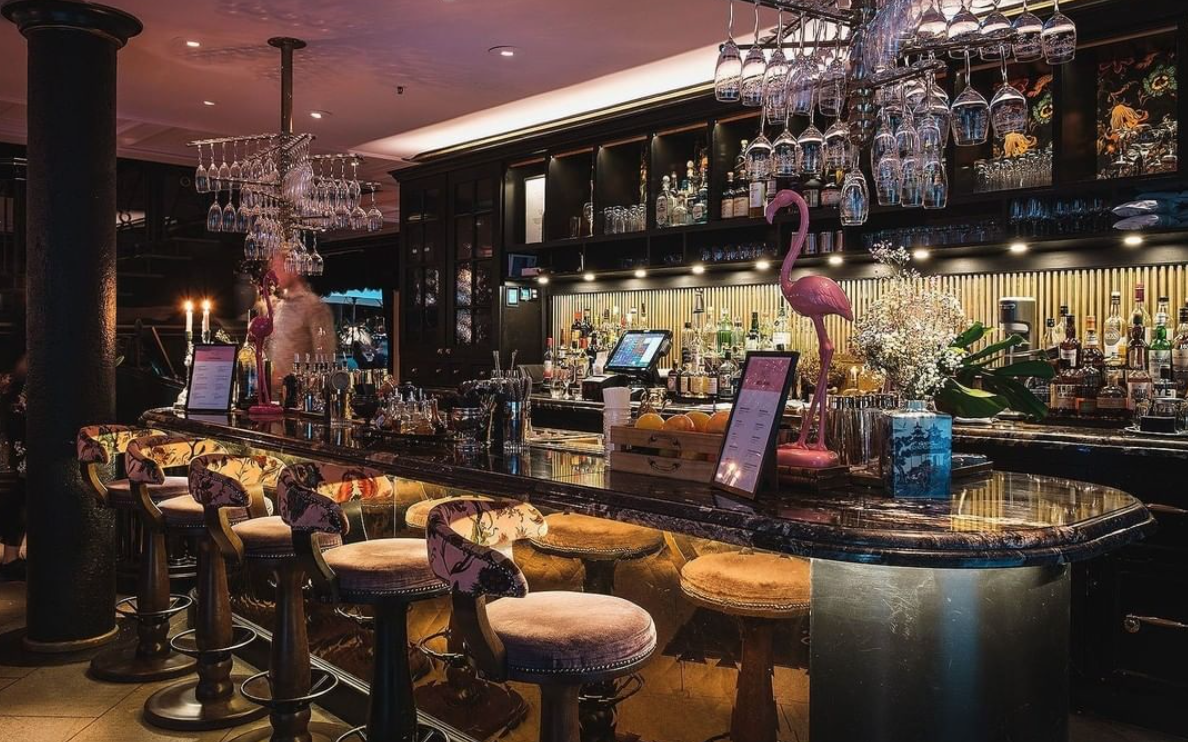
Restaurants in Lund
Browse all →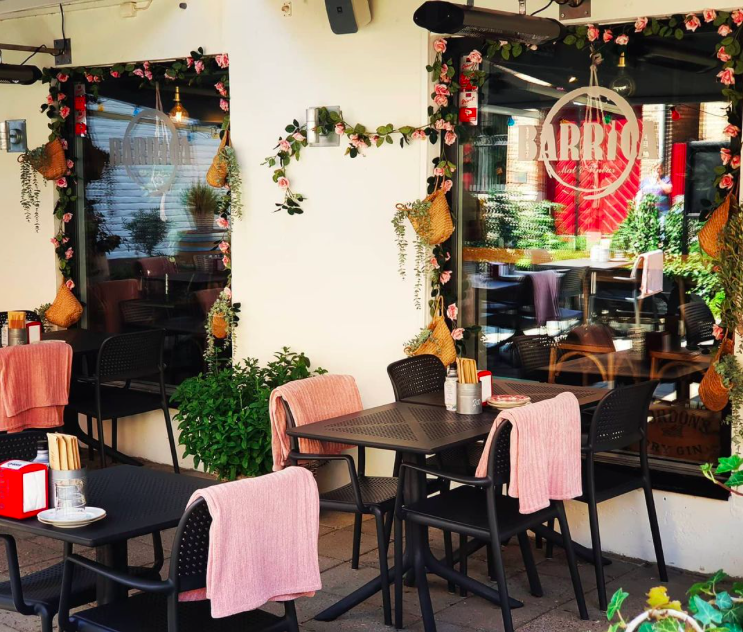
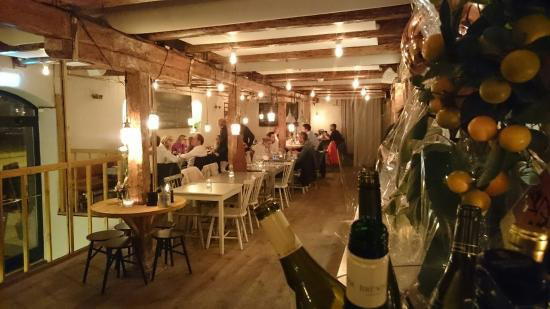
Hotels in Lund
Browse all →

At a Glance
- Cozy
- Intimate
- Charming
- Date Night
- Casual Hangout
- Standalone
- Seated Bar
- Natural Wine
Current opening hours
- Monday
- 4–11 PM
- Tuesday
- 4–11:30 PM
- Wednesday
- 4–11:30 PM
- Thursday
- 4–11:30 PM
- Friday
- 3 PM–12:30 AM
- Saturday
- 12 PM–12:30 AM
- Sunday
- Closed
Hours can change for holidays and private events. Last verified .
Charming and welcoming with a cozy atmosphere.
Know Before You Go
- Getting there
- Kyrkogatan 17, 222 22 Lund, Sweden