The Glass Onion
On West Ashley's Savannah Highway, The Glass Onion brings a sourcing-first approach to Southern cooking that positions it closer to the farm-to-table discipline of the broader Lowcountry food movement than to Charleston's more theatrical dining scene. The kitchen draws on regional producers and seasonal availability to shape its menu, placing it in a mid-tier price bracket that keeps it accessible without sacrificing ingredient integrity.
 Discover on Pearl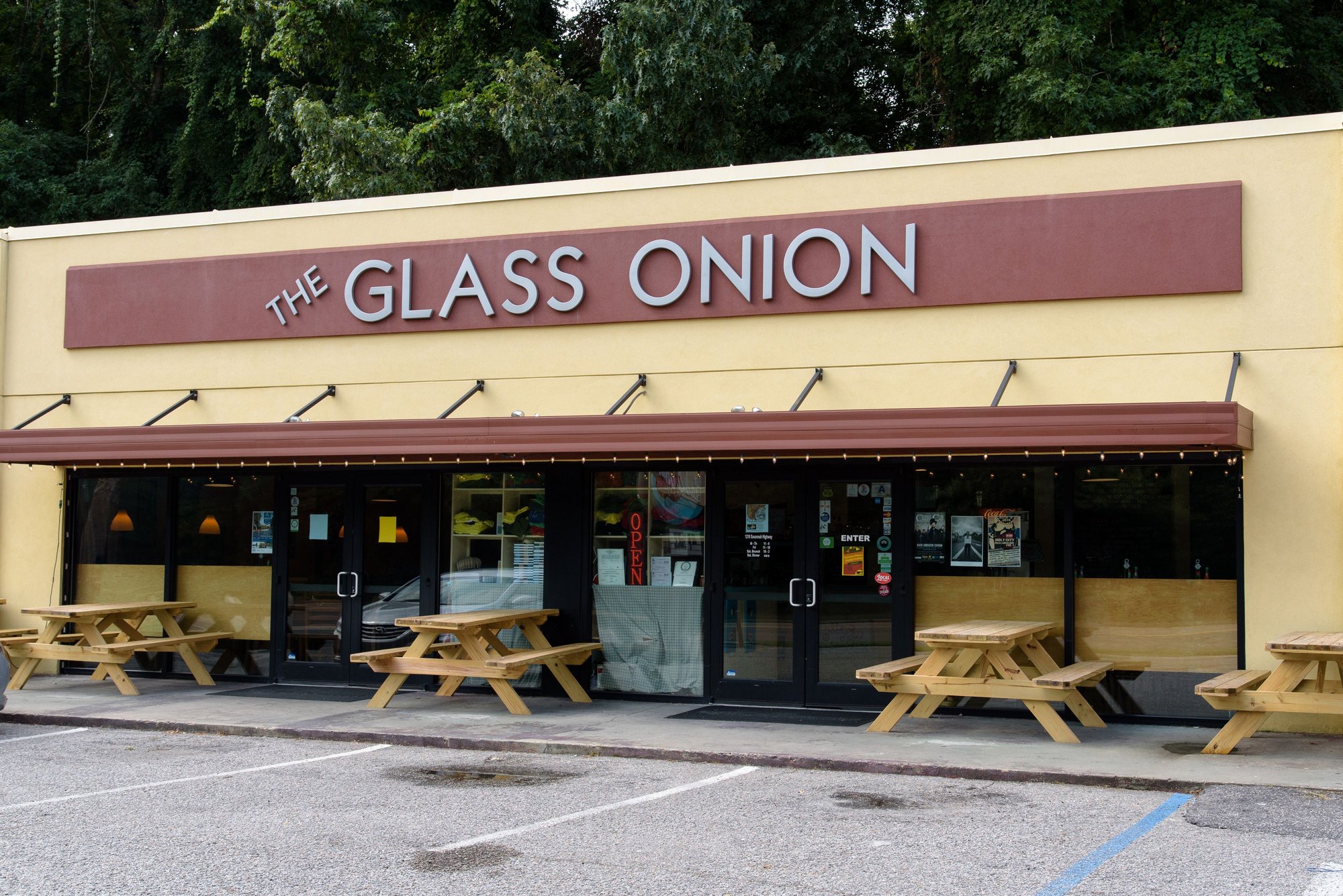
West Ashley's Quiet Argument for Slower Southern Food
Savannah Highway moves differently from King Street. Where Charleston's downtown corridor runs on tourist traffic and reservation pressure, the stretch of road through West Ashley has its own rhythm: local, unhurried, and less interested in spectacle. It is in this context that The Glass Onion operates, at 1219 Savannah Hwy, sitting outside the gravitational pull of the peninsula's more photographed dining rooms. That geography is not incidental. It reflects a broader pattern in American cities where the most produce-driven, sourcing-conscious kitchens often position themselves away from the highest-rent corridors, choosing operational flexibility over postcode cachet.
Southern Food Through a Sourcing Lens
The wider Charleston dining scene has spent two decades refining what Lowcountry cooking means at a restaurant level. The conversation has moved through multiple phases: the reverence for heirloom grains, the Sea Island ingredient revival, the chef-as-anthropologist moment. What has emerged from that progression is a clearer split between kitchens that use Southern identity as aesthetic branding and those that treat regional sourcing as operational infrastructure. The Glass Onion belongs to the latter category.
This approach, common to the most credible farm-to-table operations across the American South, means the menu functions as a seasonal document rather than a fixed signature. Dishes shift with producer availability, which creates a different kind of dining reliability: not consistency of dish, but consistency of sourcing discipline. In a region where ingredient traceability has become a serious differentiator, that distinction carries weight. Comparable operations in other Southern cities, including Jewel of the South in New Orleans and Julep in Houston, have demonstrated how a commitment to regional supply chains can anchor a program without sacrificing creativity or commercial viability.
The Ethics of the Plate: Waste, Sourcing, and the Lowcountry Supply Chain
The sustainability conversation in American dining has matured beyond composting bins and chalkboard sourcing notes. The kitchens that have earned sustained attention are those that have structured their supply chains around producer relationships rather than spot purchasing, that treat whole-animal and whole-vegetable cookery as a kitchen discipline rather than a marketing position, and that price their menus to reflect the actual cost of ethical sourcing. This is not a simple thing to execute in a mid-market dining room, where margin pressure is real and diners are sensitive to price.
The Glass Onion's location in West Ashley, rather than on the peninsula, may itself reflect this kind of operational pragmatism. Lower overhead creates more room to absorb the cost differentials that come with sourcing from smaller, regional producers rather than broadline distributors. Across the American farm-to-table tier, this trade-off appears repeatedly: the restaurants most committed to supply chain integrity tend to operate in lower-rent neighborhoods, where the economics of ethical sourcing can be made to work without compromising the kitchen's standards or the guest's bill.
South Carolina's agricultural depth makes this particularly viable. The Lowcountry's food culture has long been shaped by a tight geography between coast and farmland, with shrimpers, rice growers, and small vegetable farms operating within a relatively compact regional network. A kitchen positioned to access that network directly, rather than through intermediaries, is working with one of the more intact regional food systems in the American South. That structural advantage is worth understanding before you sit down.
Where The Glass Onion Fits Charleston's Broader Scene
Charleston now operates across several distinct dining tiers. At the leading end, a cluster of peninsula restaurants competes on national recognition and tasting-menu ambition. Below that sits a more interesting middle band: restaurants that prioritize ingredient quality and cooking precision without the ceremony or the cover charges that come with fine dining formats. The Glass Onion operates in this band, alongside other West Ashley and off-peninsula addresses that have built loyal local followings without chasing the accolades that drive tourist traffic.
Within the city's bar and drinks scene, the peninsula holds the concentration of notable programs. The Cocktail Club and 39 Rue de Jean represent the more technique-forward end of downtown drinking, while 82 Queen and babas on cannon occupy different registers of the same neighbourhood hospitality. The Glass Onion's dining focus sits in a different conversation from these programs, though the city's food-and-drink culture is coherent enough that visitors moving between both will find the overall sensibility consistent: a commitment to regional identity expressed through operational choices, not just menu language.
For those building a longer itinerary around sourcing-conscious programs in American cities, the pattern extends well beyond Charleston. Kumiko in Chicago and ABV in San Francisco apply comparable discipline to their respective categories. Bar Leather Apron in Honolulu and Superbueno in New York City show how regional specificity translates into program identity at a drinks level. Even further afield, The Parlour in Frankfurt on the Main demonstrates that the sourcing-first sensibility is not exclusively an American phenomenon. These references are useful because they establish what serious commitment to a regional supply chain actually looks like across different formats, and what it tends to produce in terms of guest experience.
Planning Your Visit
The Glass Onion sits at 1219 Savannah Hwy in West Ashley, a short drive from the Charleston peninsula. Guests coming from downtown should budget around fifteen minutes by car, longer during afternoon commuter traffic on the Savannah Highway corridor. Because venue data on current hours and booking arrangements is not confirmed at time of publication, checking directly before visiting is the most reliable approach. The West Ashley location means parking is generally less fraught than on the peninsula, which is a practical advantage worth factoring into an evening's logistics. For a broader map of where The Glass Onion fits within the city's food culture, the EP Club Charleston guide covers the full scene with neighbourhood-level context.
Frequently Asked Questions
- What's the signature drink at The Glass Onion?
- The Glass Onion's focus is on food rather than a cocktail program, and its sourcing-first approach to Southern cooking is the more substantive reason to visit. For dedicated cocktail programming in Charleston, The Cocktail Club and babas on cannon represent the city's more technically developed bar options.
- What should I know about The Glass Onion before I go?
- The restaurant is in West Ashley rather than on the Charleston peninsula, which shapes both the pricing and the atmosphere: less tourist-facing, more neighbourhood-rooted. Its place in the city's farm-to-table tier means the menu reflects seasonal and producer availability rather than a fixed format. Checking current hours and reservation policy directly is advisable, as operational details are not confirmed at publication. For comparative context on Charleston's broader dining options, the full Charleston guide provides wider coverage.
- How does The Glass Onion's approach differ from other Southern restaurants in Charleston?
- Where many Charleston restaurants invoke Southern identity through dish names or aesthetic cues, The Glass Onion positions itself through operational sourcing choices, drawing on the Lowcountry's regional producer network in a way that reflects the farm-to-table discipline more seriously than purely branding-led competitors. Its West Ashley address is part of that identity: a lower-overhead, neighbourhood-rooted location that gives the kitchen more latitude to absorb the cost of working with smaller, regional suppliers. That distinction places it in a specific and credible tier of the city's food culture, distinct from both the tasting-menu restaurants on the peninsula and the casual Southern comfort food category.
Cuisine and Awards Snapshot
A compact peer snapshot based on similar venues we track.
| Venue | Cuisine | Awards | Notes |
|---|---|---|---|
| The Glass Onion | This venue | ||
| The Cocktail Club | World's 50 Best | ||
| Doar Bros | |||
| Graft Wine Shop & Wine Bar | |||
| Prohibition | |||
| The Gin Joint |
Need a Table?
Our members enjoy priority alerts and concierge-led booking support for the world's most difficult bars and lounges.
Get Exclusive Access