The Fillmore
At 1805 Geary Blvd in the Western Addition, The Fillmore sits steps from one of San Francisco's most storied music venues, drawing a crowd that moves between concert floors and bar stools with equal ease. The cocktail program operates in a city where technical ambition and neighbourhood character increasingly coexist, placing The Fillmore inside a competitive local bar scene that rewards both craft and atmosphere.
Pearl is the En Primeur Club membership app — saves, bookings, and concierge access live there. Same editors, same standards.
- Address
- 1805 Geary Blvd, San Francisco, CA 94115
- Phone
- +1 415 346 3000
- Website
- livenation.com
- Directions
- Get directions
 Saves & bookings on Pearl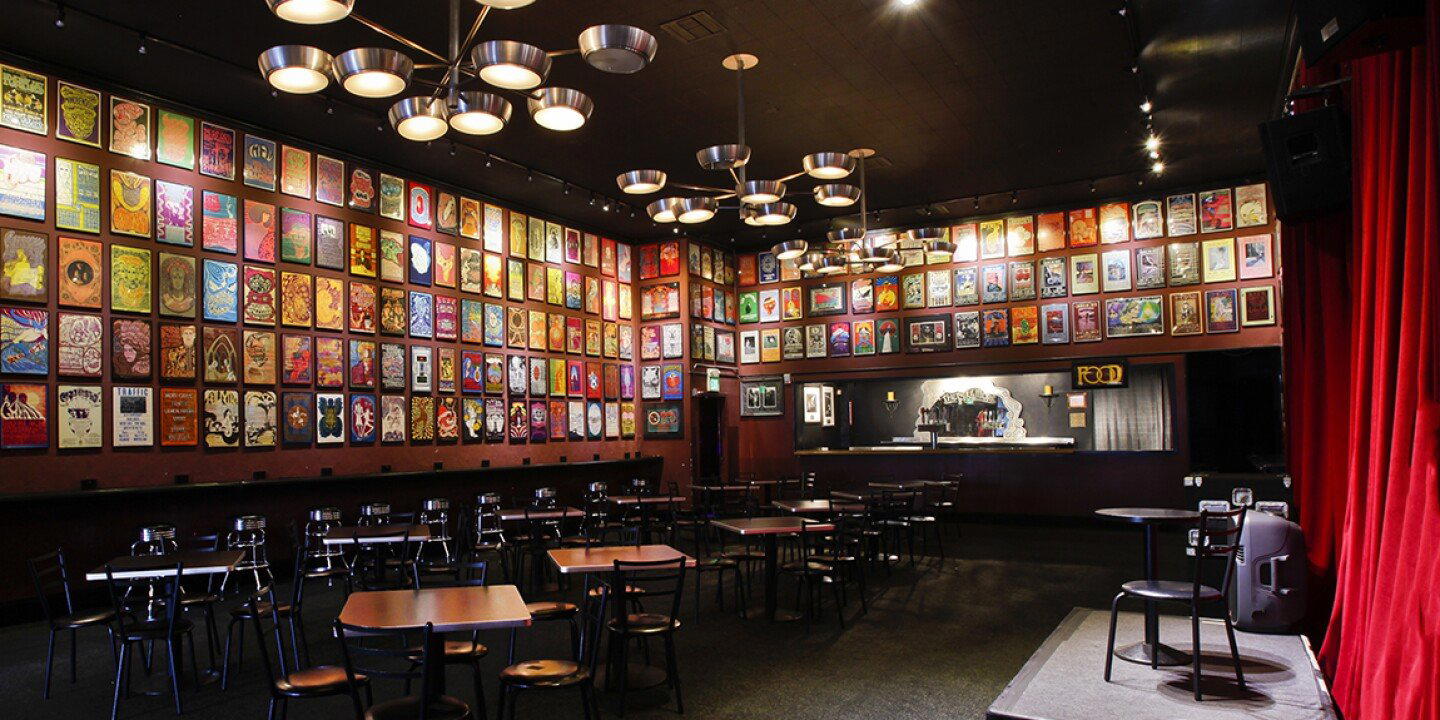
Geary Boulevard After Dark
The Western Addition has never quite settled into a single identity. Geary Boulevard runs through it like a fault line, bisecting jazz-era social clubs, mid-century diners, and the kind of corner bars that have outlasted three rounds of neighbourhood reinvention. The Fillmore sits at 1805 Geary, a block from the concert hall that gave the street its cultural gravity, and the address does a fair amount of work before the first drink arrives. In San Francisco, location is argument, and this one arrives with decades of built-in context.
The city's bar culture has shifted considerably over the past decade. The speakeasy formula that dominated the early 2010s gave way to a more transparent model: bars that lead with technique and ingredient sourcing rather than concealment. That shift produced a cohort of San Francisco venues that now compete on programme depth and neighbourhood fit rather than novelty of format. The Fillmore occupies that middle ground, where the room carries enough weight from its surroundings that the drinks can do their work without theatrical scaffolding.
The Cocktail Programme in Context
San Francisco's bar scene has developed a recognisable character over the past fifteen years: an openness to Pacific Rim ingredients, a debt to the city's amaro and digestif culture, and a tendency to run serious programmes in rooms that don't look like they're trying particularly hard. Pacific Cocktail Haven built its reputation on exactly that tension, presenting technically precise drinks in a format that felt accessible rather than intimidating. Smuggler's Cove carved out a specialist position in rum-led programming that now runs to one of the deepest rum lists in the country.
The Fillmore's programme sits within that broader scene without replicating any one of those approaches. The Western Addition location aligns it more closely with neighbourhood-anchored bars than with destination venues that draw visitors primarily on programme reputation. That distinction matters in San Francisco, where the difference between a bar locals return to weekly and one that cycles through out-of-town visitors is often a function of geography as much as menu design.
Across the country, the bars drawing sustained critical attention are those that have developed a coherent technical identity without becoming precious about it. Kumiko in Chicago brought Japanese technique and ingredient logic to a programme that still reads as approachable. Jewel of the South in New Orleans anchored itself in historical cocktail research without letting the history crowd out the hospitality. Allegory in Washington, D.C. built a thematic programme that renewed itself with enough regularity to sustain repeat visits. What connects those venues is programme clarity: a point of view on what the bar is doing and why. The strongest Western Addition bars operate on a similar logic.
Neighbourhood Fit and the Music Venue Effect
Bars positioned adjacent to major live music venues operate under specific constraints and advantages. The crowd is pre-sorted by interest and energy; the venue draws people who have already committed to an evening out rather than those deciding between options. That dynamic tends to reward bars with a clear identity over those that attempt to be everything at once. The bar Auditorium, which has hosted performances continuously since the 1950s and remains one of the country's most recognisable mid-capacity concert venues, generates that kind of foot traffic on show nights.
The pre-show and post-show structure also shapes what a cocktail programme needs to deliver. Pre-show crowds want speed and confidence; post-show crowds want something to extend the evening. Bars near major venues that sustain a reputation beyond the concert calendar tend to do so because they function as neighbourhood bars the other nights of the week. That dual-mode operation is harder to execute than it sounds, and bars that manage it well tend to build loyalty across different types of regulars.
Comparable bars near major music venues in other cities have navigated this differently. Julep in Houston built a programme rooted in Southern spirits and whiskey depth that functions independently of any single anchor. Bar Leather Apron in Honolulu established itself as a destination in its own right, drawing visitors for the programme rather than proximity. Superbueno in New York City built its identity around a specific spirits category that gave the programme a clear point of entry. Friends and Family in San Francisco took the neighbourhood-anchor model and built a programme around it. The Parlour in Frankfurt on the Main demonstrated that hospitality-first bar culture can carry a programme without constant menu reinvention.
Where The Fillmore Sits in San Francisco's Bar Tier
San Francisco's bar scene runs across a fairly wide range: specialist tiki operations, technically ambitious cocktail bars, neighbourhood rooms with deep spirits lists, and hotel bars that serve a different function entirely. The bar occupies the neighbourhood-anchor tier, where the room and location do as much work as the programme, and where regulars matter as much as destination visitors.
That tier is often underestimated in programme discussions that focus on innovation and technical complexity. The bars that sustain a neighbourhood across years tend to do so because they deliver consistency rather than novelty, and because the room earns genuine affection rather than admiration. Those are different qualities, and both matter in a city with San Francisco's bar density.
For a full orientation to the city's drinking culture, the EP Club San Francisco guide maps the bar scene across neighbourhoods and programme types.
Planning Your Visit
| Venue | Neighbourhood | Programme Focus | Format |
|---|---|---|---|
| The bar | Western Addition / Geary Blvd | Neighbourhood cocktail bar near live music | Walk-in friendly |
| Pacific Cocktail Haven | SoMa | Pacific Rim-influenced, technically driven | Bar seating, reservations available |
| Smuggler's Cove | Hayes Valley | Rum specialist, deep spirits list | Walk-in, multi-level |
| ABV | Mission | Spirits education, ambitious programme | Walk-in, food menu available |
Recognition Snapshot
Comparable venues nearby, for context on price, style, and recognition.
| Venue | Cuisine | Price | Notes |
|---|---|---|---|
| The FillmoreThis venue — the venue you are viewing | lounge | $$$ | Not listed |
| Terroir | wine_bar | $$$ | South of Market |
| Chome | rooftop_bar | $$$ | Mission |
| Bar Shoji | cocktail_bar | $$$ | SOMA |
| Bar Gemini | wine_bar | $$$ | Mission |
| Oddjob | cocktail_bar | $$ | South of Market |
Continue exploring
More in San Francisco
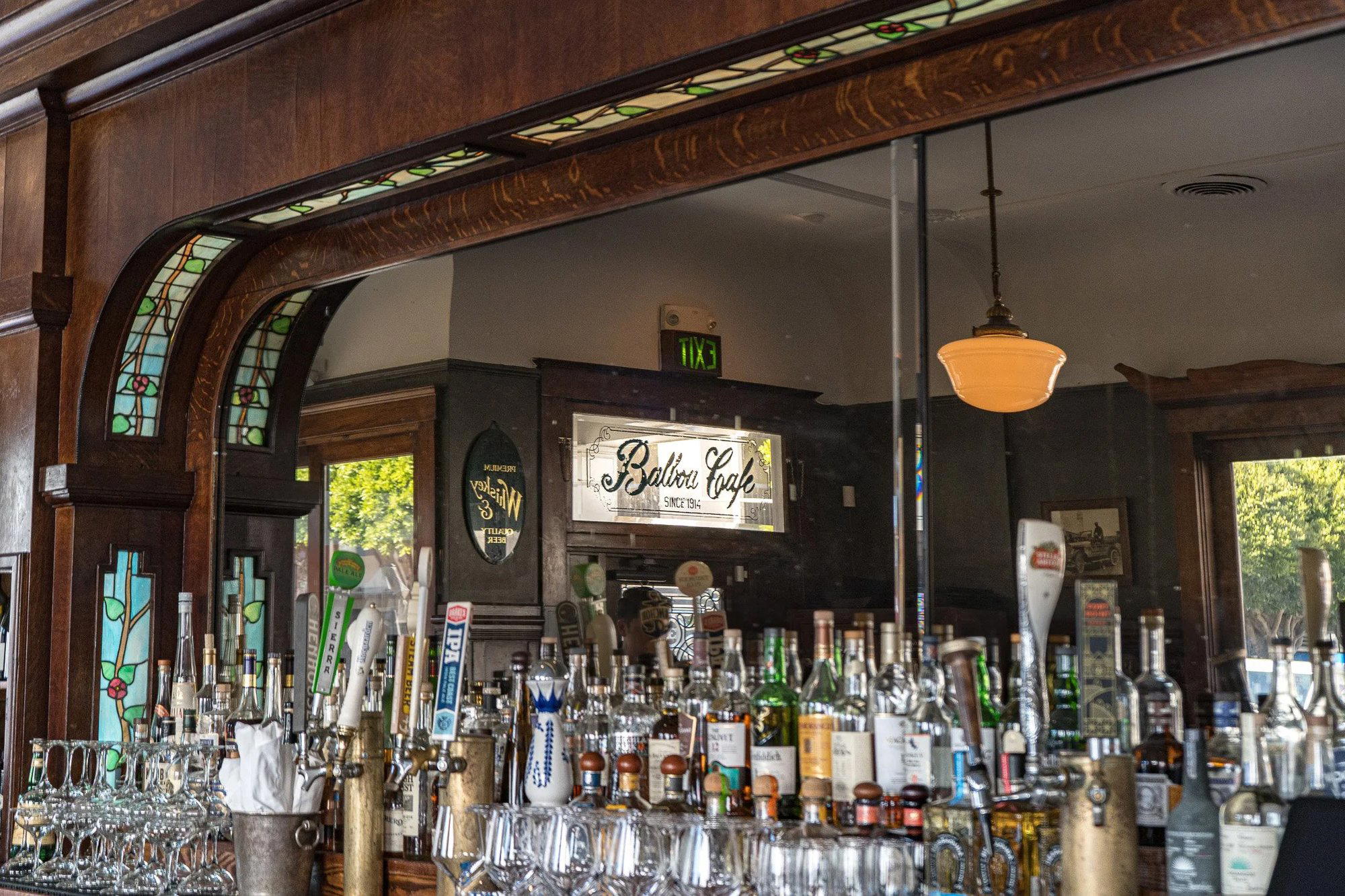
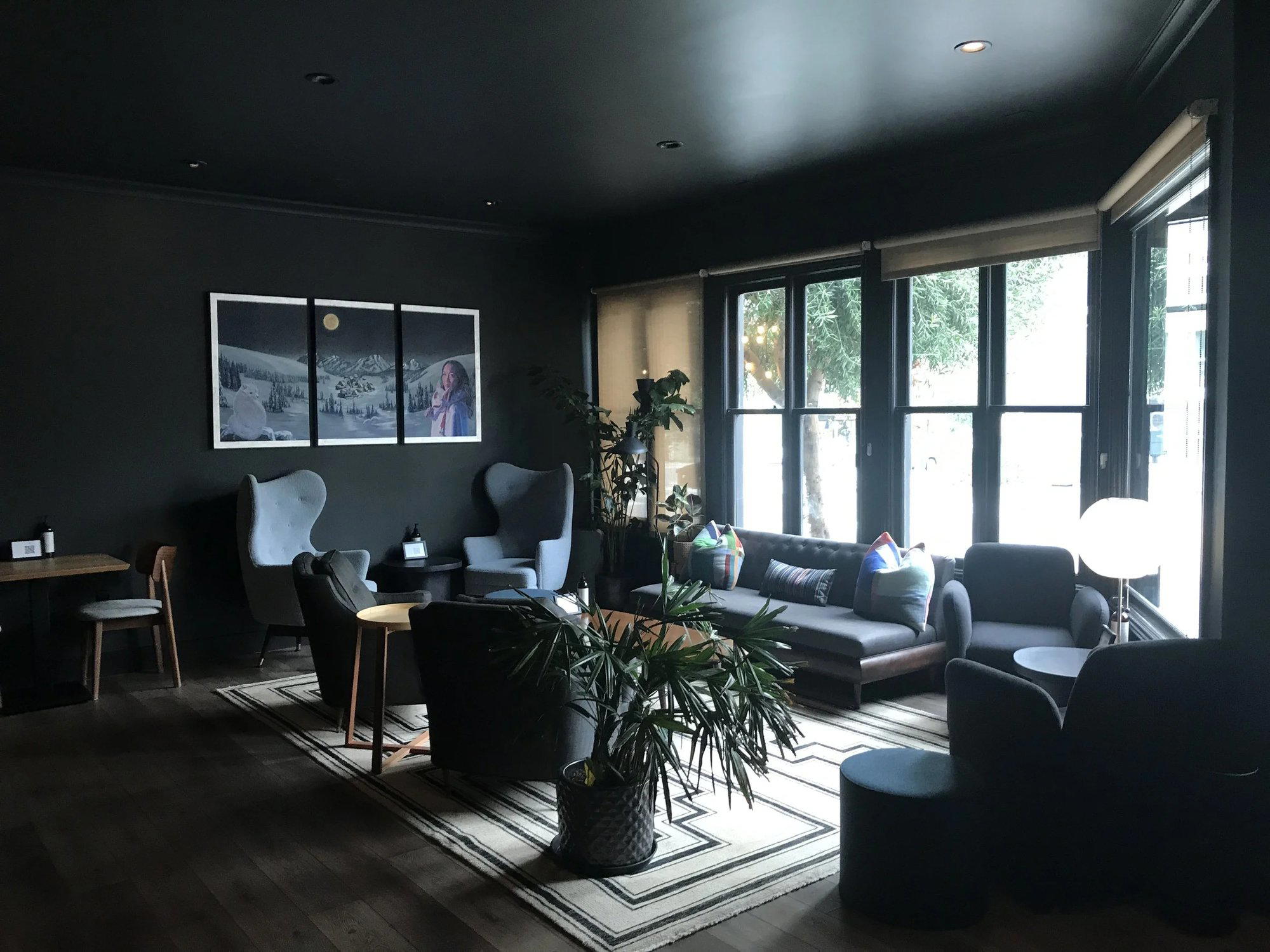
Bars in San Francisco
Browse all →
Restaurants in San Francisco
Browse all →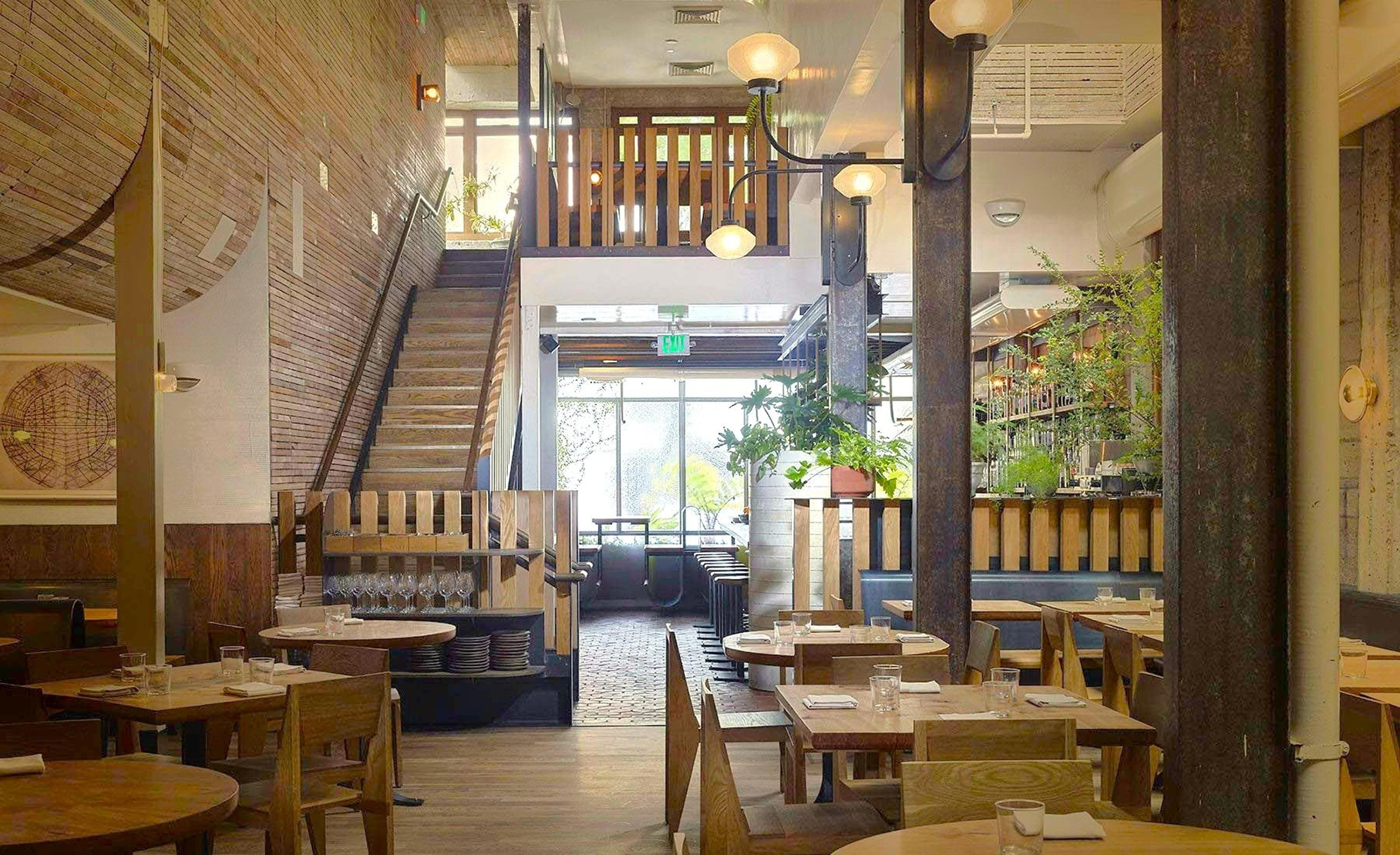
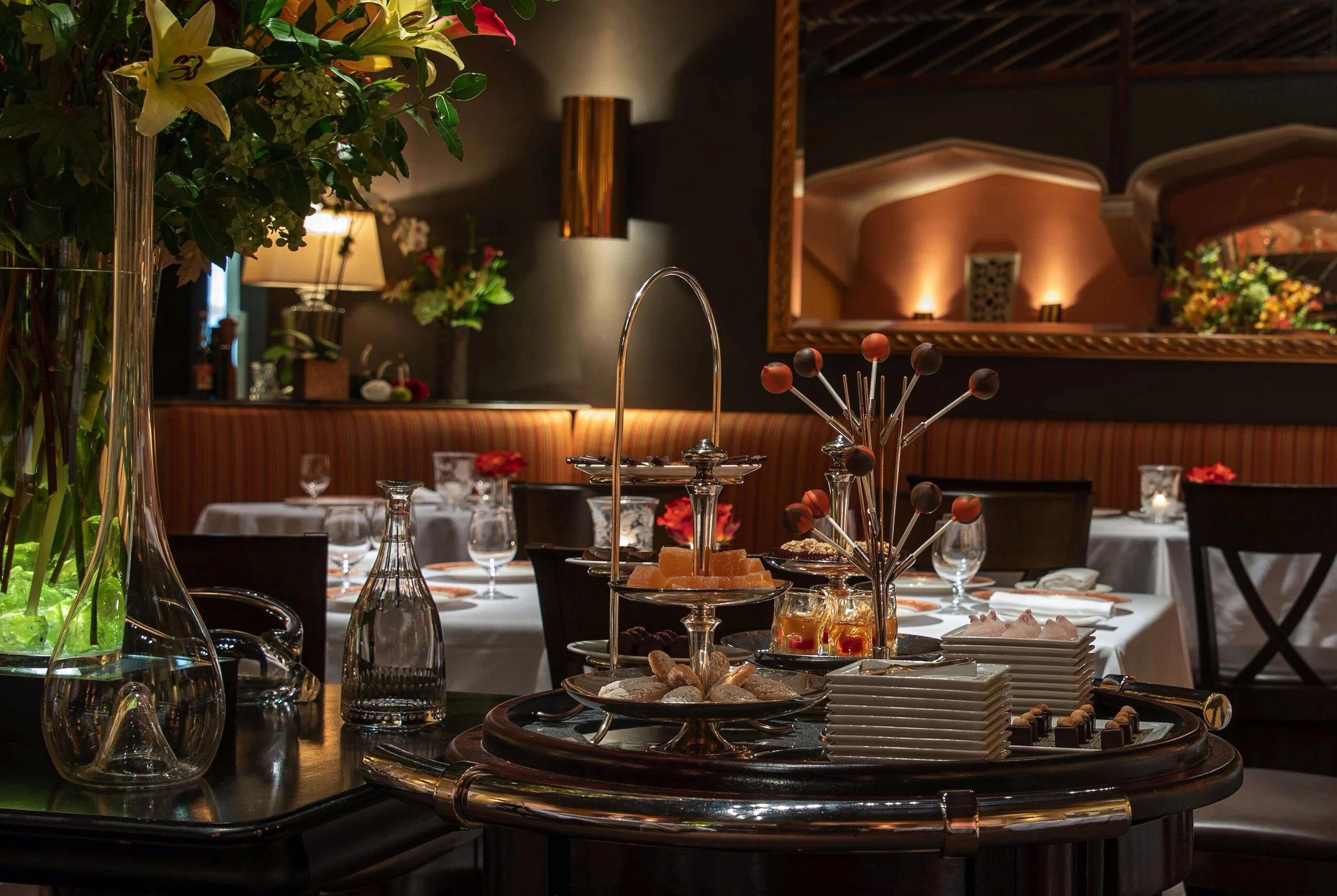
Hotels in San Francisco
Browse all →
At a Glance
- Well Known
- Lively
- Energetic
- Historic
- Celebration
- Special Occasion
- Group Outing
- Live Music
- Historic Building
- Standing Room
- Classic Cocktails
Current opening hours
- Monday
- 10 AM–6 PM
- Tuesday
- 10 AM–6 PM
- Wednesday
- 10 AM–6 PM
- Thursday
- 10 AM–6 PM
- Friday
- 10 AM–6 PM
- Saturday
- Closed
- Sunday
- Closed
Hours can change for holidays and private events. Last verified .
Energetic atmosphere with state-of-the-art lighting and sound, rich in rock history, friendly vibe during live shows.