Chome
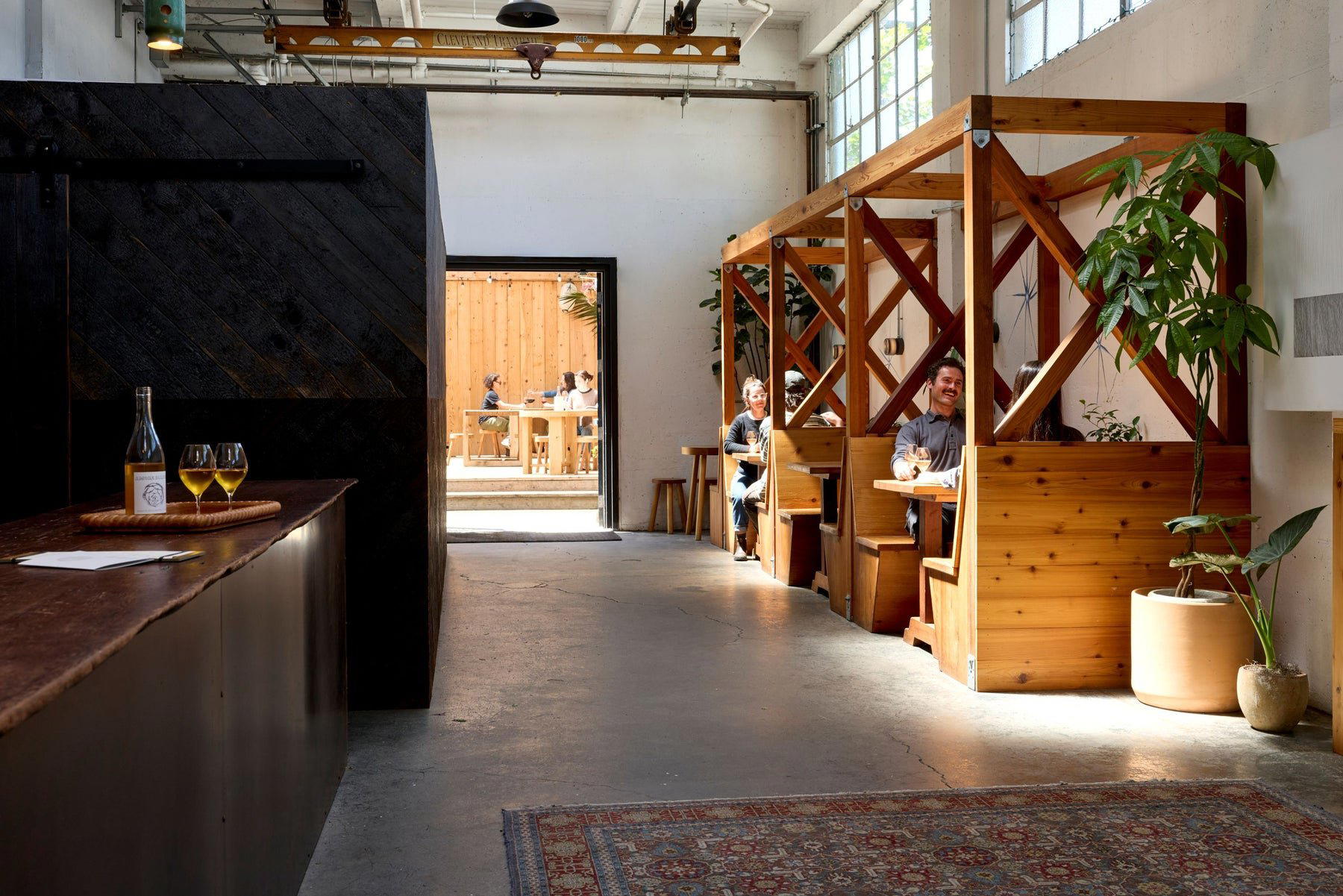
Chome occupies a modest address on 26th Street in San Francisco's Mission District, where the neighborhood's density of serious drinking culture sets a high bar for any new entrant. The bar lands in a tier of Mission spots where craft technique and neighborhood rootedness matter more than downtown visibility or polished branding.

Pearl is the En Primeur Club membership app — saves, bookings, and concierge access live there. Same editors, same standards.
- Address
- 3601 26th St, San Francisco, CA 94110
- Phone
- (415) 655-9623
- Hours
- Mon ClosedTue–Thu 5–9:30 PMFri–Sat 5–10 PMSun 5–9 PM
- Website
- chomesf.com
- Directions
- Get directions
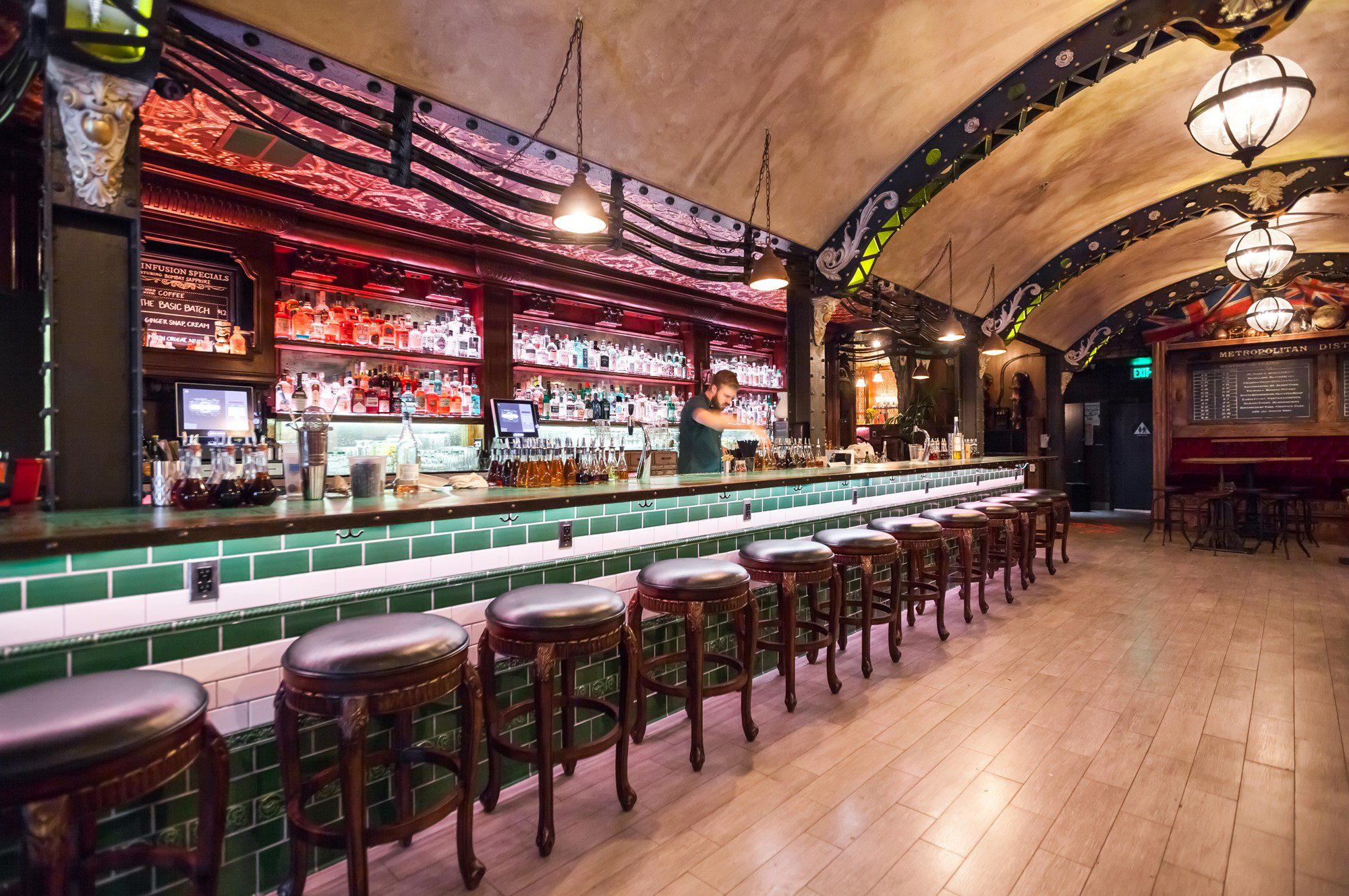
The Mission's Drinking Culture and Where Chome Sits Within It
San Francisco's Mission District has long operated as the city's most reliable incubator for bars that prioritize substance over spectacle. The neighborhood draws a crowd that drinks deliberately — people who know the difference between a well-sourced amaro and a generic house pour, and who expect bartenders to have opinions. That context matters when placing Chome, which sits at 3601 26th Street, deep in the residential Mission rather than on the more trafficked Valencia corridor. Bars at this kind of address earn their following without foot traffic as a crutch, which filters the room toward regulars and intentional visitors.
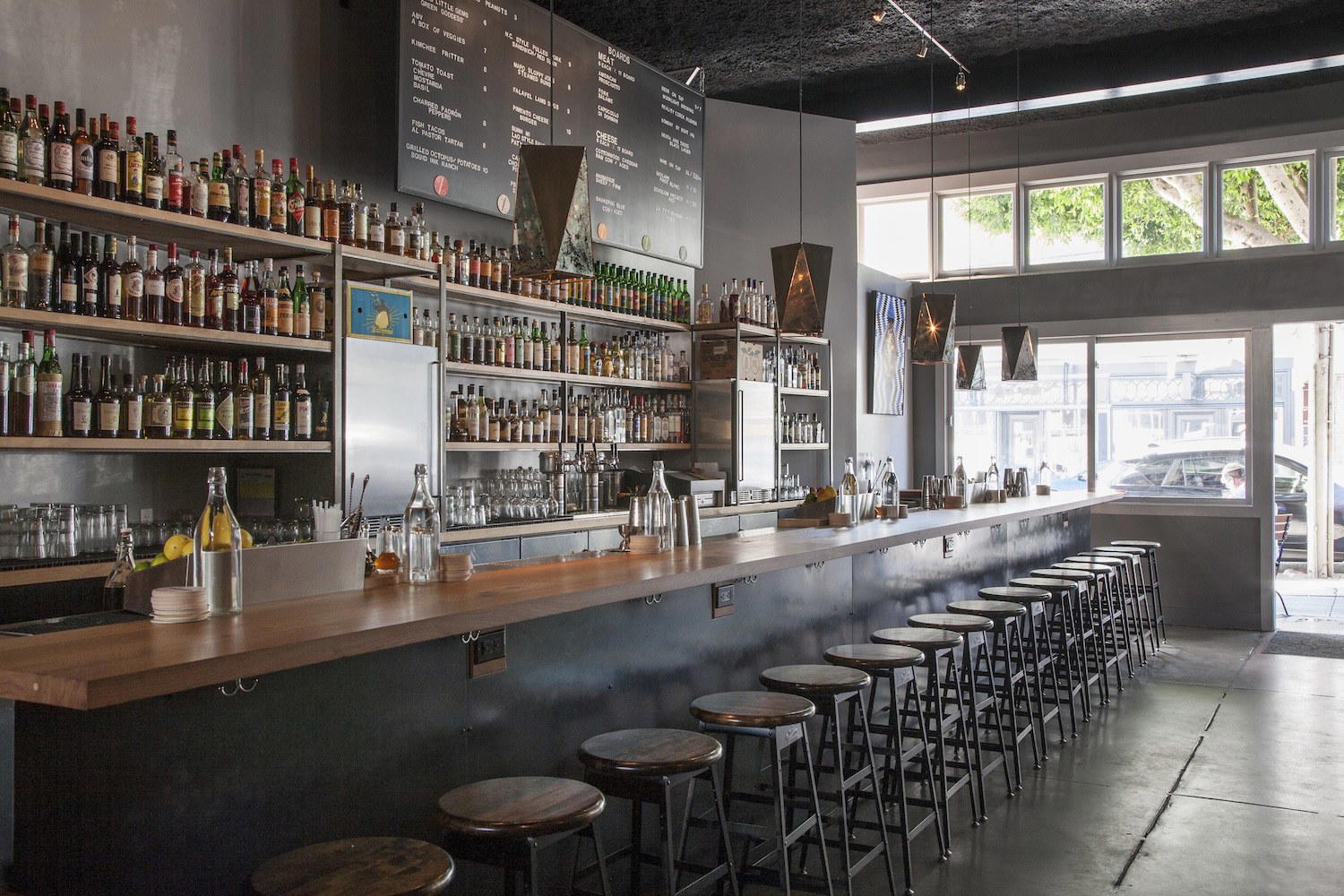
The Mission's bar scene has fractured into distinct tiers over the past decade. At one end sit high-concept, nationally recognized programs like ABV, whose beverage-forward format and extensive spirits library have made it a reference point for the city's cocktail-serious crowd. At the other end, neighborhood bars operate on loyalty and atmosphere alone. Chome's position on 26th Street places it in the middle of that spectrum — close enough to the Mission's residential core to carry genuine neighborhood weight, but in a part of the district where reputation travels by word of mouth rather than through algorithm-driven discovery.
The Cocktail Programme: Technique in a Neighborhood Frame
The craft cocktail conversation in San Francisco has largely moved past the phase where technical novelty alone justified attention. Bars like Pacific Cocktail Haven, which built its reputation on a specific creative vision tied to Pacific Rim flavors and ingredients, demonstrated that technique needs a conceptual anchor to hold long-term interest. That lesson has filtered through the city's better bars.
What distinguishes programs that last in this market is commitment to a defined point of view, whether that means a spirit category focus, a regional ingredient philosophy, or a format decision about how guests move through a menu. Smuggler's Cove on the other end of the city built an entire identity around rum's geographic and historical range, which gave the program depth that outlasted the tiki revival trend. Bars that operate without that kind of structural commitment tend to cycle through menus without accumulating a distinct signature.
The Mission context adds another layer. Drinking culture in this neighborhood historically ran toward mezcal, tequila, and the broader Latin spirits category, reflecting the district's demographics and the density of Mexican-owned bars and restaurants in the area. Programs that acknowledge that context, whether by sourcing agave spirits with some seriousness or by building cocktails that connect to the neighborhood's culinary traditions, tend to read as more coherent than those that treat the Mission address as incidental.
Comparing Notes: Craft Bars Across American Cities
Chome's neighborhood-rooted positioning connects it to a broader pattern visible in craft bar programs across the country. Kumiko in Chicago built its reputation around Japanese technique and ingredients applied to a Western cocktail format, a specific cultural translation that gave the program immediate legibility and depth. Jewel of the South in New Orleans anchored itself to the history of New Orleans cocktail culture, a frame that provided both editorial identity and a reason for out-of-town visitors to make the trip. Julep in Houston took a Southern spirits focus and built a recognizable program around it.
In each case, the bars that earn sustained attention are those with a discernible structural logic, something a guest can identify after two drinks and explain to someone else. Superbueno in New York City applied that principle to Latin spirits and flavor profiles in a downtown context. Allegory in Washington, D.C. built its identity through visual storytelling and seasonal narrative menus. Even internationally, bars like The Parlour in Frankfurt and Bar Leather Apron in Honolulu demonstrate that structural commitment to a specific format or spirit category is what separates programs with staying power from those that plateau after an opening year.
For Chome, the 26th Street address itself is a kind of editorial statement. Operating away from the city's more visible bar corridors signals a preference for the neighborhood audience over the tourist circuit, a choice that shapes both the room's energy and the program's incentives.
The Mission District as a Drinking Context
Understanding Chome requires understanding the Mission's specific character as a drinking neighborhood. Unlike SoMa or the Financial District, where bars serve after-work corporate crowds or late-night club traffic, the Mission sustains a culture of longer, more conversational drinking sessions. The neighborhood's density of good food, taquerias, bakeries, wine bars, and serious restaurants within short walking distance, means that bar visits here often fit into a larger evening rather than standing alone. Guests arrive having already eaten, or plan to eat nearby afterward, which changes the dynamic of what a bar needs to offer.
That context puts a premium on a well-thought-out spirits list and a bar staff capable of genuine conversation. It also rewards bars that have a sense of place rather than generic craft bar aesthetics. The Mission has seen enough bars open and close to have developed some skepticism toward venues that arrive with high production values but thin neighborhood integration. Longevity here tends to belong to places that earn their regulars slowly.
For visitors approaching from outside the neighborhood, the 26th Street location is a few blocks from BART's 24th Street Mission station, making it accessible without a car despite sitting in the residential interior of the district. The surrounding blocks are dense with the neighborhood's characteristic mix of long-standing Latino businesses and the newer arrivals that have characterized the Mission's evolution over the past two decades.
Know Before You Go
| Address | 3601 26th St, San Francisco, CA 94110 |
|---|---|
| Neighborhood | Mission District |
| Nearest Transit | 24th Street Mission BART station (approx. 5-minute walk) |
| Booking | Contact details not currently listed, walk-in recommended or check current social channels for reservation information |
Compact Comparison
Comparable venues nearby, for context on price, style, and recognition.
| Venue | Price | Notes |
|---|---|---|
| ChomeThis venue — the venue you are viewing | $50–100 | Not listed |
| Novela | $30–50 | Financial District/South Beach, cocktail_bar |
| Mikkeller Bar SF | Not listed | Tenderloin, beer_bar |
| The Green Heron | $10–20 | Haight Ashbury, cocktail_bar |
| Chotto Matte San Francisco | Not listed | Financial District/South Beach, rooftop_bar |
Continue exploring
More in San Francisco
Bars in San Francisco
Browse all →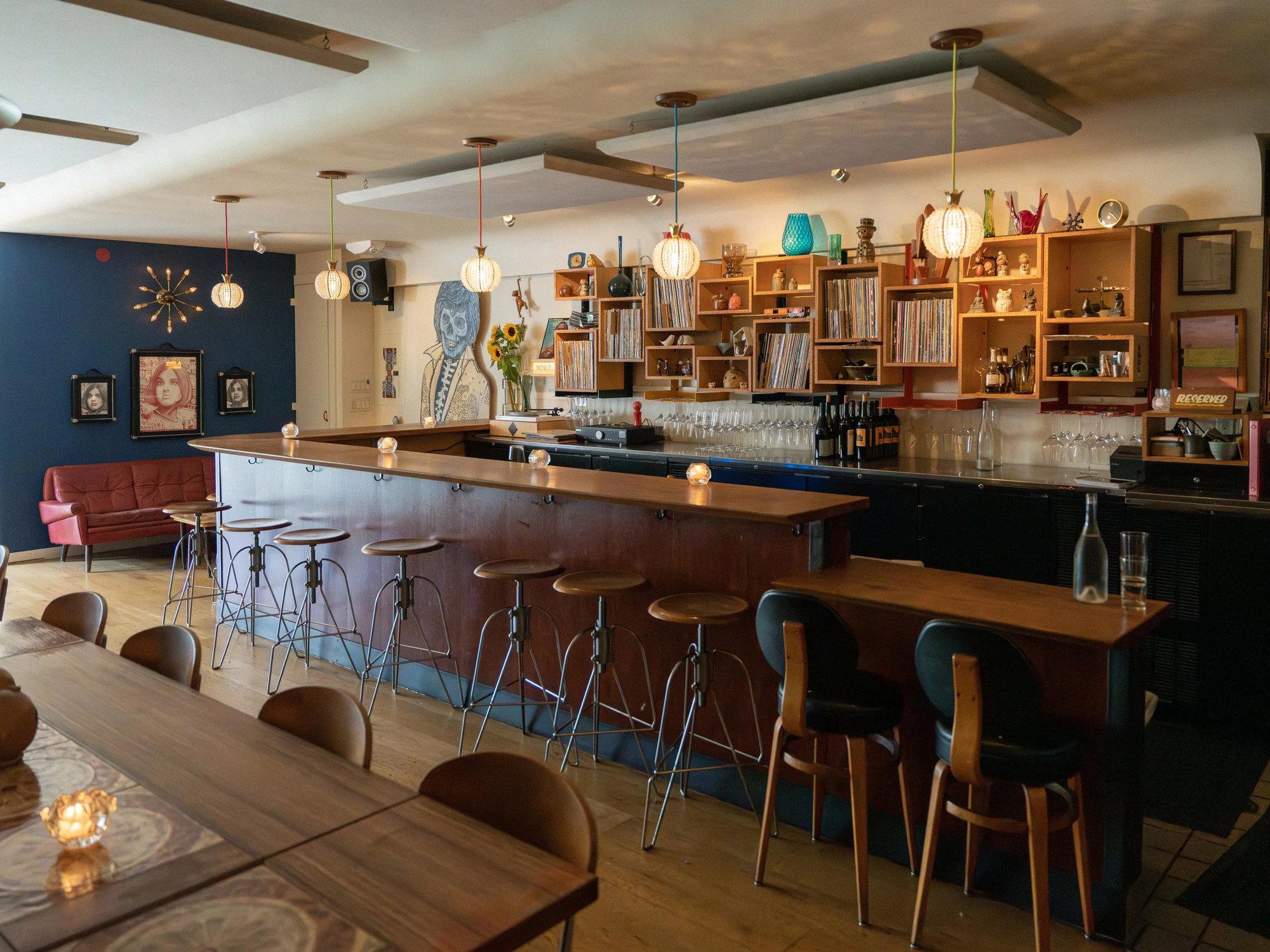
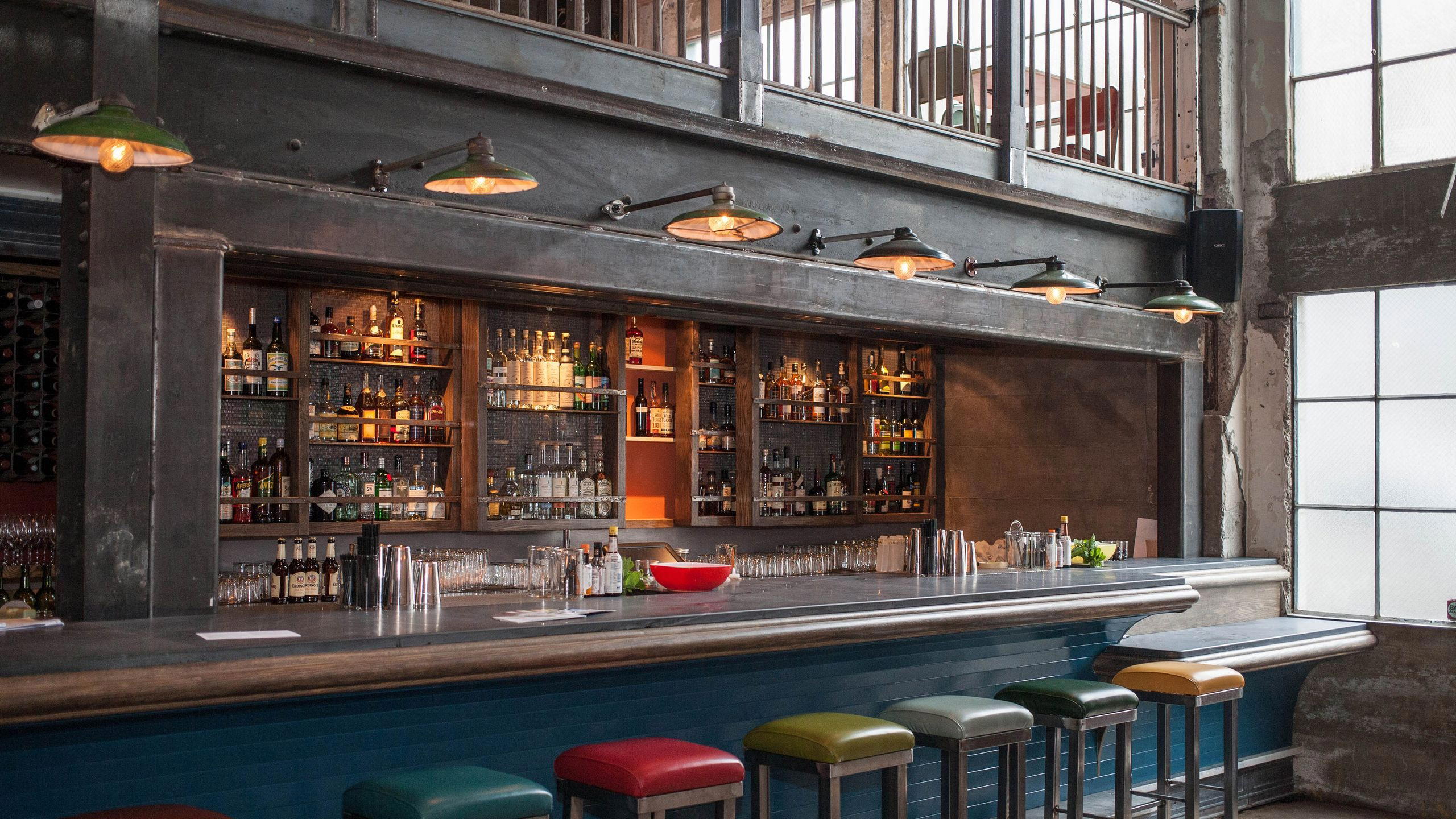
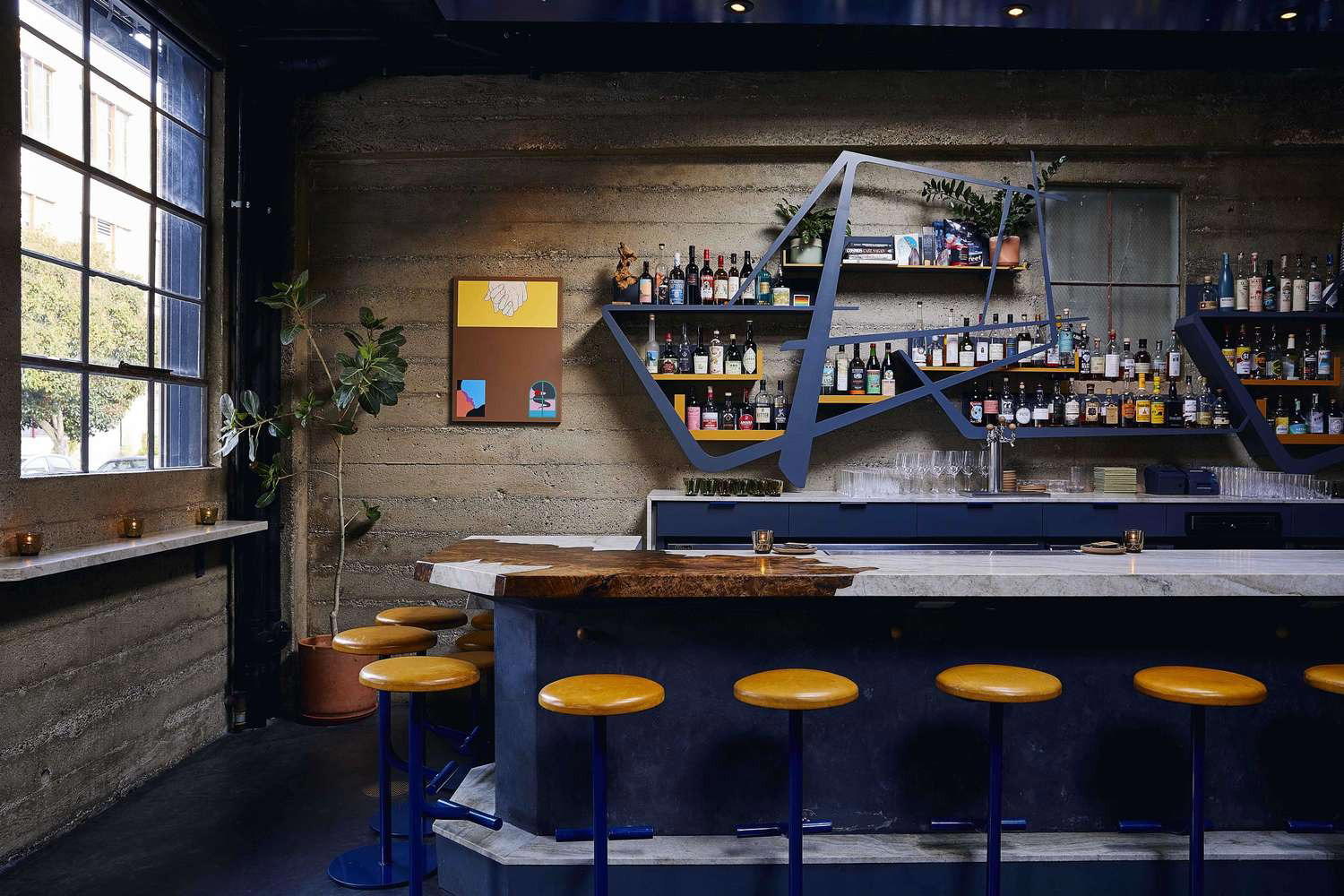
Restaurants in San Francisco
Browse all →
Hotels in San Francisco
Browse all →
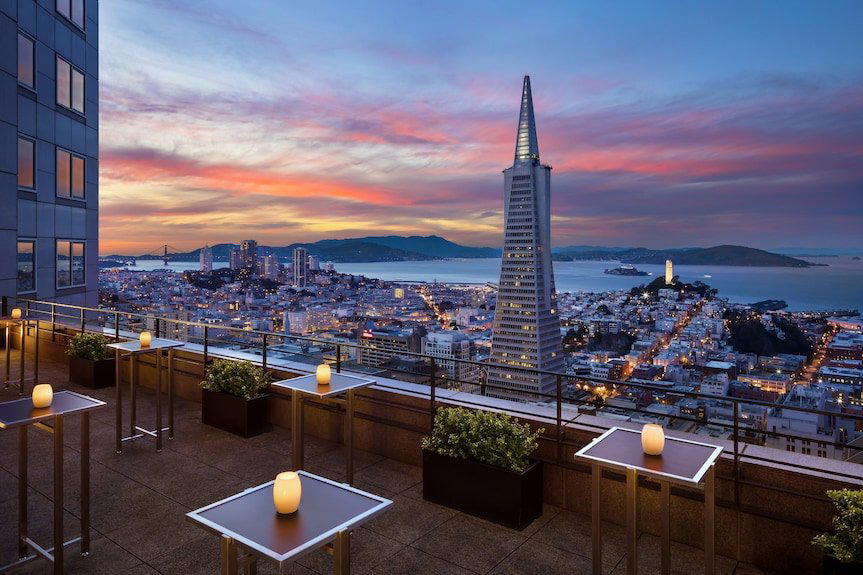

Details
- Trendy
- Lively
- Elegant
- Date Night
- Celebration
- Rooftop
- Panoramic View
- Lounge Seating
- Outdoor Terrace
- Craft Cocktails
- Skyline
Current opening hours
- Monday
- Closed
- Tuesday
- 5–9:30 PM
- Wednesday
- 5–9:30 PM
- Thursday
- 5–9:30 PM
- Friday
- 5–10 PM
- Saturday
- 5–10 PM
- Sunday
- 5–9 PM
Hours can change for holidays and private events. Last verified .