The End of Portland Maine
Occupying a Congress Street address in Portland, Maine, The End sits at the intersection of the city's serious cocktail culture and its deep Atlantic pantry. The bar draws from the same local-ingredient ethos that has defined Portland's food scene for over a decade, channeling indigenous coastal products through rigorous technique. A focused destination for drinkers who treat a well-made drink as seriously as a course at dinner.

Pearl is the En Primeur Club membership app — saves, bookings, and concierge access live there. Same editors, same standards.
- Address
- 229 Congress St, Portland, ME 04101
- Hours
- Mon–Fri 4 PM–1 AMSat 12 PM–1 AMSun 4 PM–1 AM
- Website
- instagram.com
- Directions
- Get directions
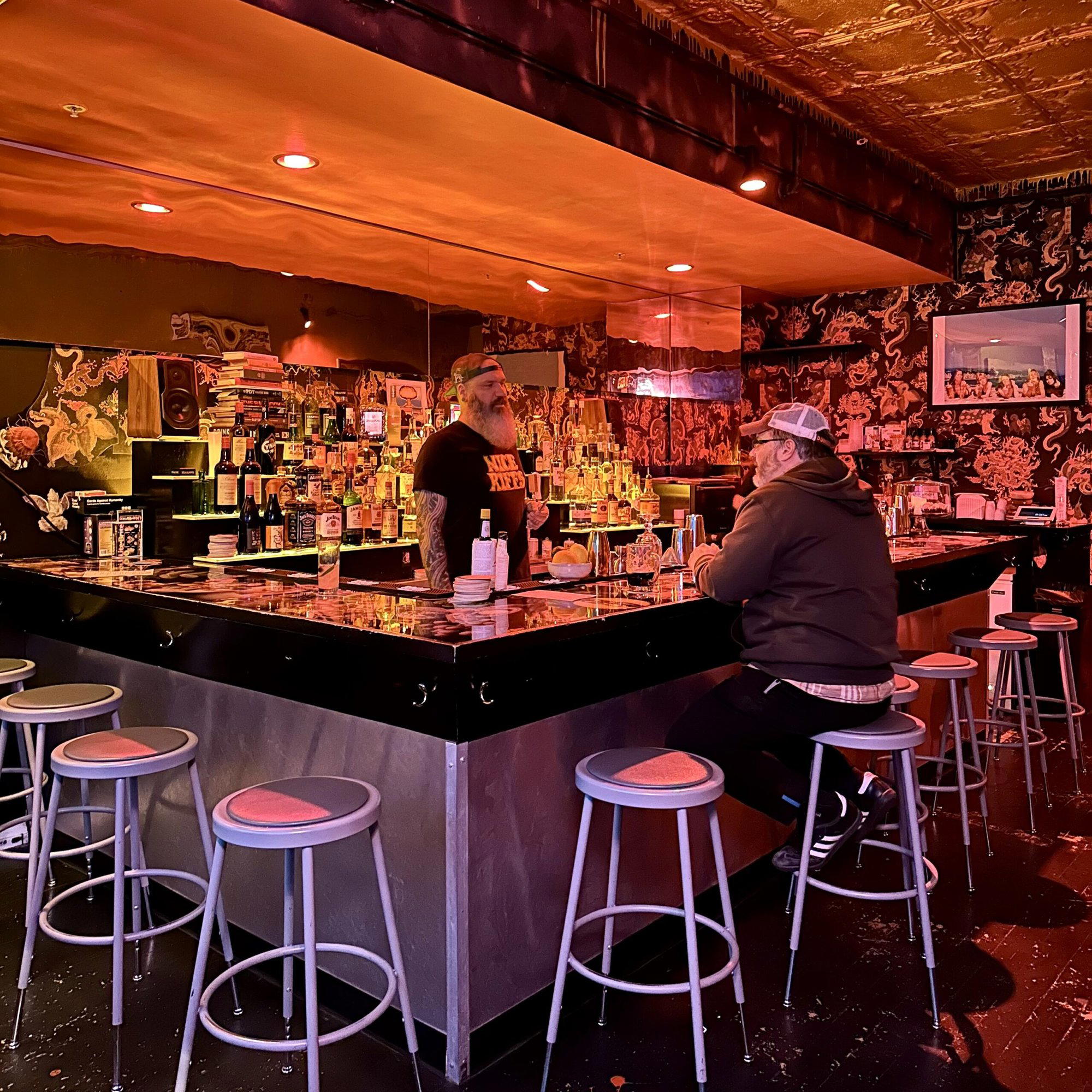
Congress Street and the Cocktail Tier It Belongs To
Portland, Maine has spent the better part of fifteen years building a food and drink identity disproportionate to its size. A city of around 68,000 people, it consistently punches well above its weight in the independent hospitality category: a dense Congress Street corridor, a waterfront defined by working fishing boats rather than tourist infrastructure, and a local-ingredient culture that predates the national farm-to-table pivot by enough years to feel earned rather than trend-chasing. The End of Portland Maine, at 229 Congress St, operates inside that context. It is not an outlier; it is a product of the city's accumulated bar culture arriving at a particular address.
The broader American cocktail scene has fragmented into recognizable tiers over the past decade. At one end, high-volume venues run accessible, spirit-forward programs with short menus and fast throughput. At the other, technically focused bars build longer, more deliberate drink lists around sourcing, fermentation, and produce-driven preparation — a mode closer to the kitchen than the traditional bar. Portland's serious cocktail addresses have generally landed in that second tier, and The End sits within it: a place where what grows or comes out of the water along the Maine coast informs what ends up in the glass.
Local Ingredients as the Actual Point
The editorial angle that defines much of Portland's leading drinking right now is the use of indigenous Atlantic coast ingredients channeled through techniques that belong to no single tradition. Maine's pantry is specific: cold-water seafood, foraged coastal botanicals, apple and berry orchards inland, dairy producers who supply some of the Northeast's most sought-after product. A bar working with that pantry seriously will draw on methods from Scandinavian aquavit culture, Japanese shochu and umeshu production, classic American bitter-spirit traditions, and contemporary culinary technique in equal measure — not because those connections are decorative, but because they solve real problems in flavor-building with regional ingredients.
This is where a bar like The End finds its category. Imported method applied to indigenous product is not a gimmick when the product is this specific and the technique is genuinely demanding. Cold coastal botanicals behave differently in infusion from Mediterranean herbs. Maine-harvested seaweed, sea beans, or spruce tips require extraction decisions that borrow from preservation traditions across several continents. The drinks that result are harder to replicate elsewhere, which is precisely the point: they are of this place, made possible by skills that arrived from somewhere else.
For context on how this approach is playing out across American bars, venues like Kumiko in Chicago and Bar Leather Apron in Honolulu demonstrate how Japanese technique grafted onto local ingredient logic can produce a genuinely distinct program. Jewel of the South in New Orleans does something adjacent with Southern botanical heritage. The End belongs to the same conversation: bars that treat technique as a tool for amplifying place, not as a performance in its own right.
Positioning Within Portland's Bar Scene
Portland's cocktail addresses occupy a relatively compact geography, most of them within walking distance of the Old Port and Congress Street. The comparison set matters here. Teardrop Lounge in Portland, Oregon offers a useful reference point for what a technically serious, spirit-forward bar program looks like in a smaller American city, the local analog, without the Pacific Northwest ingredient vocabulary. ABV in San Francisco sits in a comparable tier of focused, staff-driven programs in dense urban neighborhoods. What distinguishes Maine's version is the rawness and specificity of the ingredient base: fewer cultivated options, more foraged or caught, with a seasonality that is genuinely unforgiving rather than loosely suggestive.
For visitors arriving in Portland for the first time and building an itinerary, the practical hierarchy looks like this: the Congress Street corridor anchors the more deliberate, evening-paced drinking; the Old Port is denser but less consistent at the leading end. The End's Congress St address places it in the former category, a destination rather than a pit stop.
What to Drink, and How to Think About It
Without a published menu available for verification, the editorial recommendation here is structural rather than specific: in a bar operating at this level in a coastal New England city, the drink that earns the most attention from the kitchen, whatever that looks like on a given night, will almost certainly be the one worth ordering. That is not vague advice; it is a recognition that in a produce-driven program, the freshest available ingredient determines which drink is performing at its peak on any given visit. Asking the bar team what has arrived recently, or what they are most interested in right now, will return more useful information than choosing off a printed list.
Spirit categories that pair logically with Maine's coastal identity include aged rum (which interacts interestingly with saline and mineral notes), aquavit-based drinks (Scandinavian immigrants shaped much of coastal Maine's cultural DNA), and any build using local distillate, of which Maine now has a meaningful independent production base. Bars in comparable cities, Julep in Houston for its regional spirit focus, Superbueno in New York City for its ingredient-driven logic, show how a tight geographic identity can produce a program that feels coherent rather than eclectic.
Planning a Visit
| Venue | City | Format | Booking | Leading For |
|---|---|---|---|---|
| The End of Portland Maine | Portland, ME | Cocktail bar | Walk-in (booking details unconfirmed) | Ingredient-led cocktails, coastal Maine pantry |
| Teardrop Lounge | Portland, OR | Cocktail bar | Walk-in | Spirit-forward programs, approachable precision |
| Kumiko | Chicago, IL | Cocktail bar | Reservations available | Japanese technique, curated spirit selection |
| ABV | San Francisco, CA | Bar and small plates | Walk-in | Staff-driven program, neighborhood depth |
The End sits at 229 Congress St in Portland's main bar corridor. Given the venue's positioning, weekend evenings will see the most demand; arriving earlier in the service, or on a weekday, gives more time with the bar team and more space to ask questions about the program. For a broader sweep of what Portland's food and drink scene has to offer, see our full Portland restaurants guide. Other nearby Portland bars worth mapping onto an itinerary include 10 Barrel Brewing Portland, 3808 N Williams Ave, and 7316 N Lombard St.
Accolades, Compared
Comparable venues nearby, for context on price, style, and recognition.
| Venue | Cuisine | Price | Awards | Notes |
|---|---|---|---|---|
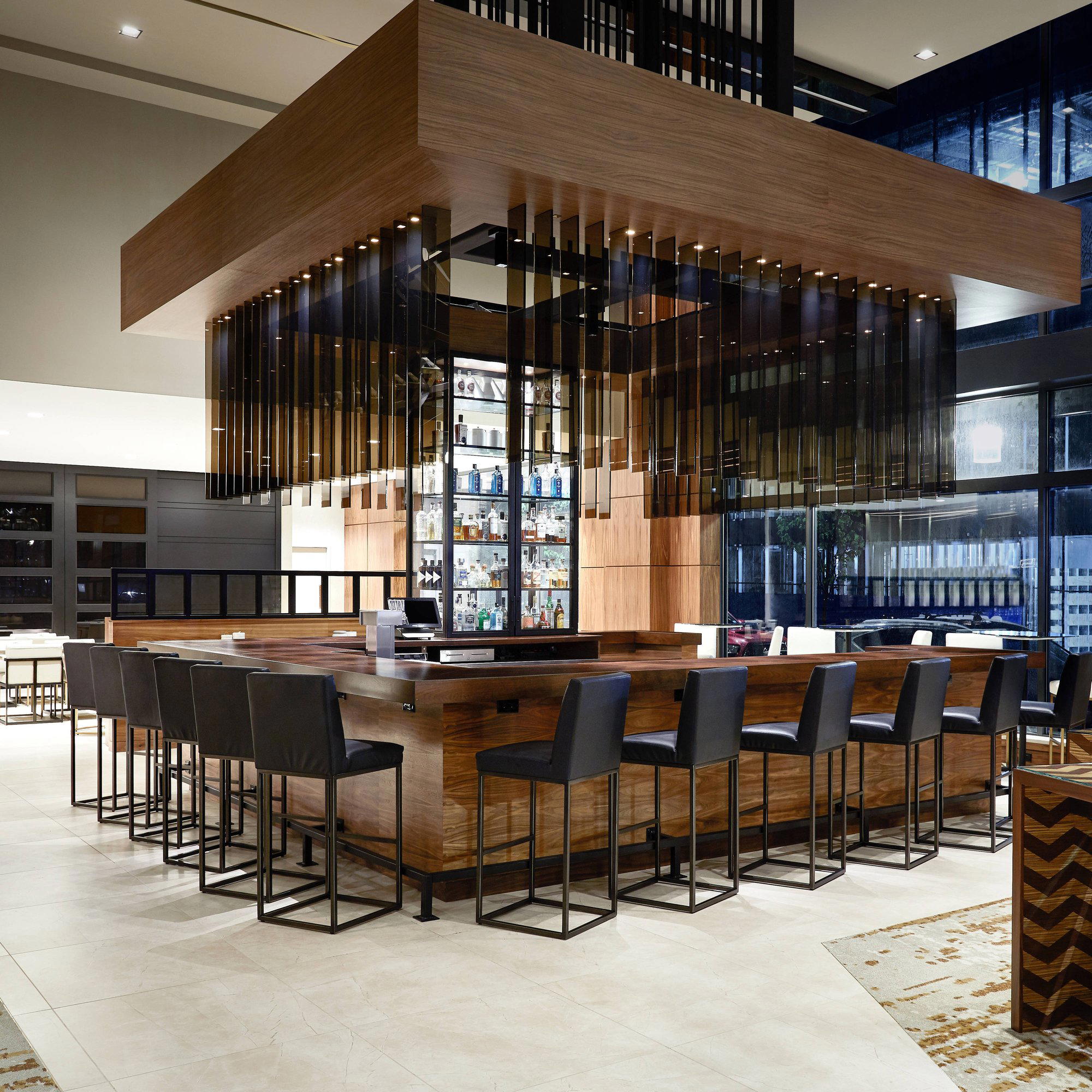
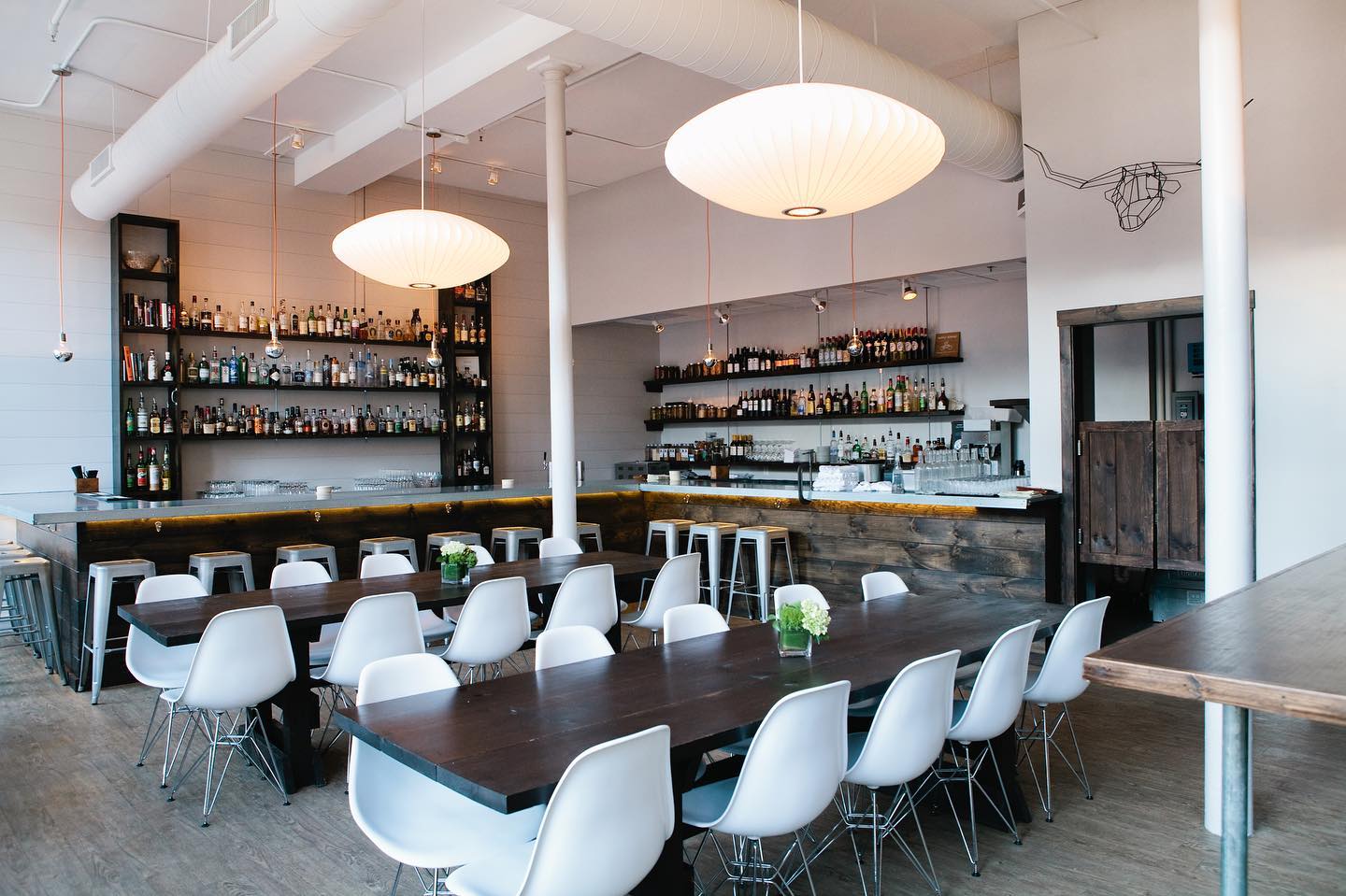
| The End of Portland MaineThis venue — the venue you are viewing | cocktail_bar | $20–30 | Not listed | Not listed |
| Blyth & Burrows | speakeasy | Not listed | Not listed | Old Port |
| The Jewel Box | cocktail_bar | Not listed | James Beard Award Semi Finalist | Arts District |
| Room for Improvement | cocktail_bar | $20–30 | Not listed | Old Port |
| Bennys | cocktail_bar | $30–50 | Not listed | Arts District |
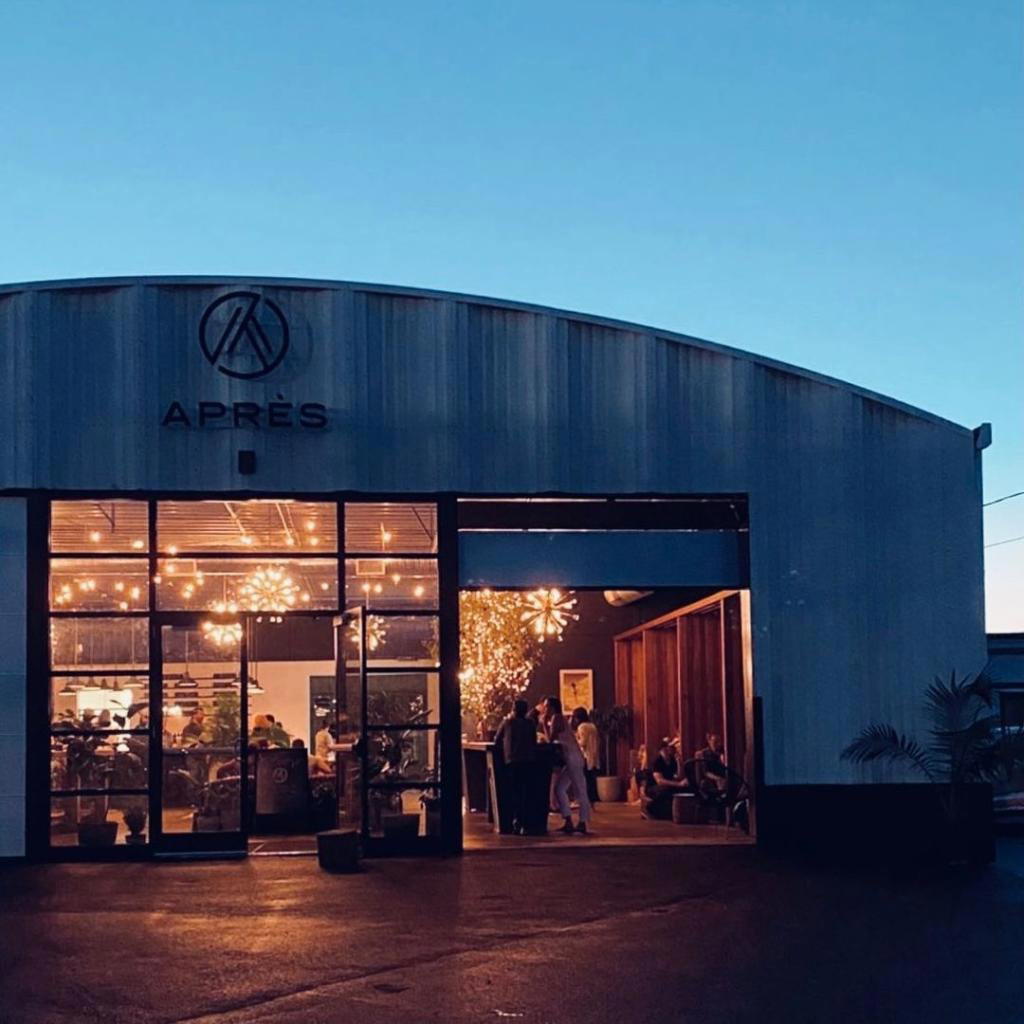
| Après | Bar | $20–30 | Not listed | East Bayside |
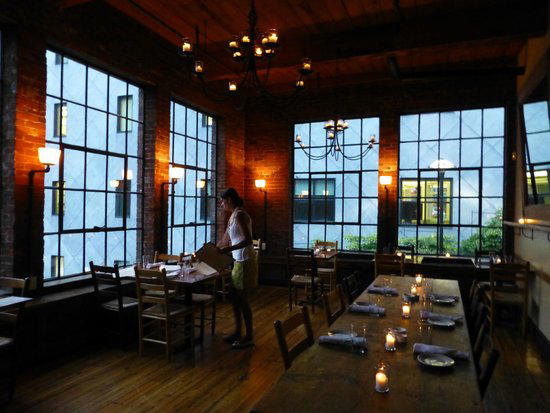
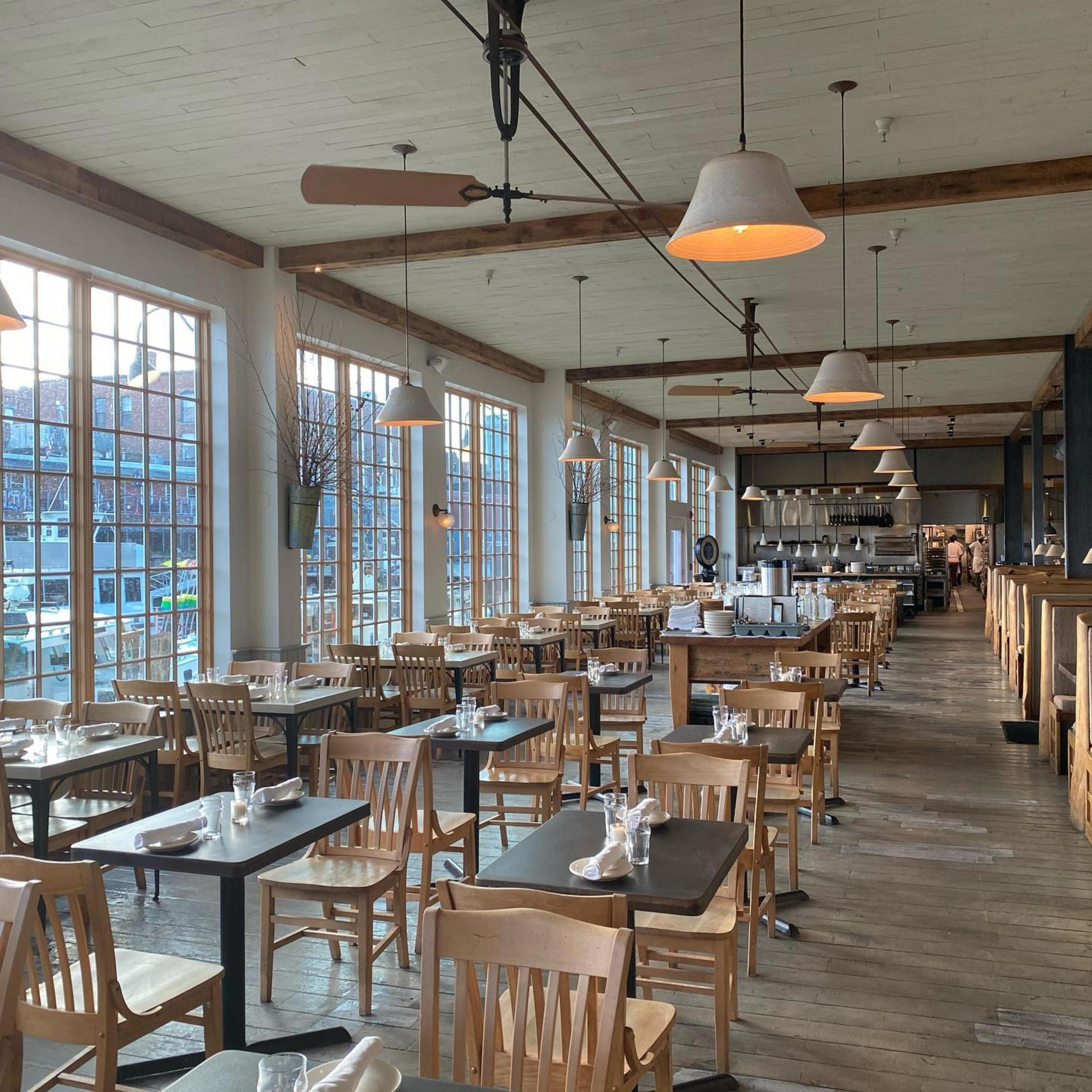
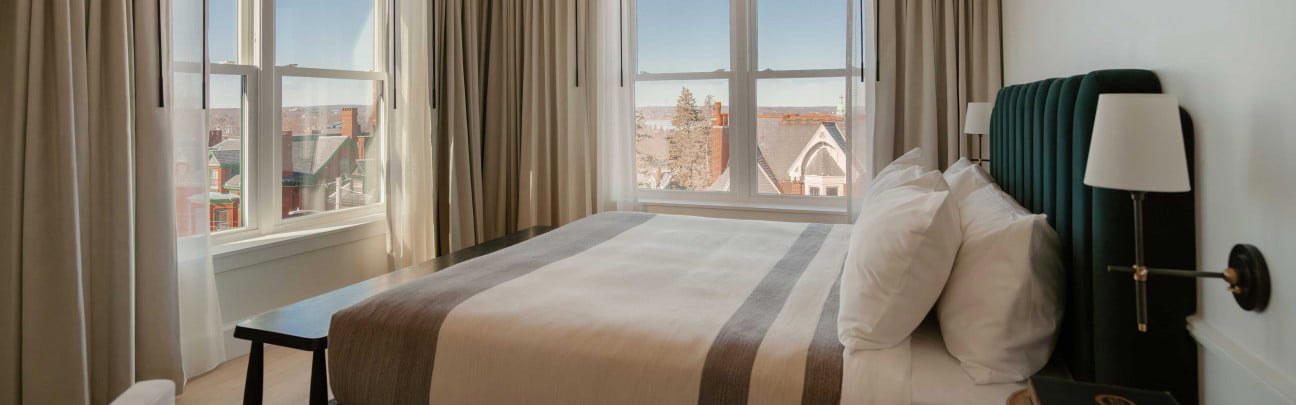
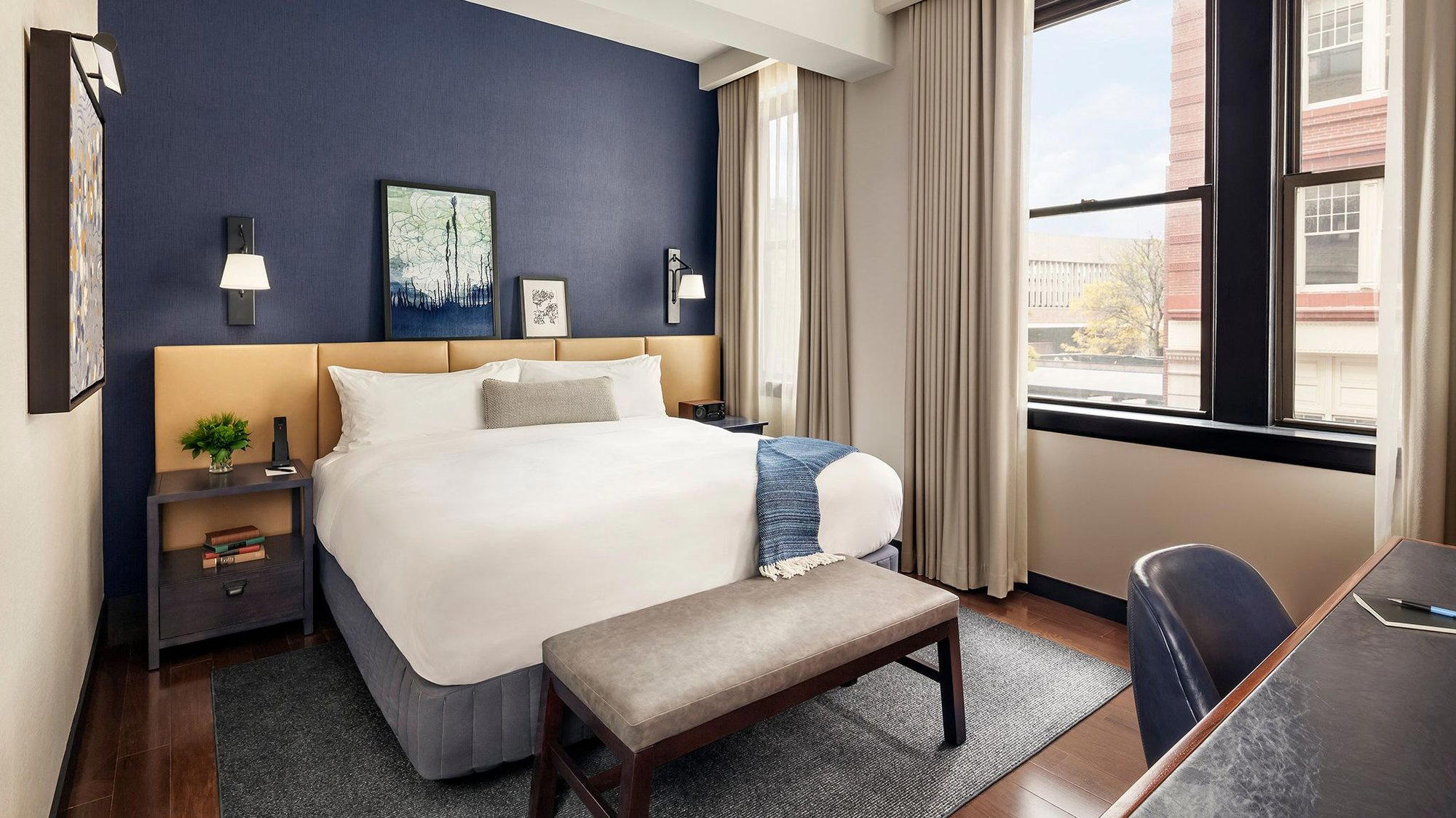
Details
- Lively
- Trendy
- Industrial
- Date Night
- After Work
- Late Night
- Historic Building
- Seated Bar
- Lounge Seating
- Classic Cocktails
- Craft Cocktails
- Whiskey
Current opening hours
- Monday
- 4 PM–1 AM
- Tuesday
- 4 PM–1 AM
- Wednesday
- 4 PM–1 AM
- Thursday
- 4 PM–1 AM
- Friday
- 4 PM–1 AM
- Saturday
- 12 PM–1 AM
- Sunday
- 4 PM–1 AM
Hours can change for holidays and private events. Last verified .
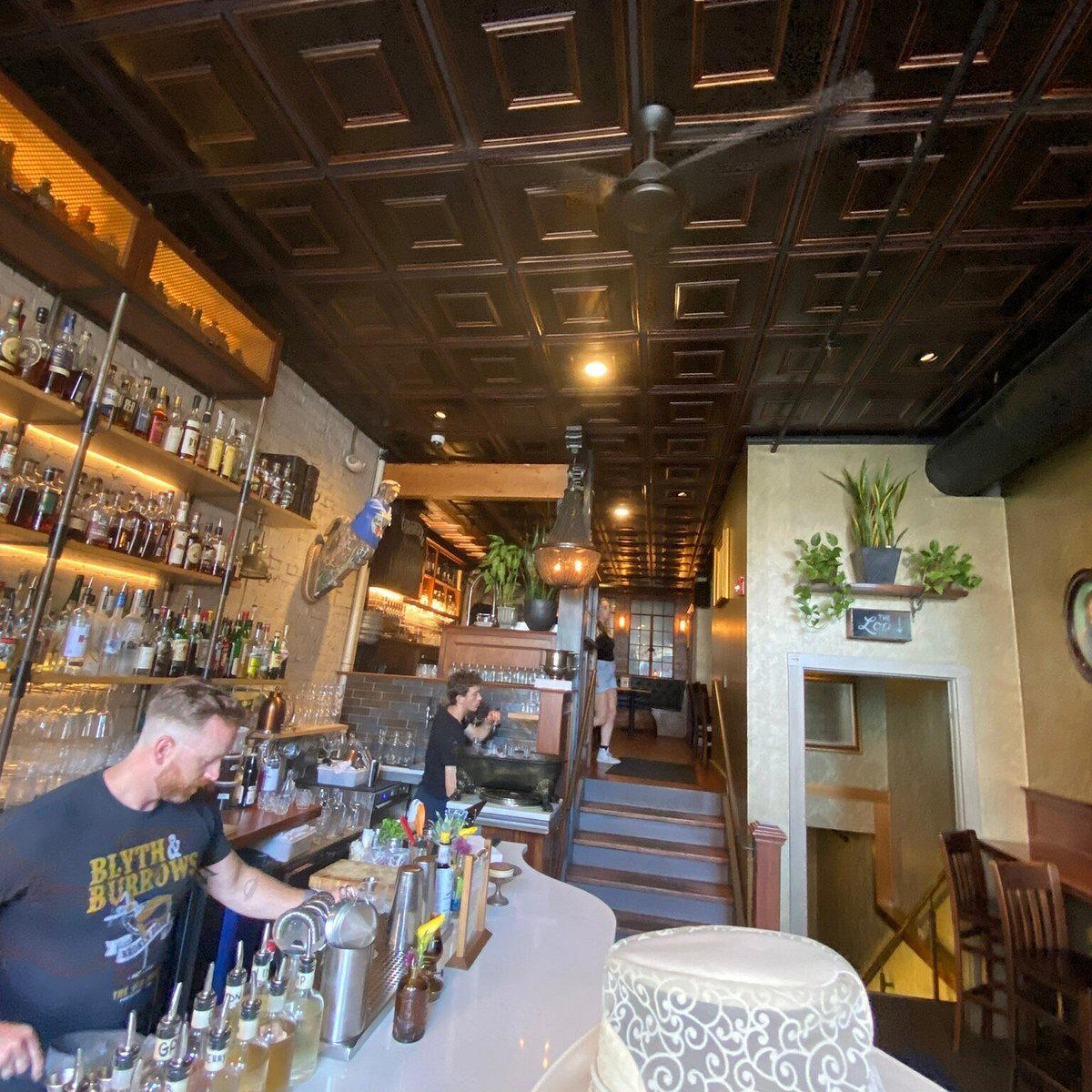
Lively atmosphere with nautical decor including ship maidens and murals of dueling ships.