The Cuban Club
A landmark of Tampa's Ybor City, The Cuban Club occupies a 1917 building that anchored the neighborhood's cigar-worker social life for decades. Today the address functions as an event and entertainment venue, trading on one of Florida's most architecturally loaded histories. Its ballrooms, theatre, and courtyard make it a reference point for understanding how Ybor City's Cuban heritage has been preserved and repurposed.

Pearl is the En Primeur Club membership app — saves, bookings, and concierge access live there. Same editors, same standards.
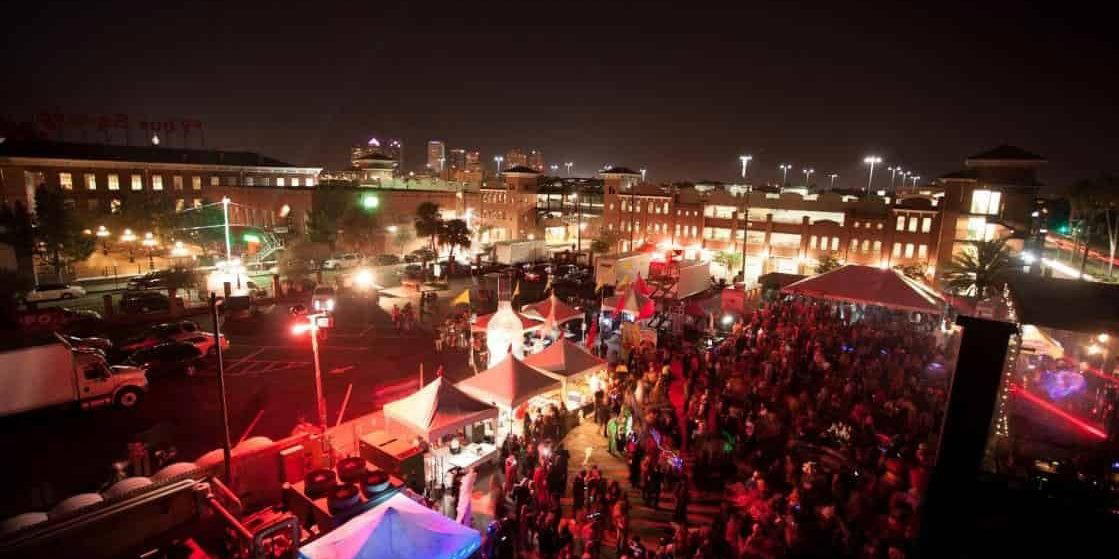
Where Ybor City's History Holds the Room
Arriving at the corner of Avenida Republica de Cuba in Ybor City, the building announces itself before you reach the door. The 1917 facade — thick masonry, arched windows, the structural confidence of a civic institution rather than a commercial property — was built to project permanence. That was the point. The Cuban Club, known formally as El Círculo Cubano de Tampa, was erected as a mutual aid society for Cuban cigar workers, a community that had transformed this corner of Tampa into one of the most concentrated Latin immigrant neighborhoods in the American South. Walking in, the scale of the original ballroom makes the building's ambitions legible: this was never a modest gathering place.
Ybor City itself sits within a broader pattern common to American industrial neighborhoods: immigrant-built, labor-defined, then left behind by economic shifts, then gradually reclaimed by preservation efforts and entertainment economies. The neighborhood's peak, roughly 1890 to 1930, produced cigar factories, social clubs, and mutual aid societies serving Cuban, Spanish, and Italian communities in distinct but adjacent institutions. The Cuban Club was the Cuban community's anchor in that structure. Its building passed through disrepair, partial restoration, and multiple adaptive uses across the twentieth century, arriving at its current status as a recognized historic site and functioning event venue.
The Architecture as Argument
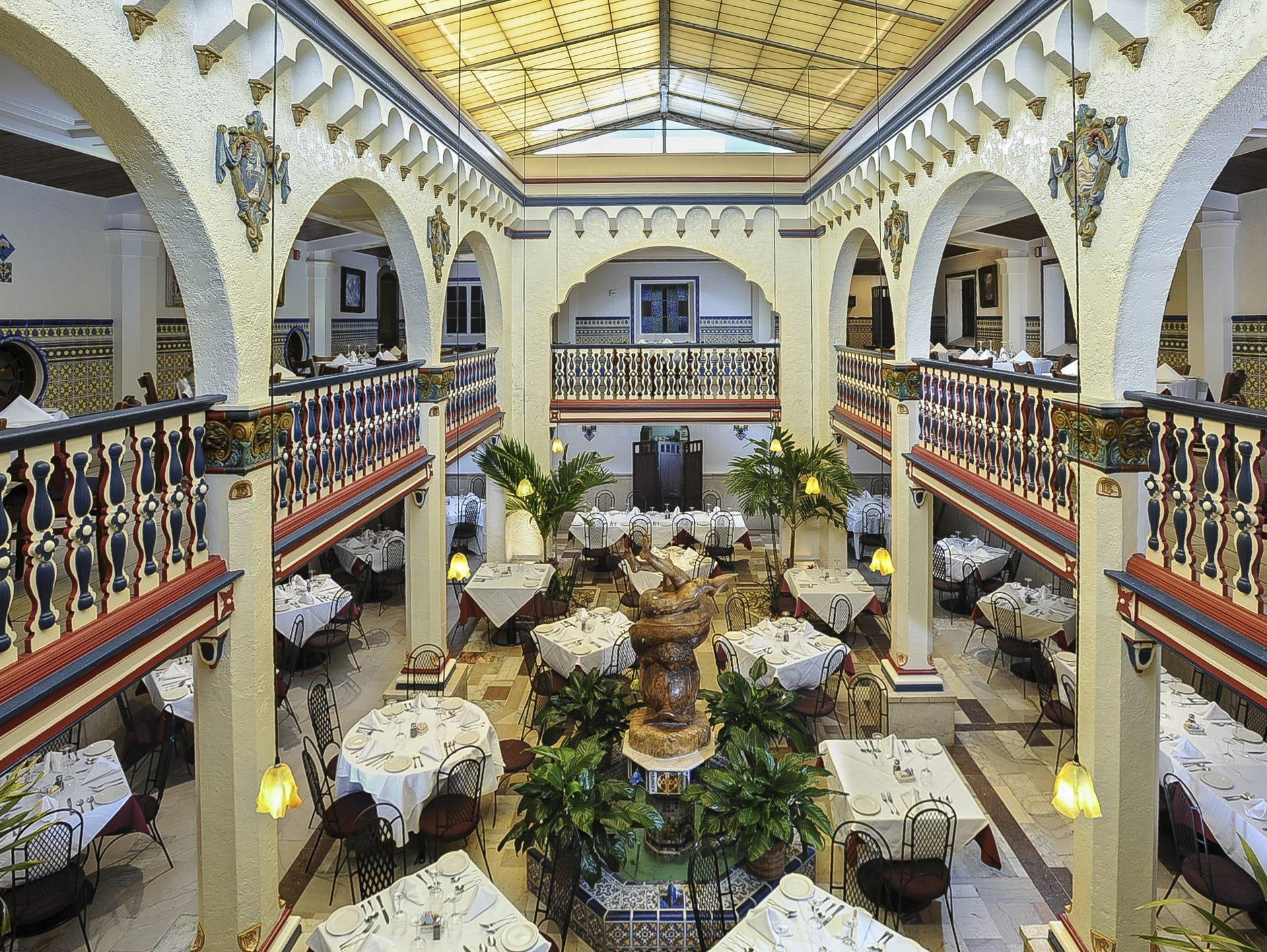
The physical fabric of the building makes a case that few Tampa addresses can match. The main ballroom retains the proportions of its original design, a room built for large gatherings where oratory, music, and dancing were all expected simultaneously. The theatre space, one of the building's more distinctive features, reflects the social ambitions of the mutual aid model, where cultural programming was considered as essential as healthcare or burial insurance. Ybor City's mutual aid clubs competed on the completeness of their offerings, and performance spaces were part of that competition.
For visitors approaching from Tampa's downtown or the Channel District, Ybor City reads as a distinct urban zone: denser, older, with a street grid that predates the postwar suburban expansion that shaped most of the metro. The Cuban Club sits on one of the neighborhood's main corridors, close enough to the primary commercial strip on 7th Avenue to benefit from foot traffic, but set back enough that the building reads as civic rather than commercial. That spatial distinction matters when you're trying to understand what the address was built to do.
Ybor City's Competitive Context
Tampa's broader bar and entertainment scene has diversified considerably in recent years, with neighborhoods like the Heights producing multi-concept venues such as Armature Works and smaller craft-focused operations like 7th + Grove and Ash building reputations on program depth. Ybor City's entertainment economy operates differently: the neighborhood's identity is inseparable from its history, and venues like The Cuban Club derive authority from that history rather than from a contemporary hospitality program. The comparison venue that makes sense here is not a cocktail bar or restaurant but a category of historically loaded spaces that trade on authenticity of place.
In that frame, The Cuban Club occupies a position that newer builds cannot replicate. The American Legion Post 111 nearby operates on a related logic, drawing identity from institutional history rather than from a curated drinks program. Both addresses sit in a tier of Tampa venues where the physical and social history of the building is the primary offering.
What a Visit Actually Involves
The Cuban Club functions primarily as an event and entertainment venue, meaning the experience varies significantly depending on when you arrive and what is scheduled. The building hosts private events, concerts, and cultural programming, and access depends on the specific booking. Visitors interested in the architecture and history who are not attending a scheduled event should verify access in advance, as the venue's operational model does not follow standard restaurant or bar hours. For planning purposes, the address is 2010 N Avenida Republica de Cuba, Tampa, FL 33605, placing it squarely in the heart of Ybor City within walking distance of the neighborhood's main dining and bar corridor.
Ybor City's walkability is an asset here. An evening that begins at The Cuban Club for a performance or event can extend naturally through the neighborhood, with the 7th Avenue strip offering options across price points and formats. The neighborhood's Latin heritage means that food and drink programming in the area tends to reflect Cuban and Spanish influences, from traditional café con leche counters to contemporary interpretations of the region's immigrant kitchen traditions.
The Broader Case for Historic Venues
Across American cities, the question of what to do with buildings like The Cuban Club is one that urban preservation and hospitality economies have answered in different ways. Some equivalents have been converted to boutique hotels or restaurant flagships, losing the programming flexibility that event venues require. Others have been preserved as museums, which protects the fabric but limits activation. The adaptive reuse model, where a historic building functions as a working venue for contemporary events while retaining its architectural integrity, tends to produce the most durable outcomes for both the building and the neighborhood.
The Cuban Club's position in that spectrum sits closer to the working venue end, which means the building remains part of Ybor City's active social life rather than becoming a relic. That matters for understanding what you're visiting: this is not a preserved artifact but a functioning institution operating in a building with more than a century of accumulated meaning. For visitors interested in how American cities carry and use their immigrant heritage, it is one of the more direct examples Tampa offers.
For those building a broader view of the American bar and venue scene, the contrast with program-driven destinations is instructive. Venues like Jewel of the South in New Orleans, Julep in Houston, or Kumiko in Chicago build their authority through cocktail programs and culinary collaboration. Bar Leather Apron in Honolulu, Superbueno in New York City, ABV in San Francisco, and The Parlour in Frankfurt each demonstrate how program discipline defines the contemporary bar tier internationally. The Cuban Club operates on a different axis entirely, where the authority of the space comes from what happened inside it over more than a century, not from what is being poured tonight.
See our full Tampa restaurants guide for a broader map of what the city's dining and drinking scene currently offers across neighborhoods and formats.
Planning Your Visit
Given the event-driven model, the most reliable approach is to check current programming before visiting. The building is located at 2010 N Avenida Republica de Cuba in the Ybor City Historic District, accessible by streetcar from downtown Tampa on the TECO Line, which runs along 7th Avenue and connects Ybor City to the Channel District and downtown. Evening visits aligned with scheduled events or performances give the most complete sense of the building operating as it was designed to, as a social gathering space for a community that built it to last.
Comparable Spots
A quick peer check to anchor this venue’s price and recognition.
| Venue | Price | Awards |
|---|---|---|
| The Cuban ClubThis venue — the venue you are viewing | $20–30 | Not listed |
| La Sétima Club | $30–50 | Star Wine List |
| Wine on Water | $20–30 | Star Wine List |
| Hampton Station Pizza & Records | $10–20 | Not listed |
Continue exploring
More in Tampa
Bars in Tampa
All bars in Tampa →
Restaurants in Tampa
All restaurants in Tampa →
Details
- Historic
- Well Known
- Lively
- Group Outing
- Celebration
- Special Occasion
- Live Music
- Historic Building
- Courtyard
- Lounge Seating
- Outdoor Terrace
- Booth Seating
- Classic Cocktails
- Rum
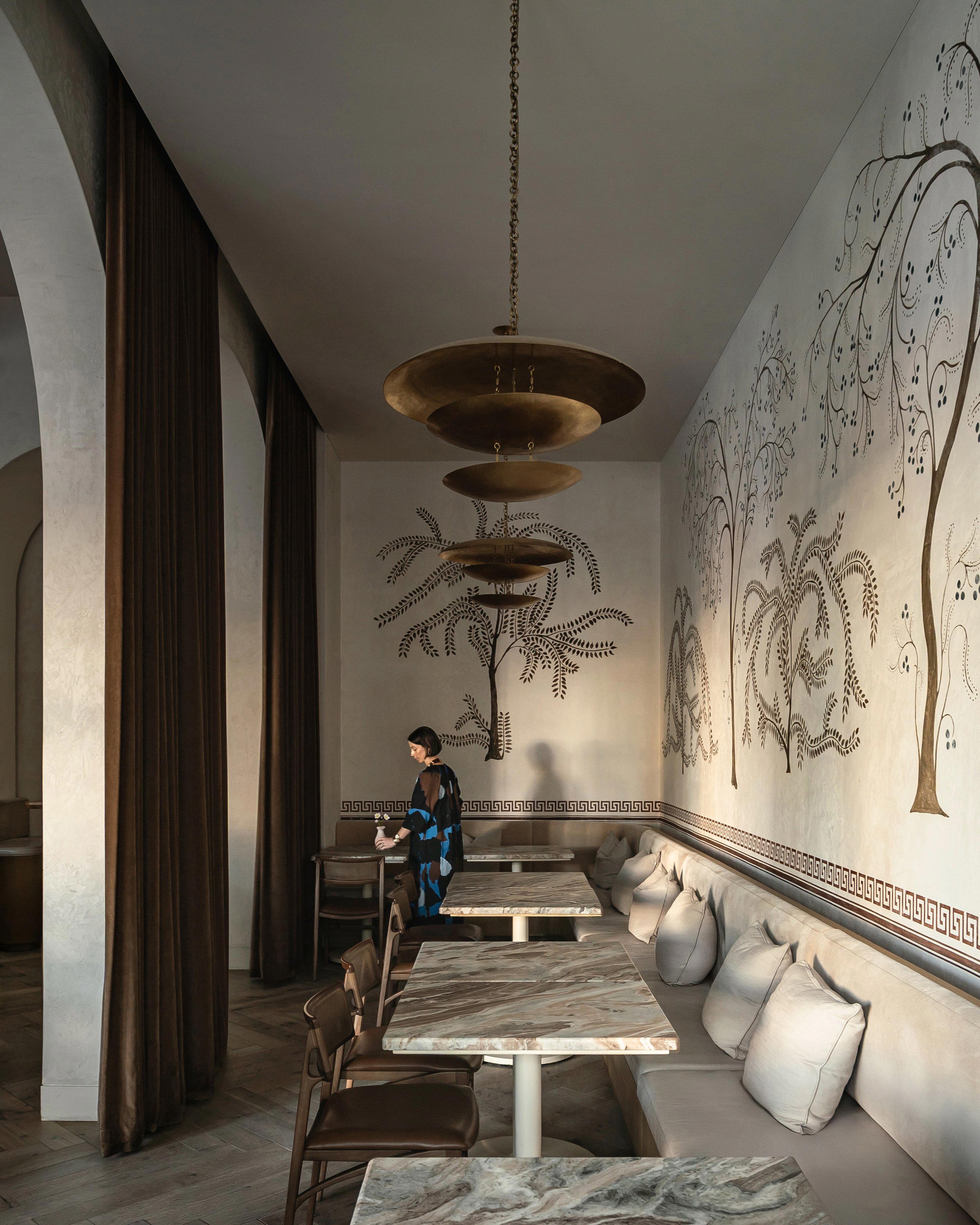
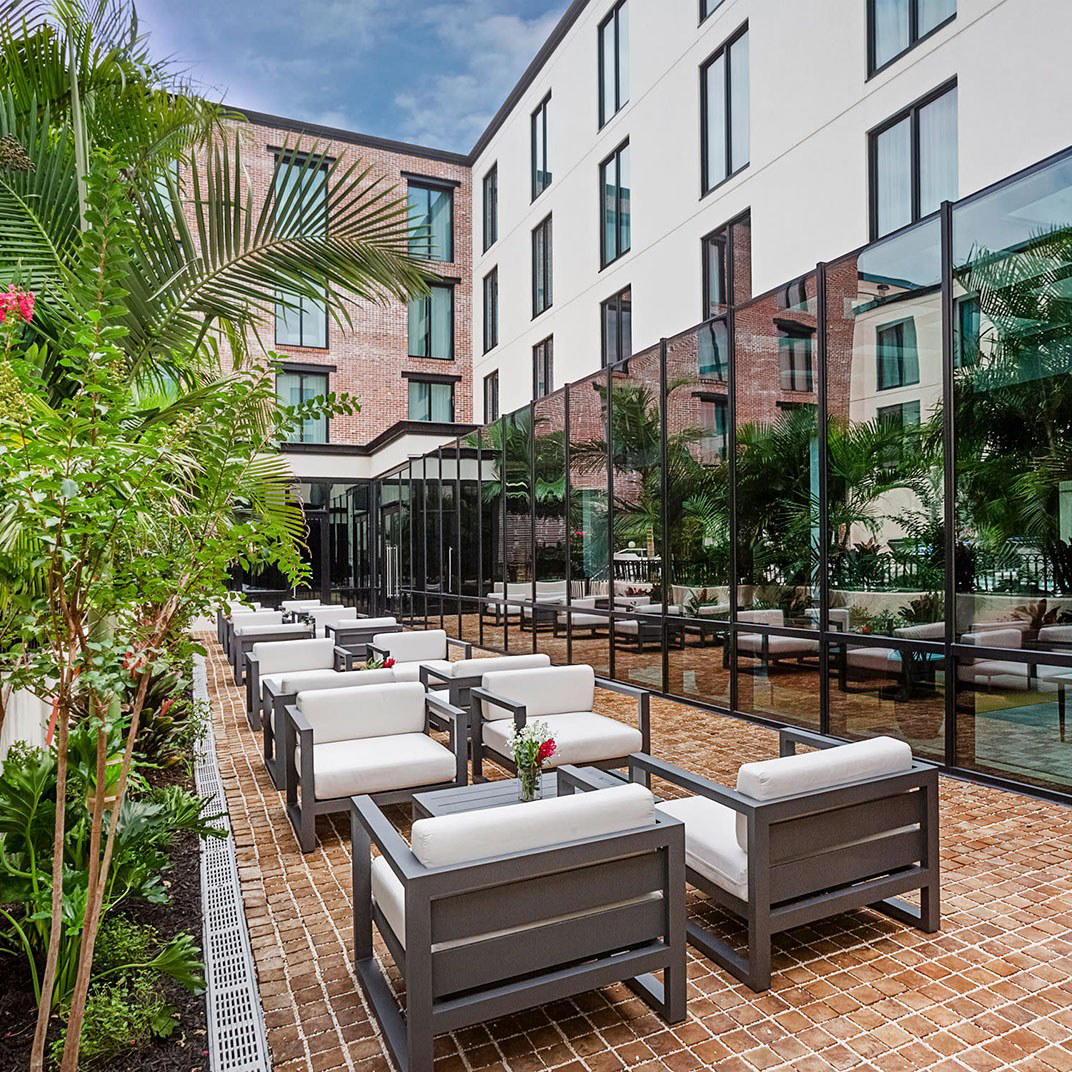
Grand neo-classical architecture with ornate interiors, ballroom, theater, and patio creating a lively, cultural atmosphere infused with eerie haunted history.