The Citadel
The Citadel anchors the Upper Eastside's bar and dining scene at 8300 NE 2nd Ave, drawing a crowd that treats it as both neighborhood hub and destination. The space leans into the area's pre-war architecture and positions itself as a counterweight to the louder, more produced venues further south on Biscayne. Its wine and drink program is the primary reason regulars return.

Pearl is the En Primeur Club membership app — saves, bookings, and concierge access live there. Same editors, same standards.
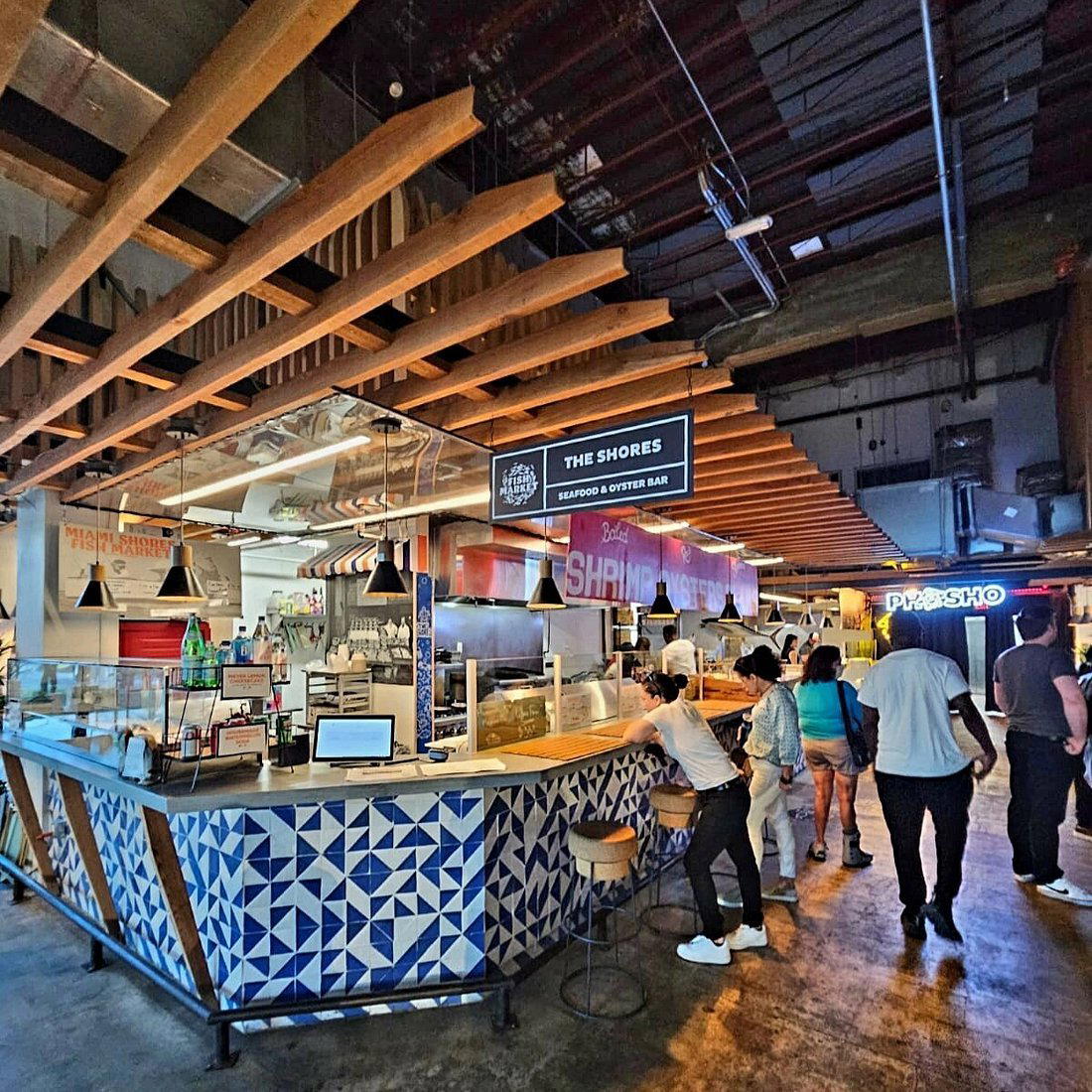
Upper Eastside, Before It Became Obvious
Miami's Upper Eastside has spent the better part of a decade becoming the thing that Wynwood was before the murals attracted tour buses. The corridor along NE 2nd Ave, anchored by pre-war bungalows and mid-century commercial blocks, now holds some of the city's more considered dining and drinking addresses. The Citadel, at 8300 NE 2nd Ave, sits inside this pattern rather than above it. The building itself does most of the early communicating: a converted structure that reads as neighborhood infrastructure rather than a destination drop-in, the kind of place where you understand the context before you open the door.
That physical framing matters more than it might at an address in Brickell or South Beach. In those neighborhoods, the room design is often an argument against everything outside. Here, the architecture and the street are continuous, and a venue that understood this got a running start on becoming a local institution. Across Miami's more produced drinking circuits, from the theatrical presentation at Mango's to the high-concept craft formats at Bar Kaiju, The Citadel operates at a different register entirely.
The Drink Program as Editorial Statement
In cities where every bar has a theme, the most telling signal is what ends up on the wine list and behind the bar. Miami's cocktail scene has matured considerably over the past several years, with operations like Broken Shaker establishing that serious technique and a relaxed setting are not mutually exclusive, and Café La Trova demonstrating how a deep cultural throughline can organize an entire drinks program. The Citadel enters this conversation from the direction of wine and broader curation rather than cocktail spectacle.
Wine-forward venues occupy a particular position in the American bar taxonomy. They attract a crowd that is buying time as much as product, the kind of guest who reads the list carefully and asks questions that require an actual answer. The depth and coherence of a list in this context functions as a proxy for the entire operation. A scattered list with obvious gaps signals a kitchen-first venue that added wine as an afterthought. A list with a clear point of view, regional through-lines, and meaningful producer selection signals that someone is running the program with intent. Without current verified specifics on The Citadel's list, the directional evidence from its positioning in the Upper Eastside market and its reputation among regulars points toward the latter category.
Nationally, bars and restaurants that have built durable reputations around wine curation share a few structural features: they tend to run shorter lists rather than catalogues, they rotate frequently enough that a second visit yields something new, and they treat by-the-glass selection as the real argument for the program rather than a reduced version of it. The by-the-glass tier is where most guests actually drink, and the venues that understand this invest accordingly. For comparison, operations like Kumiko in Chicago and ABV in San Francisco have demonstrated how a rigorous approach to what is available without committing to a full bottle can define a venue's entire drinking identity.
Where The Citadel Sits in Miami's Drinking Map
Miami's bar and restaurant geography sorts into a few distinct tiers. There are the heavily produced entertainment venues built for visitors on a defined schedule, and there are the neighborhood operations that build their business on repeat customers who live within walking distance or a short drive. The Citadel sits in the latter tier, which imposes a different set of requirements. A venue that depends on regulars cannot coast on novelty; it has to keep giving them reasons to come back that are rooted in the program itself rather than in the experience of discovery.
This is a harder standard to meet than it sounds. South Florida's hospitality market sees enormous turnover, with venues that open to significant buzz often thinning out once the city's attention moves elsewhere. The operations that persist do so because they solve a recurring need rather than a one-time curiosity. The Citadel's address in the Upper Eastside, away from the high-traffic tourist routes, means its survival is structurally tied to being genuinely useful to its neighborhood. That kind of pressure tends to produce more honest, better-edited programs than venues that can survive on foot traffic alone.
For travelers looking at Miami's full drinking circuit, the comparison set around The Citadel is meaningfully different from what you would find at venues downtown or in the Design District. It belongs in a conversation with neighborhood-anchored operations in other American cities: Jewel of the South in New Orleans, Julep in Houston, and Superbueno in New York City all share the characteristic of being primary destinations for people who live near them and secondary discoveries for visitors who went looking. Globally, the same pattern holds at places like Bar Leather Apron in Honolulu and The Parlour in Frankfurt: serious programs in non-obvious locations that reward the effort of going out of your way.
What to Expect When You Get There
The Upper Eastside's hospitality character runs quieter than Miami Beach or Wynwood, and The Citadel operates inside that mode. The physical setting on NE 2nd Ave provides context before you sit down. The crowd tends toward people who live in the neighborhood or who have made a specific decision to come here rather than stumbled in from a hotel concierge recommendation. That self-selected audience shapes the energy in ways that are difficult to replicate through design alone.
For a city that often defaults to high volume and high production, a venue that creates space to actually taste what you are drinking and hold a conversation at a normal register is doing something specific and intentional. The Citadel's footprint in the Upper Eastside gives Miami's drinking map a data point it needs: a serious, wine-oriented address outside the areas that already have too many of them.
Who is The Citadel leading for?
Guests who want a wine-oriented, lower-production evening away from Miami's louder entertainment corridors will find The Citadel well matched to that requirement. It is also a natural fit for travelers who want to spend time in the Upper Eastside rather than defaulting to the areas that appear most frequently on hotel concierge lists. It is less suited to guests who are looking for cocktail theatrics or a high-energy club atmosphere.
Does The Citadel have an outdoor or courtyard space?
The Citadel's NE 2nd Ave address in Miami's Upper Eastside sits within a stretch of converted commercial and residential structures where outdoor programming is common among comparable venues. Miami's climate makes exterior seating a functional asset for most of the year, though the specifics of The Citadel's layout and any covered or open-air options are best confirmed directly with the venue. If outdoor seating is a priority for your visit, factor in Miami's afternoon rain patterns, particularly between June and September.
The Essentials
| Venue | Price | Awards |
|---|---|---|
| The CitadelThis venue — the venue you are viewing | $20–30 | Not listed |
| Bar Kaiju | $20–30 | World's 50 Best #70 · Top 500 Bars Best Bars #264 |
| Broken Shaker | $20–30 | World's 50 Best #32 · Food & Wine Top 10 US Hotel Bars #4 |
| Mango's | $50–100 | World's 50 Best #45 |
Continue exploring
More in Miami
Bars in Miami
All bars in Miami →
Restaurants in Miami
All restaurants in Miami →
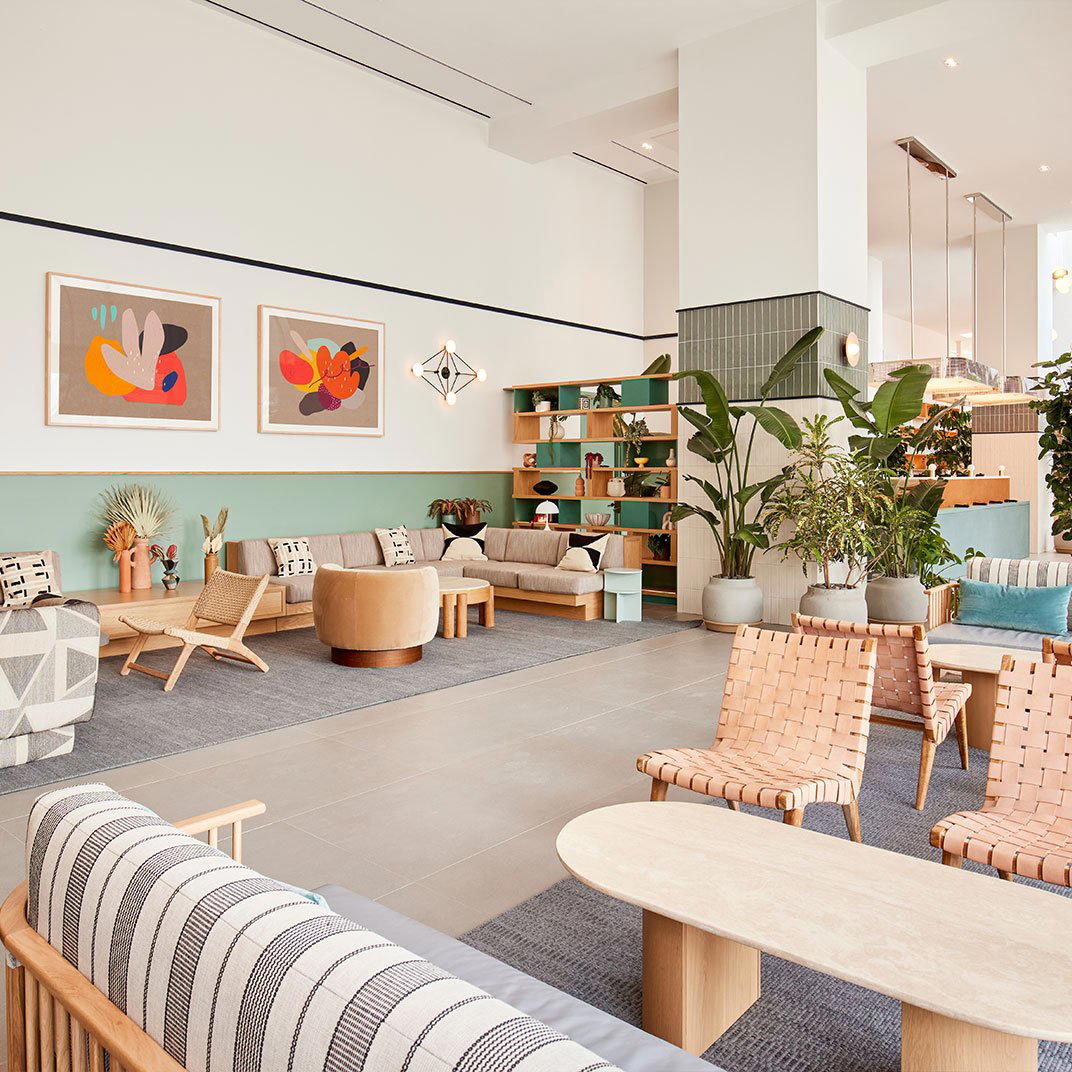
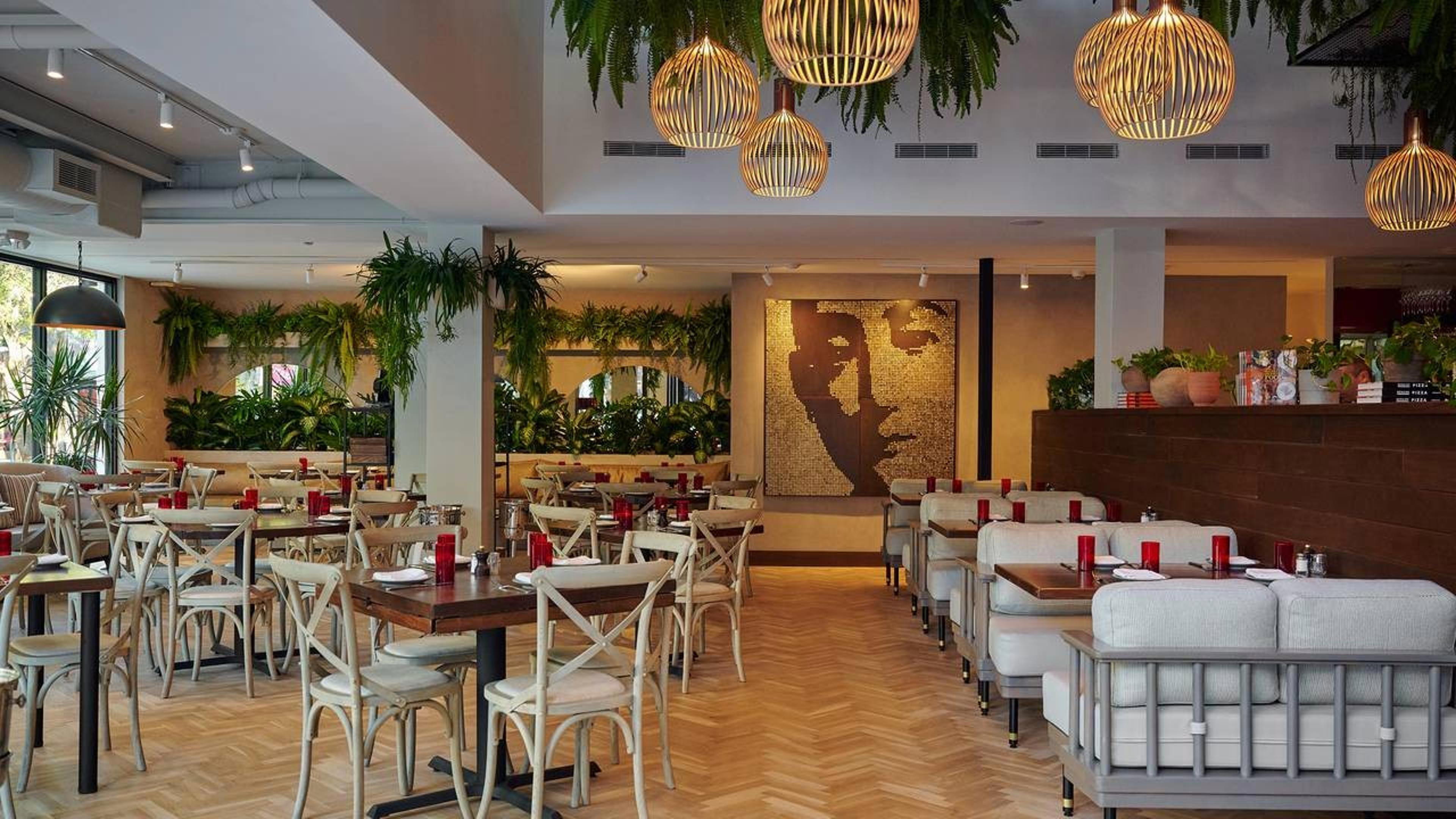
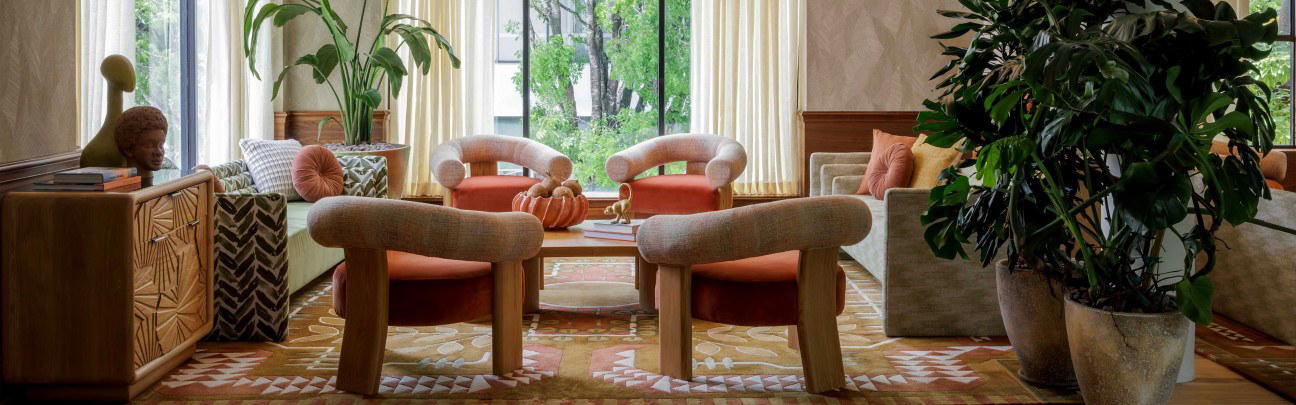
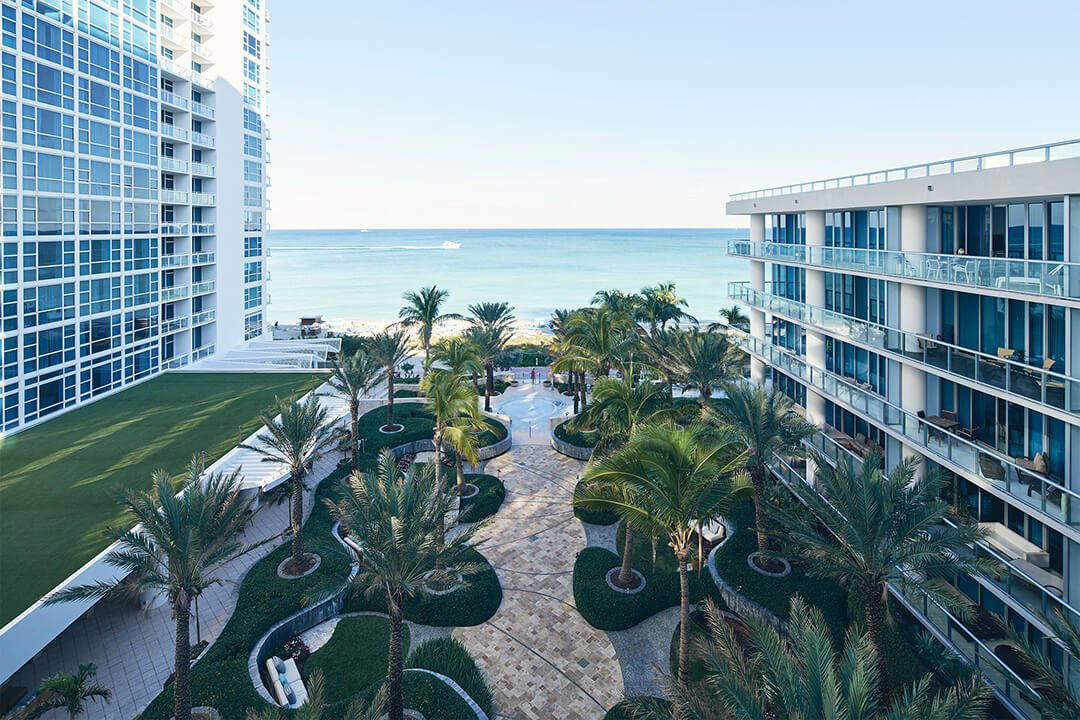
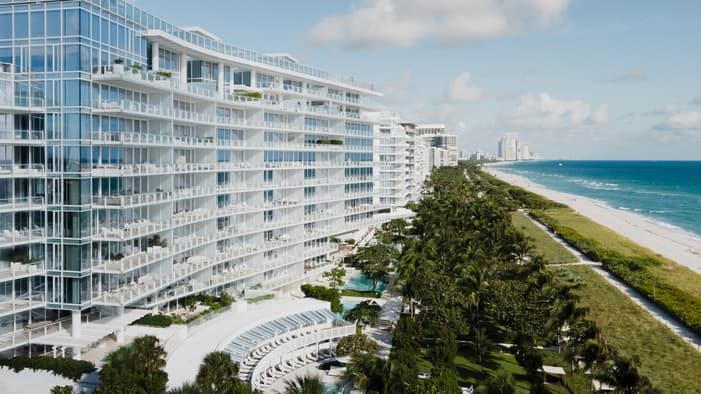
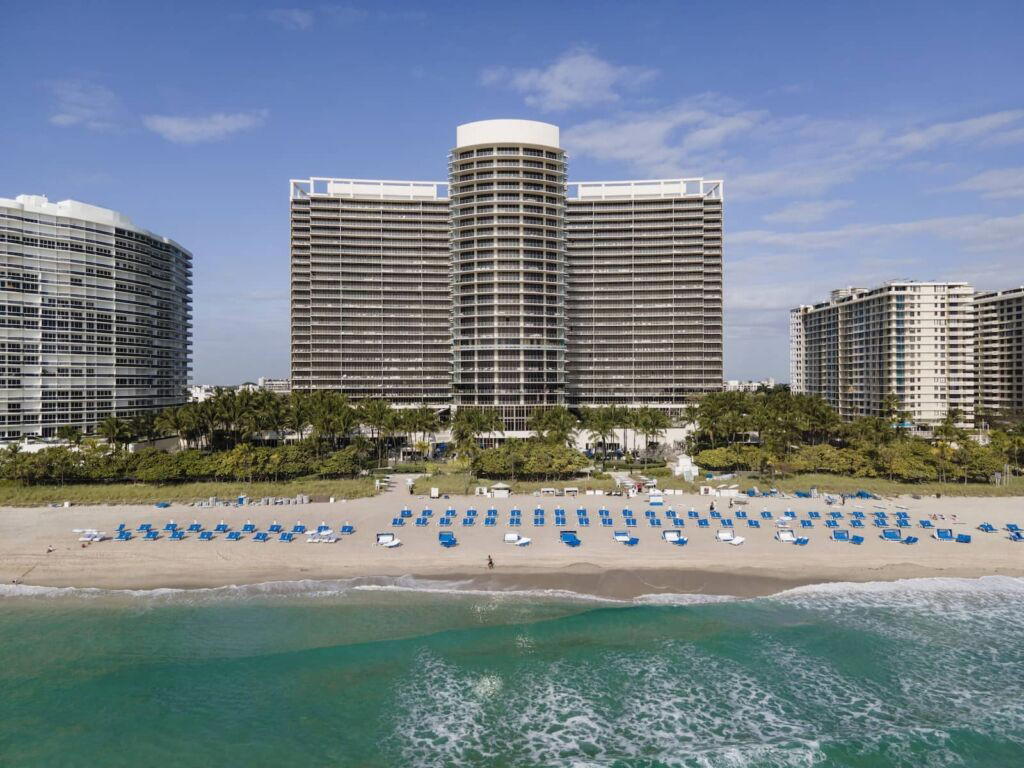
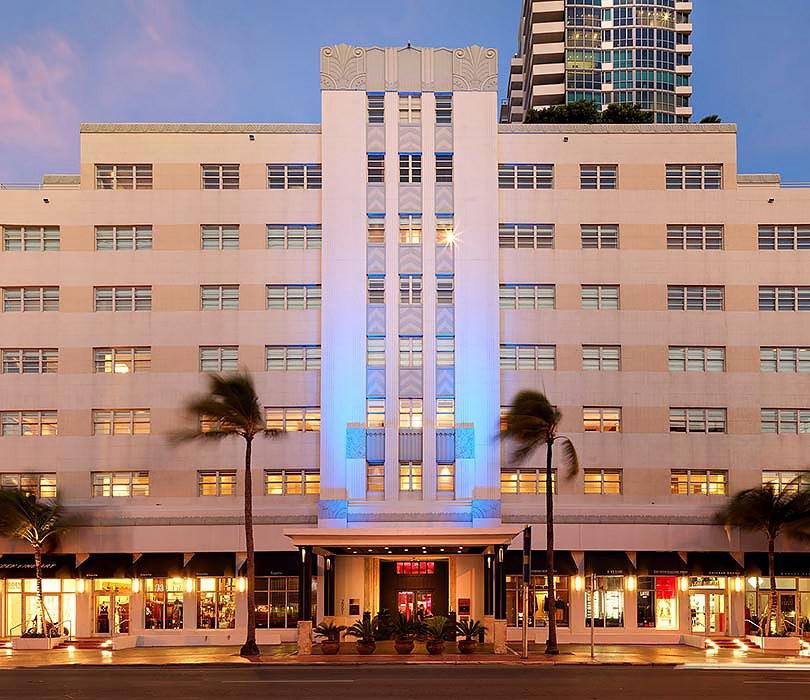
The Citadel
The drinks
- Craft cocktails
Signature drinks: Lychee With Me, Tarasca.
Details
- Lively
- Trendy
- Modern
- Group Outing
- Late Night
- Casual Hangout
- Rooftop
- Live Music
- Outdoor Terrace
- Lounge Seating
- Craft Cocktails
- Frozen
- Skyline
Bright and modern rooftop lounge set in treetop greenery with lush tropical landscaping, creating a resort-like nightlife vibe.