Sugar
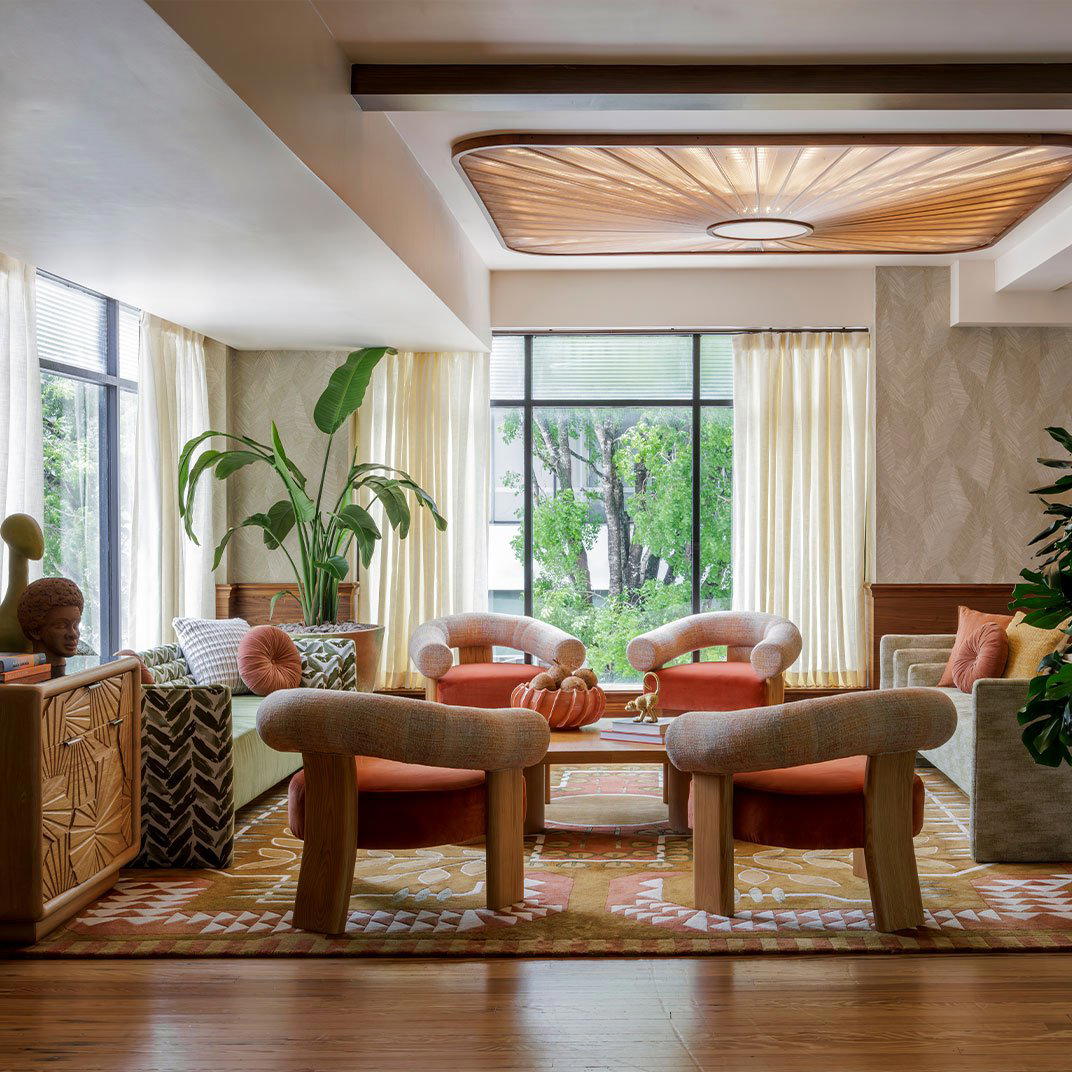
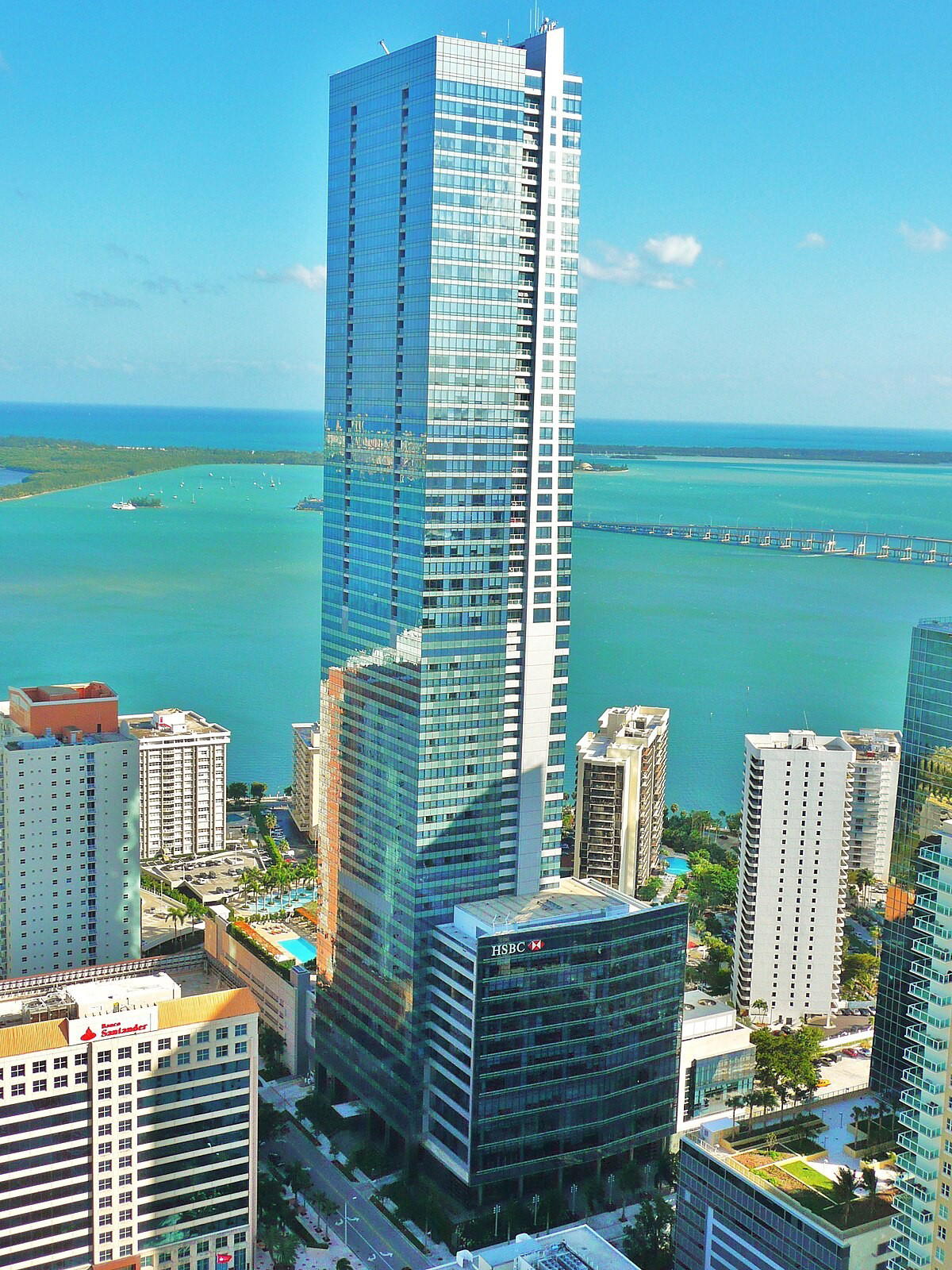
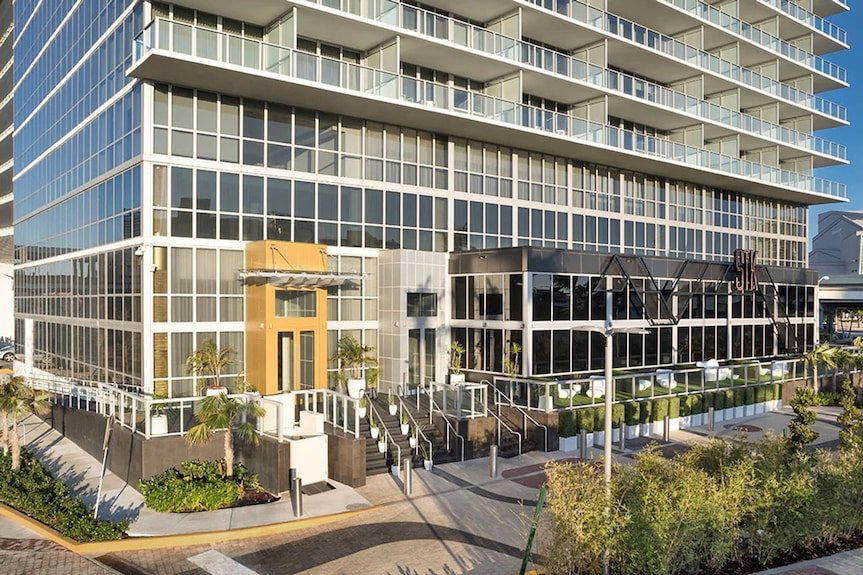
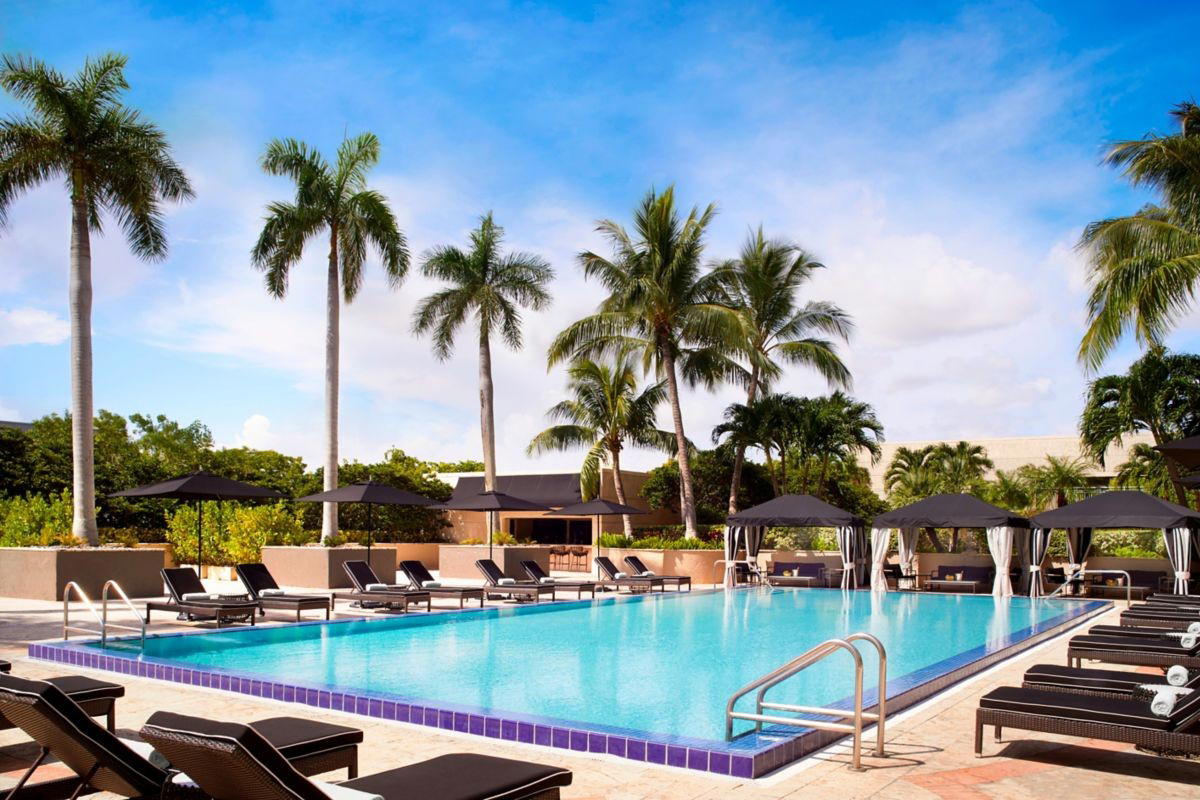
Forty floors above Brickell, Sugar occupies the rooftop of the EAST Miami hotel at 788 Brickell Plaza, positioning itself at the upper tier of Miami's skyline bar scene. The pan-Asian drink and food program pairs the city's tropical climate with an outdoor terrace format that draws after-work crowds and late-night visitors alike. Reserve ahead for weekend evenings; walk-ins thin out above the 9 p.m. mark.

Pearl is the En Primeur Club membership app — saves, bookings, and concierge access live there. Same editors, same standards.
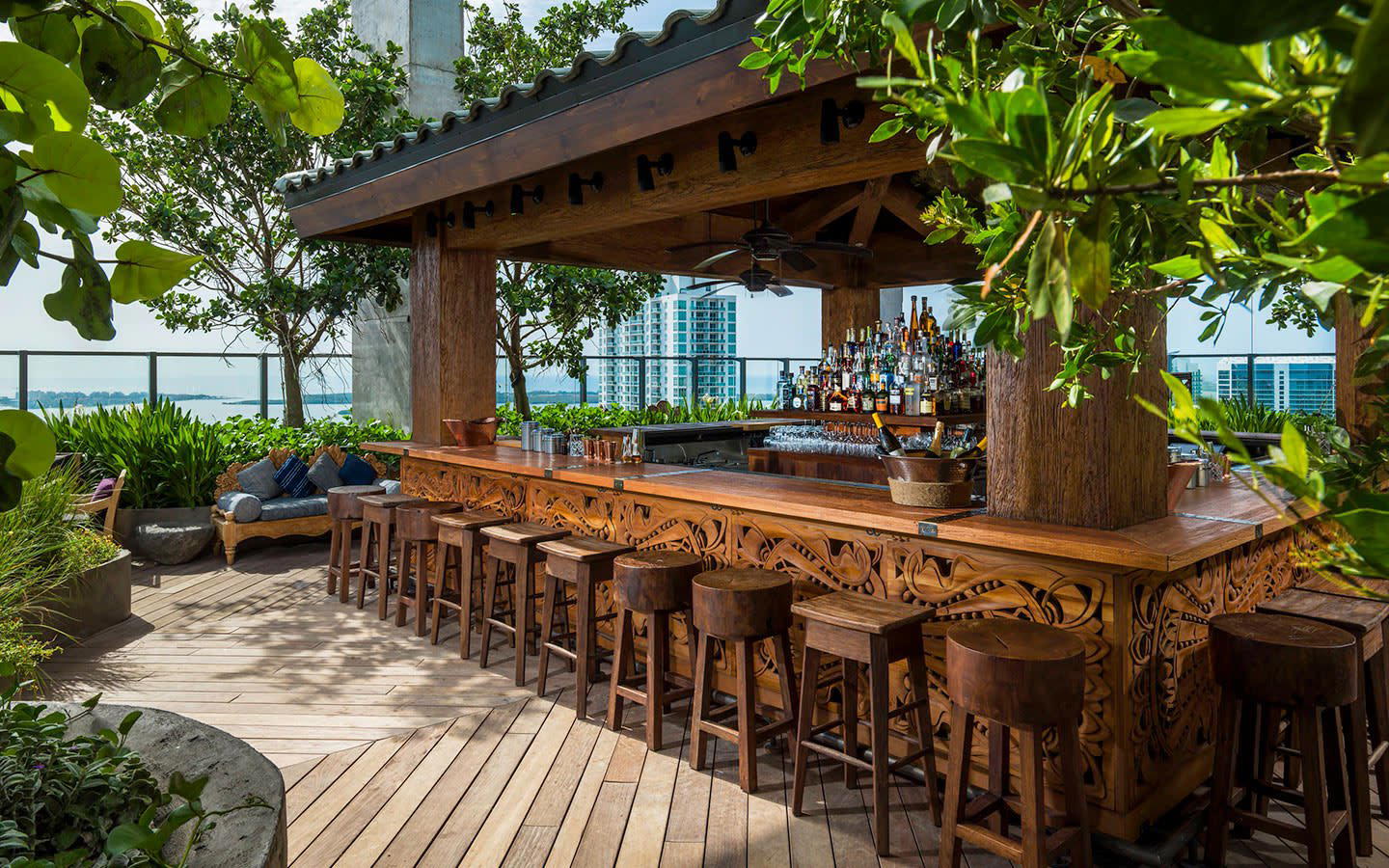
Forty Floors Up: What Rooftop Drinking Looks Like in Brickell
Miami's rooftop bar tier has split into two distinct categories over the past decade: the hotel-pool deck that prioritizes spectacle over substance, and the higher-altitude perch with a credible drinks program that earns return visits on merit. Sugar, on the 40th floor of the EAST Miami hotel at 788 Brickell Plaza, sits in the second category. The elevation is obvious the moment the elevator opens, but what holds attention past the first scan of the horizon is the way the space is programmed rather than simply decorated.
Brickell's financial district character shapes the venue's rhythm in ways that distinguish it from South Beach counterparts like Broken Shaker, which operates in a more relaxed, garden-bar register. At this altitude in this zip code, the crowd skews toward professionals finishing late meetings and visitors from the surrounding hotel corridor, which means the bar must perform across two distinct windows: the early-evening transitional hour and the full late-night push.
Menu Architecture and What It Signals
The pan-Asian orientation of Sugar's food and drink program is not decorative. In Miami's rooftop bar market, pan-Asian menus at altitude have become a recognizable format, aligning with a broader American coastal trend in which Japanese-inflected cocktail structures and Southeast Asian flavor profiles appear at premium-tier rooftop venues. What distinguishes a well-executed version of that format from a superficial one is whether the drinks list shows internal logic: whether the flavor architecture across the menu coheres, or whether it's a collection of independent trend signals.
Sugar's cocktail list draws on citrus-forward and spirit-led constructions that fit the outdoor, warm-climate setting. In a city where humidity and heat are constants, the most durable rooftop menus lean toward drinks with clarity and brightness rather than heavy, cream-based or overly sweet builds. That structural preference is itself an editorial statement about the context. It places Sugar closer to programs like Bar Leather Apron in Honolulu, which also operates in a high-humidity, tropical-climate environment and has built a technically disciplined menu calibrated to those conditions, than to the more spirit-library-focused formats of inland programs like Kumiko in Chicago or ABV in San Francisco.
The food side functions as counterpoint rather than centerpiece. Small plates designed for sharing across a rooftop terrace serve a practical purpose: they extend the visit without requiring the full attention shift of a seated dinner. In that sense, the menu architecture mirrors what the physical space demands. Forty floors up, the environment competes with everything on the table, and the leading rooftop food programs acknowledge that competition rather than fighting it.
Where Sugar Sits in Miami's Bar Scene
Miami's cocktail bar scene has diversified considerably beyond the South Beach entertainment strip. Café La Trova in Little Havana operates in a completely different register, centering Cuban heritage spirits and live music in a mid-century interior. Bar Kaiju represents the craft-focused, lower-key end of the Miami bar spectrum. Mango's on Ocean Drive leans into entertainment-as-the-product, where the experience is explicitly performative. Sugar operates in none of those registers. Its competitive set is the premium hotel rooftop tier, where the ambient selling point is the view and the skyline, and the drinks program exists to justify the price differential over ground-level alternatives.
That positioning is increasingly common in American cities where financial districts have developed residential and hospitality density. Comparable programs at altitude in other cities, including Superbueno in New York City and Jewel of the South in New Orleans, face the same fundamental challenge: maintaining drinks credibility when the room itself is the primary draw. Sugar's pan-Asian framing gives it a clearer identity than a generic hotel bar, which is useful when the pricing sits above neighborhood bar levels and the guest needs a reason to return that isn't purely the altitude.
For readers building a broader Miami itinerary, our full Miami restaurants and bars guide maps the city's drinking and dining across neighborhoods and price tiers.
Timing, Access, and the Practical Calculation
The 40th-floor position creates a specific timing logic. Sunset is the inflection point. Arriving in the 30 to 45 minutes before local sunset, which in Miami runs from roughly 6 p.m. in December to 8 p.m. in June, captures the light shift that justifies the elevation. After dark, the Brickell skyline and the bay views to the east hold their own, but the ambient experience changes substantially. Weekend evenings, particularly Friday and Saturday, generate the longest waits for unhosted parties. The practical advice consistent with the premium rooftop format across American cities is direct: book ahead for weekends, arrive early on weekdays if you prefer a quieter pace. The rooftop format at this tier tends to accelerate after 9 p.m. toward a later-night volume and energy that differs from the early-evening mood. For venues in a comparable format and climate category, like Julep in Houston and The Parlour in Frankfurt on the Main, the time-of-visit calculation matters as much as the program itself.
Know Before You Go
- Address: 788 Brickell Plaza, Floor 40, Miami, FL 33131
- Neighborhood: Brickell, Miami
- Format: Rooftop bar and terrace, pan-Asian food and cocktail program
- Timing: Arrive before sunset for the leading ambient experience; weekend evenings book quickly
- Access: Located within the EAST Miami hotel; elevator access from lobby level
- Walk-ins: Possible on weeknights; weekend evenings recommend advance reservation
- Dress: Smart casual is the observed norm for the Brickell financial district context
Budget Reality Check
Comparable venues nearby, for context on price, style, and recognition.
| Venue | Cuisine | Price | Notes |
|---|---|---|---|
| SugarThis venue — the venue you are viewing | Not listed | $50–100 | Not listed |
| Over Under | Not listed | $20–30 | Miami Jewelry District, cocktail_bar |
| Monterrey Bar | Sunset Islands, speakeasy | $30–50 | Not listed |
| Astra Miami Rooftop | Not listed | Not listed | Midtown, rooftop_bar |
| Gramps | Not listed | Not listed | Midtown, dive_bar |
| The Stage | Not listed | $30–50 | Design District, cocktail_bar |
Continue exploring
More in Miami
Bars in Miami
All bars in Miami →
Restaurants in Miami
All restaurants in Miami →
Details
- Trendy
- Lively
- Sophisticated
- Date Night
- Late Night
- Celebration
- Rooftop
- Live Music
- Panoramic View
- Lounge Seating
- Outdoor Terrace
- Craft Cocktails
- Skyline
- Waterfront
Current opening hours
- Monday
- 4 PM–2 AM
- Tuesday
- 4 PM–2 AM
- Wednesday
- 4 PM–2 AM
- Thursday
- 4 PM–3 AM
- Friday
- 4 PM–3 AM
- Saturday
- 12 PM–3 AM
- Sunday
- 12 PM–2 AM
Hours can change for holidays and private events. Last verified .
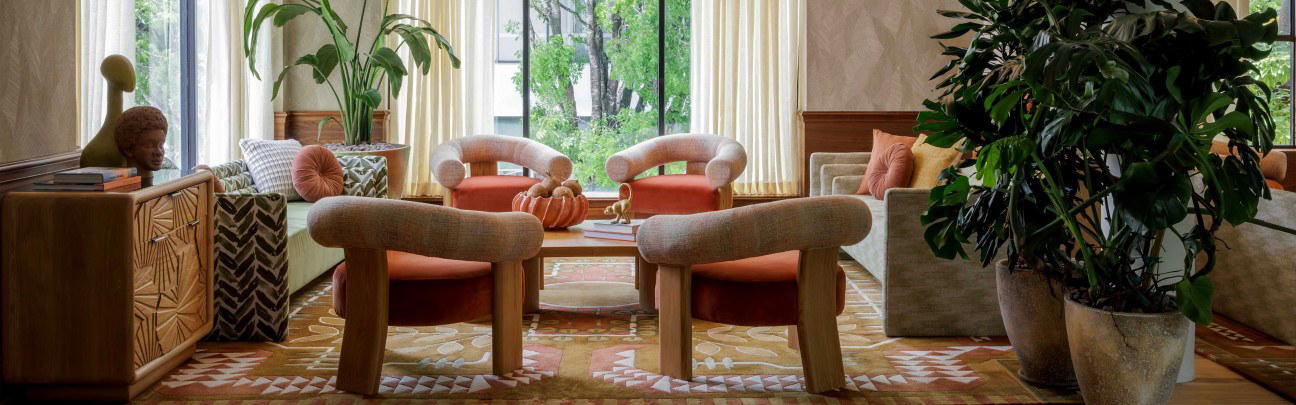
Lush rooftop oasis with Balinese flair, sophisticated urban-trendy atmosphere, dramatic sunset and city lights views.