In Shimogyo Ward, a short walk from Kyoto Station, The Blossom Kyoto occupies a neighbourhood where traditional machiya streetscapes meet the transit infrastructure of a modern city. The property sits in a part of Kyoto that sees both long-stay cultural travellers and overnight rail connections, placing it at a particular crossroads in how the city receives its visitors.

Pearl is the En Primeur Club membership app — saves, bookings, and concierge access live there. Same editors, same standards.
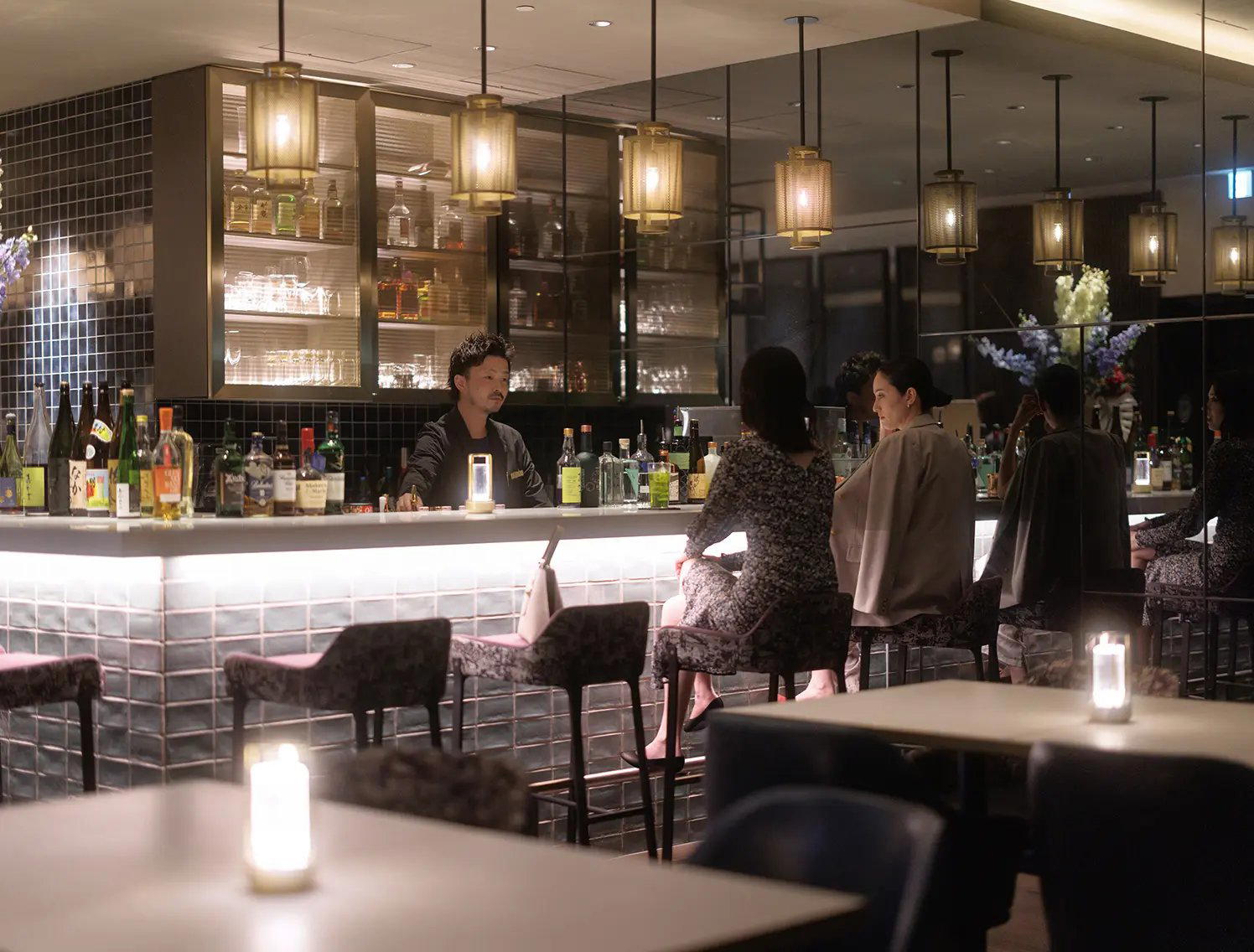
Where Shimogyo Ward Shapes the Mood
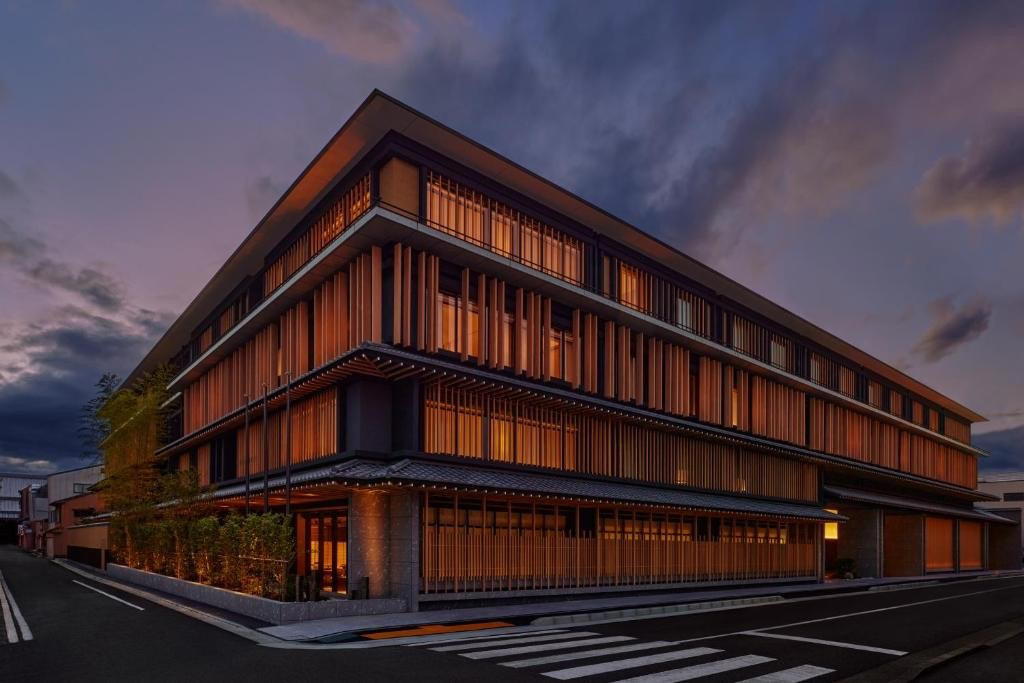
Kyoto's accommodation character splits roughly along a north-south axis. The upper wards, Kamigyo and Kita, attract properties that trade on proximity to temples and a quieter residential atmosphere. Shimogyo, by contrast, anchors itself to movement: Kyoto Station sits at its southern edge, one of Japan's most trafficked rail hubs, and the neighbourhood running north from it through Manjujicho has a particular quality of transition. Streets here carry pedestrians between the station's vast atrium and the older city grid, and the built environment shifts register quickly, from concrete transit infrastructure to low-rise wooden facades within a few blocks. The Blossom Kyoto occupies an address at 140-2 Manjujicho, inside that transitional zone, and the location carries real meaning for how a guest experiences the property. Arriving by shinkansen from Osaka or Tokyo, the hotel is reachable without a taxi or subway transfer, which in a city where taxi queues at the station can run long during peak cherry blossom and autumn foliage seasons, is a logistical fact worth noting before booking.
The Physical Register of a Kyoto Stay
Kyoto has spent the past decade in active negotiation with the question of what luxury looks like inside a city that is also a living heritage site. The municipality has zoning restrictions on building height and signage that apply across much of the historic core, which means properties in areas like Shimogyo work within a compressed vertical envelope. The design language that results, when it works, draws on the proportions and material palette of the machiya townhouse tradition: horizontal timber lines, restrained use of colour, internal light sources that pull the eye inward rather than outward. The Blossom Kyoto sits within this broader design conversation that defines how mid-to-upper tier hotels in this part of the city present themselves. The surrounding streets of Manjujicho, with their mix of older commercial buildings and newer infill, give the immediate environment a layered quality that Kyoto's more tourist-concentrated northern districts do not always offer. This is a working part of the city as much as a visiting part, and that texture tends to read in the atmosphere of properties that pay attention to their context.
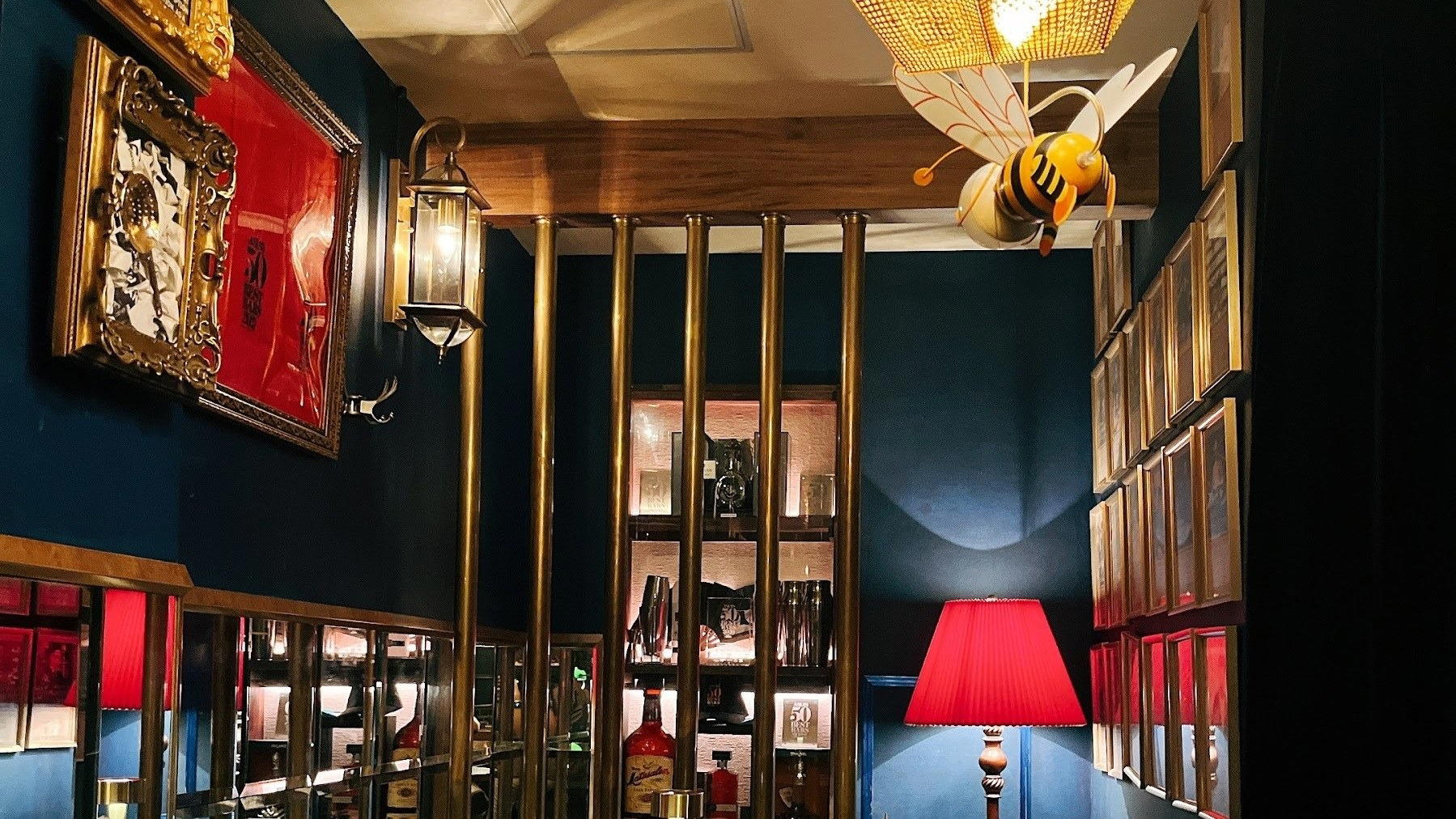
For guests interested in how Kyoto's bar and lounge culture operates near the station precinct, the Kyoto Tower Sando complex a short walk south offers a concentrated point of reference, while the more considered cocktail programming at Bee's Knees in Kyoto represents how the city's independent bar scene has developed its own technical seriousness separate from hotel settings.
Kyoto's Hospitality Tier and Where This Property Fits
Japan's hotel market in major cultural cities has sorted itself into relatively distinct price tiers over the past decade. At the upper end sit the international flagship properties, ryokan experiences commanding nightly rates that reflect both exclusivity and deep experiential programming. Below that sits a substantial mid-upper bracket where branded hotels, including several managed under Japanese hospitality groups with strong domestic track records, compete on design quality, location efficiency, and service consistency. The Blossom brand operates within the Japanese hospitality sector and has properties in multiple Japanese cities, a structural fact that positions The Blossom Kyoto within a recognisable peer group: city hotels with professional service infrastructure, central locations, and a format aimed at the culturally engaged traveller who wants efficiency alongside atmosphere. Comparing this against Kyoto's other strong mid-upper station-adjacent options, including Hotel Okura Kyoto, gives a useful sense of where the property competes and what it is not trying to be. For guests whose trip extends across Japan's western corridor, the bar and lounge programmes at Bar Nayuta in Osaka and Lamp Bar in Nara are worth mapping into an itinerary, as Nara is under 45 minutes by train from Kyoto Station and Osaka under 30.
The Broader Pattern of Japanese Hotel Atmosphere
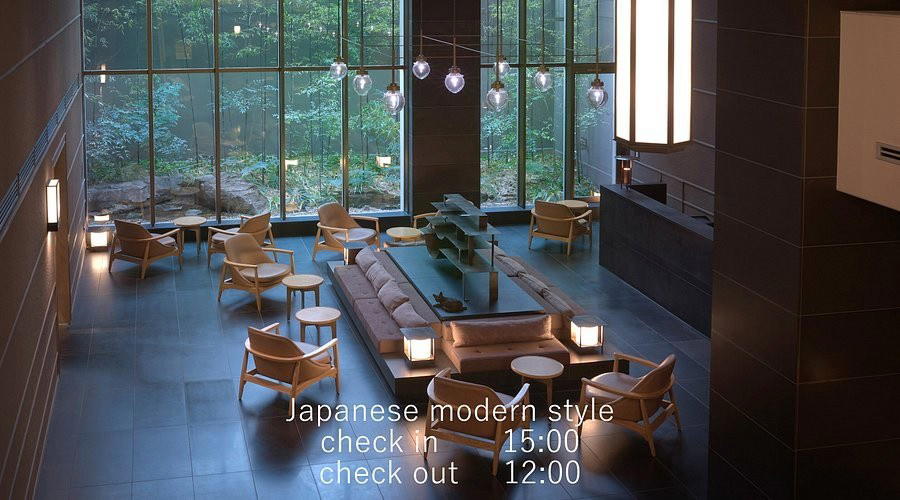
What distinguishes a well-executed Japanese city hotel from its international peers in the same tier is often less about the furniture specification and more about the sensory discipline of the spaces. Japanese hospitality culture applies rigorous attention to the things that international luxury hotels sometimes treat as secondary: acoustic management in lobbies, the temperature and scent of common areas, the calibration of lighting from arrival through to late evening. These are not incidental details but the operating philosophy of a hospitality tradition that treats the guest's physical state as the primary design brief. Properties that absorb this approach tend to read as calmer and more considered than their room rates might predict. Across Japan, this pattern holds in places as varied as JR Tower Hotel Nikko Sapporo in Hokkaido and the more intimate cocktail-focused venues like Yakoboku in Kumamoto, where the same sensory care applies to a bar rather than a hotel lobby. For context on how Tokyo's top-tier cocktail venues handle similar spatial discipline, Bar Benfiddich in Tokyo remains a reference point for technical precision in a compressed physical environment.
Planning a Stay: Practical Considerations
Shimogyo Ward's position adjacent to Kyoto Station makes it one of the more direct areas of the city for arrivals by shinkansen from Tokyo (approximately 2 hours 15 minutes on the Nozomi), Osaka (approximately 15 minutes), or Hiroshima (approximately 1 hour). The station's bus terminal connects to most major temple and shrine districts, including Arashiyama, Gion, and Fushimi Inari, without requiring a taxi. Kyoto's peak demand periods are late March through early April for cherry blossom and mid-November through early December for autumn foliage; accommodation in Shimogyo books earlier than guests from markets outside Japan tend to expect, and Manjujicho properties are not immune to that pressure. For those planning a wider Kansai itinerary, our full Kyoto Shi restaurants and venues guide maps the city's key dining and drinking addresses by district. International travellers extending their stay to Hawaii will find Bar Leather Apron in Honolulu and anchovy butter in Osaka Shi useful reference points for the quality of bar programming available across the Pacific circuit. For Italian dining in Japan's port city corridor, Cucina Takemura in Yokohama Shi is worth noting for guests passing through on their way south.
Style and Standing
| Venue | Cuisine | Price | Awards |
|---|---|---|---|
| THE BLOSSOM KYOTOThis venue — the venue you are viewing | Not listed | $30–50 | Not listed |
| Bar Benfiddich | Not listed | $20–30 | World's 50 Best #62 · Tatler Listed in Best Bars Asia-Pacific |
| Bee's Knees | Not listed | $10–20 | World's 50 Best #76 · Top 500 Bars Best Bars #383 |
| Bulgari Ginza Bar | Not listed | $50–100 | World's 50 Best #86 · Forbes Travel Guide Hotel Star Bar |
| Star Bar Ginza | Not listed | Not listed | World's 50 Best |
| The Bellwood | Sushi | $50–100 | World's 50 Best #79 · Tatler Listed in Best Bars Asia-Pacific |
Continue exploring
More in Kyoto Shi
Bars in Kyoto Shi
All bars in Kyoto Shi →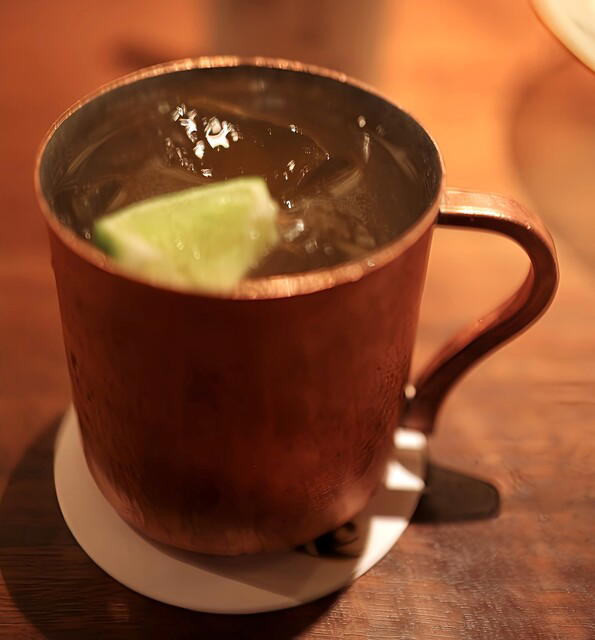
Restaurants in Kyoto Shi
All restaurants in Kyoto Shi →
Hotels in Kyoto Shi
All hotels in Kyoto Shi →
Wineries in Kyoto Shi
Browse all →
THE BLOSSOM KYOTO
The wine
- Wine program
- Curated wine list
- Craft cocktails
Details
- Quiet
- Elegant
- Sophisticated
- After Work
- Casual Hangout
- Date Night
- Hotel Bar
- Design Destination
- Seated Bar
- Lounge Seating
- Sake
- Craft Cocktails
Quiet and intoxicating evenings with soft lighting and a refined atmosphere that emphasizes relaxation and mindfulness.