The Argyle

The Argyle is a Caribbean-influenced bar on the Lower Level of 326 7th Ave in Chelsea, recognised by Star Wine List 2026 for the depth of its drinks program. The wine focus is serious enough to earn that designation, but the Caribbean culinary thread keeps the experience grounded and specific. Plan your visit with some lead time — this is not a walk-in-on-a-Friday proposition.
Pearl is the En Primeur Club membership app — saves, bookings, and concierge access live there. Same editors, same standards.
- Address
- 326 7th Ave Lower Level, New York, NY 10001
- Phone
- (212) 537-6564
- Website
- marketterestaurant.com
- Directions
- Get directions
 Saves & bookings on Pearl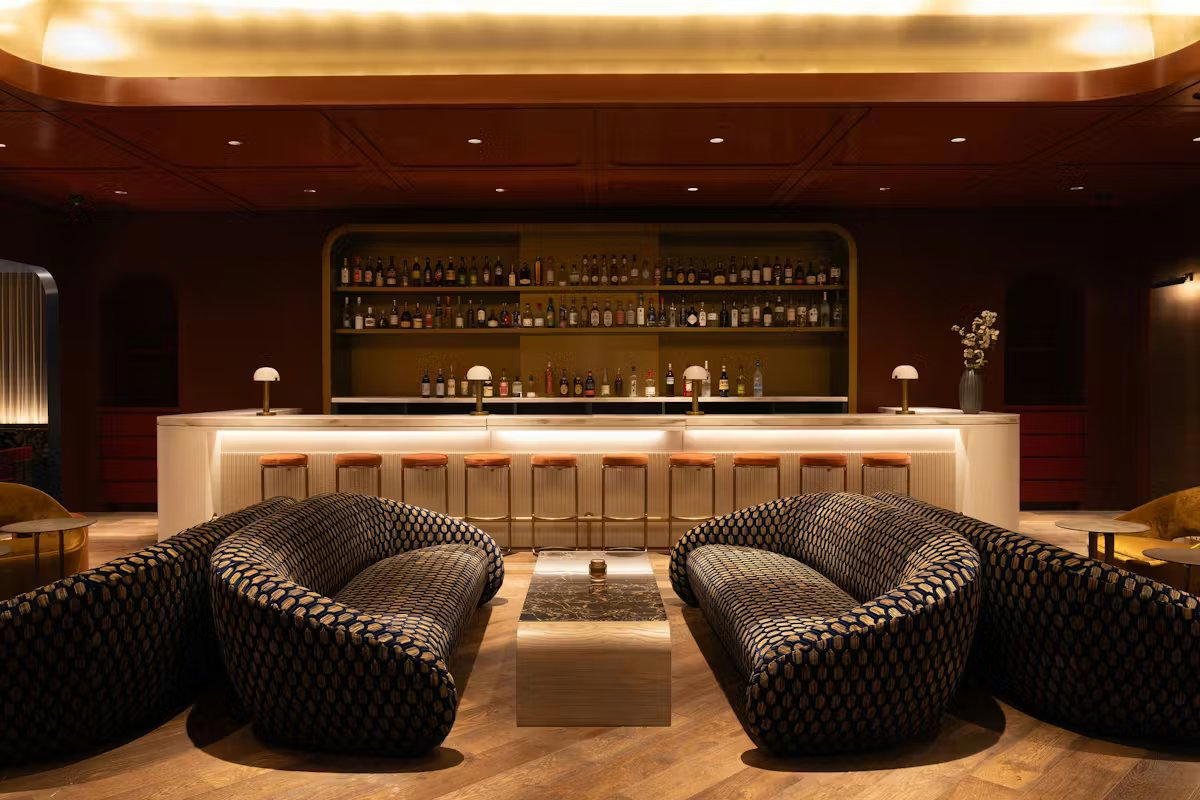
Caribbean Flavour, Serious Wine: Where The Argyle Sits in the New York Bar Scene
New York's bar scene has long fragmented along programme lines: the spirit-forward technical bars of the Lower East Side, the bitters-obsessed amaro dens of the East Village, the citation-heavy cocktail rooms of Midtown. What has emerged more slowly is a cohort of venues where a Caribbean culinary thread runs through the drinks menu — not as decoration, but as a structural choice that shapes what lands in the glass and on the plate. The Argyle, located below street level at 326 7th Ave in Chelsea, occupies that specific corner of the map.
The venue earned recognition from Star Wine List in 2026, a credential that signals a wine programme vetted by trade-level scrutiny. That combination, Caribbean-influenced food and drink meeting a wine programme rigorous enough for trade recognition, is relatively uncommon in New York at any price tier.
Planning Your Visit: The Logistics Case
The address, Lower Level, 326 7th Ave, immediately tells you something about the nature of the venue. Basement and below-grade bars in New York tend to fall into two types: the deliberately obscure and the architecturally practical. Either way, first-time visitors should confirm the entrance before arriving, particularly if approaching in the evening when street-level signage can be minimal. Chelsea's 7th Avenue corridor is residential and commercial in roughly equal measure, which means the immediate surroundings lack the cluster of hospitality venues that makes navigation easier in, say, the West Village or NoMad.
The Star Wine List 2026 recognition will have introduced the bar to a wider audience, and visitor numbers at newly-cited venues typically rise in the twelve months following publication.
For context on how New York's recognised bar programmes compare across the city, the full New York City restaurants and bars guide maps the broader scene by neighbourhood and category.
What to Drink: The Wine Programme and Caribbean Influence
The Star Wine List recognition is the clearest public signal available about what to prioritise at The Argyle. Star Wine List evaluates lists on range, depth, producer diversity, and value representation, bars that earn the citation typically hold more than a token wine selection and show evidence of a structured approach to buying. At a Caribbean-influenced venue, this creates an interesting editorial question: how does wine interact with a culinary tradition built around rum, tropical produce, and heat-forward flavour profiles?
Caribbean cuisine has its own logic with fermented drinks. Rum-based cocktails are the culturally intuitive pairing, and at venues where the Caribbean thread is genuine rather than cosmetic, the spirits programme tends to reflect that. The wine list at a bar with this profile typically leans toward bottles with enough acidity and aromatic intensity to hold against bold seasoning, crisp whites, skin-contact wines, and sparkling formats often work better than heavy reds in this context. Whether The Argyle's list follows that logic, or takes a more unexpected direction, is worth exploring when you visit.
For a comparison point on what serious programme depth looks like at recognised cocktail and wine bars outside New York, Kumiko in Chicago operates with a similar awards-backed rigour, while Bar Leather Apron in Honolulu demonstrates how Pacific-influenced culinary ideas can underpin a technically serious drinks programme. Jewel of the South in New Orleans and Julep in Houston show how distinct regional food cultures can structure a drinks identity in ways that are coherent rather than eclectic. ABV in San Francisco and Allegory in Washington, D.C. round out the picture of how programme-led bars across American cities have built credentialled identities independent of the New York axis. Further afield, The Parlour in Frankfurt on the Main illustrates how the combination of wine seriousness and a strong culinary identity has become a viable format internationally, not just in major American cities.
Where The Argyle Sits Among New York's Recognised Bars
New York's most-cited bar programmes in 2024 and 2025 have tended to cluster around a few identifiable types: the technique-forward cocktail counter (Attaboy NYC, Angel's Share), the amaro and bitters specialist (Amor y Amargo), and the Latin-inflected cocktail programme with a strong identity (Superbueno). The Argyle's Caribbean-plus-wine positioning doesn't map neatly onto any of those categories, which is either a liability or a differentiator depending on how coherently the two elements connect in practice.
Wine recognition at a cocktail-and-cuisine venue is not inherently unusual, several New York bars have expanded their lists significantly in response to wine-focused guest demand, but earning a named trade citation like Star Wine List requires more than a longer-than-average selection. It implies a buyer, a philosophy, and a level of list maintenance that elevates the wine experience rather than treating it as secondary.
Chelsea as a neighbourhood has fewer destination bar programmes than the Lower East Side or the West Village, which means The Argyle occupies a relatively clear local position. Visitors arriving specifically for the bar are unlikely to find themselves choosing between three comparable options within two blocks. That insularity cuts both ways: the audience is self-selecting and the venue doesn't benefit from neighbourhood foot traffic in the way that bars in denser hospitality corridors do.
Before You Go
The essential pre-visit checklist for The Argyle is short but worth taking seriously. Confirm current hours and booking availability directly with the venue, as neither is confirmed in published data at time of writing. Identify the entrance, the lower-level location at 326 7th Ave requires you to know where you're going before you arrive, not on the pavement outside. If the wine list is the primary draw, arriving with enough time to work through it properly is more productive than treating the visit as a quick stop. The Star Wine List 2026 recognition implies there is enough depth to reward attention.
For visitors building a broader New York itinerary that includes bar programmes across multiple neighbourhoods, the New York City guide provides the fuller map.
How The Argyle compares with similar nearby venues.
| Venue | Cuisine | Awards |
|---|---|---|
| The Argyle | Caribbean-influenced | Star Wine List (2026) |
Recognition history
Dated appearances from independent guides and award organizations, with the underlying list record or original source where available.
Star Wine List
Star Wine List
Continue exploring
More in New York City
Bars in New York City
Browse all →
Restaurants in New York City
Browse all →
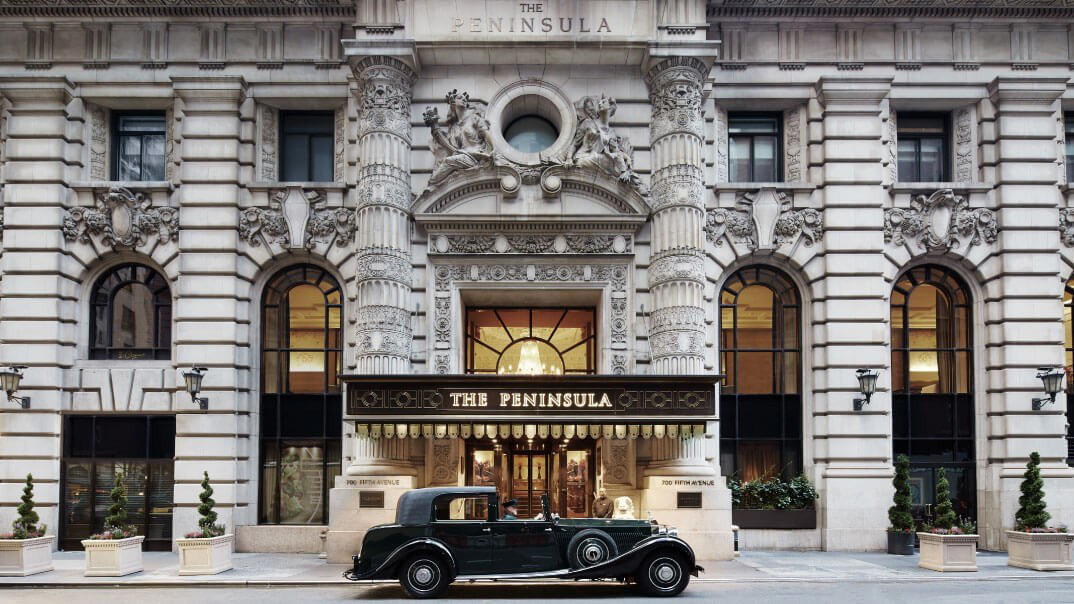
Hotels in New York City
Browse all →




At a Glance
- Sophisticated
- Intimate
- Elegant
- Date Night
- After Work
- Late Night
- Hotel Bar
- Lounge Seating
- Seated Bar
- Craft Cocktails
- Classic Cocktails
Current opening hours
- Monday
- Closed
- Tuesday
- 5 PM–1 AM
- Wednesday
- 5 PM–1 AM
- Thursday
- 5 PM–1 AM
- Friday
- 5 PM–1 AM
- Saturday
- 5 PM–1 AM
- Sunday
- Closed
Hours can change for holidays and private events. Last verified .
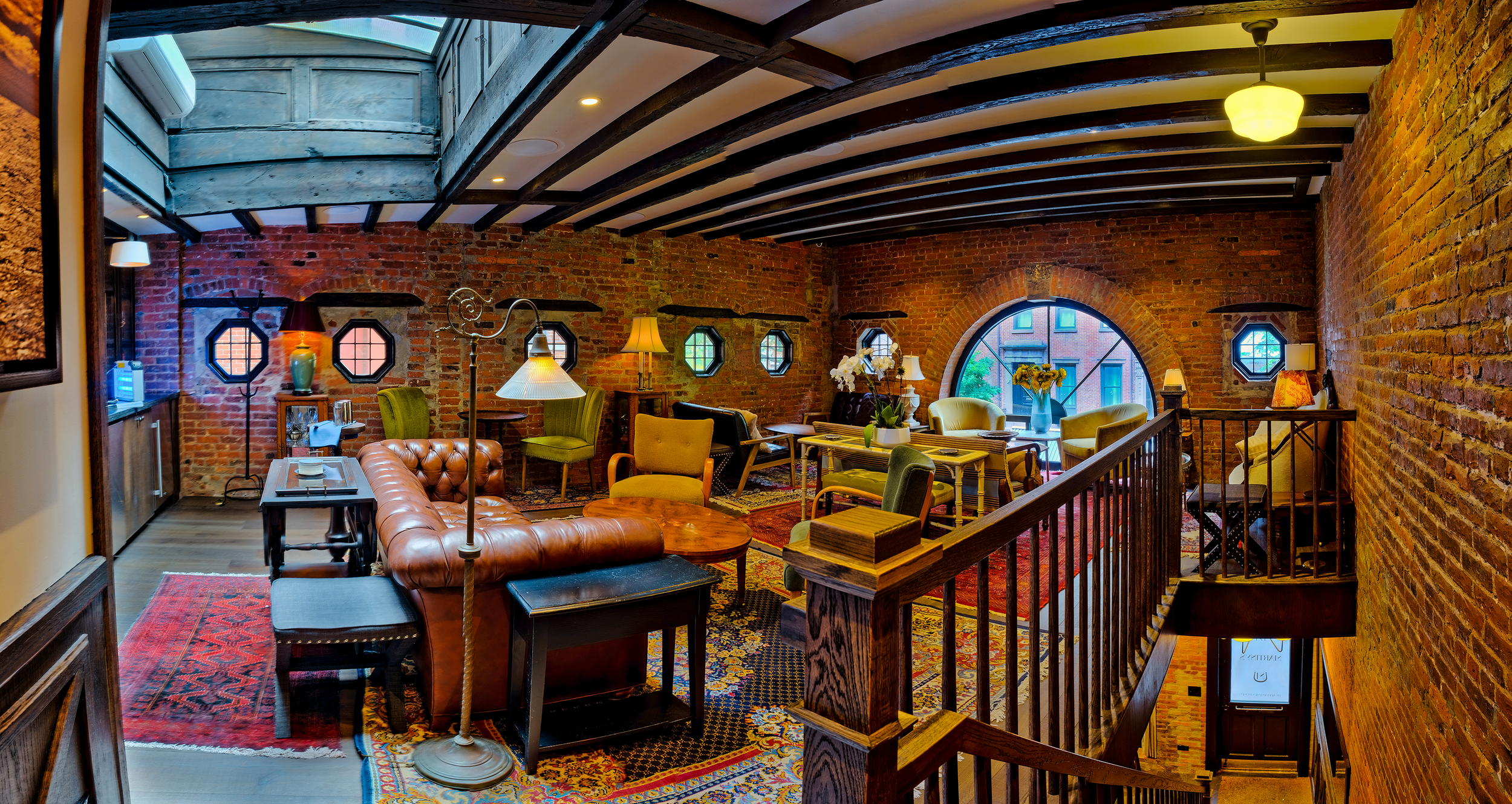
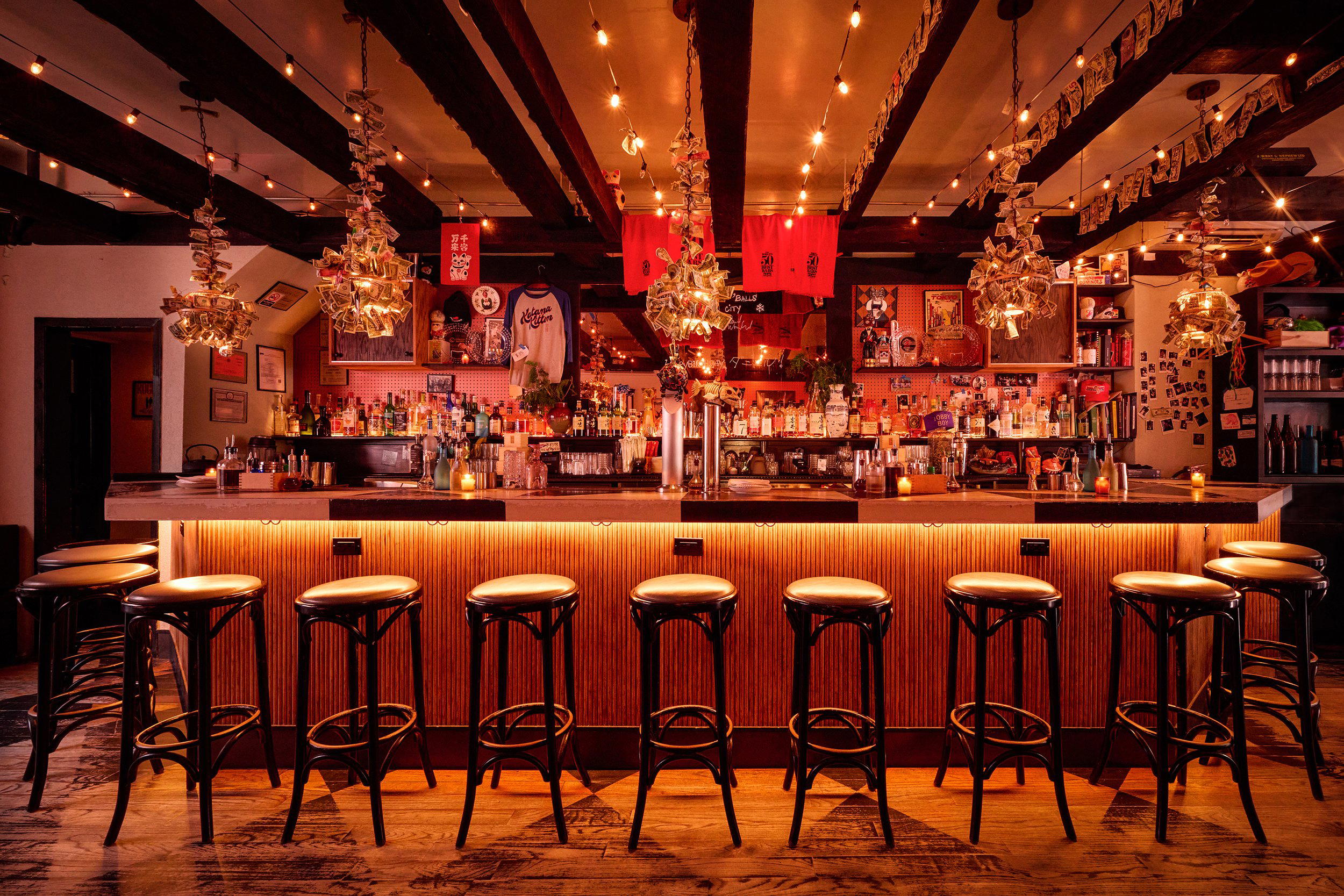
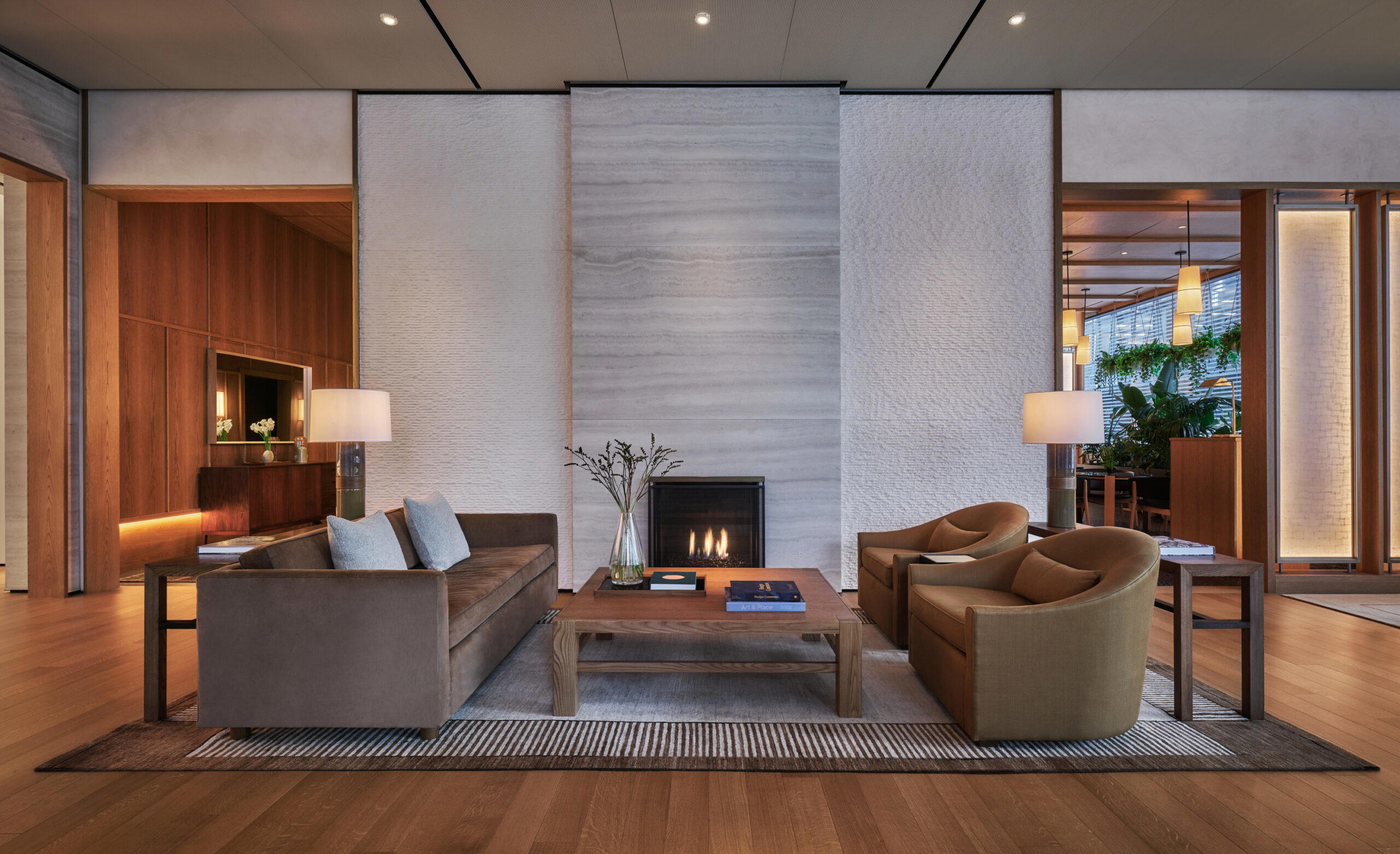
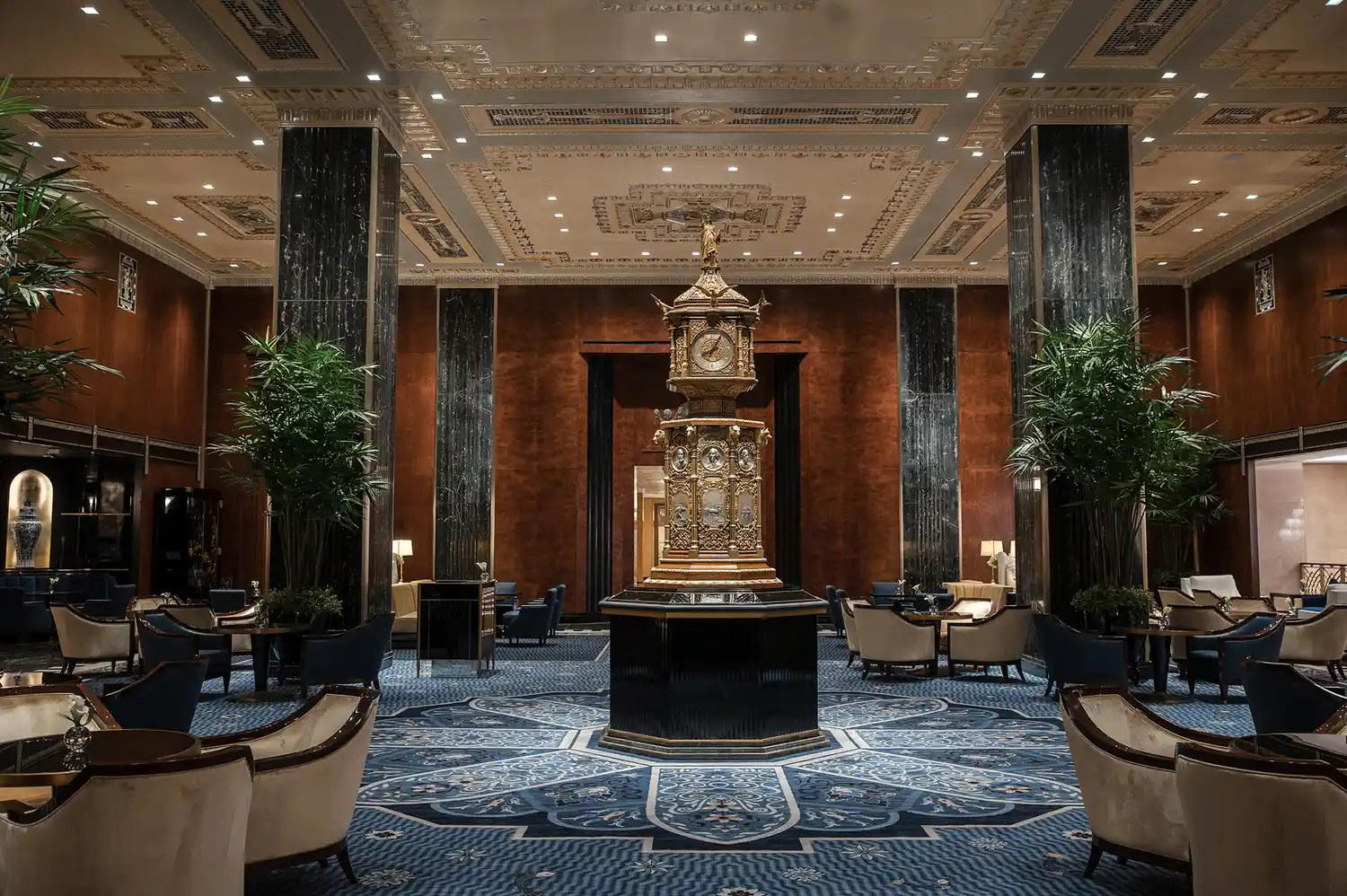
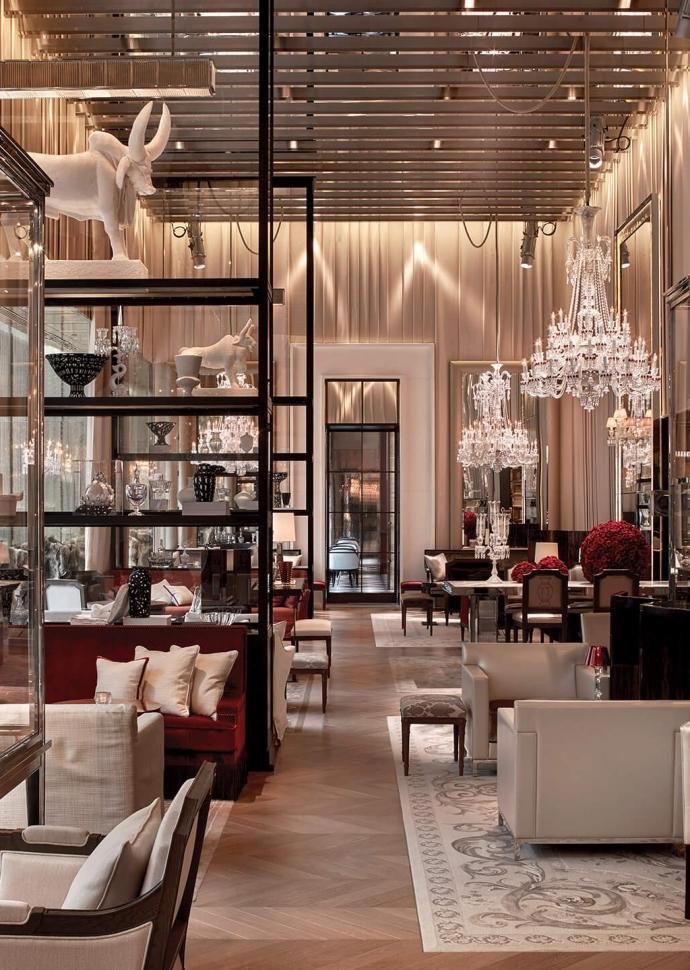
Moody lighting, plush patterned seating, sultry design elements evoking an old-world cocktail bar reimagined for today.
Know Before You Go
- Getting there
- 326 7th Ave Lower Level, New York, NY 10001