TEP BAR sits in Bangkok's Pom Prap district as one of the city's most deliberate exercises in Thai drinking culture — a space where traditional spirits, herb-infused concoctions, and centuries-old fermentation traditions are treated with the same curatorial seriousness applied to wine lists at Michelin-level establishments. The bar draws a crowd that comes specifically for the depth of the Thai spirits program, not for cocktail theatre or rooftop spectacle.

Pearl is the En Primeur Club membership app — saves, bookings, and concierge access live there. Same editors, same standards.
- Address
- 69 ซ. นานา Pom Prap, Pom Prap Sattru Phai, Bangkok 10100, Thailand
- Phone
- +66 98 467 2944
- Hours
- Daily 6 PM–12 AM
- Website
- linktr.ee
- Directions
- Get directions
- Booking
- Book on TableCheck
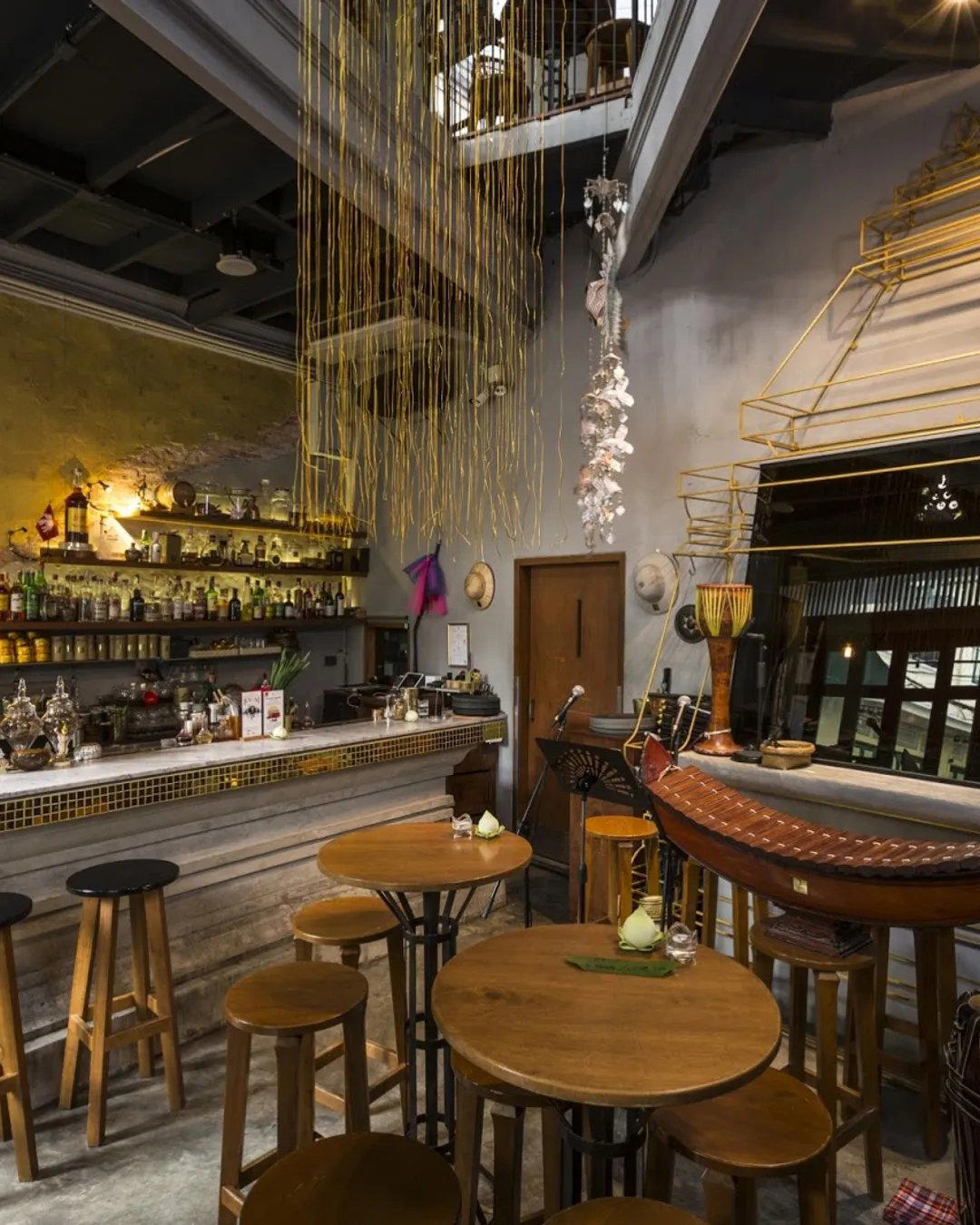
Where Bangkok's Drinking Culture Gets Serious About Its Own Roots
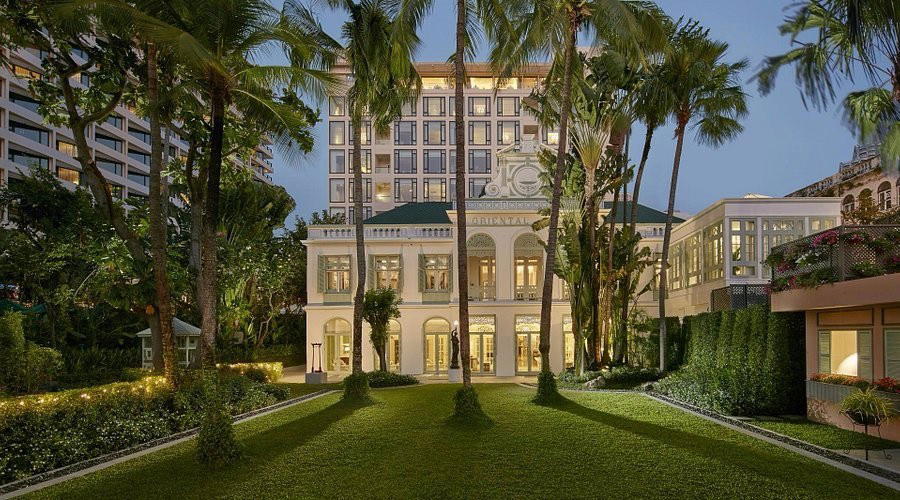
Pom Prap Sattru Phai is not the Bangkok that most visitors encounter first. It sits east of the old city core, a district shaped by Chinese merchant history, shophouse architecture, and a neighbourhood rhythm that has largely resisted the glossy redevelopment visible in Silom or Sukhumvit. Arriving at 69 Soi Nana in this district — not to be confused with the better-known Nana in Sukhumvit — means stepping into a part of the city where bars are still embedded in their communities rather than constructed for an international audience. TEP BAR occupies that context deliberately, and the setting is the first editorial statement the venue makes before a single drink is poured.
Bangkok's bar scene has matured significantly across two distinct trajectories over the past decade. One line runs through internationally trained bartenders, imported spirits programs, and a competitive posture toward the Asia's 50 Best Bars list. The other, quieter trajectory runs through a renewed interest in Thai fermentation traditions: lao khao rice spirits, herbal liqueurs, indigenous botanicals, and drinking formats that predate the cocktail canon. TEP BAR sits firmly in this second tradition, treating Thai spirits culture with the archival seriousness that serious wine bars apply to obscure natural producers or forgotten regional appellations. In Bangkok's broader bar ecology, that places it in a different competitive set from hotel rooftop programs like Octave Rooftop Lounge & Bar in Khlong Toei or the polished cocktail direction of BKK Social Club.
The Drinks Program as Cultural Archive
The editorial angle that frames TEP BAR most accurately is not the wine list angle in the European sense, but its functional equivalent in Thai drinking culture: curation depth, provenance consciousness, and the commitment to preserving a tradition that mainstream hospitality has largely ignored. Thai spirits, particularly those derived from rice fermentation and infused with local herbs, roots, and bark, occupy a position in Thailand's culinary history analogous to the role that regional grape varietals play in lesser-known European wine appellations. They are specific to place, shaped by agricultural tradition, and largely absent from international bar menus despite their complexity.
TEP BAR's program approaches this material with the disposition of a specialist rather than a generalist. The bar's reputation in Bangkok's drinking community rests on the depth of its Thai spirits offering, a category that remains underrepresented across the city's better-known venues. Where bars like Asia Today or Bar Us orient around contemporary cocktail craft, TEP BAR's identity is rooted in the recovery and presentation of drinks culture that predates those frameworks. This is the distinction that gives the bar its position in Pom Prap rather than in one of Bangkok's more commercially dense bar districts.
Herb-infused spirits at TEP BAR are not garnish or flavour accent, they are the subject. The bar's approach to Thai botanical ingredients mirrors what natural wine advocates have brought to fermentation: an argument that local, traditional, lower-intervention production methods produce character that cannot be replicated by industrial standardisation. Whether or not every visitor arrives with that framing in mind, the effect is a drinks list that teaches as much as it serves.
The Space and What It Signals
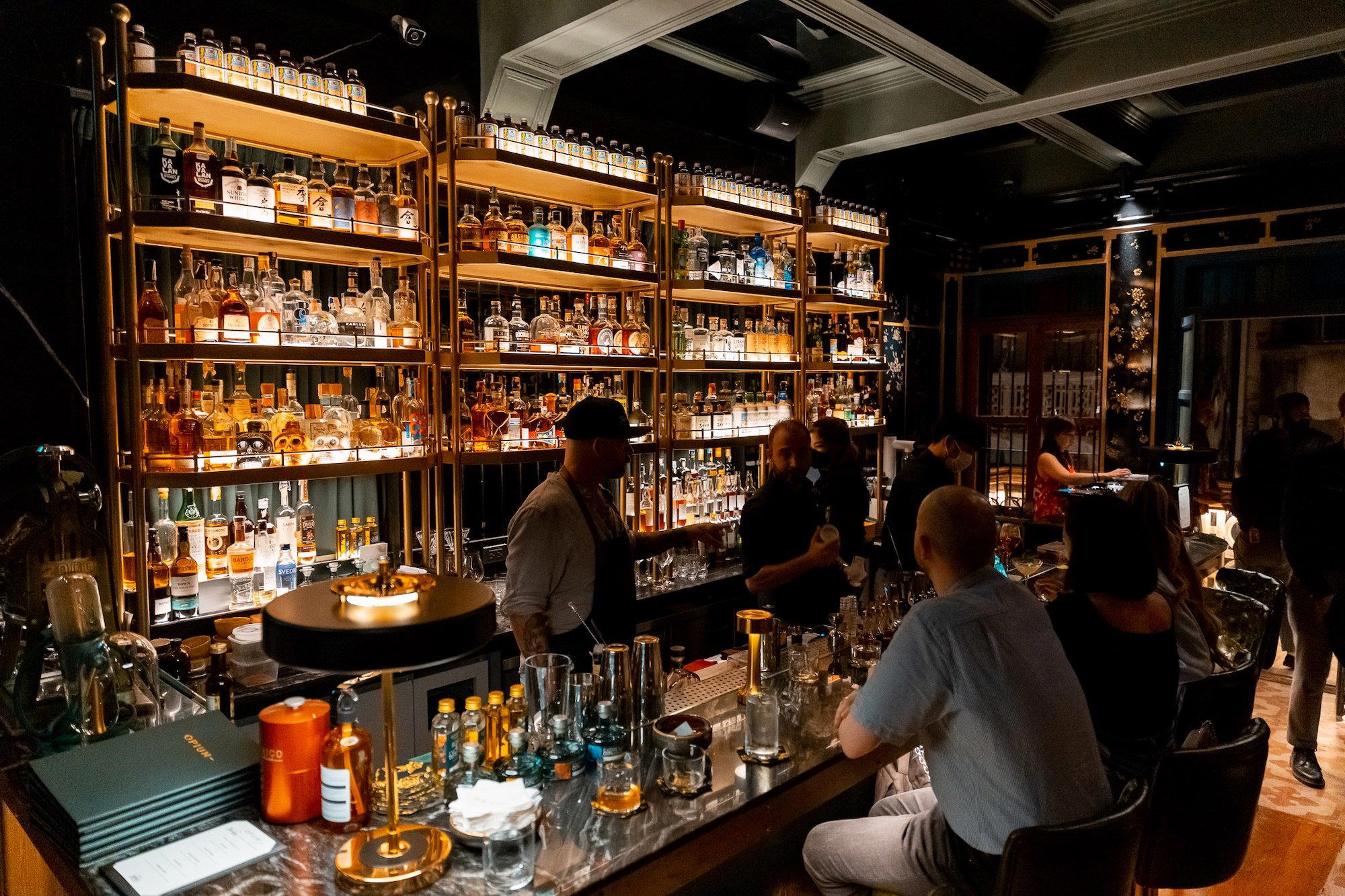
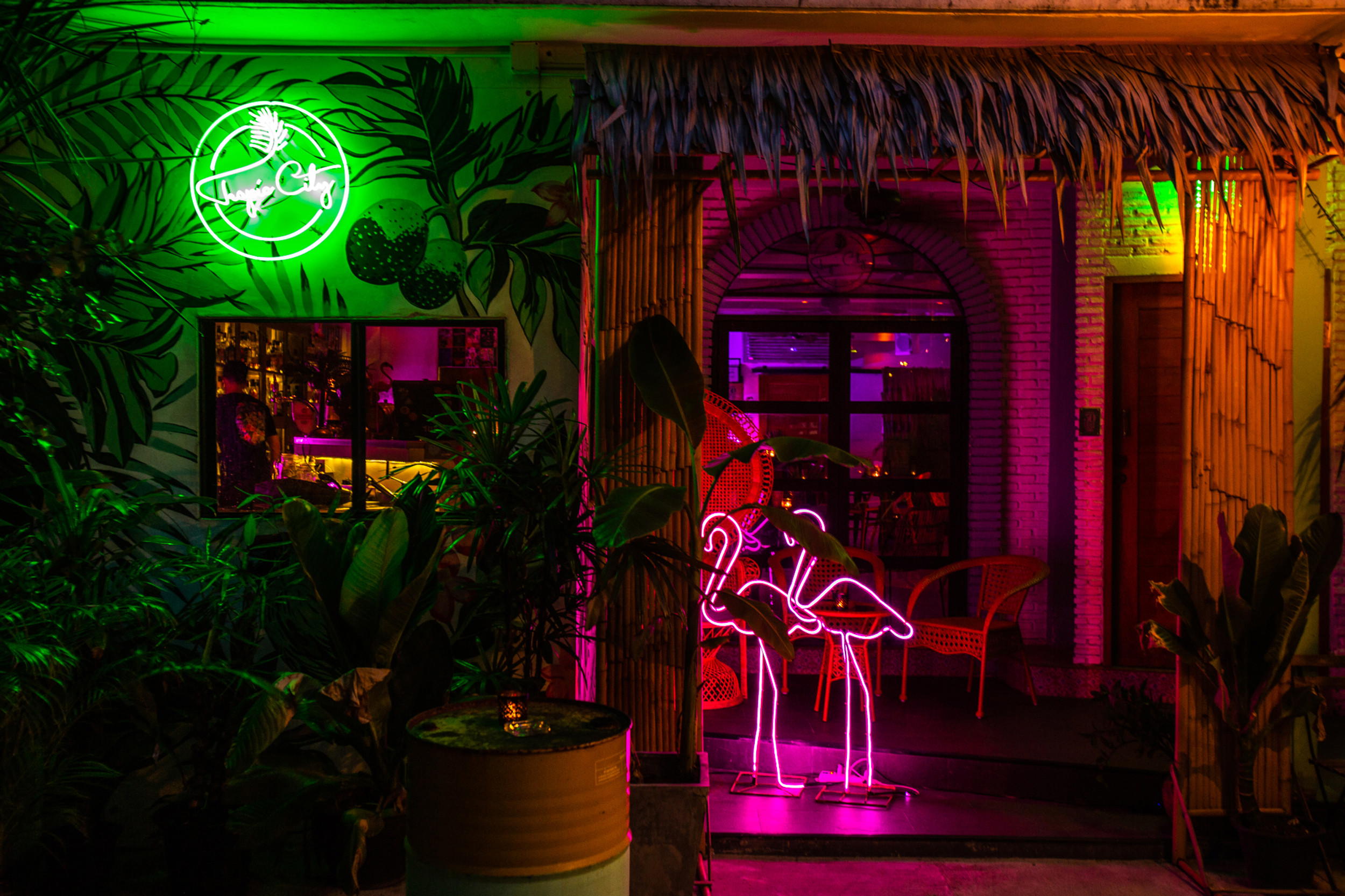
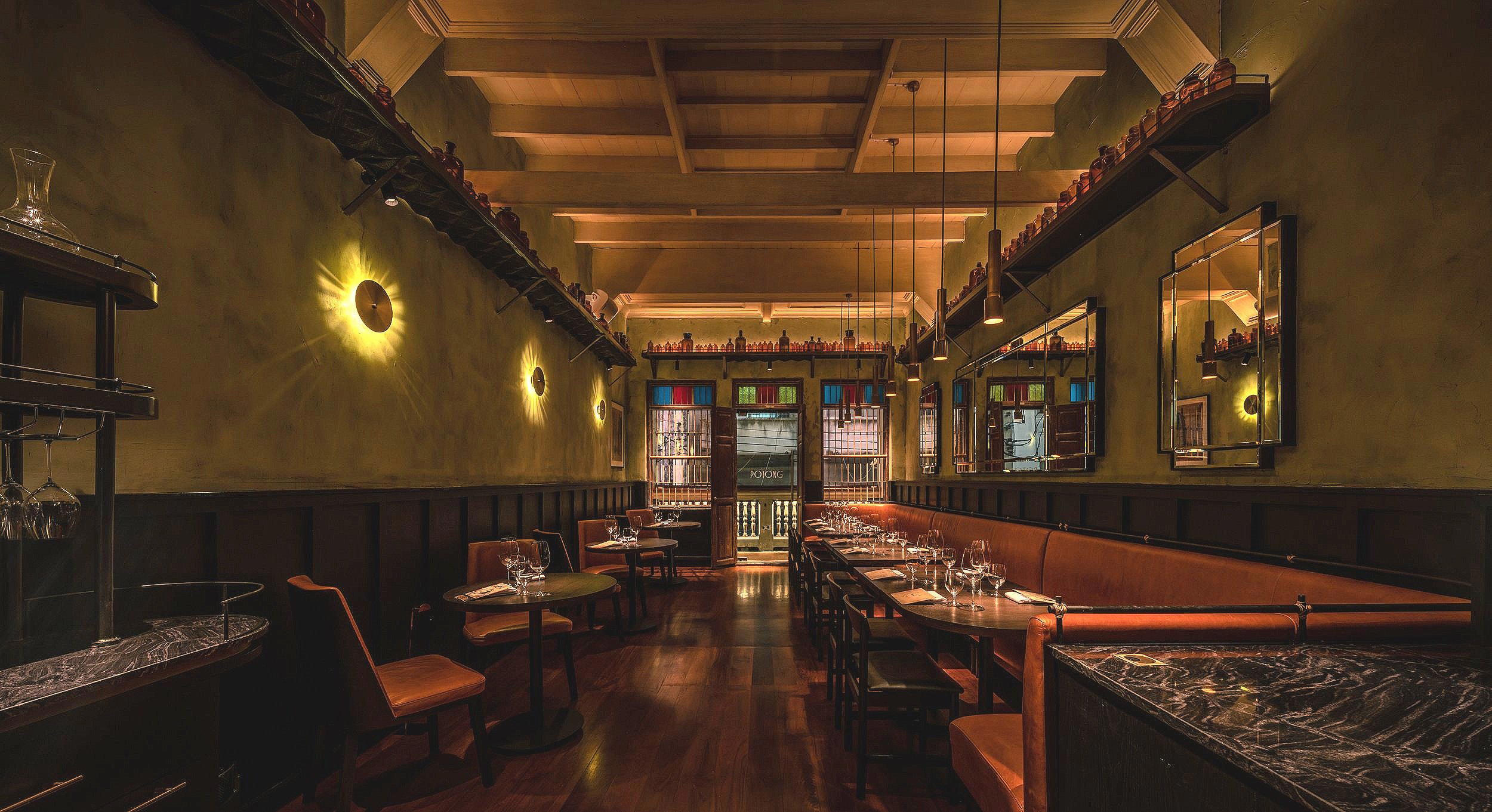
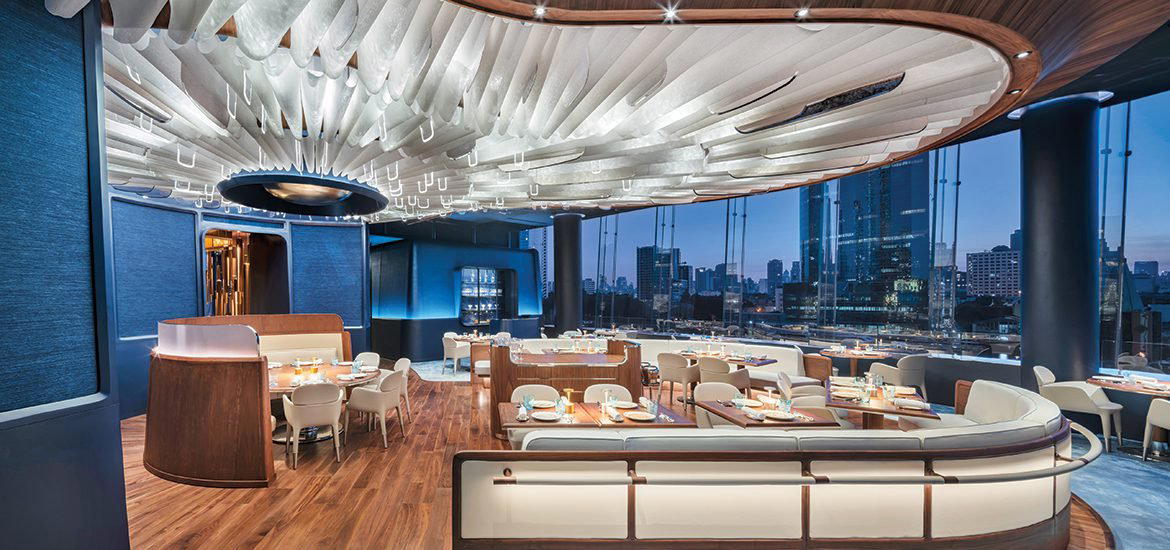
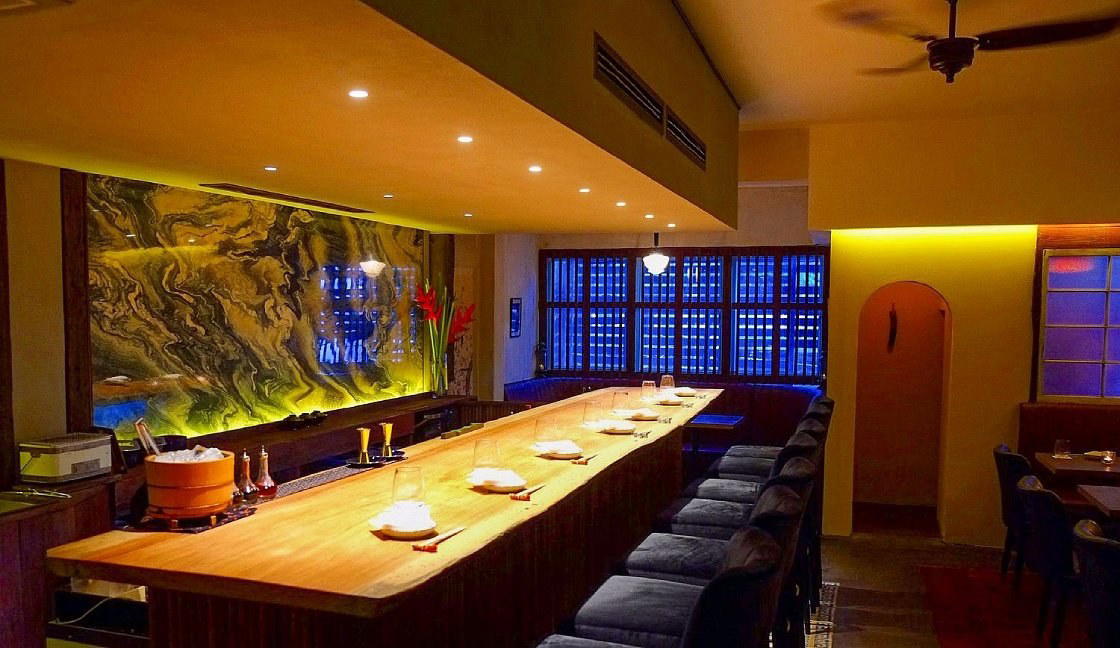
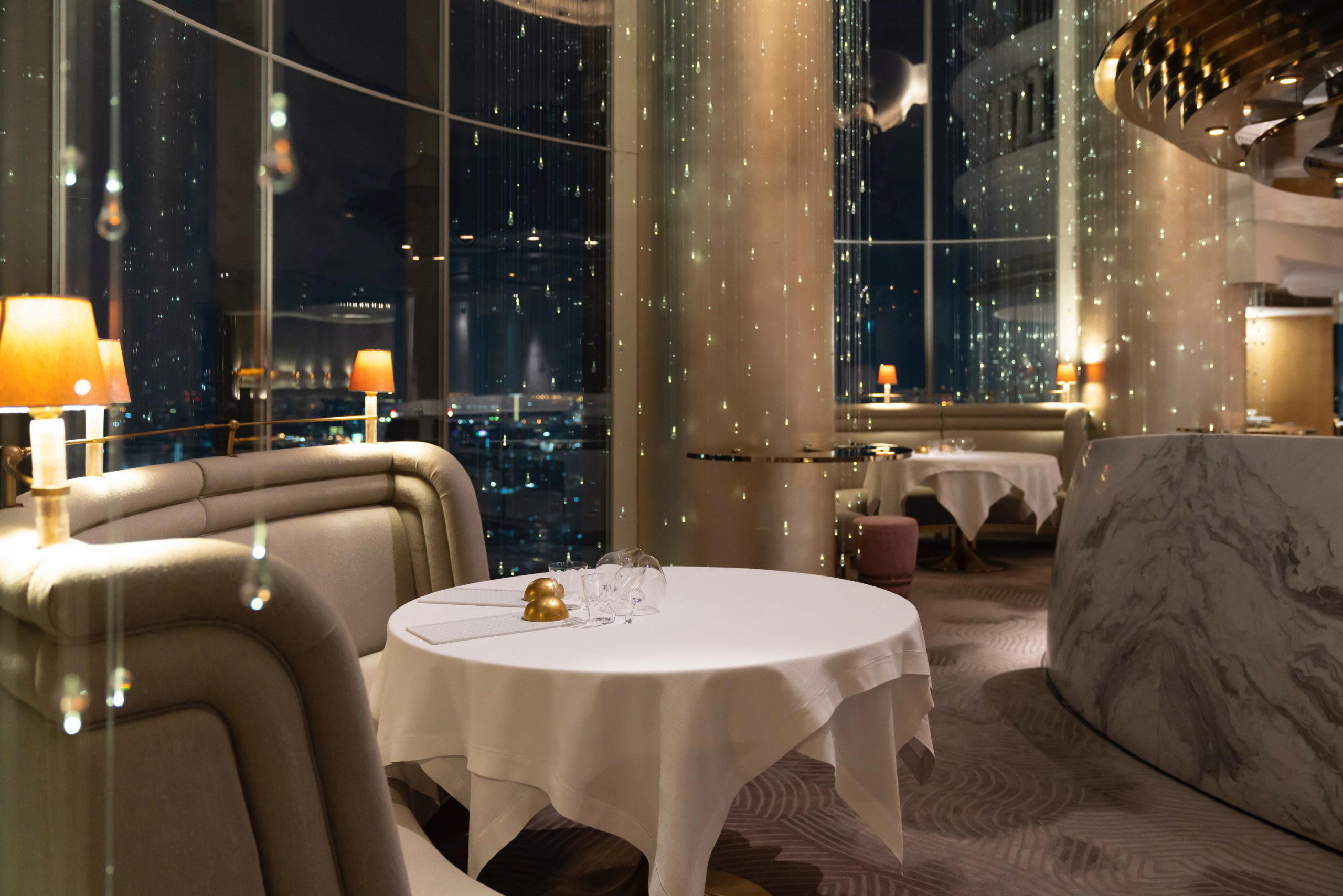
The physical environment at TEP BAR reflects its Pom Prap location without performing nostalgia. Traditional Thai decorative elements, live folk music on certain evenings, and a format that encourages longer visits over rapid table turnover all reinforce a hospitality model oriented toward experience duration rather than volume throughput. This stands in deliberate contrast to the bar formats that dominate Bangkok's more tourist-facing circuits. Venues like Bar Sathorn or the dining-bar crossover at EAT ME RESTAURANT in Bang Rak operate in neighbourhoods where the audience arrives already oriented toward international reference points. TEP BAR's audience is self-selecting in a different direction.
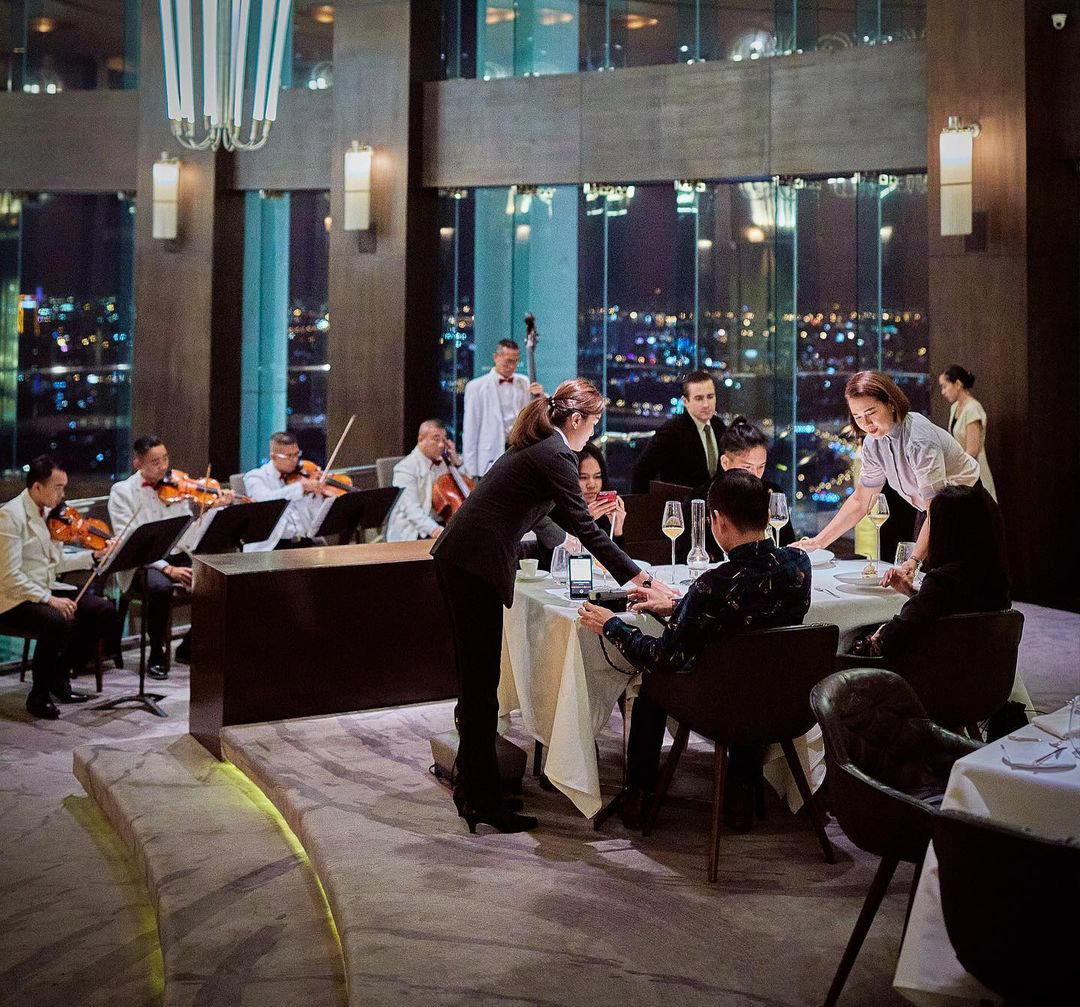
The live music dimension is worth flagging specifically. Thai folk and traditional performance traditions are not routinely embedded in Bangkok's bar programming, the city's live music venues tend toward contemporary genres or jazz formats that translate across international demographics. TEP BAR's use of traditional Thai musical forms as part of the evening's structure positions it alongside specialist cultural venues rather than conventional bars. In that respect, it functions more like Chiang Mai Cabaret Show in Chiang Mai, a venue whose primary offer is as much cultural as it is beverage-led, though TEP BAR's execution is quieter and more archival in character.
Planning Your Visit
TEP BAR's address in Pom Prap places it within reasonable distance of the old city and Chinatown, making it a logical stop on an evening that begins in those neighbourhoods. The bar draws a consistent local following alongside visitors who have specifically sought it out, and evenings with live performance tend to fill earlier. Arriving before 8pm on nights when traditional music is scheduled gives the most settled experience. Booking information and current hours are best confirmed directly through the venue given the absence of a listed booking platform; walk-in policy appears to be the standard format, though early arrival on busier nights is advisable.
For visitors building a Bangkok bar itinerary with genuine range, TEP BAR functions as the counterweight to technically-driven cocktail programs. Pairing an evening here with a visit to Bar Leather Apron in Honolulu or Jewel of the South in New Orleans on separate trips illustrates how the most interesting bars globally tend to be those that take a specific cultural tradition seriously rather than importing a universal cocktail grammar. Julep in Houston operates on a similar logic in its American Southern spirits focus. TEP BAR belongs to that international cohort of bars defined by depth of cultural specificity rather than technical virtuosity for its own sake.
For broader Bangkok context, our full Bangkok restaurants guide maps the city's drinking and dining scene across neighbourhoods and price tiers, including the hotel bar programs at Hansar Bangkok in Pathum Wan that represent a different segment of the city's hospitality offer.
Peers Worth Knowing
Comparable venues nearby, for context on price, style, and recognition.
| Venue | Cuisine | Price | Awards | Notes |
|---|---|---|---|---|
| TEP BAR - Cultural Bar of ThailandThis venue — the venue you are viewing | cocktail_bar | $30–50 | Not listed | Not listed |
| Bamboo Bar | hotel_bar | $30–50 | World's 50 Best #91 · Top 500 Bars Best Bars #341 | Khanna Yao |
| Junker and Bar | cocktail_bar | $10–20 | Not listed | Yan Nava |
| Wine Aspect | wine_bar | $20–30 | Star Wine List | Khlong Tan |
| J. Boroski Mixology | speakeasy | $10–20 | Not listed | Thonglor |
| Ba hao 八號 | cocktail_bar | $20–30 | Not listed | Talat Noi |
Details
- Lively
- Rustic
- Energetic
- Bohemian
- Intimate
- Group Outing
- Casual Hangout
- Date Night
- Special Occasion
- Live Music
- Historic Building
- Standalone
- Courtyard
- Seated Bar
- Lounge Seating
- Standing Room
- Craft Cocktails
- Rum
- Whiskey
- Low Abv
- Craft Beer
Current opening hours
- Monday
- 6 PM–12 AM
- Tuesday
- 6 PM–12 AM
- Wednesday
- 6 PM–12 AM
- Thursday
- 6 PM–12 AM
- Friday
- 6 PM–12 AM
- Saturday
- 6 PM–12 AM
- Sunday
- 6 PM–12 AM
Hours can change for holidays and private events. Last verified .
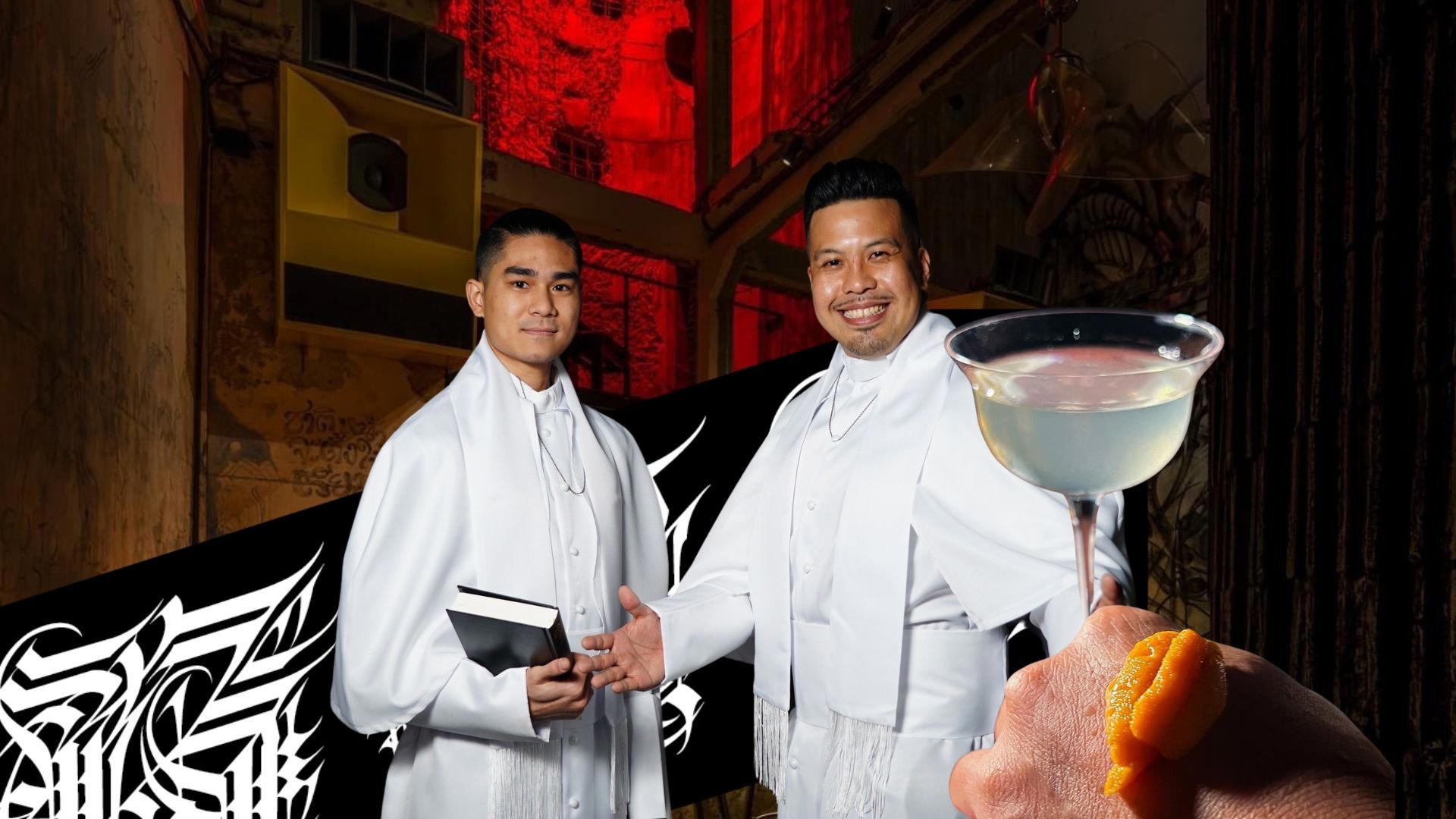
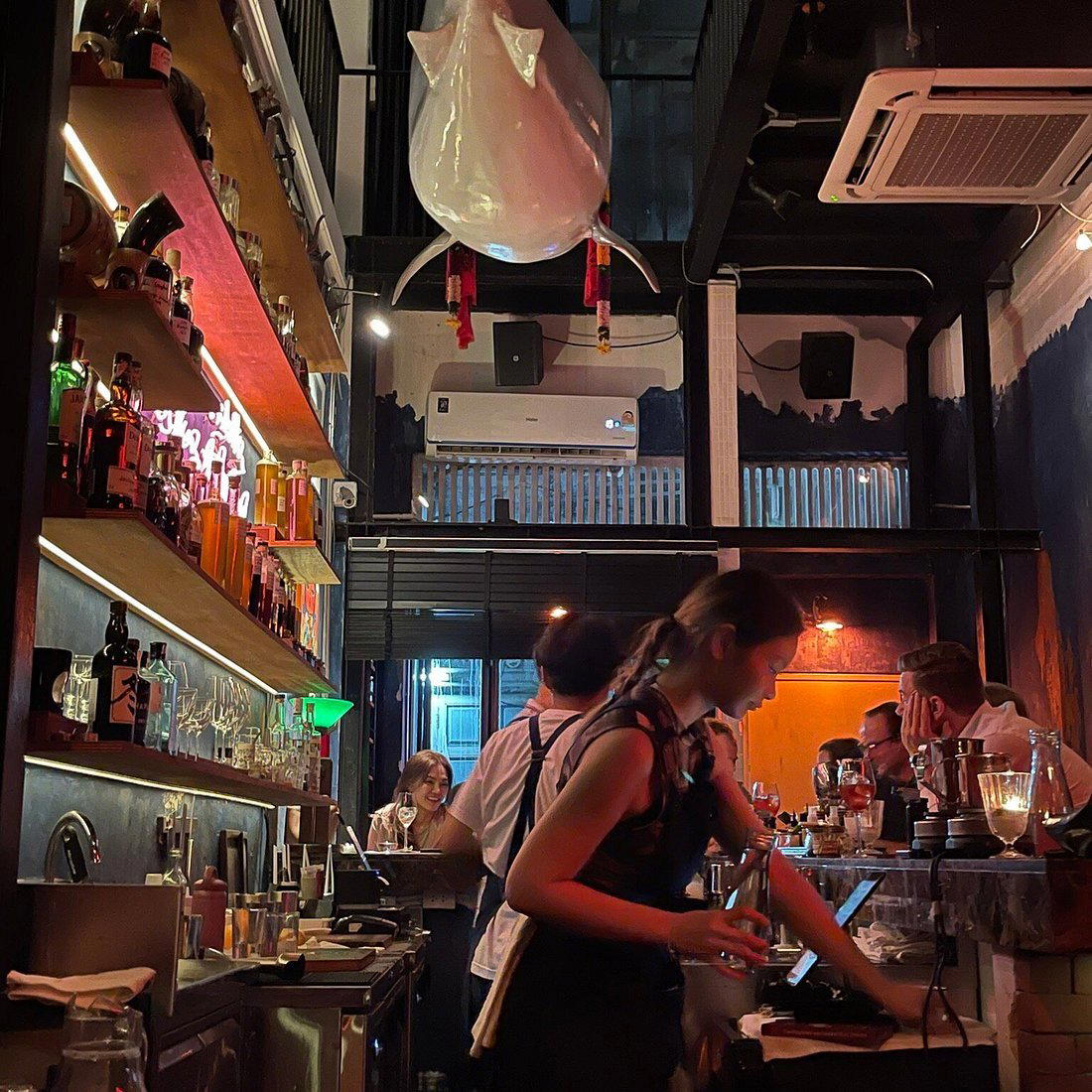
Moody lighting with traditional Thai gold décor in a restored shophouse, warm glow of lanterns, intimate two-story setting that transports guests into Thailand's cultural heritage with lively energy and passionate crowds.