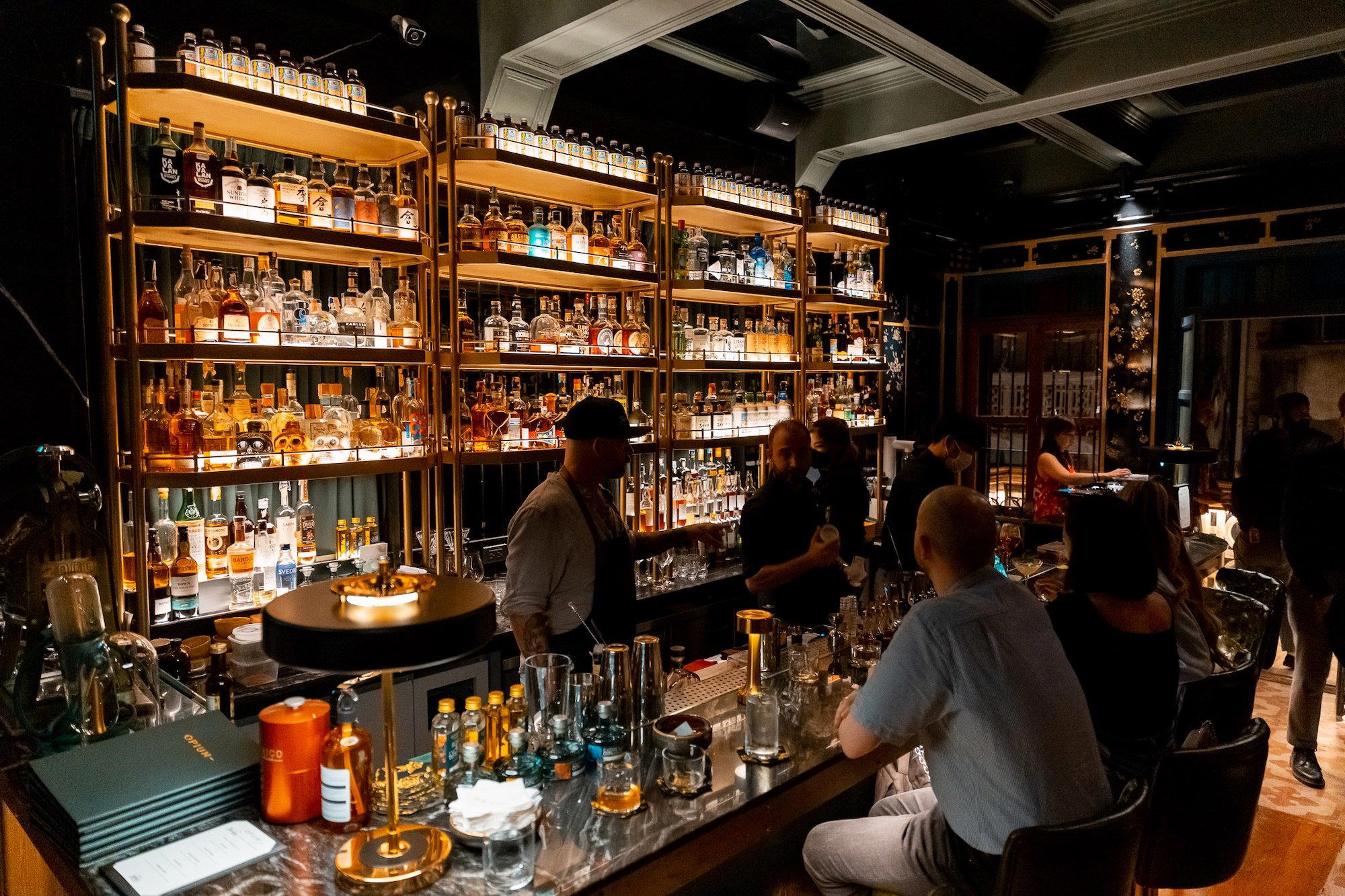
Ba hao 八號 sits on Soi Nana in Bangkok's Pom Prap Sattru Phai district, a neighbourhood more associated with Chinatown's aromatic street lanes than with craft cocktail culture. The bar occupies a Chinese shophouse and draws a crowd that crosses between local regulars and destination drinkers looking for something off Bangkok's better-trodden circuits. Its cocktail programme anchors the experience.

Pearl is the En Primeur Club membership app — saves, bookings, and concierge access live there. Same editors, same standards.
- Address
- 8 ซ. นานา Pom Prap, Pom Prap Sattru Phai, Bangkok 10100, Thailand
- Phone
- +66 62 464 5468
- Hours
- Mon–Thu 5 PM–12 AMFri–Sat 5 PM–1 AMSun 5 PM–12 AM
- Website
- linktr.ee
- Directions
- Get directions
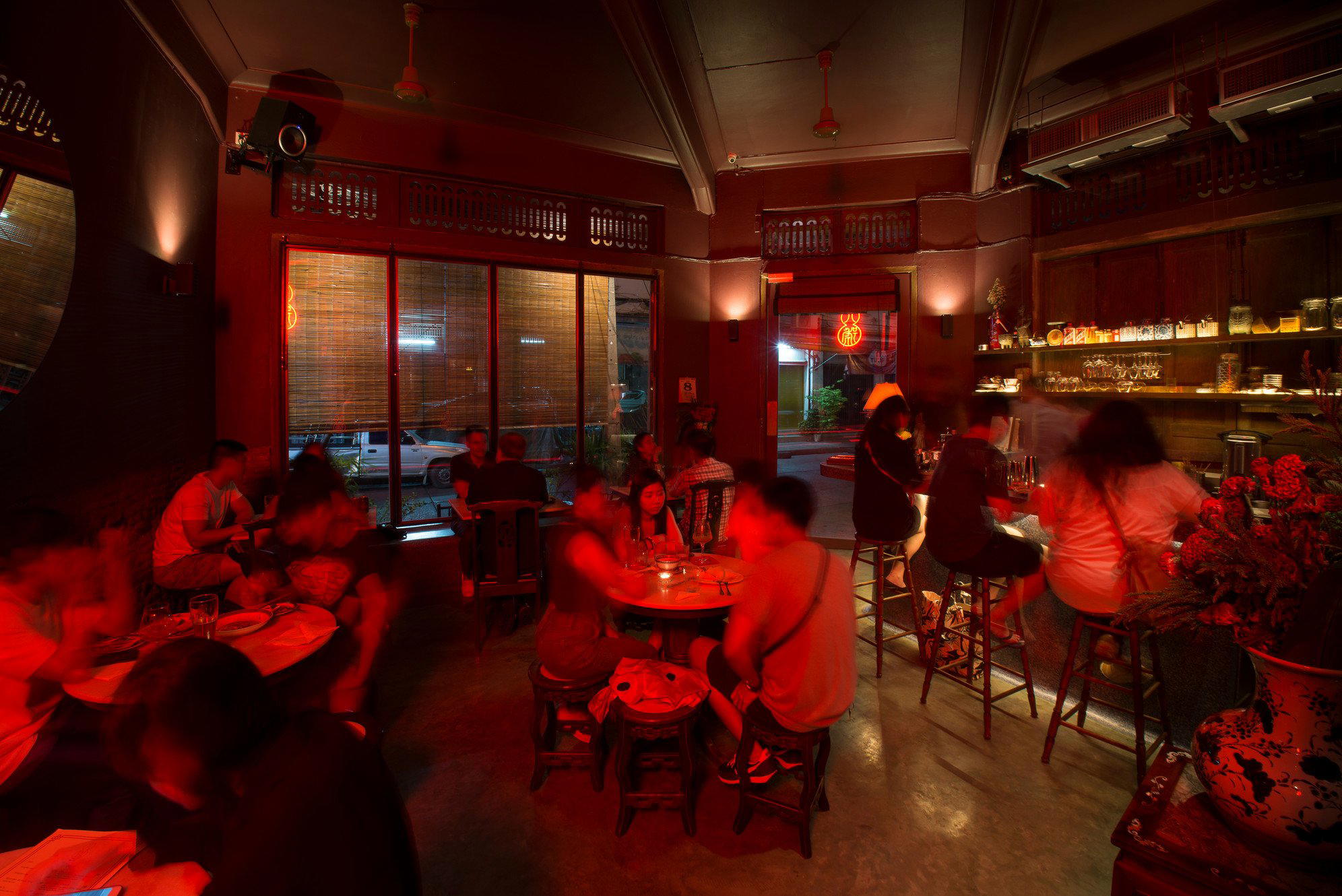
Soi Nana and the Shophouse Shift
Bangkok's cocktail scene has reorganised itself around several distinct geographic clusters: the rooftop circuit of Silom and Sathorn, the design-bar corridor of Ekkamai and Thonglor, and a looser, older band of Chinatown-adjacent venues around Yaowarat and the streets feeding off it. Pom Prap Sattru Phai, the district where Ba hao 八號 sits, belongs to this third grouping. It is a part of Bangkok that rewards attention precisely because it was never built for tourism's convenience. Soi Nana here is distinct from the notorious entertainment soi of the same name in Sukhumvit — it is narrower, quieter after the lunch hour, and lined with the kind of Chinese shophouses that Bangkok has been losing to development for decades.
Walking Soi Nana toward address number eight, the visual grammar is consistent: tiled facades, sliding metal grilles, the persistent smell of incense and dried goods from neighbouring ground-floor operations. The bar occupies one of these shophouses, and the architecture sets the frame before you're through the door. This is the kind of physical context that Bangkok's purpose-built cocktail venues in Thonglor spend money trying to simulate. Here, it is simply the building.
The Cocktail Programme as Primary Argument
Bangkok's better bars have split into two broad camps over the past several years. One group competes on technical sophistication — clarification, fat-washing, fermentation, house-made bitters, placing themselves in direct conversation with the international craft bar circuit tracked by lists like Asia's 50 Best Bars. The other group draws on local ingredient knowledge and cultural reference, using Thai herbs, regional spirits, and culinary traditions as the primary creative material. Ba hao 八號 sits in the second camp, and does so with a specificity rooted in its Sino-Thai context.
The Chinatown setting is not decorative. Chinese herbal medicine culture, the flavour registers of Cantonese and Teochew cooking, and the aromatic vocabulary of the neighbourhood all inform what appears in the glass. This is an approach that has genuine precedent in how Chinatown communities across Southeast Asia have maintained distinct ingredient cultures, and it gives the cocktail programme a reference point that is legible and historically grounded rather than invented for atmosphere. Bars working this way, drawing on the actual culinary and botanical heritage of the street they occupy, produce menus that read as argued positions rather than collections of techniques.
For context on how this approach compares across Bangkok's broader bar scene, Asia Today and Bar Us represent the more internationally-oriented technical tier, while BKK Social Club operates at the hotel-bar end of the spectrum. Bar Sathorn sits in a different district with a rooftop format that prioritises the view alongside the drink.
What the Address Signals About the Drink
Bars that open in commercial districts with strong pre-existing character, rather than in hospitality-dense zones, tend to develop differently. The customer base in the early months is not drawn from a passing crowd of bar-hoppers; it forms through reputation and word of mouth among people who make the trip deliberately. This shapes the programme. Venues in this position rarely compete on spectacle or on volume. They compete on the drink itself and on the consistency of the experience for a returning audience.
The Sino-Thai ingredient tradition provides particularly productive creative territory. Chinese medicinal herbs overlap substantially with cocktail bitters and aromatic modifier territory: dried citrus peel, chrysanthemum, goji, aged mandarin skin, and various root preparations all carry flavour profiles that translate into spirits-based drinks with less adaptation than one might expect. This botanical overlap has been explored in bars across the region's Chinatown-adjacent venues, from Singapore's Tanjong Pagar corridor to Hong Kong's Sheung Wan shophouse bars. Ba hao 八號 works within that broader regional tradition while remaining specifically placed on Soi Nana, Bangkok.
For comparison across the international craft bar circuit where Sino-influenced ingredient programmes appear in a different context, Bar Leather Apron in Honolulu and Jewel of the South in New Orleans both demonstrate how place-specific ingredient narratives operate at a programme level, even though their reference cultures differ entirely from Ba hao 八號's.
The Neighbourhood as Context for the Visit
Pom Prap Sattru Phai is one of Bangkok's oldest urban districts, and Yaowarat Road, the spine of Bangkok's Chinatown, runs through it. The area carries a food culture dense enough to occupy an entire day before a bar visit: roasted duck, dim sum, fish ball noodles, and the specific dessert traditions of the Teochew community that settled here generations ago. An evening at Ba hao 八號 therefore sits naturally inside a longer Chinatown itinerary rather than as a standalone destination requiring its own trip across the city.
This is relevant logistically as well as experientially. Getting to Pom Prap Sattru Phai is direct by MRT, Hua Lamphong station places the neighbourhood within walking distance, and the Charoenkrung corridor has seen enough hospitality development in recent years that the area no longer feels inaccessible to visitors unfamiliar with Bangkok's geography. EAT ME RESTAURANT in Bang Rak and Hansar Bangkok in Pathum Wan are within reasonable distance for those building a multi-stop evening. The Octave Rooftop Lounge and Bar in Khlong Toei is further afield but represents the kind of contrast in format, high-volume, view-driven, that clarifies why the shophouse bar model works for a different audience and moment.
Those building a broader Thailand itinerary beyond Bangkok can reference the Chiang Mai Cabaret Show in Chiang Mai for a sense of how different the entertainment and nightlife formats become when you move north. The Julep in Houston is worth noting as a point of international comparison for bars that build their entire identity around a specific regional ingredient narrative, in that case, American Southern; here, Sino-Thai.
For a complete picture of where Ba hao 八號 sits within Bangkok's wider hospitality circuit, our full Bangkok restaurants and bars guide maps the city's scene by neighbourhood and format.
Planning the Visit
The address, 8 Soi Nana, Pom Prap Sattru Phai, Bangkok 10100, is confirmed. The bar's position in a neighbourhood without a high density of alternative late-night options means that timing matters: arriving early in the evening allows the Chinatown food circuit to precede the drink, which is the most coherent way to experience the area. Weekends on Yaowarat bring significant pedestrian traffic that can affect travel times through the district.
At-a-Glance Comparison
| Venue | Price | Awards |
|---|---|---|
| Ba hao 八號This venue — the venue you are viewing | $20–30 | Not listed |
| Tropic City | $10–20 | World's 50 Best #62 · Top 500 Bars Best Bars #292 |
| Asia Today | $10–20 | World's 50 Best #90 |
| Bar Us | $20–30 | World's 50 Best #6 · Tatler Best Thailand - Best Innovation |
| BKK Social Club` | Not listed | World's 50 Best |
| Dry Wave Cocktail Studio | $10–20 | World's 50 Best #4 · Tatler Best Bars Thailand - Best New Bar |
Details
- Trendy
- Romantic
- Cozy
- Intimate
- Date Night
- Casual Hangout
- After Work
- Historic Building
- Design Destination
- Standalone
- Seated Bar
- Lounge Seating
- Outdoor Terrace
- Craft Cocktails
- Gin
- Rum
- Zero Proof
- Craft Beer
- Street Scene
Current opening hours
- Monday
- 5 PM–12 AM
- Tuesday
- 5 PM–12 AM
- Wednesday
- 5 PM–12 AM
- Thursday
- 5 PM–12 AM
- Friday
- 5 PM–1 AM
- Saturday
- 5 PM–1 AM
- Sunday
- 5 PM–12 AM
Hours can change for holidays and private events. Last verified .
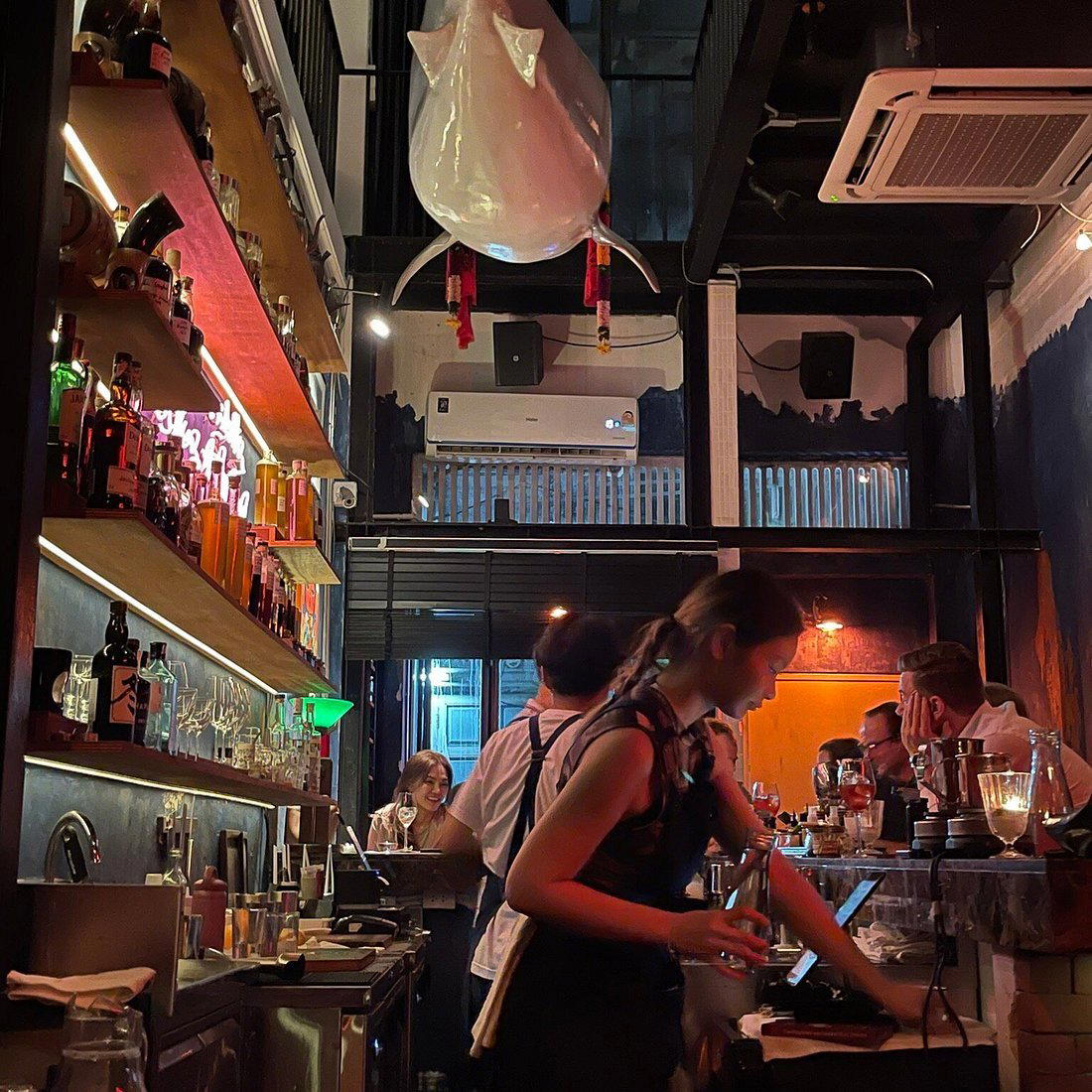
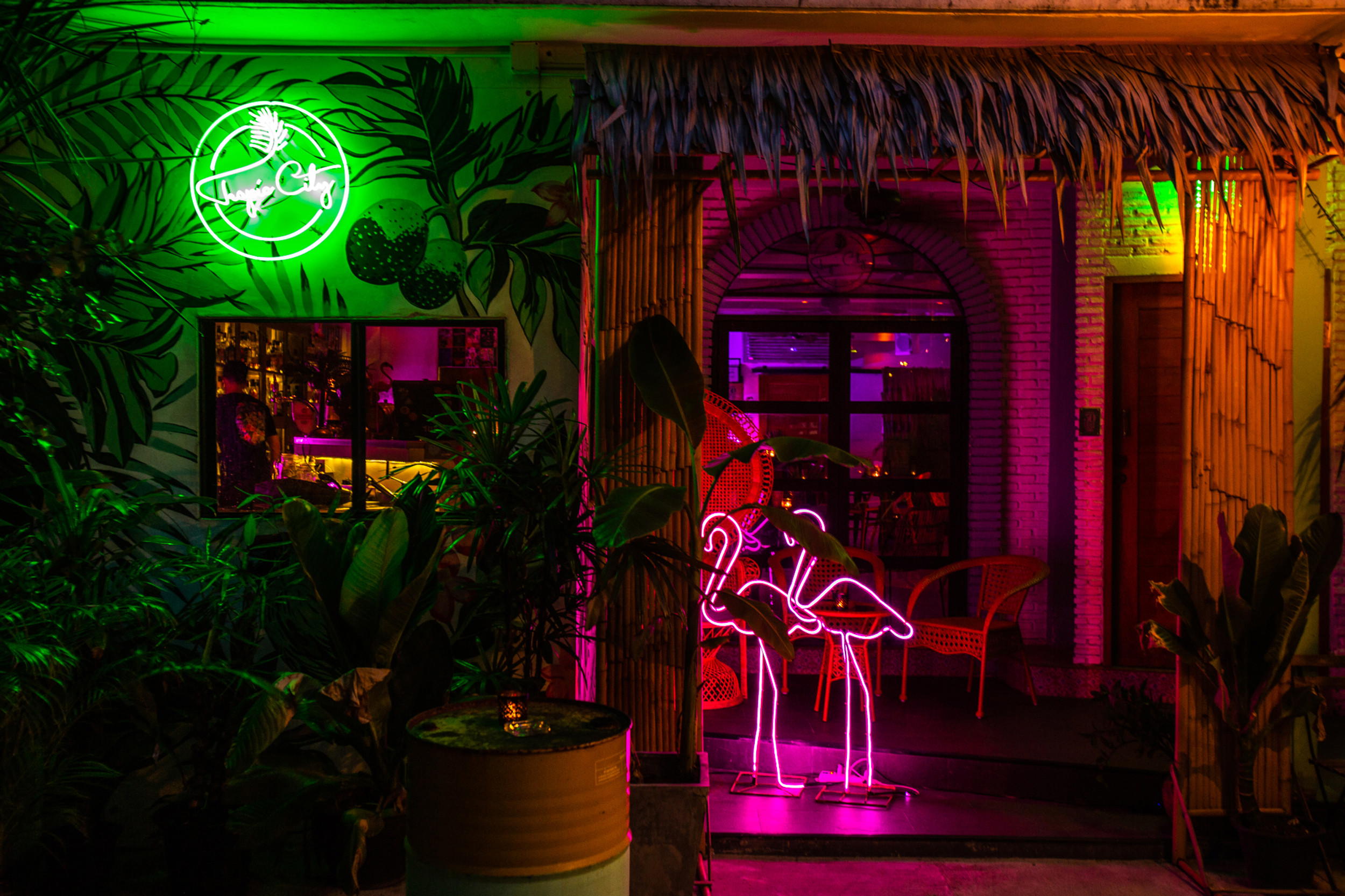
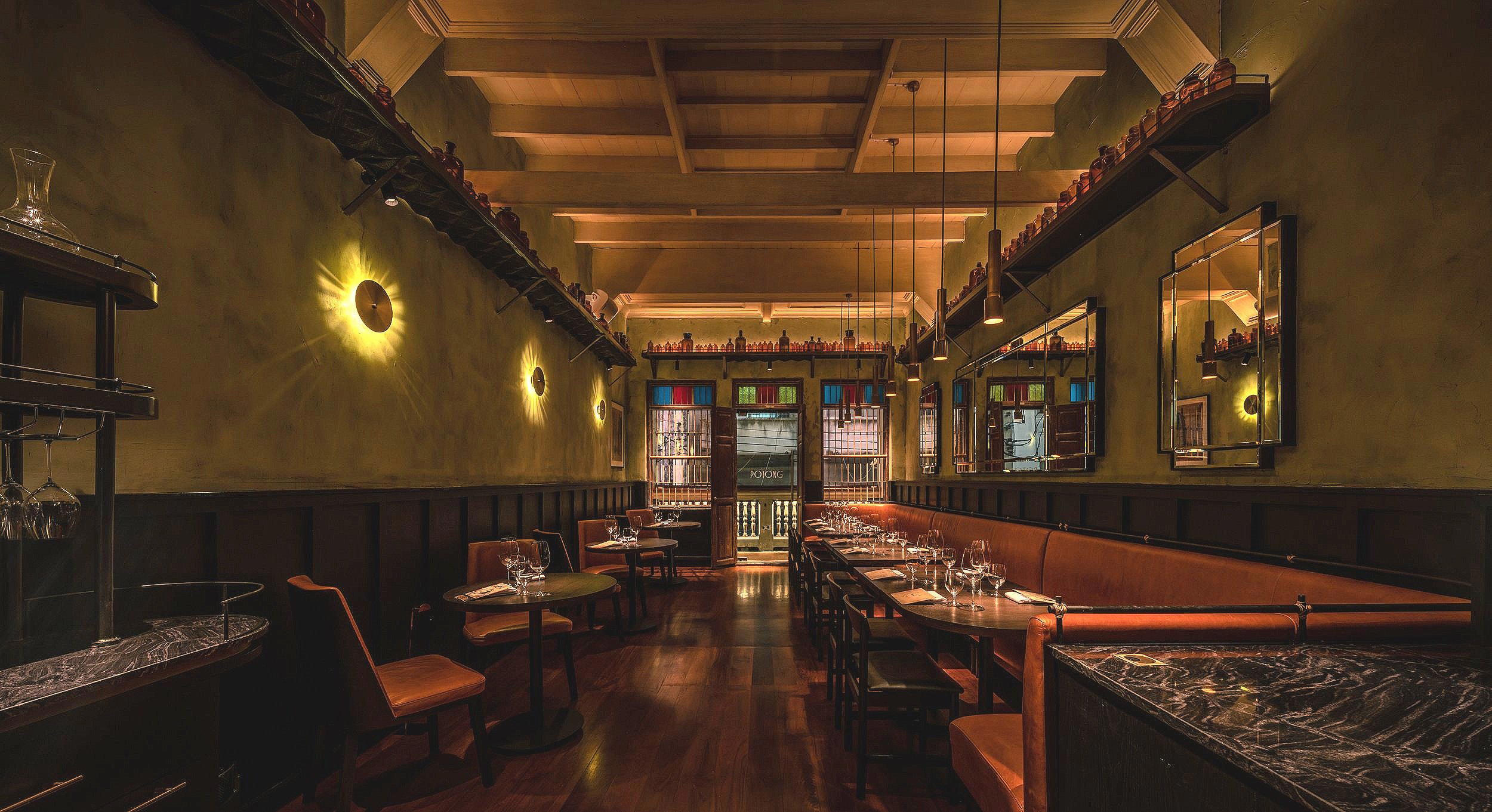
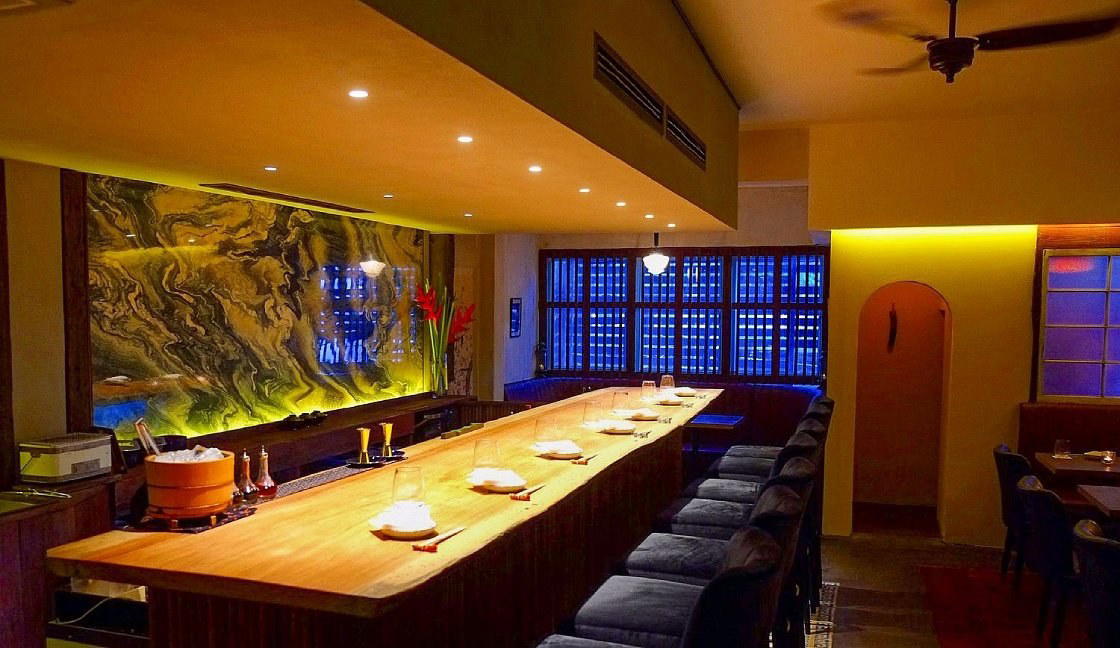
Moody vintage lighting with neon red Chinese characters, waving lucky cats, and vintage tea boxes creating a melancholic, retro-chic atmosphere reminiscent of classic Hong Kong cinema.