Temple Records
Temple Records occupies a basement space on Temple Place in Boston's Downtown Crossing, where a record-store aesthetic meets a serious cocktail program. The venue sits within a cluster of destination bars that have pushed the neighborhood toward after-dark relevance, drawing crowds who treat the playlist as seriously as the pour. Arrive with a reservation where possible and plan to stay longer than you intended.

Pearl is the En Primeur Club membership app — saves, bookings, and concierge access live there. Same editors, same standards.
- Address
- 17 Temple Pl, Boston, MA 02111
- Phone
- (857) 449-9003
- Hours
- Mon–Wed 5 PM–12 AMThu–Fri 5 PM–1 AMSat 5 PM–12 AMSun Closed
- Website
- templerecordsbar.com
- Directions
- Get directions
- Booking
- Book on Resy
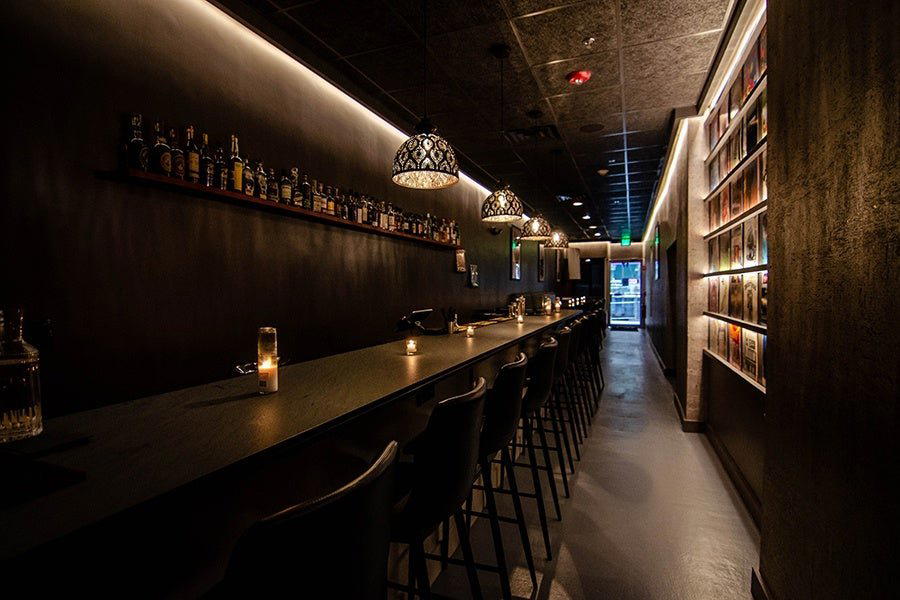
Downtown Crossing After Dark
Boston's Downtown Crossing spent much of the last decade caught between daytime retail and genuine nightlife ambition. The shift has been gradual but measurable: a cluster of bars along and around Temple Place has given the area a low-lit, late-evening identity that didn't exist ten years ago. Temple Records sits at the center of that shift, occupying a basement address at 17 Temple Place that already signals something deliberate before you've descended the stairs. The street-level entry is understated, which in a city that still has a weakness for over-announced concepts reads as confidence rather than oversight.
The Room as Argument
The record-store framing at Temple Records is not decorative shorthand. It is the organizing logic of the entire room. Vinyl lines the walls in the way that wine does in a serious bottle shop: present, functional, and there to be browsed rather than merely admired. The lighting sits low enough to make the space feel genuinely nocturnal without tipping into affectation. Sound is treated as a design material here, not background furniture. In American bar culture, the relationship between music programming and cocktail credibility has become increasingly intertwined. Cities like Chicago, with venues such as Kumiko, and New York, with Superbueno, have demonstrated that a precisely controlled sonic atmosphere shapes the pace of service and the mood of the room as much as any interior element. Temple Records operates on the same logic, with the playlist treated as editorial rather than ambient.
The seating arrangement follows the bar-forward model that serious cocktail programs favor across American cities. Counter seats put guests close to the work, and in a room where the drinks are the product, proximity matters. The overall effect is a space that feels both curated and habitable, a harder balance to strike than it appears. Bars that lean too hard into concept tend to produce rooms that feel like sets rather than destinations. The basement footprint at Temple Records works against that tendency: the ceiling height, the contained square footage, and the acoustic properties of a below-grade space all contribute to an intimacy that open-plan venues at street level rarely achieve.
Where It Sits in the Boston Bar Scene
Boston's serious cocktail bars have generally clustered in two modes: technically ambitious programs in neighborhood settings, and design-forward rooms in higher-traffic areas. Equal Measure, a near neighbor in the Financial District adjacency, represents the former: a program built on precision and sourcing discipline. Asta and Baleia occupy different points on the spectrum, each with a defined point of view. Temple Records draws from both traditions while adding an identity layer that neither attempts: the record store as organizing metaphor extends from the décor into the drink menu's structure, with selections that suggest curation rather than comprehensiveness.
Compared to what has emerged in other American cities over the same period, the Downtown Crossing cluster punches at a level the city's bar reputation doesn't always receive credit for. Jewel of the South in New Orleans, Julep in Houston, and ABV in San Francisco each anchor their respective city's conversation about what a serious cocktail bar should be. Temple Records earns a place in that conversation, if not yet the same level of national recognition. Internationally, design-led bars like The Parlour in Frankfurt demonstrate that the record-and-drink pairing translates across markets, though the American iteration has its own vernacular built around a specific relationship between indie culture and craft spirits.
The Cocktail Program
The drinks at Temple Records reflect the broader movement in American cocktail bars away from novelty toward legibility. The shift, visible in venues from Bar Leather Apron in Honolulu to Abe and Louie's in Boston, is toward menus where the drink's logic is clear without being obvious, where technique supports rather than overwhelms flavor. A bar operating under a record-store concept has specific constraints and opportunities: the menu tends to reward guests who engage with it the way they might with an album, committing to the full sequence rather than defaulting to the familiar. That approach risks alienating the casual drinker, but at a basement bar in Downtown Crossing with a cultivated identity, the audience self-selects toward engagement.
What the setting and concept signal, consistently, is a program that values seasonal variation and ingredient sourcing. The question of a standout cocktail is leading answered at the bar, where the staff's ability to read the room and steer a guest toward the right drink on a given night is itself part of the service proposition. Bars operating at this register, whether in Boston or in comparable cities, tend to staff for conversation rather than volume.
Timing and the Evening Arc
Temple Records is a late-evening venue in the sense that it performs differently depending on when you arrive. Earlier in the week, the room is quieter and more conversational, a better environment for working through the menu deliberately. Weekend evenings compress the space and raise the energy, which suits the music-forward concept but changes the interaction with the bar staff. Boston's Downtown Crossing sees significant after-work foot traffic from the Financial District, which means the early window on weekday evenings can deliver the intimacy of a neighborhood bar without the quietude of one. The basement location insulates the room from street noise at any hour, which is part of what makes the later hours function as well as they do.
Know Before You Go
- Address: 17 Temple Place, Boston, MA 02111
- Neighborhood: Downtown Crossing, central Boston
- Booking: Check current reservation availability directly with the venue; walk-ins are subject to capacity
- Price range: Not confirmed in; comparable Downtown Crossing cocktail bars typically sit in the $15-$20 per drink range
- Getting there: Downtown Crossing station (Orange and Red lines) is the closest MBTA stop, placing the venue within a short walk
- Leading for: Guests who engage with the drink program rather than defaulting to a standard order; the room rewards curiosity
For broader context on Boston's bar and restaurant scene, see our full Boston restaurants guide.
Comparable Options
Comparable venues nearby, for context on price, style, and recognition.
| Venue | Cuisine | Price | Awards | Notes |
|---|---|---|---|---|
| Temple RecordsThis venue — the venue you are viewing | cocktail_bar | $20–30 | Not listed | Not listed |
| Shōjō Boston | cocktail_bar | Not listed | Not listed | Chinatown |
| Bomb Bada | cocktail_bar | Not listed | Star Wine List | Allston |
| Boston Harbor Distillery | cocktail_bar | $20–30 | Not listed | Port Norfolk |
| Birds of Paradise | cocktail_bar | Not listed | Not listed | North Brighton |
| Sam Adams Downtown Boston Taproom | beer_bar | $20–30 | Not listed | Downtown |
Continue exploring
More in Boston
Bars in Boston
Browse all →
Restaurants in Boston
Browse all →
Hotels in Boston
Browse all →
Wineries in Boston
Browse all →
Details
- Intimate
- Trendy
- Cozy
- Date Night
- Casual Hangout
- Historic Building
- Lounge Seating
- Craft Cocktails
Current opening hours
- Monday
- 5 PM–12 AM
- Tuesday
- 5 PM–12 AM
- Wednesday
- 5 PM–12 AM
- Thursday
- 5 PM–1 AM
- Friday
- 5 PM–1 AM
- Saturday
- 5 PM–12 AM
- Sunday
- Closed
Hours can change for holidays and private events. Last verified .
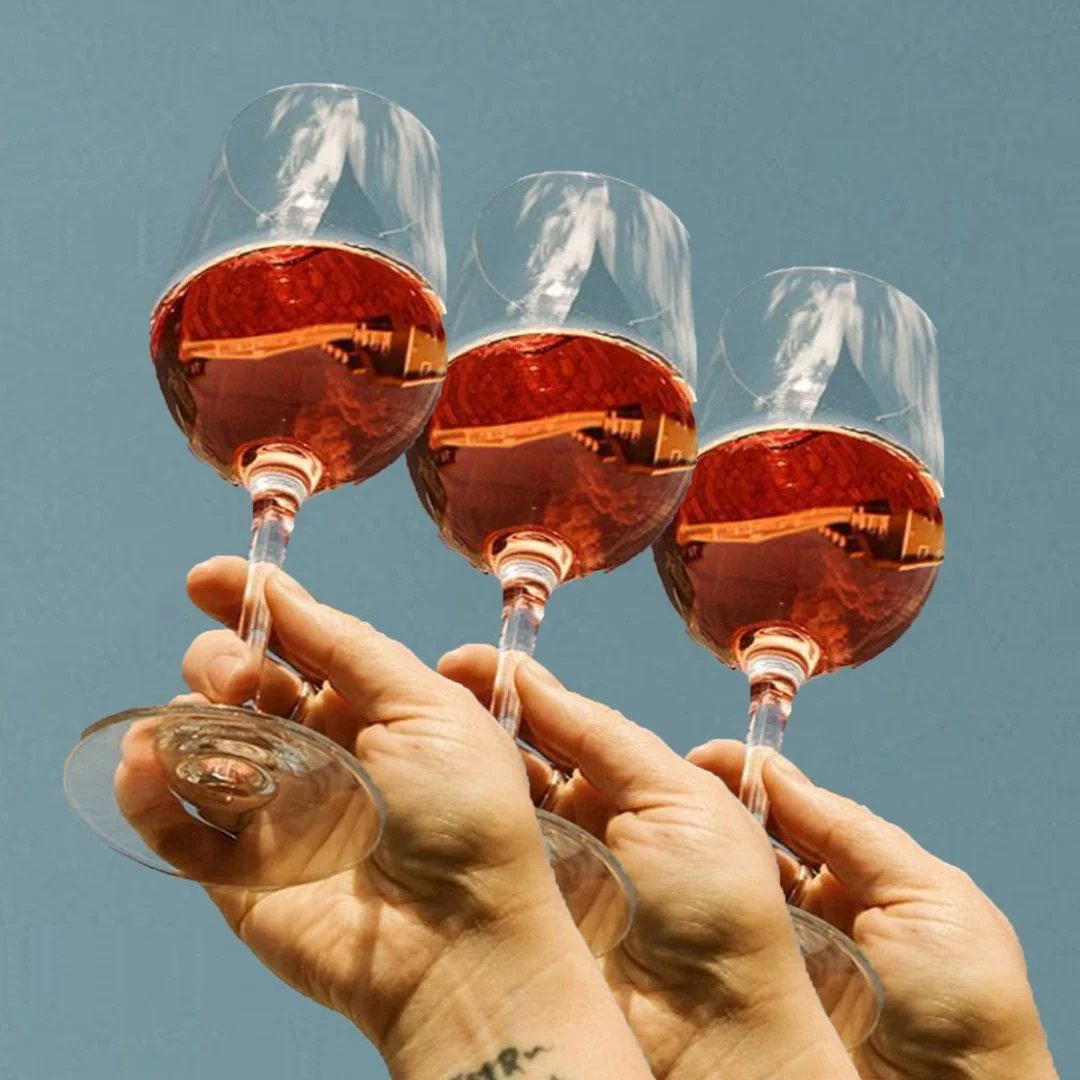
Dimly lit with a lustful, intimate atmosphere centered around vinyl music playback.