Takara Sake USA Inc.
Takara Sake USA Inc. sits on Addison Street in Berkeley's industrial west side, operating as the American production arm of Kyoto-based Takara Shuzo. The facility offers a window into how traditional Japanese brewing translates to a California context, with sake produced on-site from domestic rice and water. It occupies a specific niche in the Bay Area drinks landscape: production-scale sake made by a Japanese house, available close to home.
Pearl is the En Primeur Club membership app — saves, bookings, and concierge access live there. Same editors, same standards.
- Address
- 708 Addison St, Berkeley, CA 94710
- Phone
- +1 510 540 8250
- Website
- takarasake.com
- Directions
- Get directions
 Saves & bookings on Pearl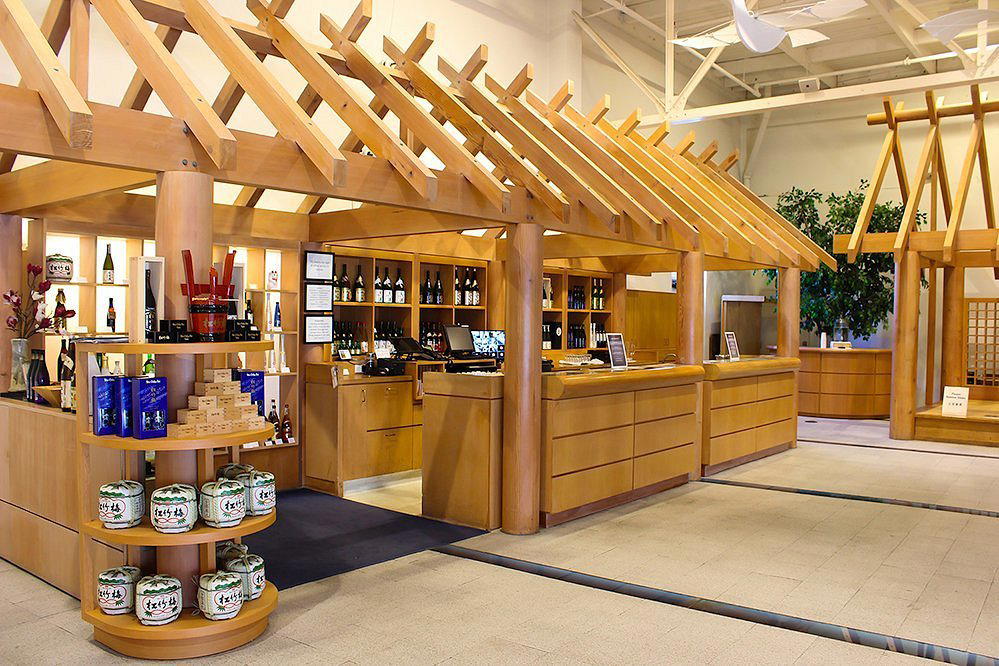
Sake Made in Berkeley: What a Production Facility Tells You About the Drink
The stretch of Addison Street where Takara Sake USA operates sits west of the Bart tracks, in a part of Berkeley defined more by warehouses and light industry than by the cafes and bookshops that populate the city's popular image. Approaching the address at 708 Addison, the building reads as functional before it reads as anything else. That restraint is, in its own way, appropriate. Sake production is not a decorative process. It is a precise, temperature-sensitive, microbiologically demanding craft, and the environments that house it tend to look like what they are: working breweries.
Takara Sake USA is the North American production facility of Takara Shuzo, a Kyoto-based sake house with a history stretching back well over a century in Japan. The Berkeley operation is one of the few sites in the United States where sake is produced at commercial scale using Japanese brewing methods, which positions it differently from the small-batch American craft sake producers that have appeared across the country over the past decade. This is not a startup interpreting the tradition from outside. It is a direct extension of an established Japanese house operating in a new geography, using California-grown rice and local water alongside Japanese yeast and koji culture.
The Pairing Logic: Sake as a Table Drink, Not a Ceremony
One of the persistent misreadings of sake in Western contexts is that it belongs at the margin of a meal rather than at the center of it. The drink's range across sweetness, acidity, umami depth, and texture makes it a more flexible pairing tool than its ceremonial associations suggest. Junmai styles, which contain no added alcohol and tend toward fuller body and earthier notes, hold well against grilled proteins and fermented condiments. Ginjo and daiginjo categories, produced with more highly polished rice and typically lighter and more aromatic, align naturally with raw fish, lighter vegetables, and clean broths.
For anyone approaching Takara Sake USA as an entry point into this pairing logic, the production context itself is instructive. Because the facility brews at scale for a national distribution market, its range tends toward accessible, food-compatible expressions rather than limited collector releases. That accessibility is a feature for pairing purposes: these are drinks designed to work at a table, not to be assessed in isolation. Bars that have developed serious Japanese spirits and sake programs, such as Kumiko in Chicago, demonstrate how this versatility translates into a full bar food program when the drinks are treated as primary rather than supplementary.
Berkeley in the Bay Area Drinks Picture
Berkeley's drinks scene has historically operated in the shadow of San Francisco, but its own identity has firmed over time. The city's food culture, shaped partly by the proximity of UC Berkeley and partly by the legacy of Alice Waters and the farm-to-table movement that took root here in the 1970s, tends toward producers and sourcing stories rather than high-concept theatrics. A sake brewery making product from California rice fits that orientation. It is production-oriented, ingredient-focused, and more interested in the drink itself than in the performance around it.
Across the Bay, ABV in San Francisco represents the kind of technically serious bar program that treats Japanese spirits and sake as core categories rather than novelties. The contrast between that cocktail-bar context and a production facility like Takara Sake USA illustrates how sake now moves through multiple channels in the Bay Area: from brewery to distributor to bar program, and sometimes directly to visitors who want to understand the drink at its source. Other notable bars in the broader region taking drinks seriously include Bar Leather Apron in Honolulu, where Pacific-facing drinks programs have long treated sake as a natural category anchor.
Seasonal Timing and the Production Calendar
Sake production follows a traditional seasonal rhythm. In Japan, the brewing season historically ran through the colder months, when lower ambient temperatures aided fermentation control. Modern facilities with climate regulation can brew year-round, but the seasonal logic still shapes how sake is released and consumed. Shiboritate, the term for sake released immediately after pressing without aging, arrives in winter and early spring and tends to carry a livelier, slightly less integrated character than sake that has rested. New Year and the months immediately following are when sake drinkers pay closest attention to release timing. Visiting or sourcing from a production facility during this window carries a different practical meaning than a summer visit.
In Berkeley's broader hospitality picture, the seasonal drinking calendar matters across categories. The restaurants and bars clustered in the city's denser neighborhoods, including Comal on the mezcal and agave end, Agrodolce Osteria on the Italian wine side, and Anchalee with its Southeast Asian spirits focus, each follow their own seasonal programming logic. Sake's winter-release tradition sits within that wider pattern of drinks that reward timing. For non-alcoholic counterparts in the neighborhood, Happy Lemon on the Berkeley bar scene represents the city's interest in drinks culture that extends beyond alcohol.
How This Fits a Broader Drinks Education
For readers building out their understanding of Japanese drinks traditions, the comparison set extends well beyond California. Jewel of the South in New Orleans and Julep in Houston each demonstrate how regionally specific drinks traditions develop their own pairing logic and ingredient sourcing, and sake's American chapter is following a similar trajectory: rooted in a foreign original, adapting to local materials, and developing a distinct identity in the process. Superbueno in New York City and The Parlour in Frankfurt on the Main both illustrate how internationally informed bar programs absorb these traditions into wider menus. Takara Sake USA's Berkeley facility sits at the production end of that chain, making it a reference point for understanding where American sake actually comes from.
Planning a Visit
Takara Sake USA is located at 708 Addison Street, Berkeley, CA 94710, in the city's industrial west. The address is accessible from downtown Berkeley, and the surrounding area offers limited but functional amenities. For a broader picture of what Berkeley's food and drink scene offers across neighborhoods and categories, see our full Berkeley restaurants guide.
Continue exploring
More in Berkeley
Bars in Berkeley
Browse all →
Restaurants in Berkeley
Browse all →
Hotels in Berkeley
Browse all →
At a Glance
- Classic
- Intimate
- Casual Hangout
- Historic Building
- Seated Bar
- Sake
Current opening hours
- Monday
- Closed
- Tuesday
- Closed
- Wednesday
- 1–5 PM
- Thursday
- 1–5 PM
- Friday
- 1–5 PM
- Saturday
- 12–6 PM
- Sunday
- 12–6 PM
Hours can change for holidays and private events. Last verified .
Intimate tasting room setting ideal for educational sake experiences with a focus on traditional craftsmanship.
Know Before You Go
- Getting there
- 708 Addison St, Berkeley, CA 94710