Comal
Comal occupies a prominent corner on Shattuck Avenue in downtown Berkeley, where the open-air format and wood-fired cooking have made it a reference point for the East Bay's Mexican dining scene. The restaurant draws a consistent crowd from Berkeley and across the Bay for its mezcal program and smoke-forward kitchen approach. Plan ahead: walk-ins are possible but reservations move faster than casual timing allows.
Pearl is the En Primeur Club membership app — saves, bookings, and concierge access live there. Same editors, same standards.
- Address
- 2020 Shattuck Ave., Berkeley, CA 94704
- Phone
- +1 510 926 6300
- Website
- comalberkeley.com
- Directions
- Get directions
 Saves & bookings on Pearl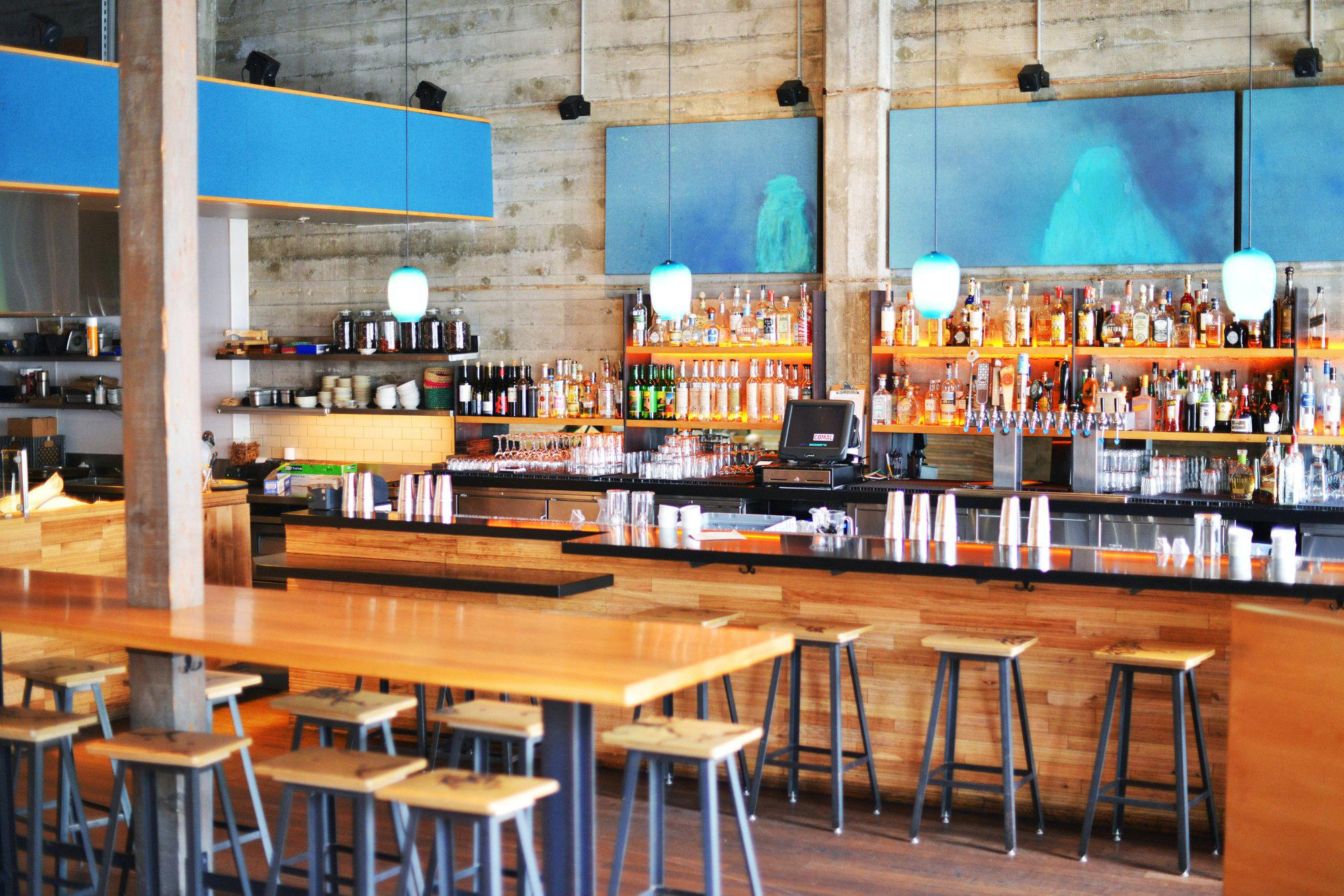
Where the Smoke Settles: Berkeley's Open-Air Approach to Mexican Cooking
There is a particular quality to downtown Berkeley's dining corridor on Shattuck Avenue in the early evening. The pedestrian rhythm slows, the air carries something charred and faintly sweet, and the ambient noise from the large covered patio at 2020 Shattuck Ave. signals that Comal is already filling up. This is not a quiet corner operation. The room runs large, the bar anchors the interior, and the wood-fire element is not cosmetic — it is structural to what the kitchen produces. In a city that has long prioritized ingredient provenance and cooking philosophy over spectacle, Comal manages to deliver both atmosphere and substance without tilting too far toward either.
Berkeley's Mexican restaurant category has historically skewed toward the neighborhood taqueria model or the more academically inflected Cal-Mex fare that emerged from the Bay Area's farm-to-table era. Comal positions itself somewhere more deliberate: a full-service, spirits-forward dining room where the mezcal list and the fire-cooked menu are given equal weight. That dual focus places it alongside a smaller cohort of American restaurants treating Mexican regional cuisine with the same structural seriousness applied to Italian or Japanese cooking in comparable urban markets.
The Room and What It Does to You
The design at Comal is worth reading carefully, because it shapes the entire dining experience. The main dining room opens through large retractable glass walls onto a covered patio, meaning the division between interior and exterior is largely notional when the weather cooperates. Berkeley's mild climate makes this a practical year-round proposition rather than a seasonal novelty. The effect is an informal grandeur: the space feels generous without being cavernous, animated without being loud in the way that defeats conversation.
Lighting runs warm without tipping into the dim-and-intimate register that many cocktail-forward restaurants use as a design shortcut. Here, you can read the menu without performance. The bar is positioned centrally enough that it functions as the room's social anchor, drawing attention whether you are seated nearby or across the patio. On busier evenings, the energy migrates outward from that bar in a way that keeps the entire room engaged rather than stratified by proximity.
This kind of spatial design is not accidental in Berkeley's dining market. The East Bay has developed a recognizable aesthetic vocabulary for ambitious casual dining: materials that reference craft without shouting it, layouts that prioritize communal energy, and kitchens that are either open or implied through smell and sound. Comal operates squarely within that tradition while running at a scale that most Berkeley restaurants do not attempt.
Fire, Mezcal, and the Menu's Central Logic
Wood-fire cooking in American restaurants has moved through several phases in the past fifteen years, from novelty to affectation to, at its leading, a genuinely technique-driven approach that alters flavor in ways a gas kitchen cannot replicate. At Comal, the fire is not decorative branding. The kitchen uses it as a primary tool, and the smoke influence threads through the menu in a way that coheres with the mezcal program rather than competing with it.
Mezcal lists at American restaurants often feel assembled for novelty rather than depth — a dozen bottles positioned to signal category awareness without editorial point of view. Comal's program has earned a different reputation, with a range that moves across producers and agave varieties with enough range to reward engagement from guests who know the category and provide enough context for those arriving without prior reference. Paired with smoke-forward food, the logic becomes apparent: mezcal's inherent terroir expression and the kitchen's fire-cooking create a sensory throughline that holds the meal together structurally.
For a broader map of cocktail and spirits programs operating at this level of category seriousness in the United States, it is worth benchmarking against venues like ABV in San Francisco, Kumiko in Chicago, and Jewel of the South in New Orleans, each of which has built a reputation on program depth rather than volume. Bar Leather Apron in Honolulu, Julep in Houston, and Superbueno in New York City complete a useful comparable set for understanding where American spirits programs focused on specific regional traditions are currently operating.
Comal in the Context of Berkeley Dining
Berkeley's dining scene rewards knowing how to position what you are looking at. The city's culinary identity is defined less by a single style and more by a persistent insistence on intentionality: where ingredients come from, how techniques are applied, and whether a restaurant's stated values are legible in the actual plate. That standard applies across price points and cuisines, and it creates a more demanding context than most American mid-sized cities.
Within that context, Comal occupies a tier that sits above the casual neighborhood Mexican category without crossing into the formal tasting-menu register. It competes for the same evening occasion as Agrodolce Osteria and La Marcha Tapas Bar, both of which operate in Berkeley's full-service, casual-but-serious dining tier. The city also supports strong beverage-forward operations like Anchalee and casual crowd draws like Happy Lemon Berkeley, which together map the range of Berkeley's dining and drinking culture from everyday to considered. For a fuller picture, see our full Berkeley restaurants guide.
Internationally, the category of serious mezcal and cocktail bars with genuine program depth extends to venues like The Parlour in Frankfurt on the Main, which illustrates how the global appetite for agave-forward programs has moved well beyond American borders. Comal's position as a Berkeley anchor in that broader shift is worth understanding in those terms.
Planning Your Visit
Comal is located at 2020 Shattuck Avenue in downtown Berkeley, accessible from the Downtown Berkeley BART station, which puts it within reasonable reach from San Francisco without requiring a car. Evenings fill quickly, particularly on Thursday through Saturday, and the combination of a large patio and consistent local demand means that arriving without a reservation is possible but carries real timing risk, especially during peak hours between 7 and 9 p.m. The bar area typically offers more flexibility for walk-ins than the main dining room, and the mezcal program is fully accessible from that position. For groups planning around a specific occasion, advance booking is the more reliable approach.
Cuisine and Credentials
Comparable venues nearby, for context on price, style, and recognition.
| Venue | Cuisine | Price | Notes |
|---|---|---|---|
| ComalThis venue — the venue you are viewing | mezcaleria | $$ | Not listed |
| La Marcha Tapas Bar | wine_bar | $$ | West Berkeley |
| Thai Table | Bar | $$ | West Berkeley |
| Takara Sake USA Inc. | sake_bar | $$ | West Berkeley |
| Anchalee | Bar | $$ | Southwest Berkeley |
| Agrodolce Osteria | wine_bar | $$ | Gourmet Ghetto |
Continue exploring
More in Berkeley
Bars in Berkeley
Browse all →
Restaurants in Berkeley
Browse all →
Hotels in Berkeley
Browse all →
At a Glance
- Lively
- Rustic
- Bohemian
- Romantic
- Date Night
- Group Outing
- Celebration
- Special Occasion
- Private Event
- Beer Garden
- Garden
- Terrace
- Historic Building
- Standalone
- Seated Bar
- Lounge Seating
- Outdoor Terrace
- Booth Seating
- Private Rooms
- Craft Cocktails
- Mezcal
- Tequila
- Craft Beer
- Natural Wine
Current opening hours
- Monday
- 5–9 PM
- Tuesday
- 5–9 PM
- Wednesday
- 5–9 PM
- Thursday
- 5–10 PM
- Friday
- 5–10 PM
- Saturday
- 5–10 PM
- Sunday
- 5–9 PM
Hours can change for holidays and private events. Last verified .
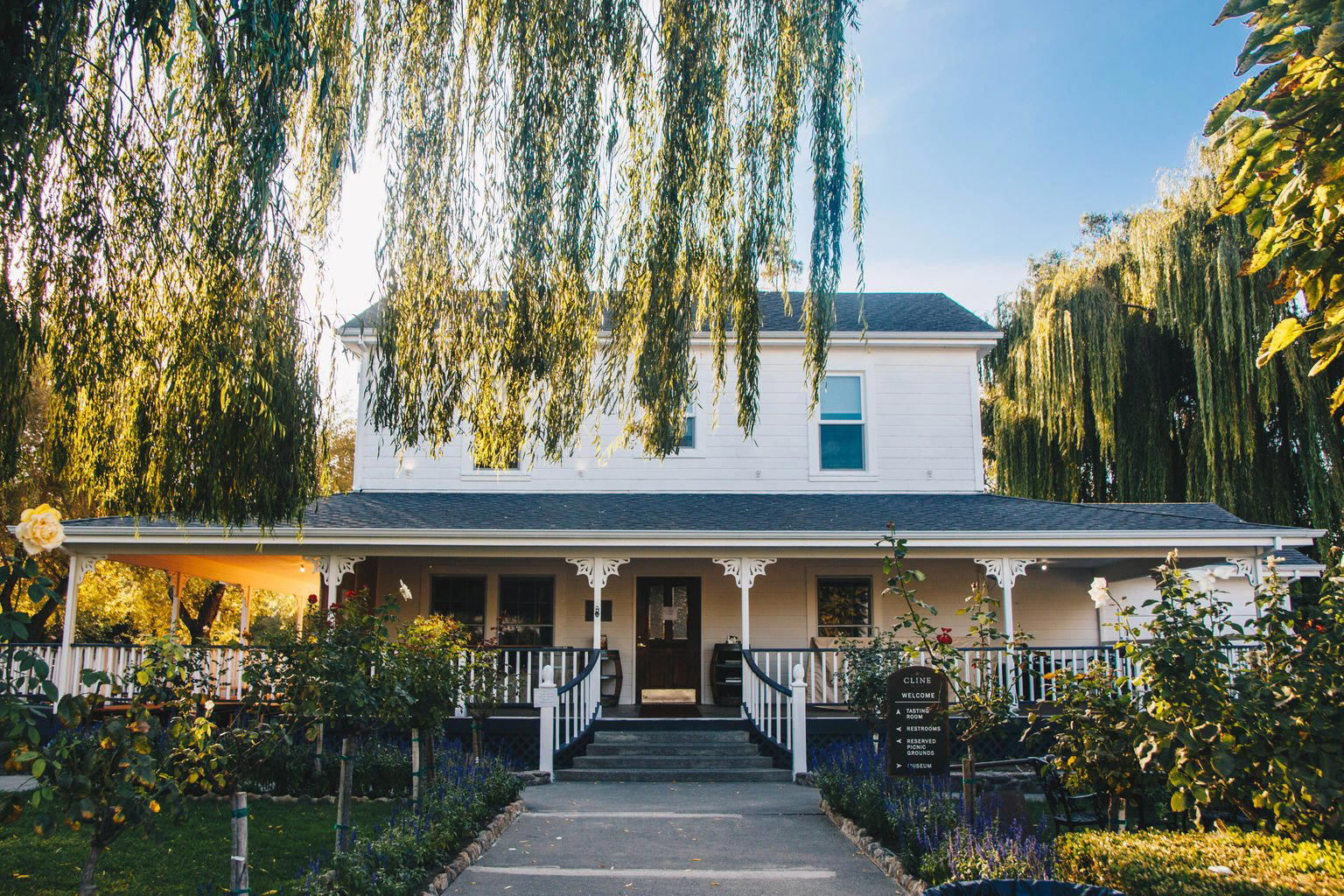
Lively and inviting with warm hospitality, featuring a lush secluded rear patio with covered dining and an optimized acoustic environment designed for comfortable conversation.