Tabu Shabu - Thousand Oaks
Shabu-shabu in the Conejo Valley operates on a different logic than most suburban California dining, and Tabu Shabu on East Thousand Oaks Boulevard plants that tradition firmly in the 91362. The hot-pot format centers the diner as cook, with ingredient quality determining the outcome of each bowl. For Thousand Oaks, it fills a specific gap between casual chain dining and the more polished options along the corridor.
Pearl is the En Primeur Club membership app — saves, bookings, and concierge access live there. Same editors, same standards.
- Address
- 2920 E Thousand Oaks Blvd # A, Thousand Oaks, CA 91362
- Phone
- +1 805 371 8228
- Website
- tabushabu.com
- Directions
- Get directions
 Saves & bookings on Pearl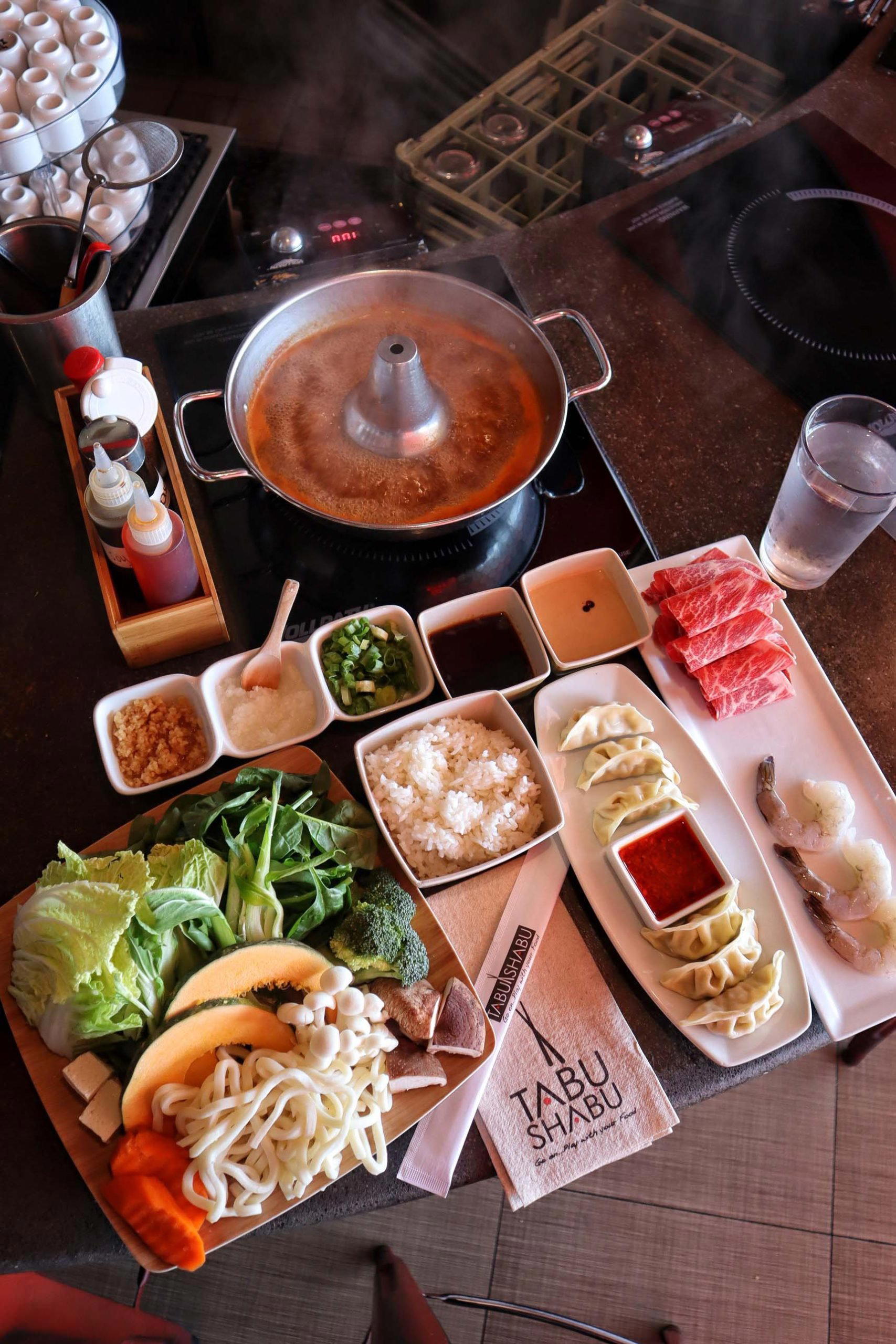
Hot Pot in the Suburbs: What Shabu-Shabu Looks Like Outside a Major City
The Japanese hot-pot tradition has a specific logic to it. You receive raw ingredients, a pot of simmering broth, and a set of implements, and the cooking falls to you. That format demands a certain kind of trust between kitchen and diner: the kitchen commits to sourcing ingredients worth eating, and the diner commits to the ritual of preparing them. In dense urban markets, shabu-shabu restaurants compete on the grade of their beef, the depth of their dashi, and the provenance of their produce. In a suburban corridor like East Thousand Oaks Boulevard, that same standard is harder to sustain and, accordingly, harder to find.
Tabu Shabu occupies a small suite at 2920 E Thousand Oaks Blvd in Thousand Oaks, California, a stretch of road that covers a wide range of dining registers. The immediate neighbors run from fast-casual chains to mid-market American concepts, which means a Japanese hot-pot operation here is making a deliberate bet on a format that asks more of its customers than most suburban dining does. The Conejo Valley's dining scene has broadened considerably over the past decade, with spots like Moqueca Brazilian Restaurant and E⁺ MON Sushi Westlake Village signaling a genuine appetite for non-American formats, but shabu-shabu remains a less crowded category here than sushi or casual Asian fusion.
The Ingredient Argument at the Center of the Bowl
Shabu-shabu is one of the few dining formats where ingredient sourcing is not a background consideration but the explicit point of the experience. Every component arrives raw. The protein, the vegetables, the mushrooms, the tofu: all of it goes into the broth at the diner's direction, which means there is no sauce-heavy finish or long-cooked preparation to paper over mediocre sourcing. When the beef arrives, you see its marbling before it touches the pot. When the broth simmers, its character comes from what was put into making it, not from what was added to correct it afterward.
This transparency is why shabu-shabu has historically been associated with premium wagyu and carefully sourced produce in Japan. The format makes ingredient quality legible in a way that a plated dish, finished with butter or reduction, rarely does. For a suburban California market, that creates an interesting tension: the format signals quality-consciousness, but the price expectations and sourcing logistics of a suburban strip location can pull in the other direction. How a shabu-shabu operator resolves that tension says something about what kind of restaurant it actually wants to be.
Across the broader shabu-shabu category in Southern California, the range is wide. Downtown Los Angeles and the San Gabriel Valley have operations that import Japanese wagyu at price points comparable to omakase counters. Suburban equivalents tend to work with domestic USDA Choice or Prime cuts, which still perform well in the hot-pot format, particularly at the thinly sliced thicknesses shabu-shabu requires. The broth becomes the differentiator at that tier: a well-made kombu-and-katsuobushi dashi versus a shallow, sodium-forward stock separates operators who understand the format from those running it as a novelty.
Placing Tabu Shabu in the Thousand Oaks Dining Context
Thousand Oaks dining, surveyed across its main corridors, skews toward American comfort formats and mid-market chains, with a smaller tier of independent operators covering international cuisines. Holdren's Steaks and Seafood and Oak and Iron represent the area's more established independent dining options, oriented toward American proteins and familiar formats. Japanese dining in the corridor leans heavily toward sushi and teriyaki, which makes a shabu-shabu-specific operation a narrower, more specialized proposition.
That specialization is, in this context, its own argument for why Tabu Shabu occupies a specific position in the local dining mix. Residents of Thousand Oaks and the surrounding Conejo Valley who want shabu-shabu face a choice between driving to the denser Japanese dining corridors in the San Fernando Valley or finding something local. A dedicated hot-pot operator on East Thousand Oaks Boulevard is addressing that gap rather than competing directly with the sushi bars and ramen shops that populate the same geography. For a broader view of how Thousand Oaks dining is organized, our full Thousand Oaks restaurants guide maps the major categories and independent operators across the city.
The Interactive Format as a Social Occasion
Hot-pot dining — whether Japanese shabu-shabu, Chinese hotpot, or Korean jeongol — has a social logic that distinguishes it from most Western restaurant formats. The shared pot, the passing of ingredients, the collective management of cooking times: it structures a meal around participation rather than passive consumption. That makes it particularly well-suited to group occasions, family dinners, and any gathering where the process of eating together is the point.
The cocktail programs at specialist cocktail bars like Kumiko in Chicago or Bar Leather Apron in Honolulu operate on a similar principle of deliberate, engaged consumption, where the format creates the experience as much as the product does. Shabu-shabu works the same way at the table. The diner's involvement is not incidental; it is the mechanism. Restaurants that understand this build their operations around supporting that engagement rather than minimizing it.
For logistics: Tabu Shabu is located at 2920 E Thousand Oaks Blvd, Suite A, in Thousand Oaks. Contact details and current hours are best confirmed directly with the venue, as operating schedules for independent operators in this category can vary seasonally. For context on how independent dining operates across the wider California market, venues like ABV in San Francisco and Jewel of the South in New Orleans illustrate the range of approaches independent operators bring to specialist formats. Regionally, Julep in Houston, Superbueno in New York City, and The Parlour in Frankfurt offer further reference points for how specialist concepts hold in their respective markets.
Continue exploring
More in Thousand Oaks
Bars in Thousand Oaks
Browse all →
Restaurants in Thousand Oaks
Browse all →



At a Glance
- Trendy
- Group Outing
- Casual Hangout
- Standalone
- Seated Bar
- Communal Tables
- Craft Beer
Current opening hours
- Monday
- 12–3 PM, 5–9:30 PM
- Tuesday
- 12–3 PM, 5–9:30 PM
- Wednesday
- 12–3 PM, 5–9:30 PM
- Thursday
- 12–3 PM, 5–9:30 PM
- Friday
- 12–3 PM, 5–9:30 PM
- Saturday
- 12–9:30 PM
- Sunday
- 12–9:30 PM
Hours can change for holidays and private events. Last verified .
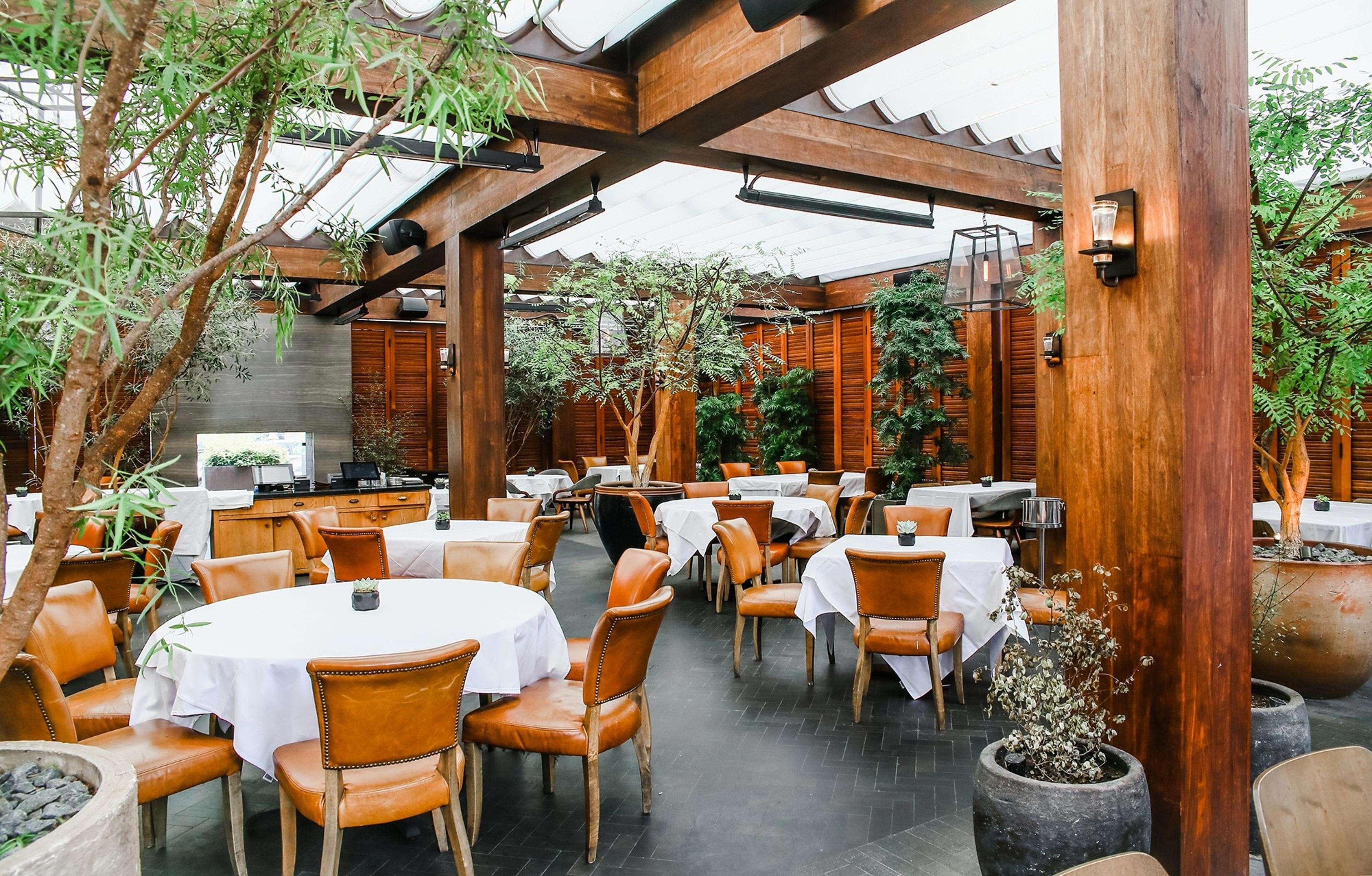
Casual and inviting atmosphere ideal for gatherings with friends and family.
Know Before You Go
- Getting there
- 2920 E Thousand Oaks Blvd # A, Thousand Oaks, CA 91362