Sushi Yoshizumi
Sushi Yoshizumi brings serious omakase to San Mateo's downtown grid, operating in a format where the counter is the room and the rice is the reference point. It holds a position among the Bay Area's most discussed sushi addresses, drawing regulars from across the Peninsula for a style of service that trades spectacle for precision. Book well ahead.
 Discover on Pearl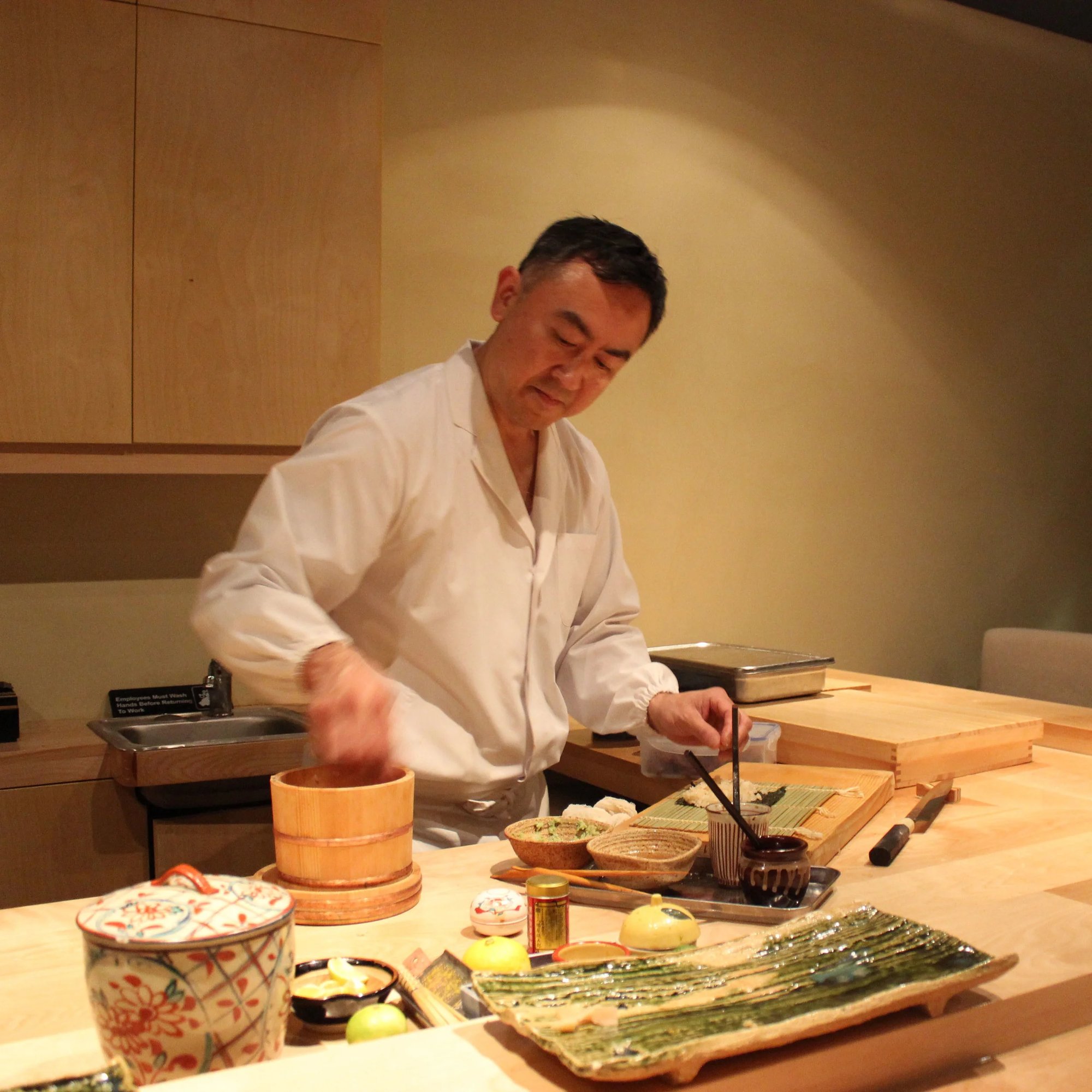
A Counter in the Suburbs, With Nothing to Prove
East 4th Avenue in San Mateo is the kind of downtown block that rewards slow walking. Between the mid-century storefronts and the steady foot traffic of Peninsula locals, it reads less like a dining destination and more like a working neighbourhood main street. That context matters, because Sushi Yoshizumi operates not as a restaurant that happens to be in the suburbs but as a place that has grown into its surroundings, earning a regulars-first, reservations-required standing in a city that rarely appears on the shortlists Bay Area food writers compile. The Bay Area's omakase scene has, over the past decade, concentrated its critical attention on San Francisco proper and a handful of South Bay addresses. Yoshizumi represents something slightly different: a counter that built its reputation through repetition and word of mouth rather than through geography or publicist.
The broader pattern across American omakase dining is worth noting. As Japanese counter formats moved upmarket in cities like New York, Los Angeles, and San Francisco, a secondary tier emerged in suburban corridors where real estate allowed more considered spaces and where a loyal local clientele could sustain the booking economics that omakase requires. San Mateo sits in that tier, and Yoshizumi has become the address most likely to come up when Peninsula diners talk about where to mark a significant occasion without making the drive north. For context on how the Japanese dining scene in San Mateo connects to its bar and social scene, Izakaya Ginji represents the more accessible, communal end of that Japanese food tradition in the same city.
The shortlist, unlocked.
Hard-to-book tables, cellar releases, and concierge-planned trips.
Get Exclusive Access →The Omakase Format and What It Demands
Omakase, at its functional core, is a format built on constraint: a fixed sequence, a single counter, a chef working in full view, and no menu for the diner to hide behind. That structure has been both the draw and the sorting mechanism for American audiences over the past fifteen years. Early adopters prized the intimacy; the broader market followed once the format achieved cultural legibility through media and television. By the time Yoshizumi's reputation was solidifying, the format had already spread from dedicated Japanese neighborhoods in major cities to a much wider geography, including the Peninsula suburbs.
What separates higher-tier omakase from the proliferating mid-range versions is typically rice temperature and seasoning, fish sourcing and aging protocols, and the discipline of pacing. These are not details visible on a menu or in a photograph. They become apparent through the meal itself, which is part of why word-of-mouth reputation carries so much weight in this category. A diner who has eaten at counters in Tokyo's Ginza district or at credentialed San Francisco addresses will bring a different reference frame than someone encountering omakase for the first time, but the better counters tend to register with both. Yoshizumi's sustained reputation within Peninsula dining circles suggests it operates at a level where the rice and sourcing hold up to that kind of scrutiny.
For comparison within the same city's Japanese dining register, Sushi Edomata offers a point of reference for how San Mateo approaches Edo-style sushi at a different price point and format.
San Mateo's Dining Identity and Where This Counter Fits
San Mateo doesn't carry the dining reputation of its northern neighbour, and that gap is partly structural. The city's restaurant scene serves a dense, educated, and well-compensated local population rather than a tourism economy, which means the leading addresses here are sustained by repeat visits from people who live within a few miles of the counter. That dynamic produces a specific kind of reliability. A restaurant that survives on tourists can coast on novelty; one that survives on regulars has to deliver consistently. Yoshizumi's position in San Mateo's dining conversation reflects that dynamic. It is not a novelty destination but a place the neighbourhood has decided is worth protecting.
The rest of downtown San Mateo's dining and drinking scene fills out around it in predictable ways. Pausa Bar & Cookery represents the Italian-leaning bar and casual dining end of the same neighbourhood, while Bel Mateo Bowl anchors the more social, casual end of the local going-out spectrum. These are the places locals move between on a given evening, and Yoshizumi sits at the far end of that spectrum in terms of formality and commitment required of the diner.
The Bay Area's broader premium dining scene provides useful context. Counters at this level, whether in San Francisco, the East Bay, or the Peninsula, now compete less on geography and more on access. The booking window at serious omakase counters across the region has extended considerably, with reservations at credentialed addresses often opening months in advance and filling within hours. That pattern holds for Yoshizumi, where securing a seat requires planning rather than spontaneity. If you are considering the meal as part of a broader evening, the practical geography of East 4th Avenue means there are walkable options before or after, with Izakaya Ginji nearby for a more relaxed pre-dinner drink in a Japanese register.
Booking, Planning, and the Practical Reality
Sushi Yoshizumi at 325 E 4th Ave operates on a reservation-only basis consistent with omakase format conventions. Walk-ins are not the model here. The booking process, the lead time required, and the fixed-format pricing all function as signals of the dining category: this is a planned event, not an impulse decision. Diners approaching from San Francisco will find the Caltrain to Hillsdale or San Mateo stations a practical option, placing the venue within reasonable walking or rideshare distance without the parking friction of driving into downtown. Arriving on time matters in a counter format where the meal progresses as a sequence; late arrivals disrupt a choreography the kitchen has calibrated to the number of seats.
For readers building a broader picture of premium dining and drinking across the region and beyond, EP Club's coverage extends to comparable experiences in other cities: Kumiko in Chicago for Japanese-influenced cocktail precision, Bar Leather Apron in Honolulu for a counter-format bar approach in the Pacific, and ABV in San Francisco for the kind of technically rigorous bar program that pairs well with the pre-dinner hour before a serious omakase meal. The full San Mateo restaurants guide covers the wider city for those planning a longer visit to the Peninsula. Additional reference points for premium bar programs in other markets include Jewel of the South in New Orleans, Julep in Houston, Superbueno in New York City, and The Parlour in Frankfurt on the Main.
The shortlist, unlocked.
Hard-to-book tables, cellar releases, and concierge-planned trips.
Get Exclusive Access →Frequently Asked Questions
Awards and Standing
A quick look at comparable venues, using the data we have on file.
| Venue | Awards | Cuisine | Notes |
|---|---|---|---|
| Sushi Yoshizumi | This venue | ||
| Bel Mateo Bowl | |||
| Izakaya Ginji | |||
| Pausa Bar & Cookery | |||
| Sushi Edomata |
Need a Table?
Our members enjoy priority alerts and concierge-led booking support for the world's most difficult bars and lounges.
Get Exclusive AccessThe shortlist, unlocked.
Hard-to-book tables, cellar releases, and concierge-planned trips.
Get Exclusive Access →