Sir Benedicts Tavern on the Lake
Sir Benedicts Tavern on the Lake occupies a position on Superior Street that puts Lake Superior directly in the frame, a setting that defines much of Duluth's tavern tradition. The address places it within the city's older commercial spine, where waterfront drinking culture and casual hospitality have operated in tandem for decades. For visitors working through Duluth's bar and restaurant scene, it functions as a neighbourhood anchor.
Pearl is the En Primeur Club membership app — saves, bookings, and concierge access live there. Same editors, same standards.
- Address
- 805 E Superior St, Duluth, MN 55802
- Phone
- +1 218 728 1192
- Website
- sirbens.com
- Directions
- Get directions
 Saves & bookings on Pearl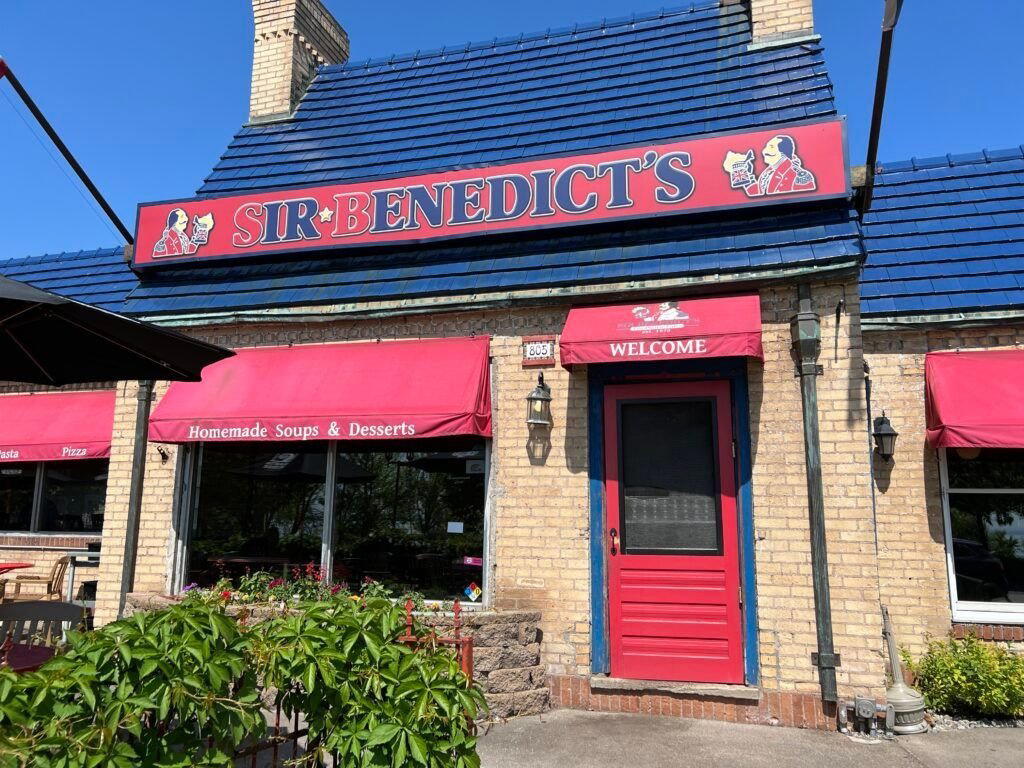
Lake Superior as Backdrop: Duluth's Waterfront Tavern Tradition
Duluth's relationship with Lake Superior is not decorative, it is structural. The lake determines the city's weather, its economic history, and the character of its hospitality. Bars and taverns along the Superior Street corridor have long operated with the water as an implicit presence: through windows, in the humidity of the air, and in the sensibility of the people who gather in them. Sir Benedicts Tavern on the Lake, at 805 E Superior St, sits within this tradition rather than apart from it. The address alone places it in the older commercial spine of Duluth's East End, a stretch that retains more of the city's pre-tourism-boom character than the redeveloped Canal Park district to the west.
Waterfront tavern culture in the American Midwest carries a specific set of assumptions. These are not cocktail bars chasing recognition from national publications, and they are not hotel restaurants designed for transit guests. They are neighbourhood institutions with regulars, with accumulated institutional memory, and with a direct relationship to the communities that built them. That is the tradition Sir Benedicts operates within, a format that depends far less on any single menu item or design gesture than on consistency and place.
Where Sir Benedicts Sits in Duluth's Drinking Scene
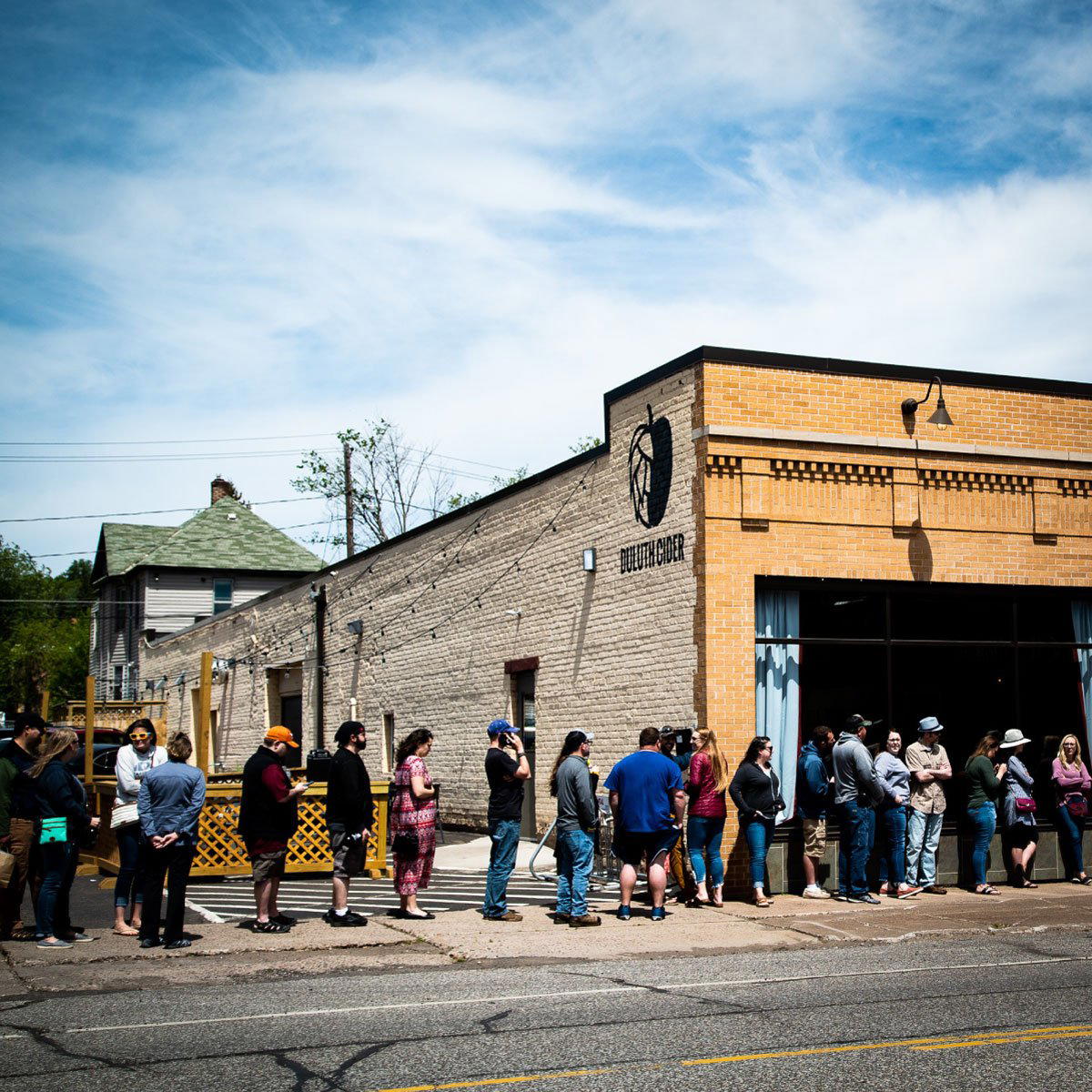
Duluth's bar scene has become more layered over the past decade. The city now has a functioning craft brewery corridor, anchored by venues like Fitger's Brewhouse, which operates out of the repurposed historic Fitger's Complex Duluth on the lakefront, alongside cider producers such as Duluth Cider and destination restaurants with genuine kitchen ambition, like At Sara's Table Chester Creek Cafe. This is a city where the hospitality infrastructure has grown sophisticated enough that visitors arriving with high expectations are not routinely disappointed.
Within that context, the older-format tavern occupies a different register. It is not competing with the craft-focused venues for the same customer, and it is not trying to. The appeal of a waterfront tavern on Superior Street is precisely that it predates the city's hospitality reinvention, that it carries a sense of continuity with the Duluth that existed before Canal Park became a tourist destination. That positioning is a form of cultural value that more recently opened venues cannot replicate.
For visitors building a broader itinerary across the city, Sir Benedicts represents one end of a spectrum that runs through craft beer halls, cafe-restaurants, and cider taprooms.
The Cultural Logic of the Lakeside Tavern
The tavern as a category has deeper roots in American drinking culture than the cocktail bar or the wine bar. It is a form shaped by industrial communities, by working waterfronts, and by the particular social function of a place where people gather without a specific occasion as the pretext. Lake Superior port cities, Duluth, Superior across the state line, Marquette further east along the Michigan shore, developed tavern cultures that reflected the rhythms of shipping, fishing, and the seasons. Winter closures of the shipping lanes, the arrival of ore boats in spring, the summer influx of visitors: these temporal patterns shaped when and how people drank.
That history does not disappear when a city gentrifies. It goes underground into older institutions that have simply continued operating while the city changed around them. The cultural significance of these spaces is often invisible until they close, at which point the loss becomes obvious. A tavern with a lake view in Duluth is carrying a specific piece of that history, one that the newer venues, however well-executed, are not positioned to carry.
Comparing Duluth to Broader Bar Culture
The gap between a neighbourhood tavern in Duluth and a recognised program-led bar in a major American city is significant and worth naming. Venues like Kumiko in Chicago or ABV in San Francisco operate at a level of technical ambition and national visibility that places them in a different category entirely. The same is true internationally: Bar Leather Apron in Honolulu, Jewel of the South in New Orleans, Julep in Houston, Superbueno in New York City, and The Parlour in Frankfurt on the Main all represent a bar culture defined by program depth, sourcing, and technique.
Sir Benedicts does not belong to that world, and the comparison is not a criticism, it is a clarification. The waterfront tavern format serves a different social function and draws on a different tradition. Understanding where a venue sits in its own category, rather than measuring it against unrelated benchmarks, is the more useful frame for a traveller deciding how to allocate time in a city.
Planning a Visit
Sir Benedicts Tavern on the Lake is located at 805 E Superior St in Duluth's East End. The address is walkable from several of the city's other established venues and sits along the same corridor that connects much of Duluth's older hospitality infrastructure. The venue is open Monday through Saturday from 11 AM to 12 AM and is closed on Sunday.
For visitors spending more than a day in Duluth, the practical approach is to anchor an evening here within a broader neighbourhood walk that might include other East End stops, rather than treating it as a standalone destination requiring significant advance coordination. The waterfront tavern format rarely demands the kind of forward planning that a reservation-heavy restaurant or a limited-capacity craft venue might. That accessibility is part of what defines the format.
Pricing, Compared
Comparable venues nearby, for context on price, style, and recognition.
| Venue | Cuisine | Price | Notes |
|---|---|---|---|
| Sir Benedicts Tavern on the LakeThis venue — the venue you are viewing | East Hillside, pub | $$ | Not listed |
| At Sara's Table Chester Creek Cafe | Chester Park, pub | $$ | Not listed |
| Duluth Cider | Not listed | $$ | Lincoln Park Craft District, beer_bar |
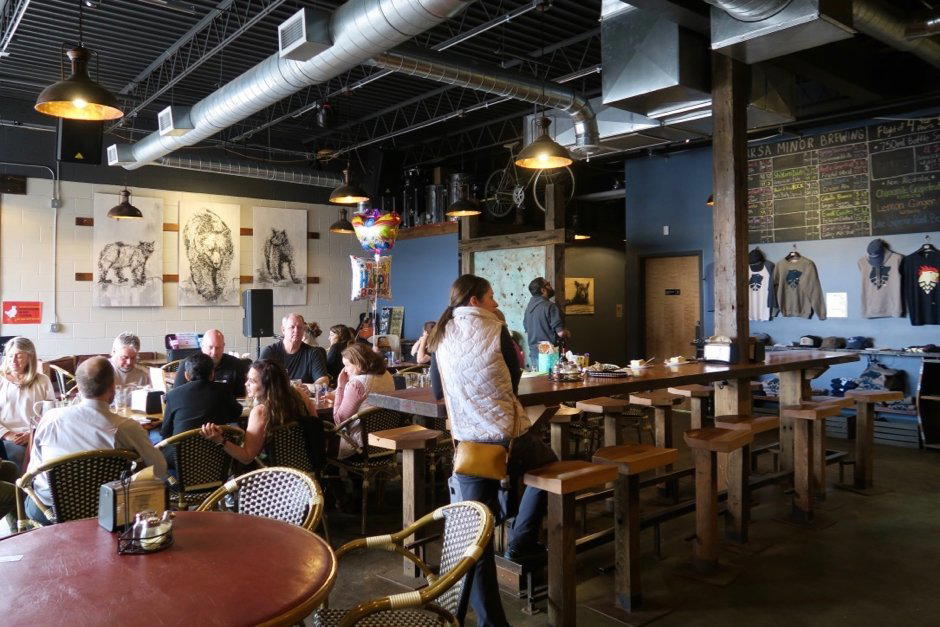
| Ursa Minor Brewing | Not listed | $$ | Lincoln Park, beer_bar |
| Jade Fountain Cocktail Lounge | Not listed | $$ | West Duluth, tiki_bar |
| Fitger's Brewhouse | Canal Park, pub | $$ | Not listed |
Continue exploring
More in Duluth
Bars in Duluth
Browse all →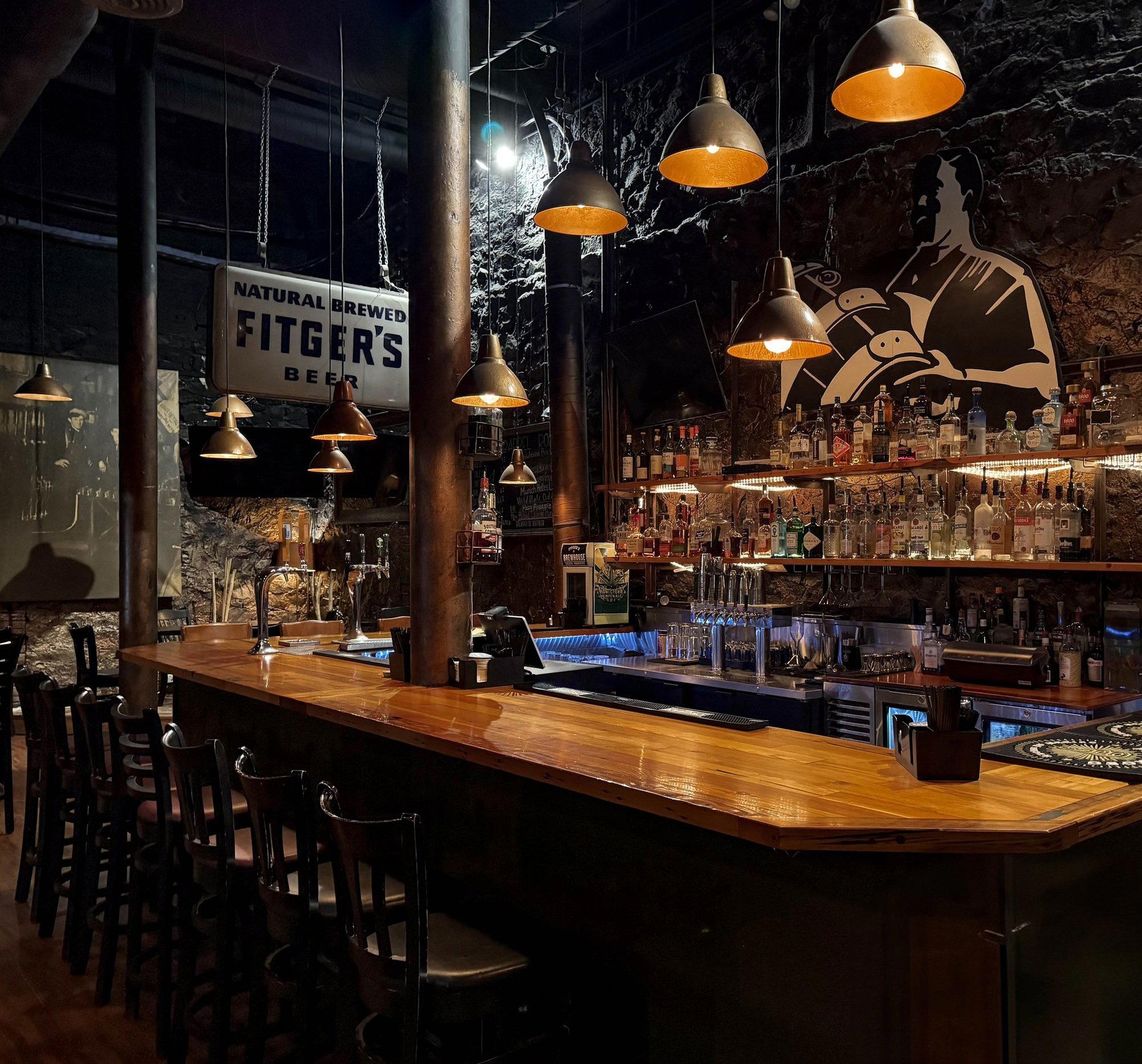
Restaurants in Duluth
Browse all →
Hotels in Duluth
Browse all →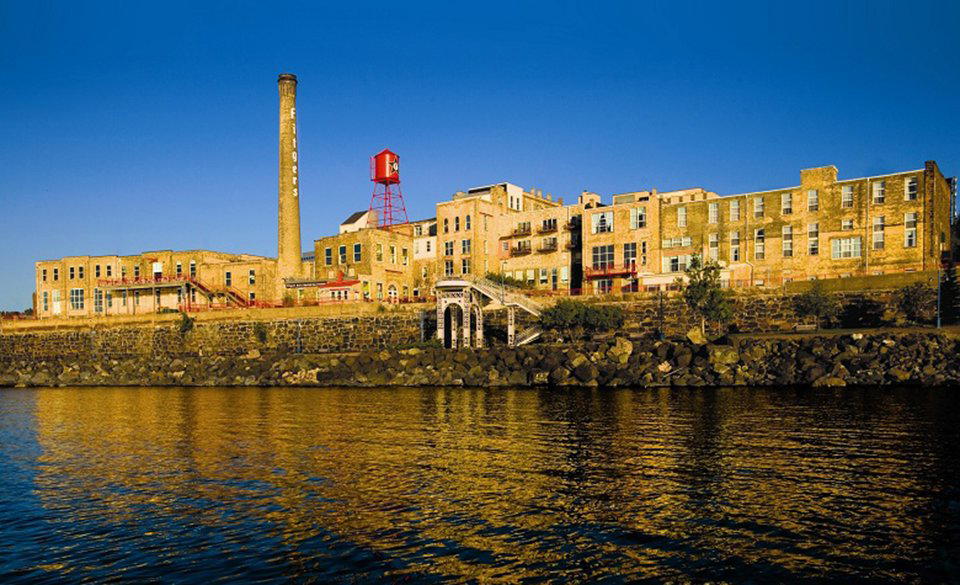
At a Glance
- Rustic
- Cozy
- Lively
- Classic
- Casual Hangout
- Group Outing
- Late Night
- Live Music
- Waterfront
- Outdoor Terrace
- Lounge Seating
- Craft Beer
- Waterfront
Current opening hours
- Monday
- 11 AM–12 AM
- Tuesday
- 11 AM–12 AM
- Wednesday
- 11 AM–12 AM
- Thursday
- 11 AM–12 AM
- Friday
- 11 AM–12 AM
- Saturday
- 11 AM–12 AM
- Sunday
- Closed
Hours can change for holidays and private events. Last verified .
Cozy rustic English tavern atmosphere with warm interior lighting, lively patio vibes overlooking the lake, and an energetic feel from frequent live performances.