Duluth Cider
Duluth Cider occupies a spot on West Superior Street where the craft cider movement has found a foothold in a city better known for its breweries. In a Duluth drinking scene defined by Fitger's-era brewing heritage, a cider-focused operation represents a deliberate departure from the grain-and-hops default. The address at 2307 W Superior St places it in the city's western corridor, away from the Canal Park tourist circuit.
Pearl is the En Primeur Club membership app — saves, bookings, and concierge access live there. Same editors, same standards.
- Address
- 2307 W Superior St, Duluth, MN 55806
- Phone
- +1 218 464 1111
- Website
- duluthcider.com
- Directions
- Get directions
 Saves & bookings on Pearl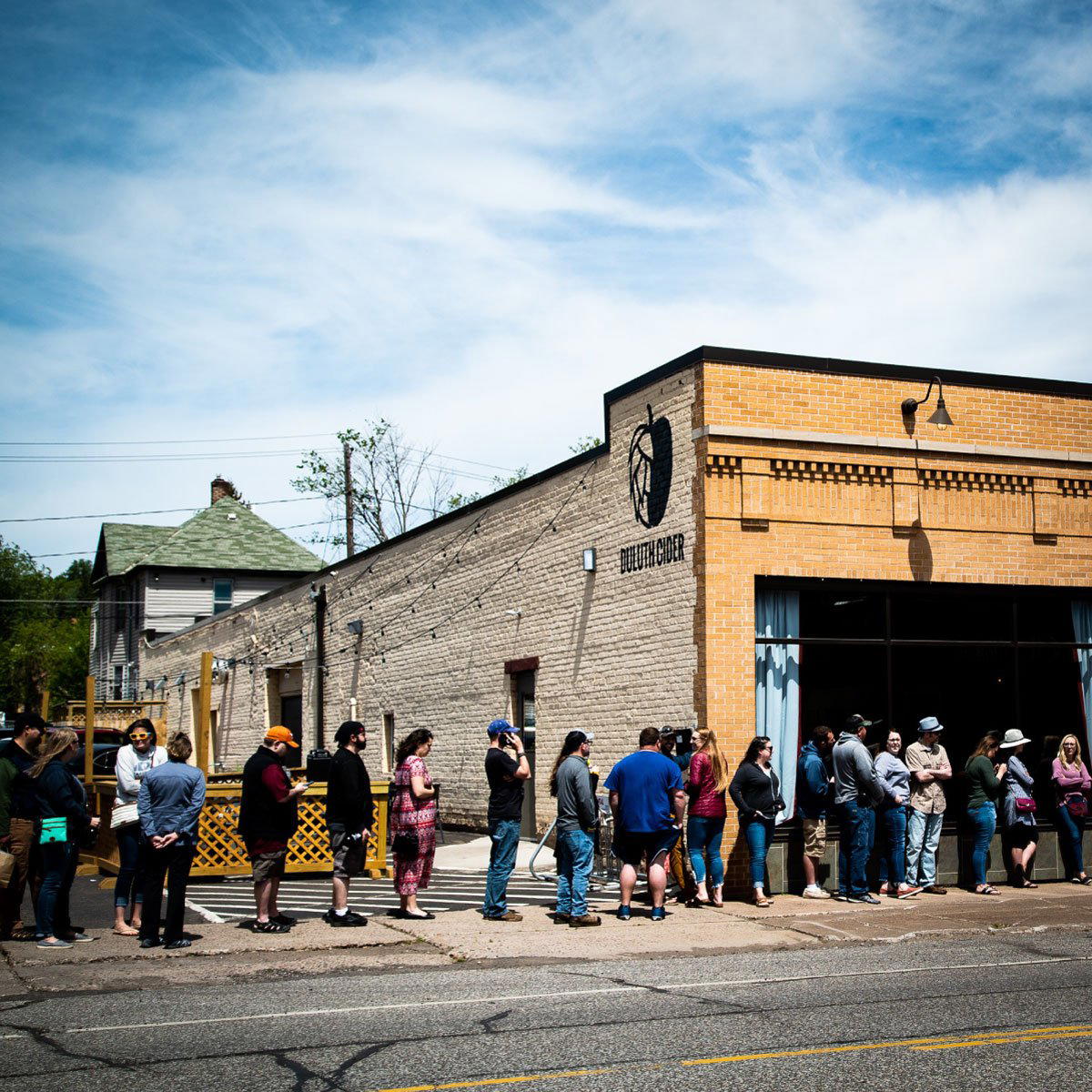
West Superior Street and the Case for Cider in a Brewery Town
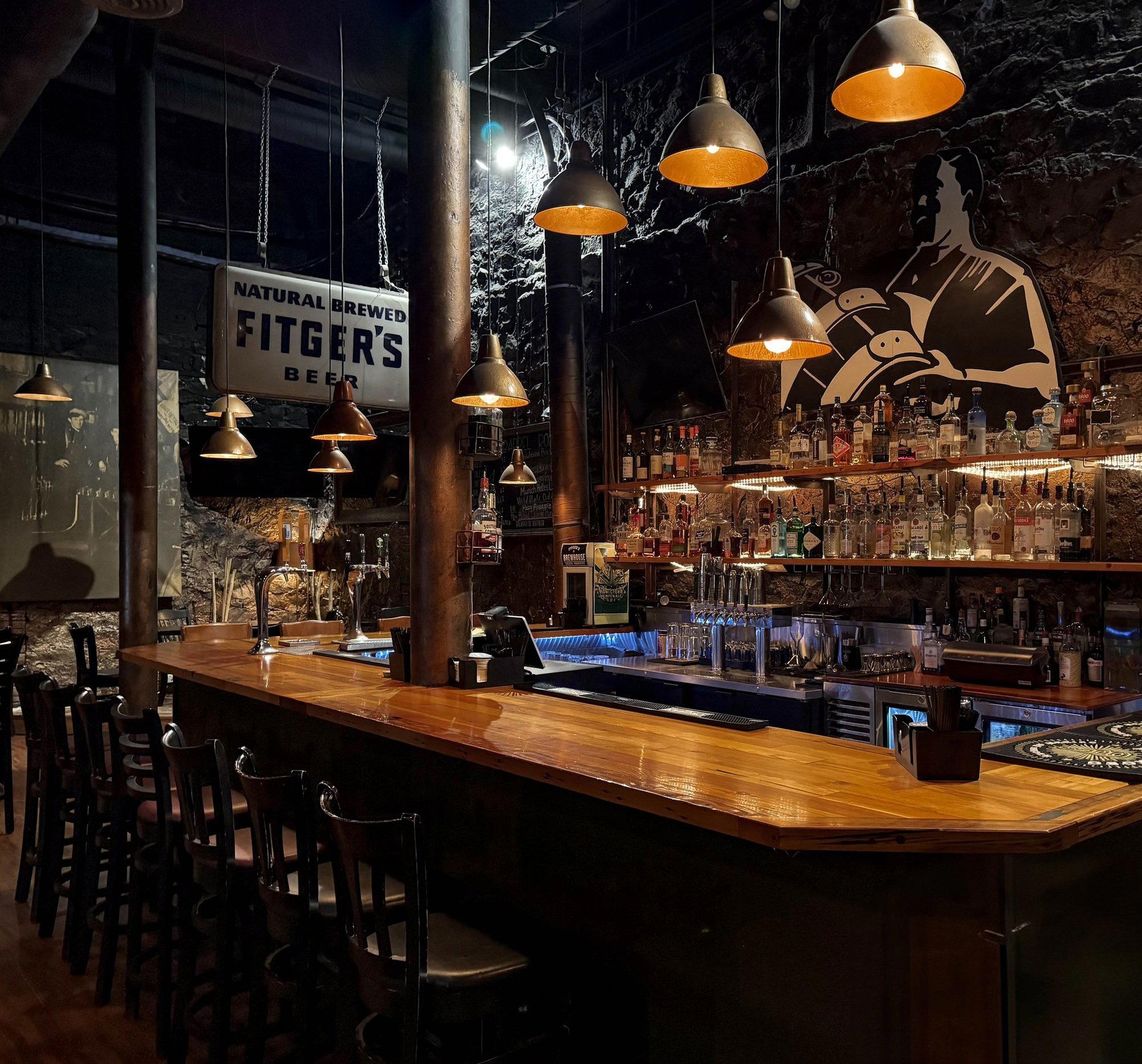
Duluth's drinking culture has long been anchored to beer. The brewing tradition here runs through the old Fitger's complex on the lakefront, where Fitger's Brewhouse and the broader Fitger's Complex have shaped what locals and visitors expect from a night out. Against that backdrop, a cider-dedicated operation on West Superior Street reads as a conscious counter-position. Craft cider in the American Midwest has grown steadily over the past decade, driven by apple-growing traditions in Wisconsin, Michigan, and Minnesota, and by a consumer appetite for alternatives to the dominant craft beer format. Duluth Cider at 2307 W Superior St sits within that broader regional shift, occupying the city's western corridor rather than the Canal Park tourist zone where most visitor-facing venues cluster.
The Bartender's Position: Cider as a Craft Framework
One instructive comparison for understanding what a dedicated cider bar asks of its staff is not with a cocktail lounge but with a natural wine bar. Both formats require the person behind the bar to translate a category that many guests arrive knowing little about. At venues like Kumiko in Chicago or Bar Leather Apron in Honolulu, the through-line is a bartender who treats the counter as a teaching space as much as a service space. Cider-focused operations demand the same posture. The range within craft cider, from tannic farmhouse pours to clean, fruit-forward expressions to co-ferments with other fruit or honey, is wide enough that a guest who arrives expecting the sweet, carbonated product sold in supermarket cans will need reorienting. That reorientation, done well, is the craft.
In cities with more developed cider scenes, the bartender's role has evolved to include producer sourcing knowledge, fermentation literacy, and an ability to build a flight that tells a coherent story across a few pours. This is less different from the cocktail bartender's work at Jewel of the South in New Orleans or Julep in Houston than it might first appear. In each case, the discipline behind the bar is about sequencing, education, and matching the guest to a pour they would not have chosen alone. A cider-specific operation in a city where the format is not yet the default carries that responsibility more heavily than a venue in a market where cider literacy is already established.
Where Duluth Cider Sits in the City's Drinking Map
Duluth's drinking options spread across a few distinct zones and registers. Canal Park holds the visitor-facing concentration. The Lincoln Park and West End corridors, where 2307 W Superior St falls, skew toward a more local-use mix of bars, restaurants, and neighborhood anchors. At Sara's Table Chester Creek Cafe represents the food-forward, community-rooted end of that spectrum. Jade Fountain Cocktail Lounge serves the cocktail-curious end. Duluth Cider fills a different slot: a format built around a single fermented category, which is a programming choice that requires the room to do more explanatory work than a full-service bar where guests can always default to something familiar.
That positioning is not without risk. Specialty-format venues in mid-size cities depend on repeat local traffic more than tourist footfall, which means the community case for the concept has to be made continuously. The West Superior Street address, away from the main tourism corridor, supports a neighborhood-use thesis rather than a destination-visit model. For a visitor constructing a Duluth itinerary, that distinction matters. This is more likely a second or third stop on a longer evening than the anchor around which the night is built.
Craft Cider as a Category: What to Understand Before You Arrive
American craft cider has grown into a genuinely varied category. The simplest division is between culinary-apple ciders, which use varieties bred for flavor complexity rather than eating sweetness, and commodity-apple blends that prioritize consistency and price point. The former, which draws on English and French farmhouse traditions as well as newer American experimentation, produces a spectrum that runs from bone-dry and tannic to bright and acidic to oxidative and funky. Venues that specialize in this category, as opposed to including a few cider taps alongside a full beer list, typically stock from regional producers and may offer pours across multiple styles in the same sitting.
In comparable specialty-format bars, one useful ordering approach is to ask the person behind the bar for a sequenced flight rather than selecting individual pours blind. This is the same approach that serves well at technically ambitious cocktail programs like Superbueno in New York City or ABV in San Francisco, where the staff's curation instinct is part of the product. At a cider-focused operation, that instinct is expressed through producer selection and pour sequence rather than recipe development, but the hospitality logic is the same. At venues like The Parlour in Frankfurt, a similarly category-committed approach shapes how guests move through the menu. Letting the bar lead is almost always the more rewarding path.
Planning a Visit
The bar is located at 2307 W Superior St, Duluth, MN 55806, in the city's western corridor. Current hours, pricing, and booking details should be checked directly with the venue before visiting, particularly for group visits or evening timing. The West End location is best reached by car from Canal Park or the downtown core; it sits outside comfortable walking distance from the main hotel and restaurant concentration on the eastern lakefront. Given the specialty format and neighborhood positioning, the venue functions most naturally as part of a broader West Superior Street or Lincoln Park evening rather than a standalone destination trip.
Just the Basics
Comparable venues nearby, for context on price, style, and recognition.
| Venue | Cuisine | Price | Notes |
|---|---|---|---|
| Duluth CiderThis venue — the venue you are viewing | Not listed | $$ | Not listed |
| At Sara's Table Chester Creek Cafe | Chester Park, pub | $$ | Not listed |
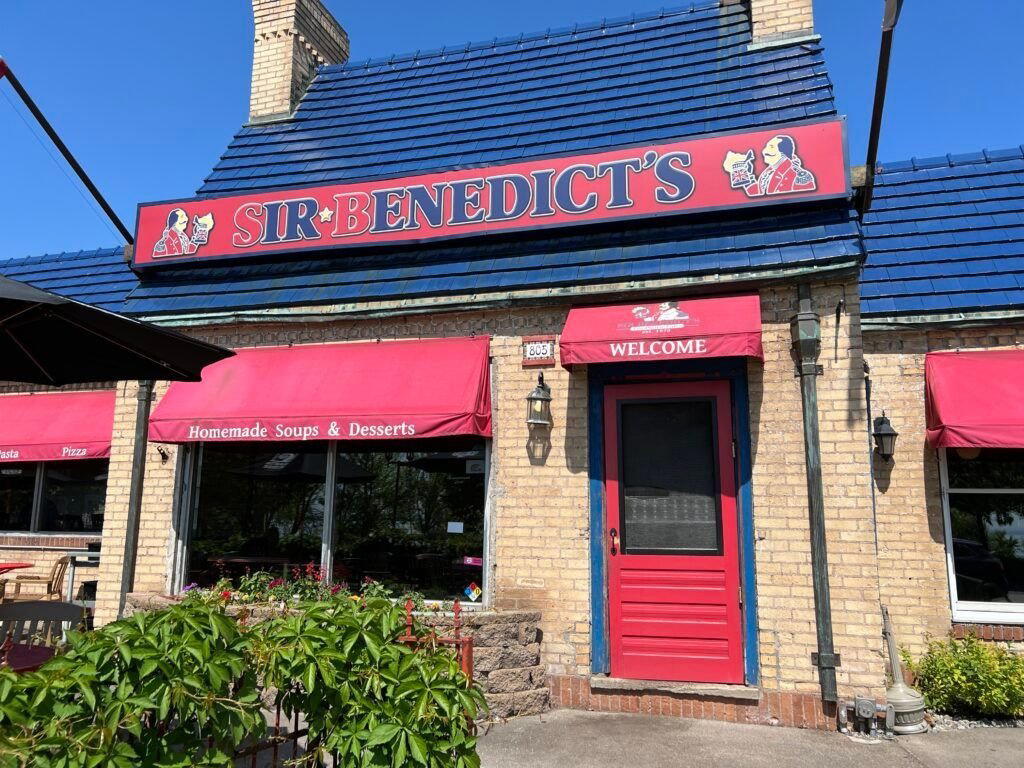
| Sir Benedicts Tavern on the Lake | East Hillside, pub | $$ | Not listed |
| Ursa Minor Brewing | Not listed | $$ | Lincoln Park, beer_bar |
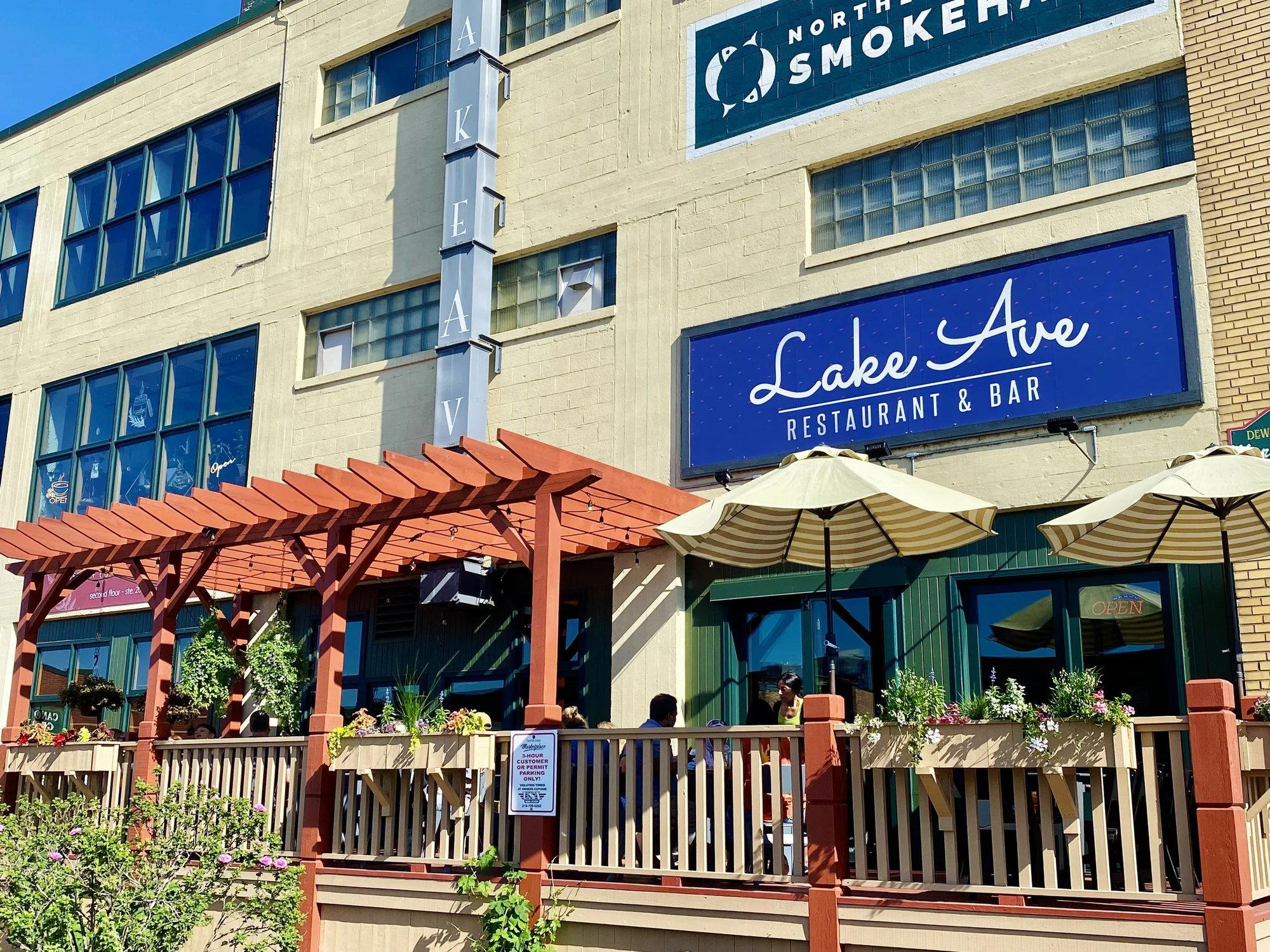
| Lake Avenue Restaurant & Bar | Not listed | $$$ | Canal Park, cocktail_bar |
| Jade Fountain Cocktail Lounge | Not listed | $$ | West Duluth, tiki_bar |
Continue exploring
More in Duluth
Bars in Duluth
Browse all →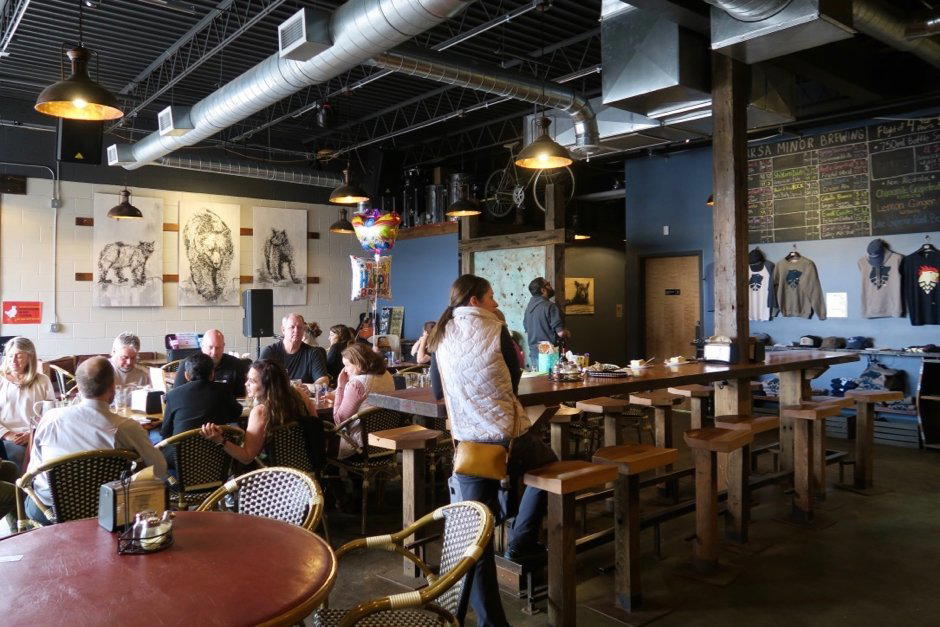
Restaurants in Duluth
Browse all →
Hotels in Duluth
Browse all →
At a Glance
- Rustic
- Lively
- Cozy
- Casual Hangout
- Group Outing
- Live Music
- Historic Building
- Seated Bar
- Communal Tables
- Craft Beer
Current opening hours
- Monday
- 4–10 PM
- Tuesday
- 4–10 PM
- Wednesday
- 4–10 PM
- Thursday
- 12–10 PM
- Friday
- 12–11 PM
- Saturday
- 12–11 PM
- Sunday
- 12–7 PM
Hours can change for holidays and private events. Last verified .
Rustic atmosphere in a 100+ year old historic building with a lively vibe from live music and events.