SideBar
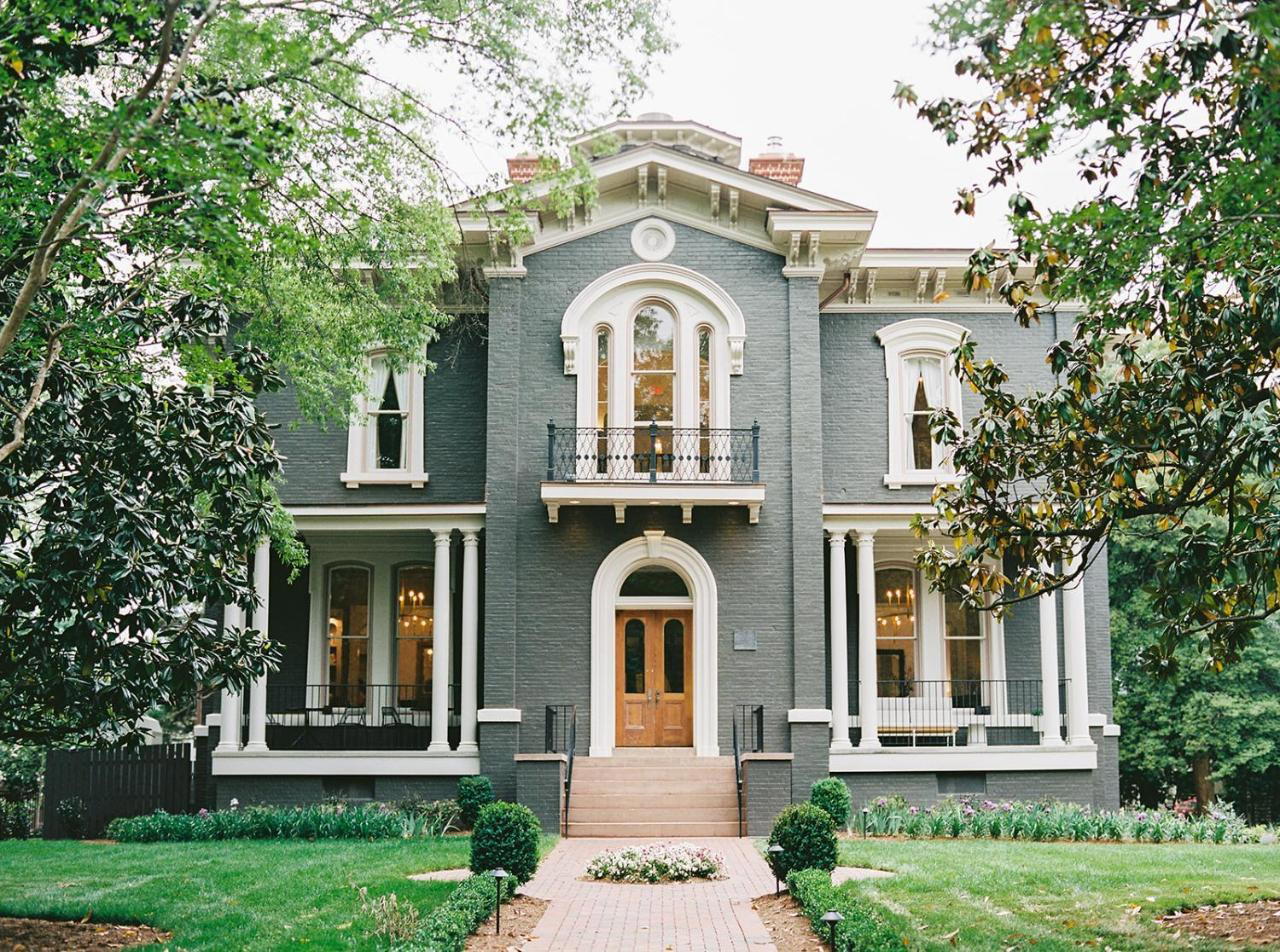
SideBar sits on East Chatham Street in downtown Cary, North Carolina, occupying a corner of the Triangle's most active small-city bar scene. The venue draws from the neighborhood's growing appetite for craft drinks and a relaxed but considered atmosphere, making it a useful reference point for anyone building an evening around Cary's walkable core.
Pearl is the En Primeur Club membership app — saves, bookings, and concierge access live there. Same editors, same standards.
- Address
- 215 E Chatham St, Cary, NC 27511
- Phone
- +1 919 588 3063
- Website
- sidebarnc.com
- Directions
- Get directions
 Saves & bookings on Pearl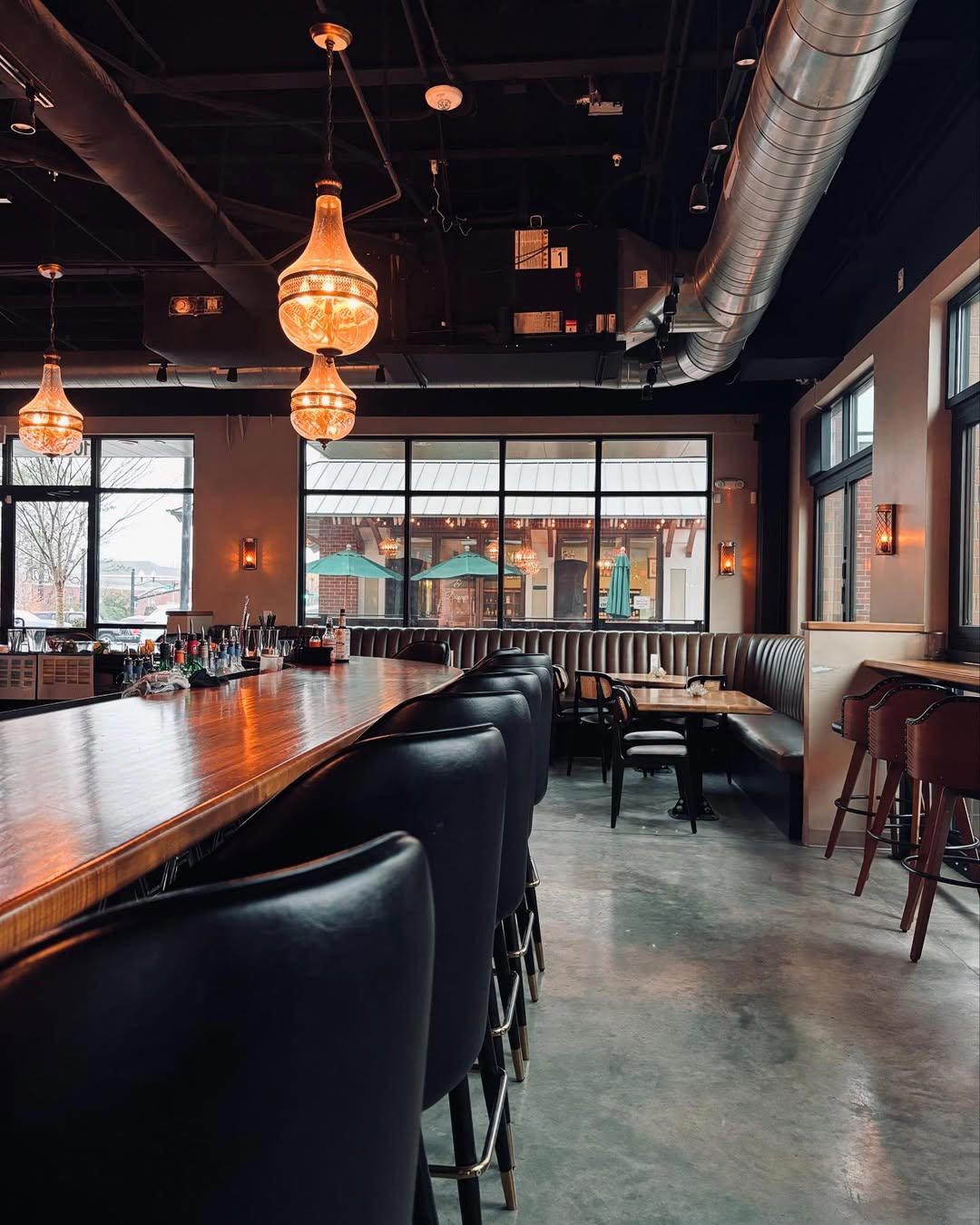
East Chatham Street and the Shape of Cary's Bar Scene
Downtown Cary has spent the better part of a decade assembling the pieces of a credible walkable bar district. East Chatham Street sits at the center of that effort, and SideBar, at 215 E Chatham St, occupies a position within it that reflects a broader pattern across mid-sized American cities: the neighborhood bar that anchors an evening rather than trying to be its headline act. That positioning is a choice, and it shapes everything from how the room feels at 7pm to what a regular orders without looking at the list.
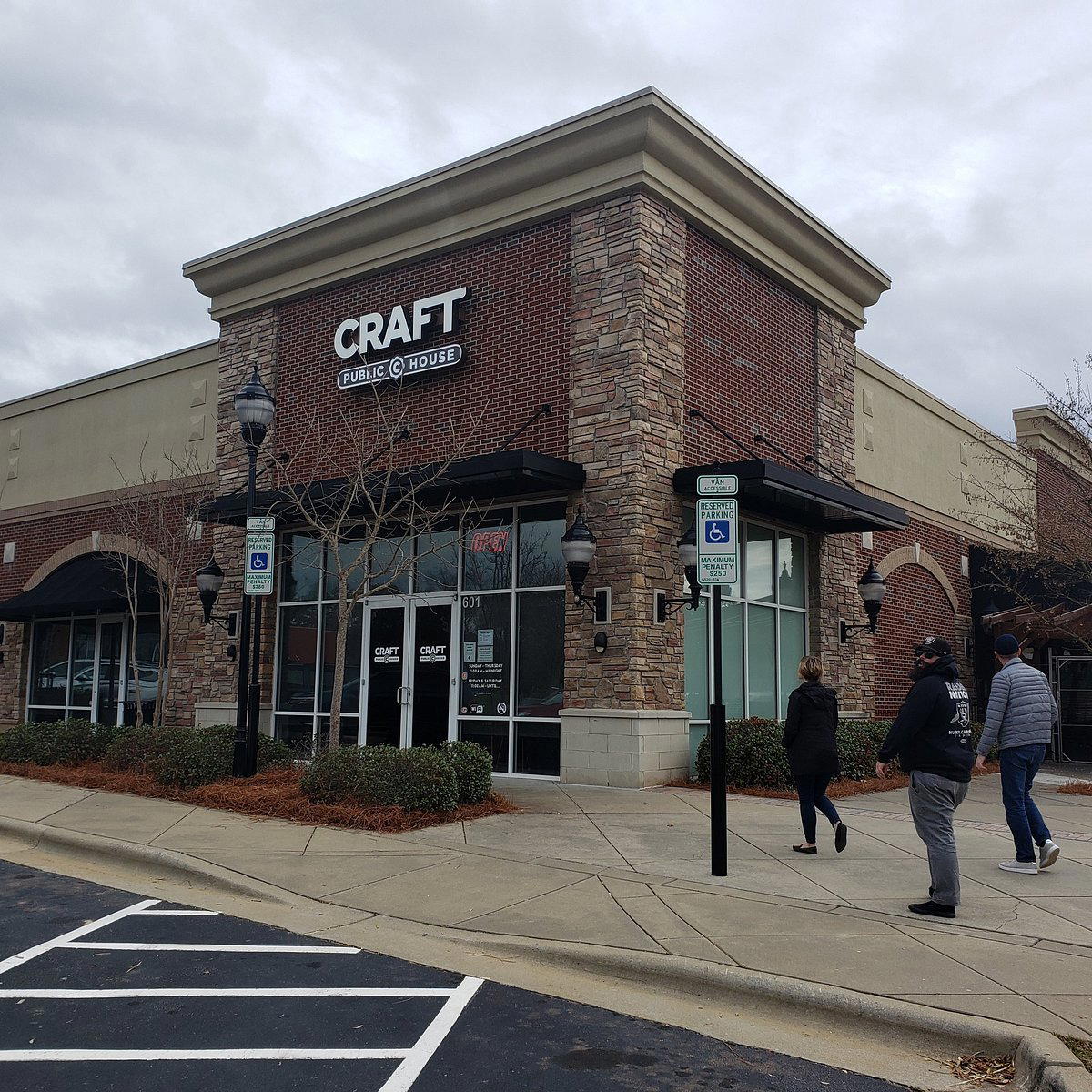
The address places SideBar within walking distance of several of Cary's other established drinking destinations, including Craft Public House, Bond Brothers Beer Company, and Fortnight Brewing Company. The concentration matters because it sets the competitive context: SideBar is not operating in isolation but as one node in a cluster that collectively gives the downtown core enough drinking variety to sustain a full evening without a car. That cluster logic, common to revitalized small-city downtowns from Asheville to Durham, is precisely what makes the individual venue's role worth examining.
What the Menu Architecture Says
In American bar programming, menu structure is rarely neutral. The decision to lead with cocktails versus beer versus a hybrid list tells you something about who the venue is pitching to and what kind of pace it expects from a visit. Bars that lead with a concise cocktail list alongside a curated draft selection are signaling a particular kind of drinker: someone who wants optionality without being handed a laminated novel. Bars that expand into food in a serious way are signaling something else entirely, a willingness to slow the room down and hold guests for two hours instead of one.
SideBar's name itself functions as a structural cue. The sideline position implied by the name points toward a bar that complements rather than dominates, one where the drink is the organizing principle and the rest of the experience follows. Across the broader category of neighborhood bars in mid-sized Southern cities, this format has proven durable. It attracts a cross-section of the local population that more concept-heavy venues often miss: the after-work crowd, the early-evening couple, the group that wants somewhere comfortable to land before deciding what comes next.
For reference points on what refined execution of this format looks like nationally, the clearest comparisons are bars like ABV in San Francisco, which built its reputation on a tightly edited list in a neighborhood anchor format, or Bar Leather Apron in Honolulu, where deliberate menu compression signals confidence rather than limitation. At the other end of the ambition spectrum, Kumiko in Chicago and Jewel of the South in New Orleans demonstrate what happens when a neighborhood-adjacent bar commits fully to a structured drinks philosophy with deep historical grounding. SideBar operates in a different register, closer to the anchor end of that spectrum, but the comparison is useful for calibrating expectations.
Cary in Context: Why the Location Matters
Cary is often read as a suburb of Raleigh, which undersells what the downtown core has become. The Triangle region's growth over the past fifteen years has redistributed dining and drinking energy away from Raleigh's urban center and toward secondary nodes that have developed their own identities. Downtown Cary is one of those nodes. It is smaller and less dense than Durham's Ninth Street or Raleigh's Glenwood South, but it has a coherence those strips sometimes lack: a genuine walkable scale and a bar-to-restaurant ratio that encourages lingering rather than rushing through a checklist.
That context matters for a venue like SideBar because its value proposition is partly spatial. The bar's position on East Chatham places it in the walkable core rather than at its edge, which affects foot traffic patterns and the likelihood of spontaneous visits. Bars in this position tend to see a different clientele mix than destination-only venues: more locals, more repeat visits, more people who arrived without a specific plan. That demographic has its own demands, and meeting them consistently is harder than it looks.
For visitors building a Cary itinerary, SideBar fits naturally into an East Chatham evening that might also include a stop at a'Verde Cocina + Tequila Library for a more spirit-forward program, or earlier in the evening at one of the downtown breweries.
Placing SideBar in the Wider Bar Conversation
The North American bar scene has spent the past decade bifurcating into two dominant formats: the technically ambitious cocktail program with a structured approach and the neighborhood anchor that prioritizes accessibility and repeat business over editorial prestige. Bars like Julep in Houston and Superbueno in New York City have navigated that split by building identity around a specific cultural or historical frame. The Parlour in Frankfurt demonstrates that the neighborhood-anchor model translates well across markets when execution is tight. SideBar sits in the neighborhood-anchor category, which in a market like downtown Cary is likely the more sustainable long-term position.
That positioning also means the bar is evaluated differently from a destination cocktail program. The relevant questions are not whether the drinks program would hold up against a specialist bar in a major city, but whether it delivers consistency, atmosphere, and value within its local comparable set. On those terms, a well-run neighborhood bar in a growing small-city downtown is genuinely useful in ways that more ambitious venues sometimes are not.
Planning a Visit
SideBar's address at 215 E Chatham St places it in the walkable core of downtown Cary, accessible on foot from the surrounding blocks and from the Cary downtown parking structures a short distance away. As with most bars in the East Chatham cluster, weekend evenings are the busiest periods, and the bar draws from both the local residential population and visitors staying in the broader Triangle area. Current hours are Mon: 4–10 PM; Tue: 4–11 PM; Wed: 4–11 PM; Thu: 4 PM–12 AM; Fri: 4 PM–1 AM; Sat: 2 PM–1 AM; Sun: 2–10 PM.
Awards and Standing
Comparable venues nearby, for context on price, style, and recognition.
| Venue | Cuisine | Price | Notes |
|---|---|---|---|
| SideBarThis venue — the venue you are viewing | cocktail_bar | $$$ | Not listed |
| Fortnight Brewing Company | pub | $$ | Cary |
| Zest Sushi and Small Plates | cocktail_bar | $$$ | Not listed |
| RBF, Your Authentic Champagne Bar | champagne_bar | $$ | Downtown Cary |
| Bond Brothers Beer Company | beer_bar | $$ | Downtown Cary |
| Hank's Downtown Dive | dive_bar | $$ | Downtown Cary |

At a Glance
- Cozy
- Intimate
- Sophisticated
- Date Night
- After Work
- Casual Hangout
- Standalone
- Seated Bar
- Lounge Seating
- Outdoor Terrace
- Craft Cocktails
- Classic Cocktails
- Zero Proof
Current opening hours
- Monday
- 4–10 PM
- Tuesday
- 4–11 PM
- Wednesday
- 4–11 PM
- Thursday
- 4 PM–12 AM
- Friday
- 4 PM–1 AM
- Saturday
- 2 PM–1 AM
- Sunday
- 2–10 PM
Hours can change for holidays and private events. Last verified .
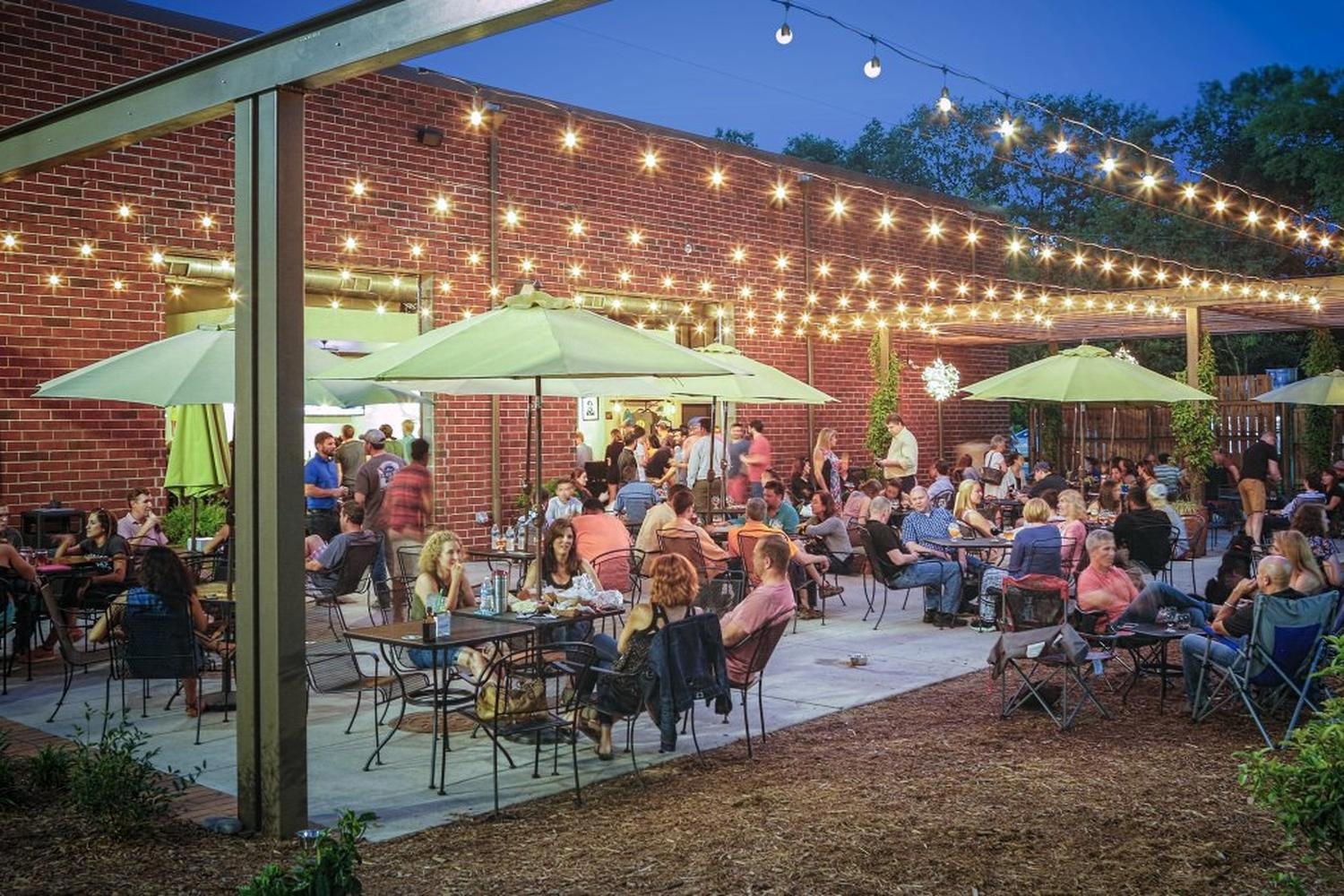
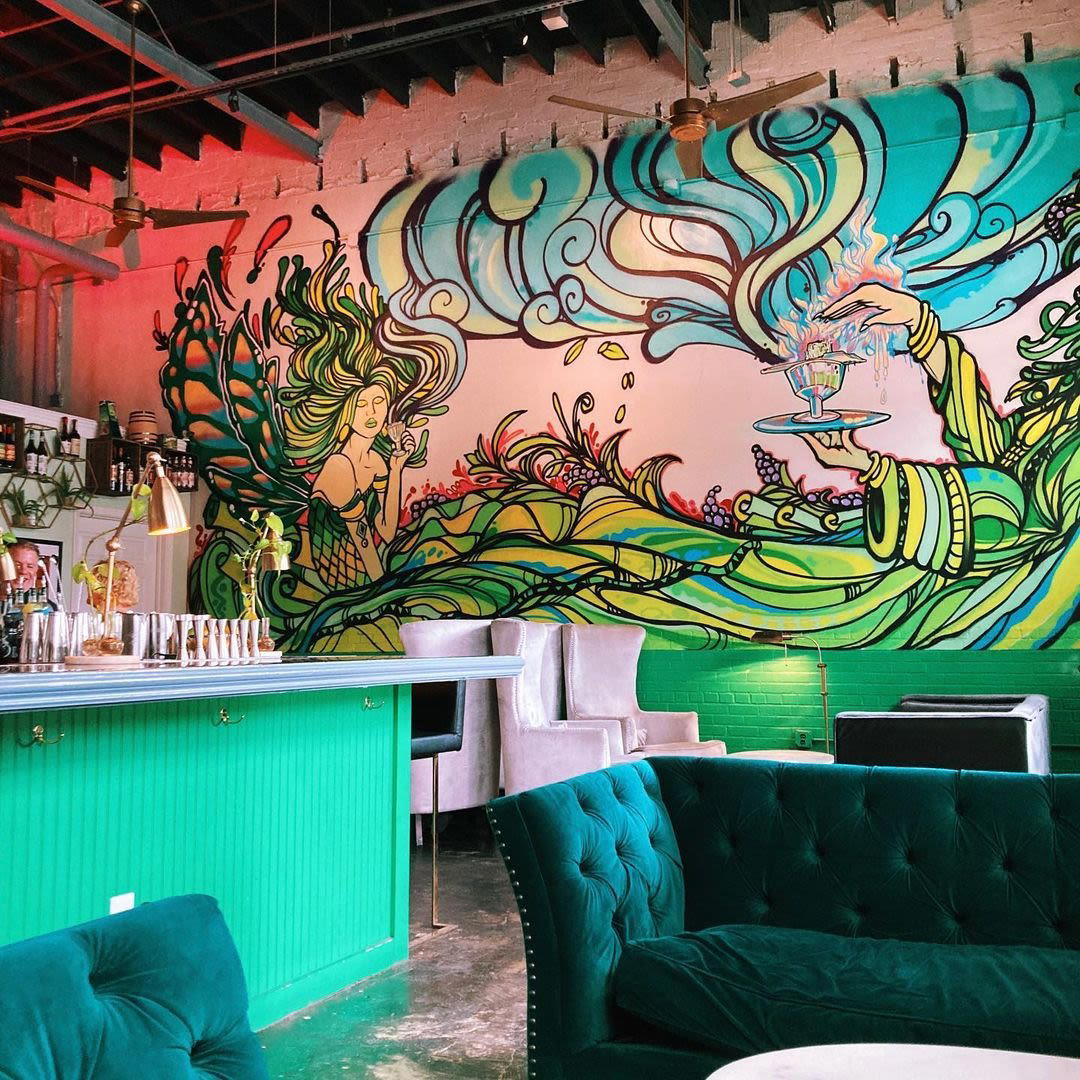
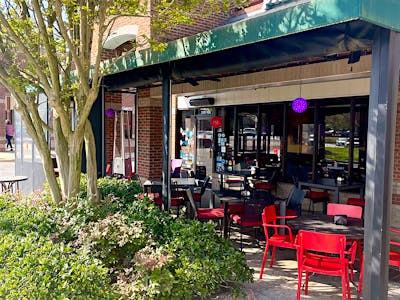
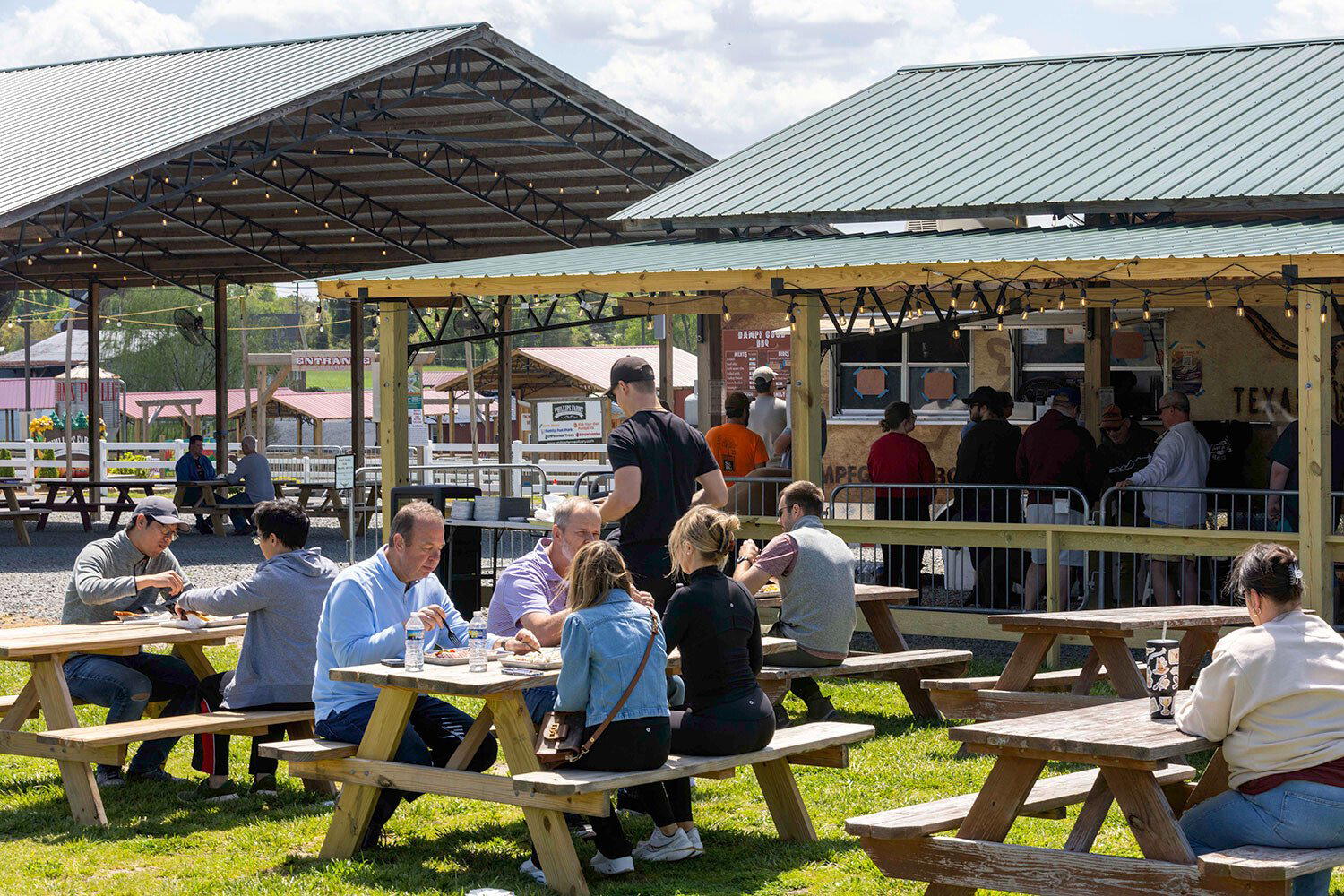
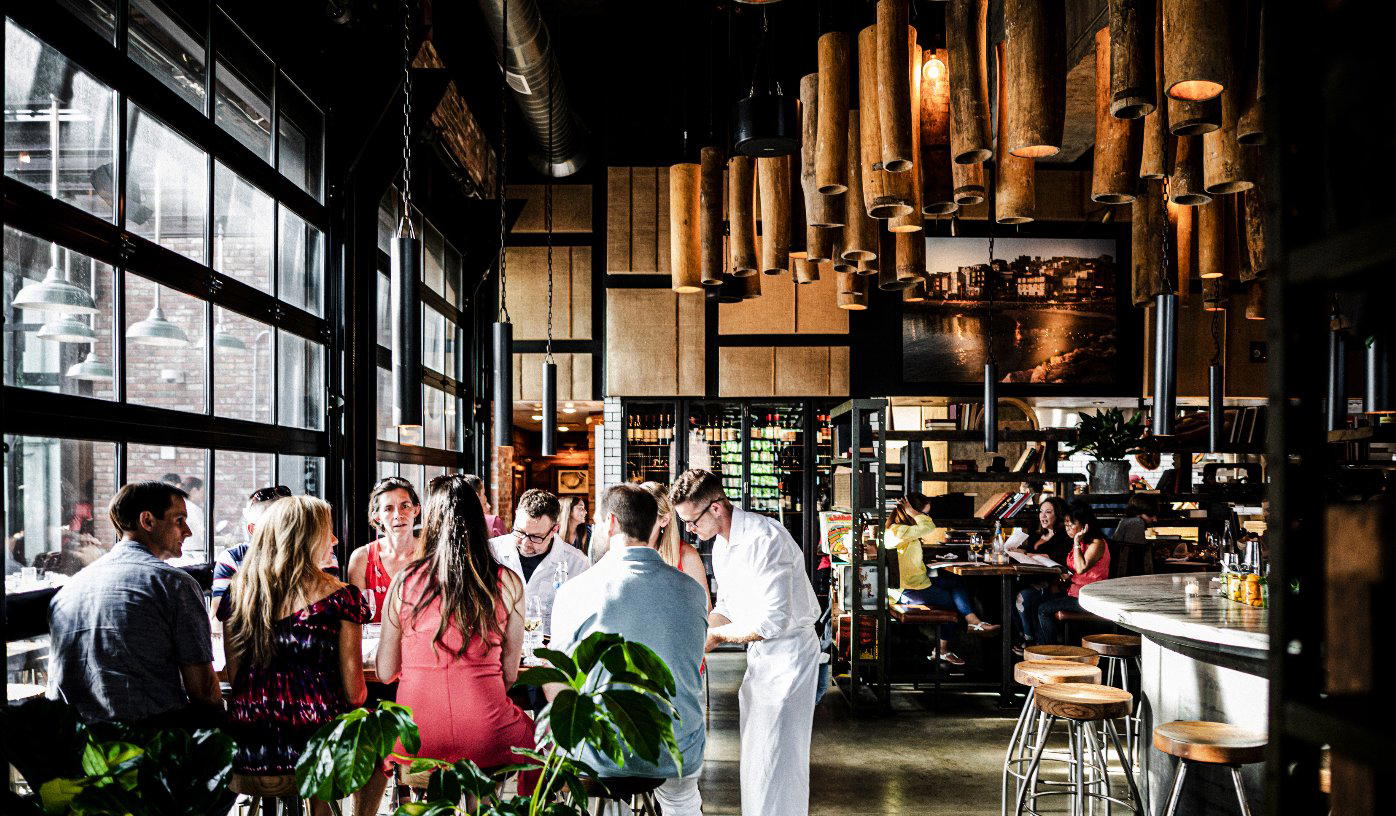
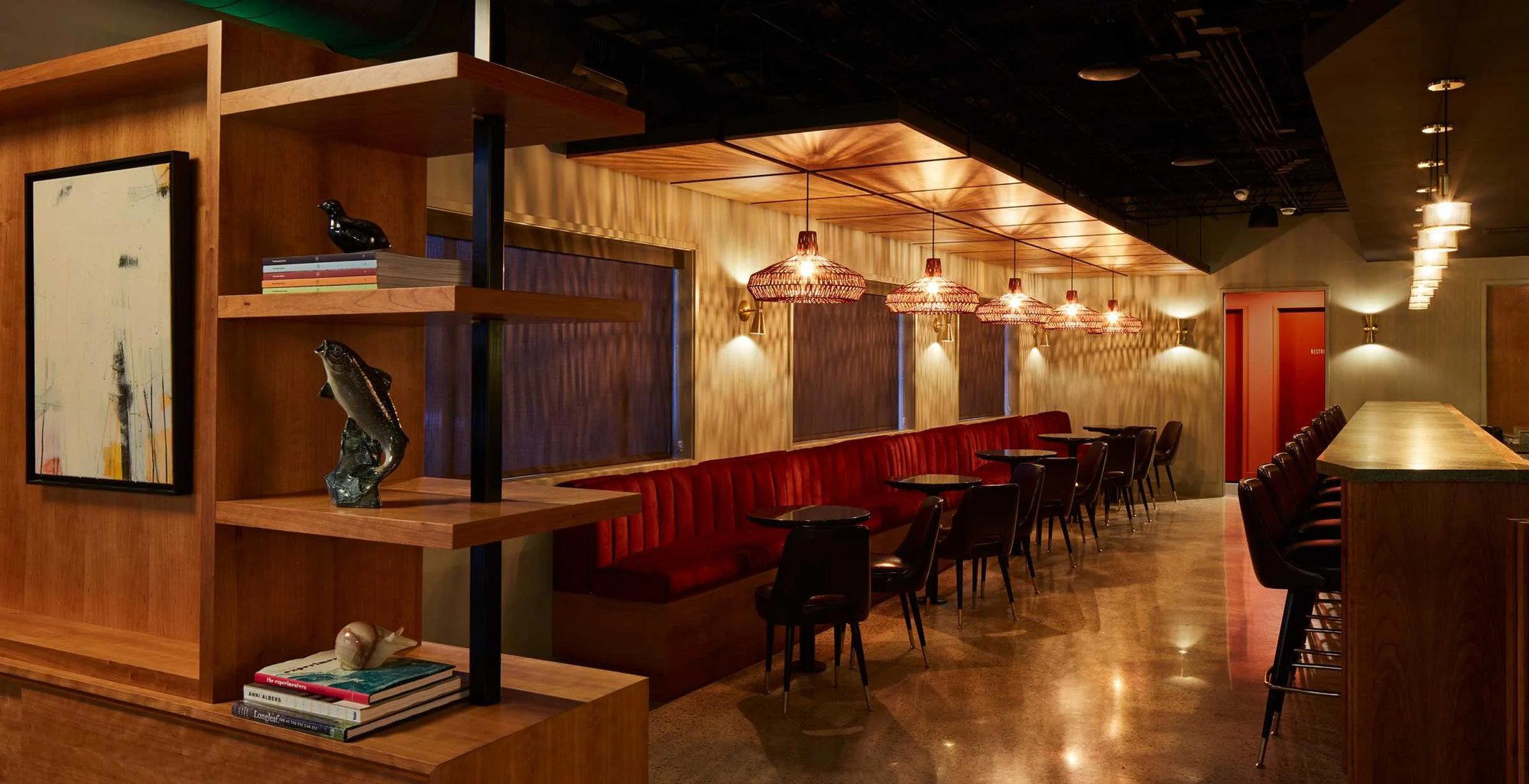
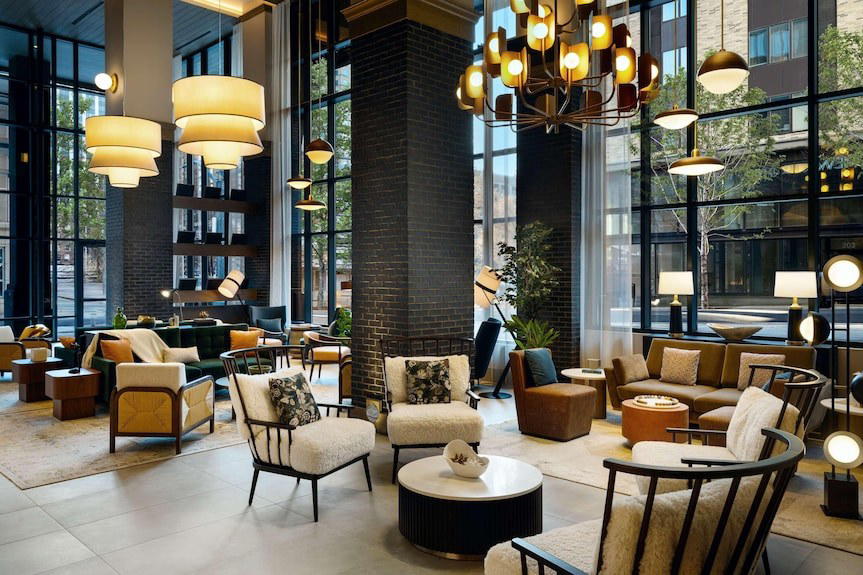
Warm, cozy vibe with classy atmosphere, stylish wood bar, open windows blending inside and outside, quiet and relaxing with sofa seating areas.