Shunji Japanese Cuisine
On a quiet stretch of Ocean Park Boulevard, Shunji Japanese Cuisine occupies a particular position in the West Side dining conversation: a counter-driven Japanese restaurant with a loyal following that spans years, not visits. The draw is precision cooking set against a neighbourhood pace that Los Angeles rarely manages, drawing regulars who treat reservation cycles as a recurring commitment rather than an occasion.
Pearl is the En Primeur Club membership app — saves, bookings, and concierge access live there. Same editors, same standards.
- Address
- 3003 Ocean Park Blvd, Santa Monica, CA 90405
- Website
- shunji-ns.com
- Directions
- Get directions
 Saves & bookings on Pearl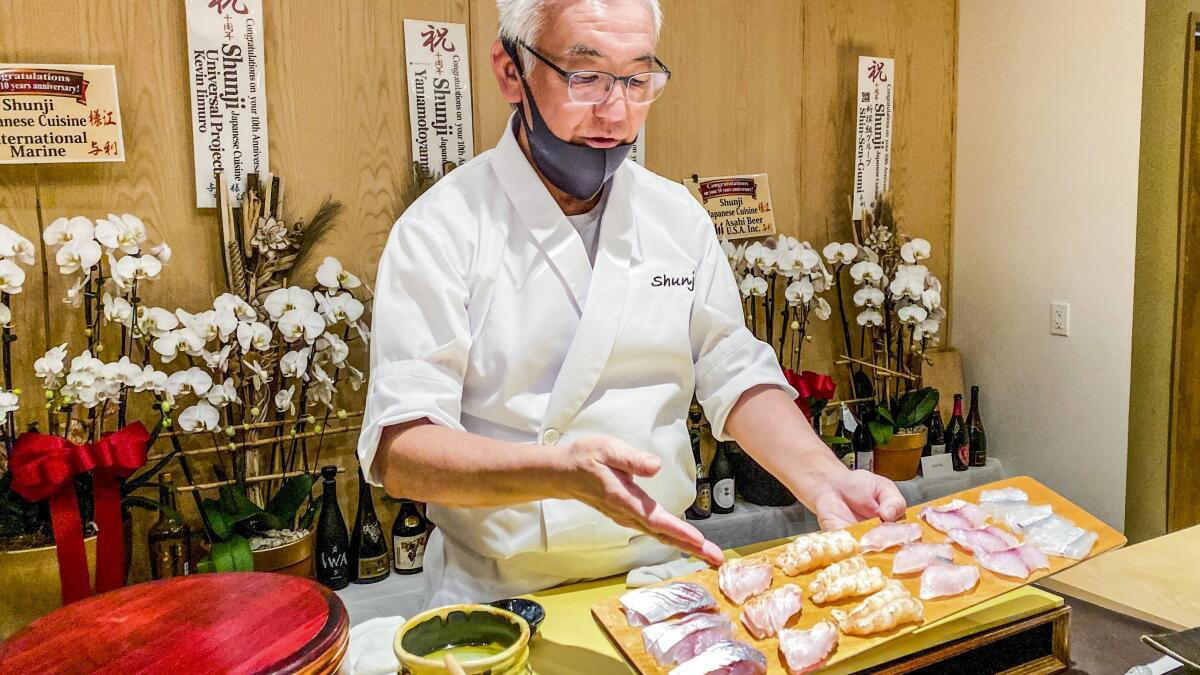
Ocean Park Blvd and the Quiet Ambition of West Side Japanese Dining
The stretch of Ocean Park Boulevard that runs through the southern edge of Santa Monica is not where most visitors expect to find a serious Japanese restaurant. The corridor sits several blocks from the beach-facing glamour of the promenade and the concentrated dining energy of Main Street, occupying a quieter residential-commercial zone where local knowledge matters more than foot traffic. That geographical remove is itself a signal: restaurants that succeed here do so on repeat custom and reputation, not on passing tourists. Shunji Japanese Cuisine has built its standing in exactly that way, drawing a committed following to an address that rewards the deliberate visit over the casual walk-in.
The Physical Container: What the Space Does and Does Not Say
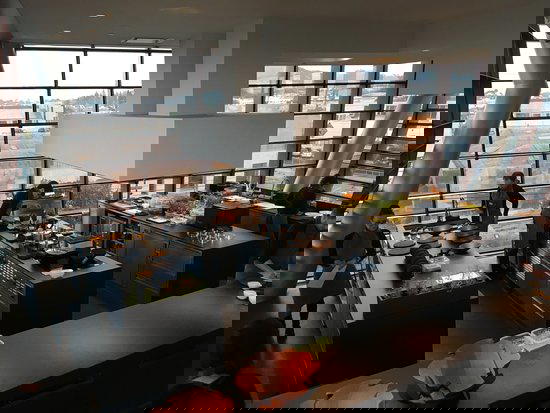
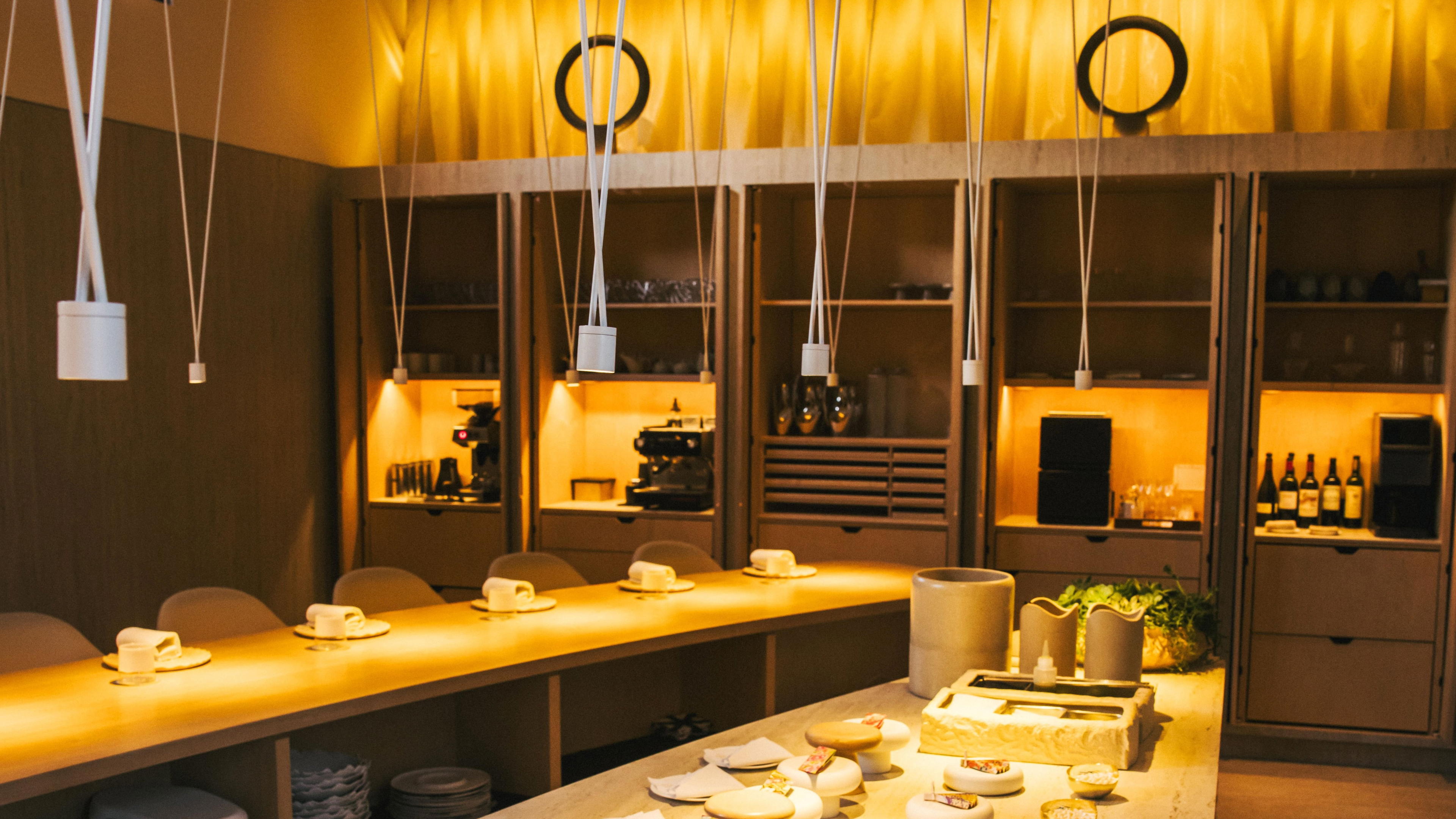
Japanese fine dining in Los Angeles has long occupied a spectrum between two spatial poles. At one end sit the anonymous storefronts of the San Fernando Valley and Little Tokyo, where the room is incidental and the fish is everything. At the other end are the architect-designed counters in West Hollywood and Beverly Hills, where the interior is as curated as the omakase. Shunji occupies a position that leans toward the former without fully committing to it. The room does not announce itself. The architecture is restrained, the proportions modest, the attention directed inward rather than outward. In a city where dining spaces frequently compete for attention on their own terms, that restraint reads as a deliberate choice rather than a limitation.
Counter seating in Japanese fine dining carries its own logic. The counter is not simply a configuration; it is a format that structures the relationship between guest and kitchen, making the preparation visible and the pacing legible. Los Angeles has seen a sustained expansion of counter-format Japanese restaurants over the past decade, particularly in the omakase category, where the intimacy of a small seat count and the theatre of live preparation have drawn both serious diners and the occasion-dining crowd. Within that broader movement, Shunji operates as part of the West Side cohort, geographically distinct from the more concentrated Japanese dining clusters further east.
Where Shunji Sits in the Santa Monica Dining Map
Santa Monica's dining identity has always been pulled between its proximity to the ocean and its proximity to Los Angeles proper. The city's stronger restaurant addresses tend to cluster near the water or along Montana Avenue, while Ocean Park Boulevard functions more as a local corridor. For a comparative read on what the neighbourhood offers across categories, our full Santa Monica restaurants guide maps the broader picture. Shunji's decision to anchor on this quieter stretch places it in a different competitive conversation than venues operating closer to the beach-facing trade.
The Santa Monica dining scene includes venues that compete on volume and visibility, including the seafood-forward Blue Plate Oysterette, the cocktail-anchored programming at 1 Pico, the neighbourhood draw of Birdie G's, and the bar-led format at Calabra. Japanese fine dining sits in a different tier of that map, one defined less by scene energy and more by preparation discipline and sourcing commitment.
The Omakase Tradition in Los Angeles: Context for What Shunji Represents
Omakase dining in Los Angeles has undergone significant structural change over the past fifteen years. What was once a format confined to a handful of deeply traditional operators in Little Tokyo has broadened into a multi-neighbourhood phenomenon, with new counters opening across the West Side, the Eastside, and the Valley. Price points have stratified accordingly, with entry-level omakase now available at accessible price bands and the upper tier of counters operating at price points that compete with New York and Tokyo references. Within this environment, reputation is carried primarily through word of mouth and repeat booking rather than through the kind of mass-market visibility that drives traffic to higher-profile dining corridors.
Japanese cuisine at the serious counter level also has a cocktail question built into it. The pairing culture around omakase tends toward sake, Japanese whisky, or beer, with cocktail culture remaining secondary to the food program. For readers whose primary interest is in cocktail-led programming, venues such as Kumiko in Chicago, Bar Leather Apron in Honolulu, or ABV in San Francisco offer deeper drink programs built around similar precision values. For those whose interest sits in cocktail craft at the highest level across other cities, Jewel of the South in New Orleans, Julep in Houston, Superbueno in New York City, and The Parlour in Frankfurt on the Main each represent their respective city's version of a committed drinks operation.
Planning Your Visit: Practical Orientation
Shunji is located at 3003 Ocean Park Blvd, Santa Monica, CA 90405. The address sits in a part of Santa Monica that is more easily accessed by car than on foot from the beach or the Third Street Promenade area; street parking is available in the surrounding residential blocks. Given the restaurant's following among local regulars and serious diners from across the city, advance planning is advisable. Reservations are essential, and peak weekend tables can book well ahead. Checking availability well in advance of your intended date is the practical minimum.
Reservations are essential, so plan ahead and check current availability before you go. Dress expectations at Japanese fine dining counters in this tier typically run toward smart casual; the focus is on the food rather than on formal presentation codes.
The Longer Argument for Ocean Park Boulevard
What restaurants like Shunji represent in the broader Santa Monica and Los Angeles dining map is a particular kind of durability. The venues that outlast trend cycles on quieter corridors tend to do so because the cooking is the reason for the visit, not the scene surrounding it. Los Angeles has many restaurants that are difficult to book because the room is photographed or the clientele is observed. The counters that remain consistently reserved because the food warrants it occupy a more durable position. Whether Shunji belongs in that category is a judgment that its regulars have already made; the booking pattern is the evidence.
The Quick Read
Comparable venues nearby, for context on price, style, and recognition.
| Venue | Cuisine | Price | Notes |
|---|---|---|---|
| Shunji Japanese CuisineThis venue — the venue you are viewing | Not listed | $$$$ | Not listed |
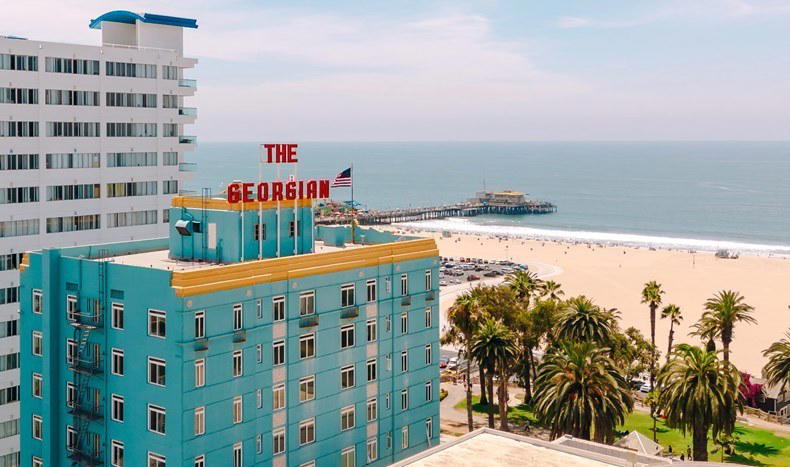
| The Georgian Hotel | Pico Neighborhood Association, speakeasy | $$$ | Not listed |
| Esters Wine Shop & Oyster Bar | Not listed | $$$ | Downtown Santa Monica, wine_bar |
| Cosetta | Not listed | $$ | Ocean Park, cocktail_bar |
| Ye Olde King's Head | Pico Neighborhood Association, pub | $$ | Not listed |
| 1 Pico | Not listed | $$$$ | Ocean Park, hotel_bar |
Continue exploring
More in Santa Monica
Bars in Santa Monica
Browse all →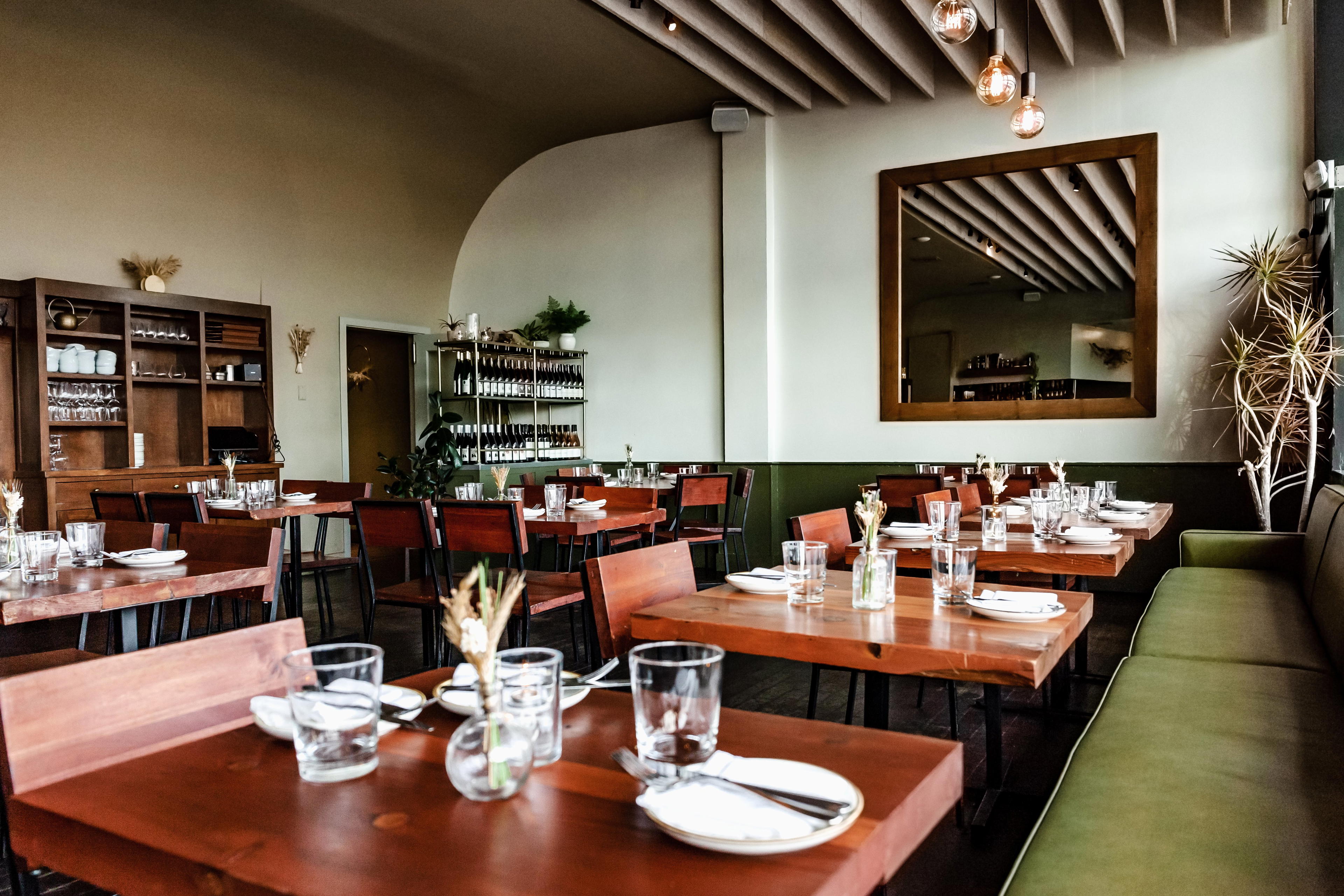
Restaurants in Santa Monica
Browse all →
Hotels in Santa Monica
Browse all →
Wineries in Santa Monica
Browse all →
At a Glance
- Elegant
- Sophisticated
- Minimalist
- Intimate
- Special Occasion
- Date Night
- Design Destination
- Counter Only
- Sake
Current opening hours
- Monday
- Closed
- Tuesday
- 6–8 PM
- Wednesday
- 5–8 PM
- Thursday
- 5–8 PM
- Friday
- 5–8 PM
- Saturday
- 5–8 PM
- Sunday
- Closed
Hours can change for holidays and private events. Last verified .
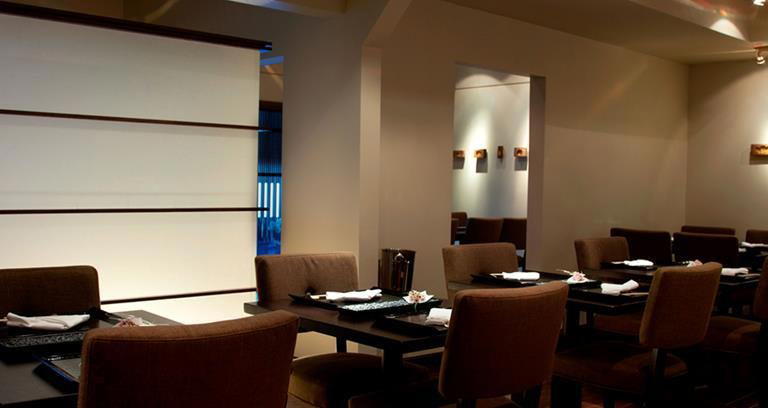
Serene minimalist interior with clean lines, soft refined lighting, natural materials, and smooth jazz.