The Georgian Hotel
The Georgian Hotel sits on Ocean Avenue in Santa Monica, a 1933 Art Deco landmark where the Pacific horizon frames a dining and drinking scene that draws on California's coastal larder. The property occupies a distinct position on Santa Monica's hospitality corridor, where historic architecture and proximity to the water set a particular register for what happens inside.
Pearl is the En Primeur Club membership app — saves, bookings, and concierge access live there. Same editors, same standards.
- Address
- 1415 Ocean Ave, Santa Monica, CA 90401
- Phone
- +1 310 395 9945
- Website
- thegeorgian.com
- Directions
- Get directions
 Saves & bookings on Pearl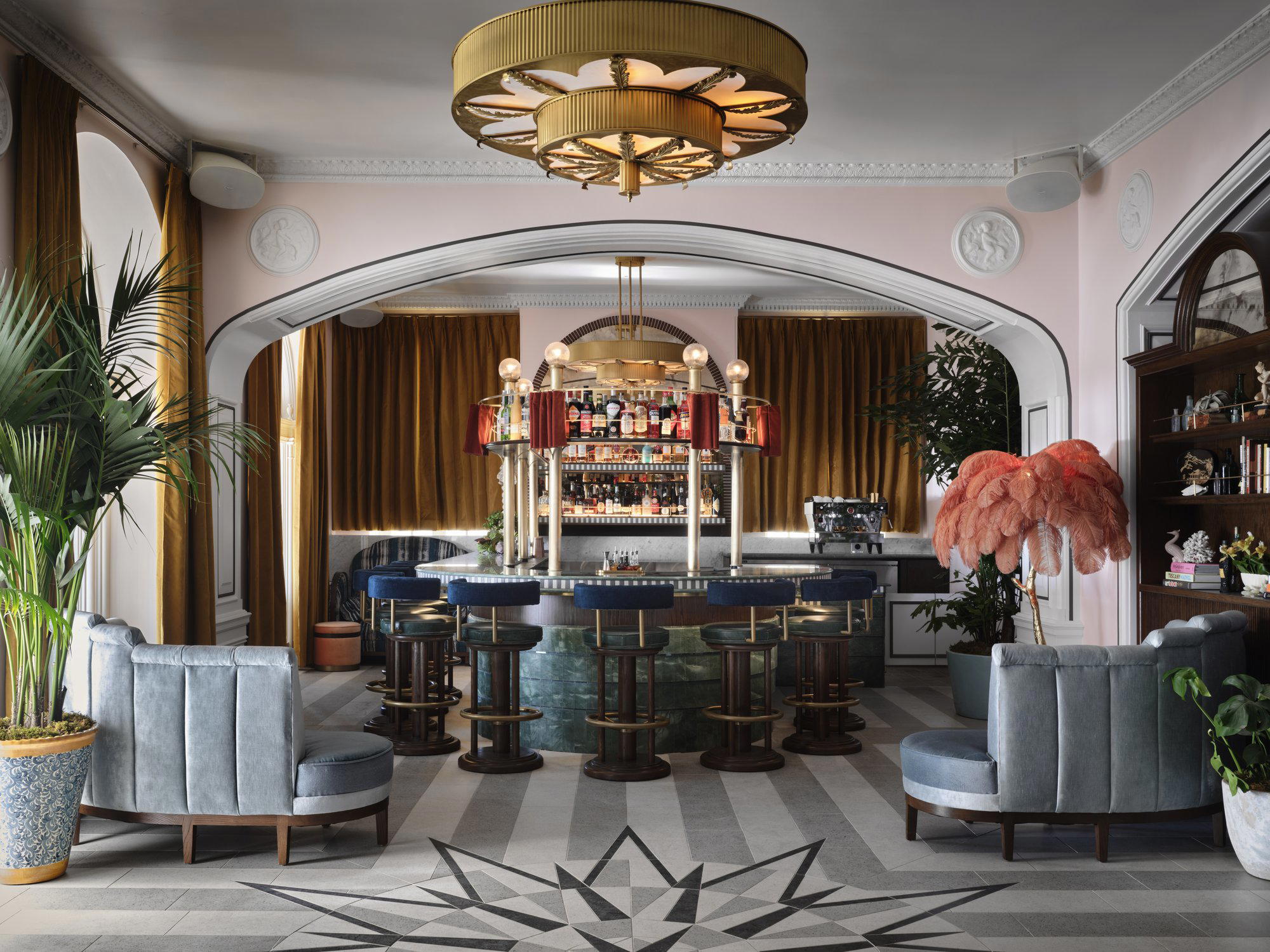
Ocean Avenue and the Weight of the Building
There is a specific quality of light on Ocean Avenue in the late afternoon, when the sun drops toward the Pacific and the palms along Palisades Park throw long shadows across the facade of 1415. The Georgian Hotel, built in 1933, sits at that intersection of Santa Monica's civic self-image and its coastline: an Art Deco structure in teal and cream that reads as an architectural statement before it reads as a hotel. The building's history precedes the modern Santa Monica dining corridor by decades, and that context shapes the expectation a guest brings through the door before a single plate or glass arrives.
Santa Monica's Ocean Avenue has consolidated into one of Los Angeles County's more legible hospitality strips, where proximity to the water, a walkable promenade, and a tourist base sophisticated enough to expect serious food and drink have pushed properties to compete on program quality rather than location alone. The Georgian operates in that environment, positioned as a historic anchor on a stretch where newer, design-forward competitors set the commercial tempo.
California's Coastal Larder and What Hotels Do With It
The editorial conversation around California coastal dining has shifted considerably over the past decade. The earlier template, foregrounded by restaurants like Wolfgang Puck's Chinois on Main a few blocks east on Main Street, fused French and Asian technique with California product in a way that felt genuinely disruptive in the 1980s. That fusion framework has since been absorbed into the baseline, and what now separates serious California hotel dining from the merely functional is the specificity of sourcing and the coherence between local product and imported technique.
Santa Monica sits at the western edge of a supply chain that runs from the Channel Islands fisheries offshore to the farms of the Oxnard Plain and the Central Valley further north. The Santa Monica Farmers Market, operating on Wednesdays and Saturdays at Arizona Avenue a few blocks inland, has functioned as a procurement infrastructure for the city's better kitchens for years. Hotel programs that engage that network, rather than defaulting to broadline distribution, occupy a different tier in terms of what a guest actually encounters on the plate.
The intersection of imported culinary method and indigenous California product is where the most interesting hotel dining in this market tends to happen. Techniques arriving from European or Japanese training traditions, applied to Dungeness crab from the Northern California coast, stone fruit from Brentwood or Fresno, or early-season asparagus from the Salinas Valley, produce a register that is genuinely Californian rather than derivative. That is the creative space available to a hotel kitchen at this address, with the farmers market a short walk away and the Santa Monica Bay's fishing activity visible from the upper floors.
Where The Georgian Sits in the Santa Monica Hospitality Set
Santa Monica's hotel bar and restaurant scene has stratified along a few clear lines. Properties like 1 Pico at Shutters on the Beach operate with a beach-house register and a California-casual program that leans heavily on the visual drama of the water. Birdie G's on Lincoln Boulevard represents the neighborhood-restaurant tier, drawing a local clientele with a Midwestern-inflected comfort food approach. Blue Plate Oysterette on Ocean Avenue occupies a more casual seafood position at an approachable price. Calabra brings a Levantine and Mediterranean program to the mix, adding a different technique tradition to the neighborhood's overall culinary range.
The Georgian's historic positioning, a landmark property rather than a new build, creates a different kind of authority from any of those comparisons. The architecture implies a formal register without mandating one, which gives the food and beverage program room to operate across a range of occasion types, from a morning coffee in sight of the ocean to a dinner grounded in California seasonal product.
For reference points on how hotel bar programs at comparable historic properties are being developed elsewhere in the United States, it is useful to look at what is happening at venues like Jewel of the South in New Orleans, which anchors itself in the deep cocktail heritage of the Gulf South, or Kumiko in Chicago, where Japanese technique applied to American spirits has produced one of the more coherent bar programs in the Midwest. On the West Coast, ABV in San Francisco represents the high-rigor, ingredient-forward cocktail approach that California's bar culture has increasingly adopted as a standard. Bar Leather Apron in Honolulu applies a similar precision to the Pacific Rim context. These programs share a commitment to technique depth and local sourcing that sets a benchmark for what is achievable in a coastal American hotel setting. In the Southern United States, Julep in Houston demonstrates how a specific regional tradition can anchor an entire program without becoming a caricature of it. Superbueno in New York City applies a similar specificity to Mexican-inspired drinking culture. The Parlour in Frankfurt on the Main shows how European hotel bars are reorienting around craft and local identity rather than generic international programming.
Planning a Visit
The Georgian Hotel sits at 1415 Ocean Avenue, Santa Monica, CA 90401, directly across from Palisades Park and within walking distance of the Santa Monica Pier to the south and the Third Street Promenade commercial district three blocks east. The location makes it a practical base for anyone approaching Santa Monica without a car, as the Expo Line's Downtown Santa Monica terminus sits within a ten-minute walk. The hotel's position on Ocean Avenue places it in the same visual corridor as the Pacific, meaning rooms and public spaces that face west capture the sunset directly, which affects the atmosphere of the late-afternoon and early-evening hours considerably. Visitors to the area with broader dining interests can consult our full Santa Monica restaurants guide for a more complete picture of what the neighborhood offers across different price points and cuisines.
Continue exploring
More in Santa Monica
Bars in Santa Monica
Browse all →
Restaurants in Santa Monica
Browse all →
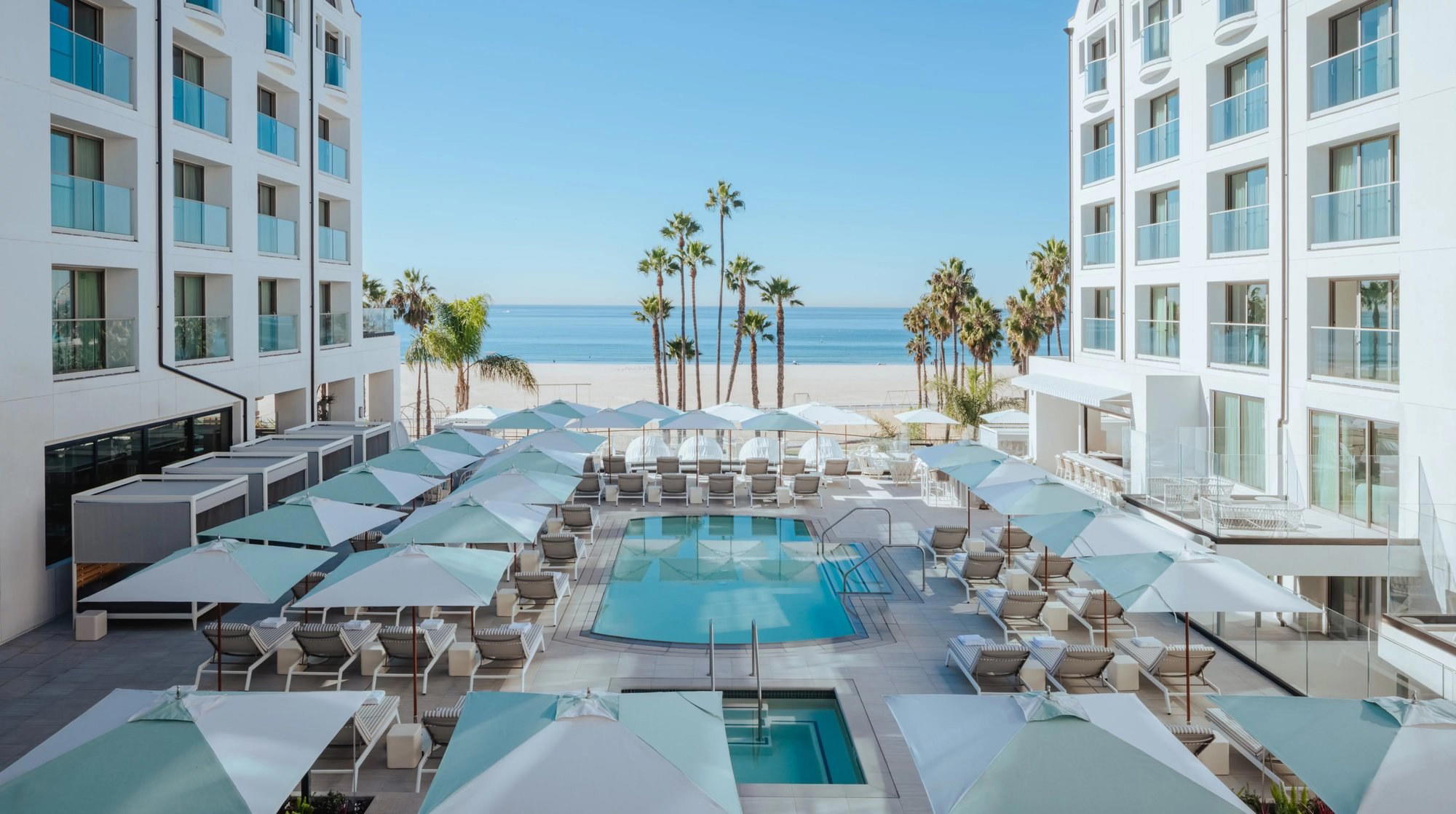
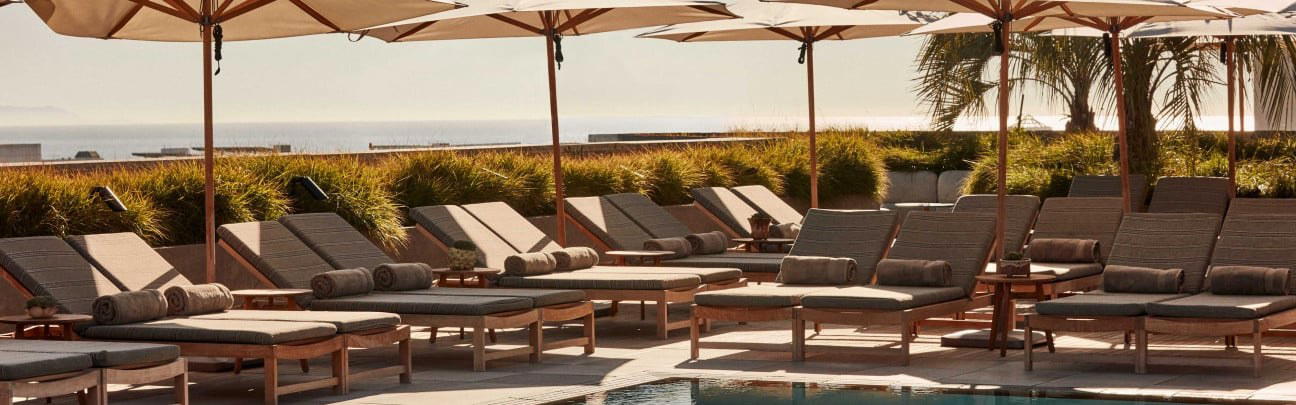
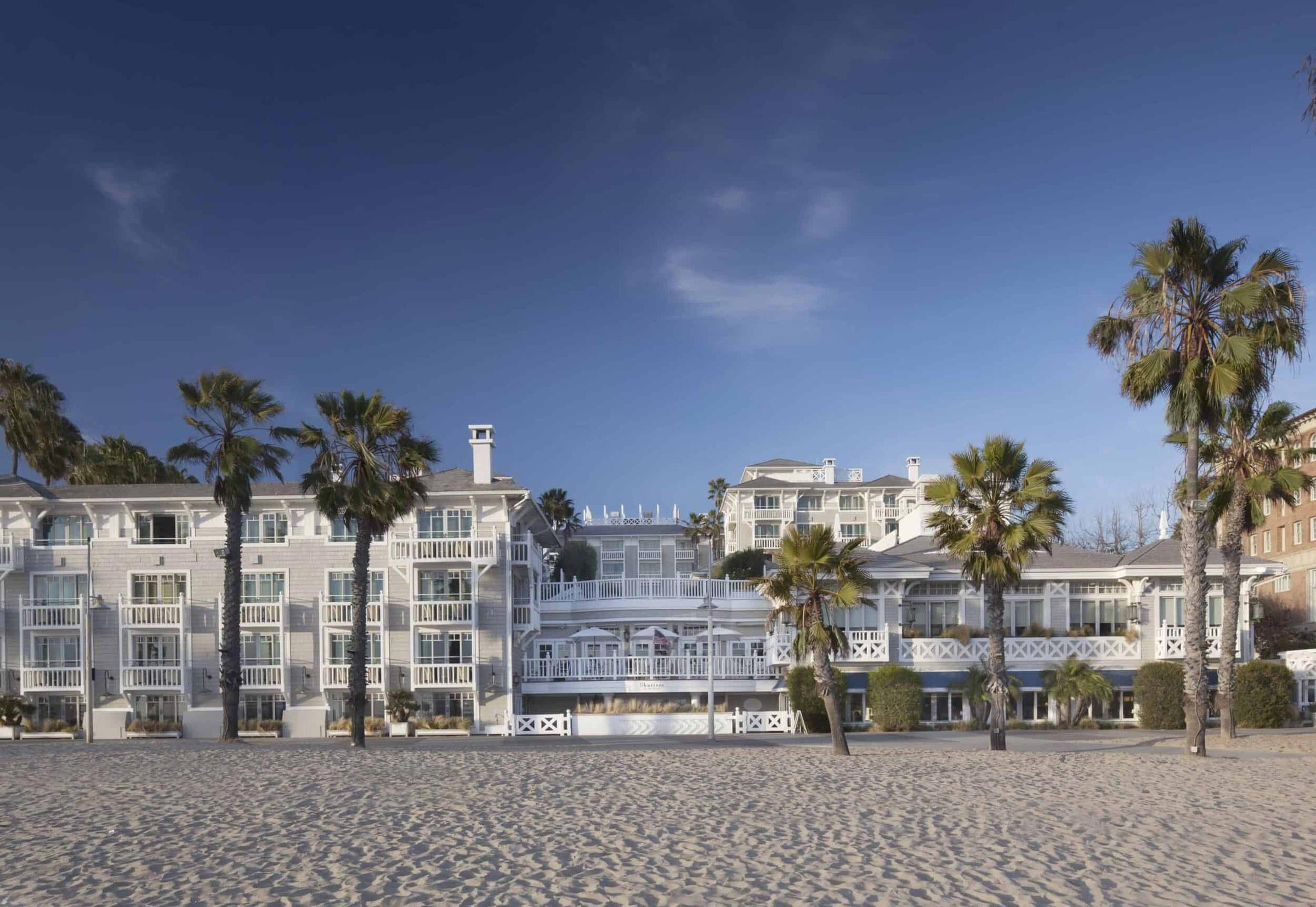
Hotels in Santa Monica
Browse all →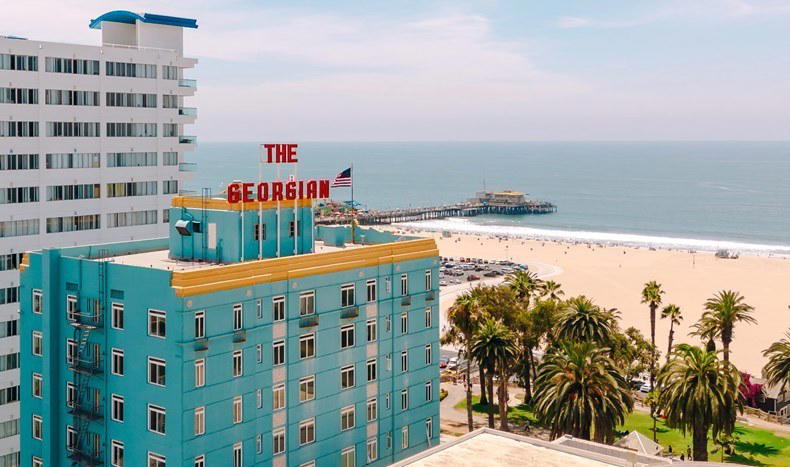
Wineries in Santa Monica
Browse all →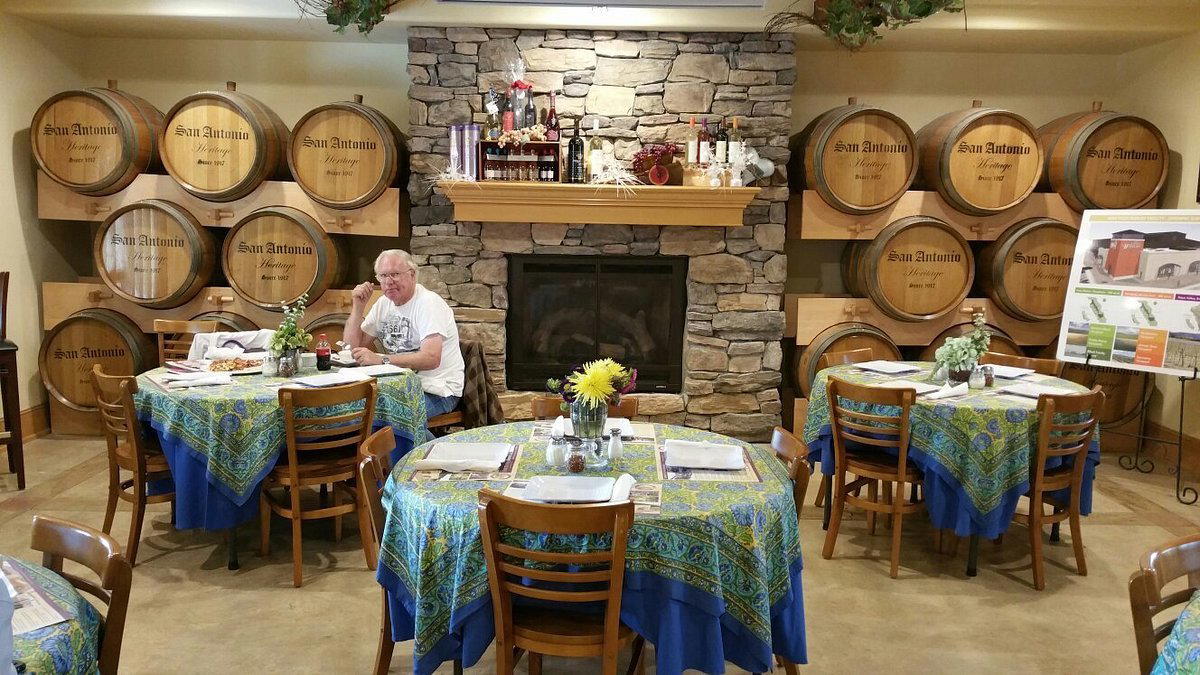
At a Glance
- Romantic
- Elegant
- Well Known
- Sophisticated
- Classic
- Date Night
- Special Occasion
- Celebration
- Speakeasy
- Live Music
- Waterfront
- Historic Building
- Design Destination
- Hotel Bar
- Panoramic View
- Seated Bar
- Booth Seating
- Lounge Seating
- Outdoor Terrace
- Craft Cocktails
- Classic Cocktails
- Conventional Wine
- Bottle Service
- Waterfront
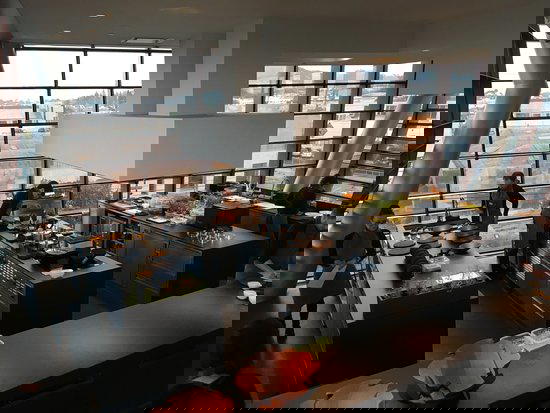
Warm golden lighting with mirrored walls, geometric fixtures, and plush velvet seating create an intimate, glamorous Old Hollywood atmosphere enhanced by live jazz music and vintage décor.
Know Before You Go
- Getting there
- 1415 Ocean Ave, Santa Monica, CA 90401