Shimogamo Japanese Restaurant
A Japanese restaurant on West Warner Road in Chandler, Arizona, Shimogamo occupies a stretch of the southwest Valley where consistent neighborhood regulars define the dining rhythm more than transient foot traffic. The address places it within Chandler's broader mix of independent and chain options, making it a reference point for residents seeking Japanese cuisine in the area.

Pearl is the En Primeur Club membership app, where members save venues, book tables and use the concierge.
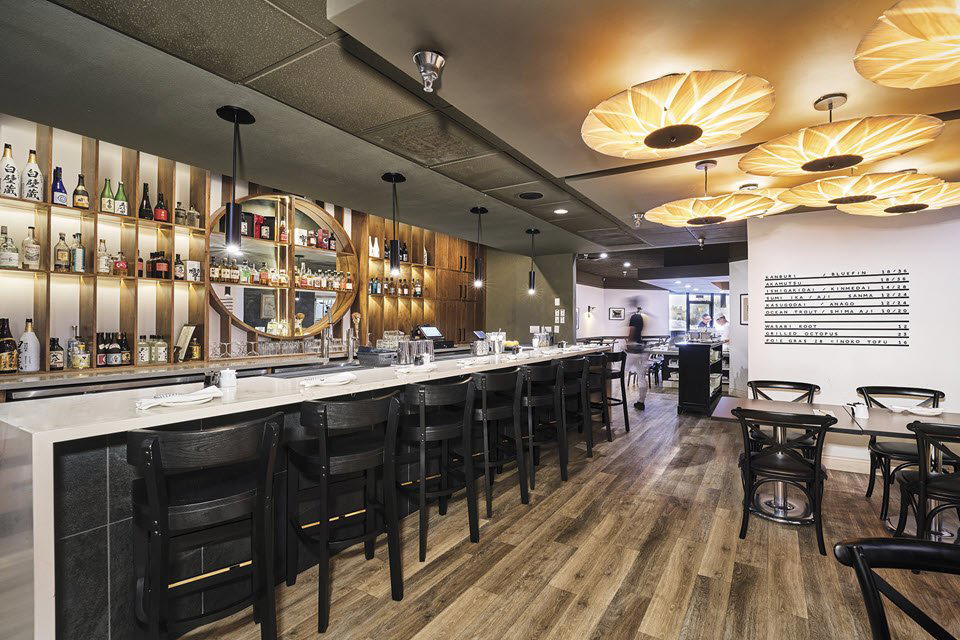
Where Chandler's West Side Eats Japanese
West Warner Road in Chandler runs through a stretch of the Valley that operates on a different logic than the city's more trafficked dining corridors near Downtown Chandler or the Ocotillo district. The restaurants here earn their clientele through repetition rather than occasion: these are the places people return to on a Tuesday, not the ones they photograph for a special event. Shimogamo Japanese Restaurant, at 2051 W Warner Rd, sits in that category. The address puts it squarely in a residential-commercial mix where the dining decision tends to be practical, loyal, and local.
Japanese restaurants in the American Southwest occupy an interesting position in the broader national picture. The regional market has grown substantially over the past two decades, pushed by both population growth and a rising familiarity with Japanese cuisine beyond the sushi-and-teriyaki baseline that defined the category in earlier eras. In a market like metro Phoenix, which includes Chandler's significant suburban footprint, diners increasingly expect the category to include ramen, izakaya formats, and Japanese-inflected small plates alongside the more established offerings. The venues that build genuine regulars in this environment are usually the ones that do something specific well enough that it becomes a reason to return, rather than trying to represent every corner of the cuisine.
The Regulars' Calculus
Understanding what keeps a local Japanese restaurant's returning clientele coming back is more useful than cataloguing its menu in the abstract. In Chandler's west side, the competitive set for a neighborhood Japanese spot includes a wide range of options: from the carnivore-focused comfort of DC Steak House to the casual, taco-driven appeal of Backyard Taco - Chandler. That range tells you something about the dining habits of the area: these are neighborhoods where people eat out frequently and expect value alongside quality. A Japanese restaurant operating here succeeds by being reliable, not by being ambitious in ways that put off the returning weeknight crowd.
The regulars at a venue like Shimogamo are making a different kind of choice than the ones who seek out a reservation-only omakase counter in Scottsdale or a ramen specialist in Tempe. They are choosing proximity, familiarity, and the particular comfort of knowing what they are getting. That calculus is not a lesser form of dining loyalty, it is the foundation of how neighborhood restaurants survive in a metro market where new openings arrive constantly. For context, our full Chandler restaurants guide maps how Shimogamo fits into the city's wider dining geography alongside spots like Antojitos LindaMar CHANDLER and American Way Smokehouse.
Japanese Cuisine in the Southwest Suburban Context
Phoenix's suburban Japanese dining scene operates at some remove from the coast-facing conversations about Japanese food quality in the United States. Cities like New York, San Francisco, Chicago, and Honolulu have developed dense competitive sets for Japanese cuisine, with bars and restaurants whose drink and food programs have attracted sustained critical attention. Kumiko in Chicago, for instance, sits at the intersection of Japanese techniques and American bartending with a level of format discipline that the broader market rarely attempts. Bar Leather Apron in Honolulu operates in a market where Japanese cultural influence is woven into the city's drinking culture at a structural level. ABV in San Francisco and Jewel of the South in New Orleans represent different takes on how specialist programs earn sustained local loyalty in competitive urban markets.
The suburban Arizona version of this picture is necessarily different. Chandler does not have the density or the demographic concentration that drives specialist Japanese programming at that level. What it has instead is a large, repeat-dining residential base that values accessibility and consistency. The Japanese restaurants that hold ground here over years are the ones that read their specific neighborhood correctly, knowing that the person coming back for the third time this month is more valuable than the occasional visitor from another part of the metro.
Bars and restaurants nationally show a similar bifurcation. Julep in Houston, Superbueno in New York City, and The Parlour in Frankfurt each occupy positions in their respective markets that depend on local loyalty as much as destination appeal. The mechanism differs by city and format, but the underlying point holds: regulars are what sustain a venue between the moments of outside attention.
Planning Your Visit
Shimogamo is located at 2051 W Warner Rd, Chandler, AZ 85224, in a commercial corridor that is accessible by car with direct parking typical of west Chandler's strip-adjacent development pattern. Japanese restaurants in this price tier and format across the Phoenix metro typically operate on a walk-in basis for weekday visits, with weekend evenings occasionally running waits during peak dinner hours. The broader west Chandler area provides adjacent options if the timing does not work, making it a practical stop within a larger evening in the neighborhood.
Cuisine-First Comparison
Comparable venues nearby, for context on price, style, and recognition.
| Venue | Cuisine | Price | Notes |
|---|---|---|---|
| Shimogamo Japanese RestaurantThis venue (the venue you are viewing) | sake_bar | $50–100 | Not listed |
| SanTan Gardens - Brewery & Distillery Tours | beer_bar | $20–30 | Warner Road |
| The Ostrich | speakeasy | $20–30 | Downtown Chandler |
| Backyard Taco - Chandler | Bar | $10–20 | East Valley |
| American Way Smokehouse | Bar | $20–30 | Merchant Square |
| Rebel & Rogue | pub | $20–30 | Downtown Chandler |
Continue exploring
More in Chandler
Bars in Chandler
All bars in Chandler →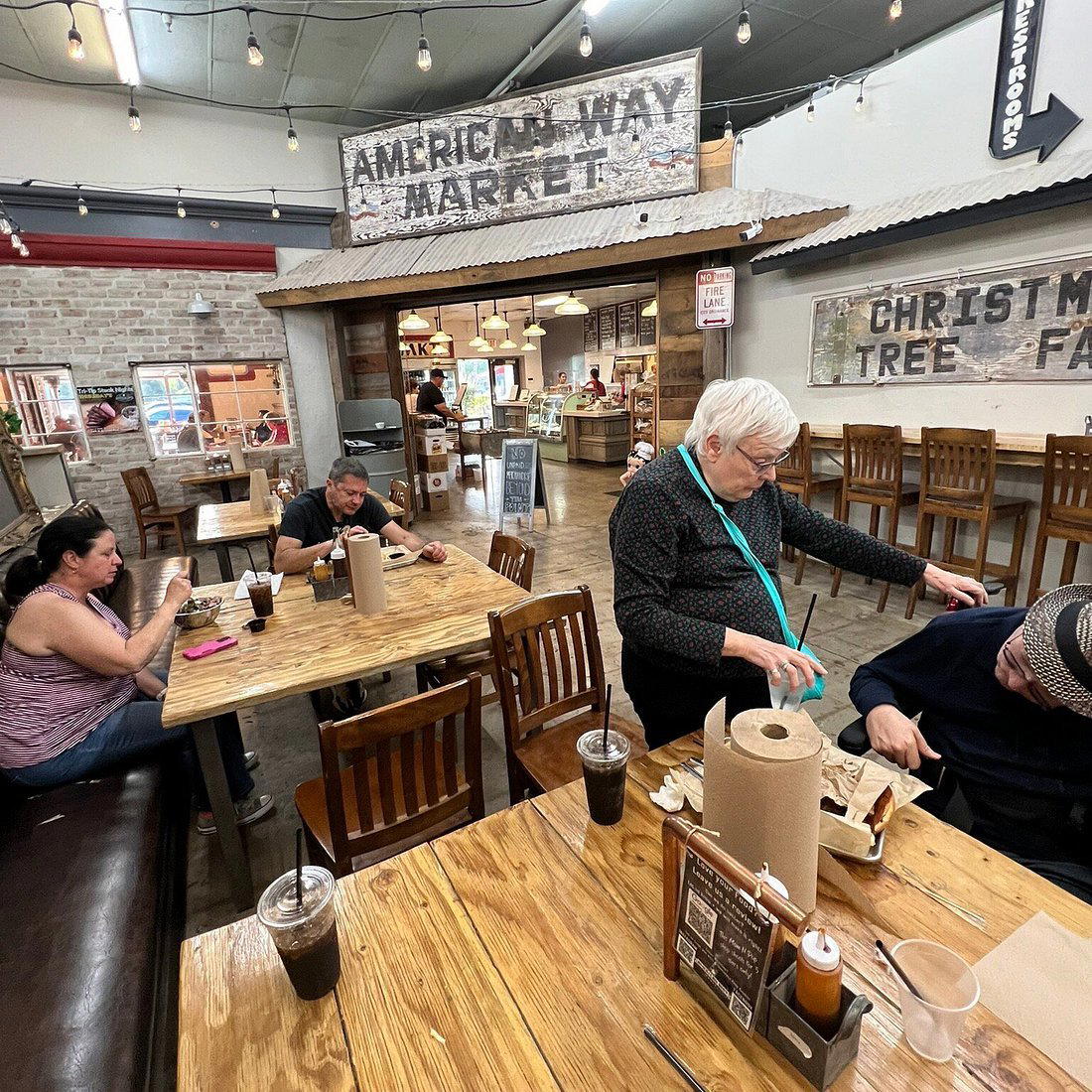
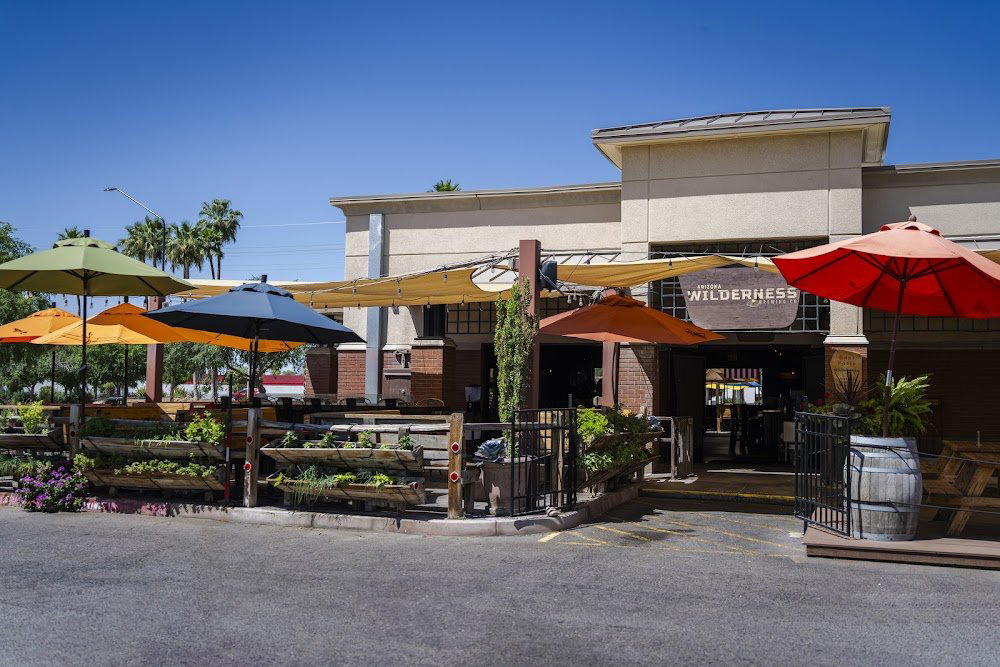
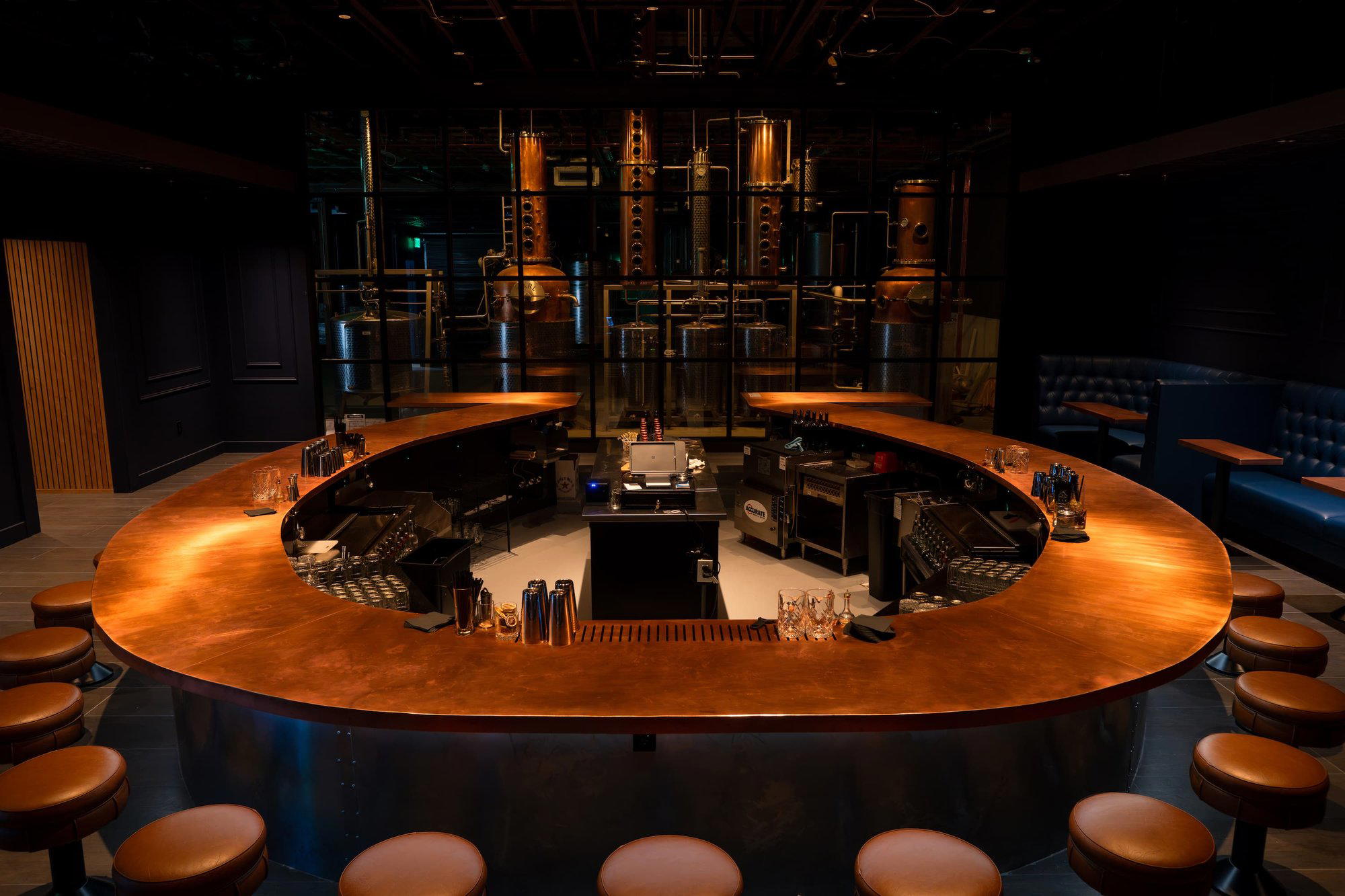
Restaurants in Chandler
All restaurants in Chandler →
Shimogamo Japanese Restaurant
The drinks
- Craft cocktails
Signature drinks: Nanzen Golden Hour, Miyabi Sour, Kamogawa Breeze.
Details
- Cozy
- Elegant
- Modern
- Date Night
- Special Occasion
- Standalone
- Seated Bar
- Lounge Seating
- Craft Cocktails
- Sake
Current opening hours
- Monday
- Closed
- Tuesday
- 5–8:15 PM
- Wednesday
- 5–8:15 PM
- Thursday
- 5–8:15 PM
- Friday
- 11:30 AM–2 PM, 5–9 PM
- Saturday
- 11:30 AM–2 PM, 5–9 PM
- Sunday
- 11:30 AM–2 PM, 5–8:15 PM
Hours can change for holidays and private events. Hours as of .
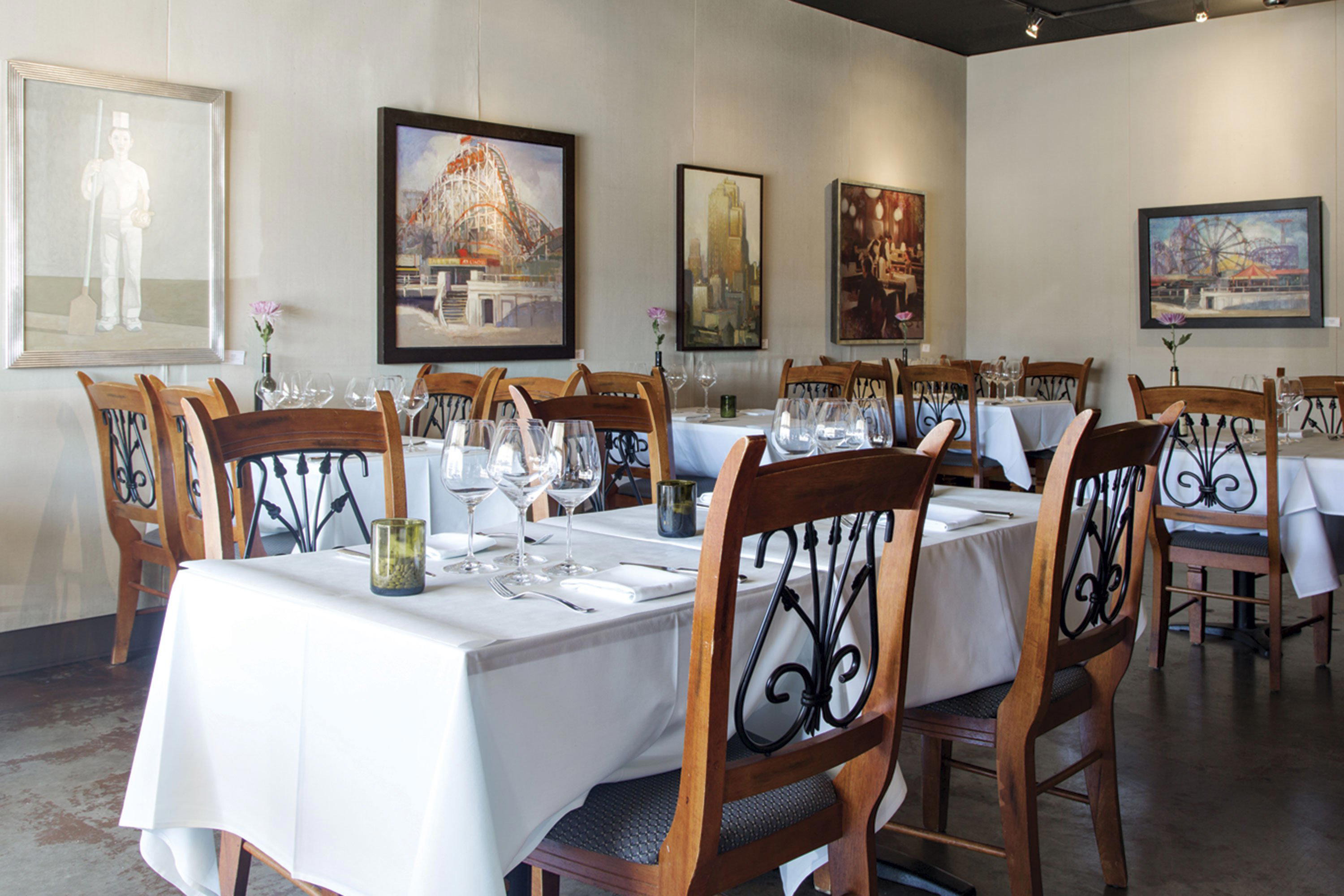
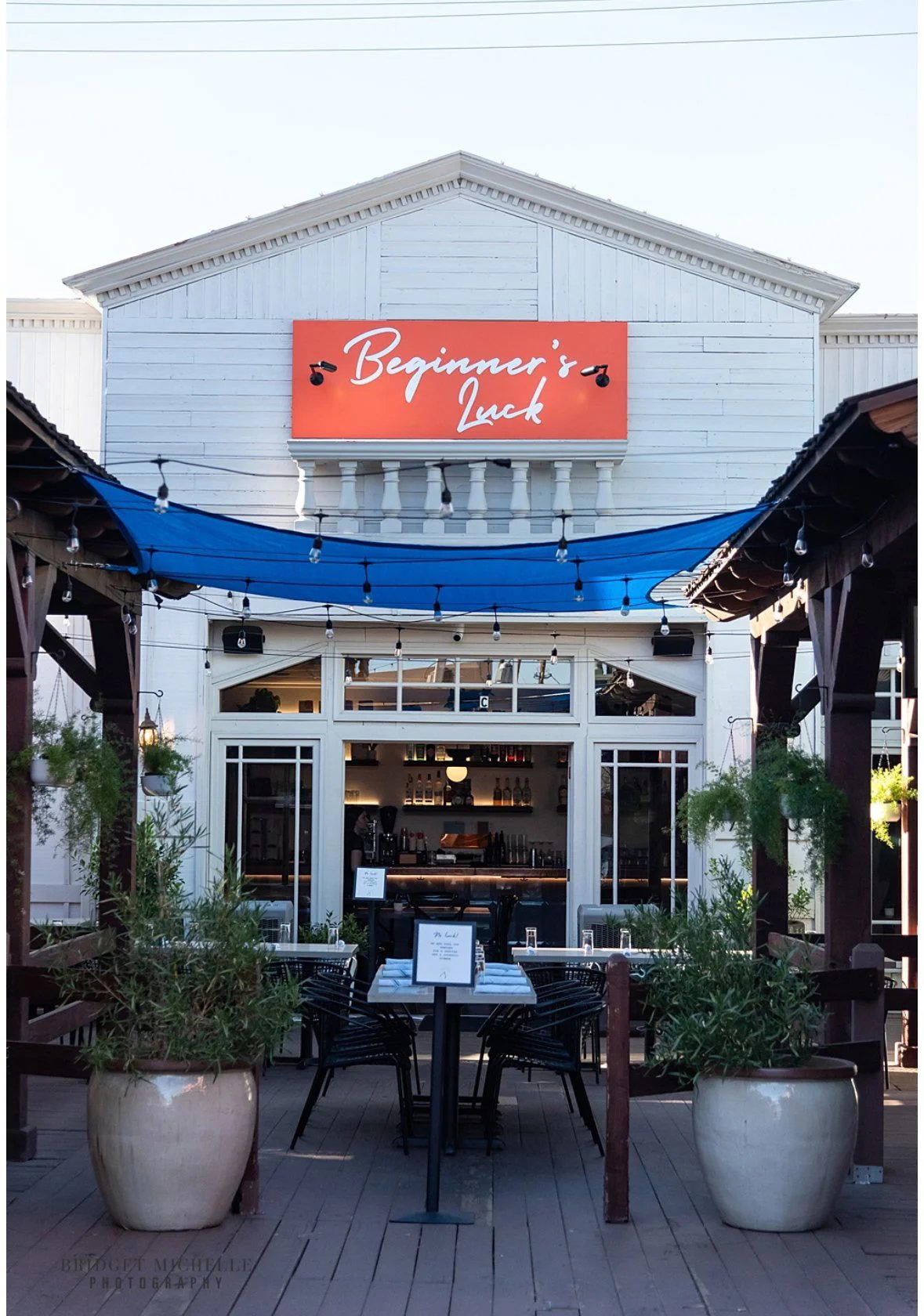
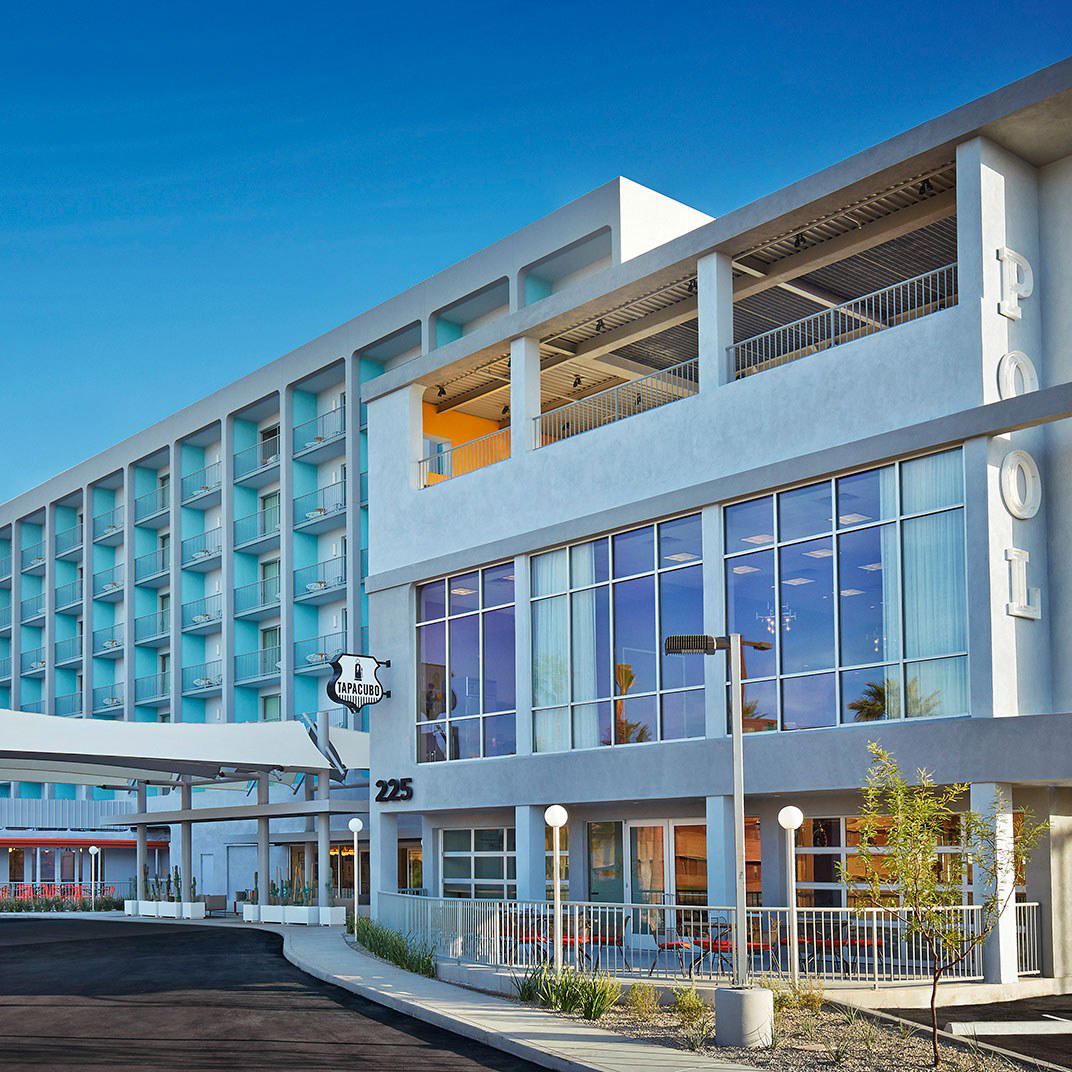
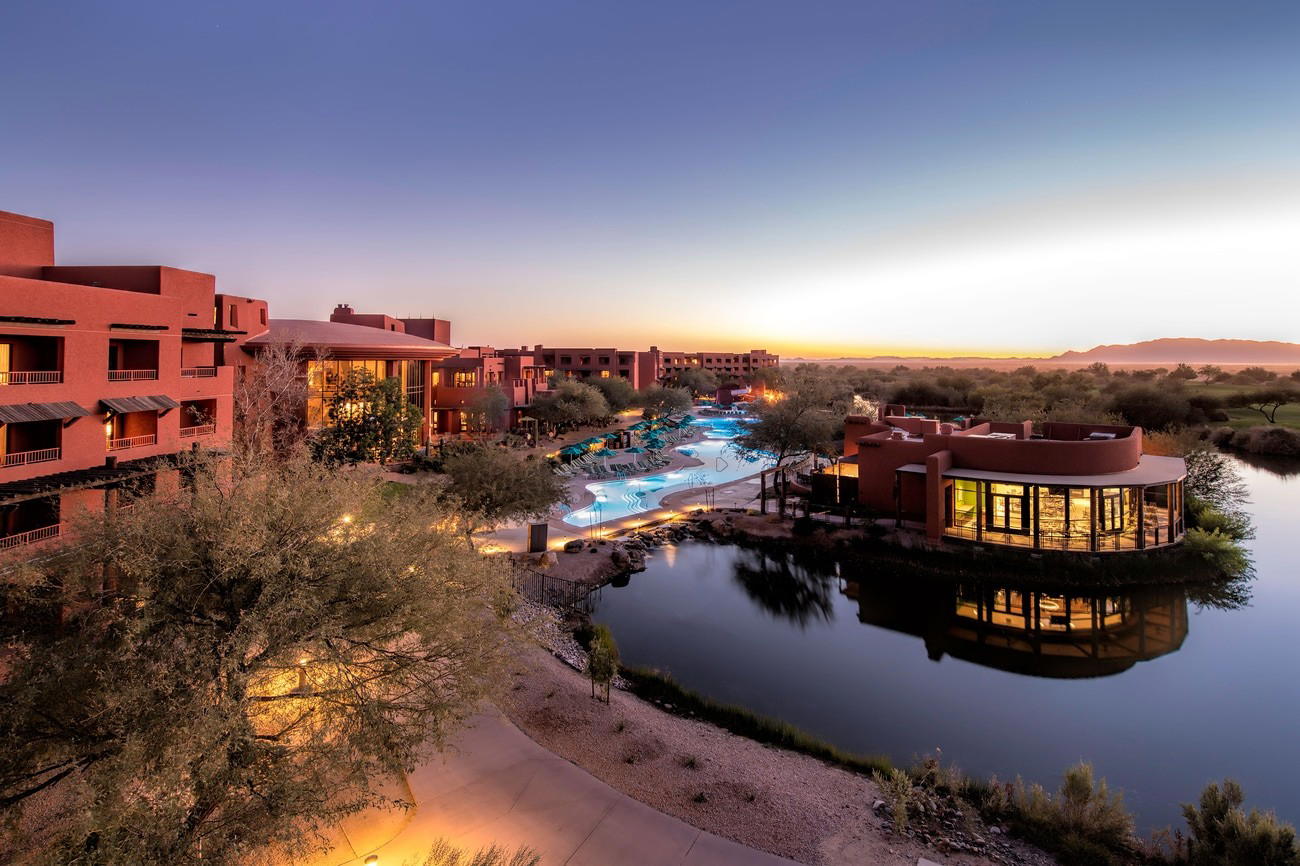
Cozy dining area with inviting sushi bar and sophisticated cocktail seating.