Sheep Heid Inn Edinburgh
One of Edinburgh's oldest surviving public houses, the Sheep Heid Inn in Duddingston Village has been serving ale since at least 1360, making it a reference point for any serious account of Scottish pub culture. The building, the skittle alley, and the setting at the foot of Arthur's Seat place it in a category distinct from the city's contemporary bar scene.
Pearl is the En Primeur Club membership app — saves, bookings, and concierge access live there. Same editors, same standards.
- Address
- 43-45 The Causeway, Edinburgh EH15 3QA, United Kingdom
- Phone
- +44 131 661 7974
- Website
- thesheepheidedinburgh.co.uk
- Directions
- Get directions
 Saves & bookings on Pearl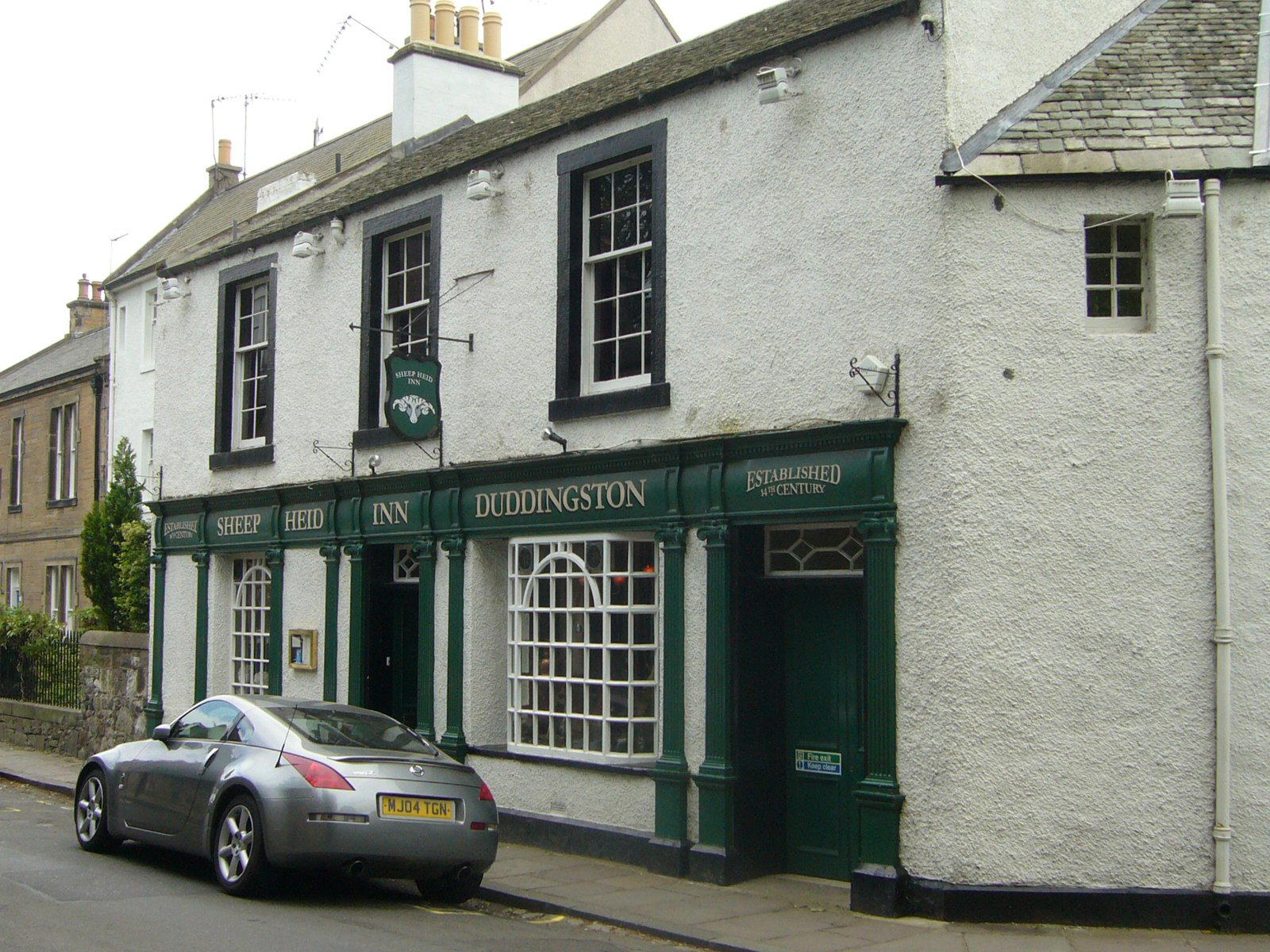
Where Edinburgh's Pub History Takes Physical Form
Approaching Duddingston Village from the city means passing through a landscape that feels disconnected from the capital's Georgian terraces and festival crowds. The Causeway narrows, stone walls close in, and the Sheep Heid Inn appears at number 43-45 as though it has simply always been there — which, in documented terms, it very nearly has. Records of a licensed premises on this site trace back to 1360, placing it among the oldest continuously operating public houses in Scotland. That age is not merely a marketing figure; it shapes the physical fabric of the building, the rhythm of the room, and the reason people make the journey from the centre specifically rather than defaulting to the many capable bars closer to hand.
The pub sits at the edge of Holyrood Park, with Arthur's Seat rising immediately behind it. Duddingston itself is a conservation village absorbed into the Edinburgh city boundary, retaining a character more in keeping with rural Midlothian than with the New Town. That geographic specificity matters when understanding what the Sheep Heid Inn represents: it is not a city-centre heritage pub performing age for tourists, but a neighbourhood institution that happens to be very old in a neighbourhood that has changed very slowly.
The Craft Behind the Bar in a House This Old
Edinburgh's drinking culture has bifurcated sharply in recent years. On one side sit the technically ambitious cocktail bars — Bramble with its basement precision, Panda & Sons with its barbershop concealment and elaborate house style, and on the other, the pubs that have survived long enough to be institutions in their own right. The Sheep Heid operates firmly in the second category, and the hospitality intelligence required to sustain a pub across centuries is different in kind from what drives a cocktail programme at a venue like [Aurora]() or the formal lounge service of [24 Royal Terrace Hotel]().
What the bar team at a pub of this standing must manage is the weight of expectation that comes with extreme provenance. Regulars arrive with inherited attachment, families who have been drinking here across generations. Visitors arrive with the specific expectation that the experience will feel authentic rather than curated. Achieving both simultaneously requires a particular kind of hospitality discipline: warmth without performance, knowledge without condescension. The Scottish pub tradition at its most capable is exactly this, competent, unhurried, and grounded in the room rather than in trends arriving from elsewhere.
That tradition connects to a broader pattern visible across the UK's most enduring public houses. At Horseshoe Bar Glasgow, the bar-back and architectural integrity do similar work, anchoring the experience in physical permanence rather than seasonal programming. What distinguishes these houses from the technically sophisticated venues, Schofield's in Manchester, 69 Colebrooke Row in London, or the Merchant Hotel in Belfast, is that the craft on display is largely the craft of continuity rather than innovation.
The Skittle Alley and What It Signals
The Sheep Heid's skittle alley is among the oldest in Scotland and functions as both an attraction and an indication of the pub's orientation. Skittles as a pub game largely disappeared from Scottish drinking culture across the twentieth century, and the preservation of a functioning alley here is less an eccentricity than a commitment to a specific version of what a public house should be. It is available for private hire, which adds a practical dimension for groups, but its broader significance is what it communicates about the building's relationship to its own history: selective, physical, and slightly at odds with the contemporary hospitality default of maximum floor coverage and table-turn efficiency.
Venues with comparable commitments to format over efficiency tend to occupy a loyal rather than a broad market. Mojo Leeds operates through a different kind of commitment, and L'Atelier Du Vin in Brighton and Hove through wine-led specificity, but the underlying principle connects: a bar that has decided what it is resists dilution and earns repeat visits from people who have made the same decision about what they want.
Food, Setting, and the Logic of the Journey
The Sheep Heid serves food alongside its drinks programme, with the pub's kitchen operating in the register of Scottish pub classics rather than anything that would compete with Edinburgh's restaurant tier. The setting reinforces this positioning: a meal here is an argument for a particular kind of afternoon or Sunday, where the journey to Duddingston, the walk around Duddingston Loch, and the return through Holyrood Park form the context in which the pub is experienced. The food anchors the visit without being its primary justification.
That logic is worth stating clearly for anyone arriving with restaurant-level expectations. The Sheep Heid operates on pub terms, and on those terms it performs with authority. The beer selection reflects the Scottish ale tradition, the wine list is functional rather than ambitious, and the atmosphere does the work that a carefully engineered cocktail might do elsewhere, it produces a distinct, place-specific feeling that is not reproducible in a bar that opened last year.
For Edinburgh visitors building a broader itinerary across the city's bar and restaurant scene, the full picture is in our Edinburgh guide. The Sheep Heid sits outside the main circuits of New Town and Old Town drinking, which is precisely its value: it requires a decision rather than convenience, and that decision consistently rewards those who make it. Visitors combining Duddingston with a walk on Arthur's Seat should arrive with time to spare; the pub fills at weekend lunchtimes and Sunday afternoons in particular, and the atmosphere thins considerably when the room is only partially occupied.
Internationally, the model of the enduring neighbourhood pub as a serious hospitality destination has counterparts in markets as different as Bar Leather Apron in Honolulu, where a specific commitment to format and craft drives destination visits. The mechanism is the same even where the execution differs: when a bar has a clearly defined identity over a long period, it attracts visitors who want exactly that thing rather than visitors who happened to be passing.
Planning Your Visit
The pub is at 43-45 The Causeway, Duddingston Village, Edinburgh EH15 3QA, reachable by bus from the city centre or on foot through Holyrood Park from the Scottish Parliament end. Weekend lunchtimes and Sunday afternoons draw the largest crowds; a weekday visit offers more space and a quieter version of the same experience. The skittle alley is available for private hire and worth enquiring about directly for groups. No booking is required for the bar itself, though tables for food fill quickly at peak times.
Cuisine and Recognition
| Venue | Cuisine |
|---|---|
| Sheep Heid Inn EdinburghThis venue — the venue you are viewing | This venue |
| Bramble | World's 50 Best |
| Panda & Sons | World's 50 Best |
Continue exploring
More in Edinburgh
Bars in Edinburgh
Browse all →
Restaurants in Edinburgh
Browse all →
At a Glance
- Rustic
- Cozy
- Classic
- Historic
- Casual Hangout
- Group Outing
- Historic Building
- Courtyard
- Lounge Seating
- Outdoor Terrace
- Craft Beer
- Whiskey
Current opening hours
- Monday
- 12–11 PM
- Tuesday
- 12–11 PM
- Wednesday
- 12–11 PM
- Thursday
- 12–11 PM
- Friday
- 12–11 PM
- Saturday
- 11:30 AM–11 PM
- Sunday
- 11:30 AM–11 PM
Hours can change for holidays and private events. Last verified .
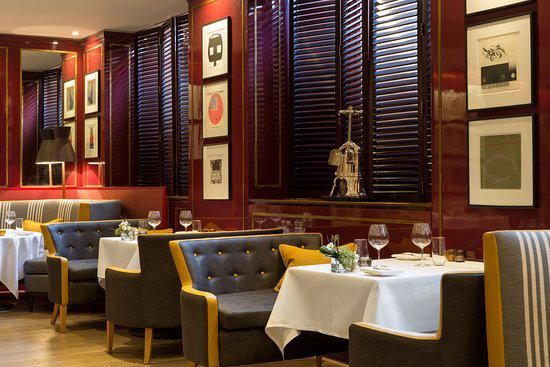
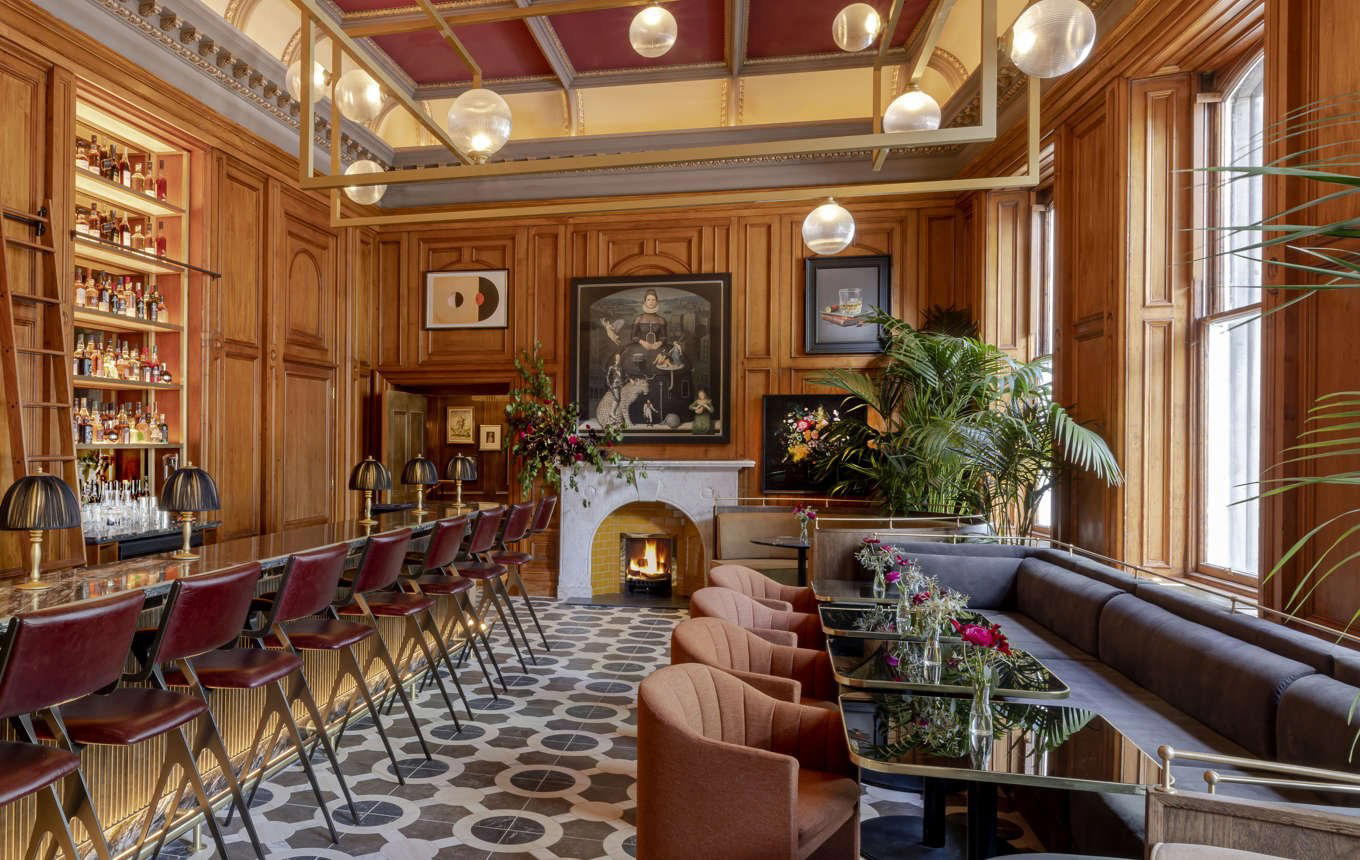
Warm rustic charm with low-beamed ceilings, wooden furnishings, dark wood panelling, and cozy fireplace.
Know Before You Go
- Getting there
- 43-45 The Causeway, Edinburgh EH15 3QA, United Kingdom